






Understanding Plantar Fasciitis Relief Options
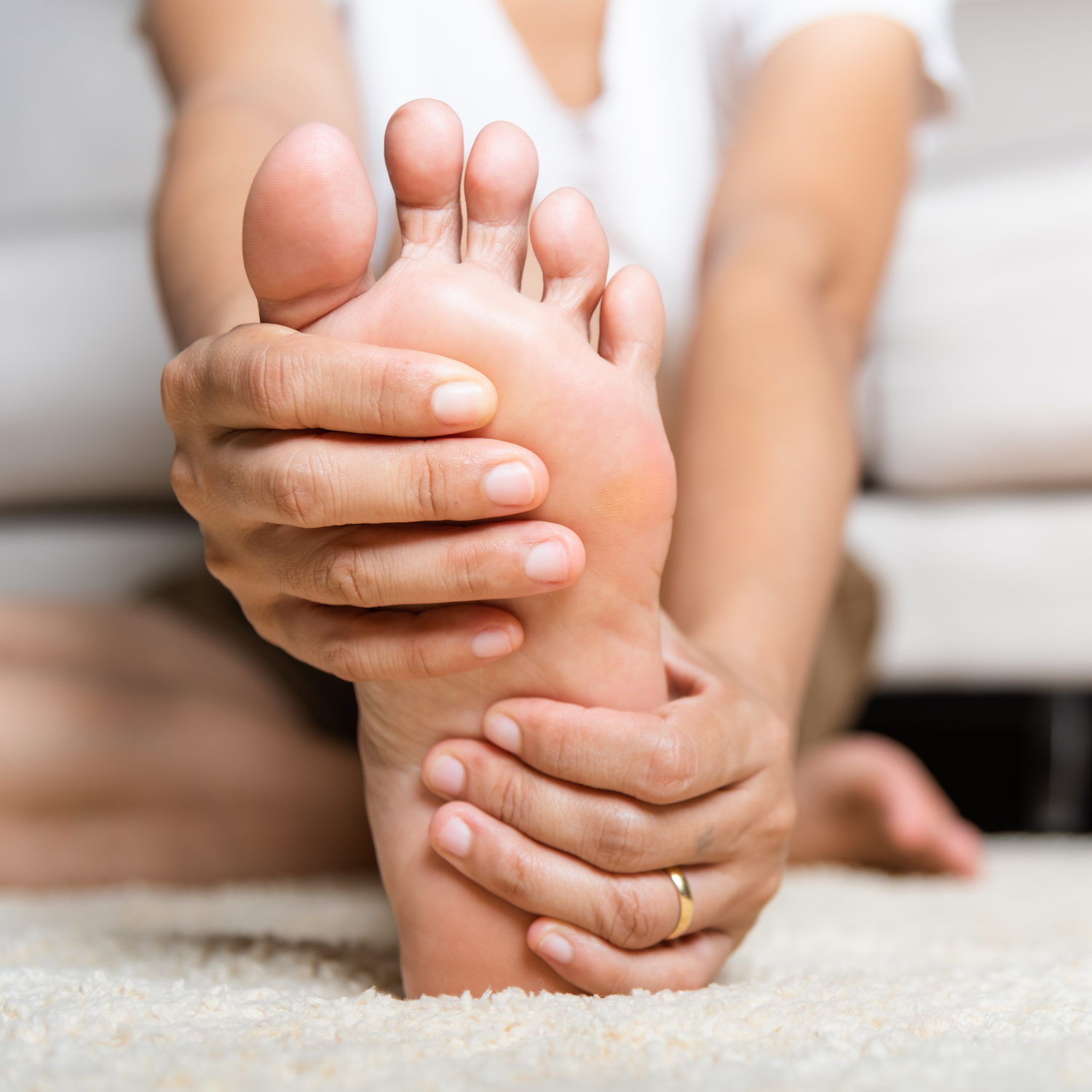
Waking up to that first excruciating step of the day is a reality many plantar fasciitis sufferers know all too well. This painful condition affects the thick band of tissue connecting your heel to your toes, creating inflammation that can sideline even the most dedicated athletes and active individuals. The good news? Immediate relief is possible with the right products designed specifically to address this common but debilitating foot condition.
Plantar fasciitis relief doesn't have to be complicated or expensive. By understanding how proper support mechanisms work, you can transform your daily comfort levels and reclaim your active lifestyle. Whether you're a runner dealing with chronic heel pain or someone who simply wants to walk without wincing, targeted solutions exist to help you manage symptoms while your body heals.
In this comprehensive guide, we'll explore the most effective products that provide real results for plantar fasciitis sufferers. From supportive footwear to compression therapy and at-home treatment tools, we've researched the options to help you take meaningful steps toward pain-free movement today.
Supportive Footwear Solutions
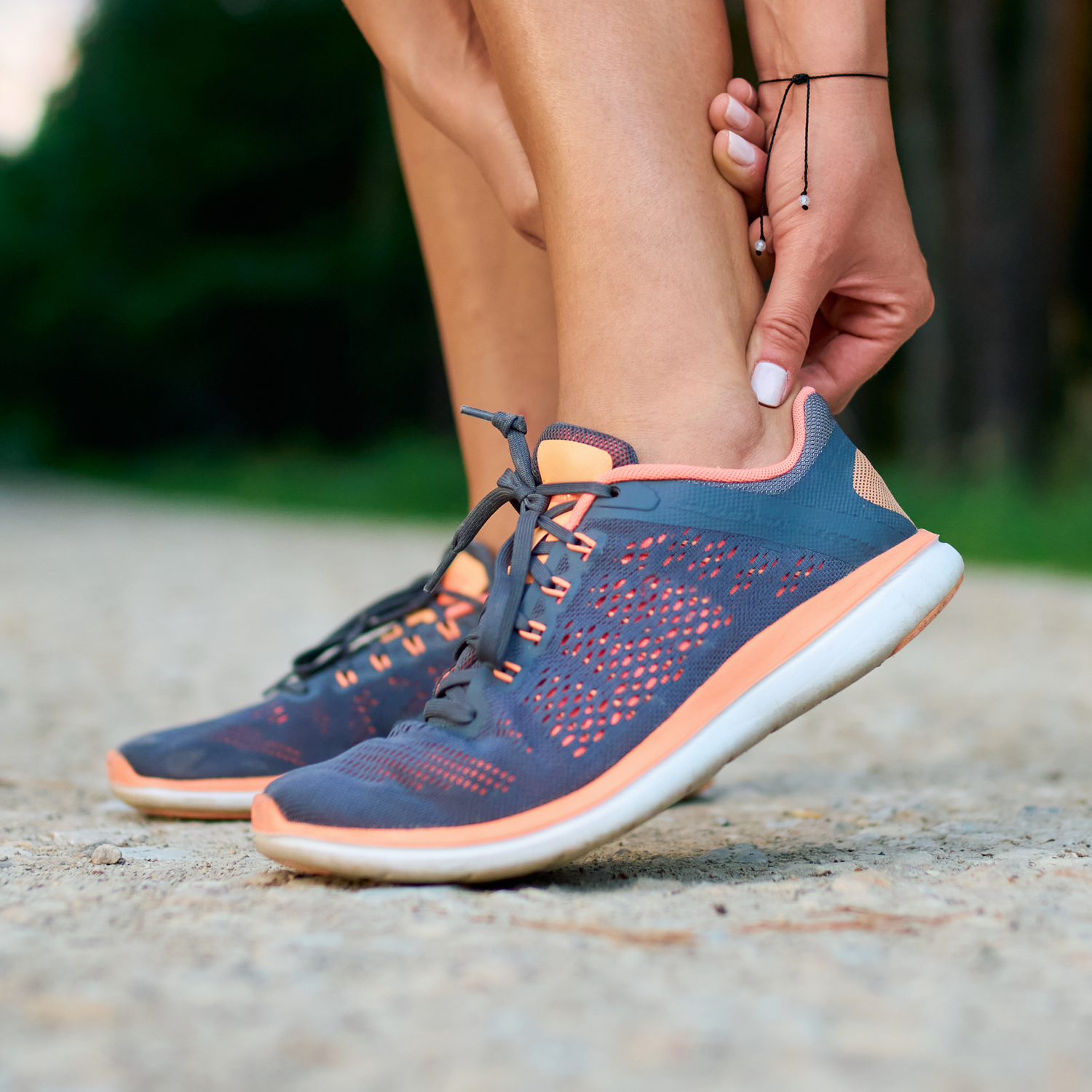
When it comes to managing plantar fasciitis pain, what you put on your feet matters tremendously. The right footwear provides crucial support to the arch and heel, redistributing pressure and reducing strain on the inflamed fascia.
Proper shoes for plantar fasciitis should feature rigid heel counters to stabilize the foot, adequate arch support to maintain proper alignment, and cushioning to absorb impact. Look for footwear with removable insoles that allow for customization with orthotic inserts if needed. Many podiatrists recommend avoiding completely flat shoes or high heels, as these extremes can exacerbate symptoms.
For immediate relief, consider investing in recovery sandals or slippers designed specifically for plantar fasciitis. These can be worn around the house to provide consistent support even when you're not wearing your regular shoes, preventing the painful "first steps" after periods of rest.
Orthotic Inserts vs. Specialized Shoes
The debate between orthotic inserts and specialized shoes is common among plantar fasciitis sufferers. Both options offer distinct advantages depending on your specific needs and lifestyle.
Orthotic inserts provide the flexibility to transform your existing favorite shoes into therapeutic footwear. They're typically less expensive than purchasing multiple pairs of specialized shoes and can be transferred between different footwear options. Quality orthotics offer targeted arch support, heel cushioning, and sometimes metatarsal pads to redistribute pressure away from painful areas.
For severe cases, custom orthotics prescribed by a podiatrist may provide the most precise support tailored to your exact foot structure. However, many over-the-counter options now utilize advanced materials and designs that rival custom solutions at a fraction of the cost.
Specialized shoes, on the other hand, are engineered from the ground up to address foot pain. Brands like Brooks, New Balance, and Hoka One One have developed models specifically for plantar fasciitis with features like rocker bottoms to reduce strain during toe-off, deep heel cups for stability, and strategic cushioning zones. These shoes often receive approval from organizations like the American Podiatric Medical Association, providing additional confidence in their therapeutic benefits.
The ideal approach often combines both solutions: specialized shoes for high-impact activities and quality orthotic inserts for everyday footwear. This comprehensive strategy ensures your feet receive consistent support throughout all daily activities.
Targeted Compression Products
Compression therapy represents one of the most effective immediate interventions for plantar fasciitis pain. By applying gentle, consistent pressure to the affected area, compression products help reduce inflammation, improve circulation, and provide structural support to the arch and heel.
The science behind compression is straightforward: controlled pressure helps minimize fluid buildup in the inflamed tissue while providing tactile feedback that encourages proper foot positioning. This dual-action approach not only addresses current pain but can help prevent further injury by promoting optimal biomechanics during movement.
Modern compression products for plantar fasciitis come in various forms, from simple sleeves that slide over the foot to more complex braces with adjustable strapping systems. The best option depends on when and how you plan to use the product, as well as the specific location and severity of your pain.
Night Splints and Compression Socks Benefits
Night splints and compression socks represent two distinct but complementary approaches to managing plantar fasciitis symptoms during different phases of your day.
Night splints work by holding the foot in a slightly dorsiflexed position (toes pointed slightly upward) throughout the night. This gentle stretching prevents the plantar fascia from contracting and tightening while you sleep, which is what causes that infamous morning pain. Though they may take some getting used to, many users report dramatic improvement in morning symptoms after just a few nights of consistent use.
Modern night splints have evolved significantly from earlier bulky models. Today's options include lightweight, low-profile designs that maintain therapeutic positioning without sacrificing comfort. Some even incorporate additional features like cold therapy pockets or massage nodes to enhance their therapeutic effect.
Compression socks, meanwhile, provide daytime relief by supporting the arch and improving circulation throughout the foot. Unlike regular socks, compression varieties apply graduated pressure that's tighter around the midfoot and gradually decreases toward the ankle and calf. This design helps reduce swelling while providing structural support to the plantar fascia during weight-bearing activities.
For athletes and active individuals, compression socks can be particularly beneficial during and after workouts. The enhanced circulation helps flush away inflammatory byproducts while the compressive support reduces strain on the injured tissue. Many users find they can extend their activity duration and recover more quickly when incorporating compression socks into their routine.
At-Home Treatment Tools
The most effective plantar fasciitis treatment plans incorporate daily at-home care to complement professional interventions and supportive products. Self-care tools designed specifically for foot pain can provide immediate relief while contributing to long-term healing.
Consistency is key when using at-home treatment tools. Incorporating them into your daily routine—perhaps during morning and evening rituals or while watching TV—ensures you're providing regular care to the injured tissue. Many physical therapists recommend using these tools both before getting out of bed (to prepare the tissue for weight-bearing) and after long periods of activity (to address inflammation).
The market offers numerous options for self-care, ranging from simple manual tools to sophisticated electronic devices. The best choice depends on your specific pain patterns, budget, and personal preferences for treatment modalities.
Massage Rollers and Cold Therapy Options
Massage rollers and cold therapy represent two of the most accessible and effective at-home treatment options for immediate plantar fasciitis relief.
Foot massage rollers come in various designs, from simple cylindrical rollers to textured balls to sophisticated devices with multiple surfaces. The mechanical action of rolling the foot over these tools helps break up adhesions in the fascia, improve blood flow to the area, and provide a gentle stretch to tight tissues. Many users find that spending just 5-10 minutes rolling each foot can significantly reduce pain and improve mobility.
For enhanced results, consider freezing a water bottle and using it as a combination cold therapy and massage tool. The cold reduces inflammation while the rolling action provides therapeutic massage. This simple but effective technique is often recommended by podiatrists as a first-line home treatment for acute plantar fasciitis pain.
Dedicated cold therapy products offer more targeted relief for persistent inflammation. Specialized foot ice packs contour to the arch and heel, delivering precise cooling to the affected areas. Some innovative designs incorporate massage elements like raised nodules or ridges that provide simultaneous mechanical therapy while cooling the tissue.
For those who find cold therapy uncomfortable or who want to alternate treatment approaches, heat therapy can also be beneficial, particularly before stretching exercises. Heated foot massagers combine warmth with mechanical massage, helping to increase tissue elasticity and prepare the plantar fascia for gentle stretching.
When using any massage or therapy tool, start gently and gradually increase pressure as tolerated. The goal is therapeutic relief, not additional pain or trauma to the already sensitive tissue.
Combining Approaches for Maximum Relief
The most successful plantar fasciitis treatment plans rarely rely on a single product or approach. Instead, they strategically combine multiple interventions to address different aspects of the condition throughout the day and night.
A comprehensive approach might include:
Supportive shoes with orthotic inserts during daily activities
Compression socks for exercise and long periods of standing
Night splints while sleeping
Regular use of massage tools and cold therapy for acute pain
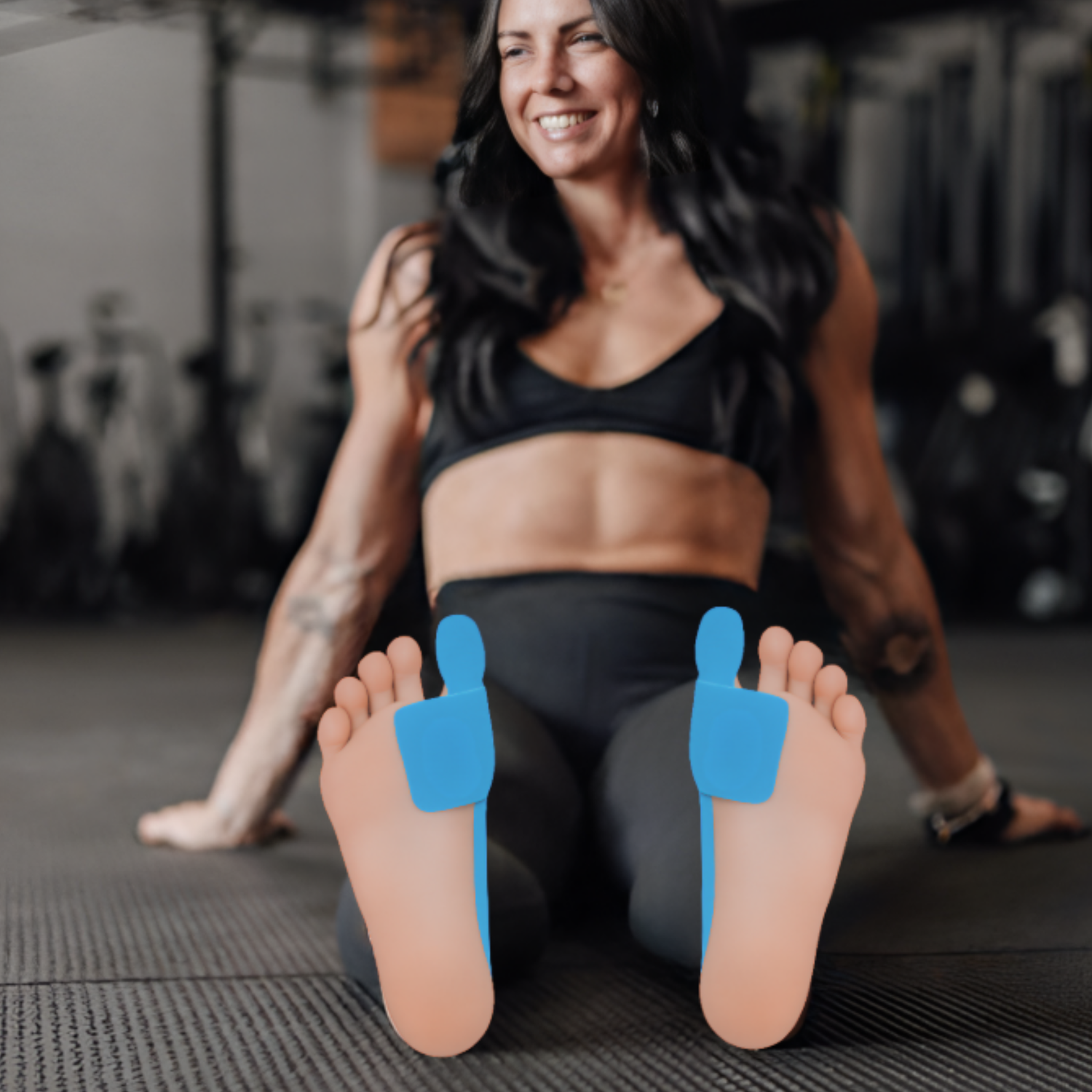
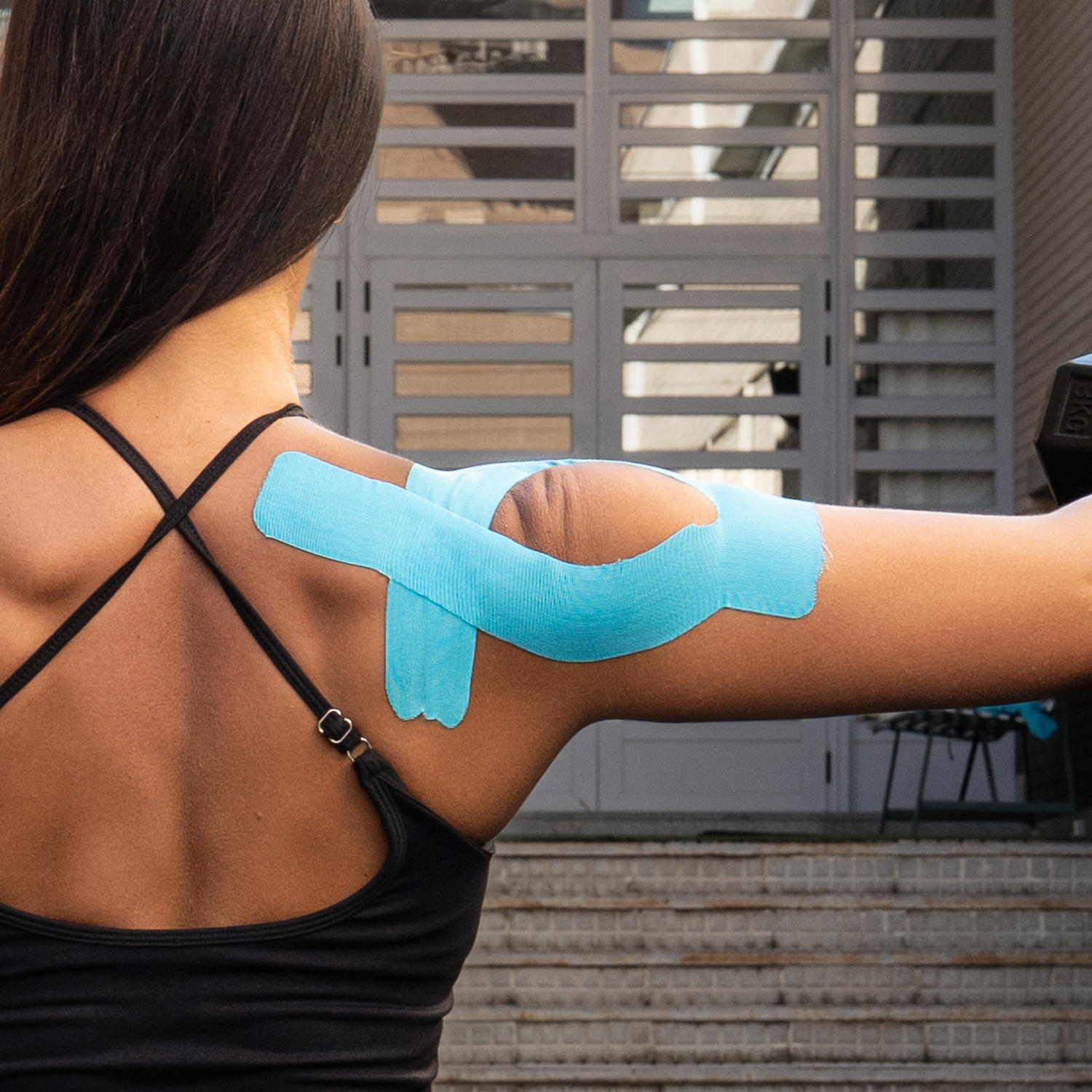
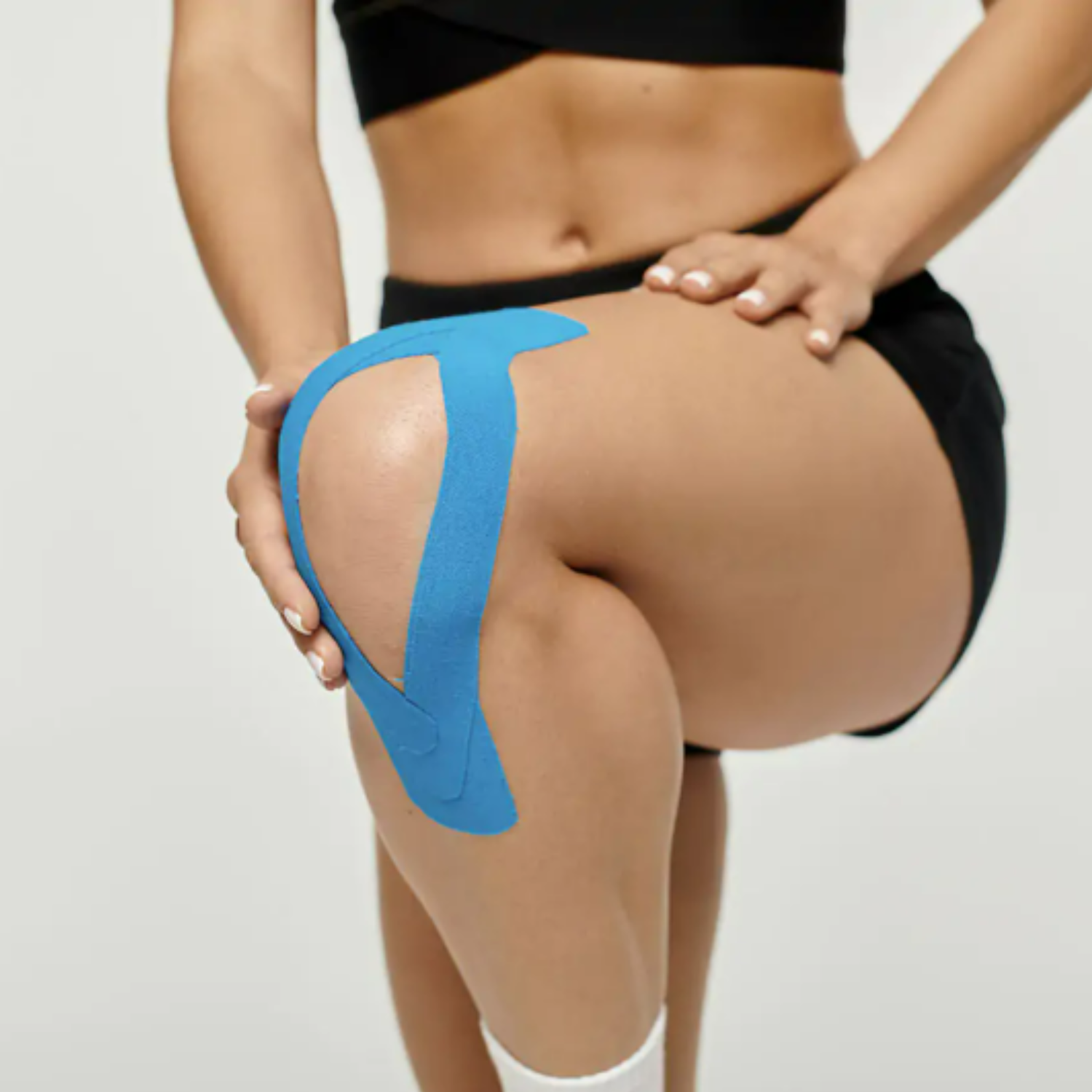
Kinesiology tape for additional support during high-impact activities
This multi-faceted strategy ensures the plantar fascia receives consistent support and therapeutic input throughout the healing process. While it may seem overwhelming initially, most users find they quickly develop a routine that incorporates their preferred products at key points throughout the day.
Taking Steps Toward Pain-Free Movement
Living with plantar fasciitis doesn't mean accepting a life of limited mobility and chronic pain. With the right combination of supportive products and consistent self-care, most sufferers can experience significant improvement in their symptoms and quality of life.
Remember that healing takes time, and consistency with your chosen interventions is crucial for long-term success. Many podiatrists recommend maintaining your plantar fasciitis care routine even after symptoms begin to improve, as the tissue continues strengthening and remodeling for several months after pain subsides.
By investing in quality products designed specifically for plantar fasciitis relief, you're taking an important step toward reclaiming your active lifestyle. Whether you're an athlete looking to return to peak performance or simply someone who wants to walk comfortably through daily life, the right supportive tools can make all the difference in your recovery journey.
Take that first step toward healing today by incorporating these proven plantar fasciitis relief products into your daily routine. Your feet will thank you with every comfortable, pain-free step you take.