


















Overview
Bunions are a common foot condition affecting over 23% of U.S. adults, characterized by a bony bump on the big toe joint. They can cause discomfort and limit mobility. Factors like genetics, footwear, and medical conditions contribute to their development. Early detection of symptoms, such as pain and swelling, is crucial. Treatment options include conservative methods like proper footwear, bunion pads, and physical therapy, while severe cases may require surgery. Preventive measures focus on maintaining foot health through well-fitting shoes and exercise. Consult a healthcare professional for personalized care.
Frequently Asked Questions
1. What is a bunion?
2. What are common symptoms of bunions?
3. What can cause bunions to develop?
4. What are some conservative treatment methods for bunions?
5. When is surgery necessary for bunions?
Bunions are more than just a common foot condition; they can affect your daily life significantly. More than 23% of adults in the U.S. experience bunions at some point, making awareness about this foot ailment essential. In this comprehensive guide, we will explore the anatomy of bunions, their causes, symptoms, and the available options for relief such as bunion pads. Understanding bunions can help you take proactive steps to manage and alleviate this condition.
What Is a Bunion?
A bunion, also known medically as hallux valgus, is a bony bump that forms on the joint at the base of the big toe. This misalignment can cause discomfort and lead to various complications if left untreated. It’s essential to recognize the signs and symptoms early on to mitigate further issues.
Understanding the Foot Anatomy
The Structure of the Foot
To grasp the concept of the bunion better, let's take a closer look at the anatomy of the foot. The human foot consists of:
- Bones: The foot is made up of 26 bones, including the metatarsals, phalanges, and tarsal bones.
- Muscles: Numerous muscles help in the movement and stabilization of the foot.
- Tendons and Ligaments: These structures connect muscles to bones and provide support to maintain the foot's structure.
The big toe, or hallux, plays a crucial role in balance and weight distribution, hence the impact of bunions on your overall foot health.
How Bunions Develop
Bunions occur when there is a shift in the alignment of the big toe. Instead of pointing straight, the big toe tilts toward the other toes, creating the characteristic bump at the joint. Over time, this shift results in an uncomfortable protrusion. Factors contributing to the development of bunions include:
- Genetics: A family history of bunions can predispose you to this condition.
- Footwear Choices: Wearing tight, pointed shoes can exacerbate bunion formation.
- Medical Conditions: Conditions such as arthritis and flat feet may increase your likelihood of developing bunions.
- Foot Trauma: Past injuries to the foot can lead to improper alignment and subsequent bunion development.
Symptoms of Bunions
Identifying symptoms early is crucial for effectively managing bunions. Common symptoms may include:
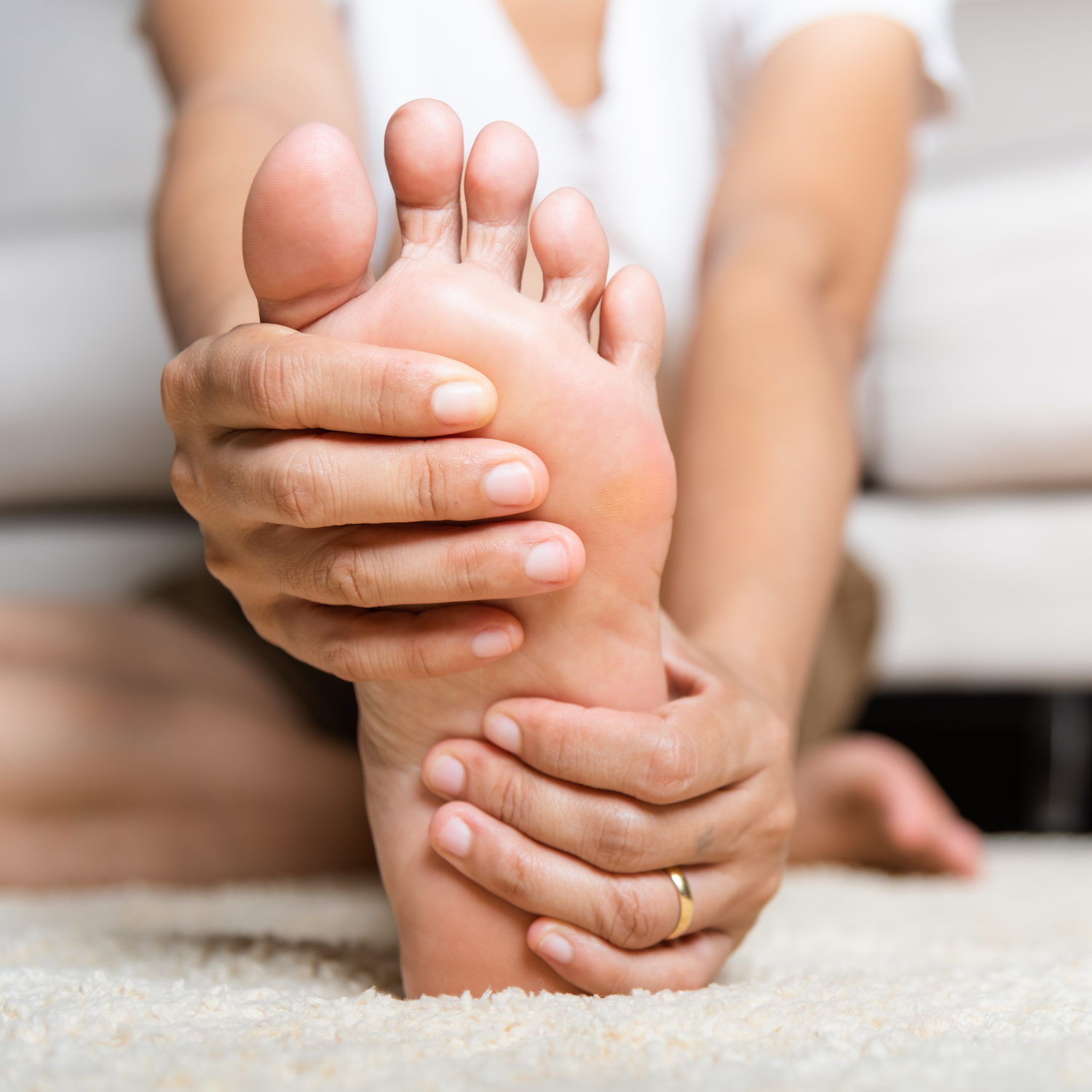
- Visible Bump: The most recognizable sign of a bunion is the bony bump on the outer edge of the big toe.
- Pain: Discomfort can range from mild to severe, particularly when wearing shoes.
- Swelling and Redness: The joint may exhibit swelling and inflammation.
- Limited Movement: Bunions can restrict the movement of your big toe.
If you notice these symptoms, it’s essential to consult a healthcare professional for an accurate diagnosis and personalized treatment options.
Exploring Treatment Options
Conservative Treatment Methods
For many individuals, non-invasive methods can relieve the symptoms associated with bunions. These strategies may include:
- Footwear Modifications: Choosing shoes with a wide toe box can help reduce pressure on the bunion.
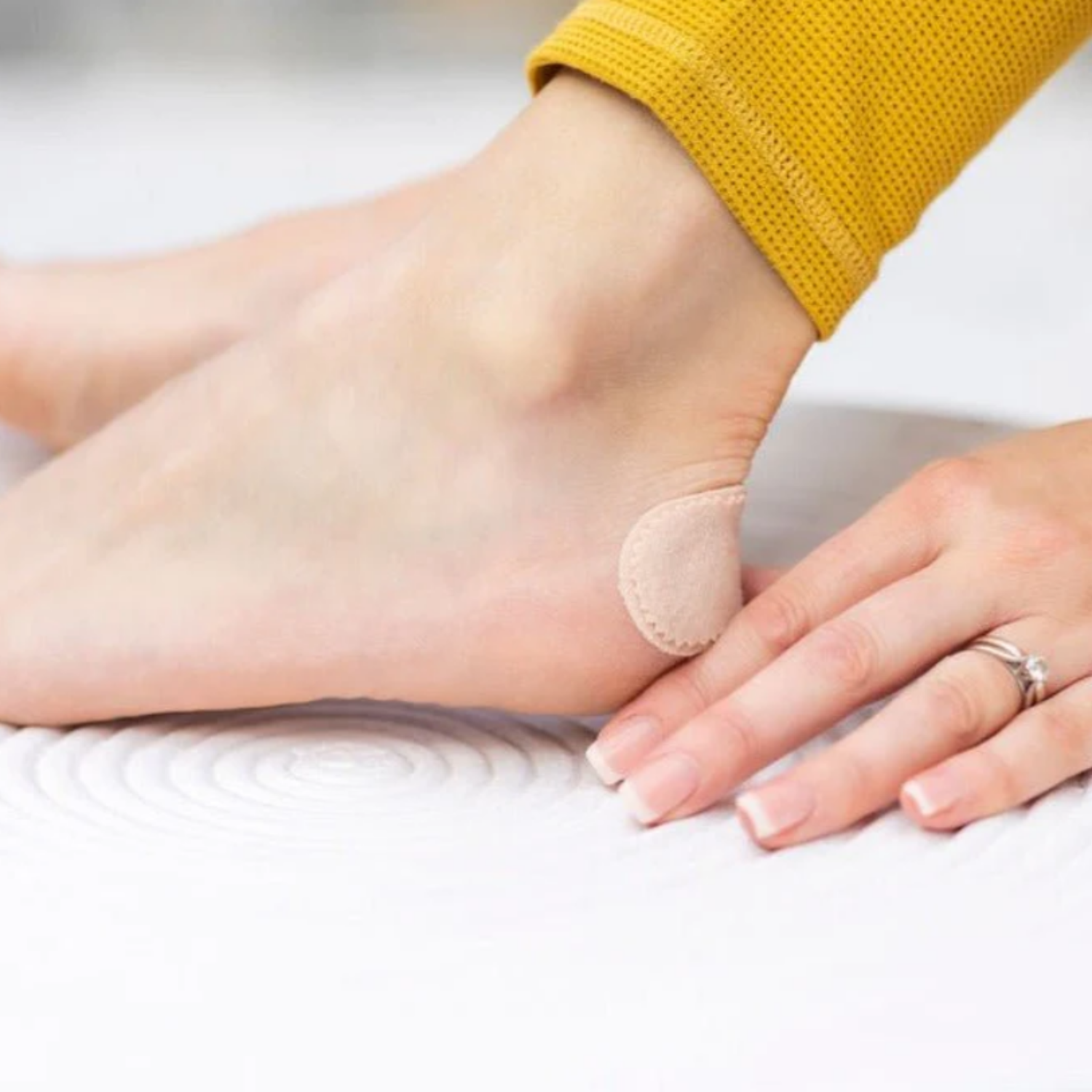
- Bunion Pads: Using bunion pads can cushion the area, providing relief from friction and pressure.
- Orthotic Devices: Custom orthotics can redistribute weight and alleviate pain.
- Ice Therapy: Applying ice packs can help reduce swelling and inflammation.
Physical Therapy
Regular physical therapy can also be beneficial in managing bunions. A physical therapist can guide you through exercises that strengthen the foot muscles and improve flexibility. Engaging in specific stretching exercises can promote better alignment of the big toe.
When is Surgery Necessary?
In cases where conservative treatments fail to offer relief, surgical intervention may be necessary. The goal of bunion surgery is to realign the toe and alleviate pain. There are various types of surgical procedures available, including:
- Osteotomy: Involves cutting and realigning the bones of the big toe.
- Exostectomy: Removal of the bony bump, without realigning the toe.
- Arthrodesis: This procedure fuses the bones of the affected joint for stability.
Surgery is usually reserved for more severe cases and should be discussed thoroughly with your healthcare provider.
Preventing Bunions: Tips for Healthy Feet
Preventing bunions is ultimately about maintaining foot health. Here are some tips to avoid bunion formation:
- Choose Well-Fitting Shoes: Always opt for shoes that provide sufficient room for your toes. Avoid tight and narrow footwear.
- Practice Good Foot Hygiene: Regularly clean and inspect your feet for any abnormalities.
- Incorporate Foot Exercises: Regularly perform foot and toe exercises to strengthen the intrinsic muscles and maintain flexibility.
- Manage Weight: Maintaining a healthy weight lessens the pressure on your feet.
A Deeper Dive: Understanding How Bunions Affect Your Life
The presence of bunions can significantly impact various aspects of your life, including your mobility, activity level, and overall quality of life. It's important to recognize the overarching implications:
- Pain Management: Living with bunion pain can limit physical activities and exercise, leading to an overall sedentary lifestyle.
- Social Interaction: Bunions may cause self-consciousness about foot appearance, impacting your willingness to engage in social situations where footwear is a concern.
- Financial Implications: Ongoing treatment for bunion pain can lead to increased healthcare costs, whether through devices, physical therapy, or surgery.
Targeted bunion treatments, particularly bunion pads, etc., can offer relief while preserving your social and active lifestyle.
Final Thoughts: Embrace Healthy Feet
Understanding the anatomy of a bunion along with its causes, symptoms, and treatment options empowers you to make informed decisions about foot health. Whether through conservative or surgical methods, various pathways exist to alleviate bunion-related discomfort. Don't let bunions dictate your lifestyle; embrace proactive strategies to promote healthy feet today. Take the first steps by consulting a healthcare professional to assess your foot health and explore all available options for relief!
Linked Product

Bunion Relief Bundle
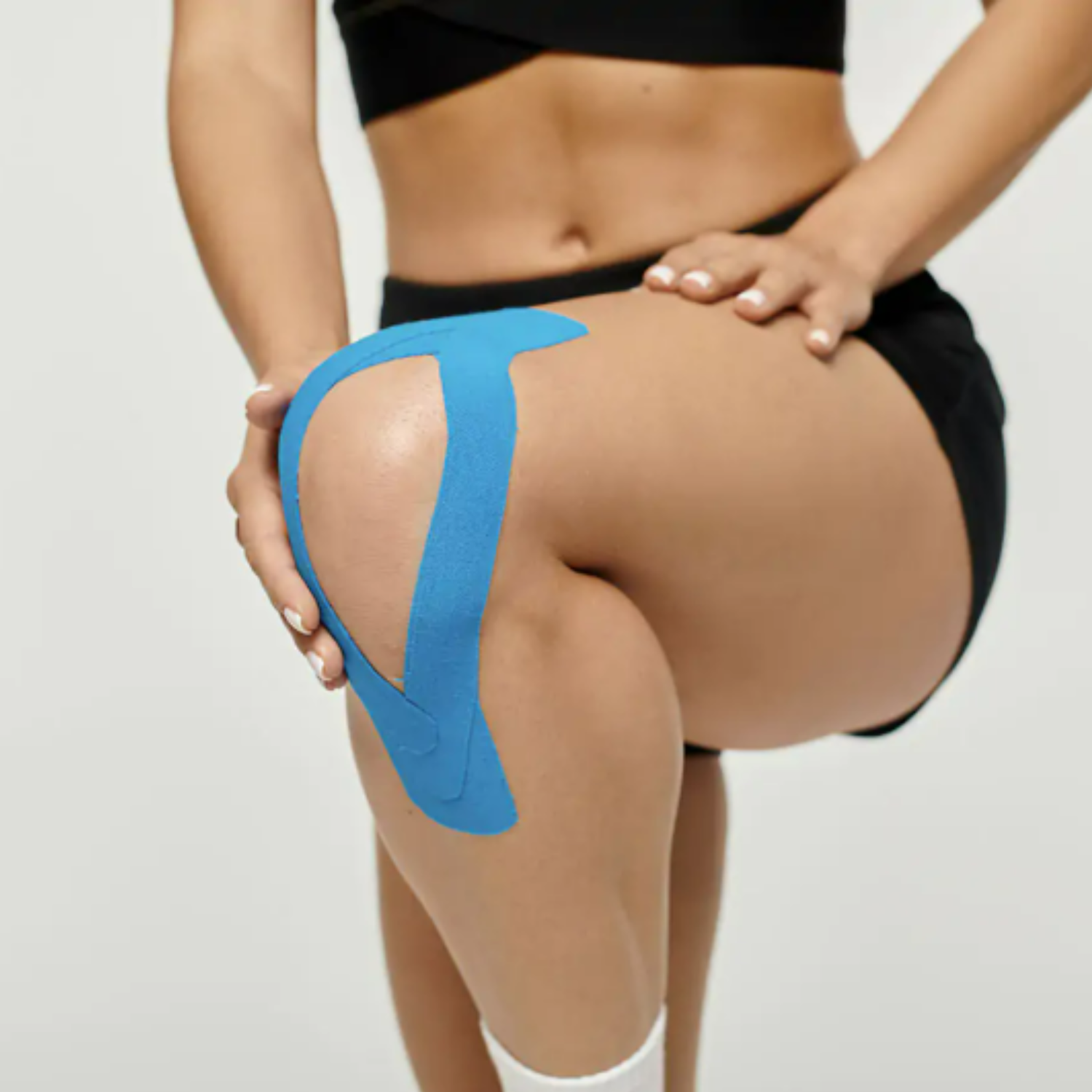
The Bunion Relief Bundle provides a comprehensive approach to foot comfort by combining effective solutions for pain relief and protection. Featuring toe alignment tape, protective moleskin pads, and a soothing Epsom salt soak, this bundle supports recovery and prevents irritation during daily activities or intense training. Ideal for anyone seeking to maintain foot health while staying active, it addresses common bunion-related discomfort.
View Product