














Overview
Bunions are bony bumps at the base of the big toe caused by misalignment. Common in women, they can lead to pain and discomfort. Key factors include genetics, footwear choices, and foot structure. Symptoms include a visible bump, redness, and restricted movement. Management options include proper footwear, orthotics, ice/heat therapy, and over-the-counter pain relievers. Prevention focuses on supportive footwear, foot health, and exercises. Consult a professional for severe cases or persistent pain. Staying informed about bunion management can enhance foot health.
Table of Contents
- What is a Bunion?
- The Anatomy of a Bunion
- 1. The Bone Structure
- 2. The Ligaments and Tendons
- 3. The Skin and Soft Tissues
- Who is at Risk for Bunions?
- Common Symptoms of Bunions
- How to Diagnose a Bunion
- How to Manage Bunion Pain
- 1. Footwear Adjustments
- 2. Orthotic Devices
- 3. Ice and Heat Therapy
- 4. Over-the-Counter Pain Relievers
- 5. Bunion Correctors
- Preventing Bunions: Tips for Healthy Feet
- 1. Choose Supportive Footwear
- 2. Keep Your Feet Healthy
- 3. Stretch and Exercise
- 4. Avoid Prolonged Pressure
- When to Seek Professional Help
- Looking Forward: The Future of Bunion Management
Key Takeaways
- Bunions are a common foot condition characterized by a bony bump at the base of the big toe, often caused by misalignment.
- Risk factors for developing bunions include genetics, inappropriate footwear, foot structure, and age.
- Symptoms of bunions may include visible bumps, redness, swelling, pain, and restricted movement in the big toe.
- Footwear adjustments are crucial for managing bunion pain; opt for shoes with a wide toe box and good support.
- Orthotic devices and bunion correctors can help alleviate pain and prevent the condition from worsening.
- Regular foot care and exercises can aid in maintaining foot health and preventing bunions.
- Consult a healthcare professional if bunion pain interferes with daily activities, as further treatment options may be necessary.
When it comes to foot health, many people overlook the small nuances that can lead to discomfort and pain. One such nuance is the bunion – a common yet often misunderstood condition. This comprehensive guide will delve into the anatomy of a bunion, helping you understand its causes, symptoms, and the latest approaches for bunion relief.
What is a Bunion?
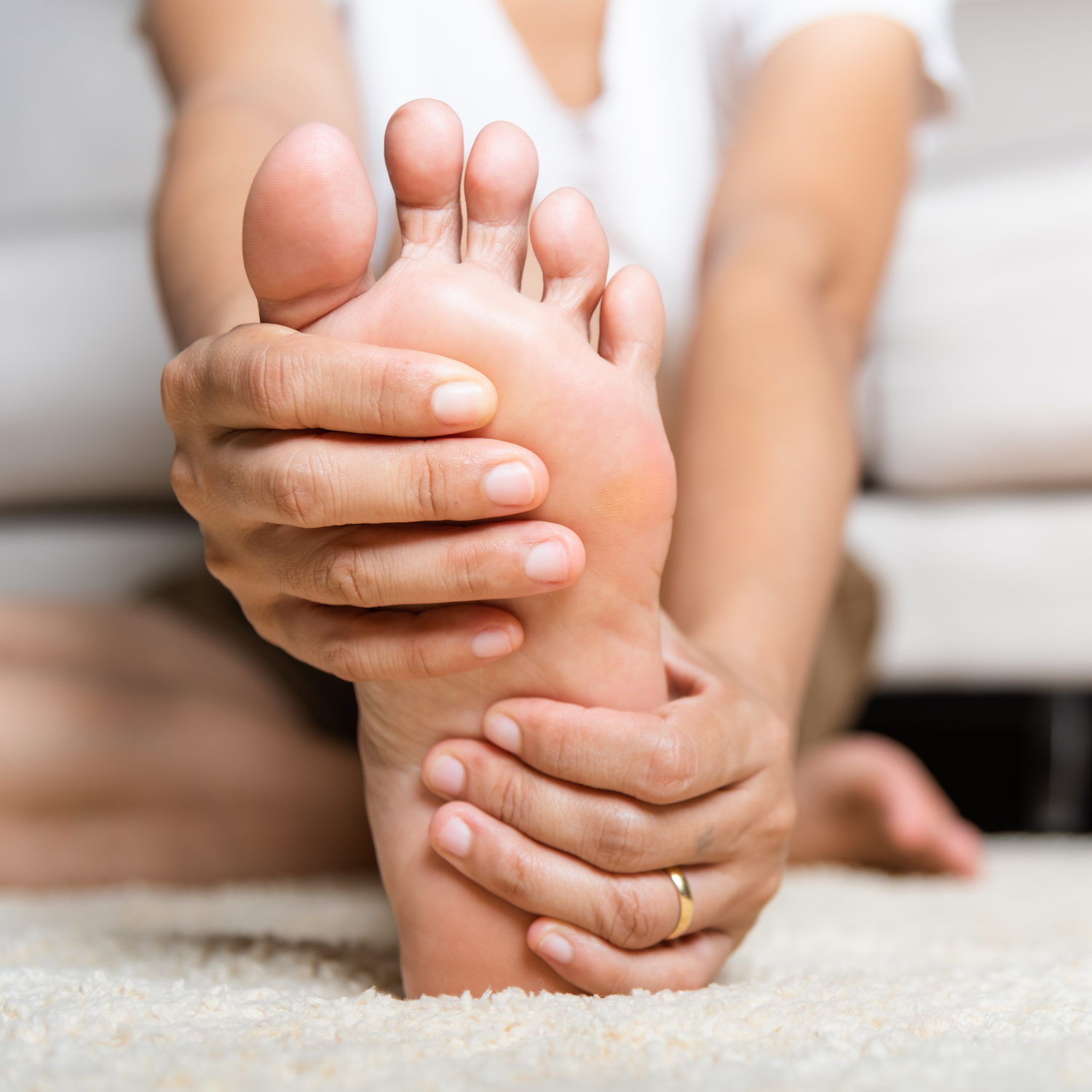
A bunion, or Hallux Valgus, is a bony bump that forms at the base of the big toe. This misalignment occurs when the big toe pushes against the other toes, causing the joint to protrude. While bunions can affect anyone, they are more prevalent in women, thus the need for a bunion corrector for women may arise. Understanding the anatomy of a bunion is the first step toward effective treatment and prevention.
The Anatomy of a Bunion
To fully grasp how bunions develop and affect your foot, it’s essential to examine the anatomy involved:
1. The Bone Structure
Your foot consists of 26 bones, with the big toe having two bones (the proximal and distal phalanges) and the first metatarsal bone. A bunion occurs when the first metatarsal shifts out of alignment, leading to the prominent bump. This misalignment changes the way weight is distributed on the foot, causing discomfort.
2. The Ligaments and Tendons
Ligaments are the fibrous tissues that connect bones to one another, while tendons attach muscles to bones. In bunions, these structures may become overstretched and weakened due to the altered position of the toe, leading to pain and inflammation.
3. The Skin and Soft Tissues
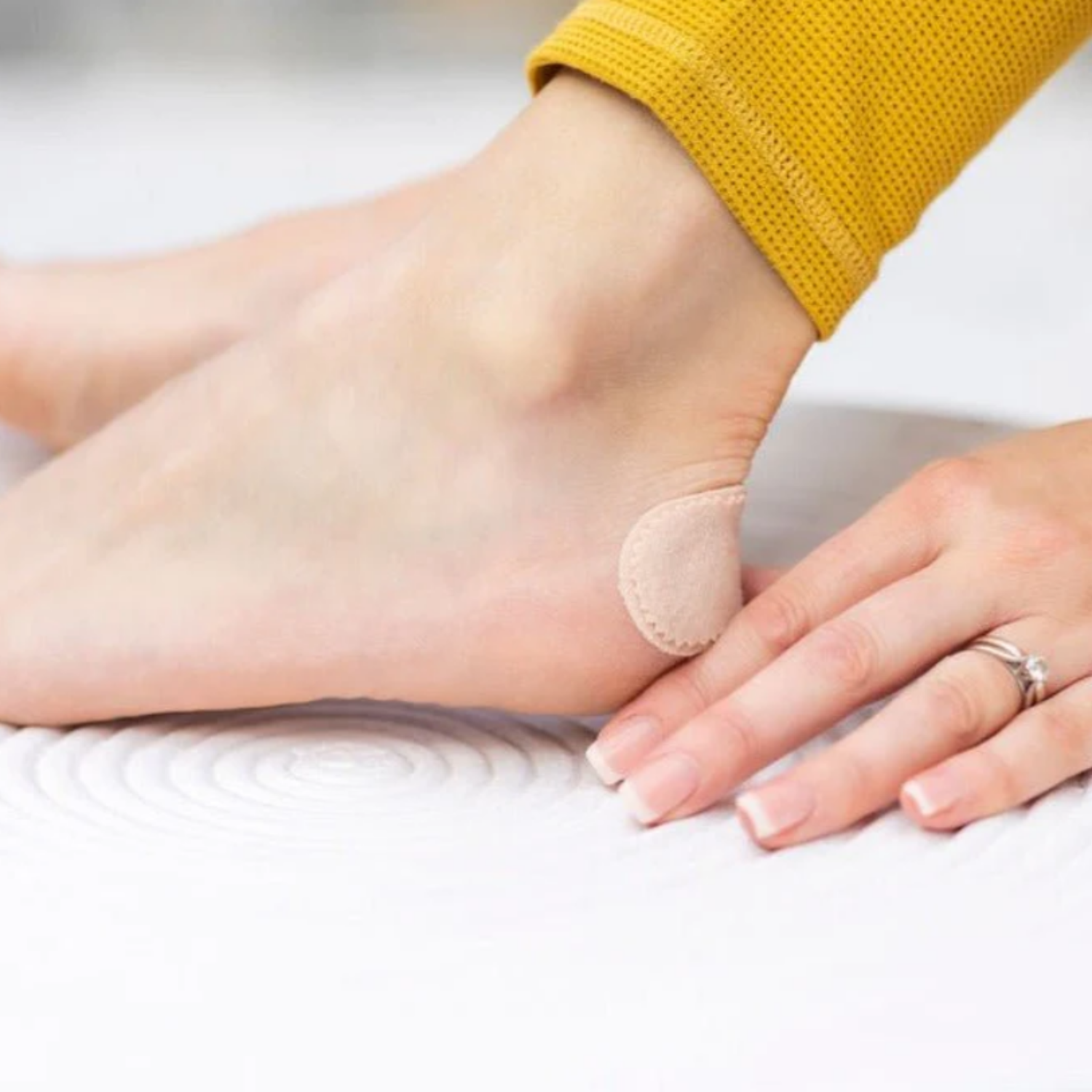
As the bunion develops, the skin over the bony bump may become thickened or irritated. It can lead to callouses or blisters from constant friction against footwear, further exacerbating the condition.
Who is at Risk for Bunions?
While anyone can develop a bunion, certain factors may increase your risk, including:
- Genetics: A family history of bunions can make you more predisposed to developing them.
- Footwear Choices: Shoes that are tight, pointy, or high-heeled can contribute significantly to the development of bunions.
- Foot Structure: People with flat feet, low arches, or abnormal bone structure are more likely to experience bunions.
- Age: As we age, the ligaments in our feet can weaken, leading to a higher likelihood of developing bunions.
Common Symptoms of Bunions
The presence of a bunion can manifest in several ways. Common symptoms include:
- A visible bump at the base of the big toe
- Redness or swelling around the joint
- Pain and discomfort, especially when wearing shoes
- Restricted movement in the big toe
- Callouses or corns on the affected area
How to Diagnose a Bunion
If you suspect that you have a bunion, it’s crucial to seek a professional diagnosis. A podiatrist will typically conduct a physical exam, assessing the alignment and range of motion in your foot. They may also order imaging tests, like X-rays, to ascertain the severity of the bunion and any possible joint damage.
How to Manage Bunion Pain
Once diagnosed, there are multiple strategies for managing bunion pain effectively. Here are some methods to consider:
1. Footwear Adjustments
Choosing the right footwear is essential in managing bunions. Opt for shoes that have a wide toe box and provide ample support, helping to alleviate pressure on the bunion. Avoid high heels and tight-fitting shoes that can exacerbate the condition.
2. Orthotic Devices
Using orthotics can help support your foot’s structure, redistributing pressure away from the bunion. Custom orthotics or affordable bunion relief bundles can provide additional comfort and help prevent your bunion from worsening.
3. Ice and Heat Therapy
Applying ice to the bunion for 10-15 minutes can reduce inflammation and ease discomfort. Conversely, some people find relief from applying heat to the area with warm compresses.
4. Over-the-Counter Pain Relievers
Nonsteroidal anti-inflammatory drugs (NSAIDs), like ibuprofen or naproxen, can help manage pain and inflammation associated with bunions. Always check with a healthcare provider before starting any new medication.
5. Bunion Correctors
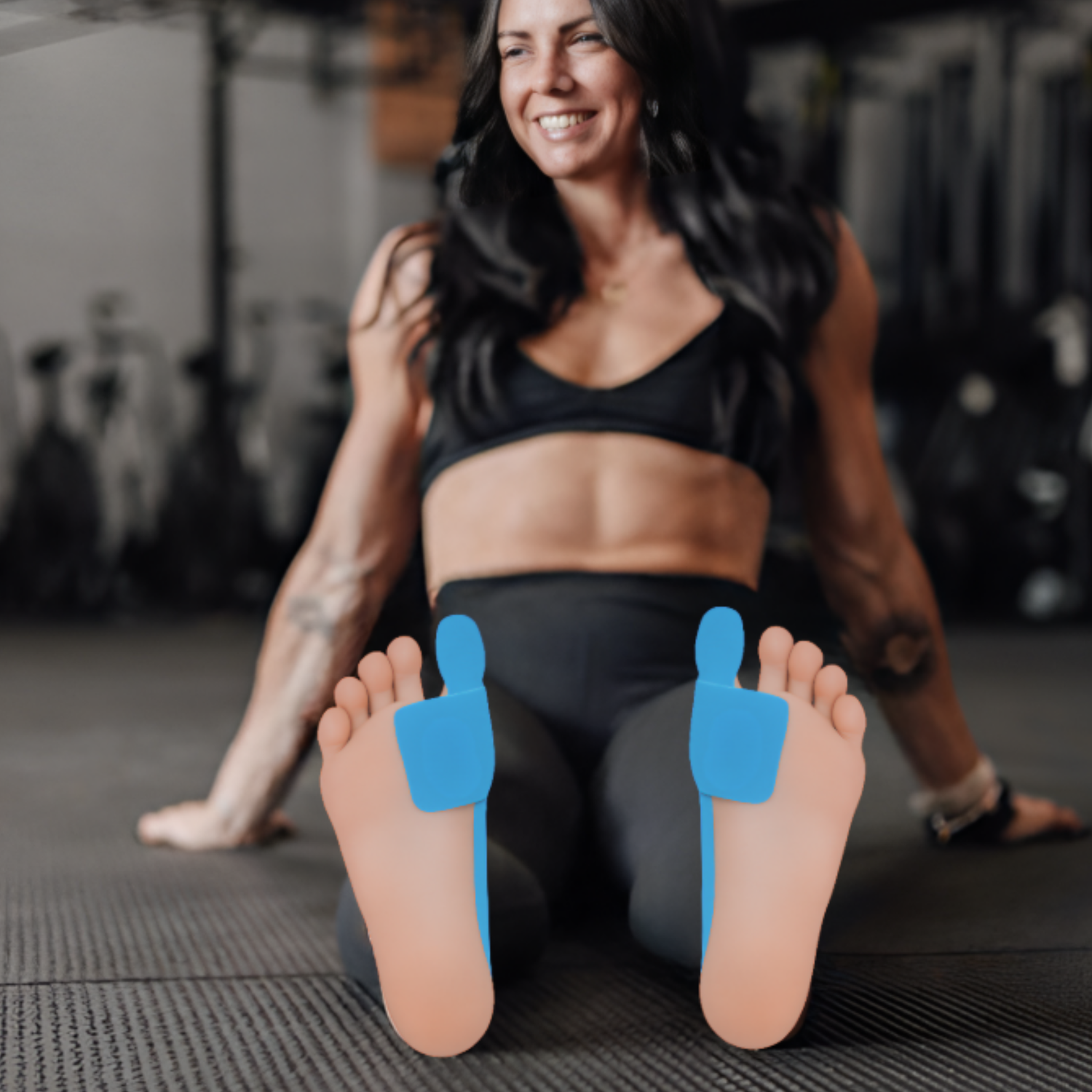
There are numerous options for bunion correctors available, particularly designed for women. These products can re-align toes gently and help alleviate pain. When utilizing a bunion corrector for women, consistency is key for optimal results.
Preventing Bunions: Tips for Healthy Feet
Prevention is better than cure. Integrating the following practices into your daily routine can help prevent the onset or progression of bunions:
1. Choose Supportive Footwear
Prioritize comfort and support over style when selecting shoes. Look for styles that allow your toes to spread naturally, reducing the risk of developing bunions over time.
2. Keep Your Feet Healthy
Regularly check your feet for any signs of irritation or swelling, especially after long days on your feet. Maintaining foot hygiene is crucial for overall health.
3. Stretch and Exercise
Incorporate foot and toe exercises into your routine. Simple stretching and strengthening exercises can help maintain flexibility and strength in your feet, lessening the chance of bunion formation.
4. Avoid Prolonged Pressure
Be mindful of prolonged periods of standing or walking in ill-fitting shoes, as this can increase your risk of bunions. Taking regular breaks and giving your feet a chance to rest can be beneficial.
When to Seek Professional Help
If your bunion pain becomes severe or interferes with your daily activities, it’s time to consult a healthcare professional. They may discuss further treatment options, including physical therapy or, in severe cases, surgical intervention.
Looking Forward: The Future of Bunion Management
As research progresses, new therapies and products for bunion relief continue to emerge. Staying informed about the latest in podiatric advancements can take you a long way in managing this common condition. For those experiencing discomfort, exploring bunion relief bundles may provide convenience and value, allowing you to manage your symptoms effectively.
Investing time in understanding bunions, their symptoms, and management techniques can pave the way for healthier feet. Remember, you have the power to alleviate pain and prevent bunions from impacting your quality of life. Prioritize your foot health today!
Frequently Asked Questions
1. What is a bunion?
2. Who is at risk for developing bunions?
3. What are common symptoms of bunions?
4. How can bunion pain be managed?
5. When should I seek professional help for bunions?
Glossary
| Term | Meaning |
|---|---|
| Bunion | A bony bump at the base of the big toe caused by misalignment. |
| Hallux Valgus | The medical term for a bunion. |
| Orthotic | A supportive device designed to align the foot properly. |
| NSAIDs | Nonsteroidal anti-inflammatory drugs used for pain relief. |
| Metatarsal | The long bones in the foot that connect to the toes. |
| Ligaments | Fibrous tissues connecting bones to each other. |
| Tendons | Fibrous tissues that attach muscles to bones. |
| Footwear Choices | The type of shoes worn that can impact foot health. |
| Callouses | Thickened skin that develops from friction, often near bunions. |
| Physical Therapy | Rehabilitation method to improve foot function and reduce pain. |
Linked Product

Bunion Relief Bundle
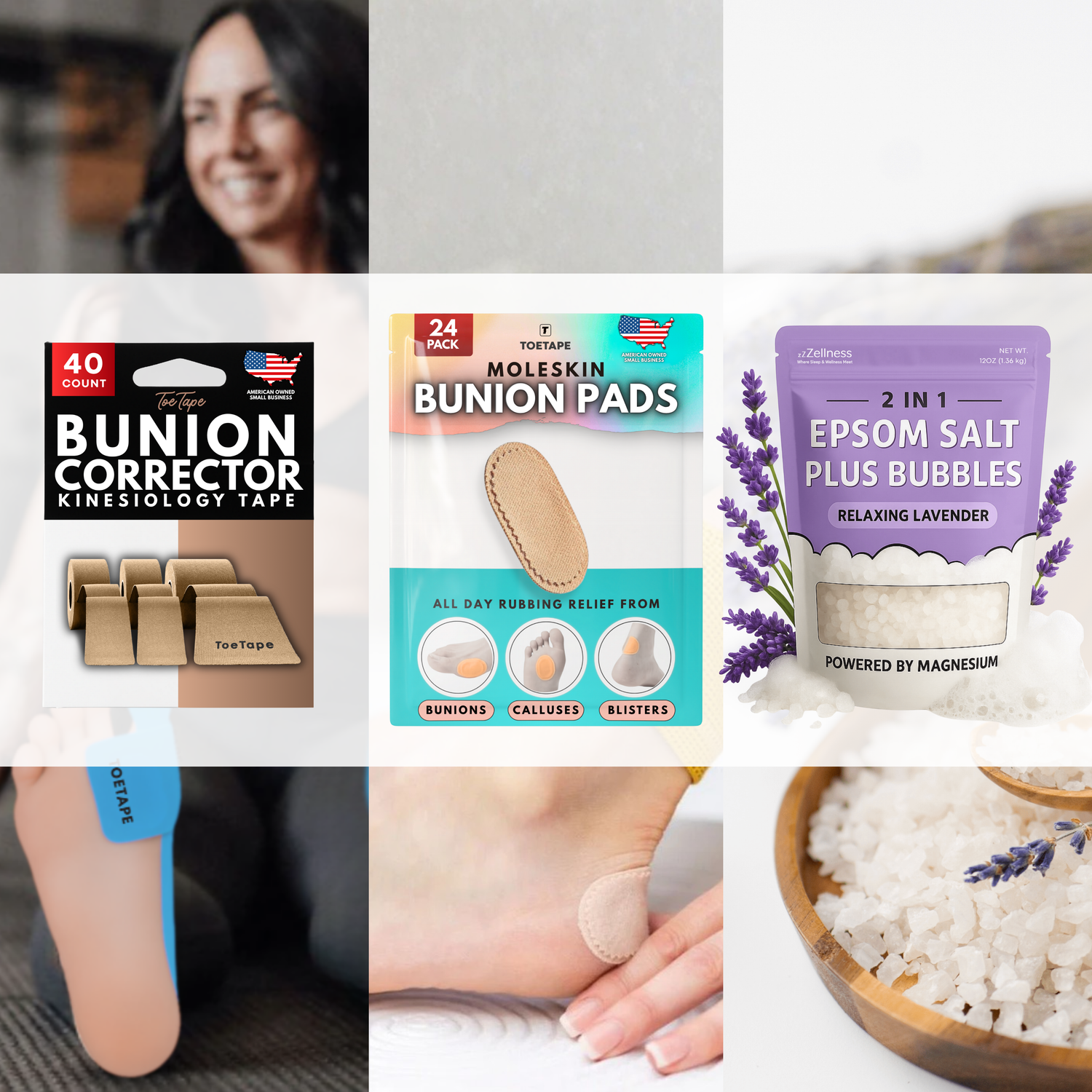
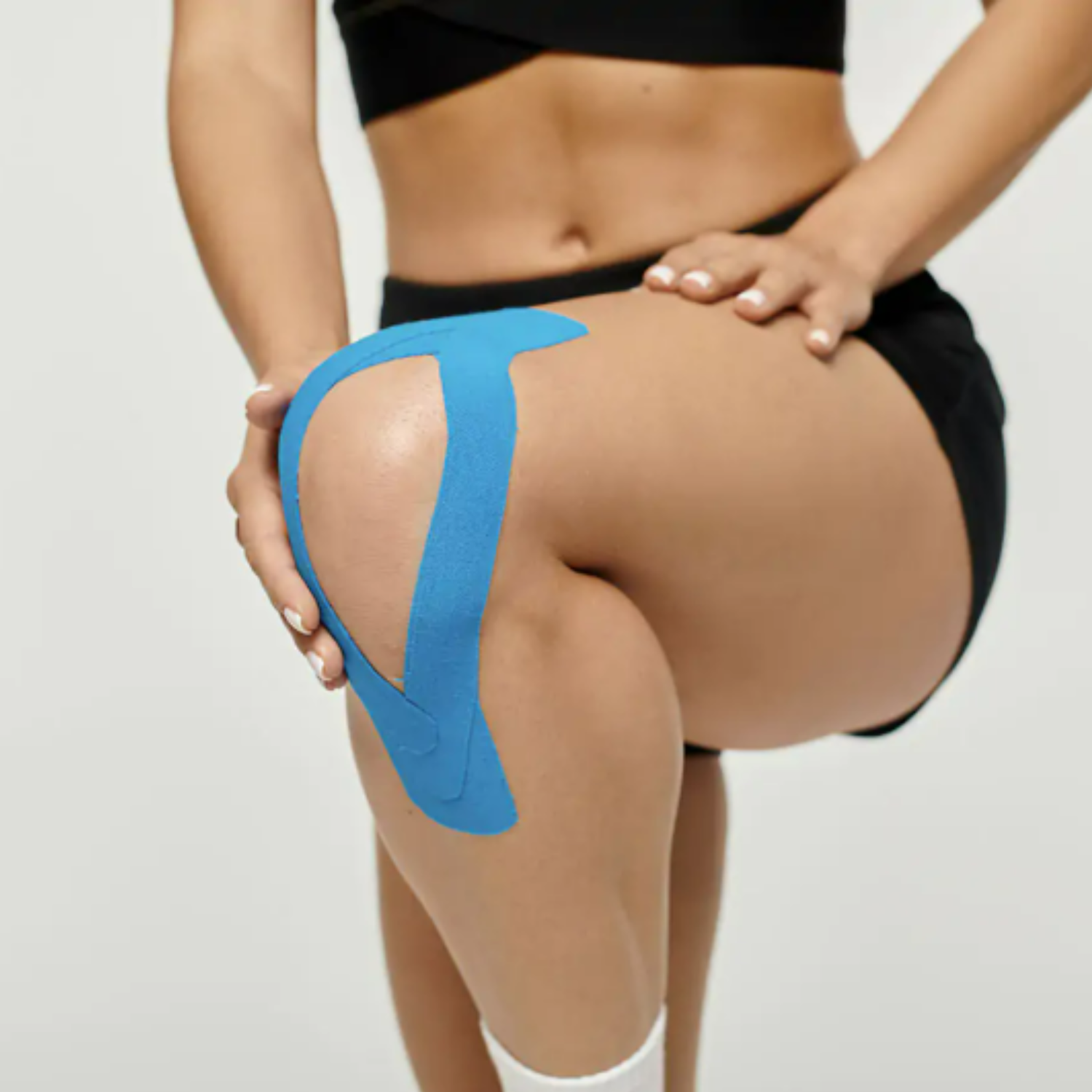
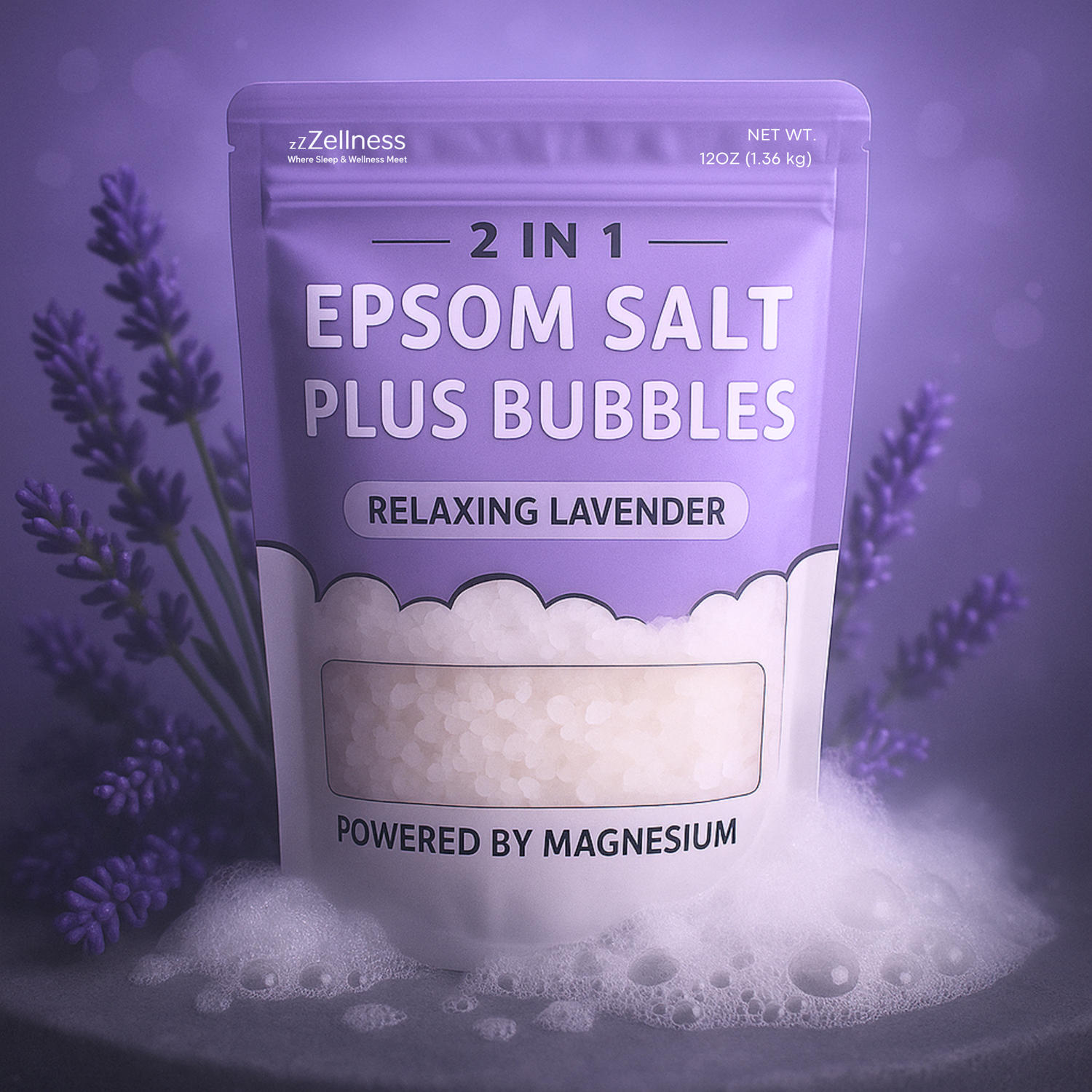
The Bunion Relief Bundle offers a comprehensive approach to foot comfort and recovery with three essential products. It features ToeTape™ for gentle toe realignment, Moleskin Bunion Pads for protection against friction and blisters, and Epsom Salts for soothing sore feet after long days. This bundle is designed to relieve pain, prevent irritation, and support overall foot health.
View Product