






Overview
Bunion pain can be a significant barrier for those who love to stay active, impacting workouts and overall enjoyment. By implementing effective strategies such as choosing the right footwear, incorporating foot exercises, and utilizing protective padding, you can manage discomfort and keep pursuing your fitness goals. With the right approach, bunions don’t have to hold you back from an active lifestyle.
Table of Contents
- Understanding Bunions
- Causes of Bunion Pain During Exercise
- Tips for Exercising with Bunions
- Choose the Right Footwear
- Incorporate Foot Exercises
- Tips for Bunion Relief During Workouts
- Consider Orthotic Solutions
- Utilize Protective Padding
- Post-Workout Strategies
- Soak Your Feet
- R.I.C.E Method
- Alternative Approaches for Bunion Correction
- Stretching and Strengthening Routines
- Seek Professional Guidance
- Staying Motivated Through Bunion Pain
- Embracing an Active Lifestyle
Key Takeaways
- Understand Bunions: Bunion pain, caused by a bony bump at the base of the big toe, can hinder physical activity and should be managed effectively.
- Choose Proper Footwear: Opt for shoes with a wide toe box, good arch support, and adjustable straps to minimize bunion pressure during exercise.
- Incorporate Foot Exercises: Regular foot exercises like toe stretches, marble pickups, and toe flexing can improve flexibility and strength, alleviating bunion pain.
- Utilize Orthotic Solutions: Custom or over-the-counter orthotic inserts can provide essential arch support and redistribute pressure on the feet.
- Post-Workout Care: Use the R.I.C.E method (Rest, Ice, Compress, Elevate) and soak your feet in warm water with Epsom salts after exercise to reduce inflammation.
- Seek Professional Guidance: Consult a podiatrist or physical therapist if bunion pain persists for personalized treatment options, including exercises or orthotics.
- Stay Motivated: Adjust your fitness routine to include lower-impact activities and set realistic goals to maintain engagement while managing bunion pain.
If you're an active individual, dealing with bunion pain can be incredibly frustrating. The discomfort can hinder your performance and enjoyment during workouts. However, with the right strategies and insights, you can learn how to manage this pain effectively, ensuring that bunions don't hold you back from reaching your fitness goals. In this guide, we will explore various methods for managing bunion pain during exercise, along with tips for bunion relief and correction.
Understanding Bunions
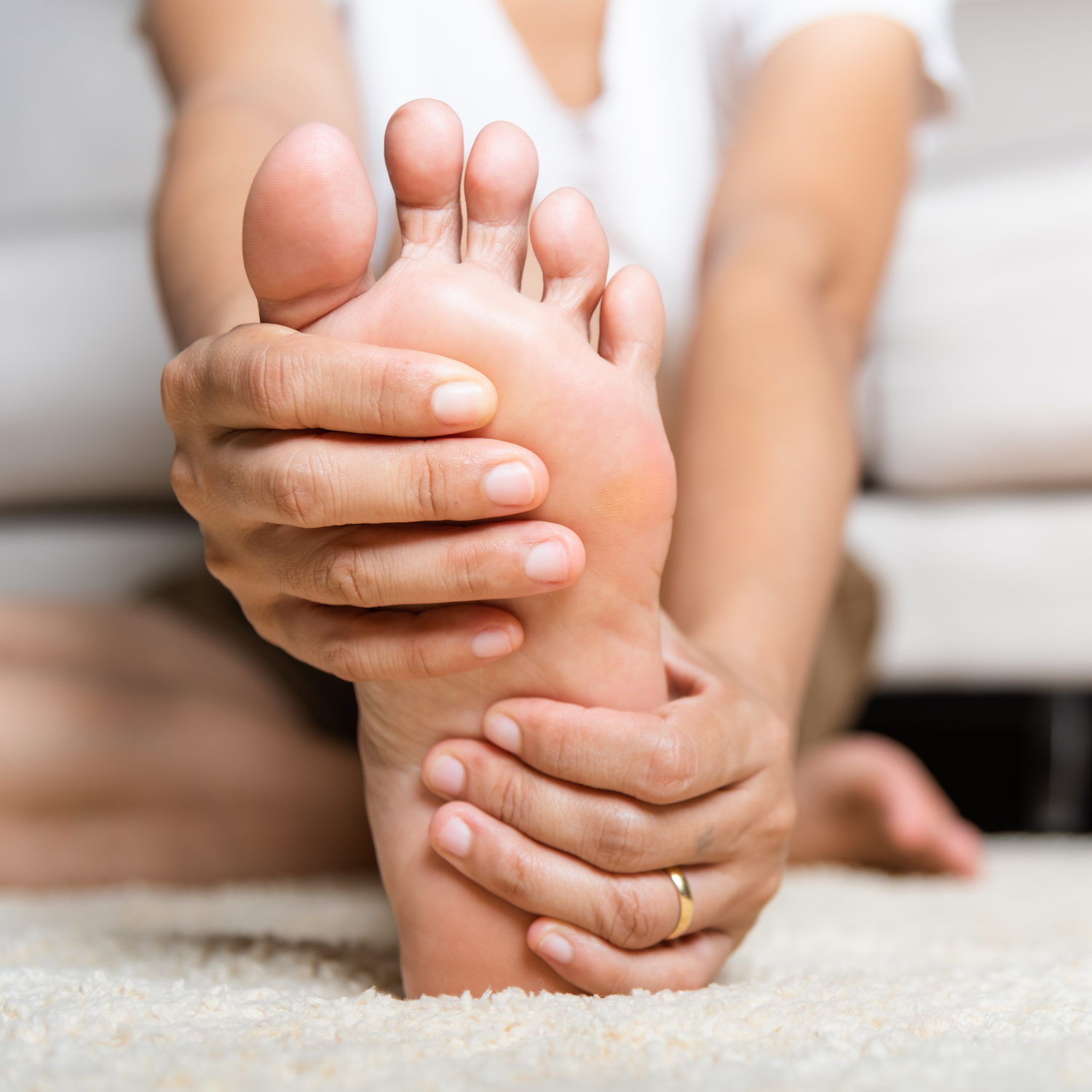
Bunions, medically known as Hallux Valgus, are a common foot deformity characterized by a bony bump at the base of the big toe. This occurs when the big toe deviates towards the lesser toes, causing the joint to protrude. The change in alignment can lead to irritation, inflammation, and pain, especially when wearing tight shoes or during physical activity.
Causes of Bunion Pain During Exercise
Bunion pain can be triggered or exacerbated by various factors, particularly during exercise. Understanding these triggers is crucial for managing discomfort:
- Improper Footwear: Wearing shoes that are too tight, narrow, or lacking support can place excessive pressure on the bunion, leading to pain.
- Overuse: Engaging in high-impact activities or repetitive motions can lead to inflammation around the bunion, increasing discomfort.
- Foot Structure: Individuals with flat feet or low arches may experience greater pressure on their bunions during physical activity.
- Weight Gain: Additional weight can lead to more strain on the feet, exacerbating bunion pain.
Tips for Exercising with Bunions
When it comes to exercising with bunions, it’s important to adopt strategies that minimize discomfort while still allowing you to maintain an active lifestyle. Here are some effective tips:
Choose the Right Footwear
Investing in the right pair of shoes can make all the difference when it comes to bunion pain. Here are key considerations:
- Wide Toe Box: Look for shoes that offer a spacious toe box to prevent squeezing the bunion.
- Arch Support: Shoes with good arch support help maintain proper foot alignment, reducing pressure on bunions.
- Adjustable Straps: Opt for shoes with adjustable features that can accommodate any swelling and provide extra comfort.
Incorporate Foot Exercises
Foot exercises can improve flexibility and strength, helping to alleviate bunion pain. Consider integrating these exercises into your routine:
- Toe Stretch: Sit with your feet flat on the ground. Use your hand to pull your big toe away from the second toe to create space. Hold for 15-30 seconds.
- Marble Pickup: Place marbles on the floor and use your toes to pick them up and place them in a bowl. This exercise strengthens your toes and improves dexterity.
- Toe Flexing: While seated, flex and point your toes, holding each position for a few seconds to enhance flexibility.
Tips for Bunion Relief During Workouts
Managing bunion pain during workouts requires a combination of strategies. Here are some suggestions for effective bunion relief:
Consider Orthotic Solutions
Orthotic inserts can be a game-changer for individuals with bunions. These inserts provide additional arch support, helping to redistribute pressure on your feet. By using custom or over-the-counter orthotics, you can alleviate bunion stress during workouts.
Utilize Protective Padding
Applying protective padding for the bunion can help reduce friction and pressure during exercise. Consider using:
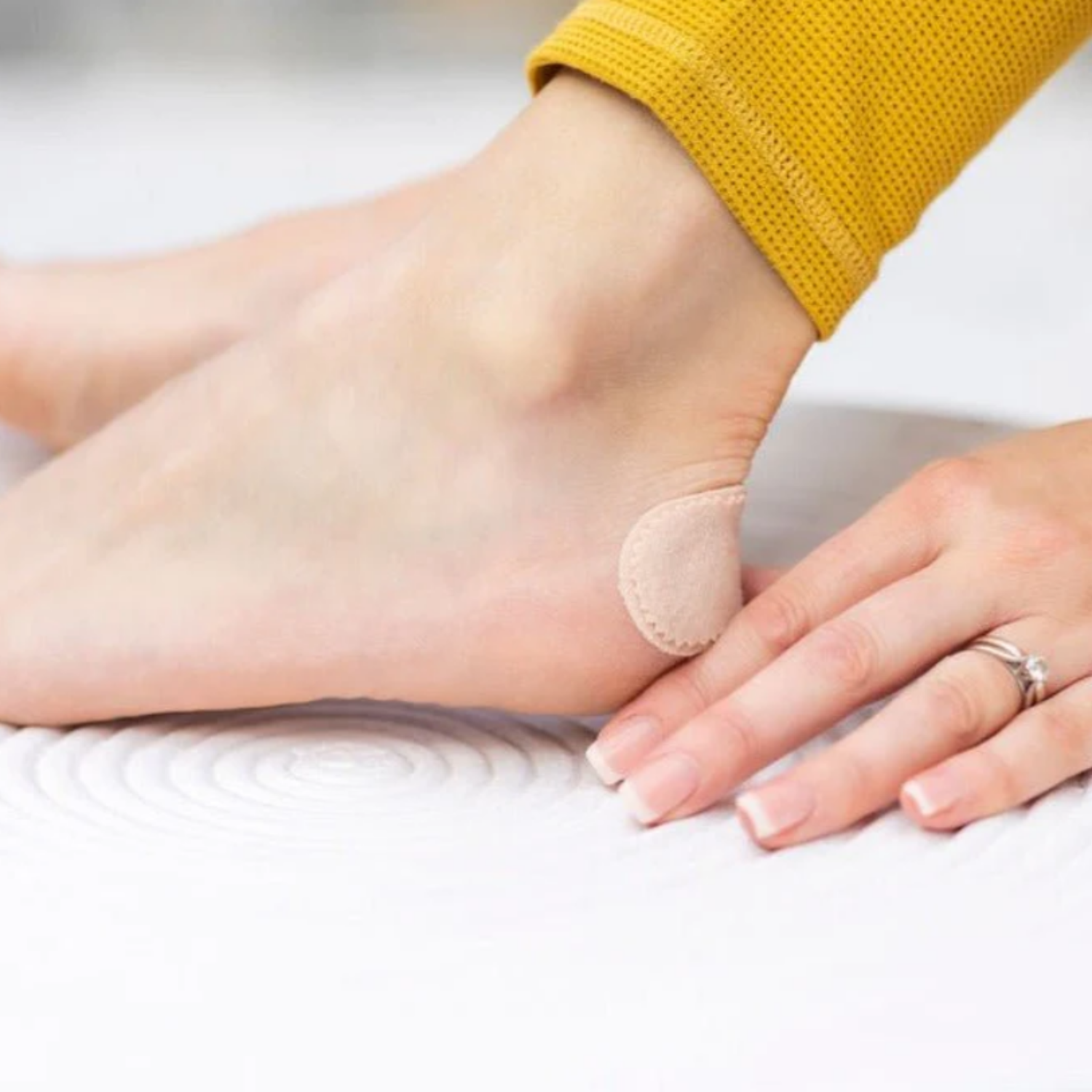
- Moleskin Bunion Pads: These adhesive patches cushion the bunion area, preventing blisters and irritation caused by shoe contact.
- Shoe Inserts: Special bunion pads or gel inserts can be applied to your shoes to provide extra cushioning around sensitive spots.
Post-Workout Strategies
After your workout, consider the following strategies for reducing inflammation and promoting recovery:
Soak Your Feet
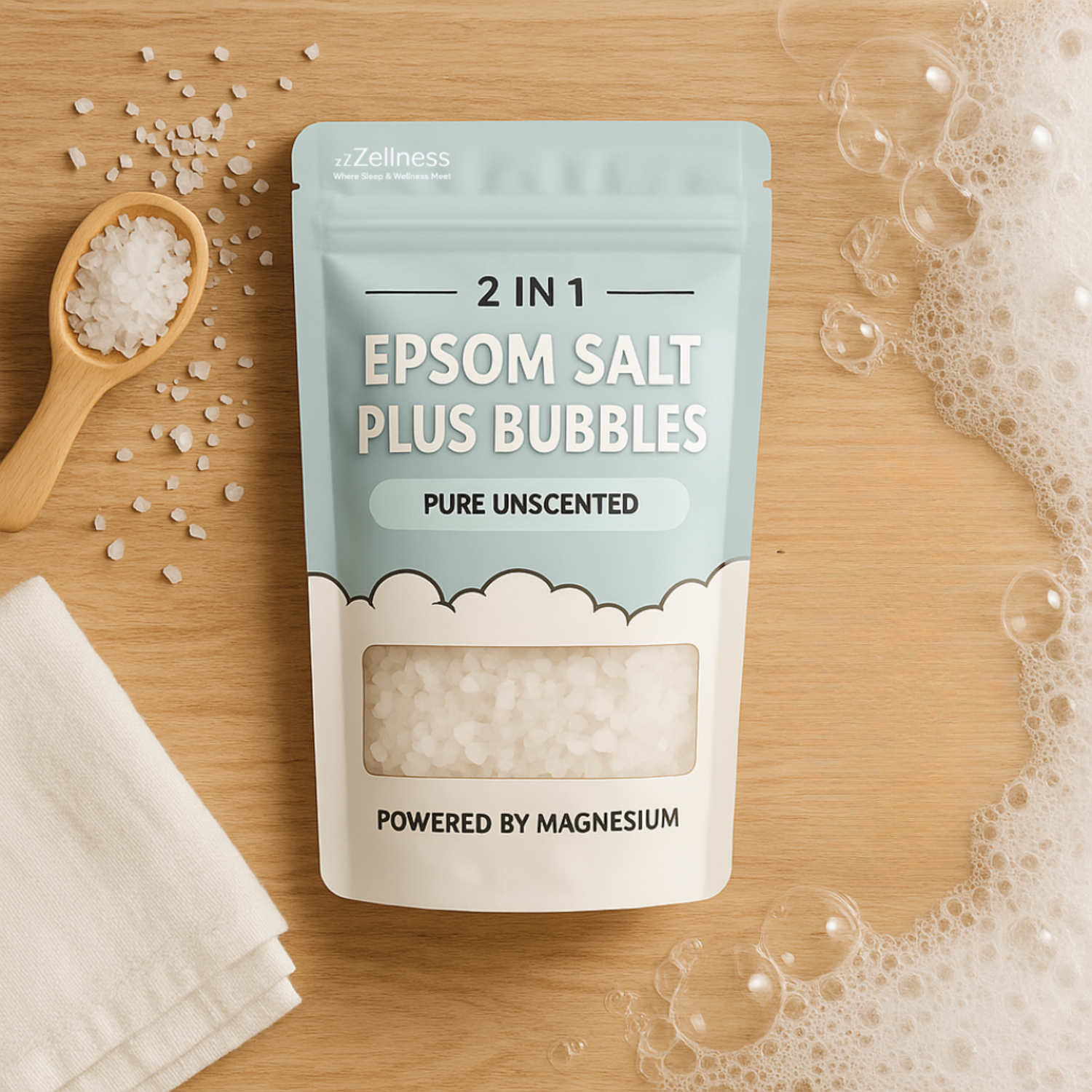
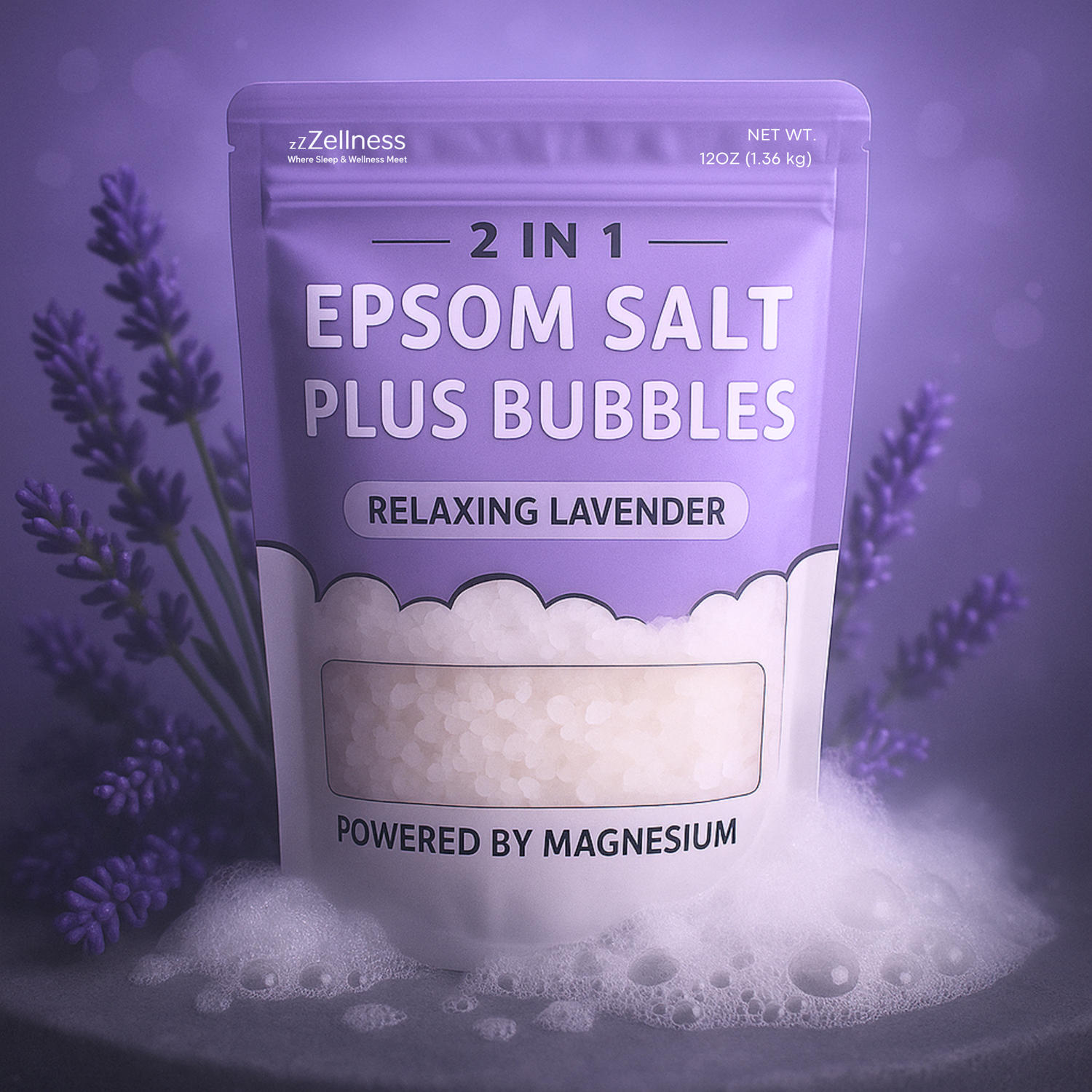
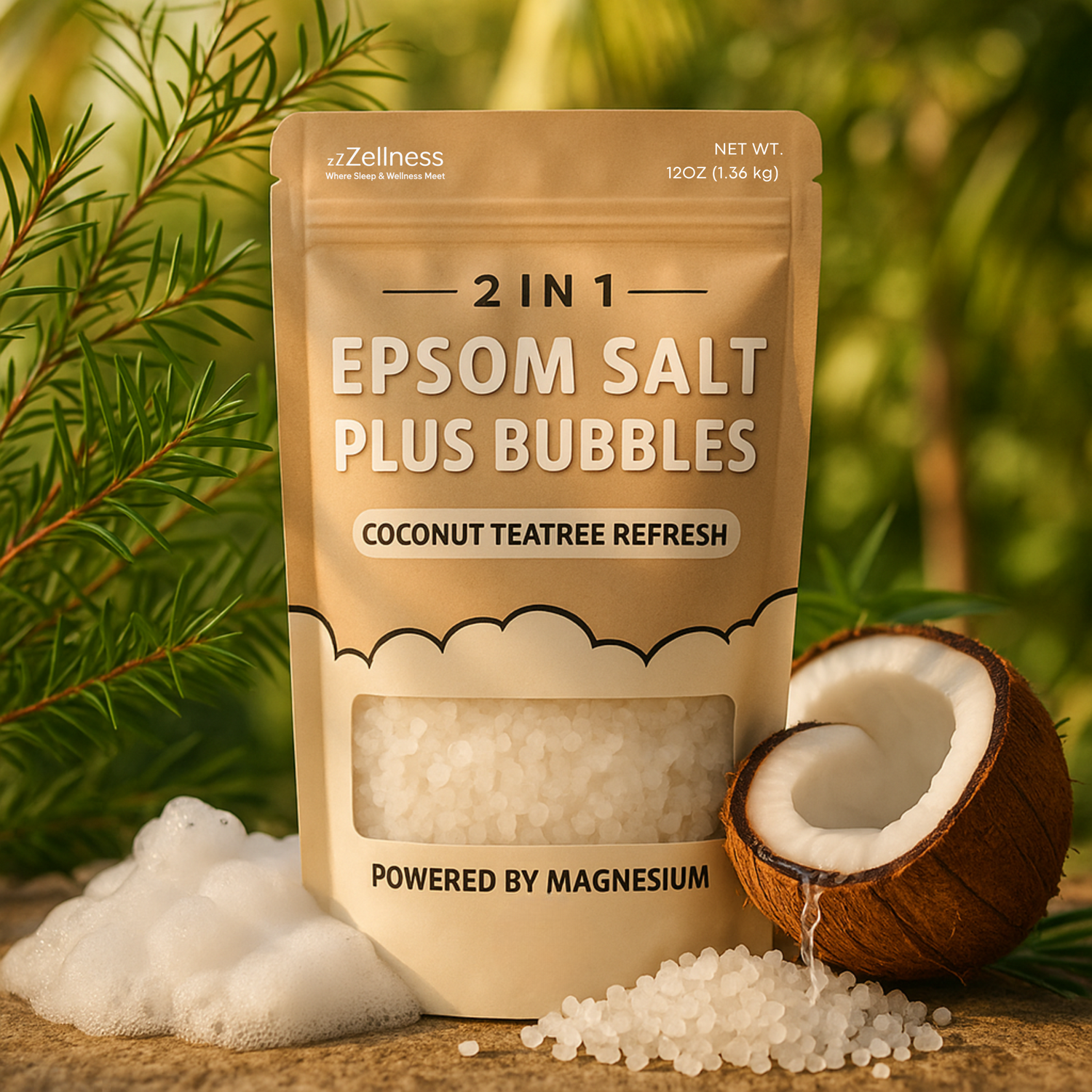
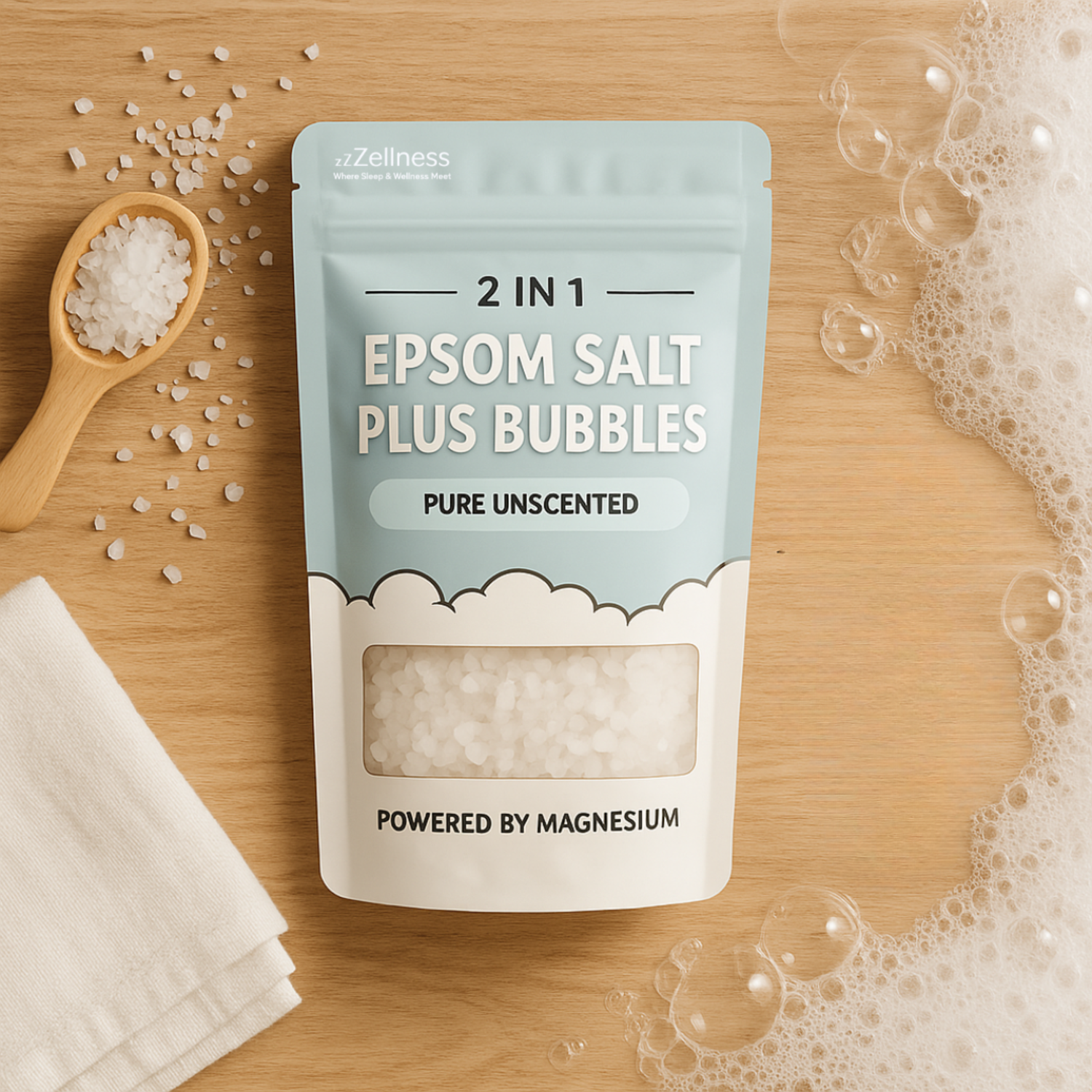
A warm soak can relieve soreness after physical activity. Consider adding Epsom salts to the water, as magnesium helps relax sore muscles and reduces swelling. Soaking your feet for 15-20 minutes can make a significant difference in how you feel post-exercise.
R.I.C.E Method
If you're experiencing significant pain after your workout, applying the R.I.C.E method can aid in recovery:
- Rest: Avoid putting pressure on the bunion immediately after exercise.
- Ice: Use an ice pack wrapped in a cloth to reduce inflammation and numb the pain.
- Compress: Gentle compression can help minimize swelling.
- Elevate: Keep your foot elevated to help reduce swelling.
Alternative Approaches for Bunion Correction
While managing pain is essential, taking steps toward bunion correction can also help alleviate the issue long-term. Here’s what you can consider:
Stretching and Strengthening Routines
Incorporate stretching and strengthening exercises for your feet and lower limbs. These routines not only relieve current symptoms but can aid in correcting bunion deformities over time. Focus on:
- Plantar Flexor Stretch: Stretch the calf muscles to relieve strain on the feet and maintain proper alignment.
- Intrinsic Foot Muscle Strengthening: Exercises like towel scrunches, where you pull a towel toward you using your toes, can strengthen the foot muscles that support the bunion.
Seek Professional Guidance
If bunion pain persists, consider consulting a podiatrist or physical therapist. They can assess your condition and recommend a tailored approach to bunion relief and correction, which may include orthotics, exercises, or even surgical options if necessary.
Staying Motivated Through Bunion Pain
Dealing with bunion pain during exercise can be discouraging, but it’s important to stay engaged and motivated. Here are ways to maintain momentum:
- Adjust Your Routine: Explore lower-impact exercises like swimming or cycling that can provide a good workout without aggravating bunions.
- Find a Workout Buddy: Having someone to share your fitness journey with can help keep you motivated and accountable.
- Set Realistic Goals: Aim for achievable fitness goals that allow for progression without the risk of exacerbating bunion pain.
Embracing an Active Lifestyle
Your feet are essential for achieving an active lifestyle, and coping with bunion pain doesn’t mean you have to give up exercise. By employing these strategies for bunion relief and incorporating a combination of proper footwear, supportive padding, and targeted exercises, you can effectively manage your bunion pain while staying fit and healthy.
Ultimately, being proactive about your foot health is crucial. Incorporating the suggested methods not only helps alleviate discomfort but also addresses the root causes of bunion pain. Whether it’s through effective pain management strides or pursuing bunion correction practices, making small changes can lead to significant improvements in your quality of life and exercise routine. Just remember, the journey toward foot wellness takes time, but with perseverance and the right resources, you can stay active and live pain-free!
Frequently Asked Questions
1. What are bunions and how do they affect exercise?
2. What causes bunion pain during workouts?
3. How can I relieve bunion pain while exercising?
4. What post-workout strategies can help reduce bunion pain?
5. When should I seek professional help for bunion pain?
Glossary
| Term | Meaning |
|---|---|
| Bunion | A bony bump at the base of the big toe caused by misalignment. |
| Hallux Valgus | The medical term for bunions, referring to the big toe's deviation. |
| Orthotic | Custom or pre-made inserts that provide foot support. |
| R.I.C.E Method | A recovery method: Rest, Ice, Compress, Elevate. |
| Toe Box | The front part of a shoe that houses the toes. |
| Protective Padding | Cushioning materials used to reduce pressure on bunions. |
| Foot Structure | The anatomical makeup of an individual's feet, affecting bunion pain. |
| Foot Exercises | Activities designed to improve foot strength and flexibility. |
| Inflammation | Swelling and irritation often associated with bunion pain. |
| Flat Feet | A condition where the arches of the feet are lower than normal. |
Linked Product

Bunion Relief Bundle
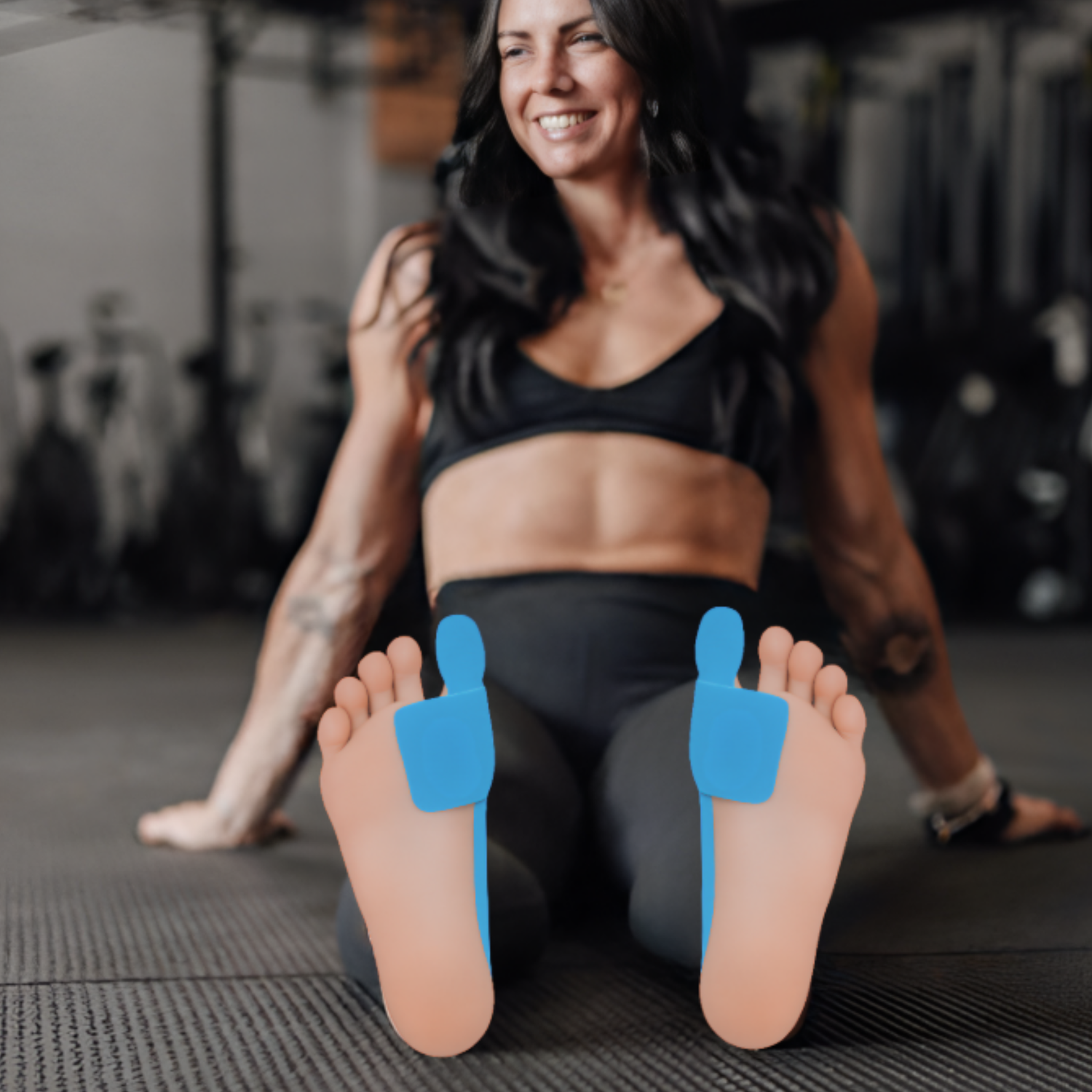
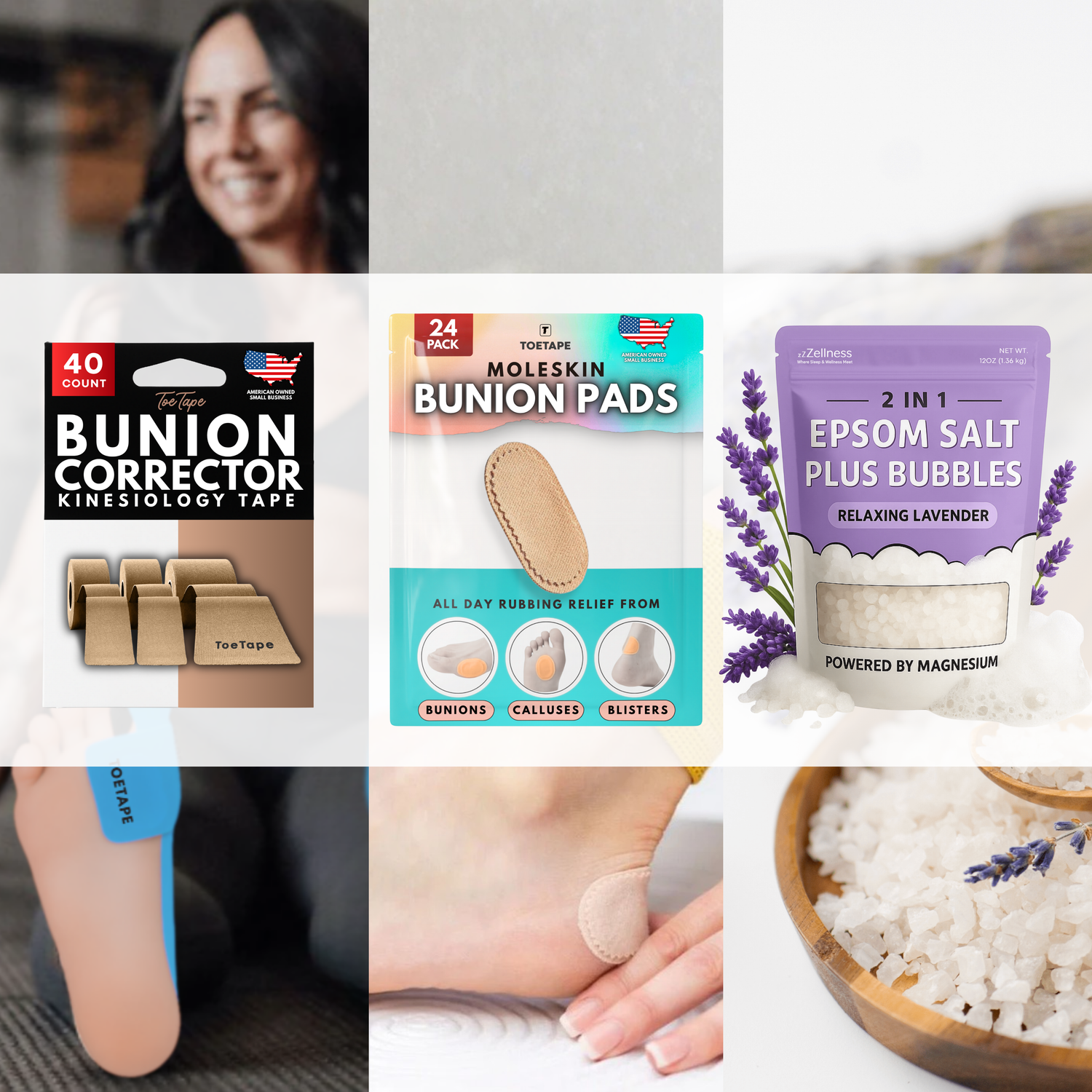
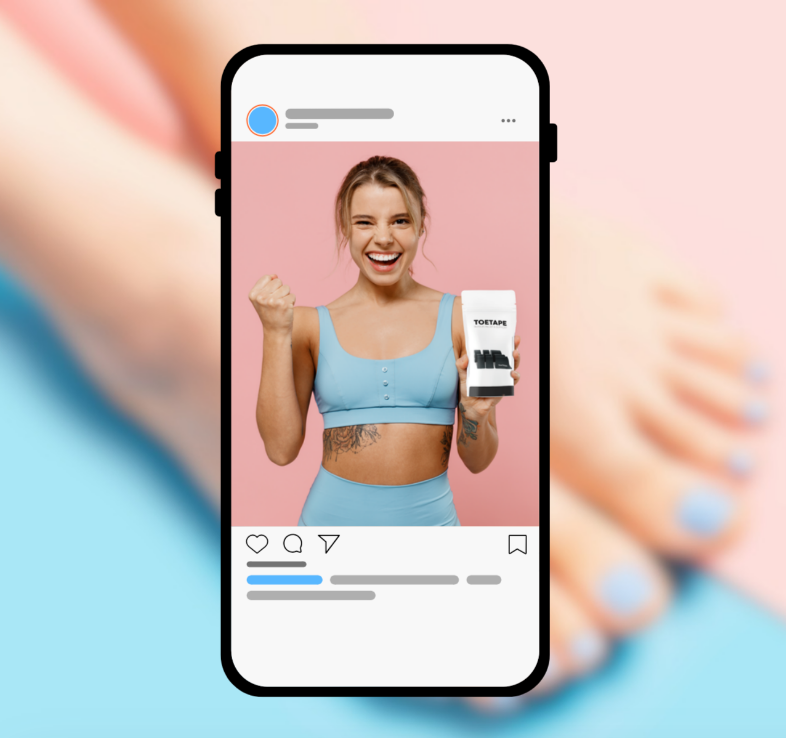
The Bunion Relief Bundle offers a comprehensive approach to alleviate bunion pain during exercise and daily activities. It includes ToeTape™ for realigning the big toe, Moleskin Bunion Pads for protection against friction, and Epsom Salts + Foaming Bubbles for relaxation and recovery. This combination helps reduce discomfort, prevent irritation, and support foot health, allowing you to stay active with confidence.
View Product