
















Overview
Bunions can cause pain and discomfort, impacting daily life. This article discusses when to consider bunion surgery, including signs like persistent pain, joint deformity, and limited mobility. It covers surgical options such as osteotomy, exostectomy, and arthrodesis, as well as non-surgical treatments like bunion cushions and custom orthotics. Preparation and post-surgery care are crucial for recovery. Understanding these aspects helps you manage bunions and improve foot health.
Frequently Asked Questions
1. What is a bunion?
2. What are the common symptoms of bunions?
3. When should I consider bunion surgery?
4. What are some non-surgical options for bunion relief?
5. What should I do to prepare for bunion surgery?
Bunions can be an uncomfortable and sometimes painful condition that can disrupt your daily life. Understanding when to consider bunion surgery is essential for those seeking long-term relief from this common foot ailment. This article will explore the signs indicating surgery may be necessary, treatment options available, and tips for recovery, while also discussing bunion relief techniques and bunion cushions.
Understanding Bunions
A bunion, or hallux valgus, is a bony bump that forms at the base of the big toe. It occurs when the big toe pushes against the next toe, causing the joint to stick out. This can lead to pain, inflammation, and difficulty wearing shoes. Understanding the causes and symptoms of bunions can help you identify whether bunion surgery might be in your future.
Symptoms of Bunions
Identifying the symptoms of bunions is vital for determining whether you may need surgical intervention. Common symptoms include:
- Pain or tenderness at the base of the big toe
- Swelling and redness around the joint
- Difficulty moving the big toe
- Hard skin or calluses on the affected toe
- Increased difficulty wearing shoes or engaging in activities
If you experience any of these symptoms, it's essential to consult a healthcare professional for an accurate diagnosis and potential treatment options.
When to Consider Bunion Surgery
Not all bunions require surgery. In many cases, non-surgical options, including bunion cushions, can provide much-needed bunion relief. However, surgical intervention may be necessary in specific situations. Here are some signs that it might be time to consider bunion surgery:
Persistent Pain
If you have tried various treatments without success or continue to experience persistent pain that disrupts your daily activities, it may be an indication that surgery is necessary. Over-the-counter medications, bunion relief techniques, and bunion cushions can help manage mild discomfort, but when pain persists, surgical options might be the next step.
Joint Deformity
As bunions progress, they can cause the bones in the foot to shift significantly. If your bunion has worsened to the point that your toe is misaligned or you have difficulty walking, it may be time to explore surgical intervention.
Limited Mobility
A bunion can restrict your ability to move your toe naturally. If you notice that your range of motion is limited, and activities like jogging or dancing become increasingly painful, surgery could restore function and improve your quality of life.
Worsening Symptoms With Shoe Wear
Many individuals with bunions struggle to find comfortable shoes due to their condition. If you consistently have to buy wider shoes or have begun to avoid certain activities or events because of your bunions, surgery may be necessary for your overall well-being.
Types of Bunion Surgery
There are various surgical options to treat bunions, and the appropriate choice depends on the severity of your bunion and your overall health. Here are some common types of bunion surgery:
Osteotomy
Osteotomy involves cutting the bone in the big toe and realigning it to a more natural position. Surgeons may use screws or pins to hold the bone in its new position. This option is commonly recommended for moderate to severe bunions.
Exostectomy
This procedure focuses on removing the bony bump of the bunion while addressing soft tissues around the big toe. It works best for those with mild bunions, but it may not be as effective in preventing recurrence.
Arthrodesis
For severe bunions with joint deformities, fusion of the bones in the big toe may be necessary through a procedure called arthrodesis. This surgery provides stability but may limit the toe's movement.
Non-Surgical Options for Bunion Relief
Before resorting to surgery, it’s important to explore non-surgical options available for bunion relief, especially if you experience mild to moderate symptoms.
Bunion Cushions
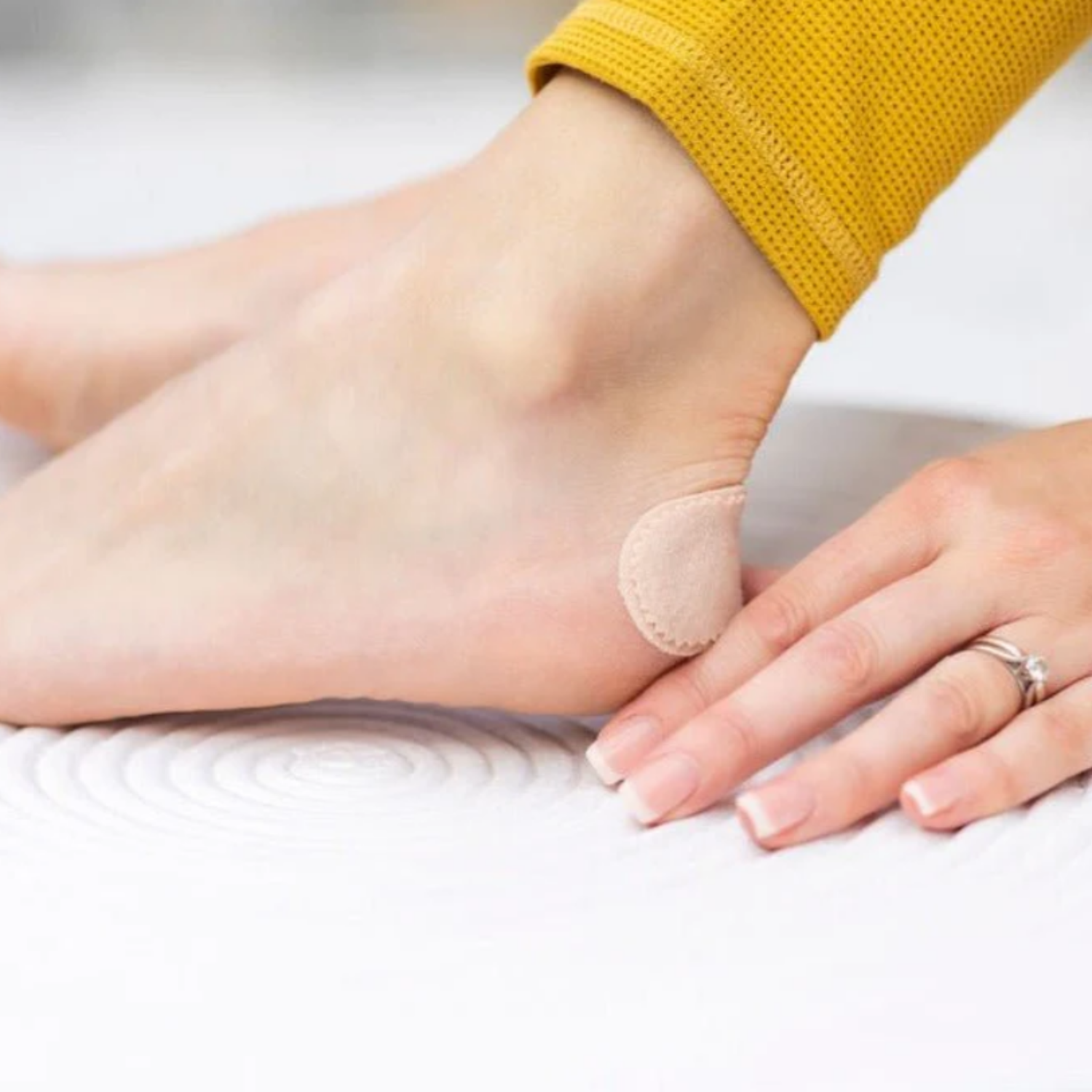
Bunion cushions are soft padding designed to relieve pressure on the affected area. They can significantly reduce discomfort caused by friction between the bunion and your footwear. Try different styles and materials to find one that works best for you.
Custom Orthotics
Consult with a podiatrist to explore the possibility of custom orthotics. These can provide proper support and alignment for your foot, greatly improving your comfort and potentially decreasing your symptoms.
Ice and Elevation
If you experience swelling, applying ice to the bunion and elevating your foot can help reduce inflammation and pain. Engaging in this practice regularly can provide temporary relief.
Preparing for Surgery
If after careful consideration you decide to go ahead with surgery, it's essential to be well-prepared. Here are some steps to help you get ready:
- Consult Your Surgeon: Have an open discussion regarding your surgery options, potential risks, recovery process, and expected outcomes.
- Plan for Recovery: Arrange for someone to help you after surgery, as mobility may be limited during your healing period. Ensure you have all your post-operative supplies, such as ice packs, bandages, and cushioned footwear.
- Mentally Prepare: Understand that recovery may take time and that you may need to adjust your activities for several weeks. Mental preparation can ease anxiety about the surgery and recovery process.
Post-Surgery Care
Post-surgery care is crucial for your overall recovery. Follow your surgeon's guidelines carefully to ensure a successful outcome. Here are some key points to consider:
Follow-Up Appointments
Attend all scheduled follow-up appointments with your surgeon to monitor the healing process and discuss any concerns you may have along the way.
Physical Therapy
Engaging in physical therapy may be recommended to strengthen the foot, improve range of motion, and assist with a return to normal activities. Follow your physical therapist's recommendations closely.
Pain Management
Take prescribed medication as directed to manage post-operative pain effectively. Additionally, continue using non-surgical options like bunion cushions to contribute to your discomfort relief as you heal.
The Road Ahead: Embrace Your Feet Again!
The journey to foot comfort after dealing with bunions doesn’t have to end at surgery. By understanding when to consider bunion surgery and exploring both surgical and non-surgical avenues for bunion relief, you empower yourself to take control of your foot health. Remember, every step taken—whether with a bunion cushion or after surgery—gets you closer to a pain-free lifestyle. Don't let bunions hold you back; embrace your feet and get back to doing what you love!
Linked Product

Bunion Relief Bundle
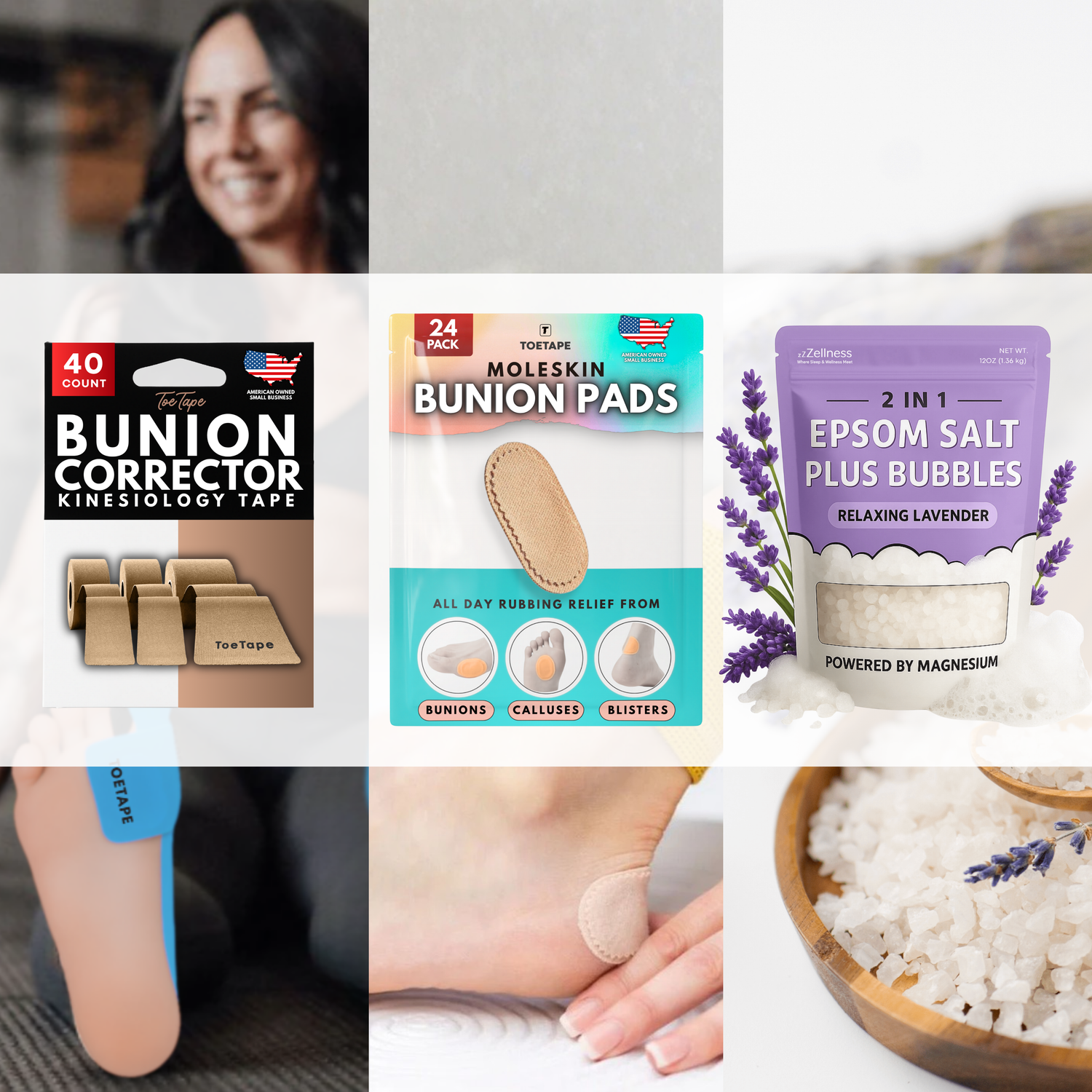
The Bunion Relief Bundle offers a comprehensive approach to foot comfort, combining a toe corrector, protective pads, and a soothing soak. Each product is designed to alleviate pain, prevent friction, and promote healing, making it suitable for anyone who spends long hours on their feet or engages in physical activities. This bundle helps maintain foot health and comfort, allowing for more enjoyable movement throughout the day.
View Product