

















Overview
Bunion surgery can significantly relieve foot pain caused by bunions. This guide covers what to expect before, during, and after the procedure, including preparation steps, recovery plans, and the importance of proper footwear. Utilizing aids like gel toe spacers can enhance recovery, while following post-operative care can minimize pain and complications. With patience, patients can enjoy long-term benefits, including improved mobility and the ability to wear a wider range of shoes.
Table of Contents
- Understanding Bunion Surgery
- When is Bunion Surgery Recommended?
- Preparing for Your Bunion Surgery
- 1. Consult with Your Surgeon
- 2. Pre-Operative Testing
- 3. Organize Your Recovery Plan
- Day of the Surgery
- 1. Arrive Early
- 2. Pre-Surgery Process
- 3. Anesthesia
- Post-Surgery Expectations
- 1. Pain Management
- 2. Recovery Time
- Utilizing Bunion Relief Aids
- The Importance of Footwear Choices
- Avoiding High Heels
- Keeping Pain and Complications at Bay
- Physical Therapy and Rehabilitation
- The Long-Term Benefits of Bunion Surgery
- Your Path to Pain-Free Living
Key Takeaways
- Bunion surgery is recommended when pain limits daily activities, conservative treatments fail, or complications arise.
- Consult your surgeon before the procedure to discuss anesthesia options, risks, and recovery expectations.
- Pre-operative testing may include blood tests, X-rays, and physical examinations to ensure surgical readiness.
- Post-surgery recovery involves pain management, rest, and follow-up appointments to monitor healing progress.
- Utilize bunion relief aids, such as gel toe spacers, to help with alignment and comfort during recovery.
- Choose appropriate footwear post-surgery, prioritizing wider toe boxes and supportive structures to aid healing.
- Physical therapy may be recommended to strengthen the foot and improve flexibility as part of your recovery plan.
Frequently Asked Questions
1. What is bunion surgery?
2. When is bunion surgery recommended?
3. What preparations should I make before bunion surgery?
4. What can I expect on the day of my bunion surgery?
5. What is the expected recovery timeline after bunion surgery?
Bunion surgery can be a significant step for anyone suffering from painful foot conditions. If you're considering this option, it's essential to understand what to expect before, during, and after the procedure. This detailed guide will provide you with all the necessary information to ensure you're fully prepared for your bunion surgery journey, focusing on the best practices to achieve bunion relief and explaining the role of tools like gel toe spacers in your recovery process.
Understanding Bunion Surgery
Bunion surgery, or bunionectomy, is a corrective procedure to realign the toe and relieve the pain associated with bunions. A bunion is a bony bump that forms on the joint at the base of the big toe, often causing discomfort when wearing shoes and leading to complications like hammertoes. Knowing the reasons for your surgery can help you mentally prepare for what's to come. Here are some key points to consider:
When is Bunion Surgery Recommended?
Before deciding on surgery, it's essential to consult with your podiatrist or orthopedic surgeon. Generally, bunion surgery is recommended when:
- Your bunion is causing severe pain that limits daily activities.
- Conservative treatments have failed to provide relief.
- Your bunion has led to complications, such as arthritis or painful corns.
Preparing for Your Bunion Surgery
Preparation is key to a successful surgery and recovery. Before your scheduled bunion surgery, follow these crucial steps to get ready:
1. Consult with Your Surgeon
Before the surgery, schedule a thorough consultation with your surgeon. Address any questions or concerns you may have, such as:
- What type of anesthesia will be used?
- What are the potential risks and complications?
- What is the expected recovery time?
2. Pre-Operative Testing
Your surgeon may recommend several tests to ensure that you're healthy enough for surgery. These tests could include:
- Blood tests to assess your overall health.
- An X-ray to evaluate the severity of your bunion.
- A physical examination to check for any other foot or ankle issues.
3. Organize Your Recovery Plan
Surgery will require some time off your feet, so planning for your recovery is crucial. Here are some helpful tips:
- Arrange for someone to drive you home after surgery.
- Set up a comfortable recovery space with essential items within reach.
- Consider using tools like a gel toe spacer to help with recovery post-surgery.
Day of the Surgery
The day of your bunion surgery will involve several important steps. Being mentally prepared can ease anxiety. Here's what to expect:
1. Arrive Early
Be sure to arrive at the surgical center or hospital well in advance of your scheduled surgery time. This allows for check-in and any necessary last-minute assessments.
2. Pre-Surgery Process
Once you're checked in, you will change into a surgical gown and meet your surgical team. They will go over the surgery once more and confirm your identification and the procedure being performed. Make sure you feel comfortable asking questions if anything seems unclear.
3. Anesthesia
The type of anesthesia used will depend on your surgeon's recommendation and your specific case. Common options include:
- Local anesthesia: Numbs only the foot.
- General anesthesia: Puts you to sleep for the entire procedure.
Post-Surgery Expectations
After your bunion surgery, you’ll be moved to a recovery area for monitoring. Ensure that you follow post-operative care meticulously for optimal healing.
1. Pain Management
Your healthcare provider will discuss how to manage pain effectively after surgery. Common options include prescription medications or over-the-counter pain relief. Taking medications as prescribed can help you stay more comfortable during your recovery.
2. Recovery Time
Understanding the expected recovery timeline will help you plan accordingly. Here’s a general overview:
- First week: Rest, ice, and elevation are key. You may also need to wear a special surgical shoe.
- 2 to 6 weeks: Follow-up appointments will assess healing and determine when you can start weight-bearing activities.
- 6 to 12 weeks: Some patients can gradually return to their regular activities. Full recovery may take several months.
Utilizing Bunion Relief Aids
In your journey to finding bunion relief, you might consider various aids during your recovery. Gel toe spacers, for example, are specifically designed to help realign your toes while easing discomfort. These tools can be particularly beneficial in:
- Reducing friction between toes, minimizing pain.
- Providing cushioning to the area around the bunion.
- Encouraging proper alignment, which is critical for long-term relief.
The Importance of Footwear Choices
After your surgery, selecting the right footwear is crucial for your overall recovery. Opt for shoes that provide:
- Wider toe boxes to avoid pressure on the bunion area.
- Supportive structures to encourage proper foot positioning.
- Cushioned insoles for additional comfort.
Avoiding High Heels
After bunion surgery, it may take time to return to your regular shoes, and high heels should generally be omitted during the recovery process. Give your feet the chance to heal properly by allowing them to rest in supportive footwear.
Keeping Pain and Complications at Bay
It's essential to take proactive measures in minimizing post-operative pain and complications. Here are some helpful tips:
- Follow all post-operative instructions given by your surgeon.
- Attend follow-up appointments to monitor your recovery.
- Report any unusual symptoms, such as excessive swelling or redness, to your healthcare provider promptly.
Physical Therapy and Rehabilitation
In some cases, your surgeon may recommend physical therapy as part of your recovery plan. This can involve:
- Guided exercises to strengthen the foot.
- Stretching to improve flexibility.
- Balance training to prevent falls.
The Long-Term Benefits of Bunion Surgery
While the journey to bunion relief may require patience and dedication, the long-term benefits of bunion surgery can be life-changing. Many patients find that after a successful recovery, they can:
- Return to their favorite activities without discomfort.
- Wear a wider variety of shoes.
- Experience improved overall foot health and mobility.
Your Path to Pain-Free Living
Preparing for bunion surgery doesn't have to be daunting. Armed with the right knowledge and tools, such as gel toe spacers and supportive footwear, you're on the path to successfully navigating this critical life event. Embrace this opportunity for pain-free living, and remember, meticulous preparation now leads to a smoother recovery later!
Glossary
| Term | Meaning |
|---|---|
| Bunion | A bony bump on the joint at the base of the big toe causing pain. |
| Bunionectomy | A surgical procedure to correct bunions and relieve pain. |
| Anesthesia | Medication used to prevent pain during surgery. |
| Gel Toe Spacers | Tools designed to realign toes and reduce discomfort post-surgery. |
| Post-Operative Care | Instructions to follow after surgery for optimal healing. |
| Recovery Time | The period needed for healing after surgery. |
| Physical Therapy | Guided exercises to aid recovery and improve foot function. |
| Complications | Unwanted problems that may arise during recovery. |
| Supportive Footwear | Shoes designed to provide comfort and proper foot alignment. |
| Follow-Up Appointments | Scheduled visits to monitor recovery progress. |
Linked Product

Bunion Relief Bundle
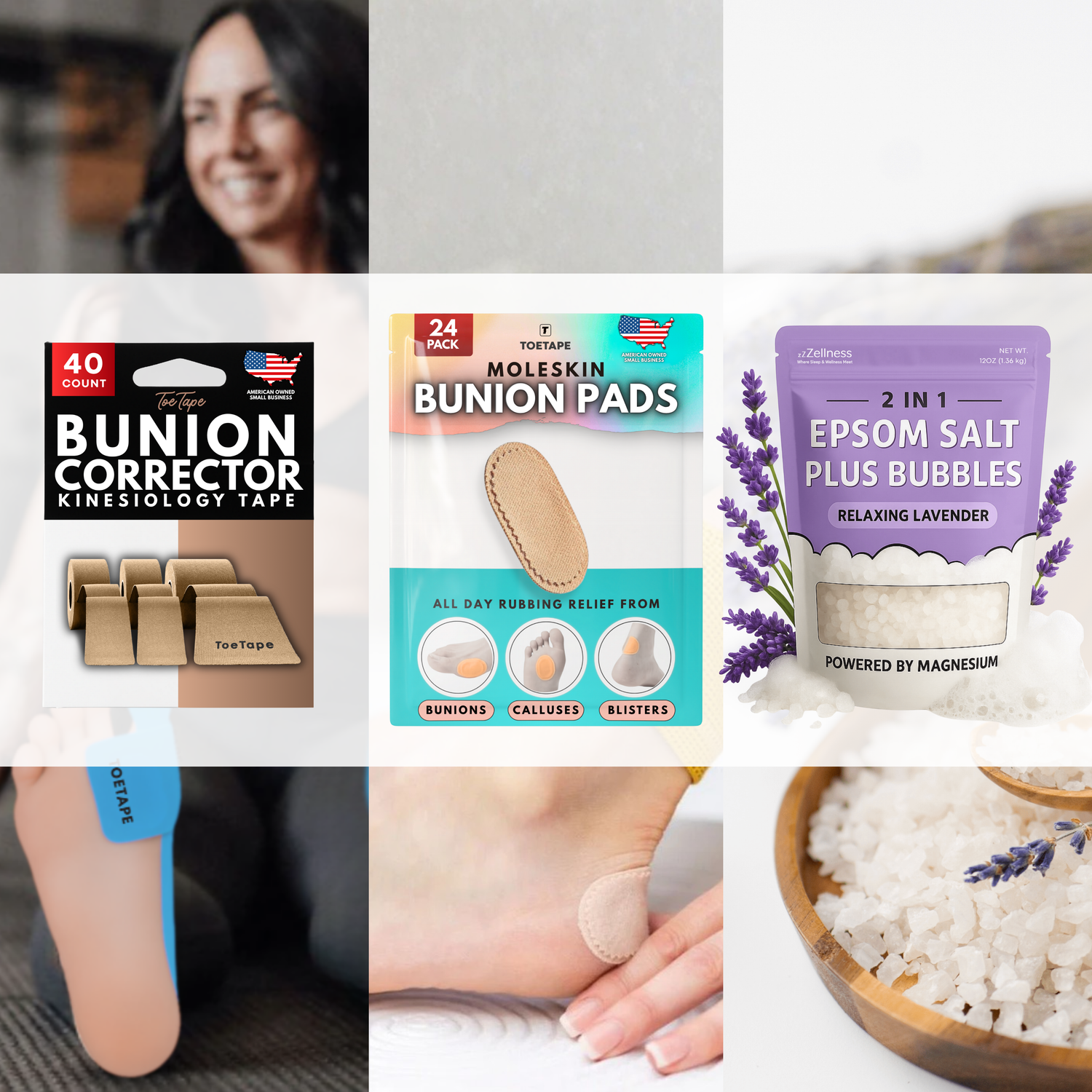
The Bunion Relief Bundle offers a comprehensive approach to foot comfort and recovery, featuring products designed to alleviate pain and prevent friction. With the ToeTape™ Bunion Corrector, Moleskin Bunion Pads, and a soothing Epsom Salt soak, this bundle supports natural toe alignment and protects sensitive areas. Ideal for those preparing for bunion surgery or seeking everyday relief, it helps maintain foot health during recovery and daily activities.
View Product