








Overview
Bunions are more than just foot deformities; they can cause significant pain and impact daily life. Understanding their formation, effects, and available treatments—like bunion pads and proper footwear—is essential for managing discomfort. In severe cases, surgical options may be necessary. Taking proactive steps can help improve your quality of life despite bunions.
Frequently Asked Questions
1. What are bunions and how do they form?
2. What physical discomfort can bunions cause?
3. How do bunions affect emotional well-being?
4. What treatments are available for bunions?
5. When should I consider surgical options for bunions?
Bunions, often dismissed as mere foot deformities, can dramatically affect daily life. When left unaddressed, these bony bumps can lead to discomfort, pain, and mobility issues that extend far beyond physical appearance. If you or someone you know is struggling with bunions, understanding their impact on your daily activities and the available solutions, such as bunion pads, is crucial for regaining a sense of normalcy and comfort.
Understanding Bunions
Bunions are a common foot condition characterized by a protruding bony bump at the base of the big toe. This misalignment of the toe joint can result from various factors, including genetics, improper footwear, and certain medical conditions. As the bunion develops, it can impact not just the foot but also one's overall well-being. Understanding how bunions form and progress is the first step toward managing them effectively.
How Bunions Form
Bunions typically occur due to an imbalance in the foot structure where the bones of the big toe move out of alignment. Over time, this misalignment causes the toe to lean towards the second toe, forming a noticeable bump. The reasons behind this condition can be broadly categorized into:
- Genetic Influences: Family history often plays a significant role. If your parents or grandparents had bunions, the likelihood of developing them increases.
- Footwear Choices: Shoes that are too tight or have narrow toe boxes can exacerbate bunion development, causing continuous pressure on the joint.
- Medical Conditions: Arthritis and other foot disorders can also contribute to the development of bunions.
The Physical Discomfort of Bunions
One of the most immediate effects of bunions is physical discomfort. The bony protrusion can cause chronic pain, resulting in several issues such as:
Foot Pain and Inflammation
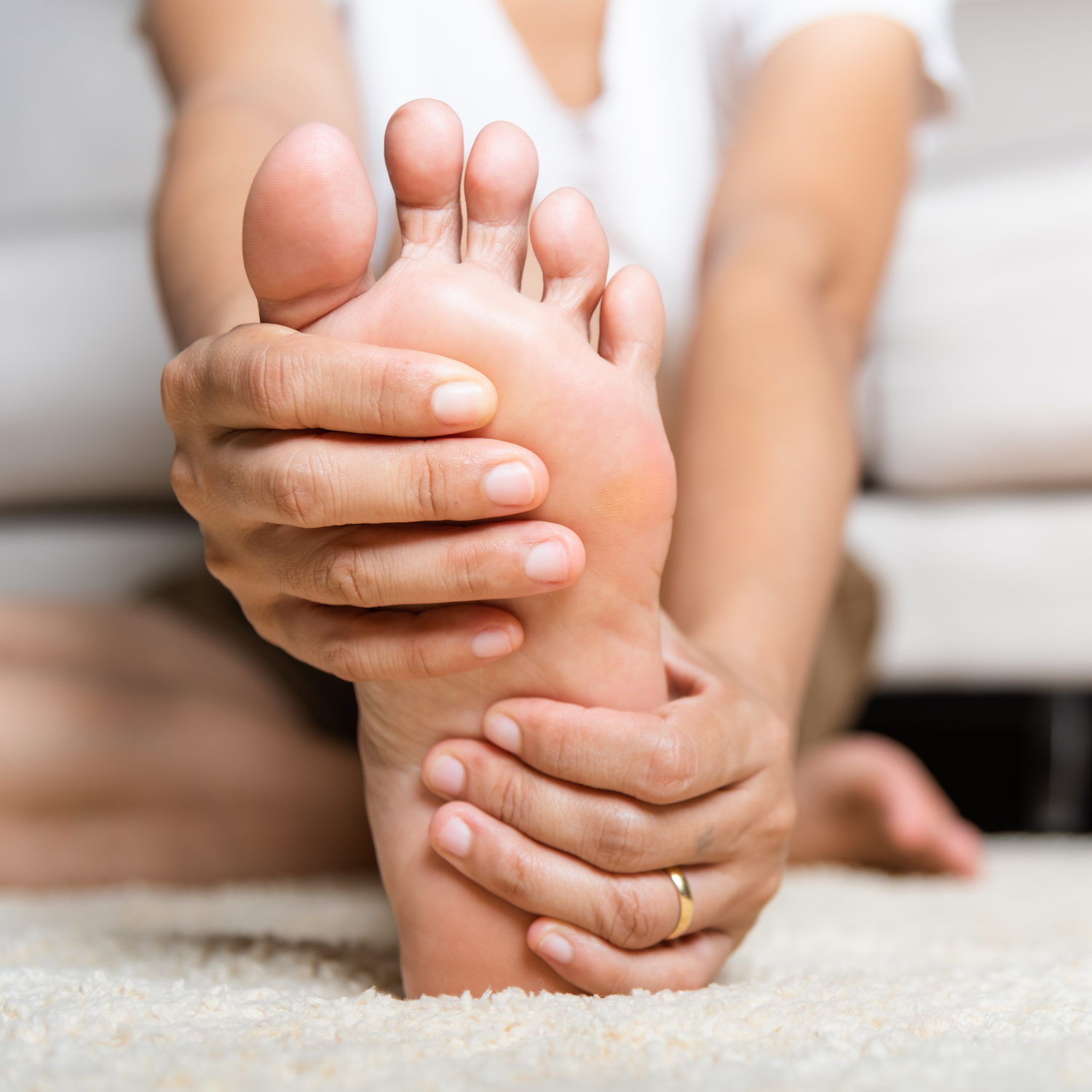
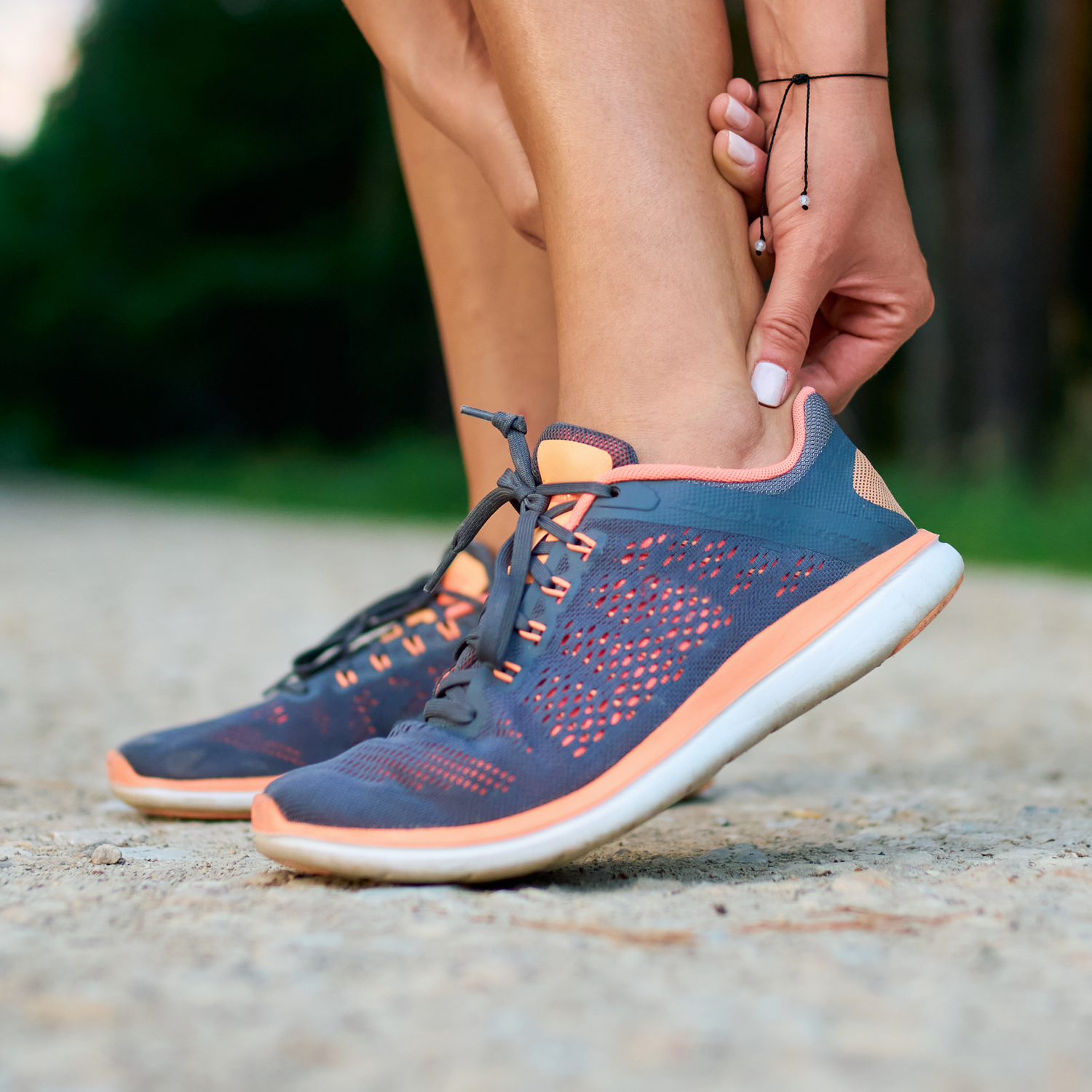
The presence of a bunion often leads to localized pain and swelling around the joint. Simple activities, including walking or standing for prolonged periods, can become increasingly bothersome. Inflammation can lead to heightened sensitivity around the bunion site, making it challenging to wear regular shoes.
Altered Gait
The pain associated with bunions often forces individuals to alter their gait or walking pattern. This change can lead to additional strain on other parts of the foot, ankles, knees, and even the hips and lower back. Over time, this imbalance can result in further complications and pain in these areas.
The Emotional Toll of Bunions
The impact of bunions is not limited to physical discomfort; they can also affect one’s emotional well-being. People experiencing bunions may feel embarrassed about their feet, leading to:
Social Withdrawal
For many, bunions can result in social anxiety. Individuals may avoid situations where they are required to be barefoot, wear open-toed shoes, or participate in activities where their feet are on display. This avoidance can significantly affect social interactions.
Decreased Quality of Life
The combination of pain and social withdrawal can lead to a decreased quality of life. Activities like going to the beach or taking dance classes might become daunting, resulting in feelings of isolation and frustration. It’s essential to recognize these emotional impacts and seek ways to address them.
Finding Relief: Bunion Pads and More
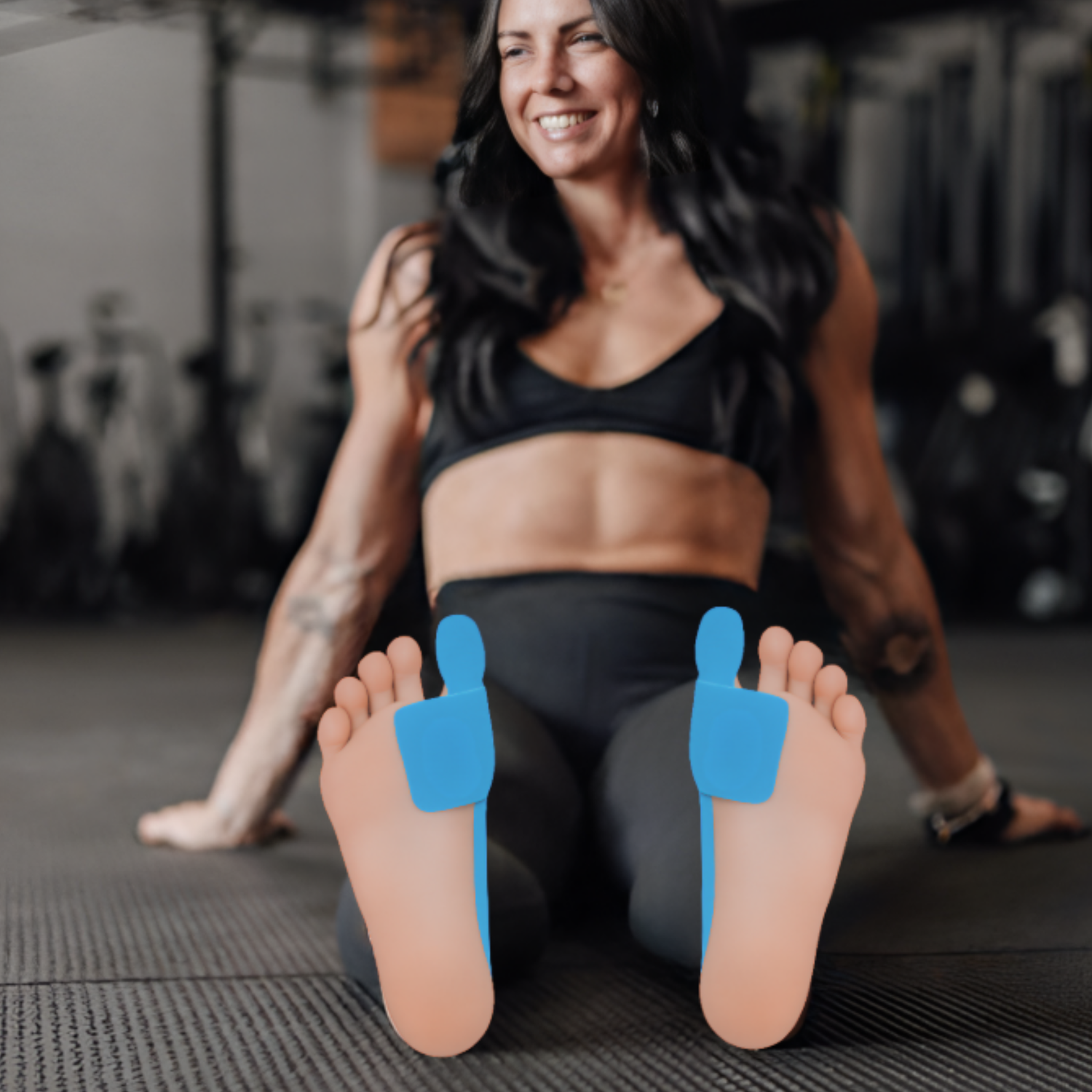
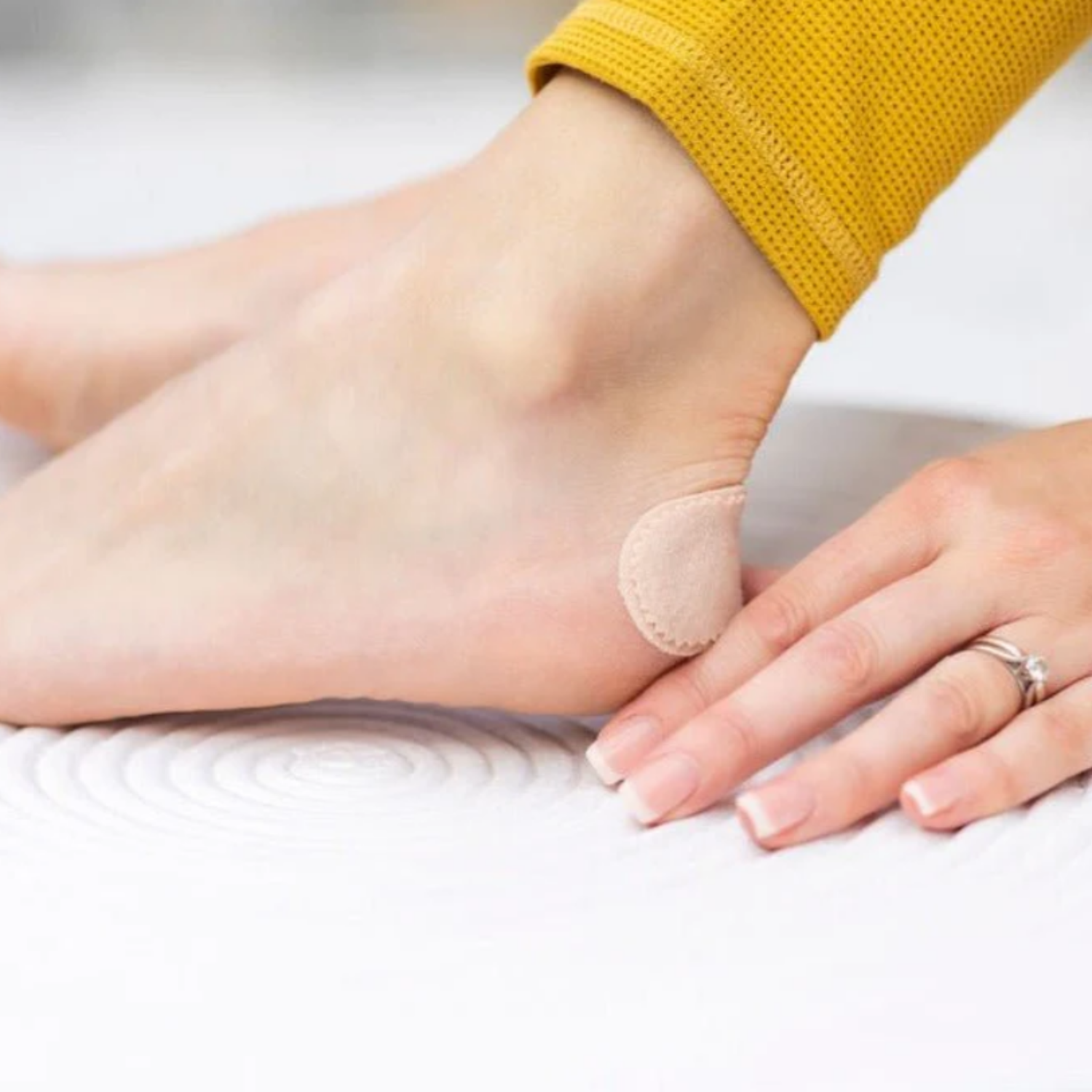
Fortunately, there are effective methods to alleviate bunion-related pain and discomfort. Many individuals have found relief using bunion pads, which can provide cushioning and protect the bunion from friction caused by shoes. These pads help to stabilize the toe in a more comfortable position, reducing pain and helping prevent the bunion from worsening.
Types of Bunion Pads
Bunion pads come in various forms, each designed to cater to different needs:
- Gel Bunion Pads: Soft and flexible, these pads conform to the shape of your foot, offering excellent cushioning and protection.
- Foam Bunion Pads: Thicker than gel pads, foam pads are suitable for added stability and support while walking.
- Toe Separators: These pads not only cushion the bunion but also help correct toe positioning over time, which can be beneficial in reducing pain.
Additional Treatment Options
Beyond bunion pads, other treatment options include:
- Proper Footwear: Opt for shoes with a wide toe box that reduce pressure on the bunion. This can be life-changing for individuals suffering from bunion pain.
- Exercises and Stretching: Specific foot exercises can help strengthen toe muscles and improve flexibility.
- Cold Compresses: Applying ice to the affected area can help reduce inflammation and provide temporary relief.
When to Consider Surgical Options
For some individuals, conservative treatments may not offer sufficient relief. If bunions start to significantly affect daily activities or lead to chronic pain, surgical options may need to be considered.
Types of Surgery
Various surgical procedures can address bunions, and the appropriate surgery will depend on the severity of the condition:
- Bunionectomy: This is the most common procedure that involves removing the bony bump and realigning the toe.
- Osteotomy: In this procedure, bones are cut and realigned to correct the deformity, providing improved functionality of the foot.
- Arthrodesis: This surgery involves fusing two bones in the joint, which can help eliminate pain at the expense of reduced mobility.
Living Life to the Fullest despite Bunions
While bunions can present numerous challenges, it’s important to remember that living life fully despite having this condition is achievable. By recognizing the effects bunions can have on your daily life and taking proactive steps, you can manage discomfort and improve your quality of life. Start by incorporating supportive accessories like bunion pads and suitable footwear into your daily routine, making sure you're not just surviving, but thriving.
Be proactive by consulting with a healthcare professional if you're struggling with bunion pain. With early intervention and proper management strategies, you can mitigate the impact of bunions on your daily activities and embrace life with renewed energy and confidence.
Linked Product

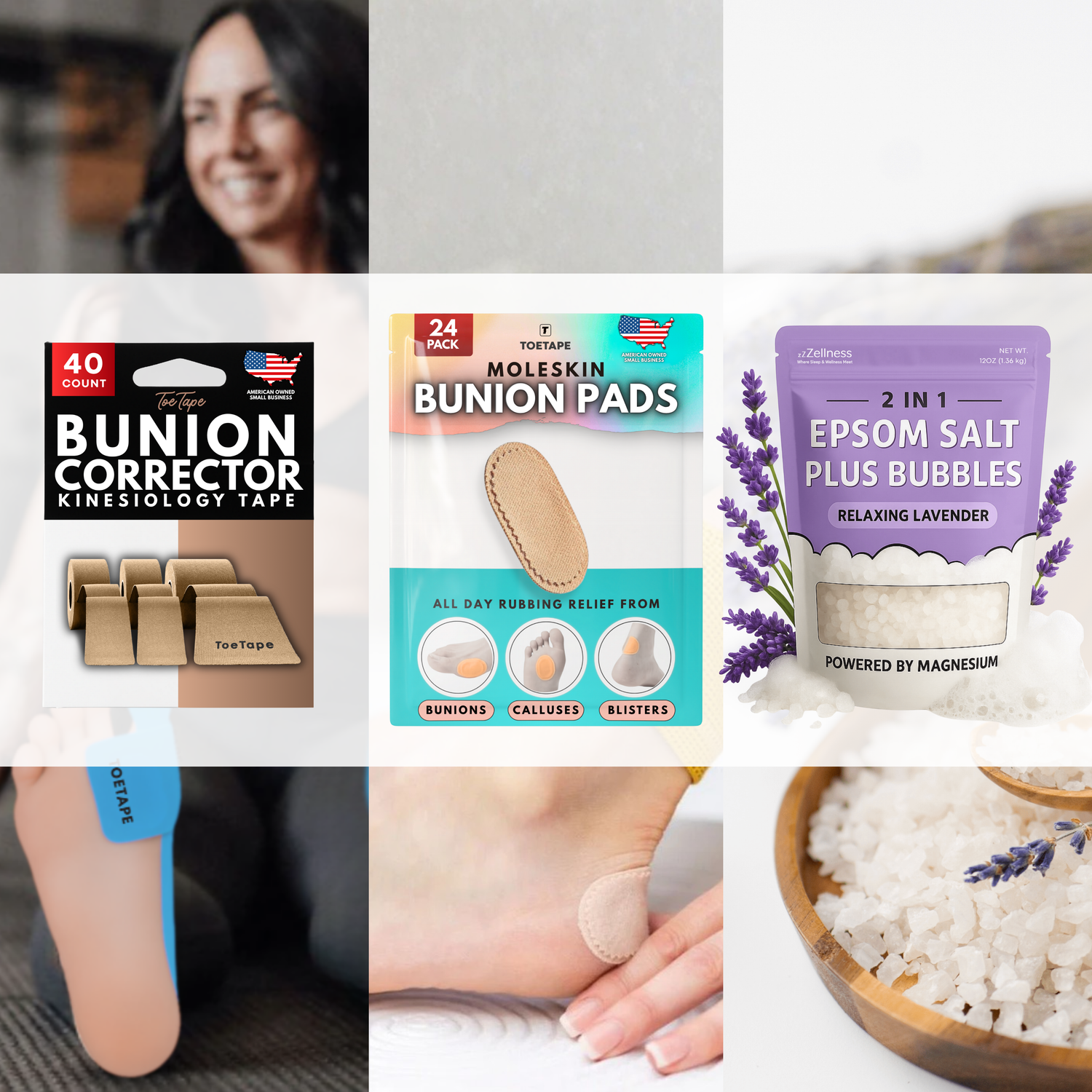
Bunion Relief Bundle
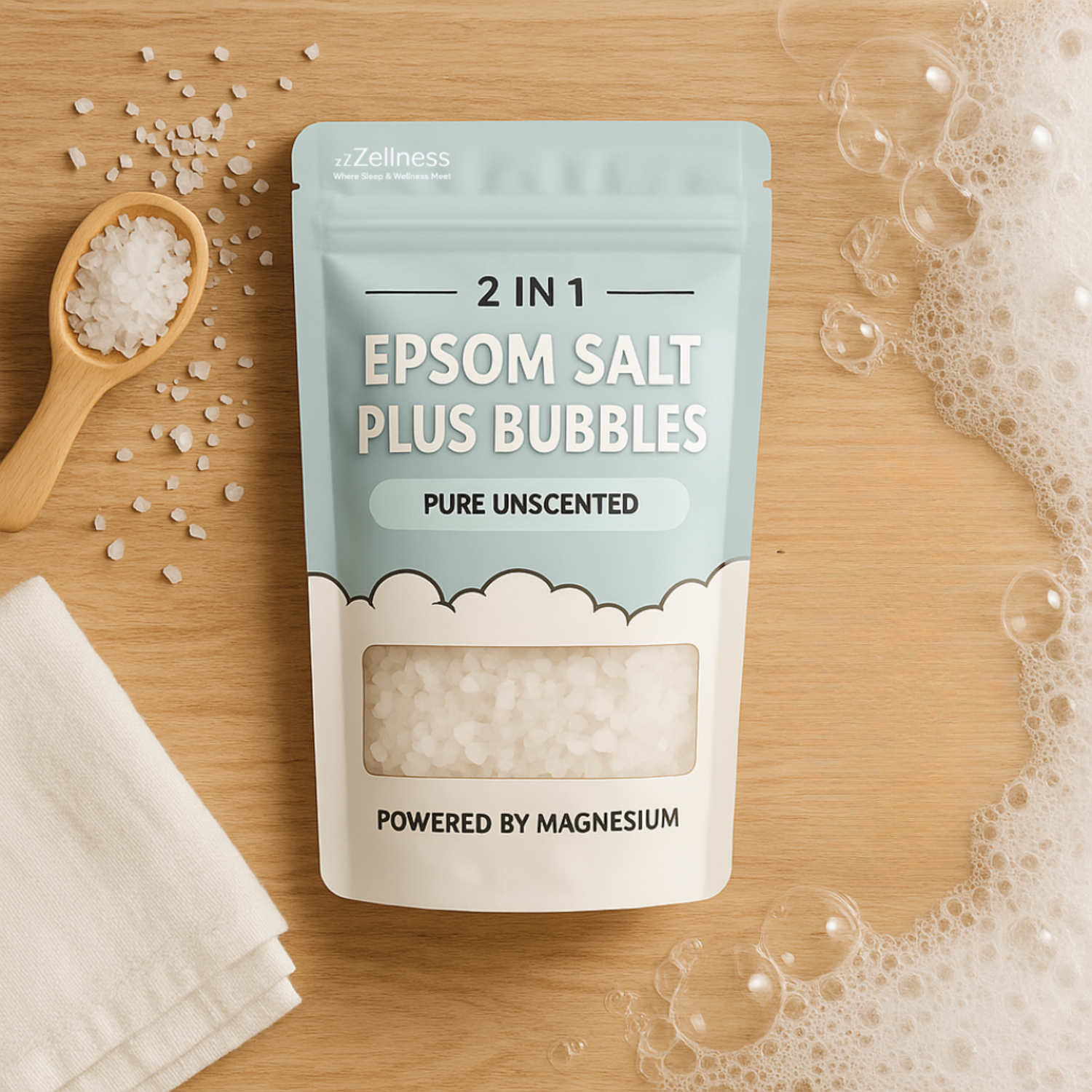
The Bunion Relief Bundle is designed to address common foot discomfort associated with bunions. It includes products that help realign the big toe, protect against friction, and soothe sore feet, making it suitable for those who are active or spend long hours on their feet. This comprehensive set aims to promote recovery and enhance overall foot comfort.
View Product