











Overview
Bunions, a common foot deformity, are influenced significantly by genetics, as they can be hereditary and linked to foot structure. Key contributing factors include footwear choices, age, and gender. Effective management strategies involve selecting appropriate footwear, using orthotic devices like gel toe spacers, engaging in physical therapy, and considering medications for pain relief. In severe cases, surgery may be necessary. Understanding your genetic predisposition can empower you to take preventive actions for better foot health.
Table of Contents
- What Are Bunions?
- The Genetic Component of Bunions
- Family History and Heredity
- Biomechanical Factors
- Other Contributing Factors to Bunion Development
- Understanding Symptoms and Diagnosis
- Foot Pain Relief: Managing Bunions Effectively
- Footwear Modifications
- Orthotic Devices
- Physical Therapy
- Medications for Pain Management
- Surgical Options for Bunions
- Your Genetic Heritage and Bunion Prevention
- Embrace Your Foot Journey
Key Takeaways
- Bunions are a hereditary condition: A family history of bunions significantly increases the likelihood of developing them.
- Footwear plays a crucial role: Tight, narrow, or high-heeled shoes can exacerbate bunion formation, especially in predisposed individuals.
- Symptoms include visible bumps and pain: The most common signs of bunions are a noticeable bump at the big toe's base, pain, and restricted movement.
- Footwear modifications are essential: Choosing shoes with wider toe boxes, good arch support, and low heels can help manage bunion symptoms.
- Gel toe spacers can provide relief: These devices help realign the toes and reduce friction on the bunion, offering comfort.
- Physical therapy can strengthen feet: Tailored exercises can improve balance and flexibility, aiding in bunion management.
- Surgical options exist for severe cases: If non-invasive treatments fail, surgical intervention may be necessary to realign the toe and alleviate pain.
Bunions are a common foot deformity that can cause discomfort and pain for many individuals. But did you know that genetics plays a significant role in the development of bunions? In this article, we will delve into the connection between bunions and genetics while discussing effective solutions like foot pain relief techniques and the benefits of using a gel toe spacer to manage symptoms.
What Are Bunions?
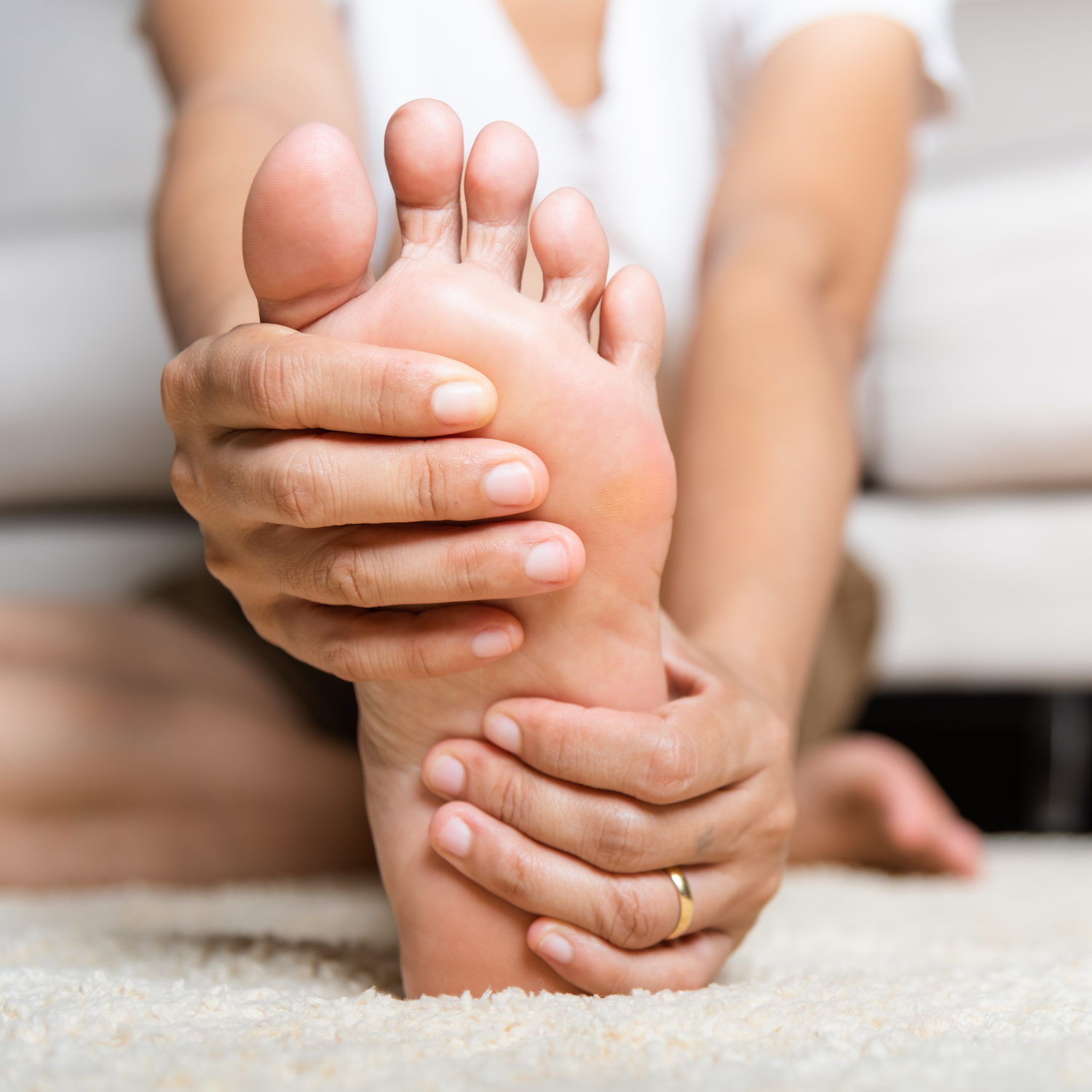
Bunions, also known as hallux valgus, are characterized by a bony bump that develops at the base of the big toe. This condition can result in misalignment of the toe, leading to pain, swelling, and the inability to wear certain shoes comfortably. Understanding bunions involves recognizing the contributing factors, including anatomy, footwear choices, and notably, genetic predisposition.
The Genetic Component of Bunions
Research indicates that bunions can have a hereditary link; if one or both parents have bunions, their children are more likely to develop them as well. This familial trend suggests a combination of genetic factors, anatomical traits, and environmental influences that can increase the likelihood of bunion formation. Let’s explore how these elements play a role:
Family History and Heredity
Studies show that bunions are more prevalent in certain families, indicating a strong genetic influence. This is particularly evident in the type of foot structure that can be inherited. Flat feet, high arches, or loose ligaments are often passed down through generations, and these conditions can predispose individuals to bunion development.
Biomechanical Factors
Genetics influence the biomechanics of the feet, affecting how weight is distributed while walking or standing. For example, individuals with inherent structural weaknesses in their feet might experience abnormal pressure on their big toe joint, leading to the formation of bunions. Understanding these biomechanical factors is critical for addressing foot pain relief and preventive measures.
Other Contributing Factors to Bunion Development
While genetics plays a significant role, other aspects can exacerbate the formation of bunions. Recognizing these factors can be beneficial for those who are concerned about bunion development:
- Footwear Choices: Wearing tight, narrow, or high-heeled shoes can increase the risk of bunions, especially in individuals predisposed to this condition. Poorly fitting shoes can place additional pressure on the big toe joint, heightening the chances of deformity.
- Age: As people age, the ligaments and tendons in their feet can become less flexible, leading to an increased risk of bunions. This age-related change can be combined with genetic factors, creating a greater susceptibility.
- Gender: Women are more likely to develop bunions than men, primarily due to footwear choices typically made by women. The hormonal differences in women may also contribute to ligament laxity, further increasing the risk.
Understanding Symptoms and Diagnosis
Bunions are easily recognizable due to their distinctive appearance, but they also come with symptoms that can range from mild discomfort to severe pain:
- Visible Bump: A noticeable bump at the base of your big toe is the most common physical symptom of a bunion.
- Pain and Inflammation: Pain can occur, especially after extended periods of standing or wearing shoes that do not fit properly.
- Restricted Movement: Bunions can limit the range of motion of the big toe, making it difficult to walk normally.
If you suspect you have a bunion, a consultation with a healthcare professional is essential for a proper diagnosis. Early diagnosis is critical for effective treatment and can help prevent the bunion from worsening.
Foot Pain Relief: Managing Bunions Effectively
While bunions can progress over time, several foot pain relief options can help alleviate symptoms and improve quality of life. Here are some effective strategies:
Footwear Modifications
Choosing the right footwear is one of the most critical aspects of bunion management. Look for shoes that offer:
- Wider Toe Boxes: This allows more space for the toes, minimizing pressure on the bunion.
- Arch Support: Investing in shoes with good arch support can help distribute weight more evenly, reducing strain on the foot.
- Heel Height: Low-heeled shoes are kinder to the feet and typically offer greater comfort for those suffering from bunions.
Orthotic Devices
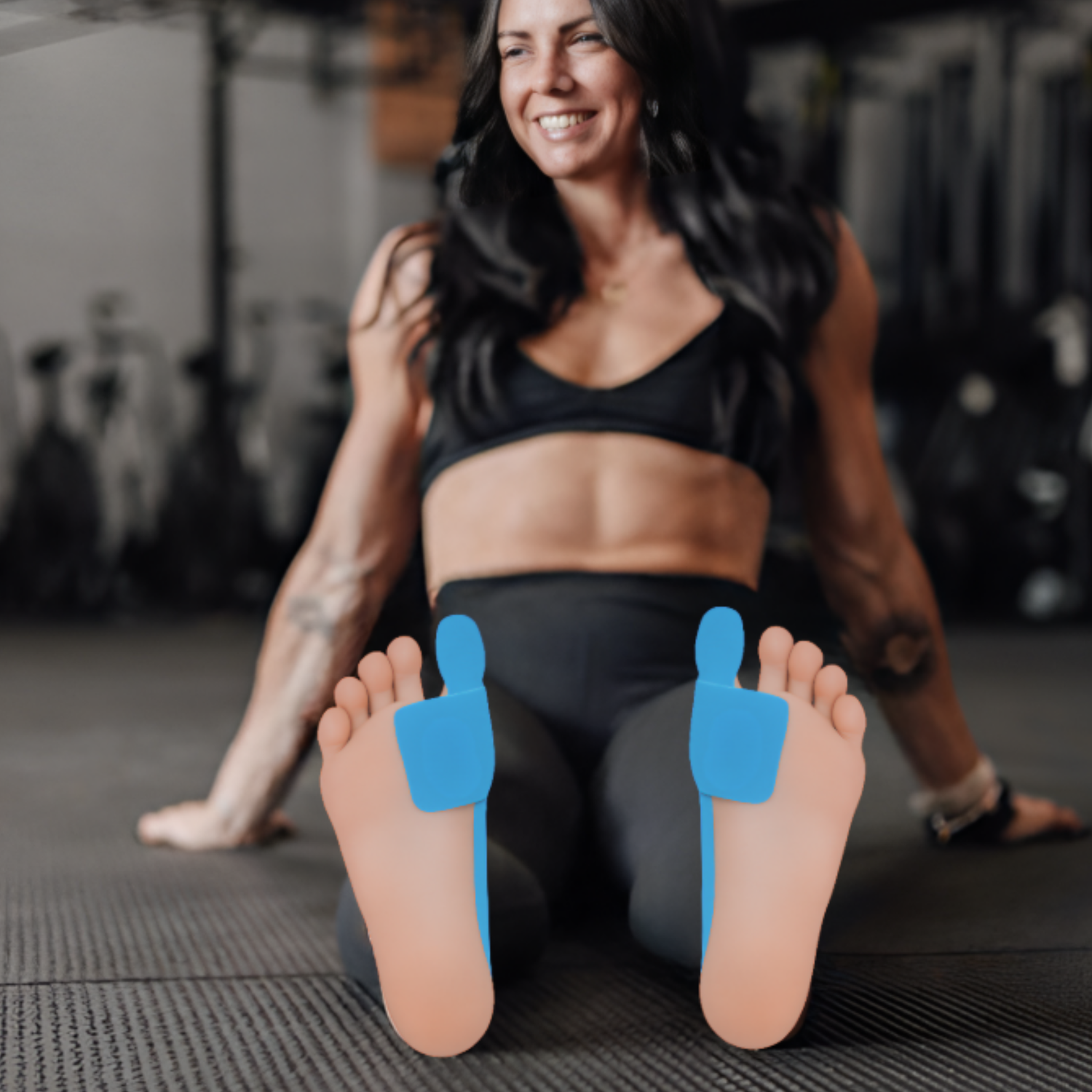
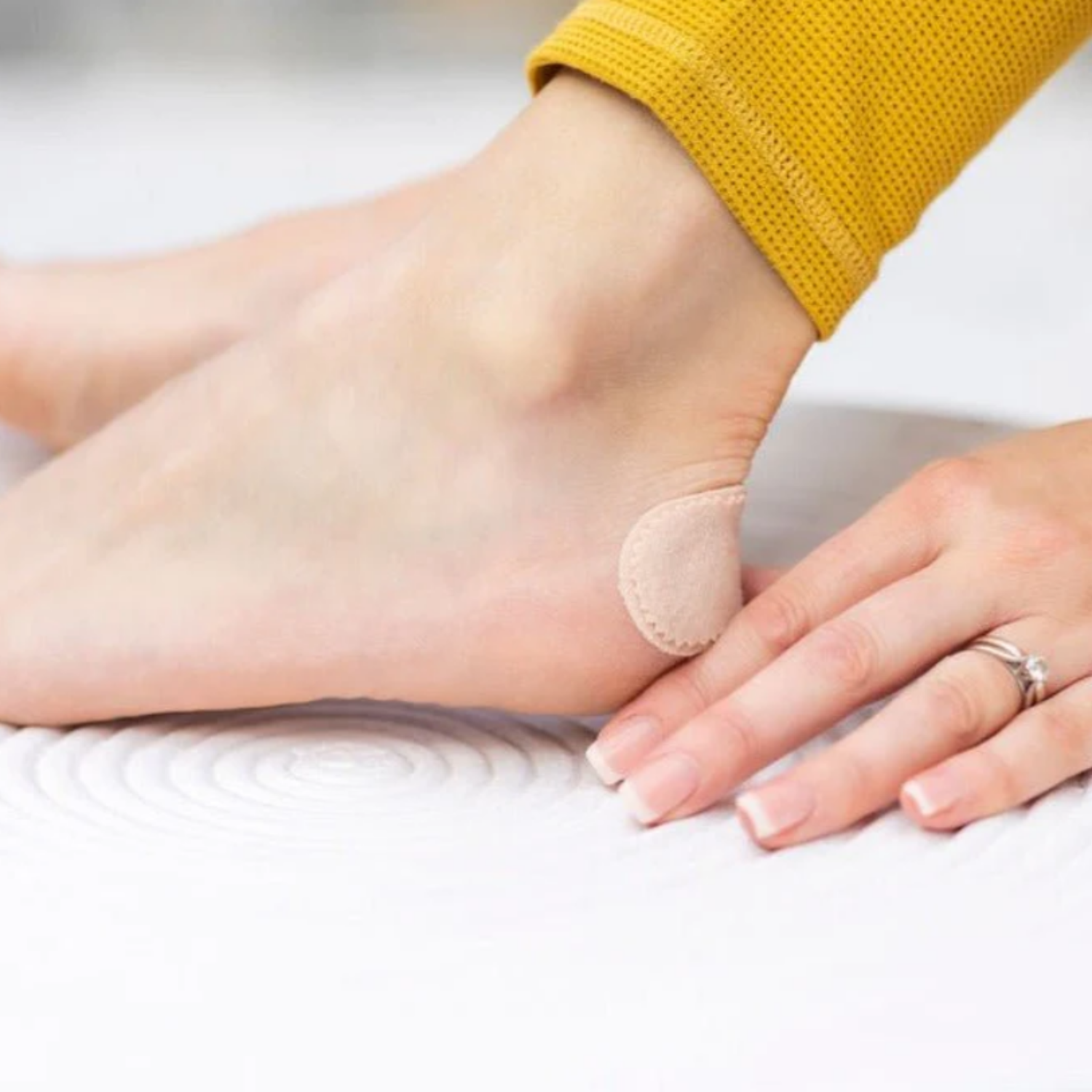
Using orthotic devices, such as gel toe spacers, can provide additional comfort and foot pain relief. Gel toe spacers can help position the toes correctly, providing a cushioning effect that reduces friction and pressure on the bunion. Regular use of these spacers may help in slowly realigning the big toe over time.
Physical Therapy
Engaging in physical therapy can strengthen the muscles around the foot, improving balance and reducing pain. A qualified physiotherapist can create a tailored exercise program to enhance flexibility and strength, which can be crucial for managing bunions.
Medications for Pain Management
Over-the-counter non-steroidal anti-inflammatory drugs (NSAIDs) can relieve pain and reduce inflammation associated with bunions. However, consult with a healthcare professional before starting any medication regimen.
Surgical Options for Bunions
In severe cases, when non-invasive methods fail to provide relief, surgical intervention may be necessary. Discussing surgical options with a podiatrist or orthopedic surgeon can give you insight into the various procedures available, their success rates, and potential risks. Surgery aims to realign the toe and alleviate pain, but it’s crucial to weigh the risks versus benefits carefully.
Your Genetic Heritage and Bunion Prevention
While you may not be able to change your genetics, understanding the hereditary nature of bunions can empower you to take preventive actions. Here are some proactive steps you can incorporate into your lifestyle:
- Regular Foot Assessment: Keep an eye on any changes to your feet and consult a professional for regular check-ups, especially if you have a family history of bunions.
- Embrace Foot-Friendly Footwear: Prioritize comfort over style when selecting shoes. Supporting your foot health can delay or prevent the onset of bunion symptoms.
- Practice Foot Hygiene: Maintaining good foot hygiene can prevent the development of other conditions like corns or fungal infections that may worsen bunion pain.
Embrace Your Foot Journey
Understanding the connection between bunions and genetics can provide valuable insights into prevention and management strategies. With the right knowledge and proactive measures, you can take control of your foot health by considering effective solutions such as wearing appropriate footwear, utilizing gel toe spacers, and engaging in preventive care. While bunions may be influenced by genetic factors, the power to alleviate foot pain and improve your quality of life lies in your hands. Start your journey towards healthier feet today!
Frequently Asked Questions
1. What are bunions?
2. How does genetics influence the development of bunions?
3. What are some common contributing factors to bunion development?
4. What are the symptoms of bunions?
5. What are some effective solutions for managing bunions?
Glossary
| Term | Meaning |
|---|---|
| Bunions | A foot deformity characterized by a bony bump at the base of the big toe. |
| Hallux Valgus | The medical term for bunions, indicating the misalignment of the big toe. |
| Genetics | The study of heredity and the variation of inherited characteristics. |
| Footwear Choices | Shoe selections that can influence foot health and bunion development. |
| Orthotic Devices | Supportive devices like gel toe spacers that help alleviate foot pain. |
| Biomechanics | The study of movement and how it affects foot structure and function. |
| Physical Therapy | Exercise-based treatment to strengthen foot muscles and improve function. |
| NSAIDs | Non-steroidal anti-inflammatory drugs used for pain relief. |
| Surgical Options | Procedures for correcting bunions when non-invasive treatments fail. |
| Foot Hygiene | Practices to maintain clean and healthy feet, preventing other conditions. |
Linked Product

Bunion Relief Bundle
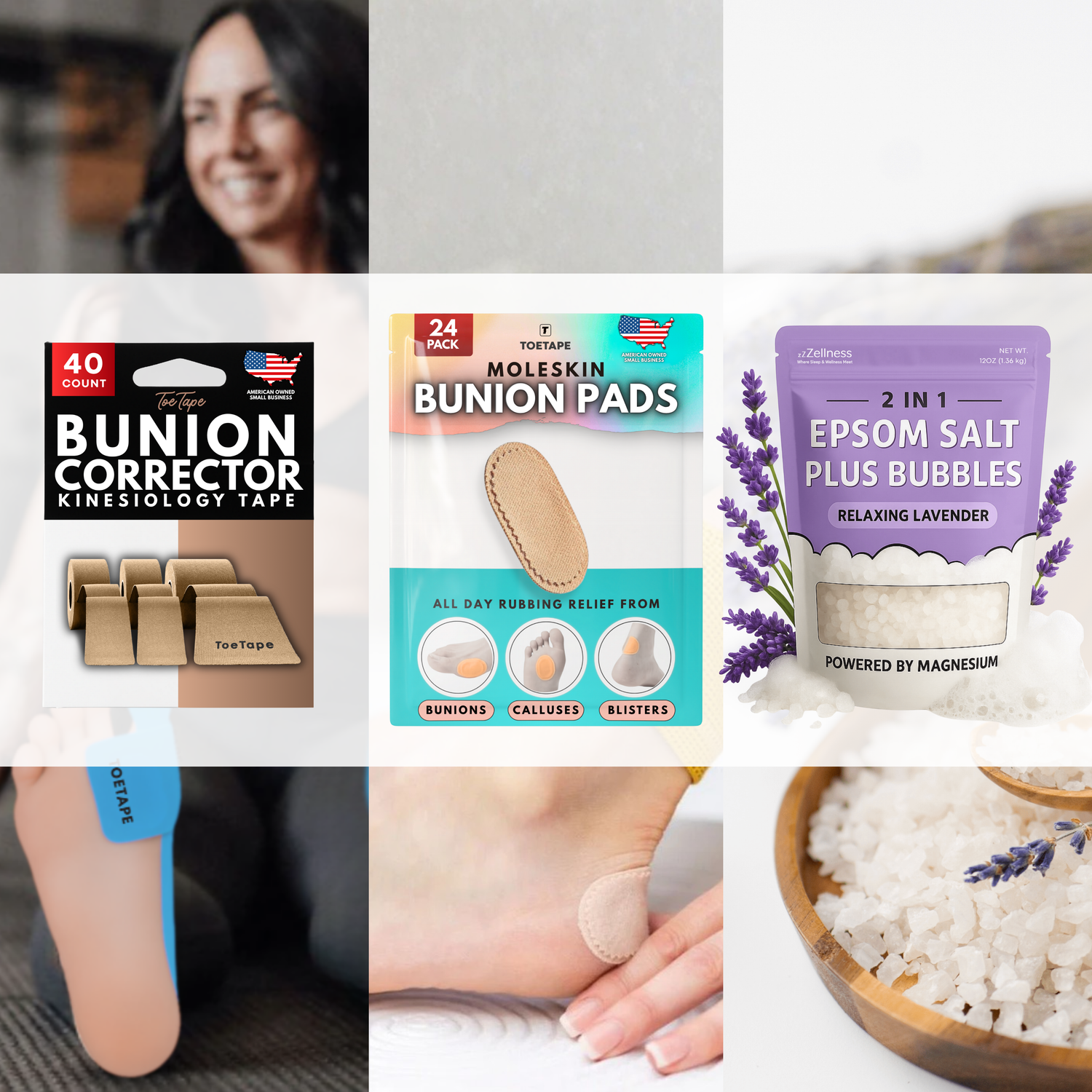
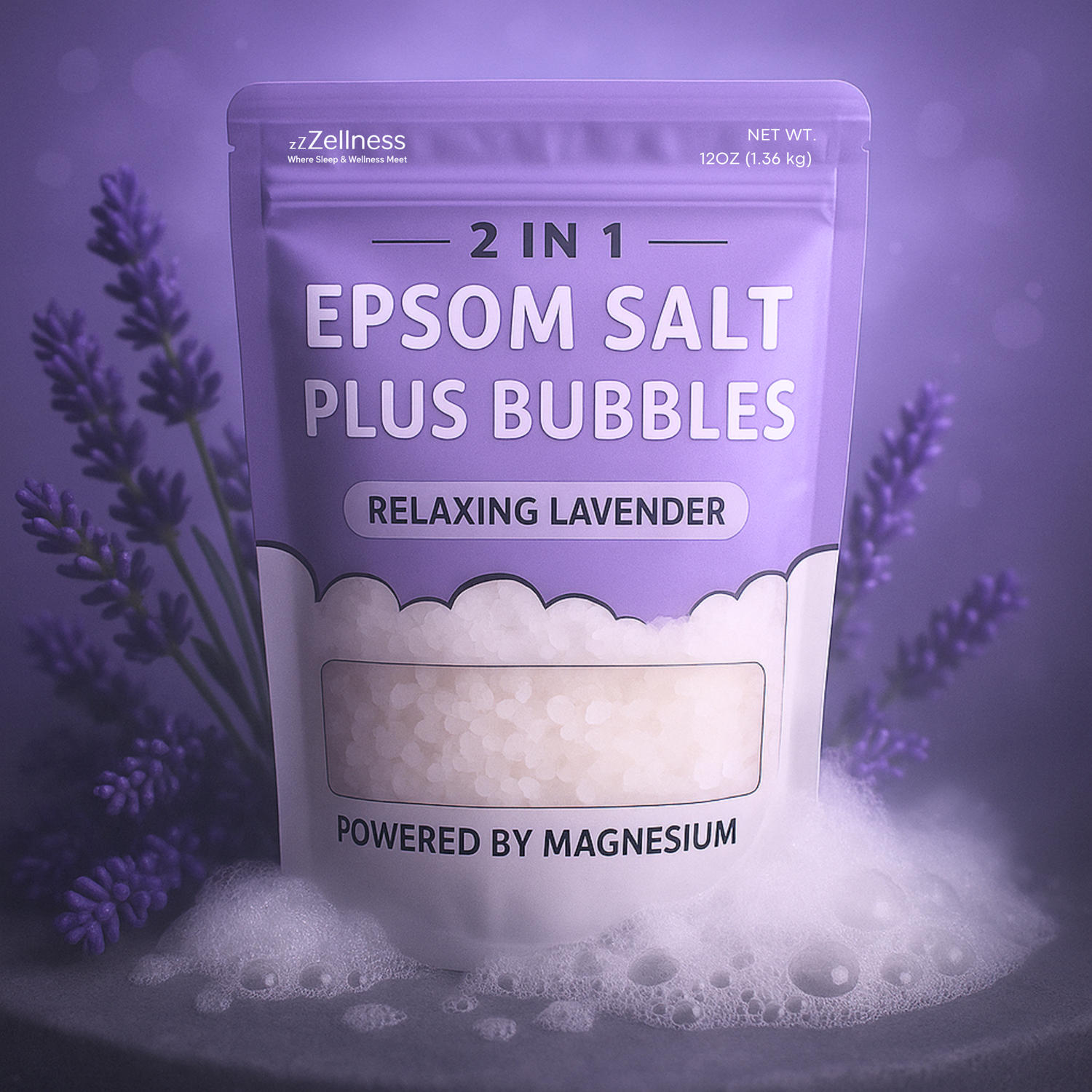
The Bunion Relief Bundle offers a comprehensive solution for foot comfort and recovery, making it suitable for anyone on their feet for extended periods or engaged in training. It includes ToeTape™ for realigning the big toe, Moleskin Bunion Pads to protect against friction, and Epsom Salts + Foaming Bubbles for relaxation and inflammation reduction. Together, these products work to alleviate pain, prevent irritation, and support overall foot health.
View Product