









Overview
Bunions can affect children as well as adults, often causing pain and discomfort. Key causes include genetics, ill-fitting footwear, and flat feet. Symptoms to watch for are visible bumps, redness, swelling, and pain around the big toe. Early intervention is crucial, and treatment options range from proper footwear and orthotics to physical therapy. In severe cases, surgery might be needed. Preventative measures include choosing the right shoes and encouraging foot exercises. Maintaining foot health is essential for your child's overall well-being.
Table of Contents
- What are Bunions?
- Causes of Bunions in Children
- Symptoms and Signs of Bunions
- When to Seek Medical Advice
- Possible Treatment Options
- Non-Surgical Approaches
- Surgical Options
- Preventing Bunions in Children
- When to Consider Professional Help
- The Importance of Foot Health in Children
- Empowering Your Child
- Final Thoughts on Bunions
Key Takeaways
- Bunions can affect children: This condition, known as hallux valgus, is not exclusive to adults and can develop in young children.
- Common causes include genetics and footwear: A family history of bunions and wearing ill-fitting shoes are significant contributors to bunion development.
- Symptoms to watch for: Look for visible bumps, redness, swelling, and pain around the big toe joint as signs of bunions in children.
- Non-surgical treatments are often effective: Proper footwear, orthotic inserts, and physical therapy can help manage bunions without surgery.
- Preventive measures are crucial: Choosing the right shoes, avoiding high heels, and encouraging foot exercises can help reduce the risk of bunions.
- Seek professional help if needed: Consult a pediatric specialist if your child experiences persistent pain or discomfort due to bunions.
- Educate your child about foot health: Teaching them the importance of proper footwear and foot care can foster lifelong healthy habits.
Bunions, an often misunderstood foot condition, can affect children as well as adults. Parents may be startled to discover that their little ones can develop bunions at a young age, leading to questions about treatment and bunion relief. Understanding what bunions are, their causes, and ways to correct them is crucial in ensuring your child's foot health. In this article, we'll explore bunions in children, helping you navigate this often-overlooked issue.
What are Bunions?
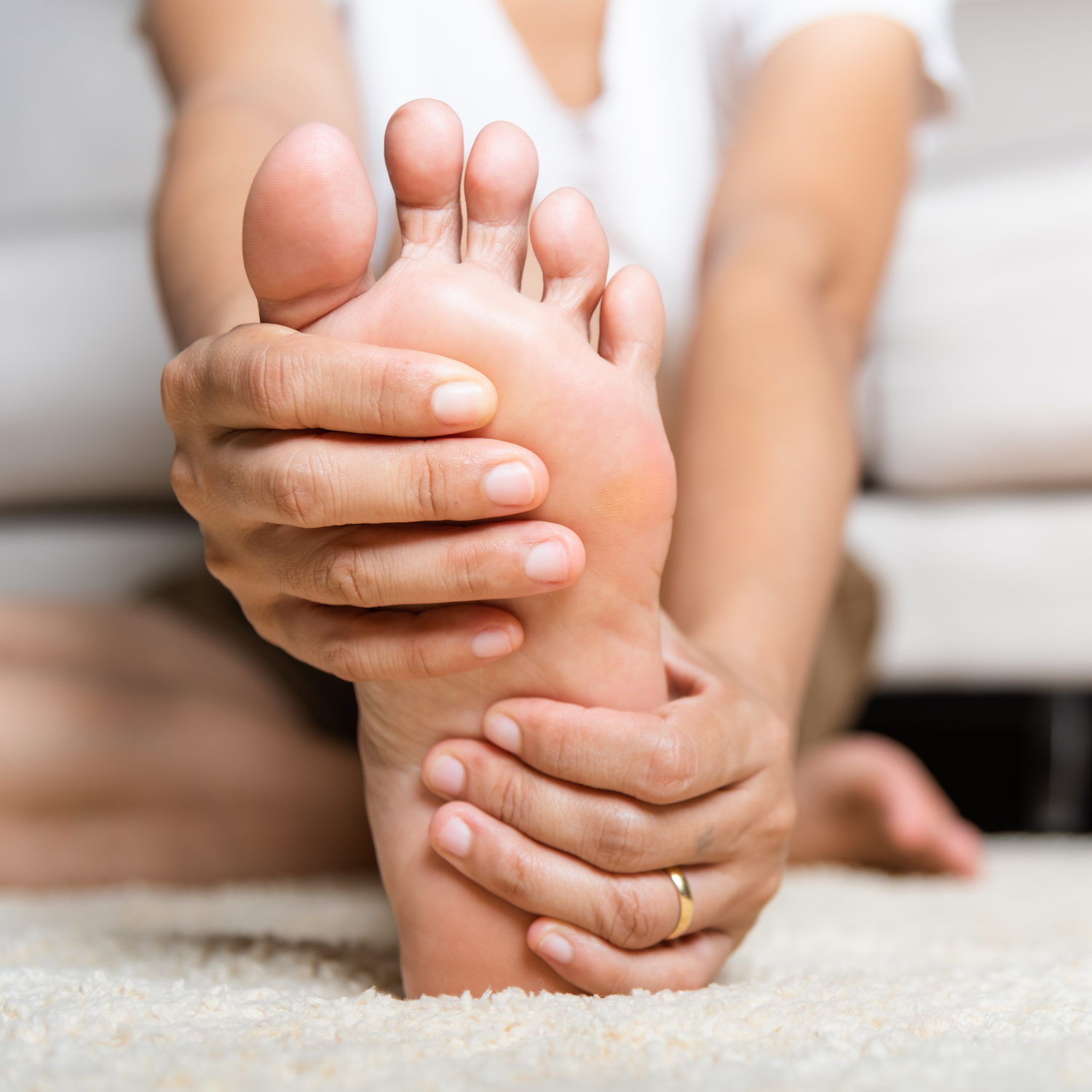
Bunions, medically known as hallux valgus, are bony bumps that form at the base of the big toe. These bumps develop when the big toe pushes sideways against the adjacent toe, bringing about not just physical changes but also pain and discomfort. While many often associate bunions with adults, they can surprisingly occur in children too.
Causes of Bunions in Children
Understanding the causes of bunions in children is vital for parents looking to address and prevent the condition. Some of the common causes include:
- Genetics: A family history of bunions can significantly increase the likelihood of children developing this condition.
- Footwear: Ill-fitting shoes, like those that are too tight or narrow, can exacerbate bunion formation.
- Flat Feet: Children with flat arches might experience altered foot mechanics, leading to bunion development.
- Other Foot Conditions: A range of foot deformities, such as hammertoes or overlapping toes, can contribute to the formation of bunions.
Symptoms and Signs of Bunions
As a parent, being aware of the symptoms of bunions in children is essential for early detection. Common signs include:
- Visible bump on the side of the big toe.
- Redness and swelling around the big toe joint.
- Pain or tenderness in the affected area, especially when wearing shoes.
- Limited movement in the big toe.
- Difficulty walking or standing for prolonged periods.
When to Seek Medical Advice
If you notice any of these symptoms in your child, it’s crucial to consult a pediatrician or a foot specialist. Early intervention can provide the best opportunity for effective bunion relief and might include simple lifestyle changes or medical treatment. Regardless of their age, prompt attention can help in preventing more severe complications in the future.
Possible Treatment Options
Non-Surgical Approaches
In most cases, bunions in children can be managed non-surgically, particularly when symptoms are mild. Some effective strategies include:
- Proper Footwear: Invest in shoes that accommodate your child's foot shape and allow for ample room at the toe area. Look for shoes with a wide toe box and flexible soles.
- Orthotic Inserts: Custom or over-the-counter orthotic inserts can help in redistributing pressure across the foot, offering bunion correction without the need for surgery.
- Physical Therapy: Engaging in exercises that strengthen the foot muscles and improve flexibility can help alleviate pain and prevent worsening of the bunion.
- Cold Compresses: Applying ice packs to the affected area can provide relief from swelling and pain.
Surgical Options
In some severe cases, particularly if a child’s bunions cause significant pain or hinder normal activity, surgery may be considered. Surgical options typically aim to realign the bones and restore functionality. However, surgery is usually a last resort after conservative treatments have proven ineffective.
Preventing Bunions in Children
As the saying goes, “An ounce of prevention is worth a pound of cure.” Here are several simple steps parents can take to prevent the development of bunions in their children:
- Choose the Right Shoes: Prioritize comfort and fit, ensuring your child's shoes have adequate space for their toes to move freely.
- Avoid High Heels: If your child wears dress shoes or heels, opt for styles that do not constrict the foot. Always choose low-heeled options when possible.
- Monitor Foot Growth: Children’s feet grow rapidly, so regularly check the fit of their shoes to avoid unnecessary pressure on their toes.
- Encourage Foot Exercises: Simple toe stretching exercises can promote flexibility and strength, potentially reducing bunion risk.
When to Consider Professional Help
If your child is experiencing persistent pain or discomfort due to bunions, it’s important not to ignore it. Delaying professional help can lead to worsening conditions. Seek the opinion of a pediatric specialist or a podiatrist who can provide a thorough assessment and recommend a tailored treatment plan for bunion relief.
The Importance of Foot Health in Children
Understanding and managing bunions is just one aspect of maintaining overall foot health. Proper foot health is essential for your child’s physical activity and can contribute to their overall well-being. Encourage your child to engage in physical activities that promote foot strength and flexibility.
Empowering Your Child
Teaching your child about foot health can empower them to make better choices throughout their lives. Discussing the importance of proper footwear and regular foot care can instill good habits that prevent bunions and other foot issues in the future.
Final Thoughts on Bunions
As a parent, being informed about bunions and their implications for your child's health is crucial. Early detection, intervention, and proper foot care practices can make a world of difference in managing this condition. Whether it’s ensuring your child wears the right shoes or recognizing the signs of bunions, your proactive approach can lead to effective bunion correction and lasting foot health. Remember, feet are the foundation of our bodies, and taking care of them from an early age sets the stage for a lifetime of movement and activity.
Frequently Asked Questions
1. What are bunions?
2. What causes bunions in children?
3. What are the symptoms of bunions in children?
4. When should I seek medical advice for my child's bunions?
5. What are some treatment options for bunions?
Glossary
| Term | Meaning |
|---|---|
| Bunions | Bony bumps at the base of the big toe caused by misalignment. |
| Hallux Valgus | The medical term for bunions. |
| Genetics | Family history that increases the risk of bunion development. |
| Footwear | Shoes that can contribute to bunion formation if ill-fitting. |
| Orthotic Inserts | Custom supports to help redistribute foot pressure. |
| Physical Therapy | Exercises aimed at strengthening foot muscles and improving flexibility. |
| Cold Compresses | Ice packs used to relieve swelling and pain in bunions. |
| Surgical Options | Procedures to realign bones when bunions cause significant issues. |
| Preventive Measures | Steps taken to avoid the development of bunions in children. |
| Podiatrist | A foot specialist who can diagnose and treat foot conditions. |
Linked Product

Bunion Relief Bundle
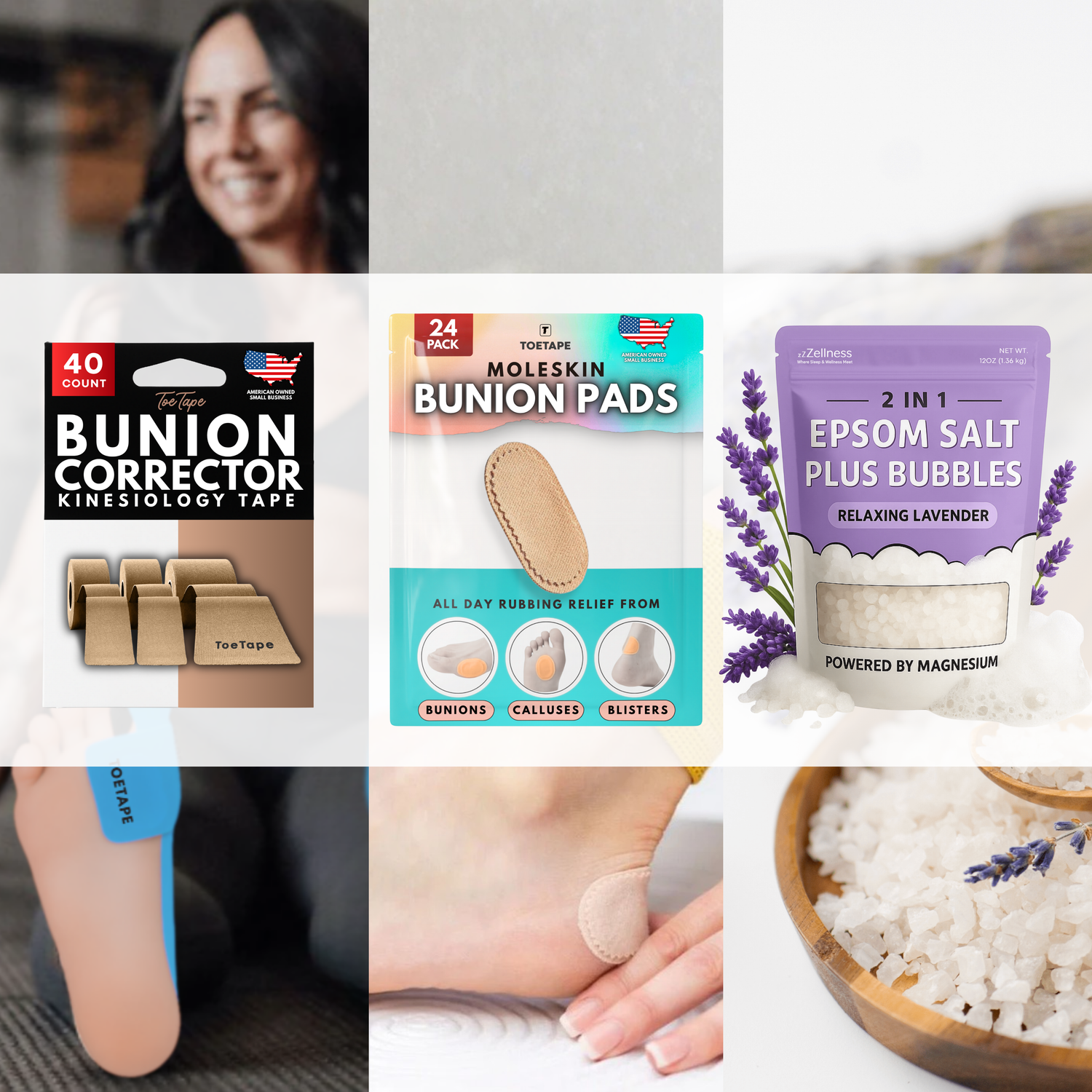
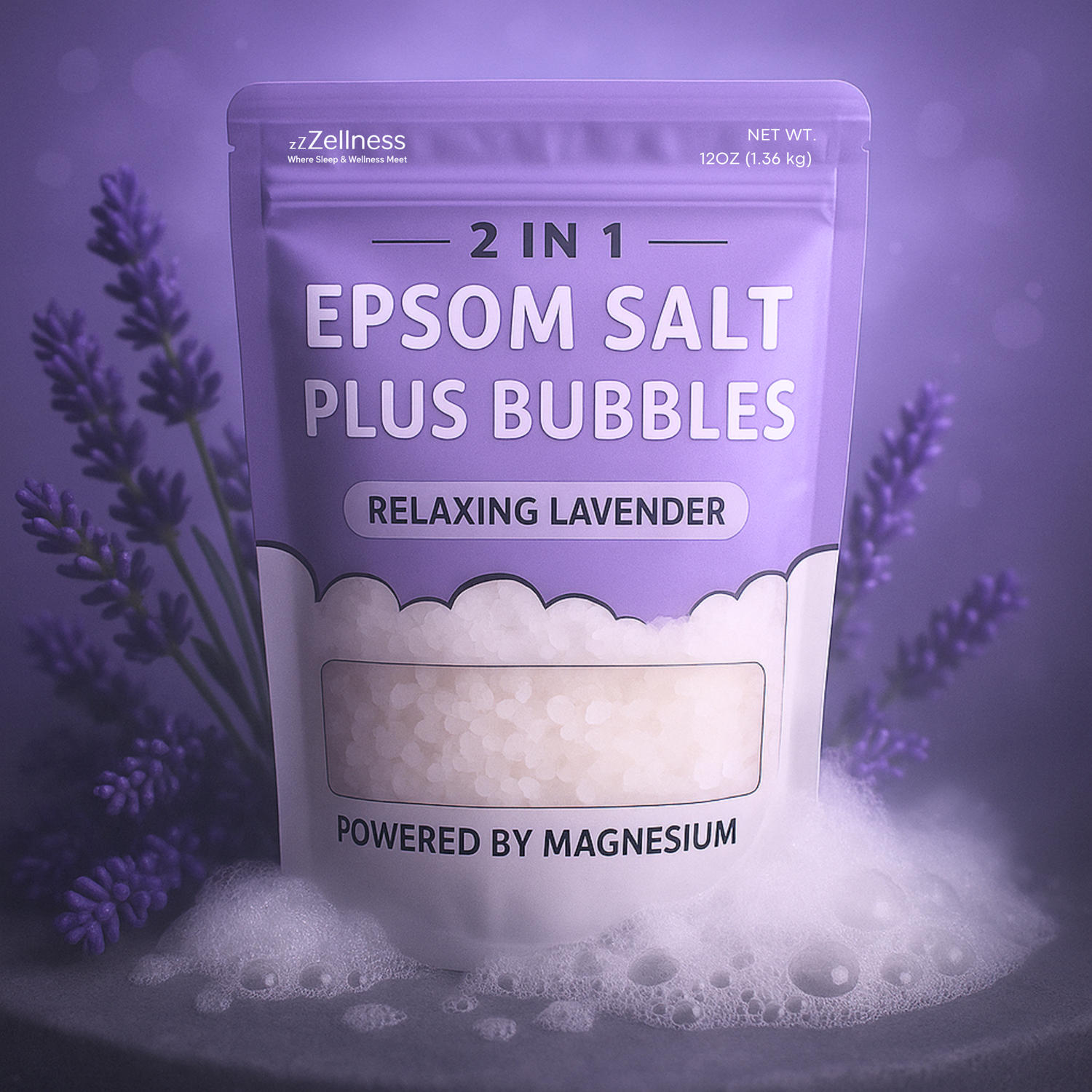
The Bunion Relief Bundle offers a comprehensive approach to foot comfort by combining three effective products designed to alleviate pain and support natural alignment. The included ToeTape™ Bunion Corrector Tape gently realigns the big toe, while Moleskin Bunion Pads protect against friction and irritation. Additionally, the Epsom Salts + Foaming Bubbles provide a soothing soak to relax sore feet and enhance recovery after long days or workouts.
View Product