














Overview
Bunions are painful foot conditions often misunderstood due to common myths. They can affect anyone, not just older adults, and are not solely cosmetic. High heels may worsen them, but they're not the only cause. Treatments beyond surgery exist, including orthotics and physical therapy. Early intervention and preventive care are crucial for managing bunions effectively. Understanding the facts about bunions can lead to better foot health and relief.
Table of Contents
- Understanding Bunions: What They Are
- Myth #1: Bunions Are Only a Cosmetic Issue
- Myth #2: Bunions Only Affect Older Adults
- Unraveling the Myths of Bunion Formation
- Myth #3: High Heels Cause Bunions
- Myth #4: Only Surgery Can Fix Bunions
- Addressing Symptoms and Seeking Relief
- Myth #5: Bunions Will Go Away on Their Own
- Myth #6: You Can Treat Bunions with Over-the-Counter Medication Alone
- Preventive Measures and Care Strategies
- Myth #7: You Don't Need to Worry About Bunions Until They Hurt
- Myth #8: Bunions Are Only Genetic
- Wrapping It Up: Breaking the Bunion Misconceptions
Key Takeaways
- Bunions are not just cosmetic issues; they can cause significant pain and discomfort, impacting daily life.
- Bunions can develop at any age; they are not limited to older adults and can be influenced by genetics and lifestyle.
- High heels can worsen bunions, but they are not the sole cause; structural foot issues also play a critical role.
- Surgery is not the only treatment; effective non-invasive options include custom orthotics, physical therapy, and pain management techniques.
- Bunions will not resolve on their own; proactive treatment is essential to prevent worsening symptoms and complications.
- Over-the-counter medications provide temporary relief; a comprehensive approach is necessary for long-term comfort and recovery.
- Ignoring bunions until they hurt is risky; early intervention can prevent further damage and more aggressive treatments.
Bunions can be a painful and frustrating foot condition, yet misconceptions about them run rampant. If you or someone you know suffers from bunions, it’s crucial to sift through the myths and understand the real facts behind this common ailment. In this article, we will debunk some of the most prevalent myths regarding bunions and pave the way for a clearer perspective toward effective bunion relief.
Understanding Bunions: What They Are
Bunions, or hallux valgus, are bony protrusions that develop at the base of the big toe. They can result from various factors, including genetics, footwear choice, and certain health conditions. Individuals experiencing bunions often face discomfort, making it essential to seek suitable treatments and bunion corrector for men, if applicable.
Myth #1: Bunions Are Only a Cosmetic Issue
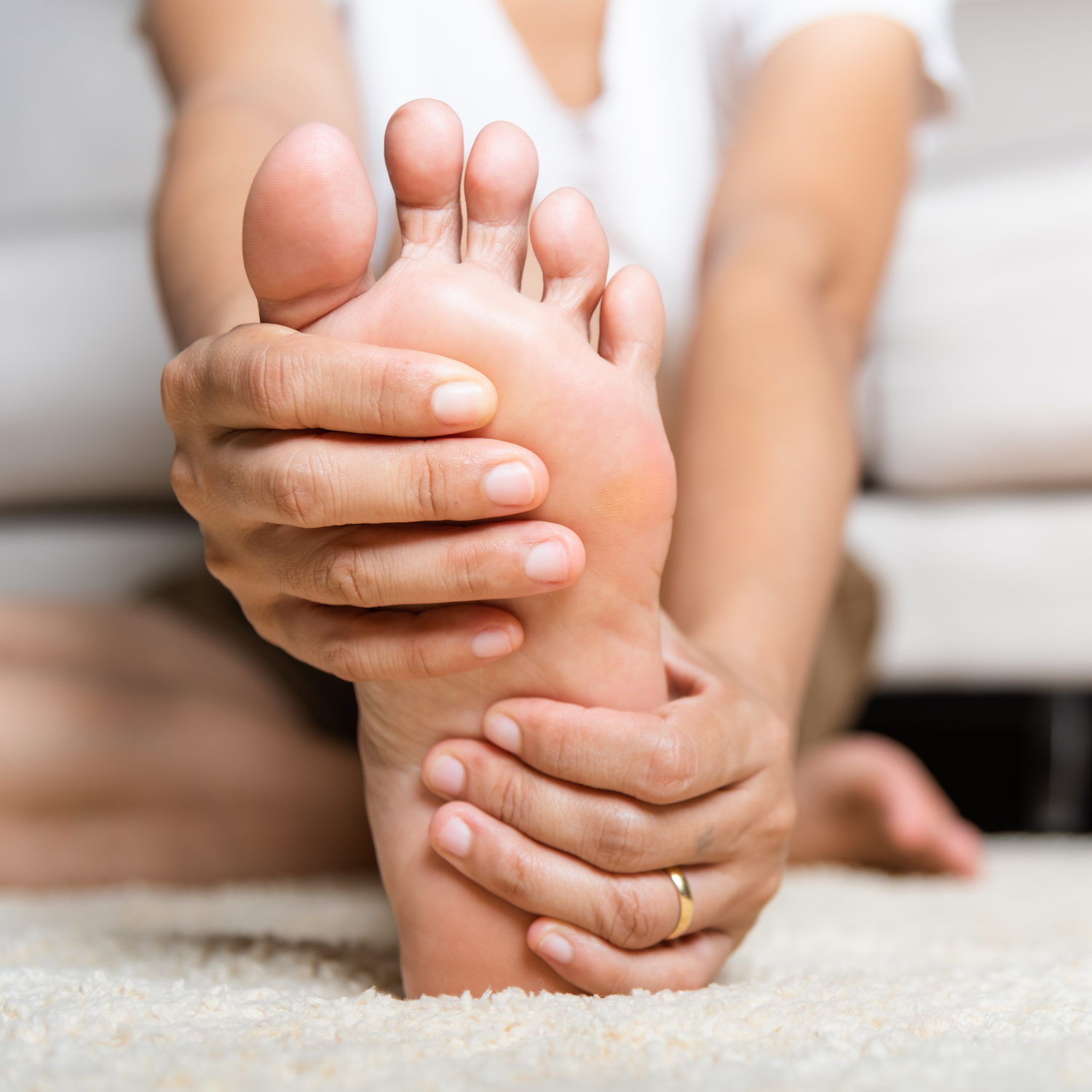
One of the most common misconceptions about bunions is that they are merely an aesthetic concern. While the visible bump may be unsightly, bunions can also cause significant pain and discomfort, compromising one’s quality of life.
Those suffering from bunions may experience:
- Pain during movement
- Inflammation around the affected area
- Difficulty wearing closed shoes
A bunion often leads to other foot problems if left untreated, making it imperative to address the issue rather than simply masking it with cosmetic solutions.
Myth #2: Bunions Only Affect Older Adults
Another widespread belief is that bunions are a problem only for older adults. In reality, bunions can develop at any age, especially if there’s a family history of foot issues. Besides aging, various factors such as genetics, foot structure, and lifestyle choices can contribute to the formation of bunions in younger individuals.
Whether you’re a teenager or well into your golden years, understanding this can help promote proactive measures for bunion relief.
Unraveling the Myths of Bunion Formation
Myth #3: High Heels Cause Bunions
While it’s true that wearing high heels can exacerbate existing bunions and lead to discomfort, they are not the sole cause of this condition. Bunions can form due to a combination of genetic predisposition and poor foot mechanics.
When high heels apply pressure to the forefoot, they can worsen the alignment of the big toe, but the initial formation of a bunion often roots back to structural issues rather than solely from footwear choices. Therefore, it’s essential to evaluate all factors when addressing bunion prevention and treatment.
Myth #4: Only Surgery Can Fix Bunions
Surgery is often seen as the only remedy for bunions, but this notion is misguided. While surgical options exist for severe cases, many less invasive treatments can provide effective bunion relief. Options include:
- Custom orthotics or bunion correctors for men
- Physical therapy and foot exercises
- Ice and other non-prescription pain management techniques
These treatments can significantly reduce pain and slow the progression of bunions, offering substantial relief without resorting to surgery.
Addressing Symptoms and Seeking Relief
Myth #5: Bunions Will Go Away on Their Own
Many individuals believe that bunions are a temporary issue and will eventually resolve independently. However, chancing it may lead to more severe pain and complications over time. Continual pressure from footwear and weight can exacerbate the situation, which is why taking action sooner rather than later is vital.
Acknowledging the need for treatment options, such as bunion relief strategies that may include the use of a bunion corrector for men, can prevent further complications and maintain mobility.
Myth #6: You Can Treat Bunions with Over-the-Counter Medication Alone
While over-the-counter pain medications can provide temporary relief, relying solely on painkillers is not a sustainable solution. Addressing the underlying causes and taking preventative measures is essential for long-term comfort.
Combining medication with local treatments, such as wearing supportive footwear and using physical therapy, can lead to much better outcomes. Ultimately, a holistic approach to bunion care ensures a more effective path to recovery and relief.
Preventive Measures and Care Strategies
Myth #7: You Don't Need to Worry About Bunions Until They Hurt
Ignoring bunions until they become painful is a grave mistake. Early intervention can prevent further damage and reduce the need for more aggressive treatments later on. If you notice the initial signs of a bunion, including swelling or changes in toe alignment, it’s vital to take proactive measures.
Some preventive steps include:
- Selecting shoes with a wider toe box
- Implementing foot exercises to strengthen muscles
- Avoiding overly tight or high-heeled footwear
By prioritizing foot health, you can stave off complications and improve your overall well-being.
Myth #8: Bunions Are Only Genetic
While genetics play a significant role in the development of bunions, they are not the only factor. Environmental influences, lifestyle choices, and prior foot injuries can also contribute to their formation. For instance, a history of repetitive foot strain can initiate bunion development.
Understanding that multiple factors influence bunion growth emphasizes the importance of proactive foot care and the consideration of treatments like bunion corrector for men as part of your routine.
Wrapping It Up: Breaking the Bunion Misconceptions
As we've explored the myths surrounding bunions, it becomes evident that misinformation can impede proper care and treatment. Recognizing the facts about bunions, their causes, and available treatments is crucial to managing this condition effectively. Rather than letting misconceptions dictate your approach, seek the necessary information and treatments, ensuring you are empowered in your journey toward bunion relief.
From debunking the myth that bunions are merely cosmetic to advocating for preventative measures, armed with the right knowledge, you can enhance your foot health and overall quality of life. So, don’t let misconceptions hold you back—take charge of your foot health today!
Frequently Asked Questions
1. What are bunions?
2. Are bunions only a cosmetic issue?
3. Can bunions affect individuals of all ages?
4. Is surgery the only option for treating bunions?
5. Will bunions go away on their own?
Glossary
| Term | Meaning |
|---|---|
| Bunion | A bony protrusion at the base of the big toe, often causing pain. |
| Hallux Valgus | The medical term for bunions. |
| Myth | A widely held but false belief about bunions. |
| Custom Orthotics | Personalized shoe inserts designed to provide foot support. |
| Surgery | A medical procedure that may be necessary for severe bunion cases. |
| Foot Mechanics | The way foot structure and movement affect bunion formation. |
| Preventive Measures | Actions taken to avoid the development or worsening of bunions. |
| Physical Therapy | Exercises aimed at improving foot strength and function. |
| Footwear Choices | The type of shoes worn, which can impact bunion health. |
| Inflammation | Swelling and irritation around the bunion area. |
Linked Product

Bunion Relief Bundle
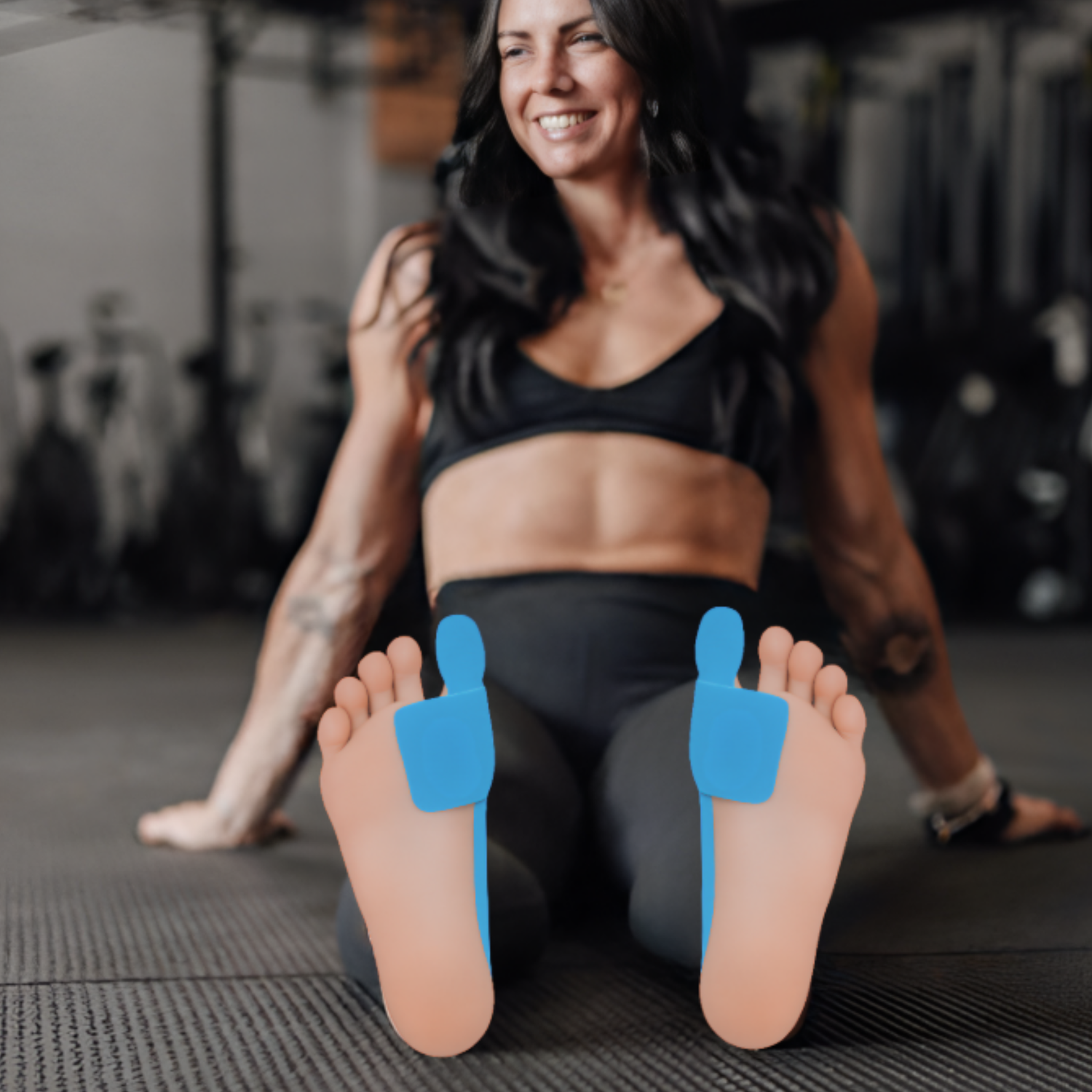
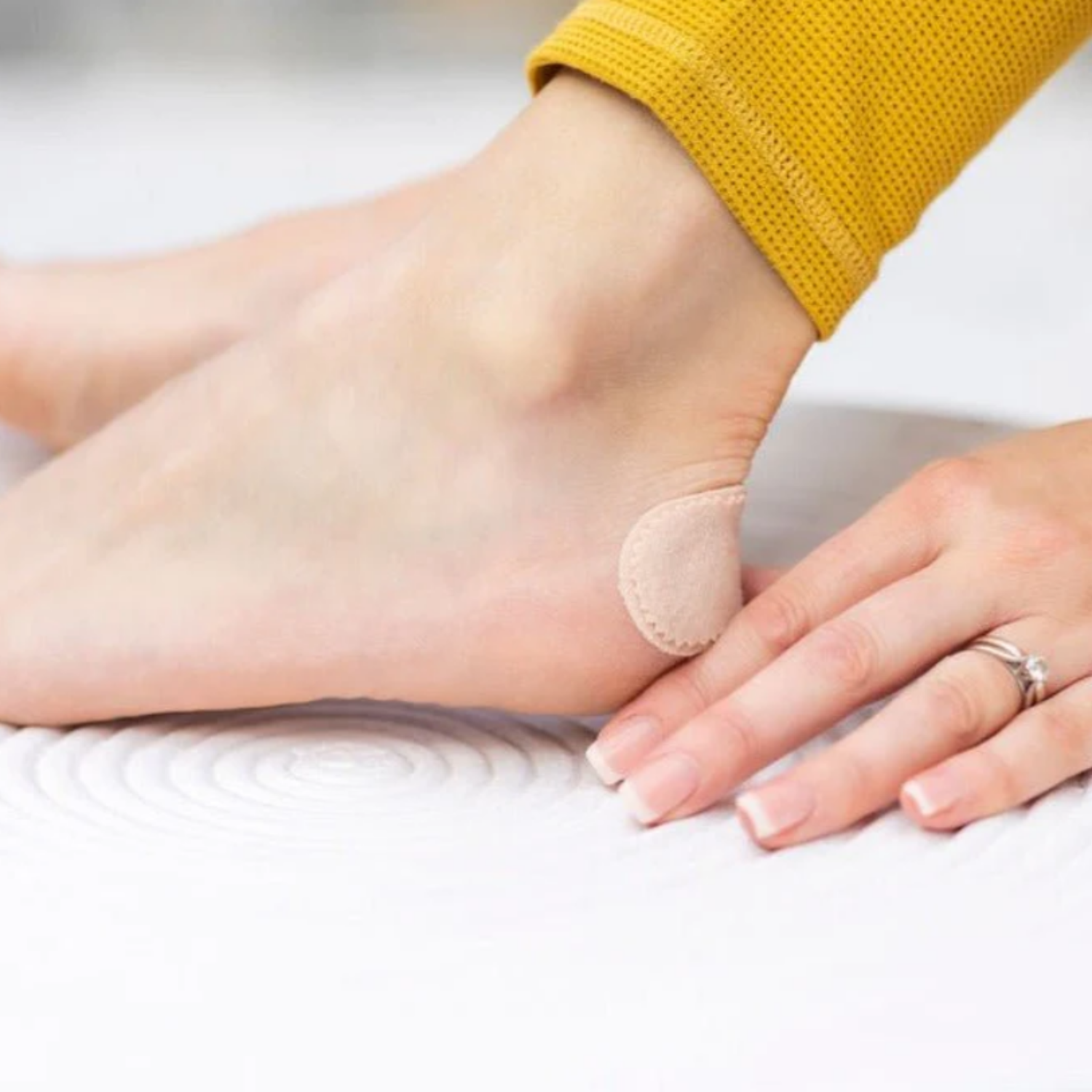
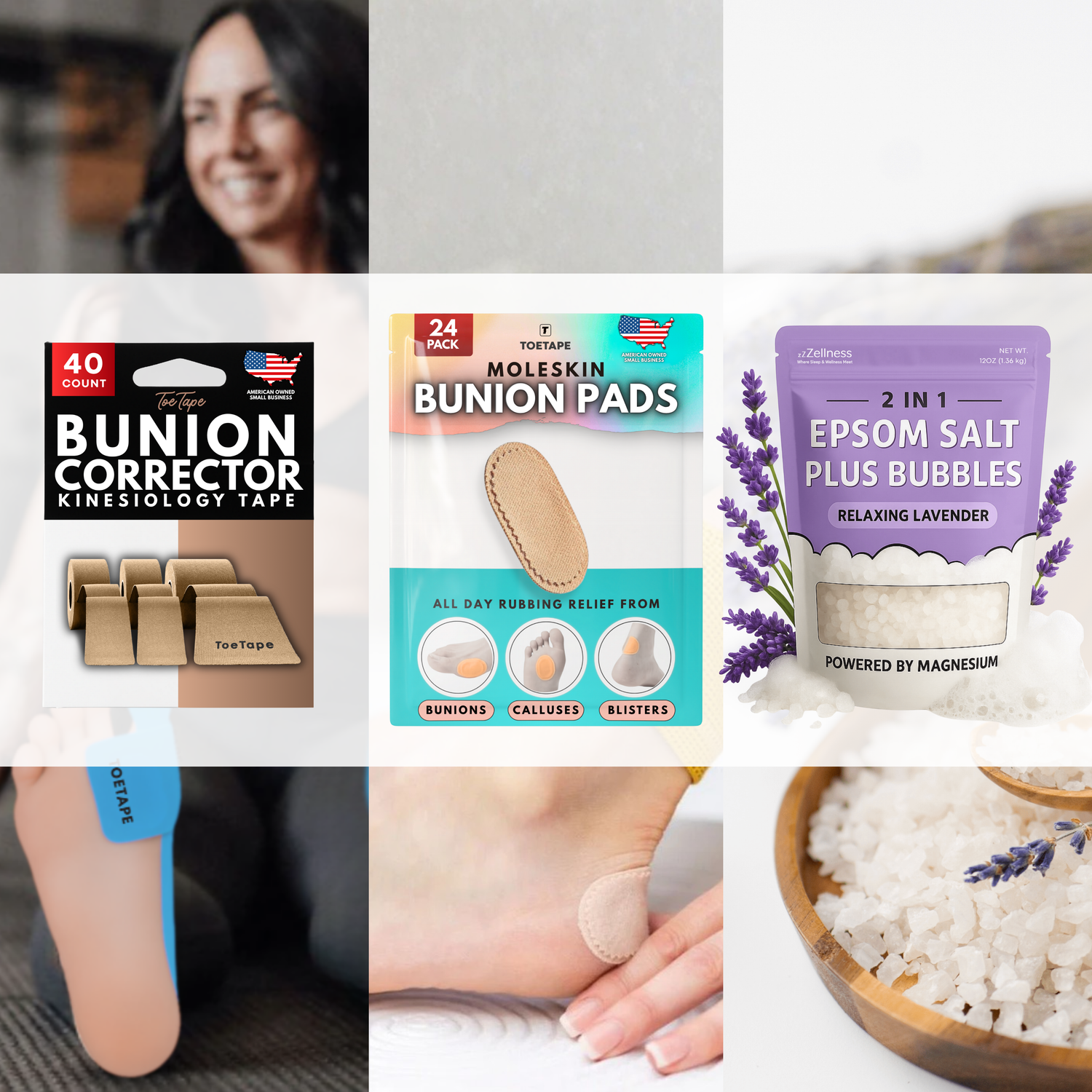
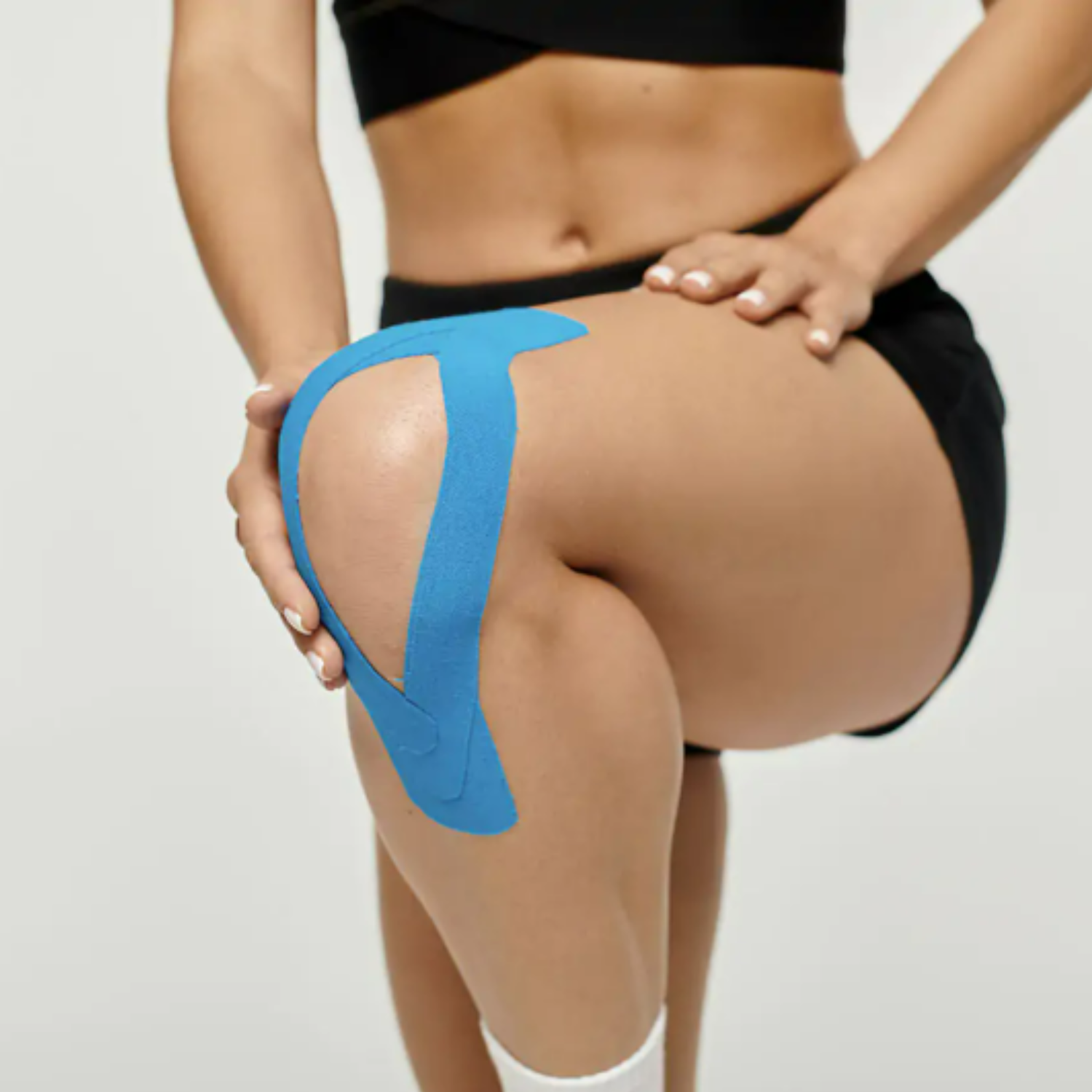
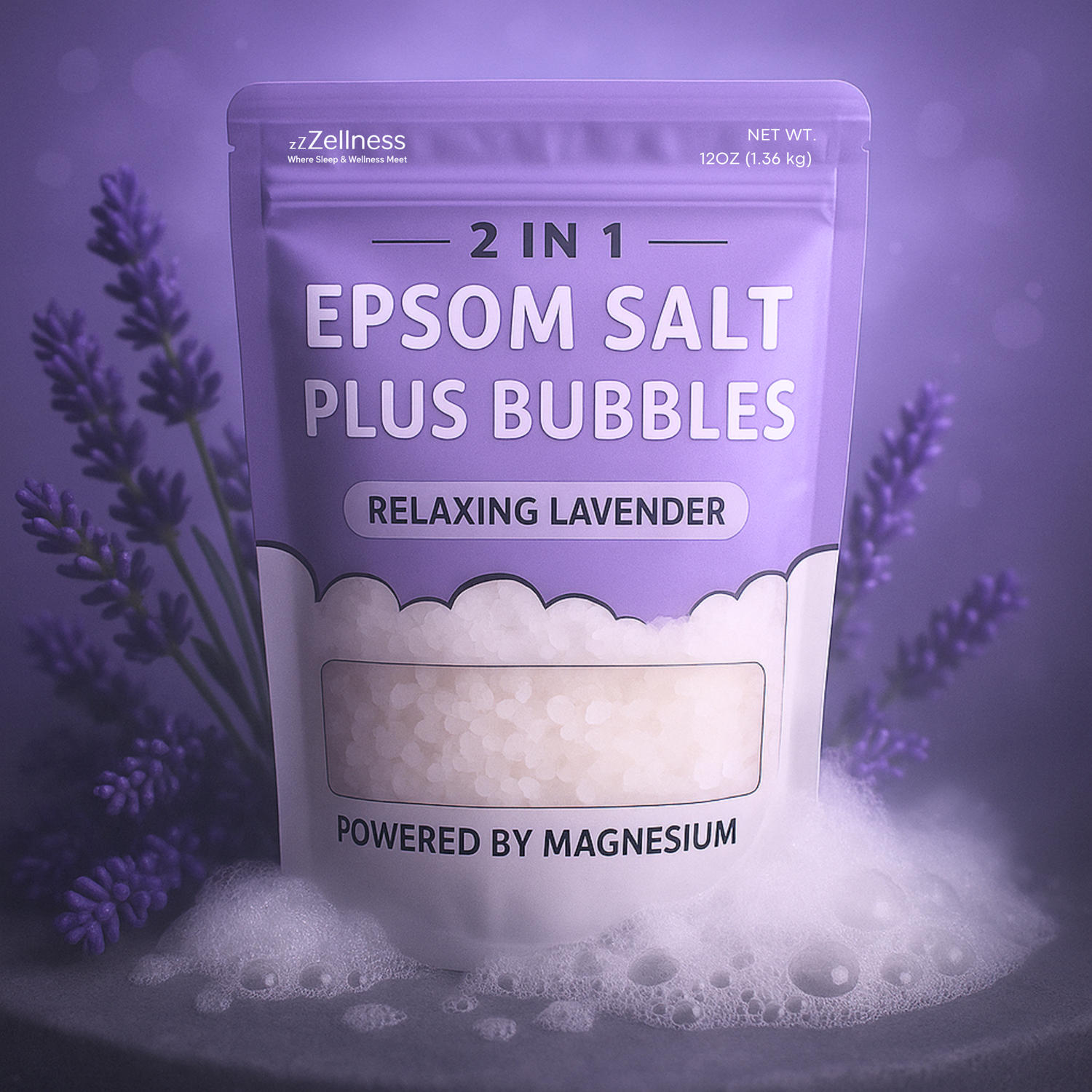
The Bunion Relief Bundle offers a comprehensive approach to foot comfort, combining three effective products for pain reduction and support. It includes ToeTape™ for realigning the big toe, Moleskin Bunion Pads to protect against friction, and Epsom Salts for soothing sore feet. This bundle is designed to help you stay comfortable and active throughout your day.
View Product