
















Overview
Foot health is essential, and understanding bunions—bony protrusions at the big toe joint—is key to effective treatment. This article outlines the differences between bunions and other foot deformities like hammer toe, claw toe, and Morton's neuroma, covering their causes, symptoms, and treatment options. Best practices for managing foot health include proper footwear, regular care, exercises, and seeking professional advice to prevent progression of these conditions.
Frequently Asked Questions
1. What are bunions?
2. How do bunions differ from hammer toes?
3. What symptoms indicate a bunion?
4. What are effective treatments for bunions?
5. What are some best practices to manage foot deformities?
Foot health plays a crucial role in our overall well-being. Many people suffer from various foot deformities, but among them, bunions have gained considerable attention. Understanding bunions and how they differ from other foot deformities can aid in selecting the right treatment and achieving bunion relief. In this article, we will explore the key differences between bunions and other common foot deformities, providing insights that may help you make informed decisions regarding your foot health.
Understanding Bunions
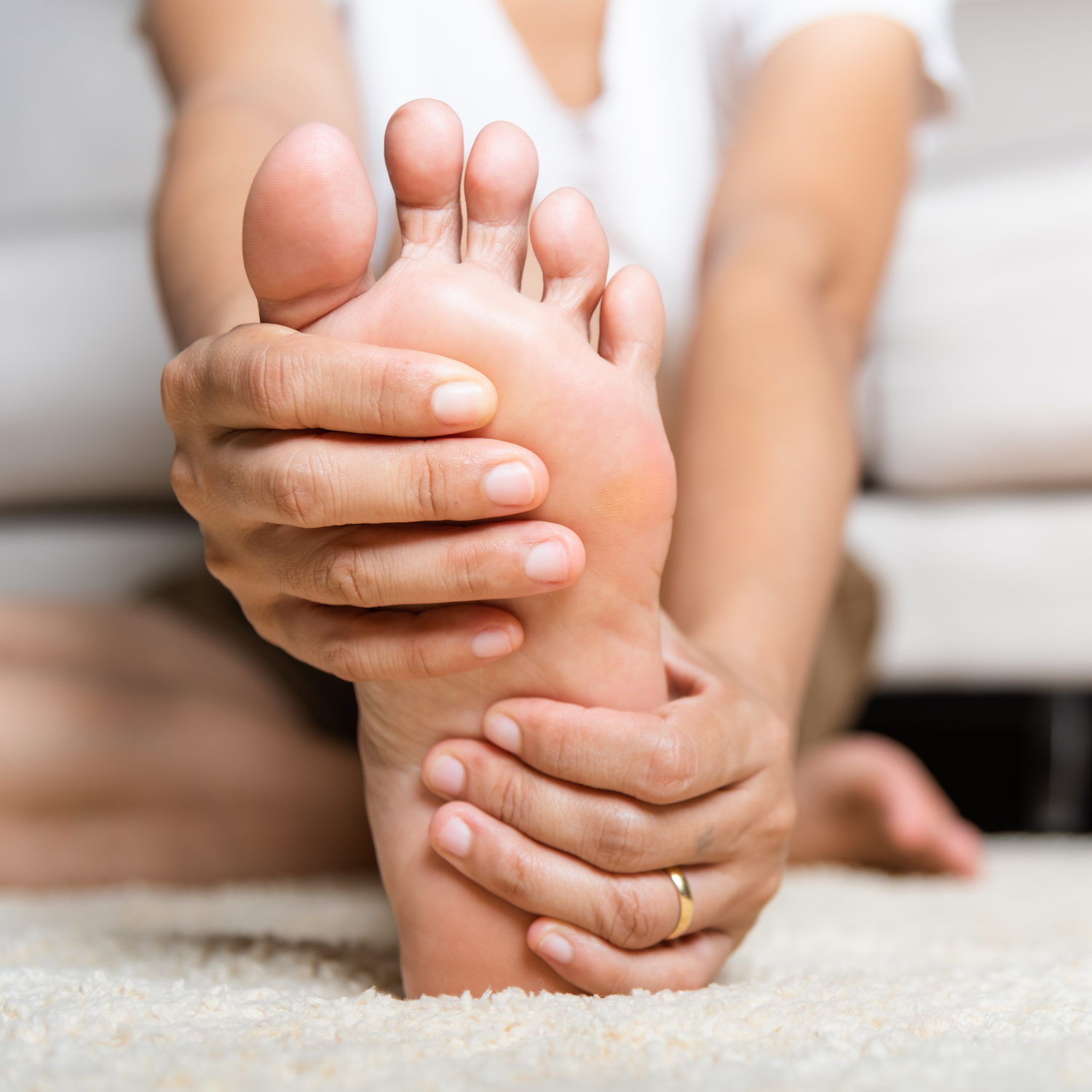
Bunions, medically known as hallux valgus, are bony protrusions that form at the base of the big toe. They occur when the big toe bends towards the second toe, resulting in a deviation that causes the joint to bulge outward. This misalignment can lead to discomfort, pain, and difficulty finding suitable footwear. Bunions often develop due to a combination of genetic factors, ill-fitting shoes, and excessive pressure on the toes.
Key Characteristics of Bunions
- Location: Bunions primarily develop at the joint of the big toe.
- Shape: The bunion's appearance includes a prominent bump at the joint.
- Pain: They often cause localized pain, especially when wearing tight shoes.
- Development: Bunions tend to develop gradually over time and can worsen if left untreated.
Exploring Other Common Foot Deformities
While bunions are prominent among foot deformities, several others can also affect individuals. Understanding these differences is essential for proper identification and treatment. Here are some other common foot deformities:
Hammer Toe
Hammer toe is characterized by an abnormal bending of one or more toes. Instead of laying flat, the affected toe bends at the middle joint, resembling a hammer. This condition can result in joint pain and discomfort, often compounded by ill-fitting footwear.
- Location: Affects the second, third, or fourth toes.
- Appearance: The toe will often appear curled or bent.
- Pain: Can cause pain in the affected toe, especially in tight shoes.
Claw Toe
Claw toe is somewhat similar to hammer toe but involves a more pronounced curling of the toe. This condition affects multiple joints and can lead to more severe discomfort, especially when walking.
- Location: Affects any of the toes but is most common in the second toe.
- Appearance: Toes appear clawed with both the middle and end joints raised.
- Pain: This condition can cause significant pain and difficulty finding comfortable shoes.
Morton's Neuroma
Morton's neuroma is a painful condition affecting the ball of the foot, typically between the third and fourth toes. This happens when the tissue around a nerve thickens, creating a painful sensation often described as a burning or tingling feeling.
- Location: Primarily develops in the ball of the foot.
- Pain: Can lead to shooting pain, numbness, or tingling in the toes.
- Triggers: Tight shoes or high heels can exacerbate the condition.
Key Differences Between Bunions and Other Foot Deformities
While bunions and other foot deformities can cause pain and affect mobility, they differ in various aspects, such as causes, symptoms, and treatment. Here’s a breakdown of these key differences:
Causes
Bunions primarily develop as a result of structural changes in the foot, often exacerbated by footwear. In contrast, conditions like hammer toe and claw toe are frequently due to muscle imbalance or nerve damage. Morton's neuroma arises from nerve compression, making the underlying causes diverse yet interconnected.
Symptoms
The symptoms for these conditions can overlap, leading to confusion. Bunions typically present with a visible bump and localized pain, while hammer and claw toes may cause joint pain in the affected digits. Morton's neuroma, on the other hand, is characterized by a burning sensation in the ball of the foot.
Treatment Methods
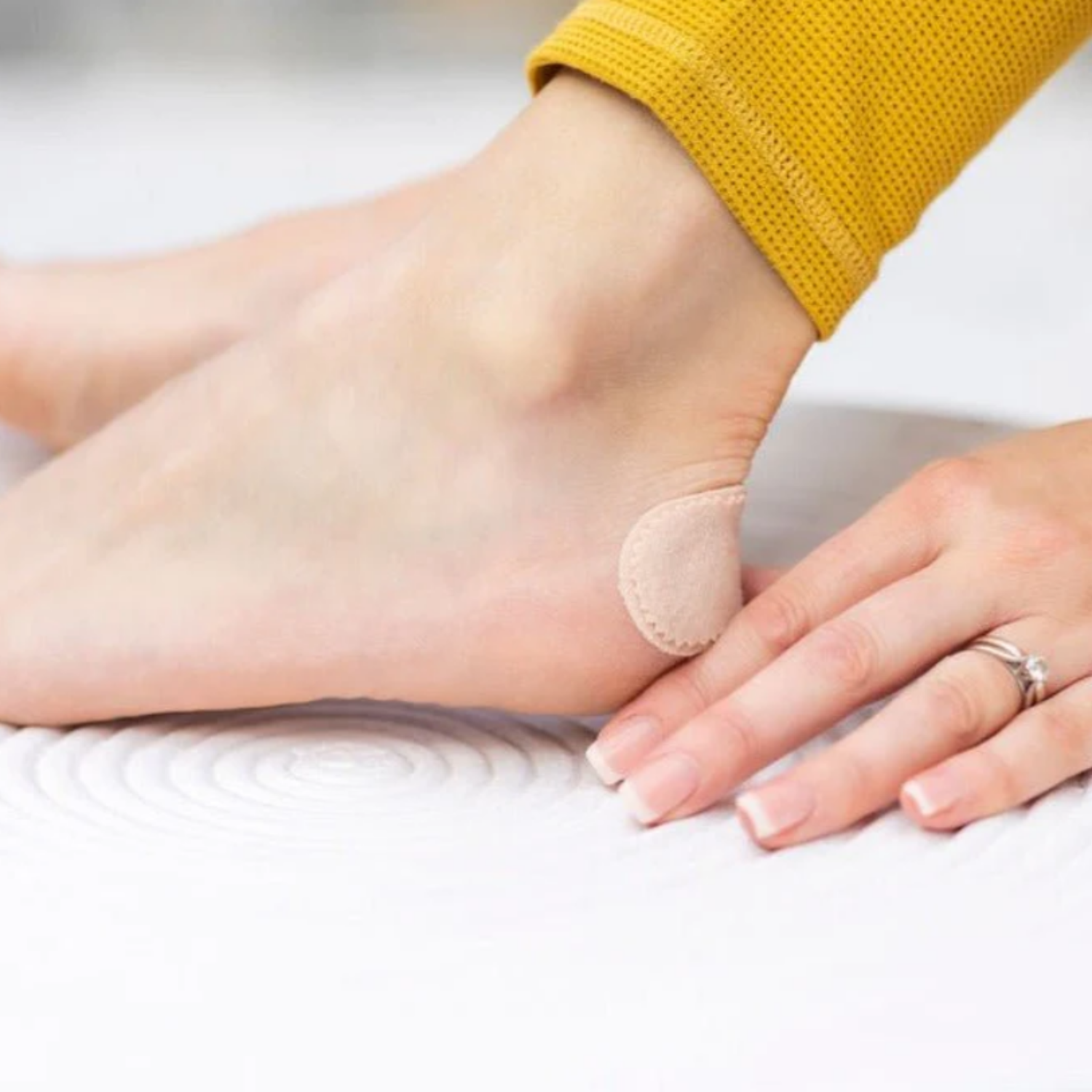
Treatments also vary across conditions. Bunion relief often involves the use of bunion cushions, specially designed pads that help alleviate pressure on the joint. Other treatments may include orthotic devices, anti-inflammatory medications, or surgery in severe cases. For hammer and claw toes, exercises and proper footwear can be effective. Morton's neuroma may require pain management strategies or injections.
Best Practices to Manage Foot Deformities
Regardless of the type of foot deformity diagnosed, some best practices can help maintain foot health and alleviate discomfort.
1. Proper Footwear
Invest in shoes that provide ample room for your toes to move freely without pressure on the bunion or any other affected area. Look for shoes with a wide toe box and soft materials that won't irritate sensitive skin.
2. Regular Foot Care
Maintaining foot hygiene and regularly moisturizing can help keep your skin in good condition, minimizing issues such as calluses or corns, which may accompany bunions and other foot deformities.
3. Foot Exercises
Incorporate foot stretches and exercises into your daily routine. Strengthening the muscles in your feet can help reduce the seriousness of deformities like bunions, hammer toes, or claw toes.
4. Seek Professional Advice
For persistent pain or discomfort, consult a foot specialist. They can provide a proper diagnosis and develop a tailored treatment plan to address your specific needs.
The Importance of Awareness
Awareness and education are paramount when it comes to managing foot deformities. Bunions and other conditions can significantly affect daily activities, but understanding the differences can empower individuals to seek the right treatment effectively. Whether it's bunion relief through proper footwear and cushioning or addressing hammer toe with targeted exercises, knowledge can be a key factor in finding the best solution for you.
Foot health is foundational to overall mobility, comfort, and quality of life. Regular check-ups and early interventions can significantly enhance your foot health and help prevent the progression of deformities. By equipping yourself with information about bunions and other foot deformities, you gain the tools needed to make proactive decisions about your foot care. Your feet deserve the best, so take action today for a healthier tomorrow!
Linked Product

Bunion Relief Bundle
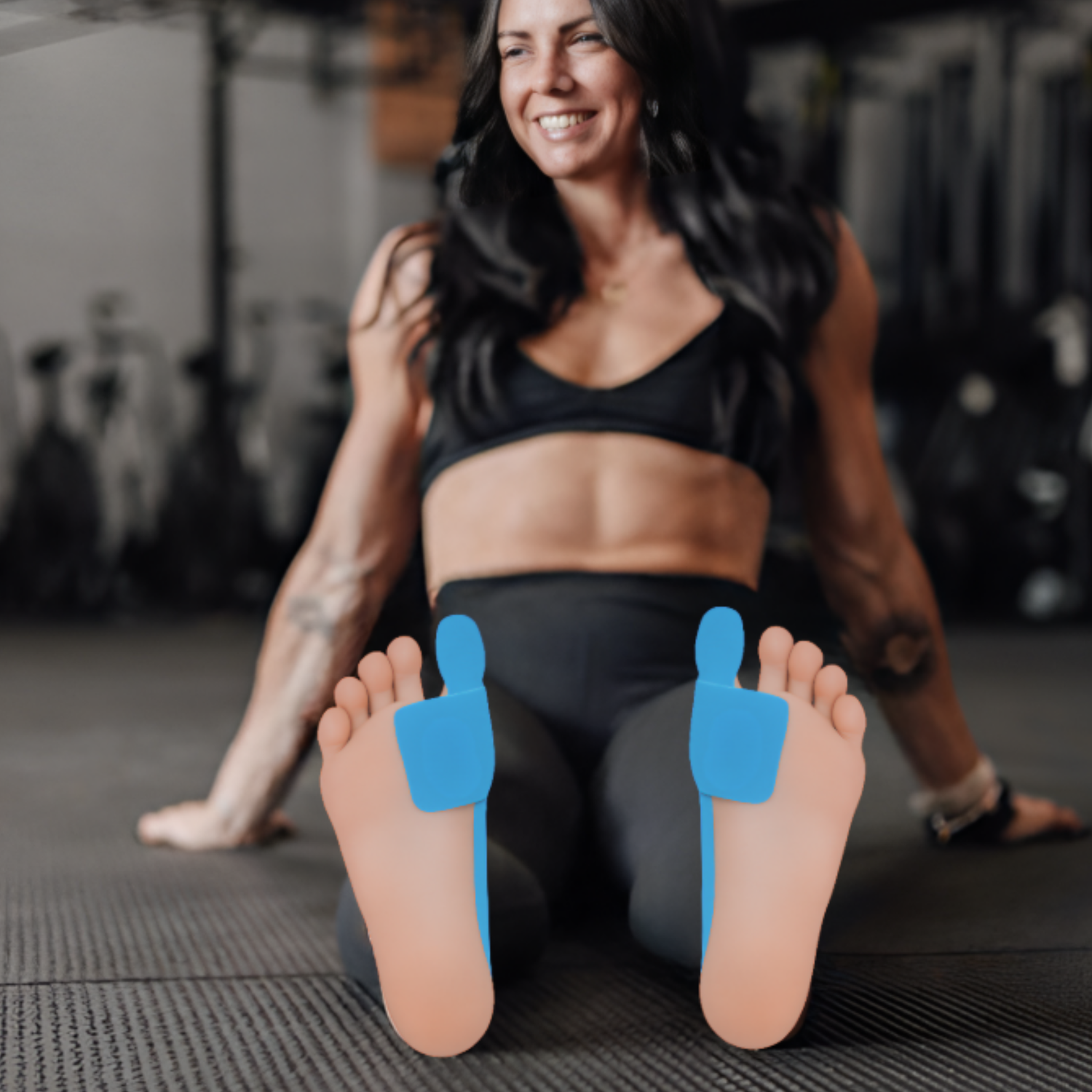
The Bunion Relief Bundle offers a comprehensive approach to managing bunion discomfort with three essential products. It includes ToeTape™ for realigning the big toe, Moleskin Bunion Pads to protect against friction, and Epsom Salts for soothing sore feet. This combination aims to enhance comfort, reduce pain, and promote recovery, making it suitable for individuals on their feet for extended periods or engaging in physical activities.
View Product