






The Active Person's Approach to Bunion Management
Living with bunions doesn't mean giving up the activities you love. Whether you're a dedicated runner, an avid hiker, or someone who simply enjoys staying active, bunion pain can significantly impact your performance and enjoyment. This comprehensive guide provides practical bunion pain relief strategies specifically designed for those who refuse to let foot discomfort dictate their lifestyle. By understanding how bunions affect movement and implementing targeted solutions, you can maintain your training schedule while effectively managing discomfort.
Understanding Bunion Pain for Active People
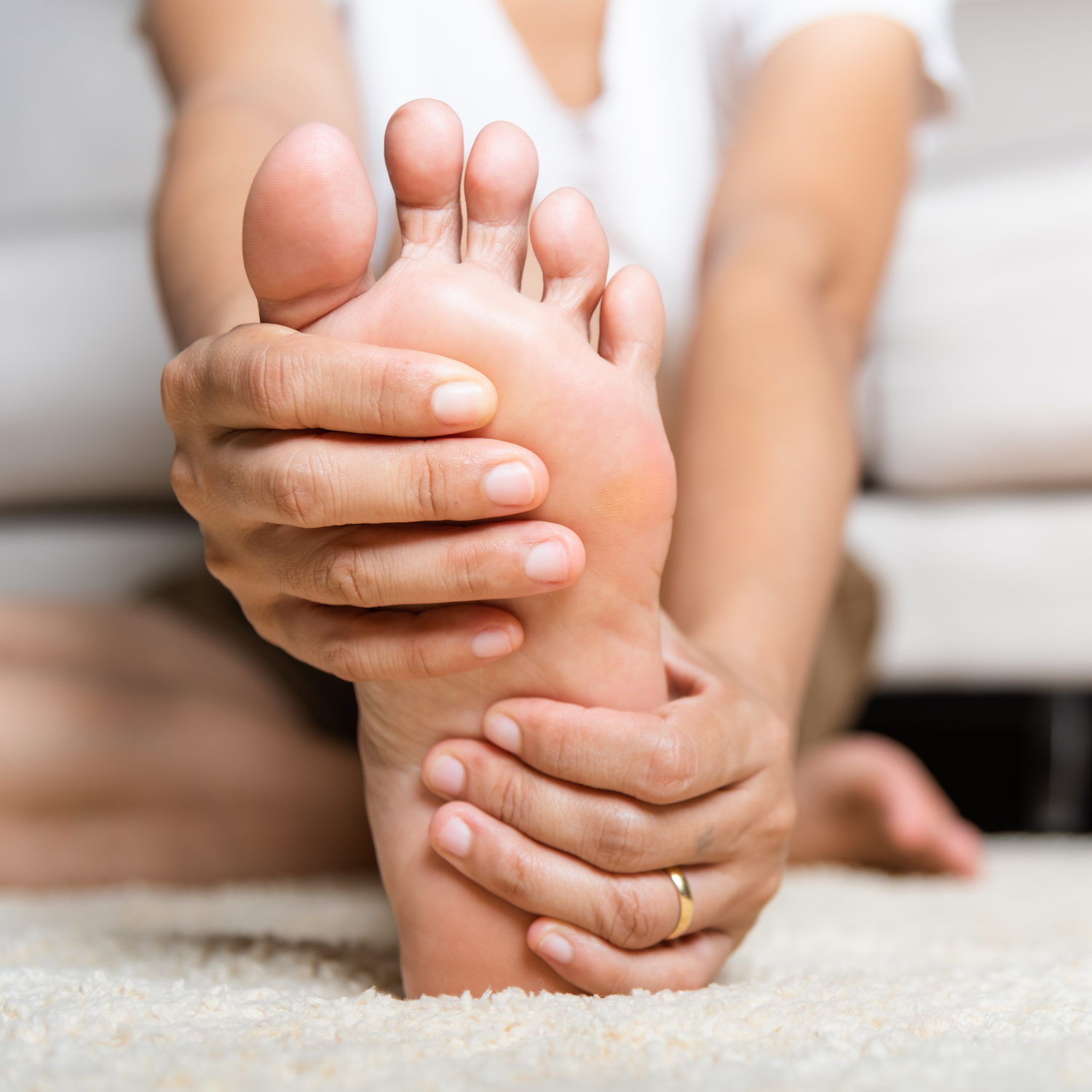
Bunions (hallux valgus) develop when the joint at the base of your big toe enlarges and shifts out of alignment. For active individuals, this common foot condition presents unique challenges. The repetitive impact from running, jumping, and quick directional changes can intensify bunion pain and potentially accelerate the condition's progression.
Many athletes and fitness enthusiasts mistakenly believe they must either endure the pain or drastically reduce their activity levels. However, with proper management techniques, you can continue pursuing your fitness goals while minimizing discomfort.
How Movement Affects Bunion Discomfort
Different activities create varying levels of stress on the bunion joint:
High-impact activities like running and basketball place significant pressure on the forefoot, often exacerbating bunion pain through repetitive impact.
Lateral movements common in tennis, soccer, and basketball can increase friction against the bunion, leading to inflammation and irritation.
Prolonged activities such as hiking or long-distance running may cause cumulative stress on the bunion joint, resulting in increased pain toward the end of your session.
Tight footwear during activities compresses the forefoot, creating additional pressure against the bunion prominence.
Understanding these movement-specific challenges allows you to develop targeted strategies for bunion pain relief that address your particular activity needs.
Non-Surgical Bunion Relief Options
Before considering surgical intervention, numerous conservative approaches can effectively manage bunion pain while maintaining your active lifestyle:
Anti-inflammatory measures: Apply ice to the bunion area for 15-20 minutes after activity to reduce inflammation and pain. Over-the-counter NSAIDs like ibuprofen can also help manage discomfort during particularly active periods.
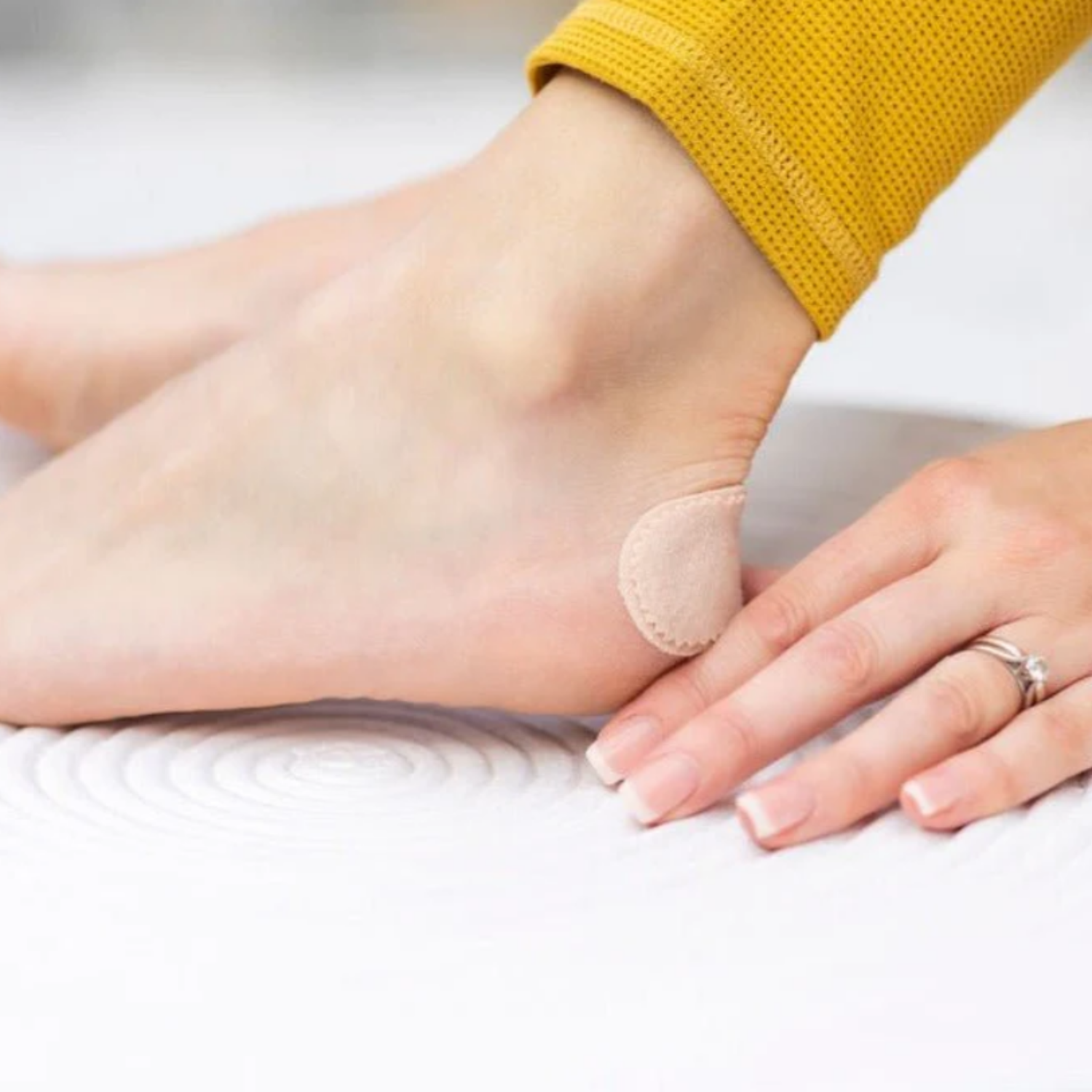
Bunion pads and cushions: Silicone or gel bunion shields create a protective barrier between your bunion and shoes, reducing friction and pressure during movement.
Toe spacers and separators: These devices help maintain proper toe alignment during rest periods and can sometimes be worn during lower-intensity activities.
Physical therapy exercises: Targeted stretches and strengthening exercises for the feet and toes can improve joint mobility and provide bunion pain relief.
Night splints: While not worn during activity, these devices help maintain proper toe alignment during rest, potentially reducing discomfort during your next workout.
Taping Techniques for Athletic Performance
Athletic taping provides significant bunion pain relief by stabilizing the joint and reducing pressure during activity. These techniques are particularly valuable for active individuals:
Basic Bunion Taping Method:
Start with clean, dry skin
Apply a thin layer of pre-wrap to protect the skin
Anchor the tape below the big toe joint
Gently pull the big toe into proper alignment (not forcefully)
Apply tape in a figure-eight pattern around the big toe and midfoot
Add additional support strips as needed
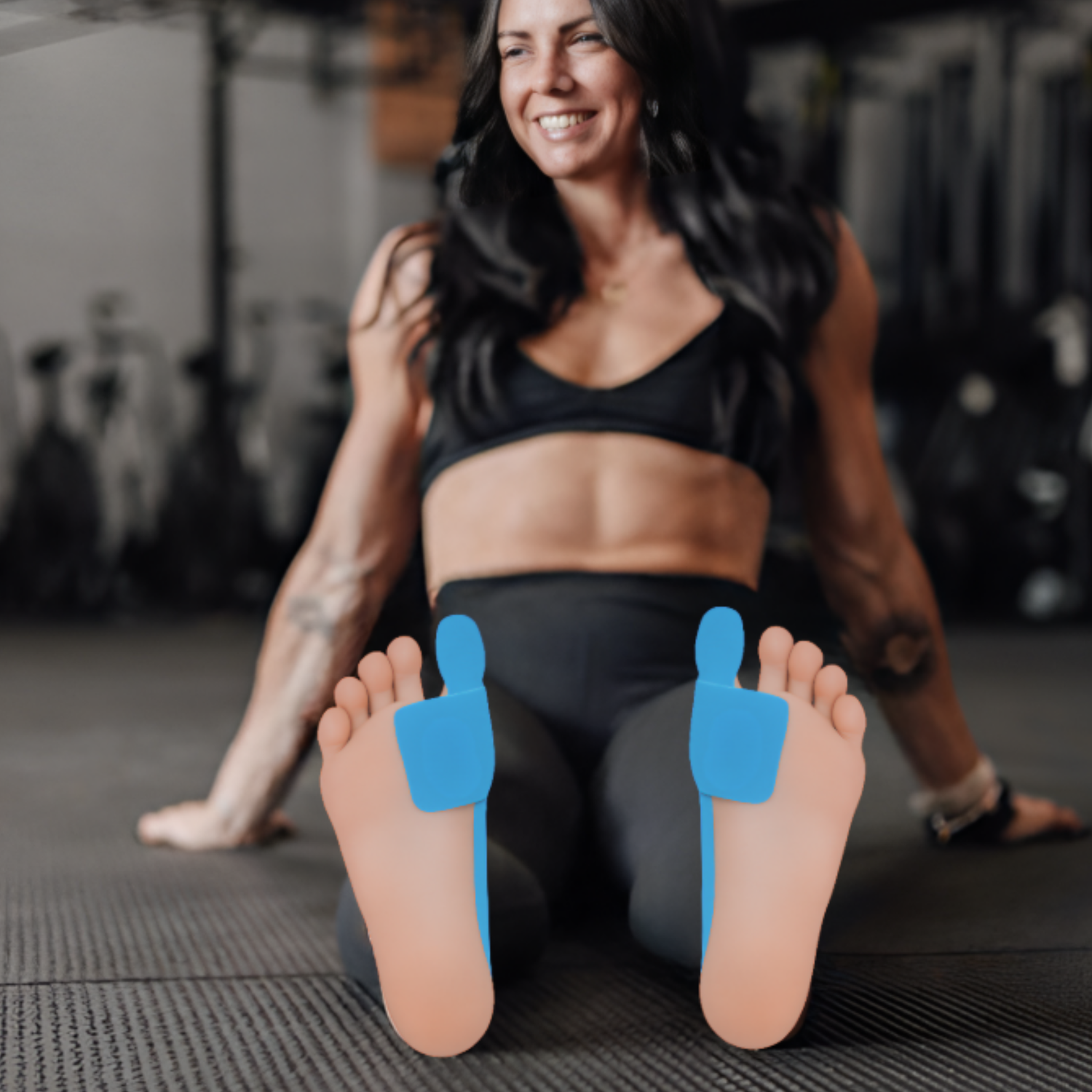
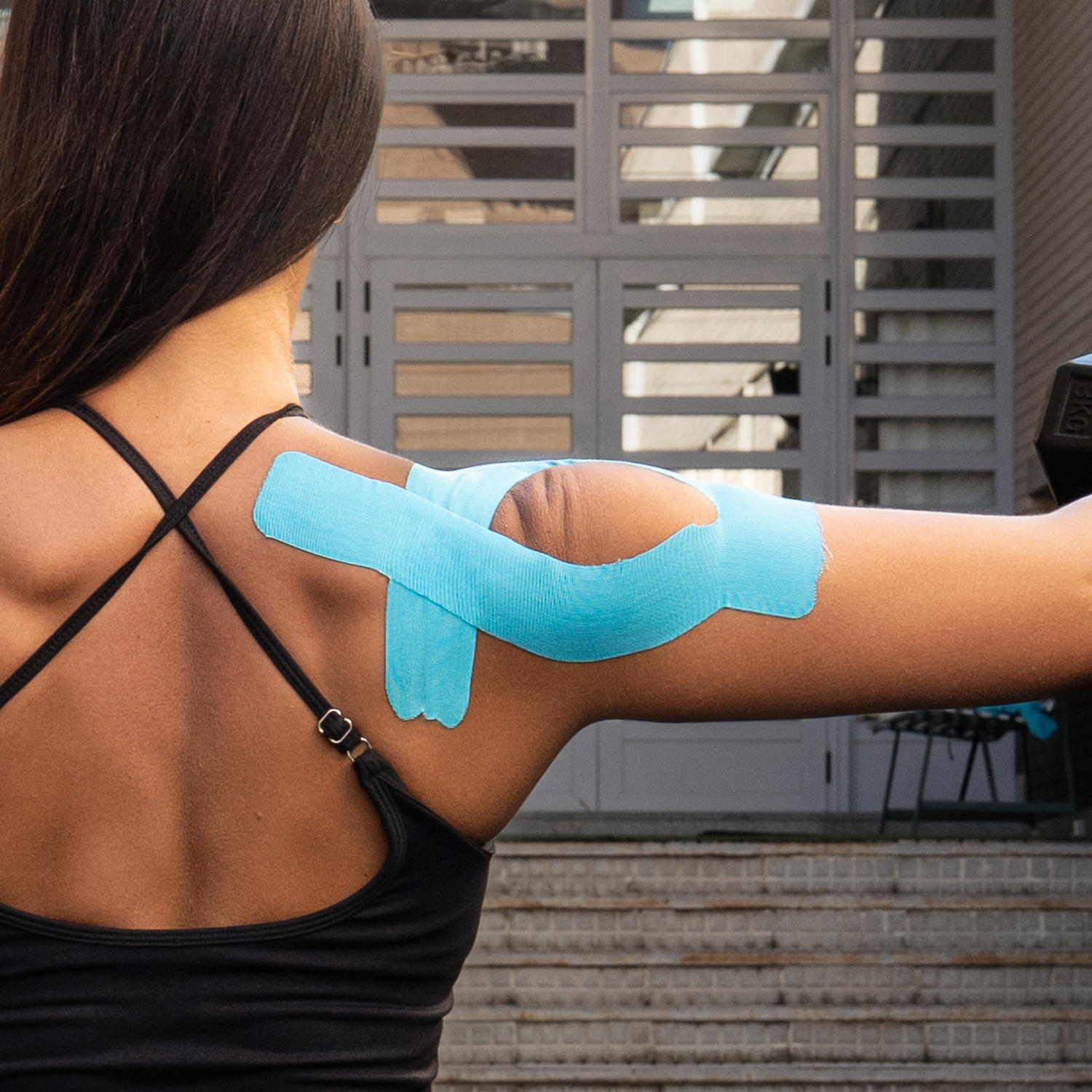
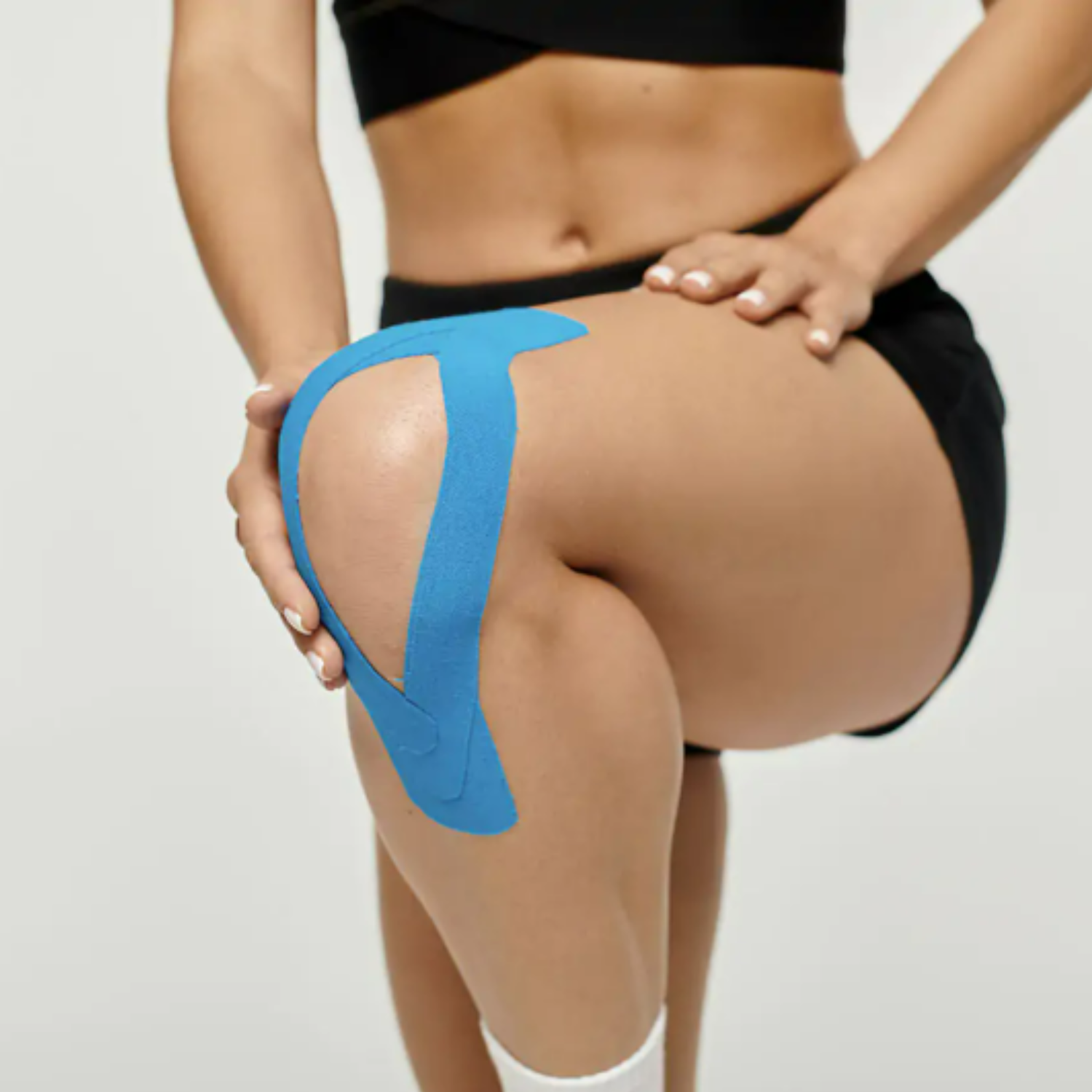
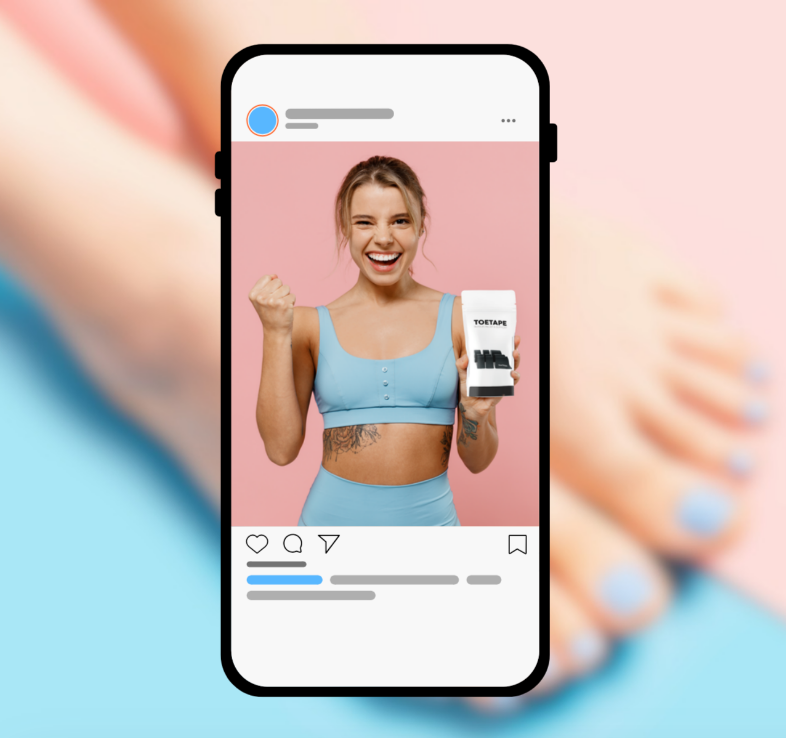
Dynamic Support Taping: This advanced technique uses elastic therapeutic tape to provide support while allowing natural movement. The tape is applied from the midfoot, around the bunion, and along the big toe, creating gentle corrective tension without restricting athletic performance.
Proper taping before activity can significantly reduce bunion discomfort during workouts and help maintain proper biomechanics, potentially slowing bunion progression over time.
Footwear Modifications for Active Lifestyles
Perhaps the most critical factor in bunion pain relief for active individuals is appropriate footwear selection. The right shoes can dramatically reduce discomfort and allow for continued activity.
Key features to look for:
Wide toe box that doesn't compress the forefoot
Low heel-to-toe drop for better weight distribution
Supportive arch design to improve foot mechanics
Cushioning that absorbs impact without being overly soft
Secure midfoot to prevent sliding forward
Consider having separate shoes for different activities, as each sport places unique demands on your feet. Many athletes with bunions benefit from getting professionally fitted at specialty running or athletic stores where staff understand foot mechanics and can recommend appropriate options.
Sport-Specific Shoe Recommendations
For Runners: Look for models specifically designed with extra width in the toe box. Many major running brands now offer "wide" or "extra wide" options in their popular models. Consider shoes with engineered mesh uppers that stretch and accommodate bunion protrusions without causing friction.
For Court Sports (Tennis, Basketball, Volleyball): Seek shoes with lateral support but minimal overlays or seams near the bunion area. Court shoes with customizable lacing systems allow you to adjust pressure points away from the bunion while maintaining necessary stability.
For Hiking and Trail Activities: Wide-fit trail shoes or boots with removable insoles provide space for custom orthotics. Some outdoor brands offer models with stretch panels specifically positioned to accommodate bunions.
For Cycling: Consider wider cycling shoes or models with heat-moldable features. Many cyclists with bunions benefit from pedal systems allowing a wider foot position and shoes with adjustable closure systems rather than uniform tightening.
Footwear Modifications: Sometimes even the best athletic shoes need adjustments:
Professional shoe stretching targeted at the bunion area
Strategic lacing techniques that reduce pressure on the bunion
Cutting small relief areas in the upper (best done by a professional shoe repair specialist)
Using silicone sleeves on the bunion before putting on athletic shoes
Recovery Protocols Between Activities
Effective bunion management for active individuals requires attention to recovery periods between workouts. Implementing specific recovery protocols can significantly reduce overall bunion discomfort and improve your ability to maintain consistent activity levels.
Daily Maintenance:
Contrast baths: Alternate between warm and cool water soaks to improve circulation and reduce inflammation
Gentle toe and foot stretches to maintain joint mobility
Self-massage techniques focusing on the plantar fascia and toe joints
Proper toe alignment during rest using spacers or splints
Weekly Care:
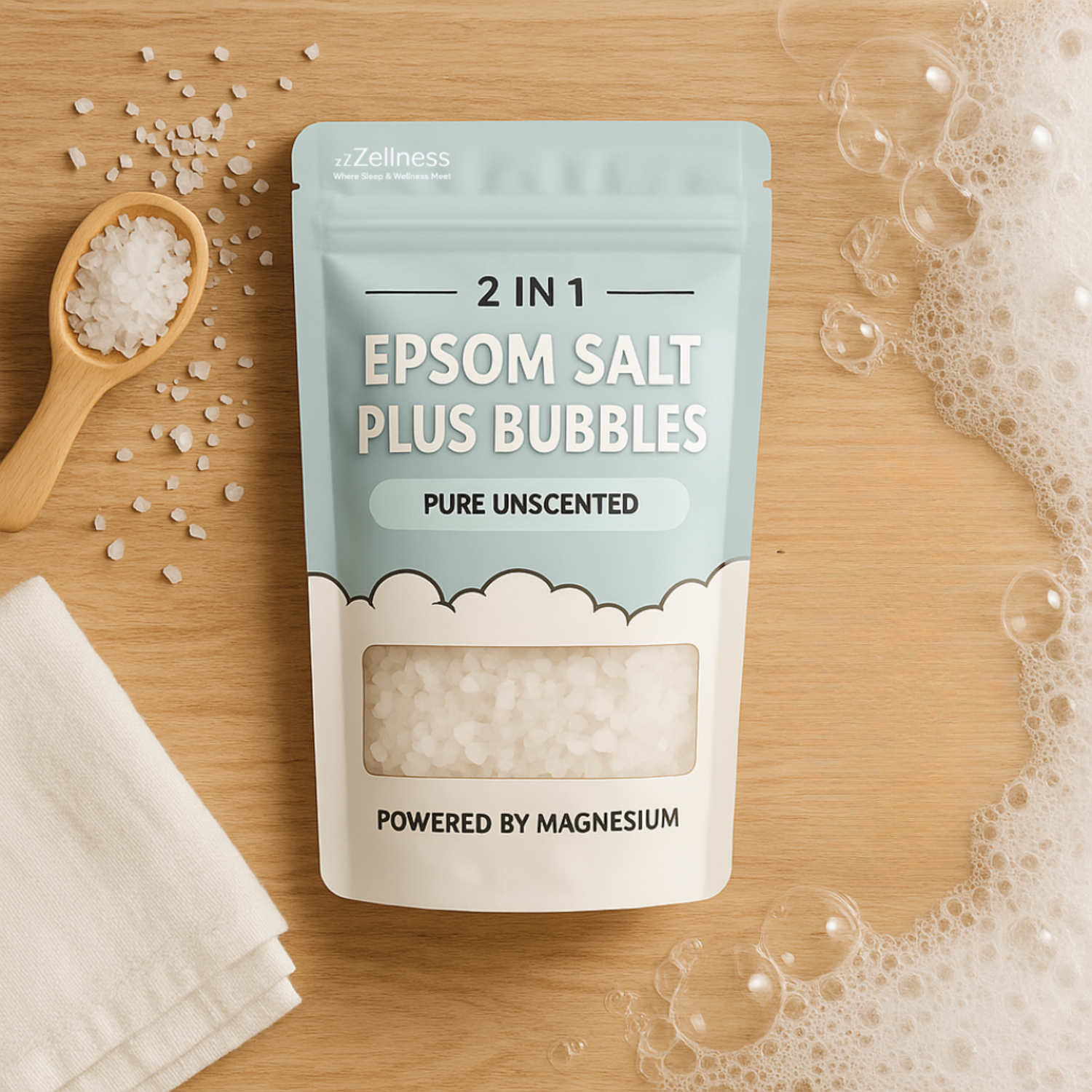
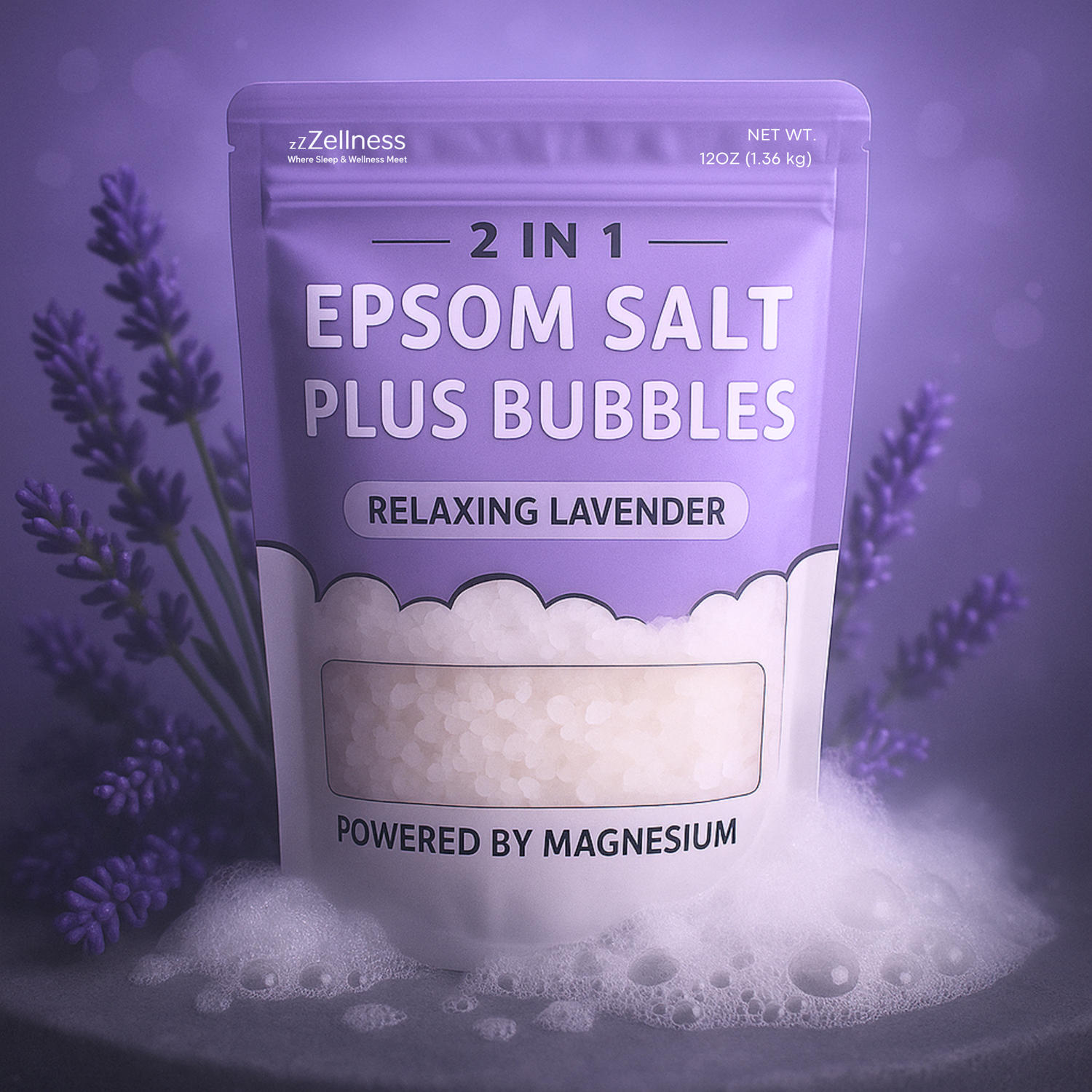
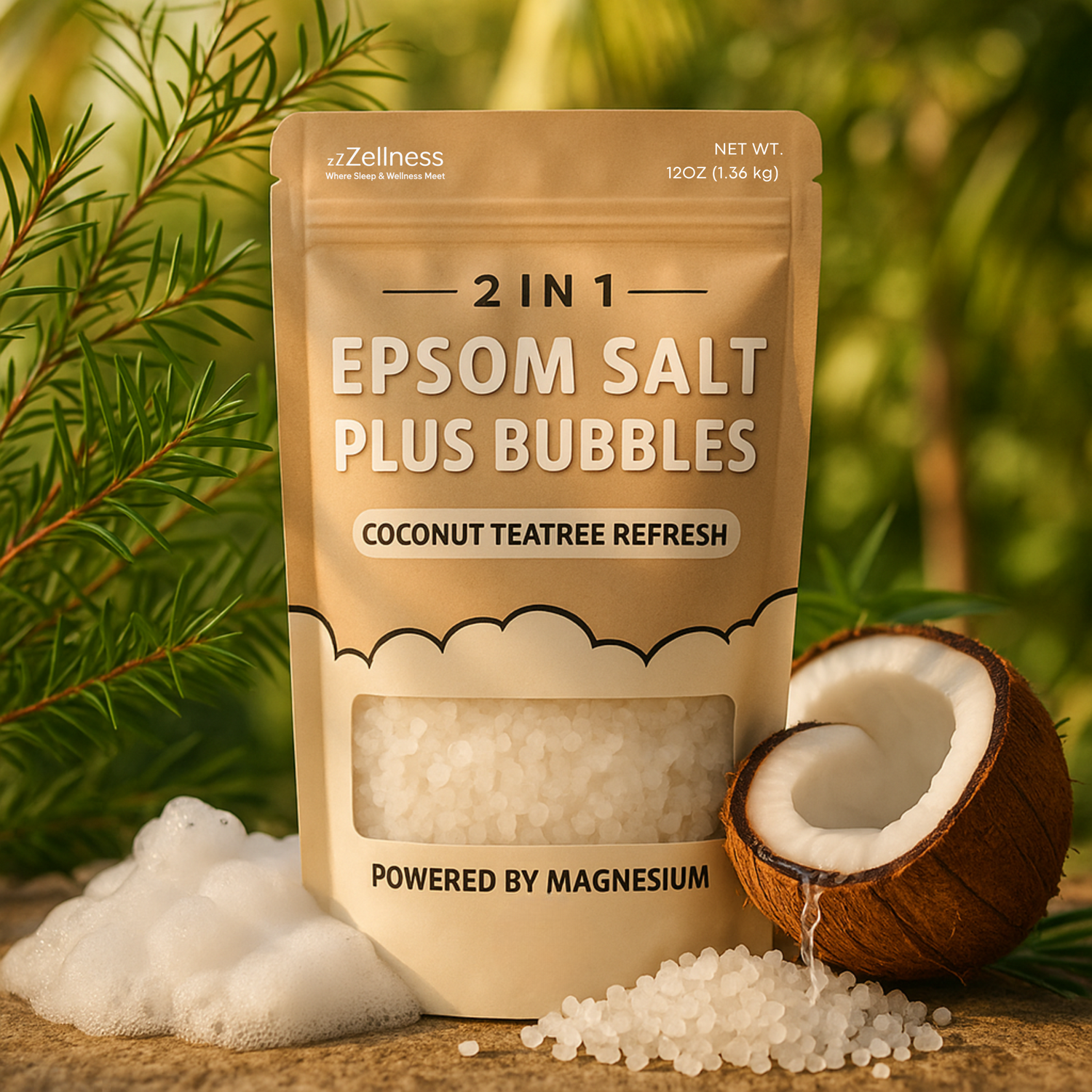
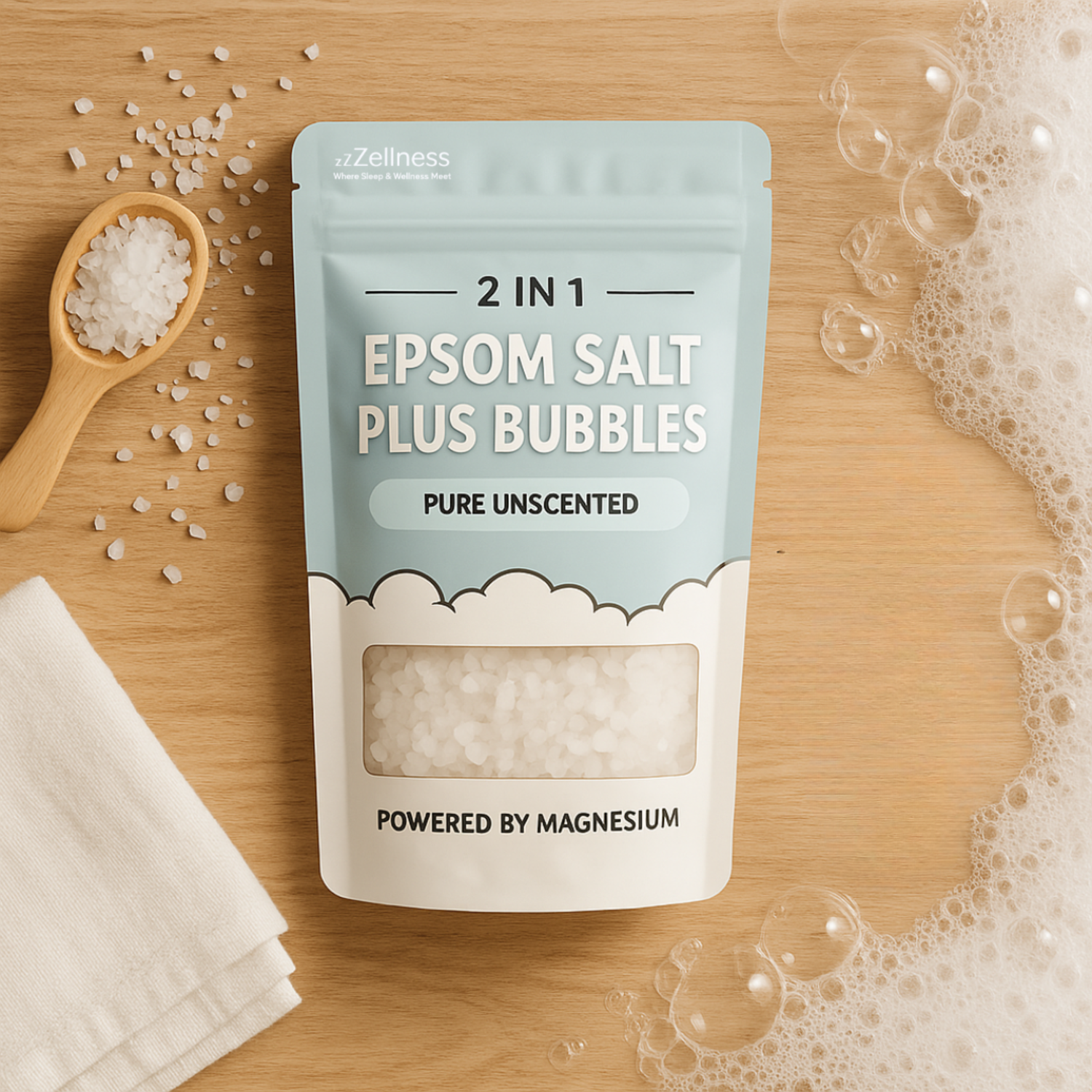
Epsom salt soaks to reduce inflammation and muscle tension
Deeper self-myofascial release using tools like frozen water bottles or specialized foot rollers
Reassessment of footwear and replacement of worn cushioning or supports
Quick Relief Methods After Workouts
The period immediately following activity is crucial for managing bunion pain and preventing increased inflammation. Implement these post-workout strategies:
Immediate ice application: Apply ice wrapped in a thin cloth directly to the bunion area for 10-15 minutes after completing your activity.
Elevation: Raise your feet above heart level when possible to reduce blood flow and swelling to the affected area.
Gentle mobilization: After icing, perform gentle toe circles and flexion/extension movements to maintain joint mobility.
Compression: Consider using a light compression sleeve or wrap around the forefoot (not too tight) to control swelling during recovery periods.
Transition footwear: Change from athletic shoes to supportive recovery footwear with ample toe room as soon as possible after activity.
Toe spacers: Apply toe spacers during rest periods after activity to help maintain proper alignment and reduce pressure on the bunion joint.
By implementing these recovery protocols consistently, you create an environment that allows for tissue healing between activity sessions, potentially reducing overall bunion progression while maintaining your active lifestyle.
Integrating Bunion Management Into Your Training Schedule
The most successful active individuals with bunions develop comprehensive management plans that address all aspects of their training and recovery:
Activity modification: Consider cross-training with lower-impact activities like swimming or cycling on days when bunion pain is more pronounced.
Progressive loading: Gradually increase activity intensity and duration to allow tissues to adapt without overwhelming the bunion joint.
Surface awareness: When possible, choose forgiving surfaces like tracks or trails rather than concrete, which increases impact forces.
Technique refinement: Work with coaches or physical therapists to optimize your movement patterns, potentially reducing stress on the bunion.
Consistent prevention: Apply protective padding or taping before pain develops, not just as a reaction to discomfort.
Listen to your body: Learn to distinguish between manageable discomfort and pain that signals potential damage requiring rest.
Taking Control of Your Bunion Pain
Living actively with bunions requires a proactive approach to foot health. By implementing these bunion pain relief strategies consistently, you can maintain your active lifestyle without compromising performance or comfort. The key is developing a personalized management plan that addresses your specific activities, foot mechanics, and bunion severity.
Remember that consistent attention to proper footwear, supportive techniques like taping, and dedicated recovery protocols significantly reduces bunion discomfort over time. While bunions are progressive by nature, proper management can slow their advancement and minimize their impact on your active pursuits.
Don't let bunion pain dictate your activities or athletic goals. With these actionable solutions designed specifically for active individuals, you can take control of your foot health and continue pursuing the activities that bring you joy and fulfillment. Your bunions don't have to define your athletic identity or limit your potential.