







Overview
Bunions can severely affect your daily activities, causing pain and limiting mobility. Fortunately, there are effective non-surgical alternatives to manage symptoms and improve foot health. From customized orthotics and supportive footwear to natural remedies and targeted exercises, you can take proactive steps to alleviate discomfort and enhance your quality of life.
Table of Contents
- Understanding Bunions: Causes and Symptoms
- Non-Surgical Options for Bunions
- 1. Foot Recovery Bundle
- 2. Customized Orthotics
- 3. Supportive Footwear
- 4. Foot Exercises
- 5. Ice Therapy
- 6. Over-the-Counter Pain Relief
- Exploring Natural Remedies
- 1. Essential Oils
- 2. Apple Cider Vinegar
- 3. Turmeric and Ginger
- Lifestyle Changes for Foot Health
- When to Consult a Professional
- Empower Your Feet Today!
Key Takeaways
- Bunions are caused by various factors, including genetics, improper footwear, foot conditions, and poor foot mechanics.
- Non-surgical options such as foot recovery bundles, customized orthotics, and supportive footwear can effectively manage bunion symptoms.
- Targeted foot exercises like towel stretches and balance exercises can strengthen muscles and improve flexibility around the big toe.
- Ice therapy can help reduce swelling and relieve pain when applied to the bunion for 15-20 minutes several times a day.
- Natural remedies such as essential oils, apple cider vinegar soaks, and turmeric or ginger can provide anti-inflammatory benefits.
- Lifestyle changes, including maintaining a healthy weight and avoiding tight shoes, are crucial for managing bunion discomfort.
- Consult a healthcare professional if bunion pain persists or worsens, as they can recommend appropriate treatments and interventions.
Severe bunion cases can impact your daily life significantly, causing pain, discomfort, and limiting your mobility. Traditionally, surgery was often seen as the only solution to eliminate this persistent problem. However, there are numerous effective alternatives to surgery that can provide relief and improve foot health. Whether you're searching for ways to manage your symptoms or looking for preventive measures, this guide will help you explore effective alternatives to surgery for bunions.
Understanding Bunions: Causes and Symptoms
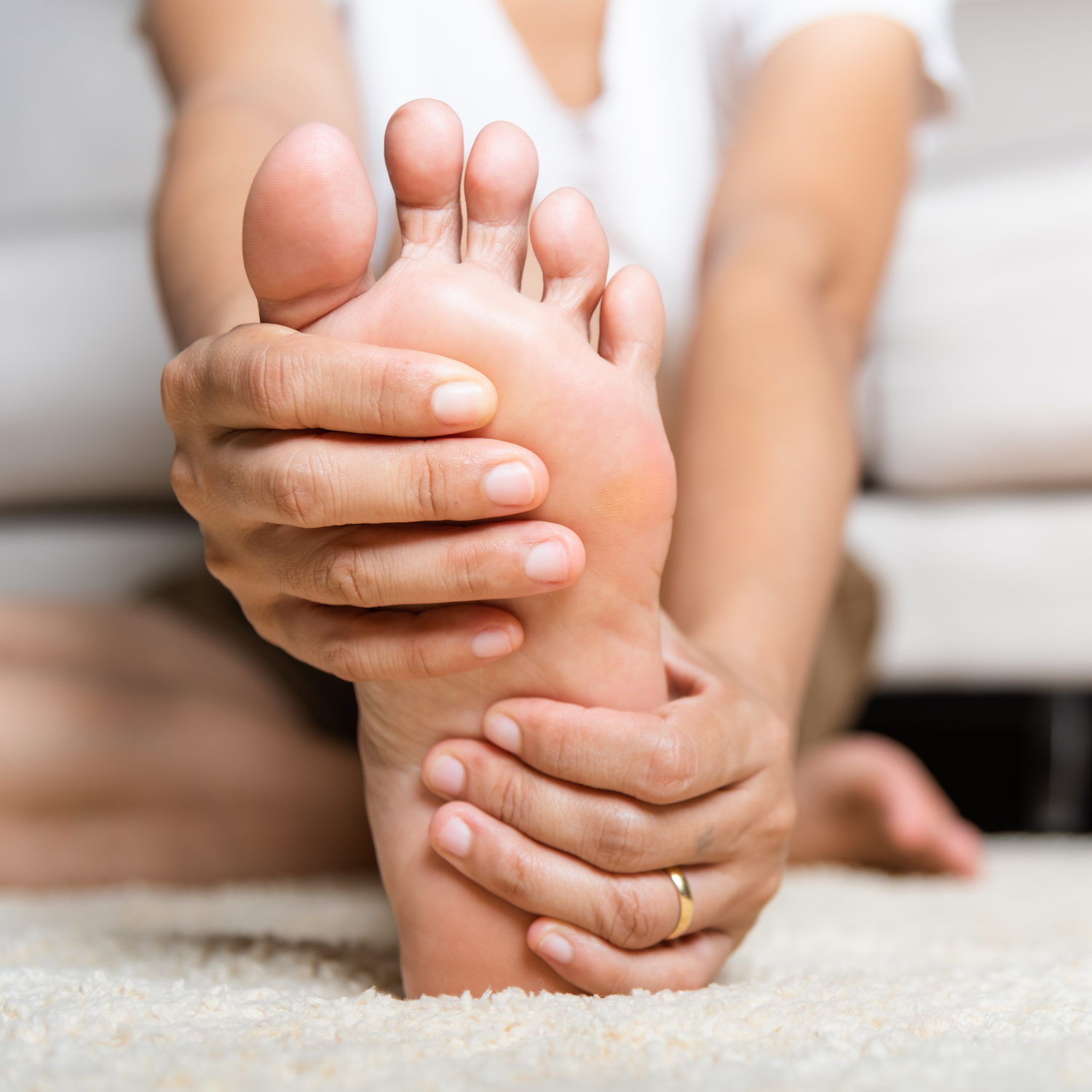
Bunions, medically known as hallux valgus, occur when the big toe deviates towards the other toes, leading to a bony protuberance at the base of the toe. This condition can be caused by several factors, including:
- Genetics: A family history of bunions increases your likelihood of developing them.
- Improper Footwear: Shoes that are too tight or have high heels can place unnecessary pressure on the toes.
- Foot Conditions: Arthritis and other foot conditions can contribute to the formation of bunions.
- Poor Foot Mechanics: Abnormal foot mechanics, such as overpronation, can exacerbate bunion formation.
Non-Surgical Options for Bunions
Many individuals are seeking ways to manage bunion pain without surgery. Below are several non-surgical alternatives that can help manage symptoms effectively and support foot health.
1. Foot Recovery Bundle
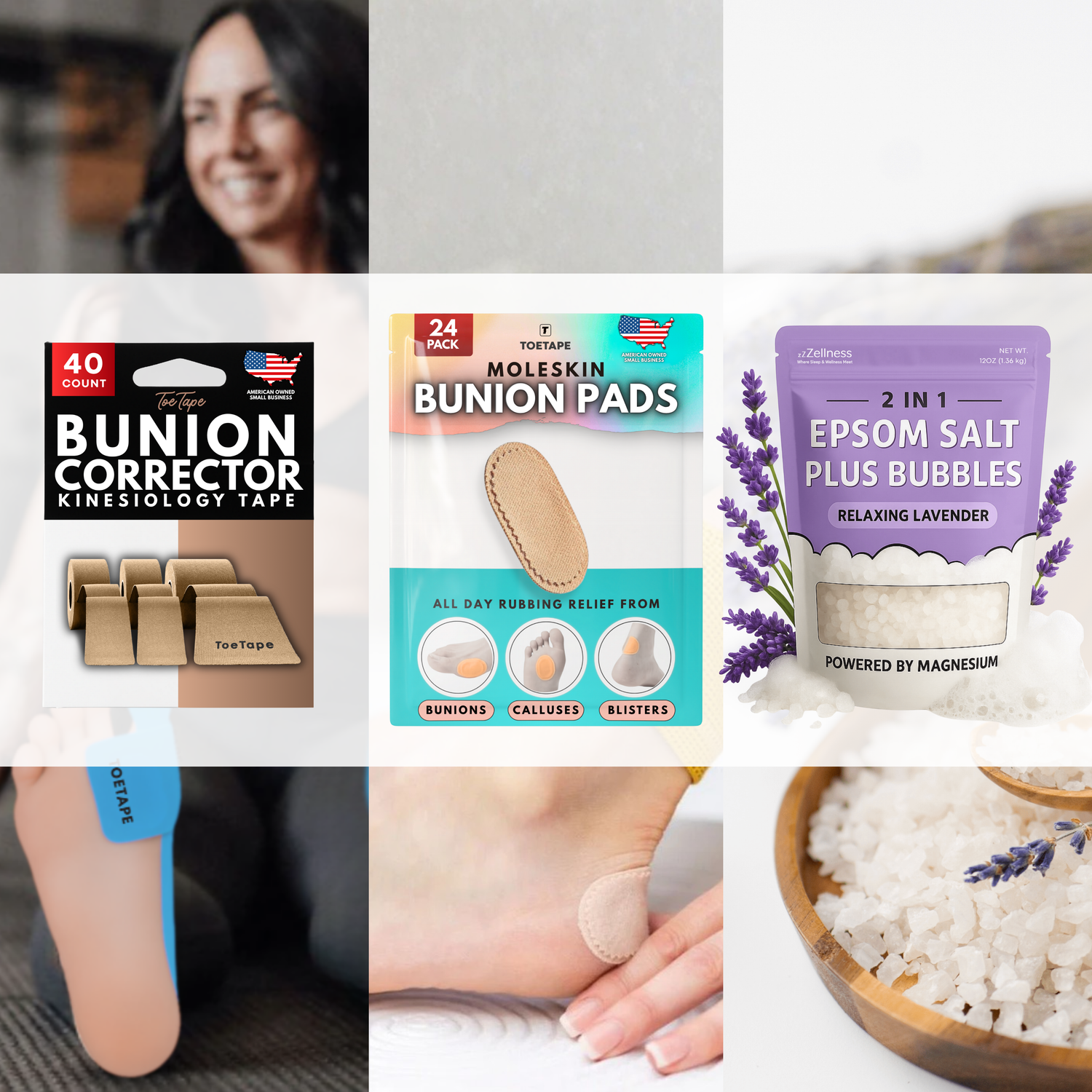
In your journey for bunion relief, consider utilizing our foot recovery bundle, which includes essential products designed to provide lasting comfort and support. This specially curated collection aims to reduce pain and support natural alignment, making it an excellent choice for individuals dealing with bunion-related discomfort.
The bundle features:
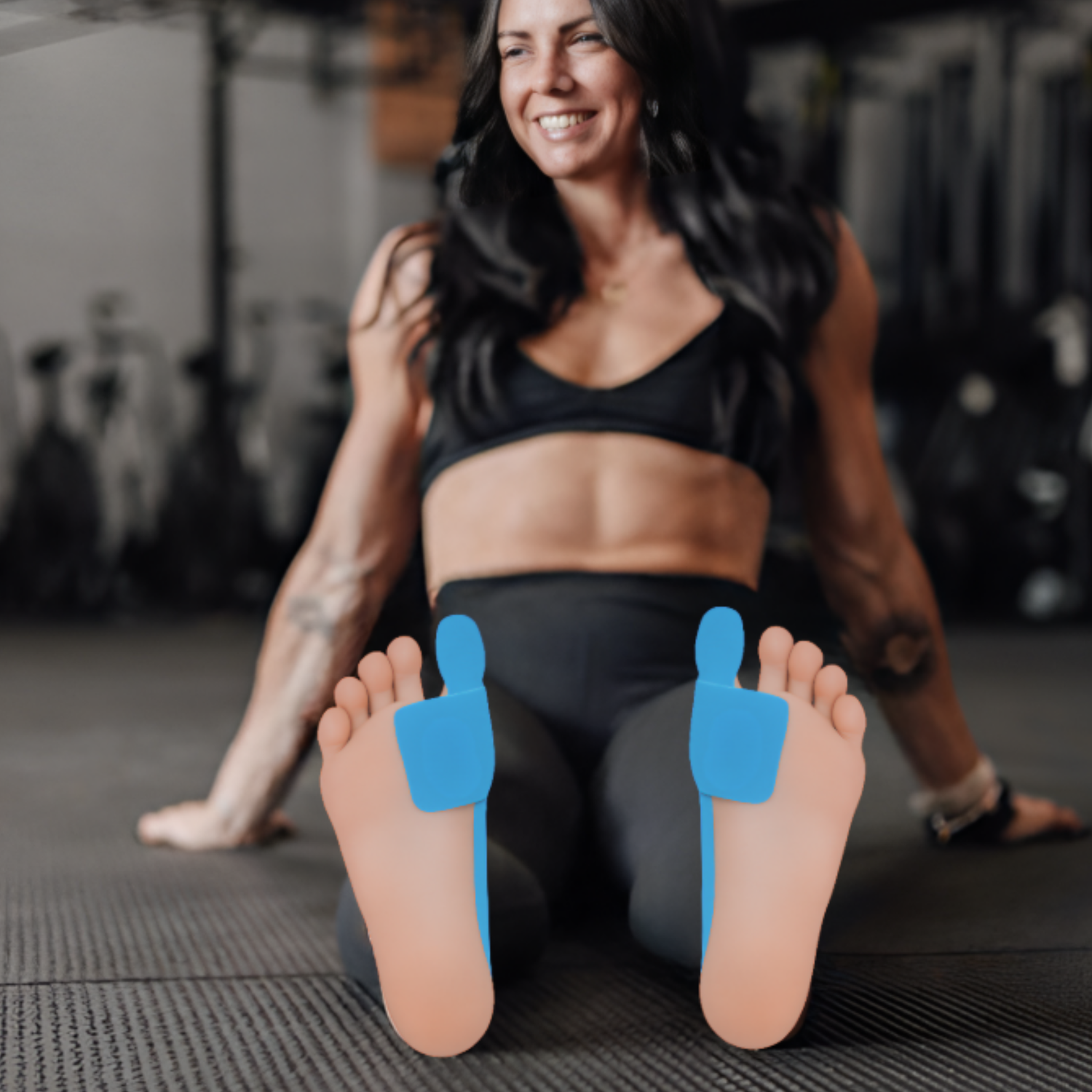
- ToeTape™ Bunion Corrector Tape: This precut, professional-grade kinesiology tape gently realigns the big toe, relieving pressure on the joint. It’s sweatproof and easy to apply, providing support throughout the day.
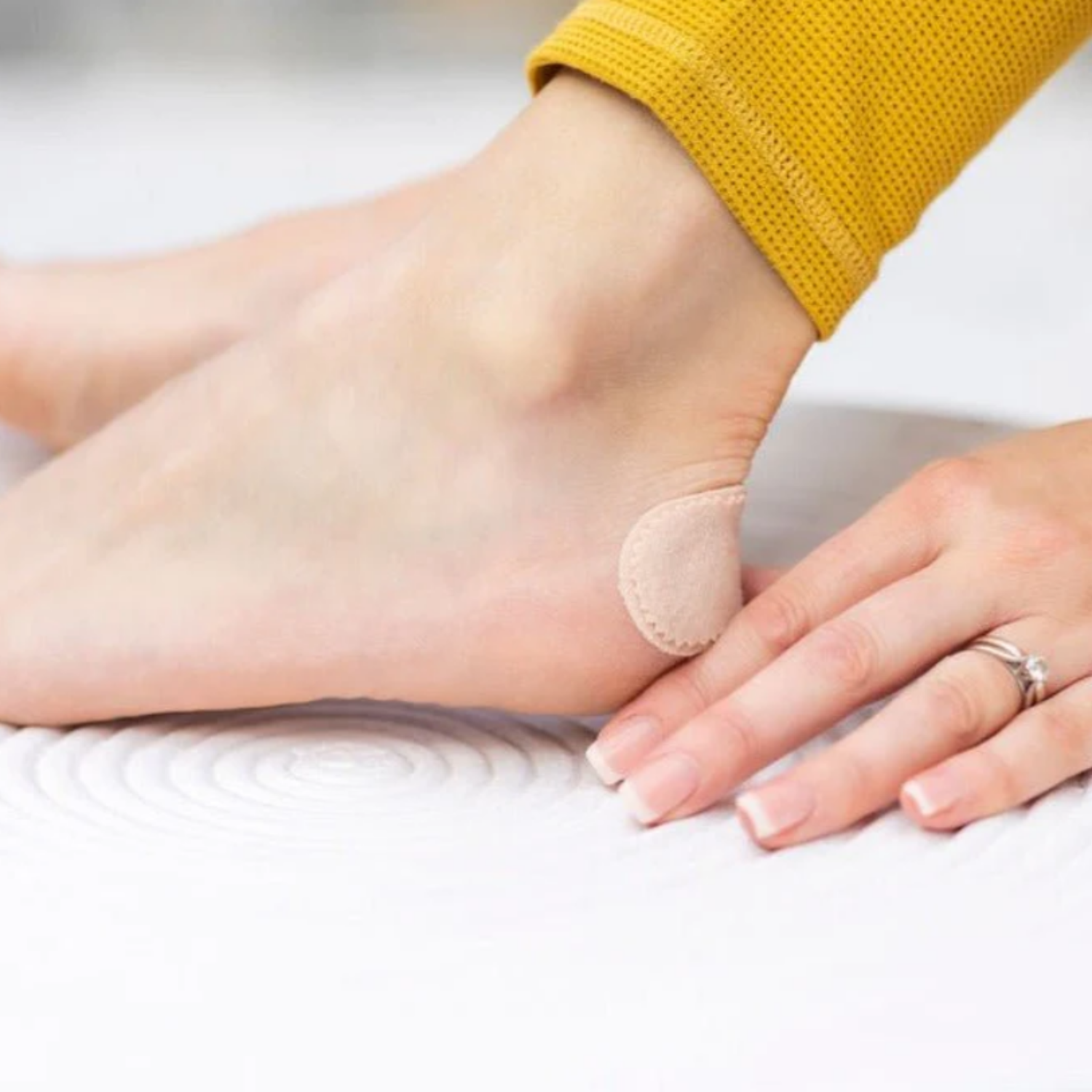
- Moleskin Bunion Pads: These soft, adhesive patches protect against friction from shoes, preventing blisters and irritation.
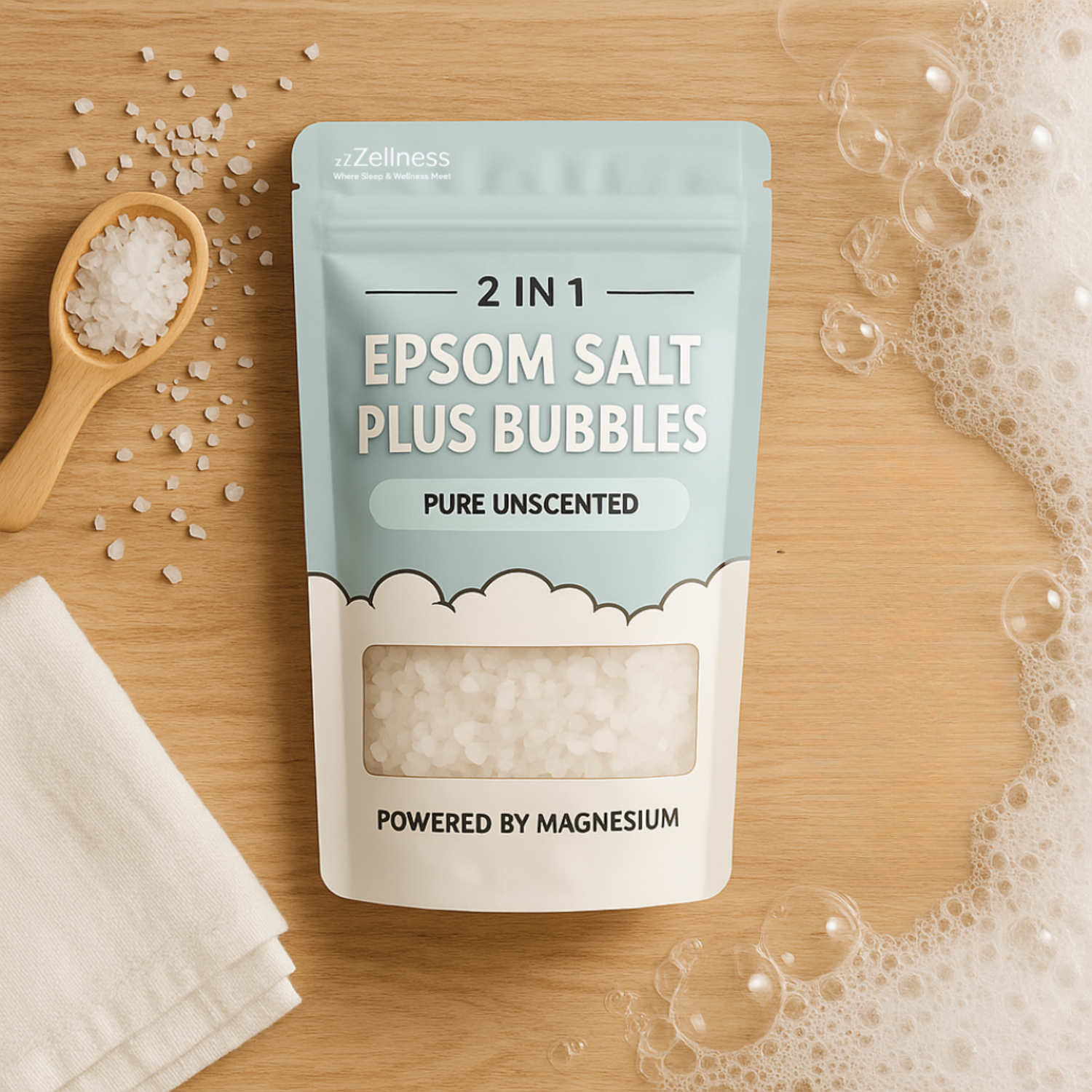
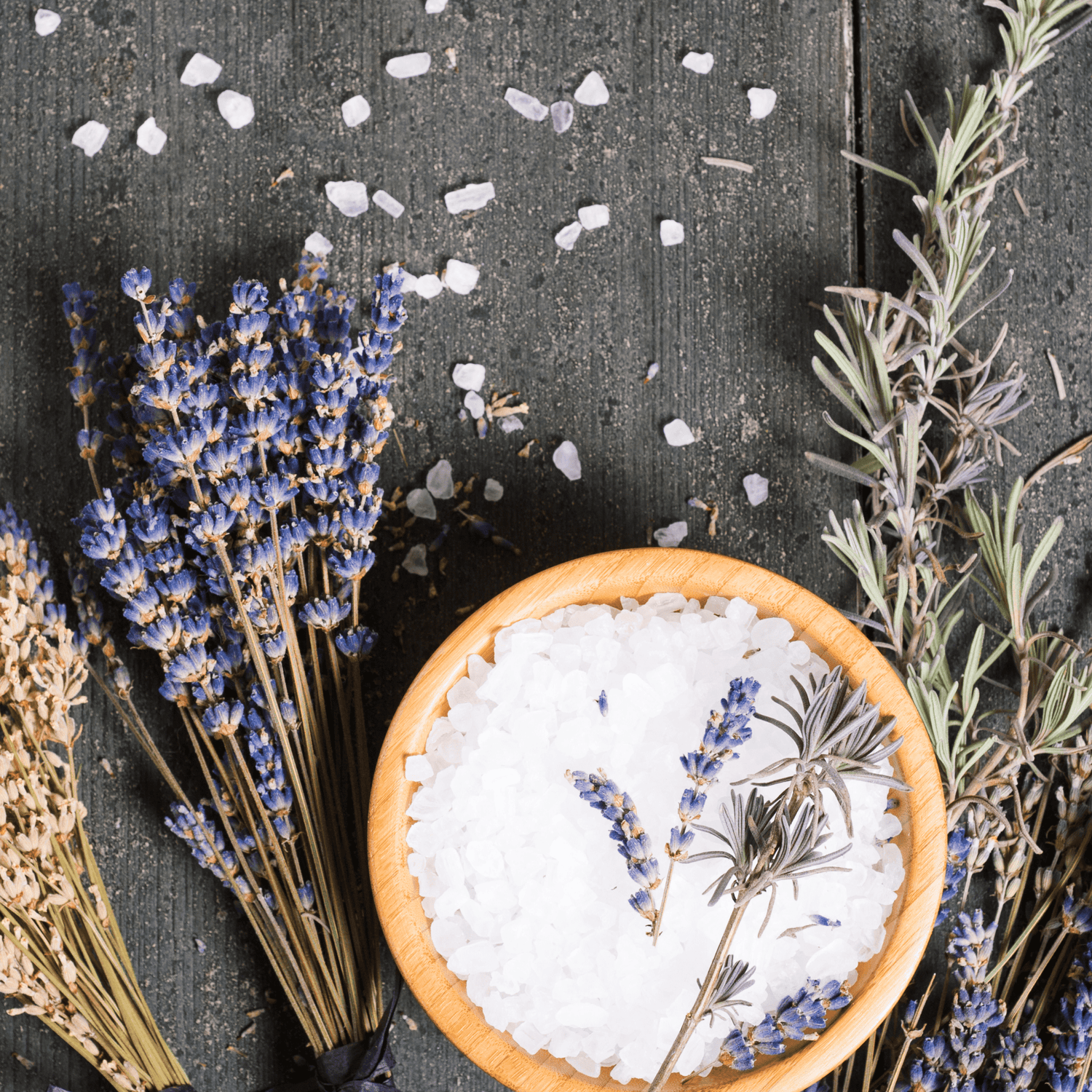
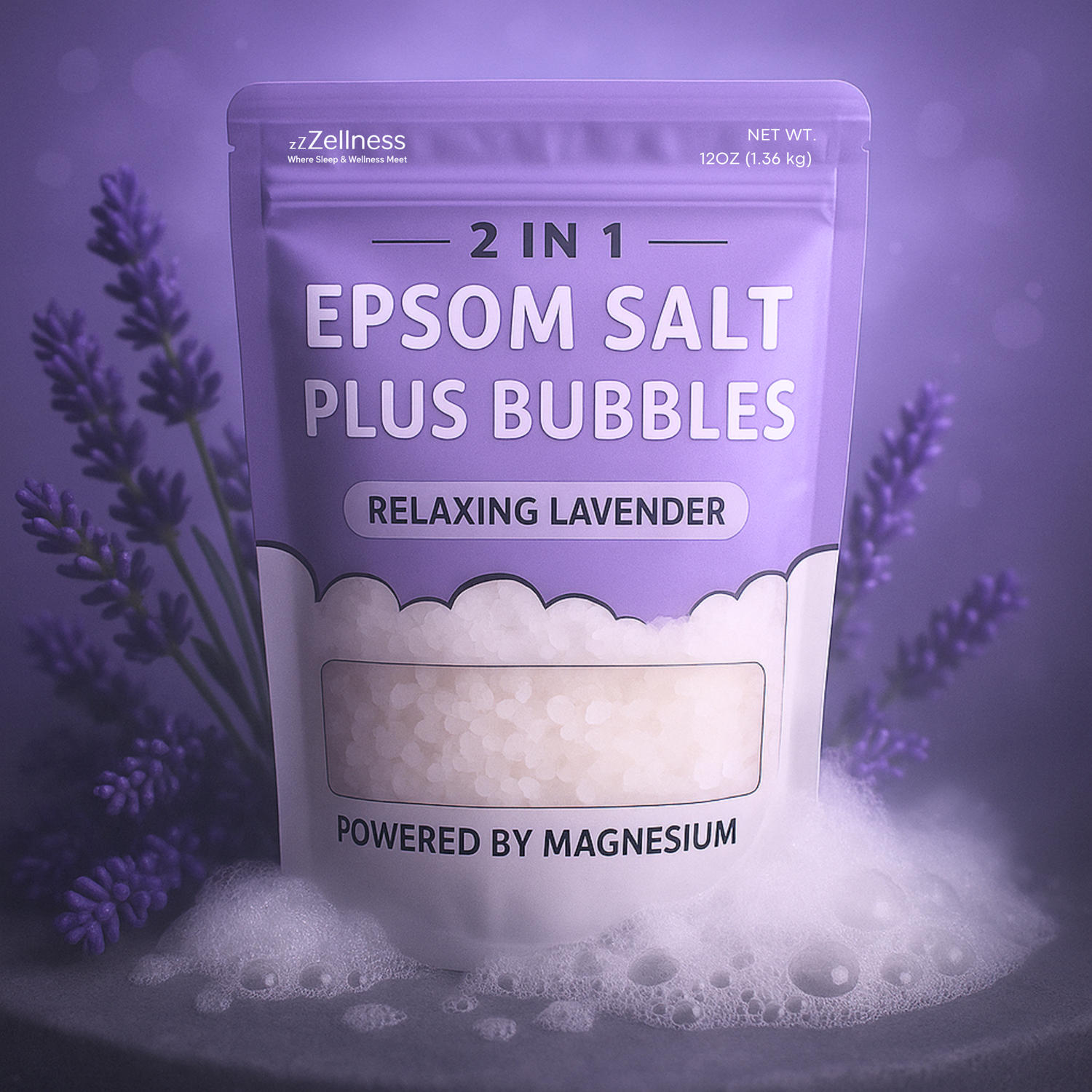
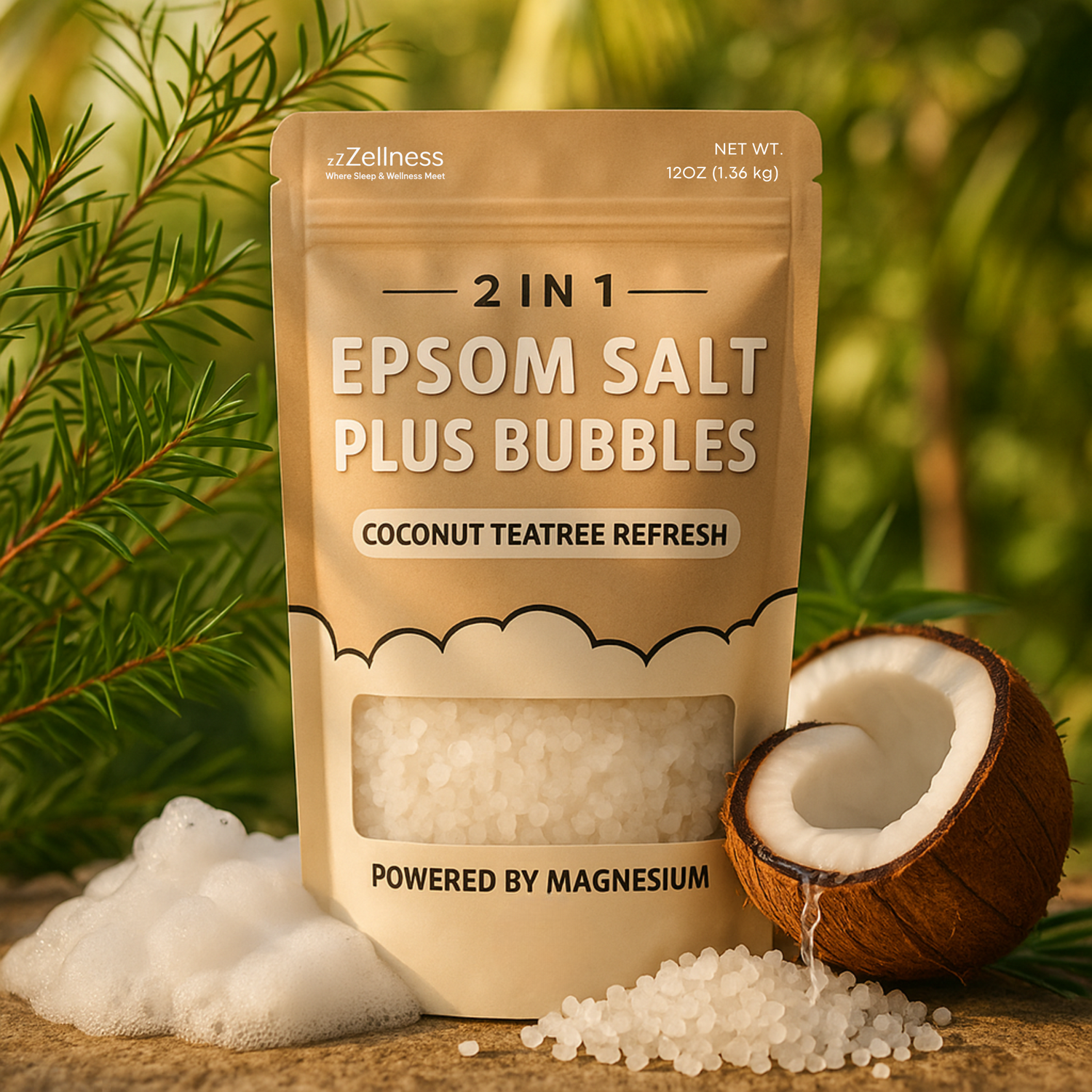
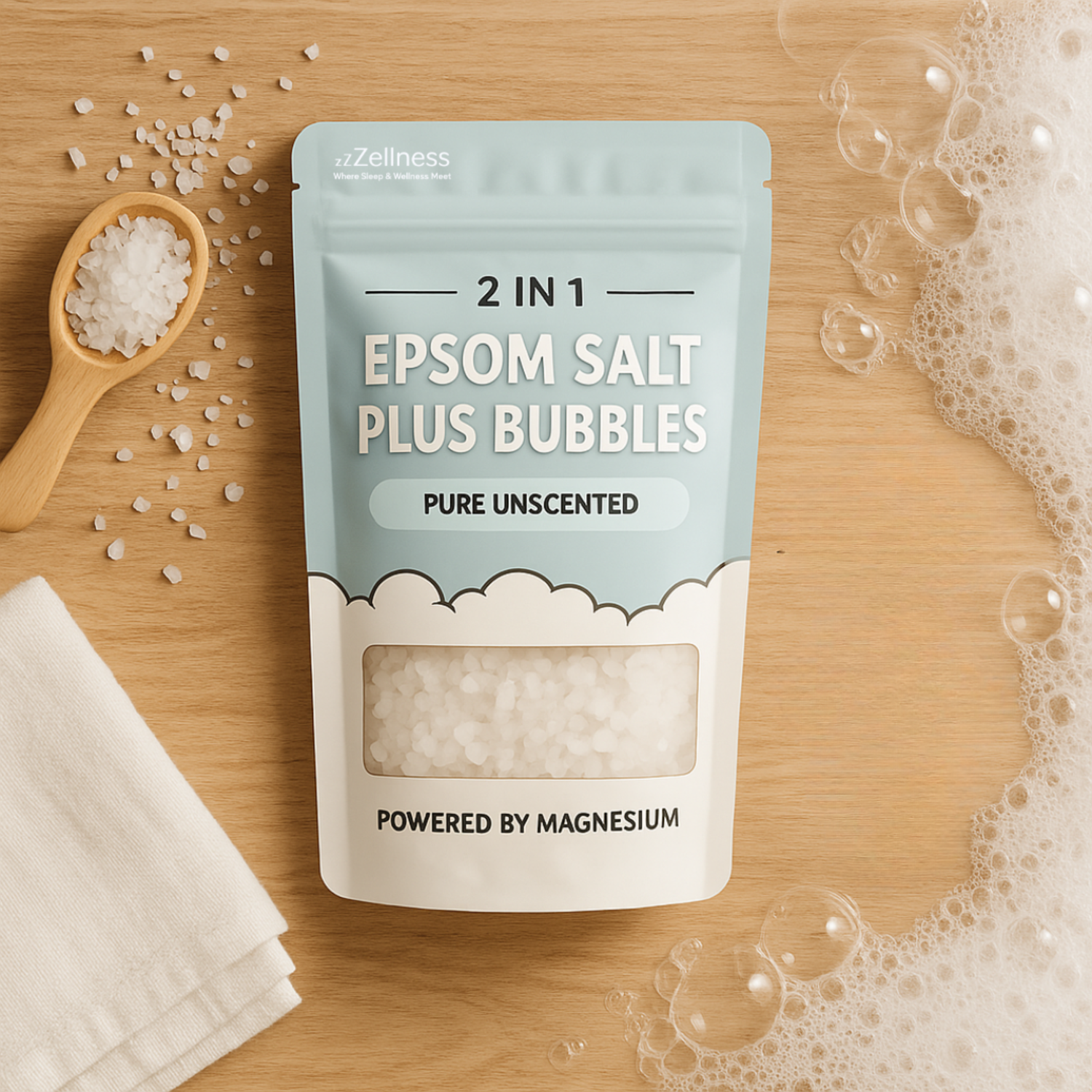
- Epsom Salts + Foaming Bubbles: A relaxing soak that helps soothe sore feet, reduce inflammation, and promote faster recovery after long days on your feet.
Together, these items provide a comprehensive solution for bunion pain relief and support optimal foot health.
2. Customized Orthotics
Customized orthotics are specially designed shoe inserts that provide support and help correct foot mechanics. They can redistribute pressure across the foot, alleviating pain and discomfort. Consider seeking a podiatrist to assess your foot structure and recommend tailored solutions.
3. Supportive Footwear
Opting for supporting footwear is an essential step in managing bunions. Look for shoes that offer:
- Wide Toe Box: This allows your toes to rest comfortably without undue pressure.
- Arch Support: Shoes with proper arch support help maintain foot alignment.
- Cushioned Soles: Providing shock absorption, cushioned soles can reduce impact on the feet.
4. Foot Exercises
Incorporating targeted foot exercises can strengthen the muscles surrounding the big toe and improve flexibility. Try these exercises to help alleviate bunion pain:
- Towel Stretch: Sit with your legs extended, place a towel around the toes, and gently pull to stretch the soles of your feet.
- Big Toe Stretch: Use your fingers to manually stretch your big toe outward, helping to improve alignment.
- Balance Exercises: Stand on one foot or practice yoga balances to strengthen the small muscles in your feet.
5. Ice Therapy
Applying ice to the affected area can significantly reduce swelling and relieve pain. Use a cold pack or a bag of ice wrapped in a cloth and apply it to the bunion for 15-20 minutes several times a day.
6. Over-the-Counter Pain Relief
For occasional discomfort, over-the-counter pain medications like ibuprofen or acetaminophen can provide temporary relief. Always follow the recommended dosage and consult with your healthcare provider if you have any health concerns.
Exploring Natural Remedies
Some individuals may prefer natural remedies to manage bunion symptoms. Here are several options to consider:
1. Essential Oils
Essential oils like peppermint or lavender can provide soothing effects when massaged onto the bunion area. These oils have anti-inflammatory properties that may help reduce swelling and discomfort.
2. Apple Cider Vinegar
Some people find relief by soaking their feet in a mixture of water and apple cider vinegar. The vinegar may help to reduce inflammation and improve skin health around the bunion.
3. Turmeric and Ginger
These natural anti-inflammatories can be taken as supplements or added to your diet. Drinking ginger tea or incorporating turmeric into your meals may help reduce inflammation that contributes to pain.
Lifestyle Changes for Foot Health
Making simple lifestyle changes can also play a crucial role in managing bunions effectively. Here are some tips to maintain foot health:
- Maintain a Healthy Weight: Extra weight can put more pressure on your feet, worsening bunion symptoms.
- Stay Active: Regular physical activity promotes overall foot health but choose low-impact exercises to minimize stress on the joints.
- Avoid Tight Shoes: Investing in wide or orthopedic shoes can prevent bunion formation and alleviate discomfort.
When to Consult a Professional
If your bunion pain persists or worsens despite your efforts to relieve it, it is important to consult a healthcare professional. They can provide a thorough examination, recommend treatments, and discuss potentially necessary interventions based on the severity of your bunion.
Empower Your Feet Today!
Living with bunions can be challenging, but with a proactive approach, you can manage your symptoms effectively without resorting to surgery. Embrace complementary strategies like our foot recovery bundle, invest in supportive footwear, and incorporate beneficial exercises into your routine. Remember, taking care of your feet is vital for overall well-being. Empower yourself with knowledge and compassion towards your feet, and you’ll find a way to reduce bunion discomfort and keep on moving confidently!
Frequently Asked Questions
1. What are bunions and what causes them?
2. What non-surgical options are available for bunion relief?
3. How can supportive footwear help with bunions?
4. What natural remedies can assist with bunion symptoms?
5. When should I consult a healthcare professional about bunion pain?
Glossary
| Term | Meaning |
|---|---|
| Bunion | A bony protrusion at the base of the big toe caused by toe misalignment. |
| Hallux Valgus | The medical term for a bunion condition. |
| Foot Recovery Bundle | A collection of products designed to alleviate bunion pain and support foot health. |
| Orthotics | Custom shoe inserts that provide support and correct foot mechanics. |
| Supportive Footwear | Shoes designed to offer comfort and proper alignment for the feet. |
| Ice Therapy | Applying ice to reduce swelling and relieve pain in the bunion area. |
| Essential Oils | Natural oils used for their soothing and anti-inflammatory properties. |
| Apple Cider Vinegar | A natural remedy that may help reduce inflammation and improve skin health. |
| Turmeric | A spice known for its anti-inflammatory benefits, often used in diet or supplements. |
| Foot Exercises | Targeted movements to strengthen foot muscles and improve flexibility. |
Linked Product

Bunion Relief Bundle
The Bunion Relief Bundle offers a comprehensive solution for foot comfort and recovery, combining effective products designed to alleviate pain and prevent rubbing. With ToeTape™ Bunion Corrector Tape for gentle toe realignment, Moleskin Bunion Pads for protection against friction, and Epsom Salts + Foaming Bubbles for a soothing soak, this bundle supports natural alignment and promotes faster recovery. Ideal for those on their feet all day or engaged in training, it helps ensure your feet remain comfortable and supported.
View Product