





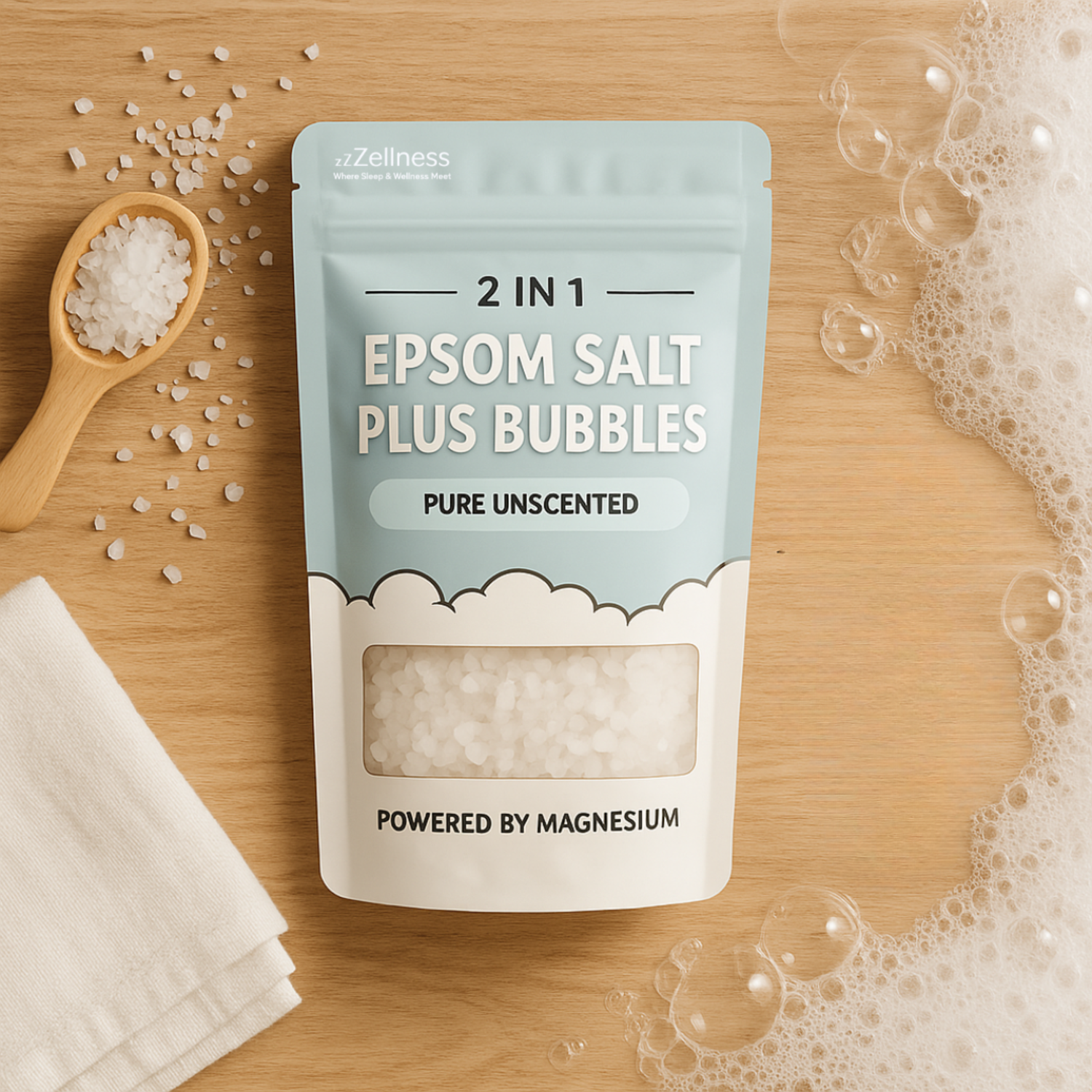







Have you noticed the buzz around Epsom salt foot baths in wellness circles for 2025? This time-tested remedy is making a comeback for those seeking easy relaxation and effective foot care at home.
Epsom salt for foot bath routines has helped countless people soothe tired feet, soften rough skin, and unwind after long days.
In this essential guide, you will discover the latest benefits, scientific insights, step-by-step instructions, safety advice, and expert recommendations. Ready to see how Epsom salt can transform your foot care routine? Let’s get started.
Understanding Epsom Salt: What Is It and How Does It Work?
Epsom salt for foot bath routines has become a wellness staple, but what exactly is this mineral compound and how does it benefit your feet? To fully appreciate the value of Epsom salt for foot bath treatments, it helps to understand its composition, scientific background, and the unique ways it supports foot health.
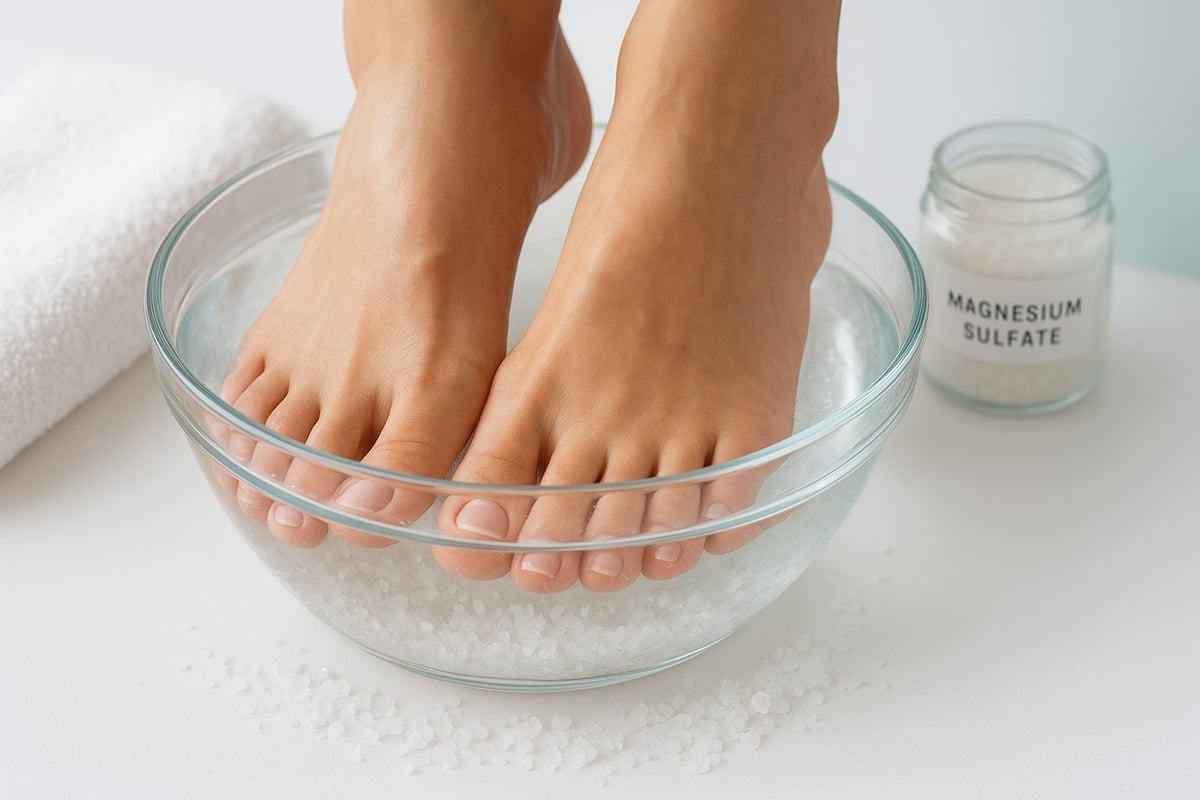
The Science Behind Epsom Salt
Epsom salt, chemically known as magnesium sulfate, is a naturally occurring mineral compound. It appears as colorless, odorless crystals that dissolve easily in warm water. When you use Epsom salt for foot bath practices, magnesium and sulfate ions are released into the water.
Magnesium is an essential mineral involved in hundreds of bodily processes, including muscle function, nerve signaling, and inflammation control. Sulfate supports detoxification and overall skin health. Some researchers believe that soaking in an Epsom salt for foot bath allows these ions to be absorbed through the skin, although scientific evidence remains mixed. A 2017 review found limited but promising data on transdermal magnesium absorption.
It's important to distinguish Epsom salt from table salt. While both are crystalline and dissolve in water, Epsom salt is magnesium sulfate (MgSO4), whereas table salt is sodium chloride (NaCl). This difference means they serve unique purposes in wellness routines.
| Property | Epsom Salt (MgSO4) | Table Salt (NaCl) |
|---|---|---|
| Main Mineral | Magnesium | Sodium |
| Typical Use | Baths, Soaks | Cooking, Food |
| Health Benefits | Muscle Relaxation | Electrolyte Balance |
Health authorities like the FDA note that Epsom salt is safe for external use but do not officially endorse claims about transdermal magnesium absorption. For more on the science and benefits, see this Epsom salt benefits and uses resource.
Historical and Modern Uses
The use of Epsom salt for foot bath rituals dates back centuries. Discovered in Epsom, England, the mineral became famous in traditional medicine for its soothing and healing effects. Early practitioners relied on Epsom salt for foot bath remedies to ease aches, draw out toxins, and promote skin health.
Today, Epsom salt remains a popular choice in home and spa settings. It is used not only for foot soaks but also in full-body baths, compresses, and even gardening. Compared to other bath salts, such as Dead Sea salts or Himalayan pink salt, Epsom salt stands out for its high magnesium content and affordability.
Modern trends favor natural and at-home foot care solutions. People increasingly turn to Epsom salt for foot bath applications as a simple, effective way to address daily discomfort. The rise of wellness culture in 2025 has brought renewed interest in these time-tested remedies, with Epsom salt often featured in self-care routines and recovery protocols.
Key Benefits for Foot Health
The advantages of using Epsom salt for foot bath treatments are both immediate and long-term. Many users report relief from sore, tired feet after standing or exercising. The magnesium in Epsom salt is believed to help reduce muscle tension and cramping, making it a favorite among athletes.
Epsom salt for foot bath soaks can also decrease inflammation and swelling, according to recent wellness surveys. People with plantar fasciitis or arthritis may notice reduced puffiness and discomfort after regular use. Additionally, the exfoliating properties of Epsom salt soften calluses, help repair cracked heels, and improve skin texture.
Odor control is another key benefit, as Epsom salt helps neutralize bacteria and fungi that can lead to unpleasant smells and infections. This makes Epsom salt for foot bath routines especially valuable for those seeking better foot hygiene and lasting comfort.
Top Benefits of Epsom Salt Foot Baths in 2025
Discovering the top benefits of epsom salt for foot bath routines in 2025 can transform your approach to foot care. This section explores how this time-tested remedy supports pain relief, skin health, inflammation management, hygiene, and mental wellness.
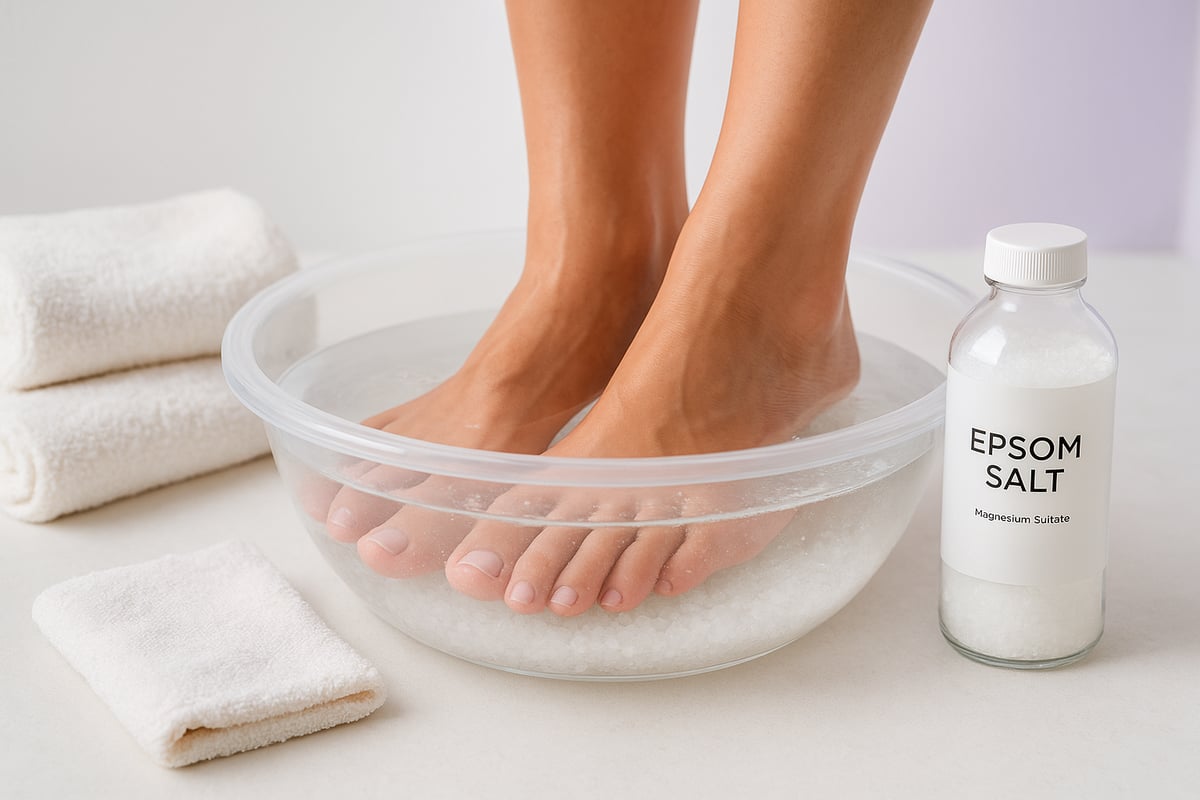
Pain Relief and Muscle Recovery
For many people, using epsom salt for foot bath routines offers effective relief from daily aches. If you spend long hours standing or are an athlete, soaking your feet can help ease muscle tension and reduce cramping. Research suggests that magnesium in Epsom salt may support muscle relaxation, although absorption through the skin is still debated.
Athletes and fitness enthusiasts often report faster recovery with regular soaks. Many find that epsom salt for foot bath sessions after exercise help soothe sore muscles and minimize discomfort, making it a valuable addition to any recovery regimen.
Skin Softening and Callus Reduction
One of the most popular reasons to use epsom salt for foot bath care is its natural exfoliating effect. The salt crystals gently soften rough skin, making it easier to remove calluses and dead skin cells. If you struggle with cracked heels or tough patches, regular soaks can make a noticeable difference.
Compared to professional pedicures, at-home Epsom salt treatments are accessible and cost-effective. Many users find their feet feel smoother, healthier, and more comfortable after just a few sessions.
Swelling and Inflammation Management
Swelling and puffiness can make feet feel heavy and uncomfortable. Using epsom salt for foot bath routines is a traditional way to manage mild edema, especially after long days or intense activity. Some studies and user reports indicate that regular soaks may help reduce inflammation, particularly for people with conditions like plantar fasciitis or arthritis.
Anecdotal evidence points to improved comfort and mobility. While Epsom salt is not a cure, it is a supportive tool in managing chronic foot swelling and discomfort.
Odor and Infection Prevention
Maintaining foot hygiene is essential for overall health. Epsom salt for foot bath care can help control odor, as its natural properties assist in drawing out impurities and reducing bacteria. Many users notice fresher feet and less persistent smell after consistent use.
Additionally, Epsom salt soaks may help deter fungal growth, supporting the prevention of athlete’s foot and other minor infections. For more details on safe and effective foot soaks, see this Epsom salt foot soak guide.
Mental Health and Relaxation
The benefits of epsom salt for foot bath routines extend beyond physical health. Immersing your feet in warm, soothing water can promote relaxation and reduce stress after a busy day. Many people incorporate Epsom salt soaks into their self-care rituals to improve mood and support restful sleep.
Surveys from 2024 and 2025 highlight a growing trend in using foot baths for mental wellness. The calming effect of a regular soak can be an easy yet powerful way to boost overall well-being.
Step-by-Step Guide: How to Use Epsom Salt for a Foot Bath
Transforming your routine with an epsom salt for foot bath is simple, effective, and rewarding. A well-prepared soak can ease soreness, soften skin, and provide a moment of tranquility in your busy week.
Below, you’ll find a detailed guide to ensure you get the most from every epsom salt for foot bath, whether you’re a first-timer or a seasoned wellness enthusiast.
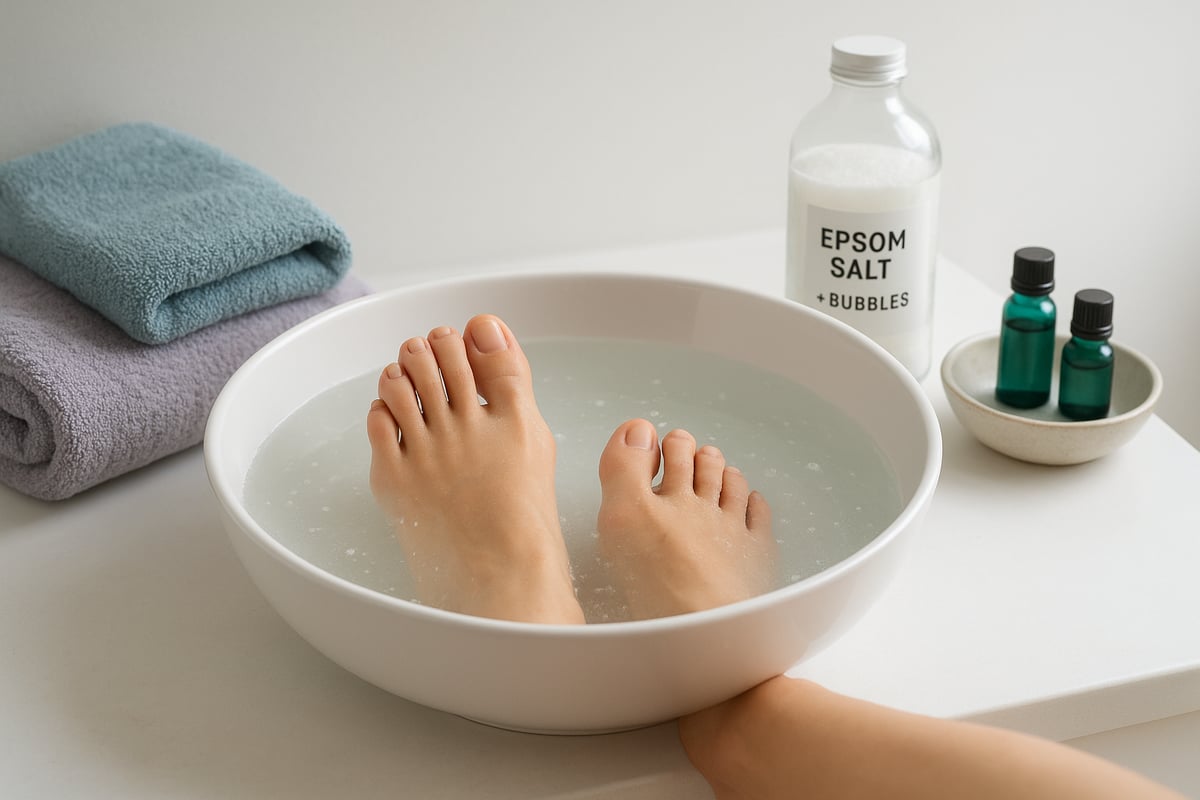
Preparation: What You’ll Need
Before you begin, gather all essentials for your epsom salt for foot bath. You will need:
- A large basin or foot spa (deep enough for ankle coverage)
- Warm water (not hot, ideally 37–39°C)
- Epsom salt (plain or scented)
- A clean towel
- Optional: essential oils (lavender, peppermint), baking soda, pumice stone, and moisturizer
For best results, use 1/2 cup to 2 cups of epsom salt for foot bath per gallon of water, adjusting to your comfort. Always choose a high-quality, USP-grade product. Consider options like the Epsom Salt + Bubbles Foot Soak for added relaxation and recovery. Ensure all items are within reach before starting, so you can focus on your foot care.
Step 1: Setting Up Your Foot Bath
Begin by filling your basin with enough warm water to cover your feet up to the ankles. The ideal water temperature should feel soothing, never scalding, to avoid irritation during your epsom salt for foot bath.
Slowly add the measured epsom salt for foot bath to the water. Stir well until the crystals are completely dissolved. If you wish, mix in a few drops of essential oil for aromatherapy or a spoonful of baking soda for extra skin softening.
Take a moment to set the mood. Dim the lights, play calming music, or light a candle to enhance the spa experience and make your epsom salt for foot bath truly restorative.
Step 2: Soaking Your Feet
Now, carefully immerse your feet in the prepared epsom salt for foot bath. Set a timer for 15 to 20 minutes to allow maximum absorption and relaxation.
To elevate your experience, practice deep breathing or mindfulness while soaking. Consider reading, listening to a podcast, or simply closing your eyes to unwind.
If you have sensitive skin or any open wounds, monitor how your feet respond to the epsom salt for foot bath. Discontinue immediately if you notice discomfort, stinging, or redness.
Step 3: Post-Soak Care
After your epsom salt for foot bath, gently pat your feet dry with a clean towel. For rough skin or calluses, use a pumice stone to exfoliate while your skin is still soft.
Apply a nourishing moisturizer to lock in hydration and prevent dryness. Regular use of an epsom salt for foot bath—two to three times per week—can keep your feet feeling refreshed and healthy.
Remember to clean and dry your basin thoroughly after each use to maintain hygiene.
Troubleshooting Common Issues
Even with the right technique, some may encounter minor problems during their epsom salt for foot bath. Here is a quick guide to common issues and solutions:
| Issue | Possible Cause | Solution |
|---|---|---|
| Skin irritation | Too much salt | Reduce epsom salt for foot bath amount |
| Dryness | Soak too long | Limit soak to 15–20 minutes, add moisturizer |
| Stinging or redness | Open cuts or allergy | Discontinue, consult a healthcare professional |
If you notice persistent irritation or dryness after your epsom salt for foot bath, try using less salt or add more water. Sensitive skin types may benefit from shorter soaks or less frequent use.
Always stop your epsom salt for foot bath and seek medical advice if you experience ongoing pain, swelling, or any unusual reactions.
Safety, Precautions, and Who Should Avoid Epsom Salt Foot Baths
Taking an epsom salt for foot bath can be beneficial, but safety and proper use are essential. Not everyone should use this method without careful consideration. Understanding potential risks and following expert recommendations helps you avoid problems and enjoy the full benefits.
Potential Side Effects and Risks
While many people use epsom salt for foot bath routines safely, some may experience side effects. Skin irritation is the most common issue, often appearing as redness, itching, or dryness. If you have sensitive skin, test a small area before soaking your entire foot.
Allergic reactions are rare but possible. Symptoms such as swelling, rash, or intense burning require immediate discontinuation and medical attention. Overuse of epsom salt for foot bath treatments can also lead to excessive dryness, causing cracked or peeling skin.
People with certain health conditions face higher risks. If you have diabetes, neuropathy, or circulatory problems, your skin may heal slowly and be more prone to injury. Epsom salt for foot bath soaks might increase the risk of infection if you have open wounds or cuts. Some medications or topical treatments can interact with magnesium sulfate, so consult your healthcare provider.
Consult reputable sources, such as this Epsom salt and foot health guide, to understand the latest medical perspectives on safe use. Always monitor your skin's response and discontinue use if you notice persistent discomfort.
Special Considerations for Medical Conditions
Certain groups should be especially cautious with epsom salt for foot bath routines. People with diabetes, peripheral neuropathy, or vascular disease are at increased risk for complications. Diminished sensation can make it difficult to detect burns, cuts, or irritation, increasing the likelihood of infection.
Pregnant individuals, children, and elderly users should seek medical advice before starting any new foot soak regimen. Their skin may be more sensitive, and underlying health issues could affect safety. If you are undergoing treatment for chronic conditions or taking medications that impact skin health, consult your doctor first.
Be alert for red flags, including persistent pain, non-healing wounds, or signs of infection such as redness, swelling, or discharge. If these occur after an epsom salt for foot bath, seek professional care promptly. Never use foot soaks as a substitute for medical treatment if you have serious foot conditions.
Safe Use Guidelines
To maximize safety, follow these best practices when using epsom salt for foot bath treatments:
- Limit soaks to 15–20 minutes, two to three times per week.
- Always use clean equipment and fresh water for each session.
- Discard used water promptly and sanitize your basin.
- Check water temperature to prevent burns, especially if you have reduced sensation.
- Moisturize your feet after each soak to prevent dryness.
Maintaining hygiene and monitoring your skin’s condition are vital. If you notice irritation or other issues during your epsom salt for foot bath routine, reduce frequency or concentration, and consult a healthcare professional when needed.
Choosing the Best Epsom Salt Products for Foot Baths
Selecting the right epsom salt for foot bath experiences is essential for achieving optimal comfort and results. With a growing range of products available, making an informed choice can elevate your self-care routine and ensure safe, effective soaks.
Types of Epsom Salt and What to Look For
When shopping for epsom salt for foot bath routines, you’ll notice both pure and blended types. Pure Epsom salt contains only magnesium sulfate, while blends may include fragrances or added minerals for enhanced relaxation.
For safety and effectiveness, prioritize USP-grade epsom salt for foot bath use. This certification ensures purity and quality. Reputable brands often publish lab results or quality assurances, which is vital if you have allergies or sensitive skin. Eco-friendly and allergen-free options are also on the rise, catering to those who seek natural wellness solutions.
Reading Labels and Avoiding Pitfalls
Before purchasing any epsom salt for foot bath practices, always read the label carefully. Look out for fillers, artificial fragrances, or unnecessary additives, which can cause irritation or diminish therapeutic benefits.
Check for certifications like USP or independent testing. Compare pricing to ensure you get value without sacrificing quality. Remember, a high price does not always guarantee the best product. Review ingredient lists to avoid hidden chemicals, especially if you have sensitivities.
Where to Buy and What to Avoid
Finding trusted sources for epsom salt for foot bath use is crucial. Pharmacies, supermarkets, and reputable online stores usually offer reliable products. Avoid unfamiliar brands or suspiciously cheap offers, as these may be counterfeit or substandard.
For a curated selection of quality options, explore the Foot Soaks Collection, which features a range of products tailored to various needs. Store your Epsom salt in a cool, dry place, and keep it sealed to maintain freshness and potency.
ToeTape’s Epsom Salt + Bubbles: Foot Care Innovation
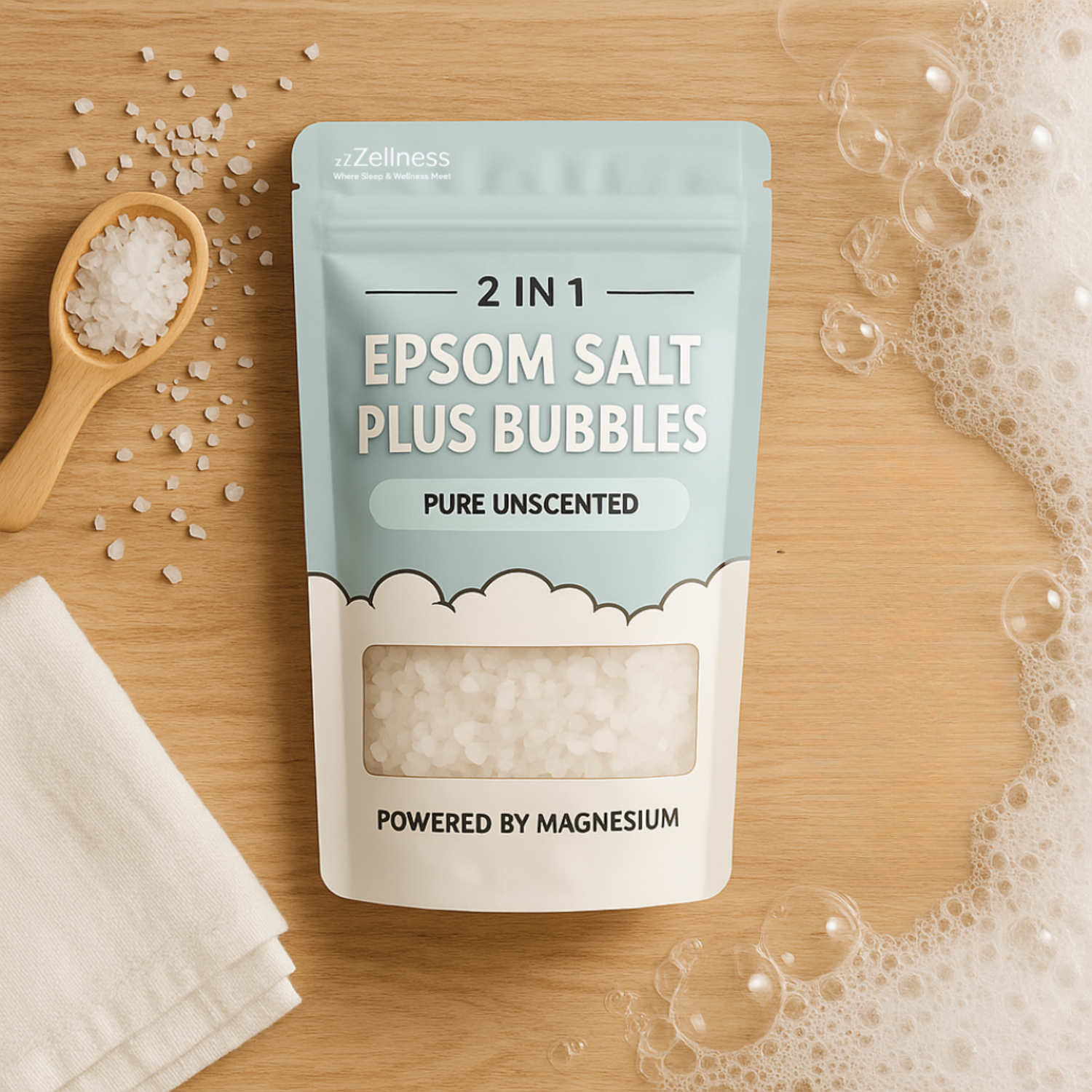
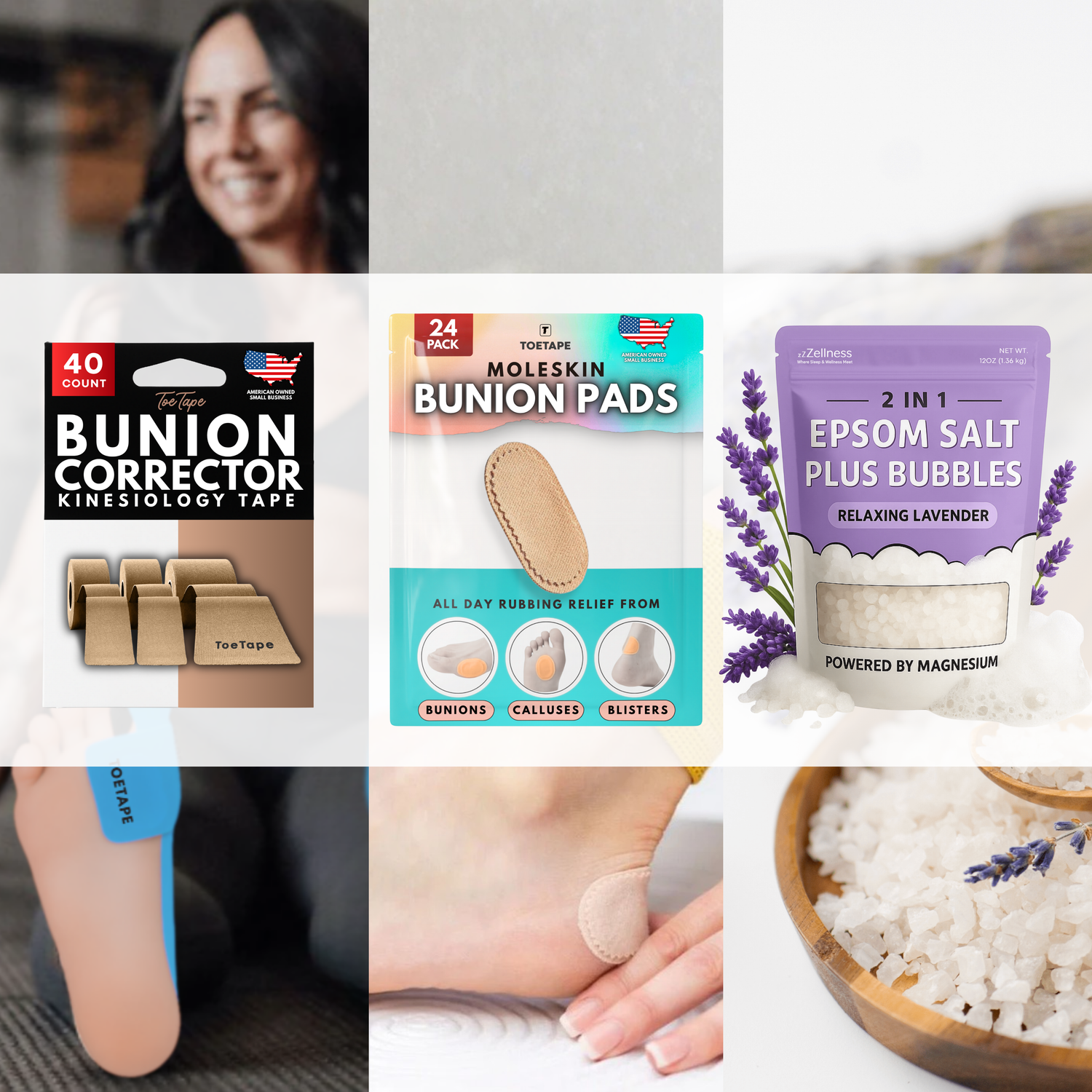
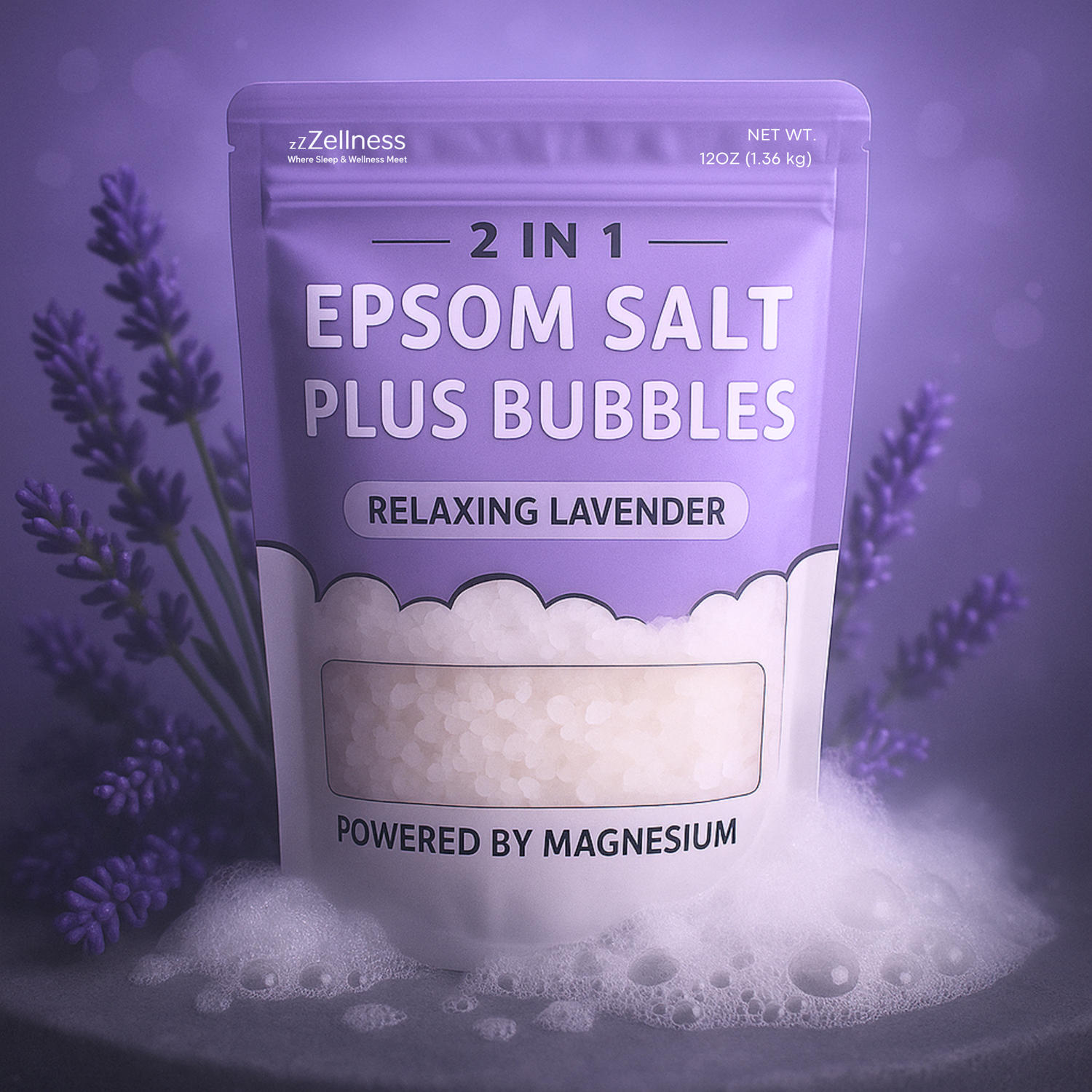
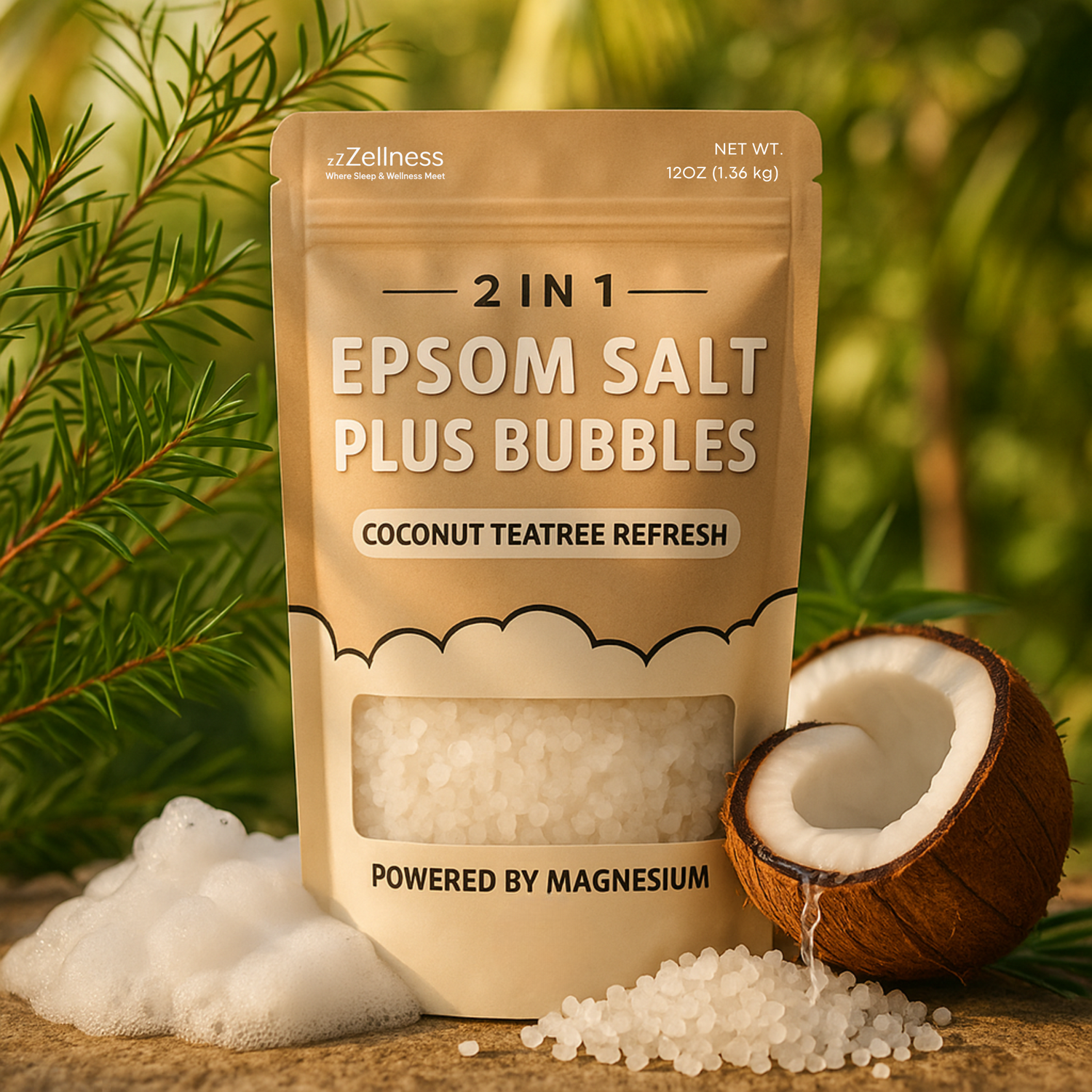
ToeTape stands out in the world of epsom salt for foot bath products, especially for those seeking both comfort and innovation. Their Epsom Salt + Bubbles line offers medical-grade quality, available in soothing scents like Lavender, Coconut Teatree, and Unscented.
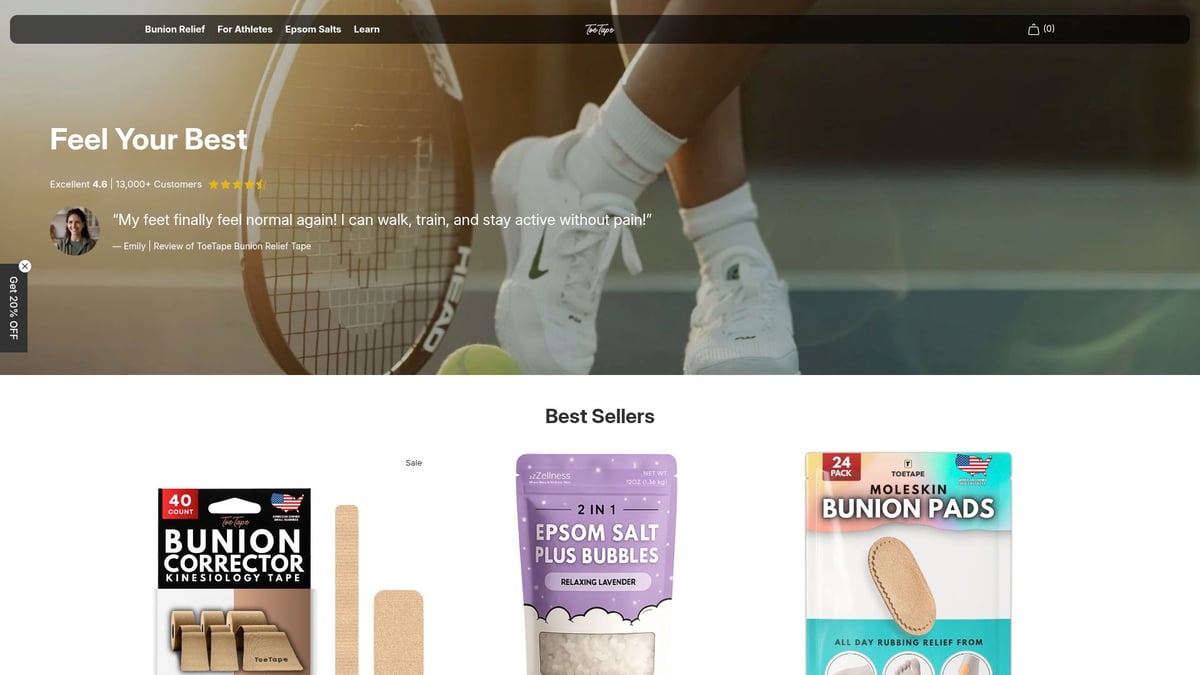
This product is designed for sensitive feet, supporting recovery and deep relaxation. Customers appreciate the ability to bundle with other foot care items, ensuring a complete routine. With a 4.6-star average rating from over 13,000 users, ToeTape’s solution is a trusted choice for effective, enjoyable foot care.
Expert Tips and Advanced Foot Bath Enhancements
Elevate your self-care routine by exploring expert-approved enhancements for your epsom salt for foot bath. Discover how small adjustments and innovative techniques can take your experience from routine to restorative, offering both physical and mental benefits.
Customizing Your Foot Bath Experience
Personalize your epsom salt for foot bath by adding simple enhancements that amplify relaxation and results. Aromatherapy is a popular choice—just a few drops of lavender, peppermint, or eucalyptus oil can transform the mood and help soothe tired feet. For gentle exfoliation, sprinkle in oatmeal or add thin citrus slices, which can naturally soften skin and boost the sensory experience.
Integrating natural exfoliants or soothing oils not only elevates comfort but also supports skin health. For a holistic self-care ritual, consider pairing your soak with deep breathing or mindfulness exercises to further reduce stress. Small customizations can make each foot bath session uniquely restorative.
Integrating Foot Baths into Wellness and Recovery
Incorporating an epsom salt for foot bath into your broader wellness plan can speed up recovery and maintain healthy feet. Many find that soaking after exercise, long shifts, or intensive walking helps minimize muscle soreness and foot fatigue. Pairing your soak with gentle foot stretches, massage, or mobility exercises can further enhance relaxation and circulation.
Establish a schedule that fits your lifestyle, such as two or three times weekly for ongoing relief. For those in sports or with chronic pain, combining foot baths with professional treatments such as physical therapy may yield optimal results. Consistency and mindful integration can maximize the benefits of each session.
Addressing Specific Foot Concerns
If you struggle with bunion discomfort, plantar fasciitis, or athlete’s foot, an epsom salt for foot bath can offer targeted relief. For dry feet and cracked heels, regular soaks soften tough skin, making it easier to exfoliate and hydrate. For additional tips and remedies, explore our Best Treatment for Dry Feet guide.
Always monitor your skin’s response, especially if you have sensitive feet or underlying conditions. If pain or irritation persists, consult a podiatrist to ensure safe and effective care. Real-life testimonials from 2025 highlight improved comfort and hygiene when using these advanced techniques.
Latest Trends and Innovations for 2025
The epsom salt for foot bath landscape continues to evolve, with new products and smart devices entering the market. Look for innovative blends that combine magnesium with botanical extracts for enhanced recovery. Smart foot bath devices now offer precise temperature control, bubble massage, and integrated aromatherapy, elevating the home spa experience.
Podiatrists and wellness experts predict continued growth in home-based foot care and customized routines. Staying informed about the latest advancements ensures you get the most from your foot bath practice and enjoy long-term benefits.
After exploring the benefits and step by step guide to Epsom salt foot baths, it is clear just how much a simple soak can enhance your daily comfort and overall foot health. Whether you are easing soreness from bunions, long days on your feet, or simply seeking a relaxing routine, the right foot soak makes all the difference. If you are ready to unwind and give your feet the care they deserve, treat yourself to a soothing experience with The Perfect Way to End the Day. Your feet will thank you for it—every single day.