









Overview
Foot care is essential for overall health and can prevent bunions, which cause discomfort and pain. Key practices include maintaining proper hygiene, moisturizing, regular foot assessments, choosing the right footwear, using supportive products like toe tape and insoles, and performing strengthening and stretching exercises. Maintaining a healthy weight and seeking professional guidance when needed are also crucial. Prioritize foot health to enjoy a more comfortable life.
Table of Contents
- Understanding Bunions
- The Importance of Foot Care
- Proper Hygiene
- Moisturizing
- Regular Assessments
- Choosing the Right Footwear
- Opt for Comfort and Fit
- Consider the Width
- Avoid High Heels
- Supportive Foot Products
- Insoles
- Toe Separators
- Bunion Correctors for Women
- Toe Tape
- Exercises for Healthy Feet
- Stretching Exercises
- Strengthening Exercises
- Maintaining a Healthy Weight
- Seeking Professional Guidance
- You Can Make a Difference!
Key Takeaways
- Bunions are caused by the big toe deviating towards the second toe, leading to pain and discomfort.
- Maintaining proper foot hygiene is essential to prevent infections and complications related to bunions.
- Choosing comfortable footwear with a wider toe box can help reduce pressure on the big toe and prevent bunion formation.
- Incorporating supportive products like orthotic insoles and toe separators can aid in bunion prevention and foot health.
- Regular foot assessments can help detect early signs of bunions, allowing for timely intervention.
- Engaging in foot strengthening and stretching exercises can improve foot health and reduce the risk of bunions.
- Consulting a foot specialist is crucial if experiencing ongoing pain, as early intervention can prevent bunion progression.
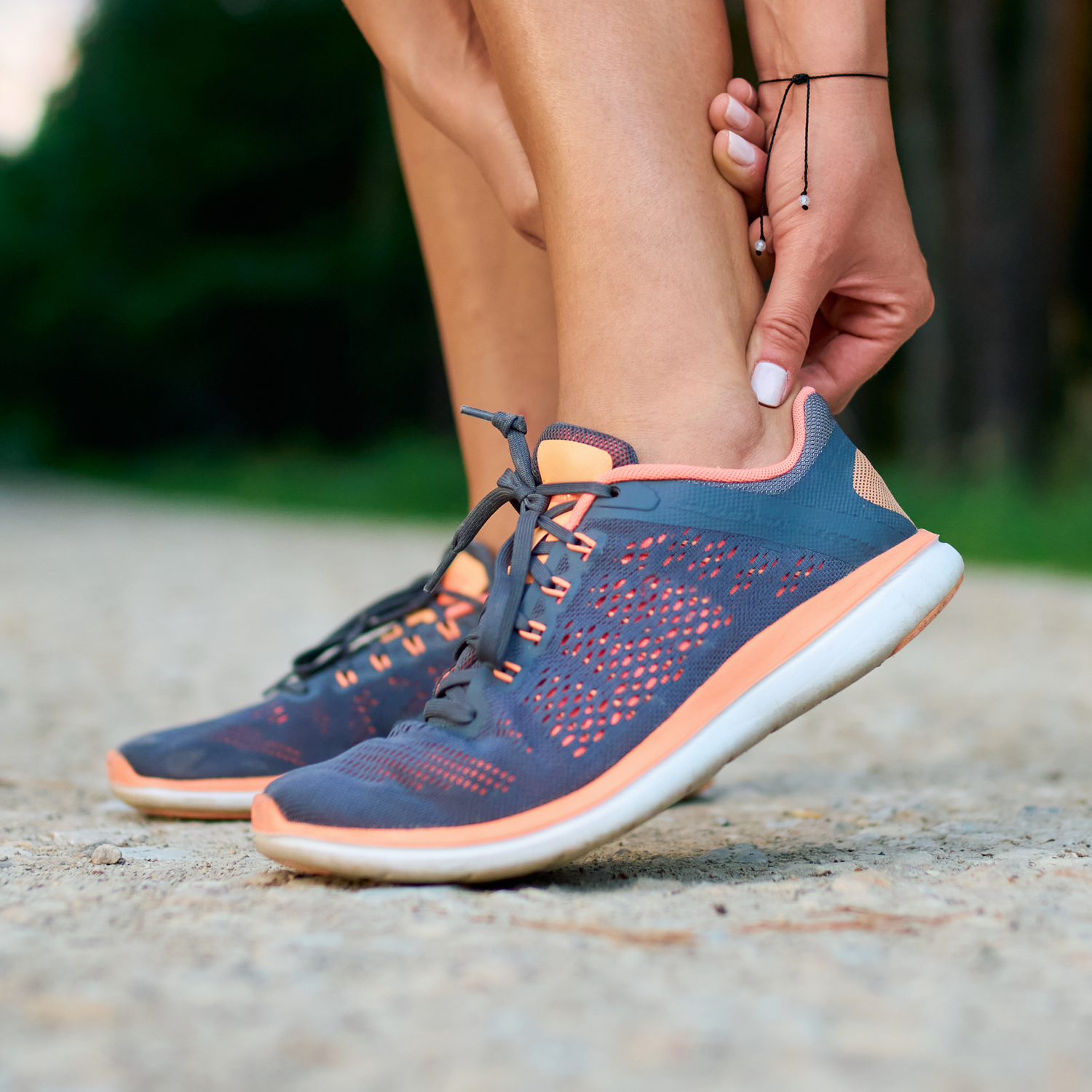
Foot care is often overlooked, yet the health of our feet plays a crucial role in overall well-being. One prevalent issue many face is bunions, which can lead to discomfort and even chronic pain if not addressed. Understanding how to properly care for your feet can significantly reduce the risk of developing bunions, and incorporating specialized products such as toe tape can be beneficial. In this article, we’ll delve into the importance of foot care in preventing bunions and explore effective practices and lifestyle changes.
Understanding Bunions
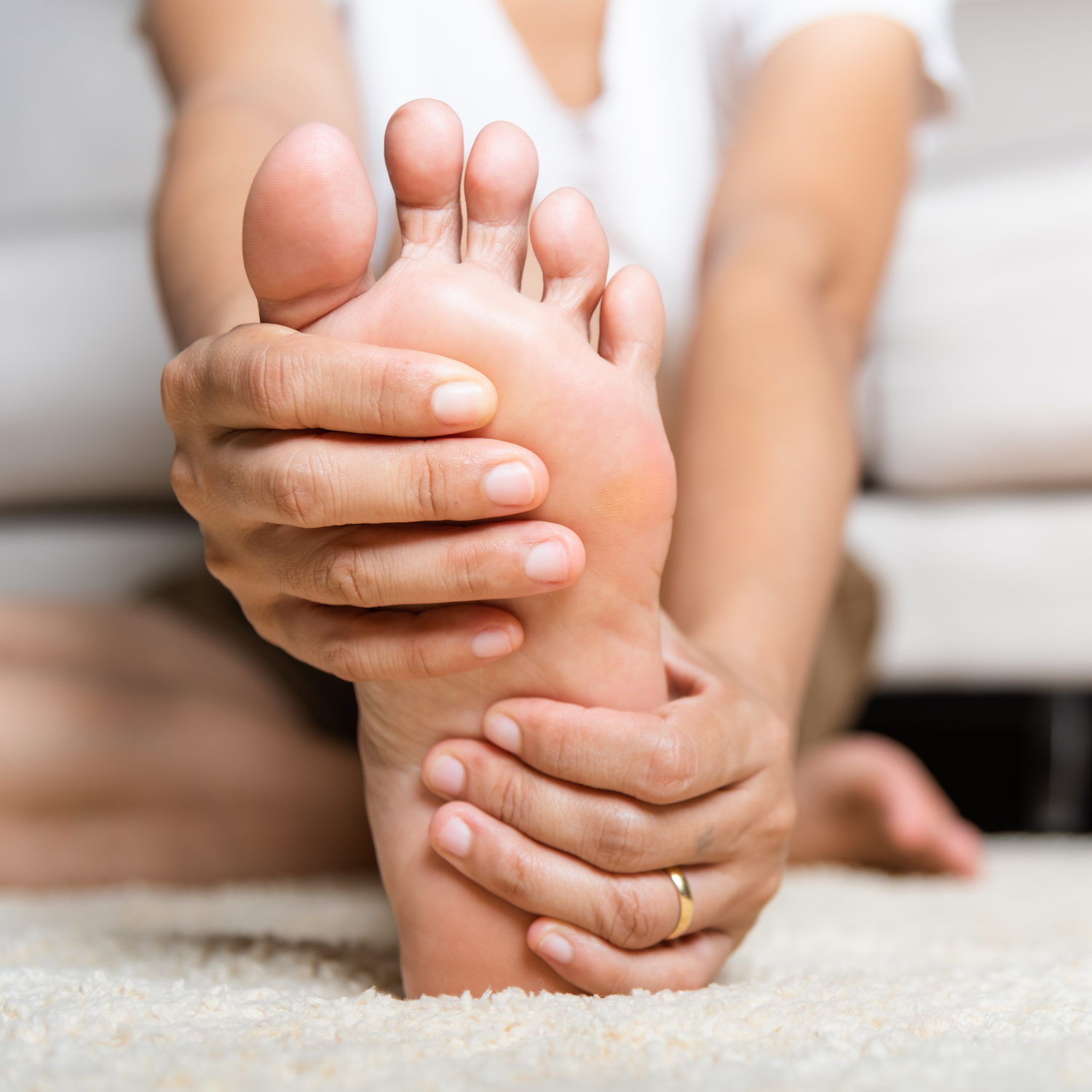
Bunions, or hallux valgus, occur when the big toe deviates toward the second toe, resulting in a protruding lump on the side of the foot. This condition can lead to various issues, including pain, inflammation, and difficulty in wearing shoes. While bunions can be genetic, improper footwear and lack of foot care are significant contributing factors. Let’s explore how proper foot care can mitigate these risks.
The Importance of Foot Care
Foot care plays a vital role in maintaining healthy feet and preventing bunions. Here are several key aspects to consider:
Proper Hygiene
Maintaining foot hygiene is essential in preventing infections that can exacerbate bunions and other foot problems. Ensure you wash your feet daily with mild soap, paying attention to the spaces between your toes.
Moisturizing
Dry, cracked skin can lead to discomfort and complications. Regularly moisturizing your feet helps keep the skin supple and prevents the formation of bunion-related complications. Focus on areas prone to dryness, like the heels and the sides of the feet.
Regular Assessments
Take time to examine your feet regularly. Look for any signs of bunions, redness, swelling, or discomfort. Early detection is key to preventing further complications. If you notice any abnormalities, consider consulting with a foot specialist.
Choosing the Right Footwear
One of the most significant contributors to bunion development is the type of footwear you wear. Here are some tips for choosing the right shoes:
Opt for Comfort and Fit
Always select shoes that are comfortable and properly fit your feet. Avoid tight-fitting shoes, especially those with pointed toes, as they can push against your big toe and exacerbate bunion formation.
Consider the Width
Choose shoes with ample width to accommodate the natural shape of your feet. Look for styles that offer a wider toe box to prevent unnecessary pressure on the big toe.
Avoid High Heels
High heels can lead to excessive pressure on the forefoot and can accelerate bunion growth. If you must wear heels, opt for lower styles with wider bases to limit discomfort and pressure.
Supportive Foot Products
Incorporating supportive products into your foot care routine can greatly help in bunion prevention:
Insoles
Consider using orthotic insoles to provide additional arch support. These can help distribute weight more evenly across your feet and reduce pressure on your big toe. Custom or over-the-counter options are available depending on your needs.
Toe Separators
Toe separators can help align the toes properly and reduce pressure on the bunion area. They provide a comfortable way to gently stretch and realign the toes, making them an excellent addition to your foot care routine.
Bunion Correctors for Women
For women dealing with bunions, specialized bunion correctors are designed to alleviate pain and improve alignment while wearing shoes. These products can help in realigning the toe joint, providing much-needed support throughout the day.
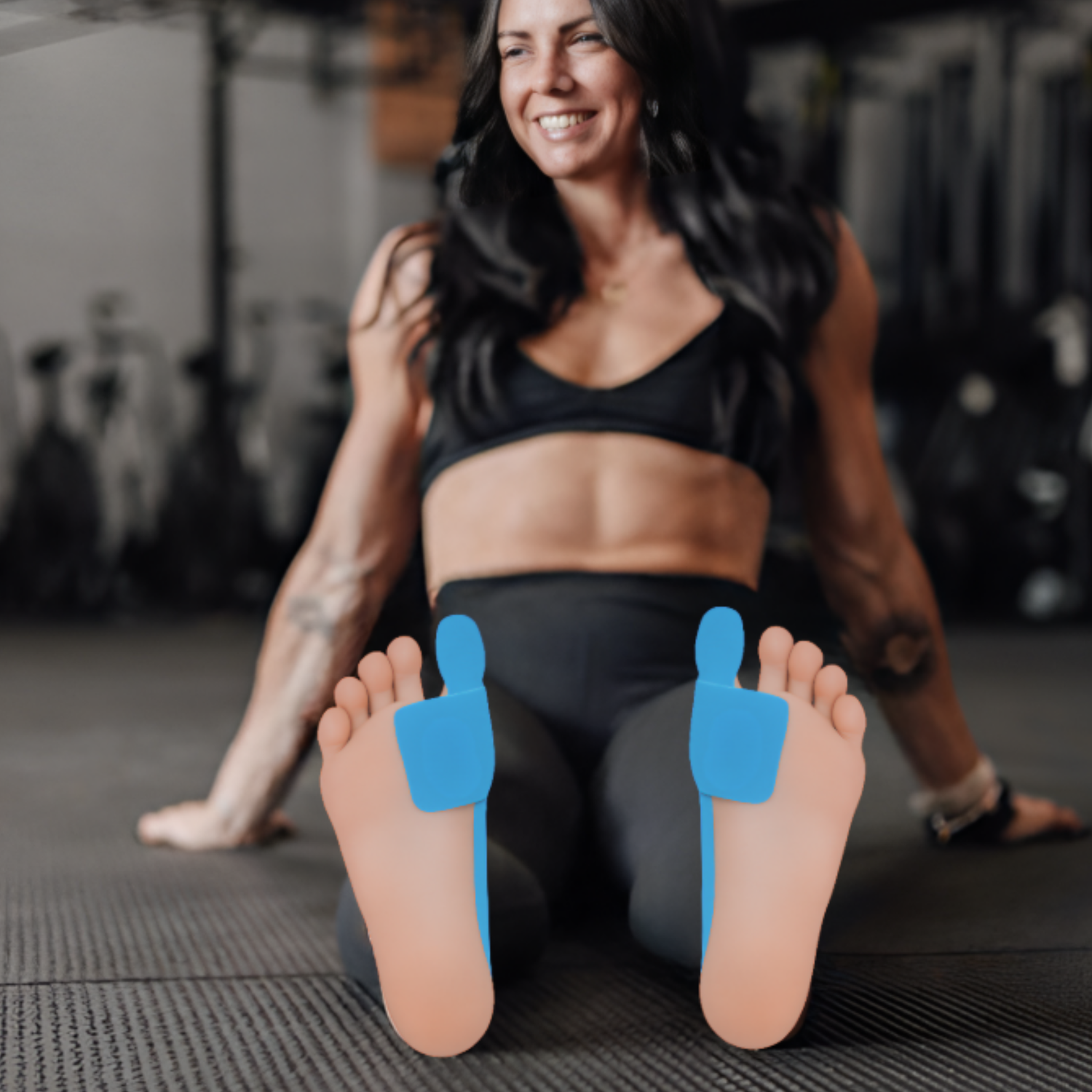
Toe Tape
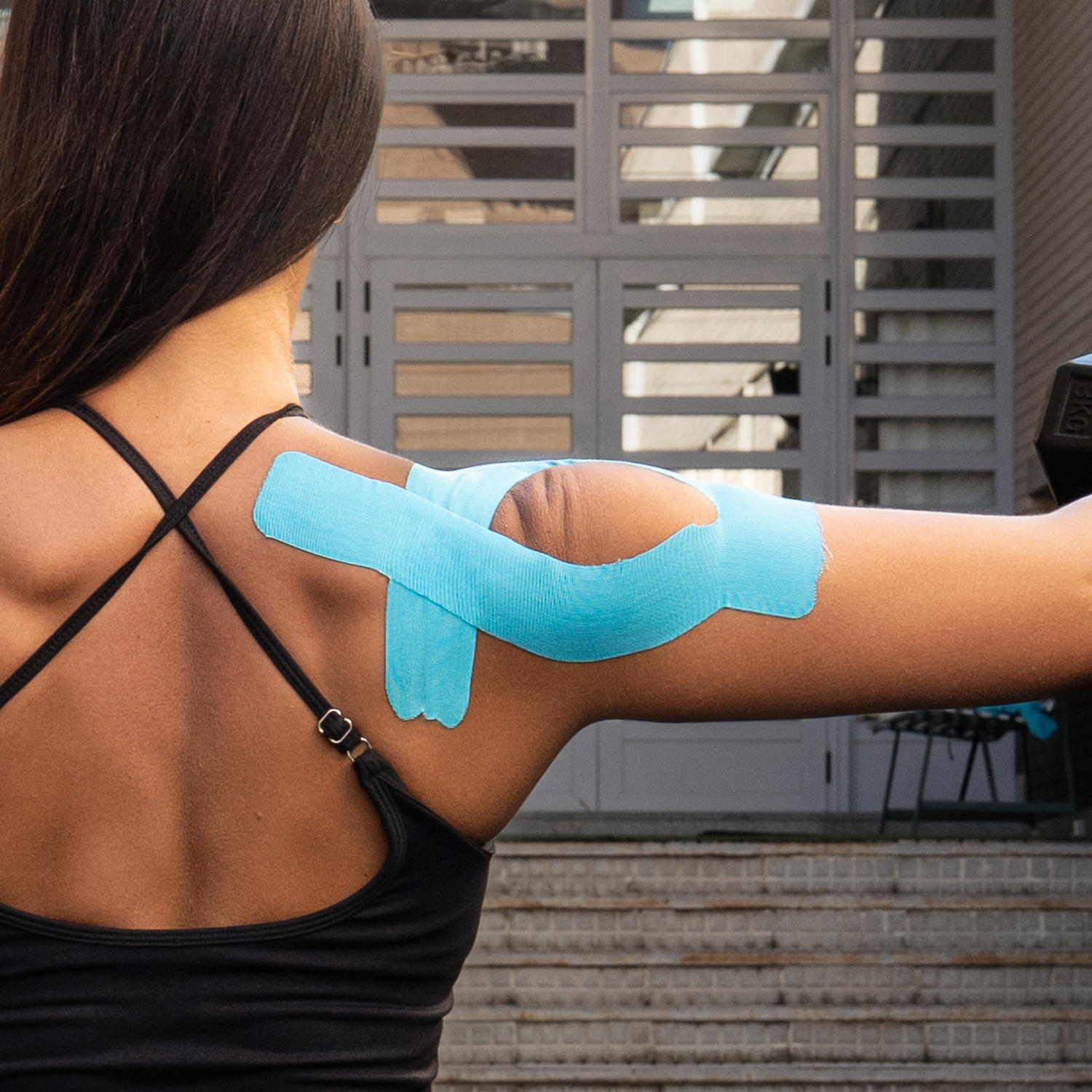
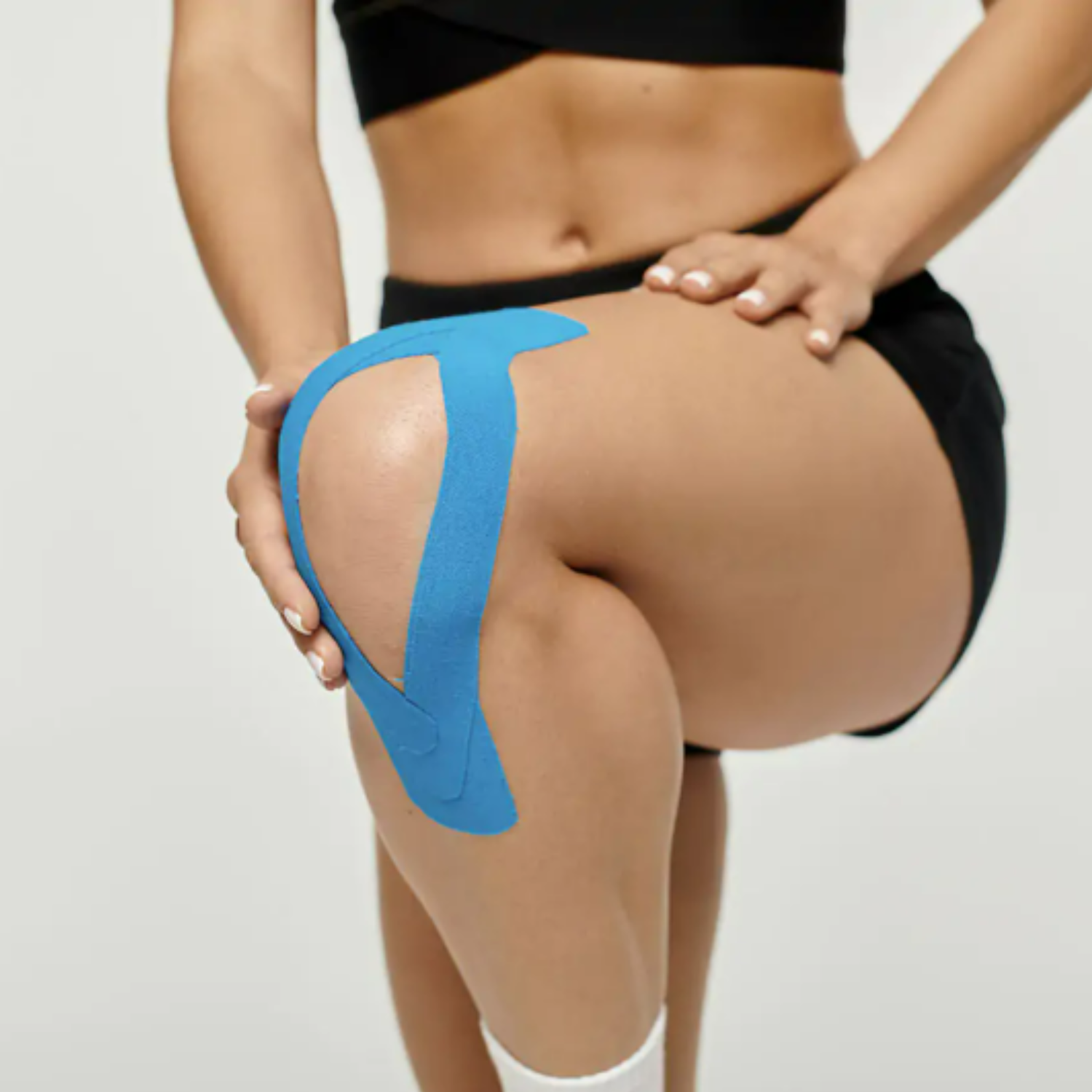
Using toe tape can provide stabilization and support, especially during activities that require extensive standing or walking. It gently holds the toes in their correct position, potentially reducing the risk of bunions developing further.
Exercises for Healthy Feet
Regular strengthening and stretching exercises are vital for maintaining foot health and preventing bunions:
Stretching Exercises
- Toe Stretch: Sit in a comfortable position, and gently pull your big toe away from the others. Hold for 10 seconds and repeat several times.
- Calf Stretch: Stand facing a wall and push your hands against it while keeping one leg back and the heel down. Hold for 15 seconds before switching legs.
Strengthening Exercises
- Marble Pick-Up: Place several marbles on the ground and use your toes to pick them up, one by one, and place them in a bowl. This improves toe strength and dexterity.
- Toe Raises: Stand with your feet flat on the ground, then lift your toes while keeping your heels down. Hold for a few seconds and release. Repeat several times.
Maintaining a Healthy Weight
Your overall body weight plays a crucial role in foot health. Extra weight can put additional pressure on your feet, increasing the risk of bunion formation. Adopting a balanced diet and engaging in regular physical activity can help you maintain a healthy weight, ultimately benefiting your feet.
Seeking Professional Guidance
If you experience ongoing pain or discomfort related to bunions, consulting a podiatrist or foot specialist is essential. They can provide personalized advice and treatment options based on your specific condition. Early intervention can help prevent the progression of bunions and improve your quality of life.
You Can Make a Difference!
Prioritizing foot care is vital in preventing bunions and maintaining overall foot health. By practicing good hygiene, choosing the right footwear, utilizing supportive products, and engaging in foot exercises, you can significantly reduce your risk of experiencing bunions. Don’t underestimate the power of these simple yet effective habits! Start taking charge of your foot health today, and enjoy more comfortable and pain-free days ahead. Remember, every step matters when it comes to keeping your feet healthy.
Frequently Asked Questions
1. What are bunions and how do they form?
2. How can I prevent bunions?
3. What types of shoes should I wear to avoid bunion issues?
4. Are there specific products that can help manage bunions?
5. What exercises can help maintain healthy feet and prevent bunions?
Glossary
| Term | Meaning |
|---|---|
| Bunions | A foot condition where the big toe angles toward the second toe, causing pain. |
| Toe Tape | A supportive tape used to stabilize toes and prevent bunion progression. |
| Foot Hygiene | Daily cleaning and care of feet to prevent infections and complications. |
| Moisturizing | Applying lotion to keep foot skin supple and prevent dryness. |
| Orthotic Insoles | Custom or over-the-counter inserts that provide arch support and comfort. |
| Toe Separators | Devices that help align toes and reduce pressure on bunions. |
| Stretching Exercises | Movements aimed at improving flexibility and reducing bunion risk. |
| Healthy Weight | Maintaining a balanced diet and exercise to reduce foot pressure. |
| Podiatrist | A foot specialist who provides treatment and advice for foot issues. |
| Footwear | Shoes selected for comfort and fit to prevent bunion development. |
Linked Product

Bunion Relief Bundle
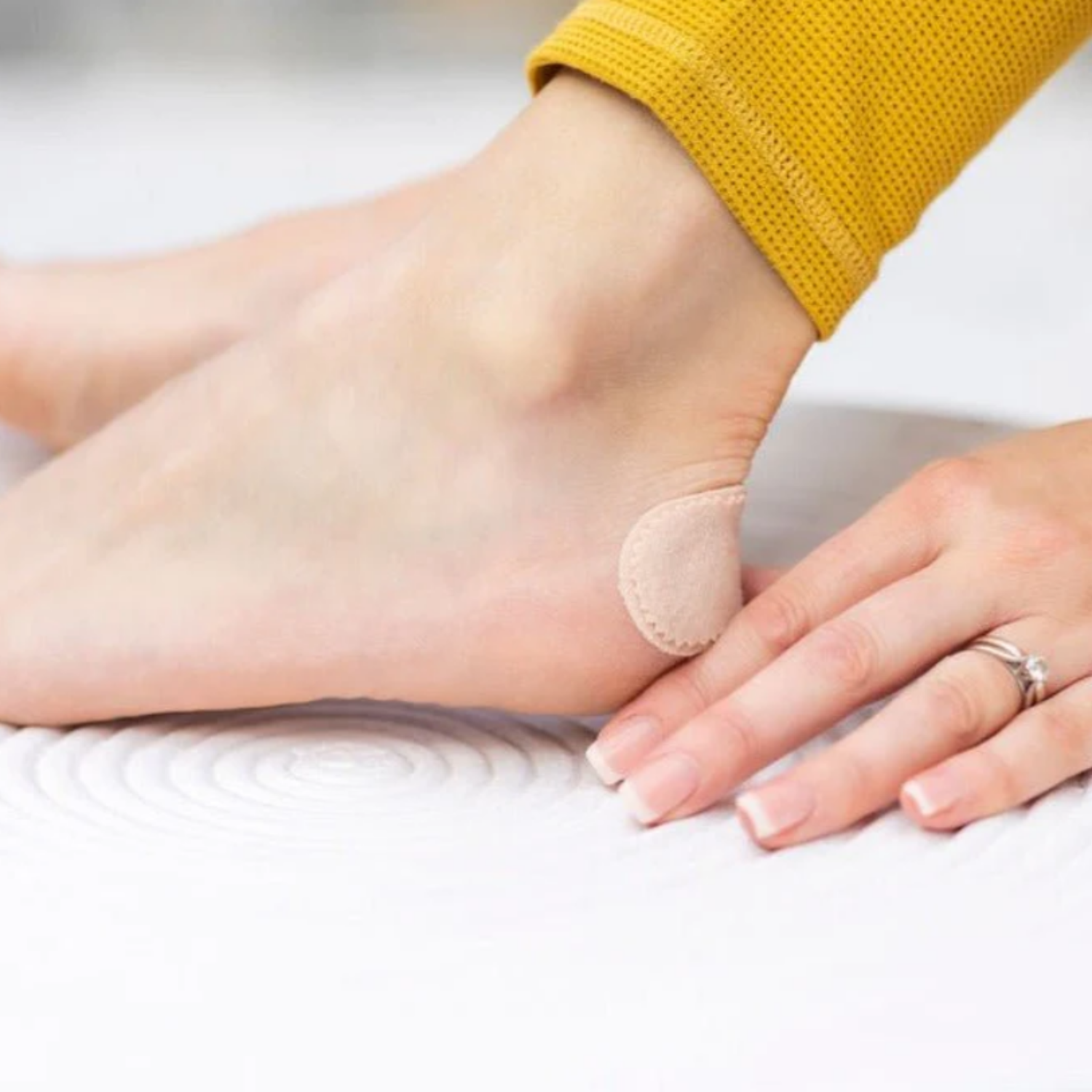
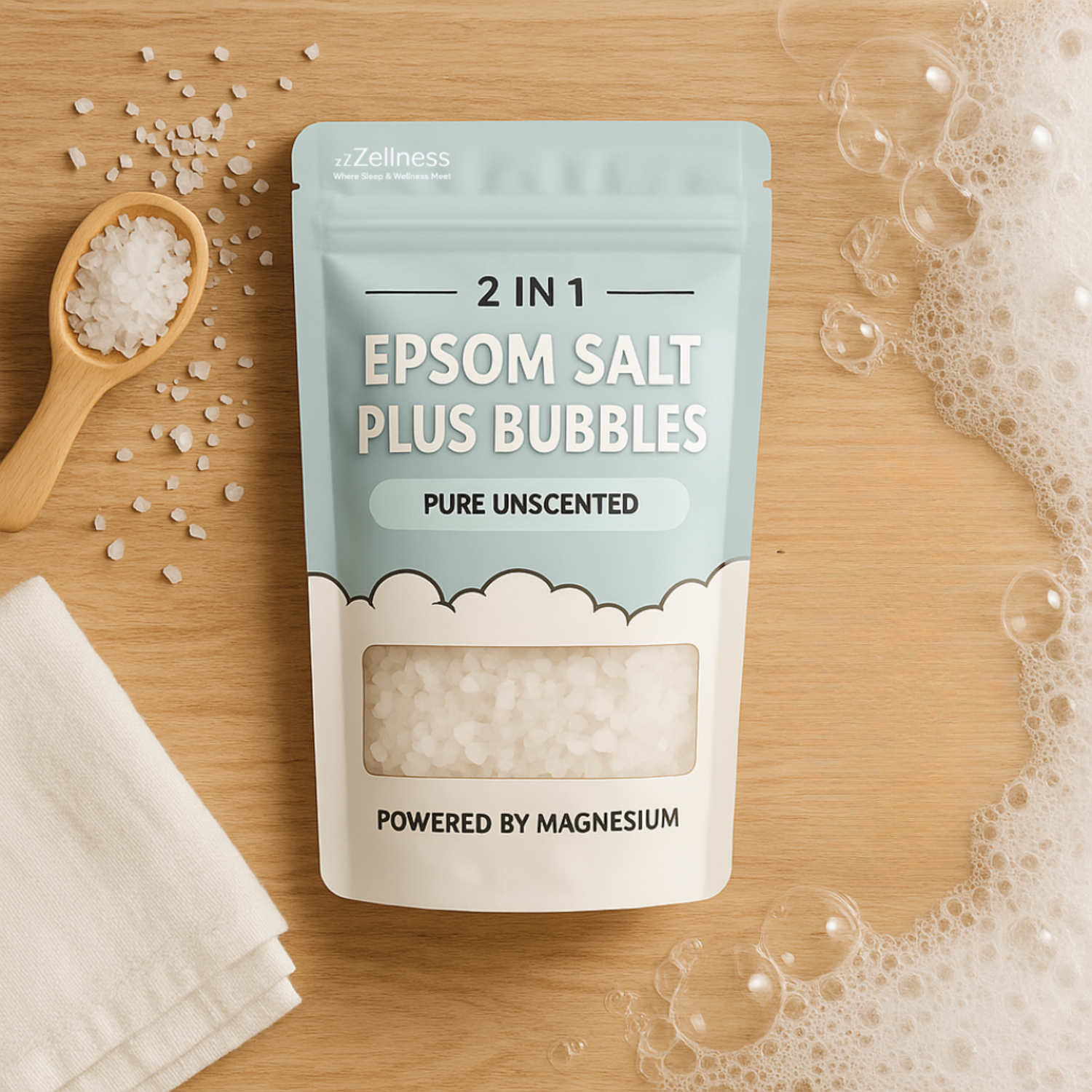
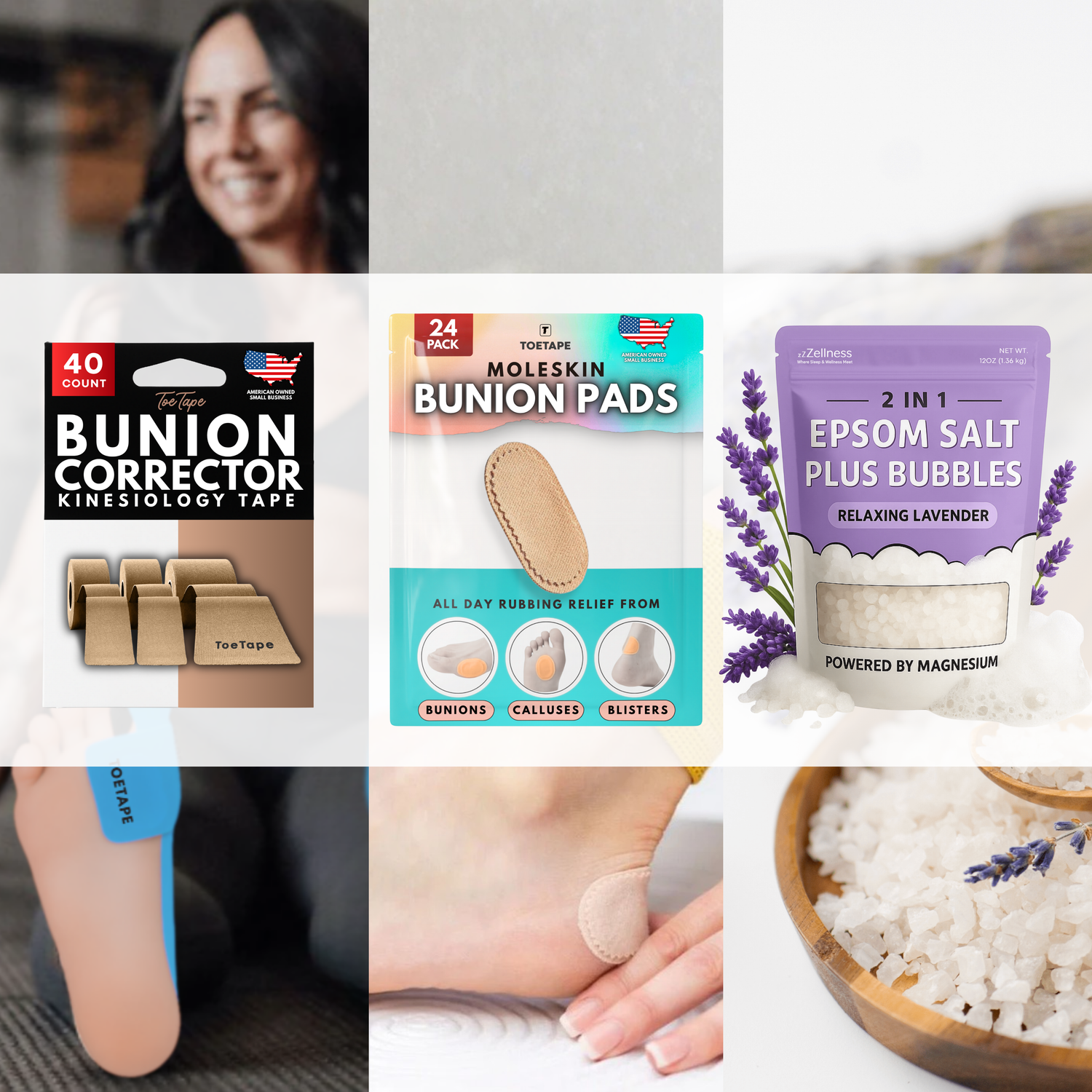
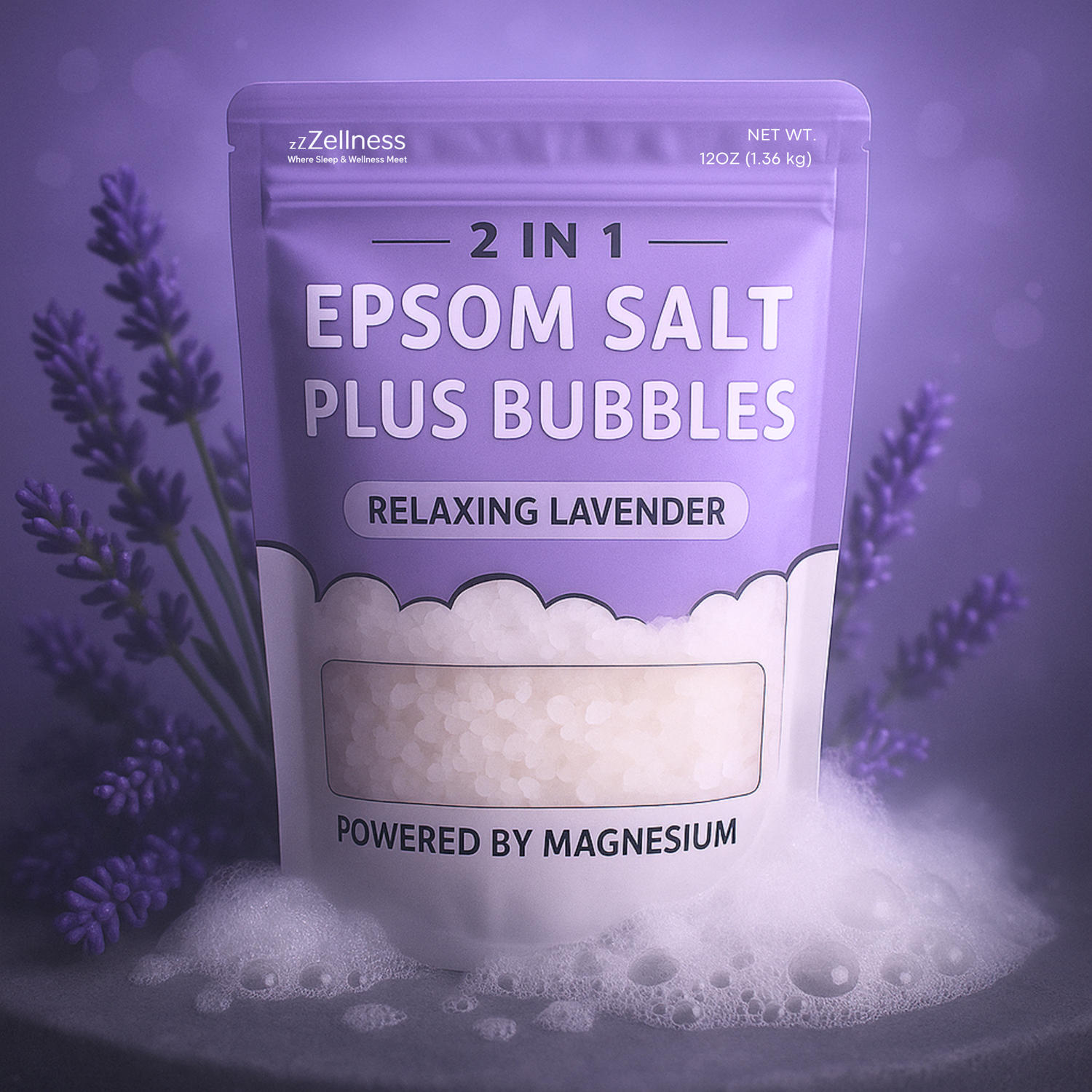
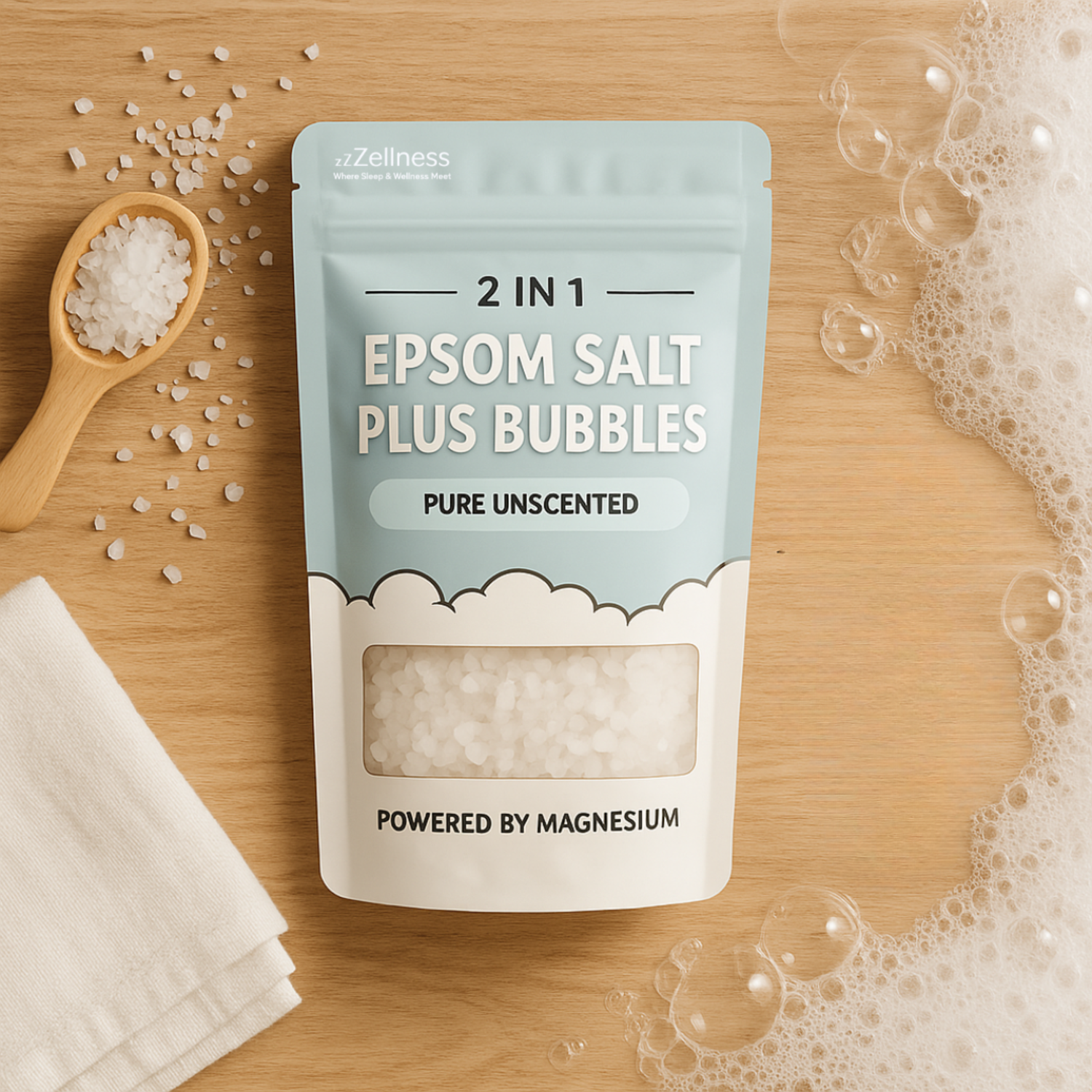
The Bunion Relief Bundle is designed to provide comprehensive support for foot comfort and recovery. It includes ToeTape™ Bunion Corrector Tape for realigning the big toe, Moleskin Bunion Pads to protect against friction, and Epsom Salts + Foaming Bubbles to relax sore feet and reduce inflammation. This combination helps alleviate pain and promotes faster recovery, making it suitable for those on their feet all day or engaging in intense training.
View Product