









Overview
Bunions can cause pain and mobility issues, but exercises, kinesiology tape, and proper footwear can help alleviate discomfort. Incorporate stretching and strengthening exercises into your routine, use kinesiology tape for added support, and choose shoes with a wide toe box and good arch support for effective bunion relief. Consistency and listening to your body are key to managing this condition.
Frequently Asked Questions
1. What are bunions and what causes them?
2. What exercises can help alleviate bunion pain?
3. How can kinesiology tape assist in bunion pain management?
4. What footwear is recommended for managing bunion pain?
5. How important is consistency in managing bunion pain?
Bunions can be a painful and frustrating condition that affects many individuals, often leading to discomfort and mobility issues. Fortunately, there are exercises that can help alleviate bunion pain and improve foot function. In this article, we will explore various effective exercises designed to provide bunion relief, along with insights on how kinesiology tape for bunions can enhance your treatment plan. So, let’s dive right into these strategies that can help you step more comfortably!
Understanding Bunions and Their Causes
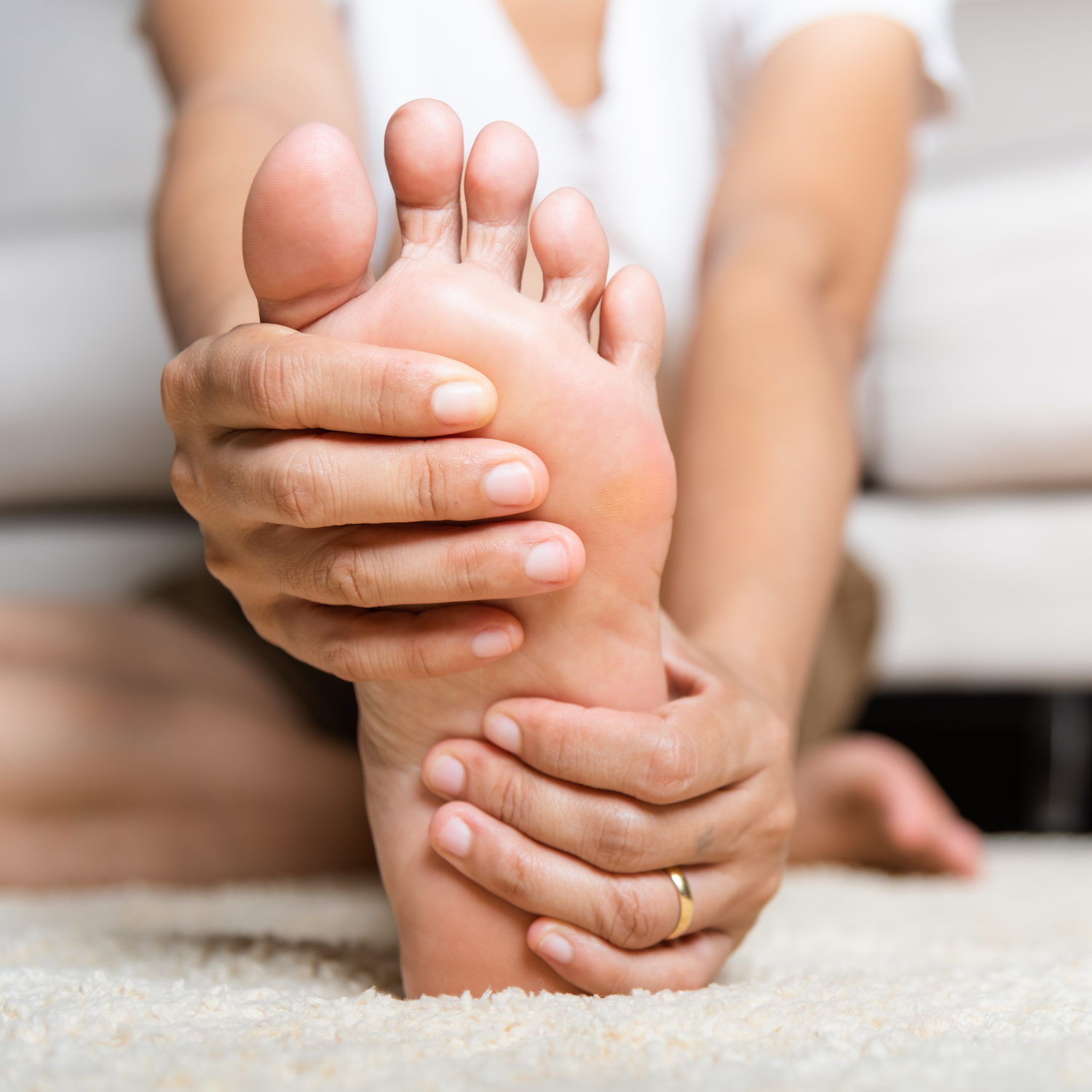
A bunion, medically known as Hallux Valgus, is a bony bump that forms at the base of the big toe. It occurs when the big toe deviates towards the second toe, causing the joint to protrude. This condition can be exacerbated by a variety of factors including:
- Genetics: A family history of bunions can increase your risk.
- Footwear: High heels and tight shoes can contribute to the formation of bunions.
- Foot Structure: Flat feet or abnormal foot mechanics can lead to bunion development.
- Arthritis: Certain types of arthritis can exacerbate the condition.
Early intervention is key, and incorporating simple exercises into your daily routine can play a significant role in managing bunion pain.
Exercises for Bunion Relief
Stretching and Strengthening
One of the most effective ways to alleviate bunion pain is through a combination of stretching and strengthening exercises focused on the foot and toes. Here are several exercises to consider:
1. Toe Stretch
Begin by sitting comfortably. Use your hands to gently stretch your big toe away from the second toe. Hold this stretch for about 15 to 30 seconds and repeat 3 times. This exercise helps release tension in the joint and can improve flexibility.
2. Towel Scrunch
Place a small towel on the floor in front of you. Using your toes, scrunch the towel towards you, using the muscles in your feet. Repeat this motion 10 to 15 times. This exercise strengthens the intrinsic muscles in your feet, supporting better alignment of the big toe.
3. Marble Pickup
Spread a few marbles on the floor and, using your toes, pick them up one at a time and place them in a nearby bowl. This fun exercise enhances dexterity and strength in your toes, which can help in alleviating bunion pain over time.
4. Toe Splay
While sitting, attempt to spread your toes apart as wide as you can. Hold this position for 5 to 10 seconds and repeat 10 times. This exercise can help strengthen the muscles that control toe alignment.
Balance and Alignment
In addition to strength exercises, maintaining proper balance and alignment is essential. Here are a couple of exercises that can elevate your foot's alignment:
5. Heel Raises
Stand with your feet hip-width apart. Slowly raise your heels off the ground and balance on your toes. Hold this position for a few seconds before lowering back down. Repeat 10 to 15 times. This exercise strengthens the calf muscles and improves stability, which is crucial for proper foot mechanics.
6. Single-leg Stand
Stand on one leg while keeping your other leg bent at the knee. Hold for 30 seconds and switch legs. This simple exercise enhances your balance and stabilizes the muscles around your feet and ankles.
Incorporating Kinesiology Tape for Bunions
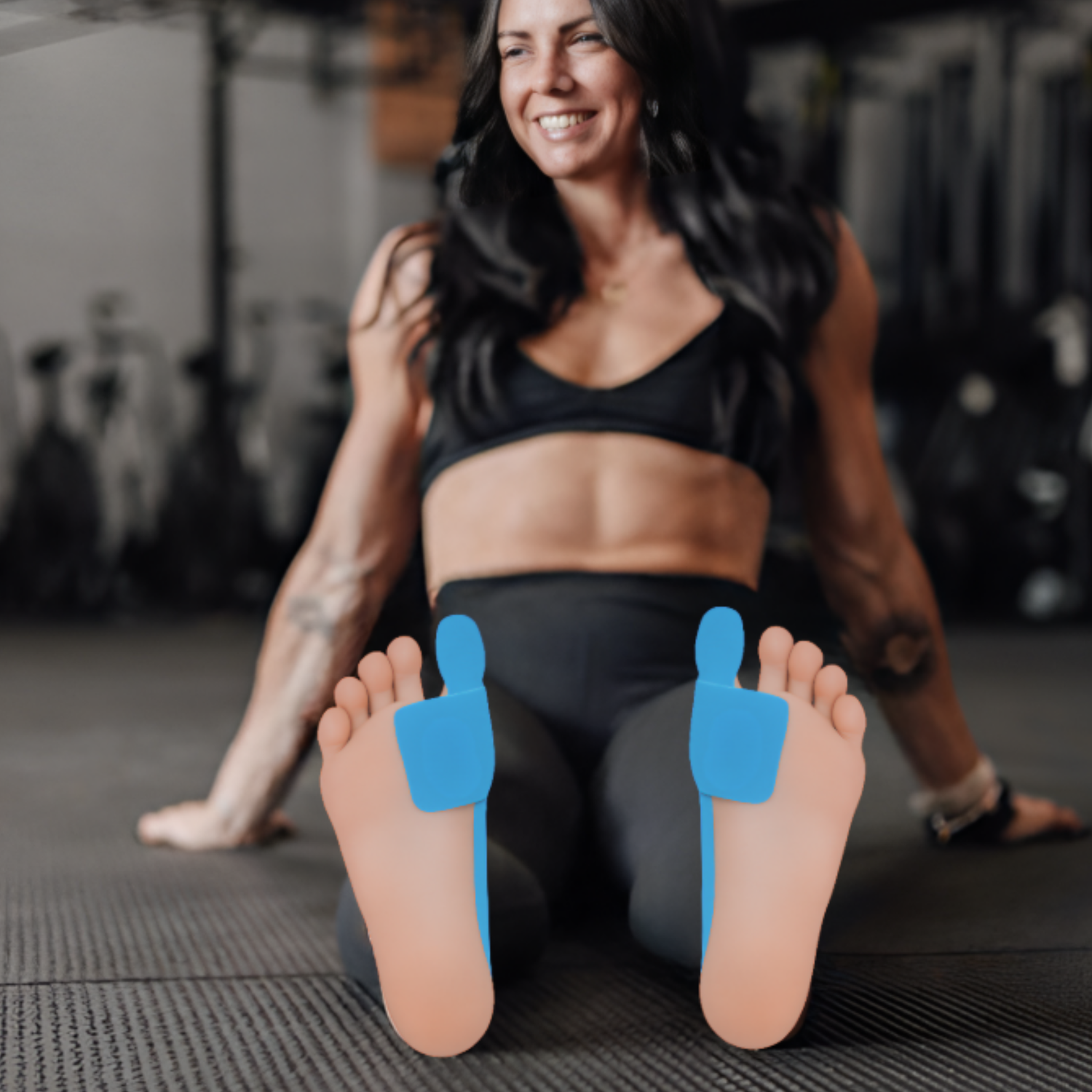
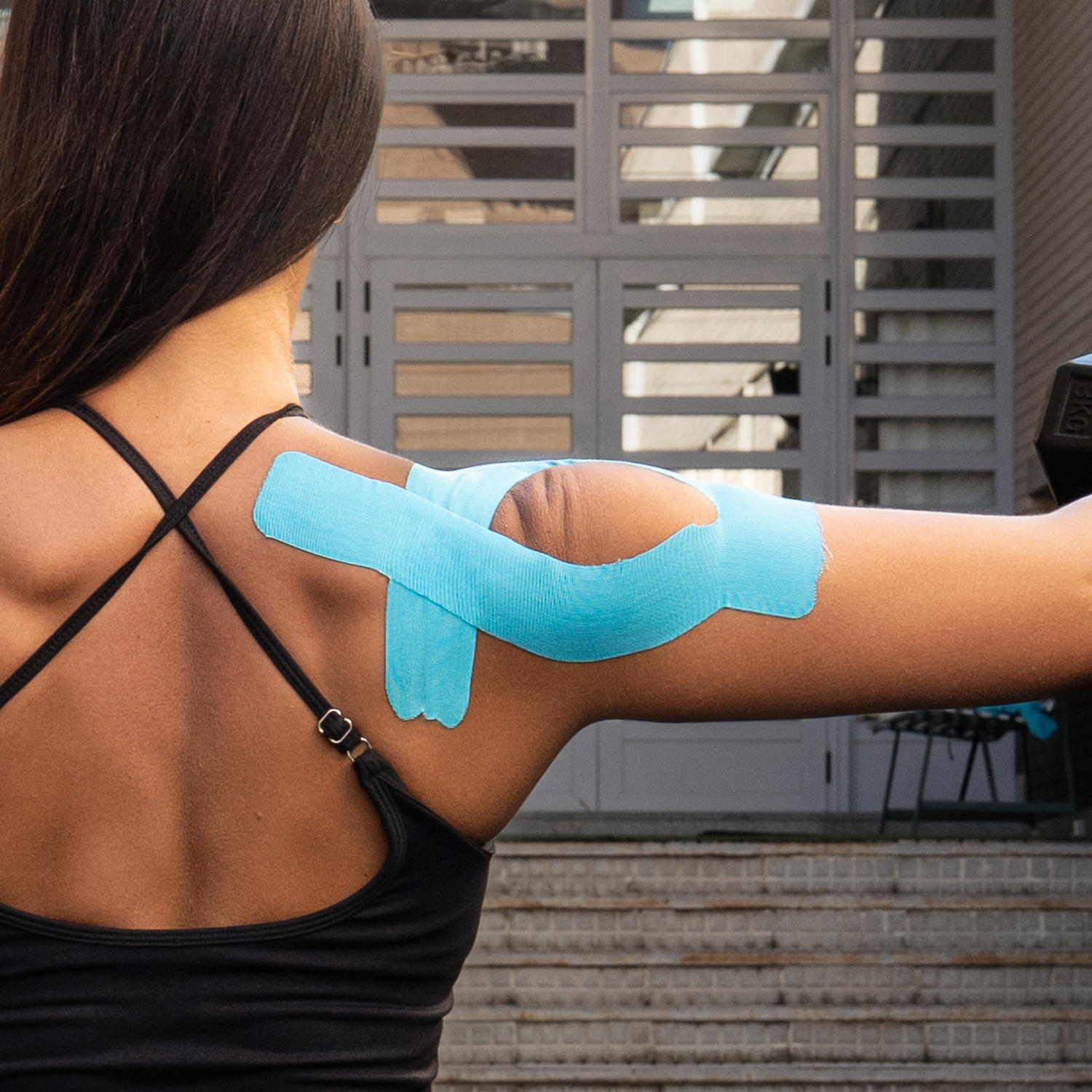
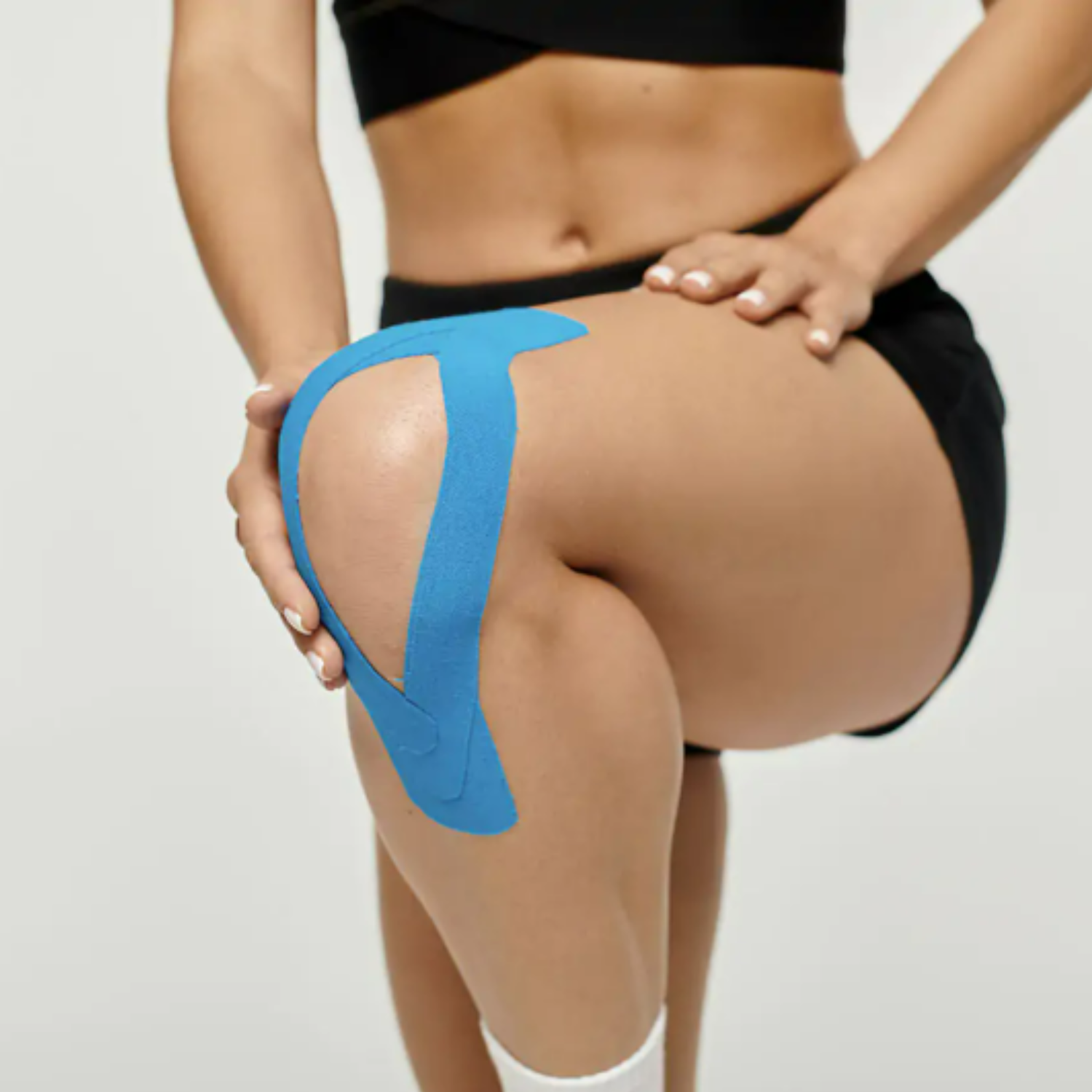
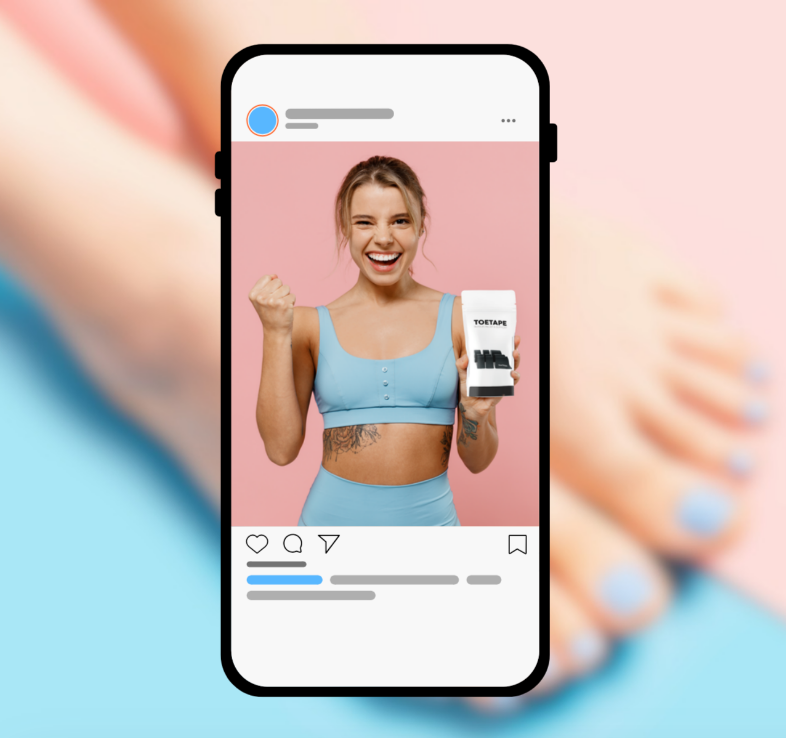
Many people find that pairing their exercise routine with kinesiology tape for bunions can provide additional support and promote healing. Kinesiology tape works by lifting the skin slightly, which can help alleviate pain and swelling by increasing blood flow to the area. Here’s how to use kinesiology tape:
How to Apply Kinesiology Tape
Before applying kinesiology tape, ensure the skin is clean and dry. Cut a strip of tape and round the edges to prevent peeling. Here are some basic steps to follow for bunion support:
- Start by anchoring the tape at the base of the big toe.
- Gently pull the tape along the side of the bunion, avoiding excessive tension.
- Finish by securing the tape on the outer side of the foot.
Using kinesiology tape while engaging in your exercise routine can enhance the effectiveness of the stretches and strengthen the targeted muscles around the bunion, providing added stability and pain relief.
Footwear Choices for Bunion Pain Management
In addition to exercises and tape application, being mindful of your footwear is crucial in managing bunion pain. Here are some tips to consider when choosing shoes:
- Opt for Wide Toe Boxes: Shoes with a wide toe box allow your toes to splay naturally without being cramped.
- Avoid High Heels: Restricting the foot’s motion can worsen bunion pain; choose flat or low-heeled shoes instead.
- Look for Arch Support: Proper arch support helps distribute weight evenly and aids in overall foot alignment.
When combined with the exercises and kinesiology tape, the right footwear can significantly contribute to your bunion relief journey.
Consistency is Key
It’s important to remember that alleviating bunion pain is not an overnight fix. Consistency is key to effectively managing and improving the condition. Aim to incorporate these exercises into your daily routine to see noticeable results over time. Pairing your physical efforts with proper footwear and kinesiology tape for bunions can create a comprehensive approach to relief.
Listen to Your Body
As you embark on this journey toward healing, always be in tune with your body. If any of the exercises cause increased pain, it’s advisable to stop and consult a healthcare professional. Being proactive about your foot health is essential for long-lasting relief.
Next Steps on Your Bunion Relief Journey
As you embark on the journey to managing your bunion pain, remember that you have the power to make significant changes. By incorporating simple exercises into your daily routine, using kinesiology tape for bunions, and being mindful of your footwear choices, you’re setting the stage for better foot health. Embrace these strategies and listen to your body, paving the way to a comfortable and active lifestyle. Keeping your feet healthy will allow you to focus on what you love without the burden of bunion pain!
Linked Product

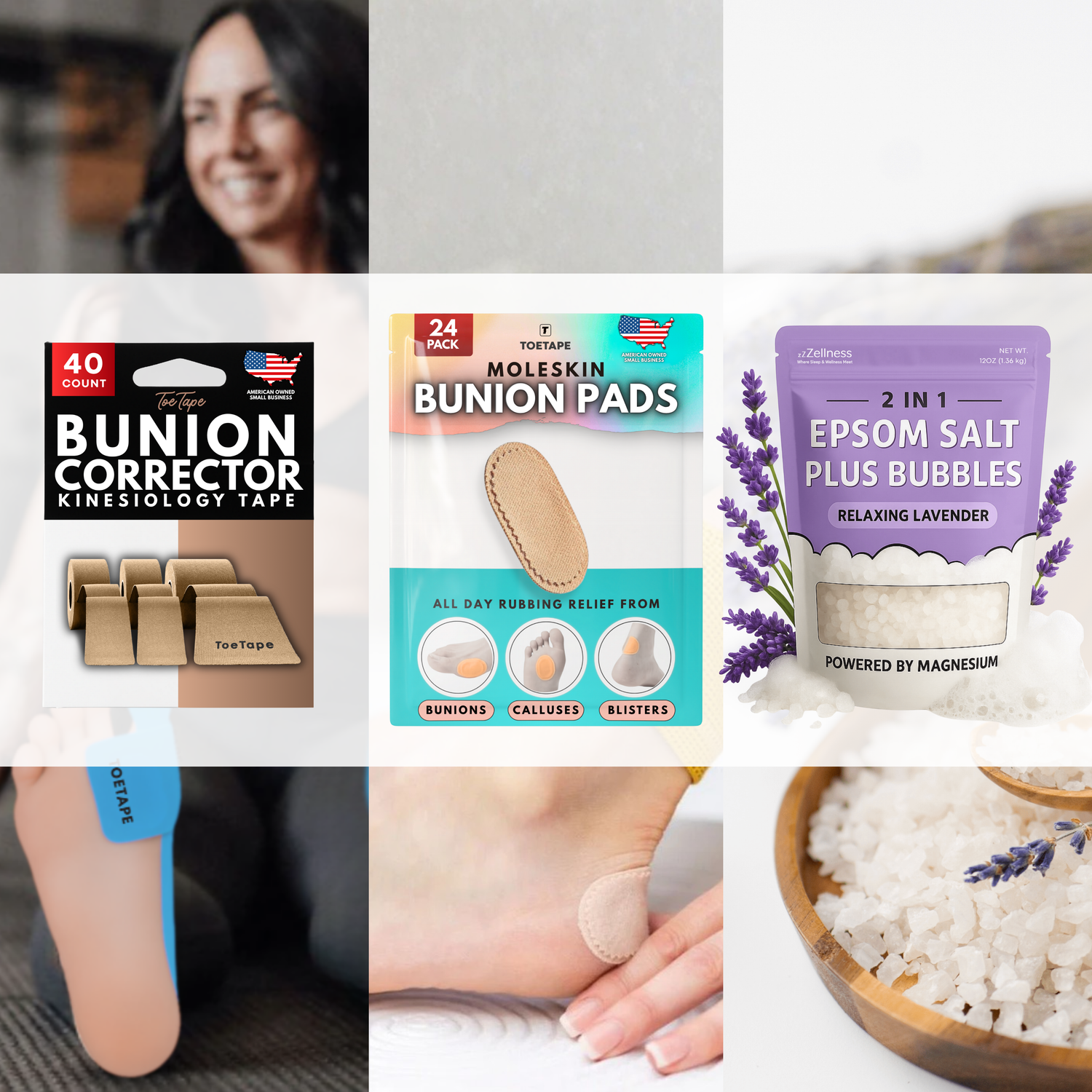
Bunion Relief Bundle
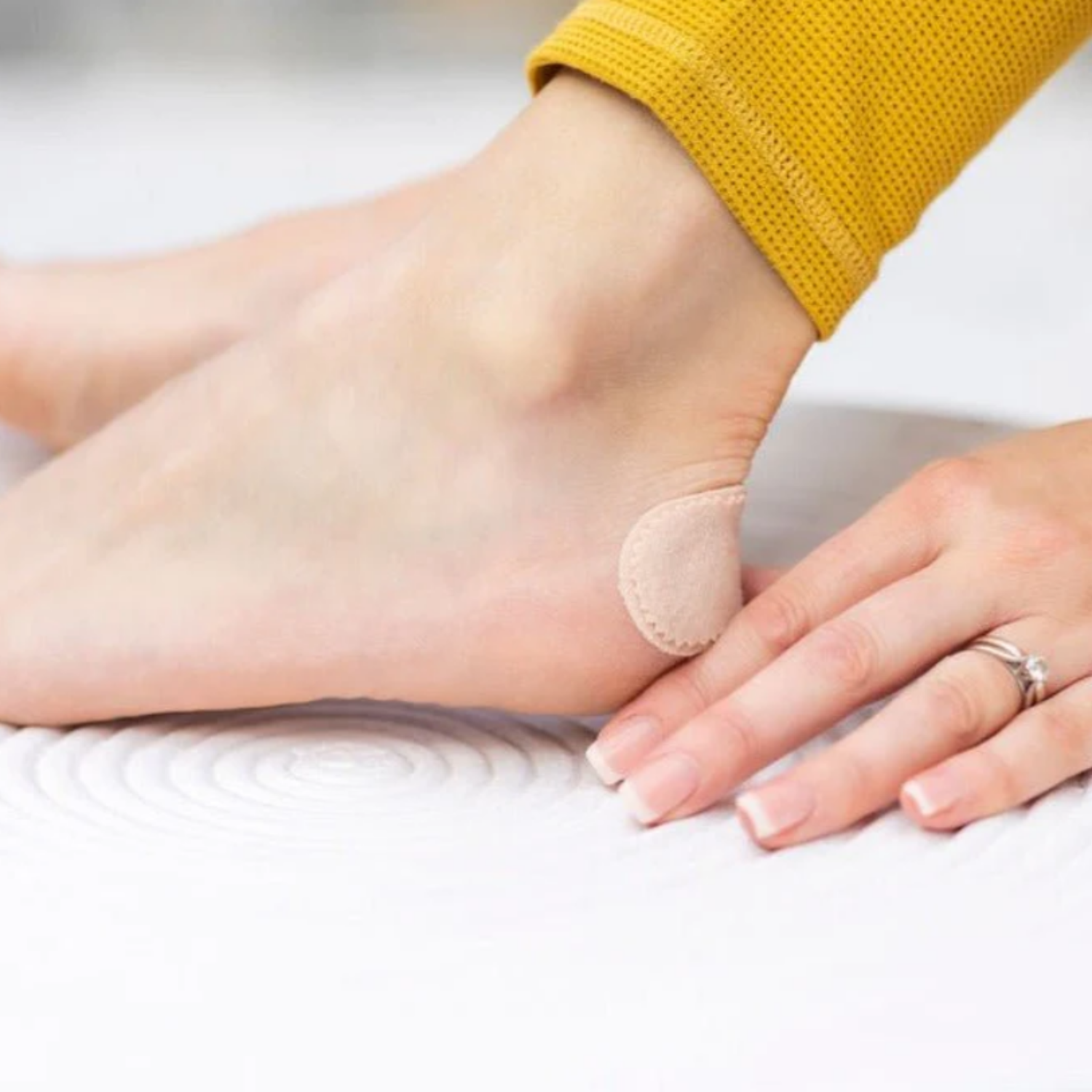
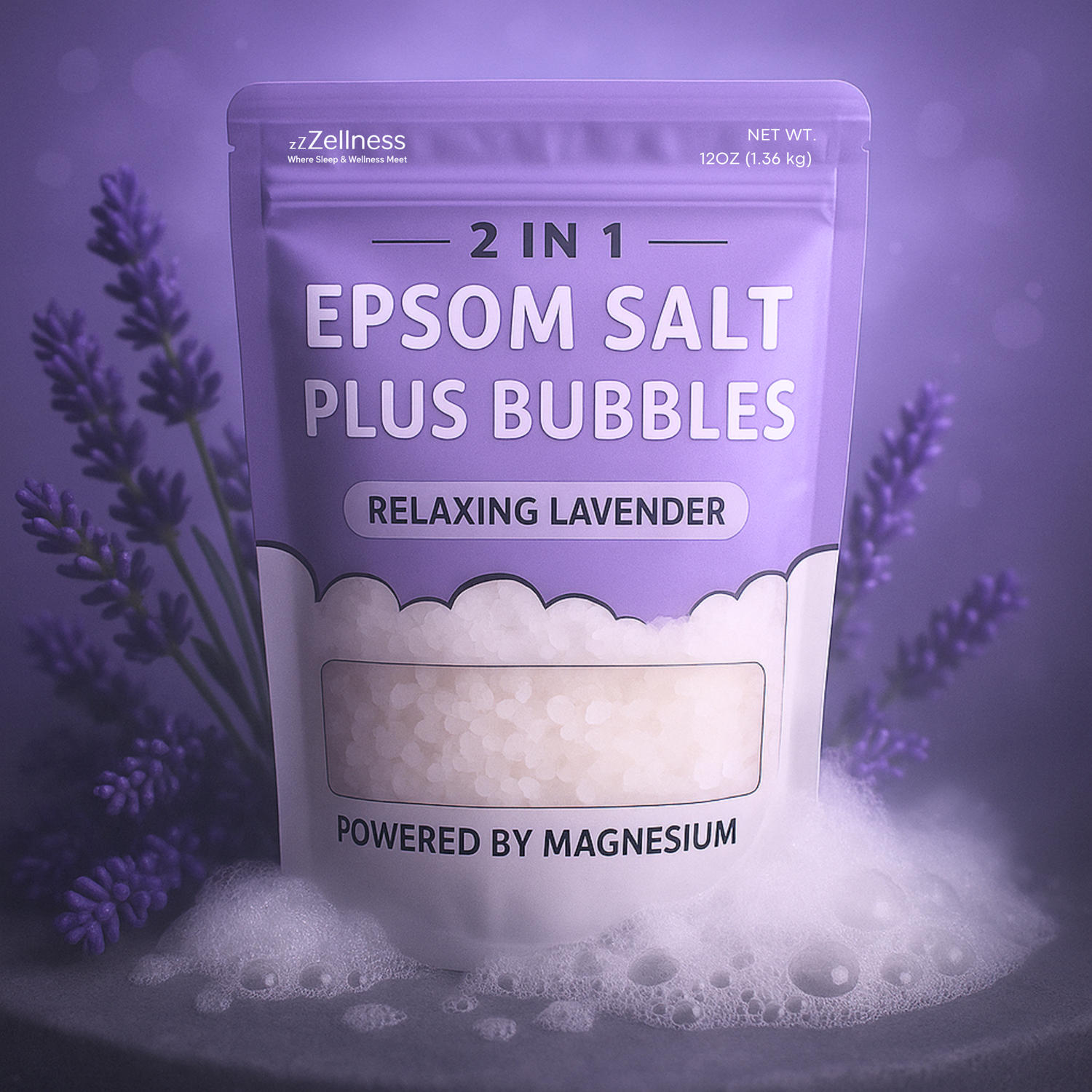
The Bunion Relief Bundle offers a comprehensive solution for those seeking comfort and support for bunion pain. Featuring professional-grade kinesiology tape, protective moleskin pads, and a soothing Epsom salt soak, this bundle addresses pain, friction, and recovery needs. Ideal for individuals who spend long hours on their feet or engage in regular physical activity, it promotes natural alignment and helps maintain foot health.
View Product