










Overview
Bunions are painful bumps at the base of the big toe caused by misalignment and can be exacerbated by poor footwear choices. High heels, flip-flops, and unstable running shoes contribute to their development. To prevent bunions, choose shoes with a wide toe box, prioritize comfort, and ensure good arch support. Additionally, consider foot exercises, orthotics, and gel toe spacers for relief. Making informed footwear choices is essential for long-term foot health and comfort.
Table of Contents
- What Are Bunions?
- The Role of Footwear in Bunion Development
- High Heels and Narrow Toe Boxes
- Flip-Flops and Lack of Arch Support
- Running Shoes that Lack Stability
- Choosing the Right Footwear
- Additional Strategies for Bunion Relief
- Foot Exercises
- Foot Orthotics
- Gel Toe Spacers
- The Long-Term Impact of Footwear Choices
- Finding the Right Balance
Key Takeaways
- Bunions are caused by misalignment of the big toe, leading to painful bony bumps.
- Footwear significantly contributes to bunion development, especially shoes with narrow toe boxes.
- High heels can exacerbate bunions by forcing toes into a cramped position.
- Flip-flops lack arch support, increasing the risk of bunion formation.
- Choosing shoes with a wide toe box and good arch support can help prevent bunions.
- Regularly assess and replace worn-out shoes to maintain foot health.
- Incorporating foot exercises and using gel toe spacers can provide relief and support for bunions.
Bunions, those painful bony bumps that form at the base of your big toe, can hinder your ability to walk comfortably and affect your overall quality of life. While genetics can play a significant role in bunion development, the footwear we choose is often an overlooked contributor. Understanding the connection between your shoes and bunion formation can empower you to make informed choices for healthier feet. In this blog, we will explore how different types of footwear contribute to bunion development and what you can do to alleviate the discomfort associated with bunions.
What Are Bunions?
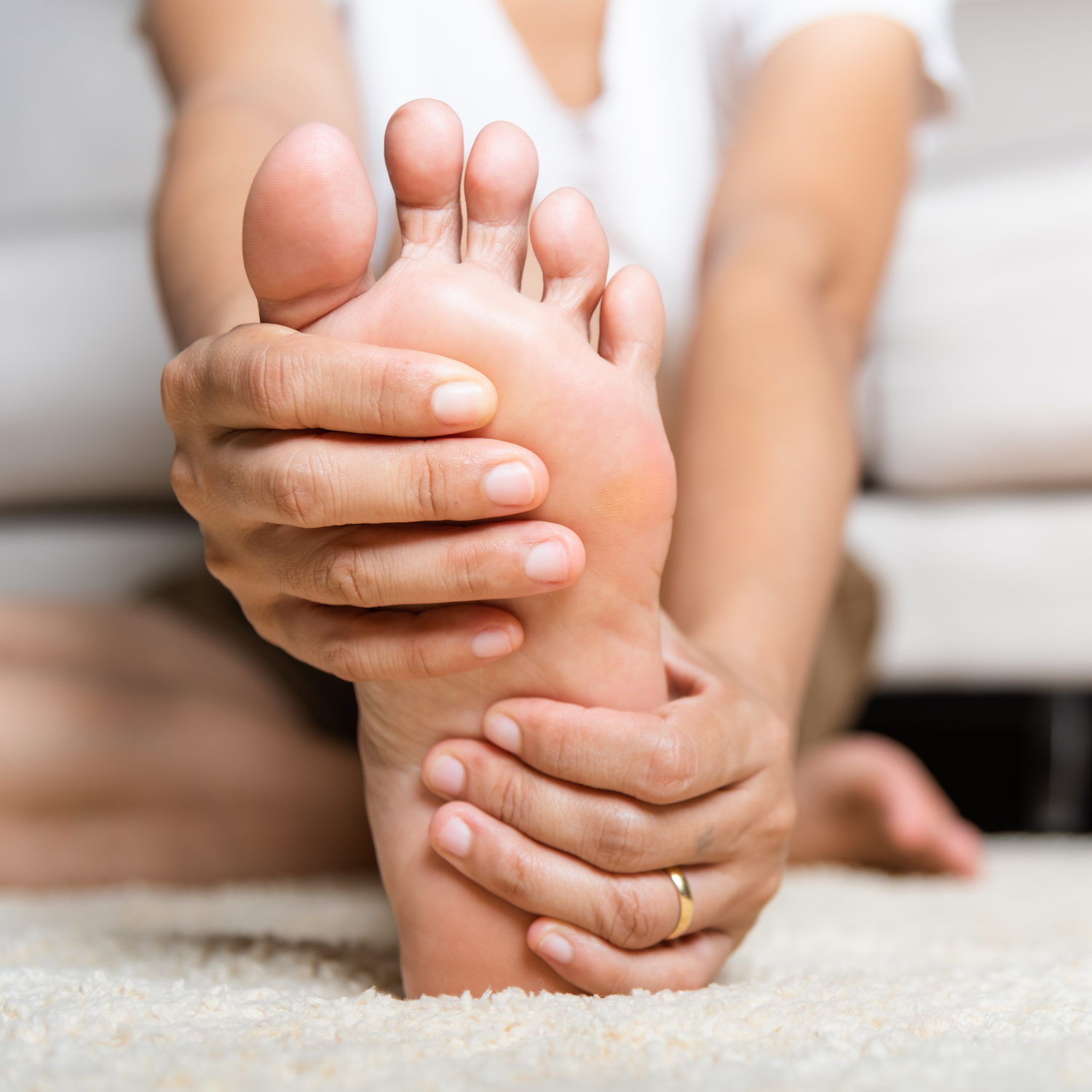
A bunion, or hallux valgus, is characterized by the misalignment of the big toe, which then leans towards the second toe. This misalignment causes the bony prominence at the joint to protrude outward. Bunions can occur due to various factors, including inherited foot structures, the type of footwear worn, and overall foot mechanics. It’s essential to recognize the signs of a bunion early to seek appropriate bunion relief.
The Role of Footwear in Bunion Development
Your choice of footwear plays a substantial role in the development and progression of bunions. Wearing shoes that do not accommodate the natural shape of your foot may lead to increased pressure on the big toe joint, contributing to misalignment over time. Here's a closer look at how footwear impacts bunion formation:
High Heels and Narrow Toe Boxes
High heels are known for their stylish appeal, but they are often the culprit behind foot problems, including bunions. The elevated heel pushes your foot forward, causing your toes to squish into a narrow toe box. This unnatural position can result in the formation of bunions as pressure builds on the big toe joint. If you frequently wear high heels, consider switching to shoes with a wider toe box that provides ample room for your toes to move freely.
Flip-Flops and Lack of Arch Support
While flip-flops are a go-to summer favorite, they lack essential support for your feet. The minimal cushioning and lack of arch support can lead to over-pronation (when the foot rolls inward excessively), putting undue stress on your big toe joint. Instead of flip-flops, opt for sandals that have a supportive arch and a thicker sole. These changes can help reduce fatigue in your feet and lower the risk of bunion development.
Running Shoes that Lack Stability
For avid runners, the type of running shoes you choose can have significant repercussions on your foot health. Shoes that lack stability and cushioning can cause foot imbalances, contributing to bunions over time. It’s essential to invest in running shoes that conform to your foot shape and provide adequate support. Also consider adding a gel toe spacer to promote proper toe alignment when you run, helping to mitigate the risk of bunion formation.
Choosing the Right Footwear
To keep bunions at bay, understanding your foot type and choosing the right shoes becomes essential. Here are some tips for selecting footwear that can reduce the risk of developing bunions:
- Look for a Wide Toe Box: Ensure that your shoes have enough room for your toes to spread naturally. A wide toe box can prevent toe crowding and reduce pressure on the joint.
- Prioritize Comfort Over Style: While aesthetics are essential, opt for comfort. Shoes that fit well will promote healthy foot posture and reduce pain.
- Choose Supportive Designs: Consider shoes that offer good arch support and cushioning. This is particularly important if you're on your feet for extended periods.
- Limit Heel Height: Avoid high heels whenever possible. When you wear them, try to keep the heel height to a minimum to reduce pressure on the forefoot.
- Regularly Assess Your Footwear: Periodically review your shoes and replace them when they become worn out or lose support, as old shoes can exacerbate bunion symptoms.
Additional Strategies for Bunion Relief
Aside from being mindful of footwear, there are several strategies you can adopt for bunion relief:
Foot Exercises
Incorporating foot exercises into your routine can strengthen the muscles around your feet, helping improve stability. Exercises like toe stretches, toe curls, and arch lifts can go a long way in promoting flexibility and reducing bunion-related discomfort.
Foot Orthotics
Using custom orthotic inserts can provide additional support and alleviate pressure on the affected area. These inserts can help realign your foot, offering better distribution of weight and minimizing the risk of bunions worsening.
Gel Toe Spacers
Consider using gel toe spacers as a conservative treatment option for bunion relief. These soft, cushioned spacers can help realign your toes while providing a comfortable barrier between them. This slight adjustment can significantly reduce friction and pressure that may lead to bunion growth.
The Long-Term Impact of Footwear Choices
Being proactive about your footwear decisions is crucial for long-term foot health. By consciously choosing shoes that fit well and support your feet, you can greatly reduce the risk of developing bunions. Remember, your feet are the foundation of your body; keeping them healthy is vital for overall well-being.
Finding the Right Balance
While it’s impossible to completely eliminate the risk of bunions, understanding the connection between your footwear and bunion development empowers you to make choices aimed at prevention and relief. Take the time to invest in supportive shoes, practice foot health exercises, and consider using tools such as gel toe spacers to mitigate discomfort. Your feet will thank you for prioritizing their health and comfort, allowing you to enjoy every step you take.
With informed choices, you can step confidently into the future without the nagging complications of bunions. Begin your journey to better foot health today, and embrace the joy of walking comfortably!
Frequently Asked Questions
1. What are bunions?
2. How do footwear choices impact bunion development?
3. What types of shoes should I avoid to prevent bunions?
4. What features should I look for in shoes to reduce the risk of bunions?
5. What additional strategies can help alleviate bunion discomfort?
Glossary
| Term | Meaning |
|---|---|
| Bunion | A bony bump at the base of the big toe caused by misalignment. |
| Hallux Valgus | The medical term for bunions, referring to the big toe's misalignment. |
| Toe Box | The front part of a shoe that houses the toes. |
| Arch Support | Support in footwear that helps maintain the foot's natural arch. |
| Over-Pronation | Excessive inward rolling of the foot during walking or running. |
| Foot Orthotics | Custom inserts designed to support and align the foot. |
| Gel Toe Spacers | Soft spacers used to realign toes and reduce friction. |
| Foot Mechanics | The way your feet move and function during activities. |
| Foot Fatigue | Tiredness or discomfort in the feet after prolonged activity. |
| Supportive Footwear | Shoes designed to provide comfort and stability for the feet. |
Linked Product

Bunion Relief Bundle
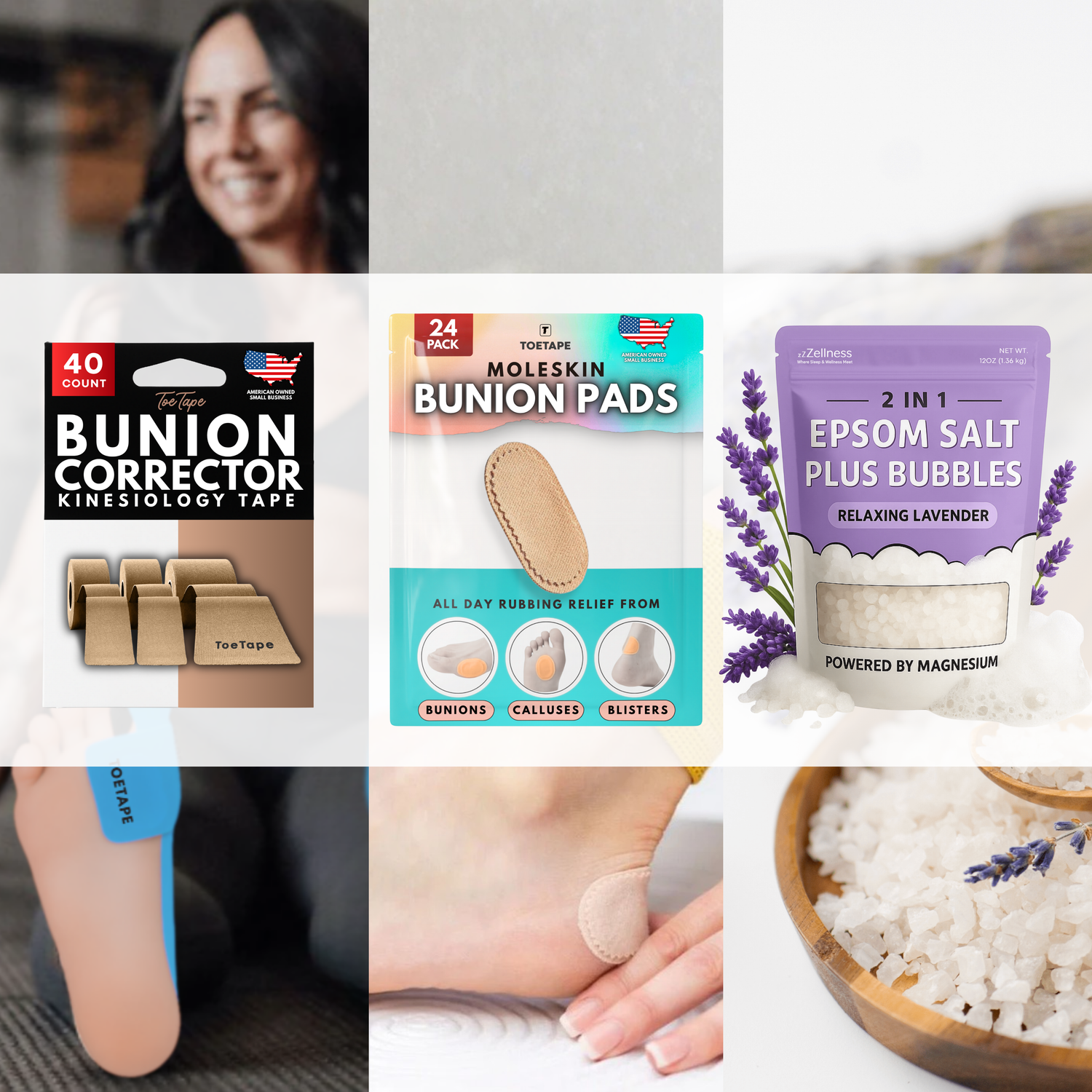
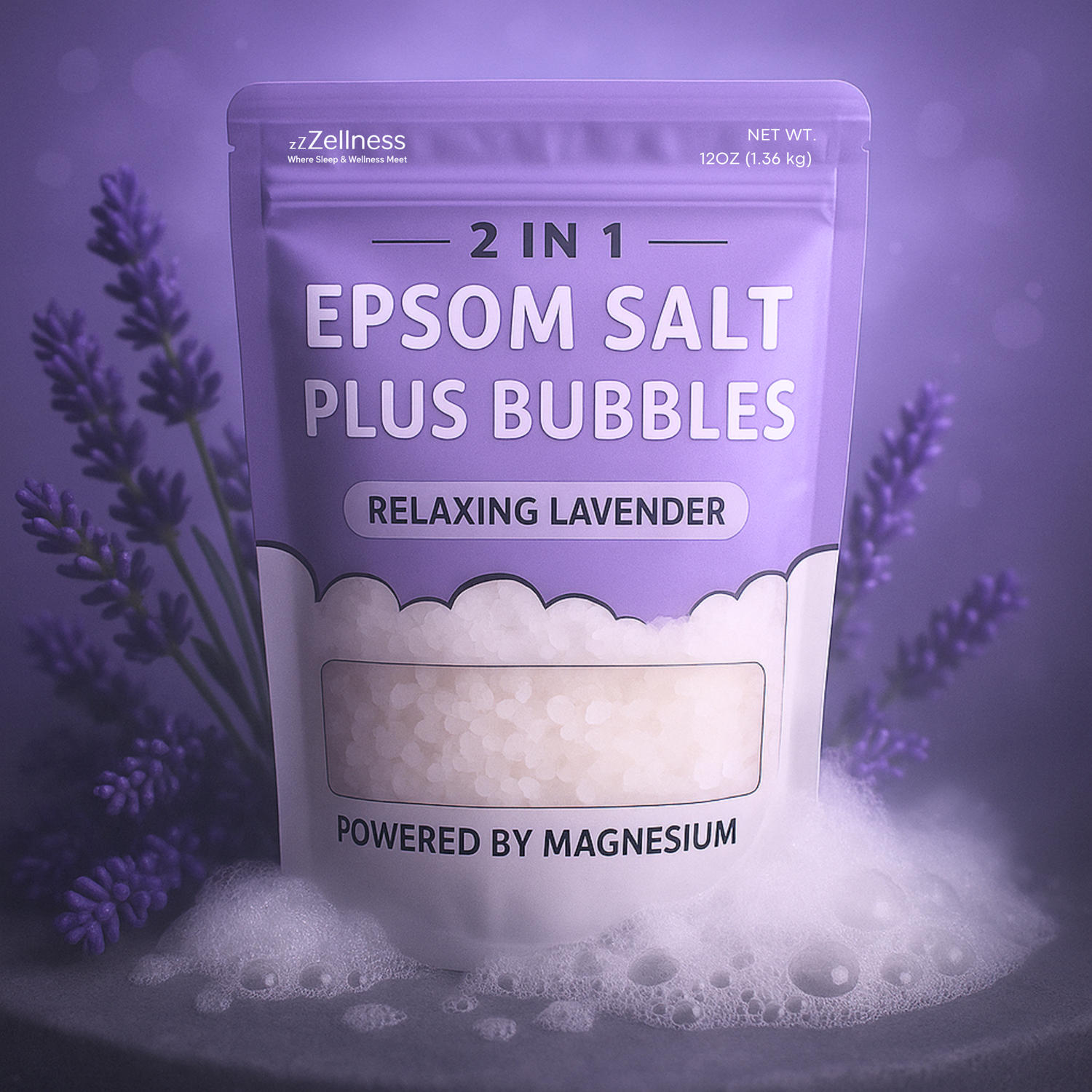
The Bunion Relief Bundle offers a comprehensive solution for foot comfort and recovery. This bundle includes ToeTape™ Bunion Corrector Tape for gentle realignment, Moleskin Bunion Pads to prevent friction and irritation, and Epsom Salts + Foaming Bubbles for soothing sore feet and reducing inflammation. Together, these products aim to relieve pain and support natural alignment, making it suitable for anyone on their feet for extended periods.
View Product