











Overview
This article explores the common foot deformity known as bunions and highlights the role of orthotic devices, such as gel toe spacers, in alleviating associated pain and discomfort. Readers will learn how orthotics can help correct foot alignment, provide cushioning, and enhance overall mobility, while also discovering strategies for integrating these solutions into daily life for effective bunion management.
Table of Contents
- Understanding Bunions
- How Orthotics Can Help
- Correct Alignment
- Cushioning and Shock Absorption
- Gel Toe Spacers
- Types of Orthotics for Bunion Relief
- The Benefits of Using Orthotics
- Enhanced Comfort
- Improved Mobility
- Reduced Risk of Further Deformity
- Choosing the Right Orthotic for You
- Integrating Orthotics into Your Daily Routine
- Start Gradually
- Pair with Supportive Footwear
- Daily Foot Care
- Long-Term Strategies for Bunion Management
- Incorporating Lifestyle Changes
- Maintain a Healthy Weight
- Stay Active
- Practice Good Posture
- Are Surgery and Other Treatments Necessary?
- The Path Towards Pain-Free Feet
Key Takeaways
- Bunions are a common foot deformity characterized by a bony bump at the base of the big toe, often caused by genetics and improper footwear.
- Orthotic devices, including gel toe spacers, help correct foot alignment and provide necessary support to alleviate bunion-related pain.
- Cushioning and shock absorption from orthotics reduce pressure on inflamed areas, enhancing comfort during daily activities.
- Custom orthotics offer the best fit and support, while over-the-counter options can be effective for mild bunion pain.
- Integrating orthotics into daily life involves starting gradually, pairing them with supportive footwear, and maintaining good foot hygiene.
- Long-term bunion management may include exercises, regular consultations with healthcare providers, and careful footwear selection.
- Lifestyle changes, such as maintaining a healthy weight and practicing good posture, can further support foot health and alleviate bunion pain.
Bunions are a common foot deformity affecting millions across the globe, leading to discomfort and foot pain. The condition is often exacerbated by ill-fitting footwear, leading to a need for effective solutions. Among these solutions, orthotic devices, including gel toe spacers, play a crucial role. In this article, we'll delve into the role of orthotics in bunion correction and the ways they can help alleviate foot pain.
Understanding Bunions
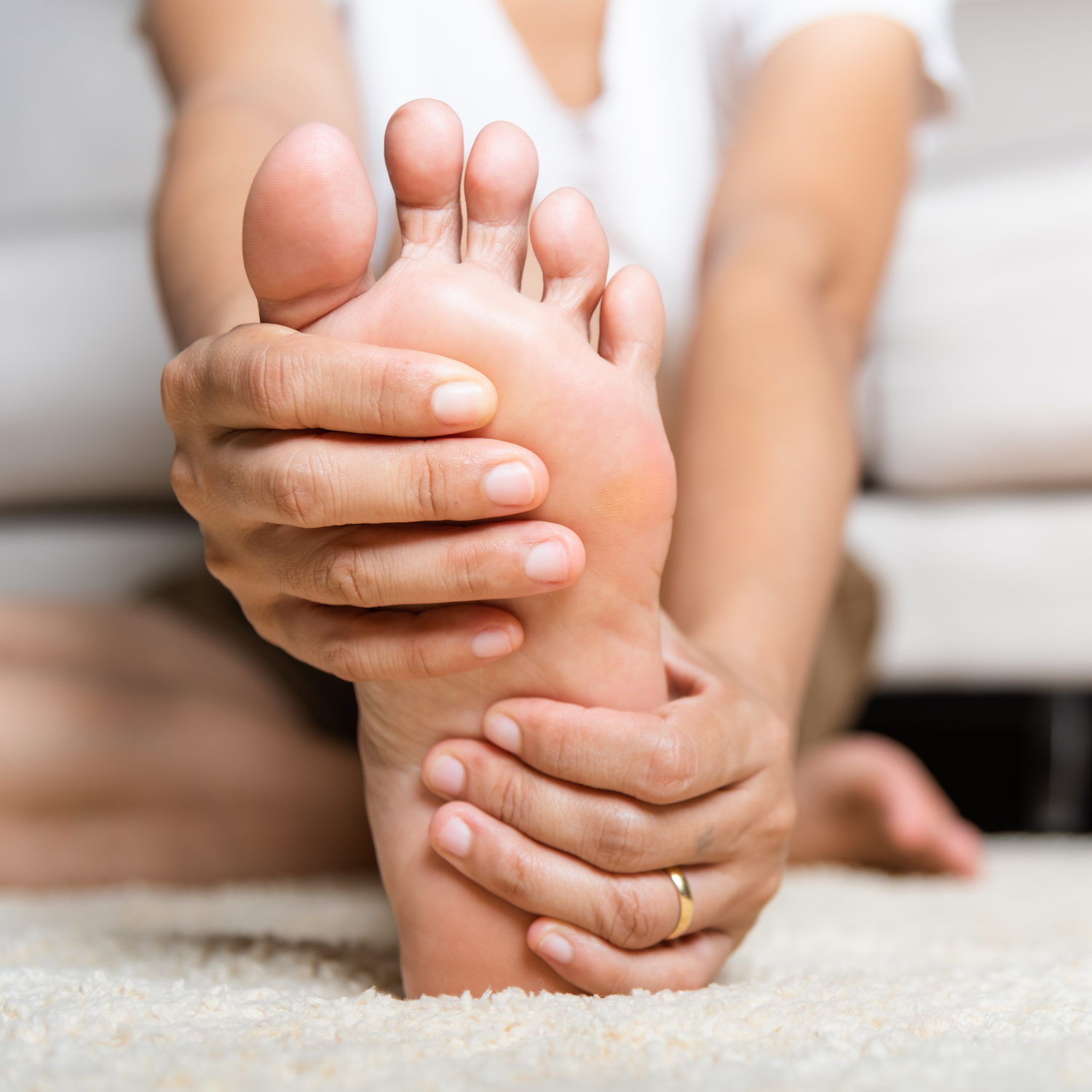
Bunions, or hallux valgus, are characterized by a bony bump that forms at the base of the big toe. This deformity is a result of various factors such as genetics, improper footwear, and joint instability. As the bunion develops, it can cause significant discomfort, leading individuals to seek effective treatment options.
How Orthotics Can Help
Orthotic devices are specially designed supports that help align and improve the function of your feet. They can alleviate symptoms associated with bunions by providing necessary support and relieving pressure on the foot. Here’s how orthotics can play an essential role in the correction and management of bunions:
Correct Alignment
One of the primary purposes of orthotics is to correct foot alignment. By redistributing body weight and aligning the foot properly, orthotics can help reduce the strain placed on the bunion. This realignment can alleviate pain and discomfort often associated with the condition.
Cushioning and Shock Absorption
Orthotics, especially those with gel inserts, offer cushioning that absorbs shock during activities. This feature is essential for those suffering from bunions, as it minimizes the pressure on the inflamed area, providing much-needed foot pain relief.
Gel Toe Spacers
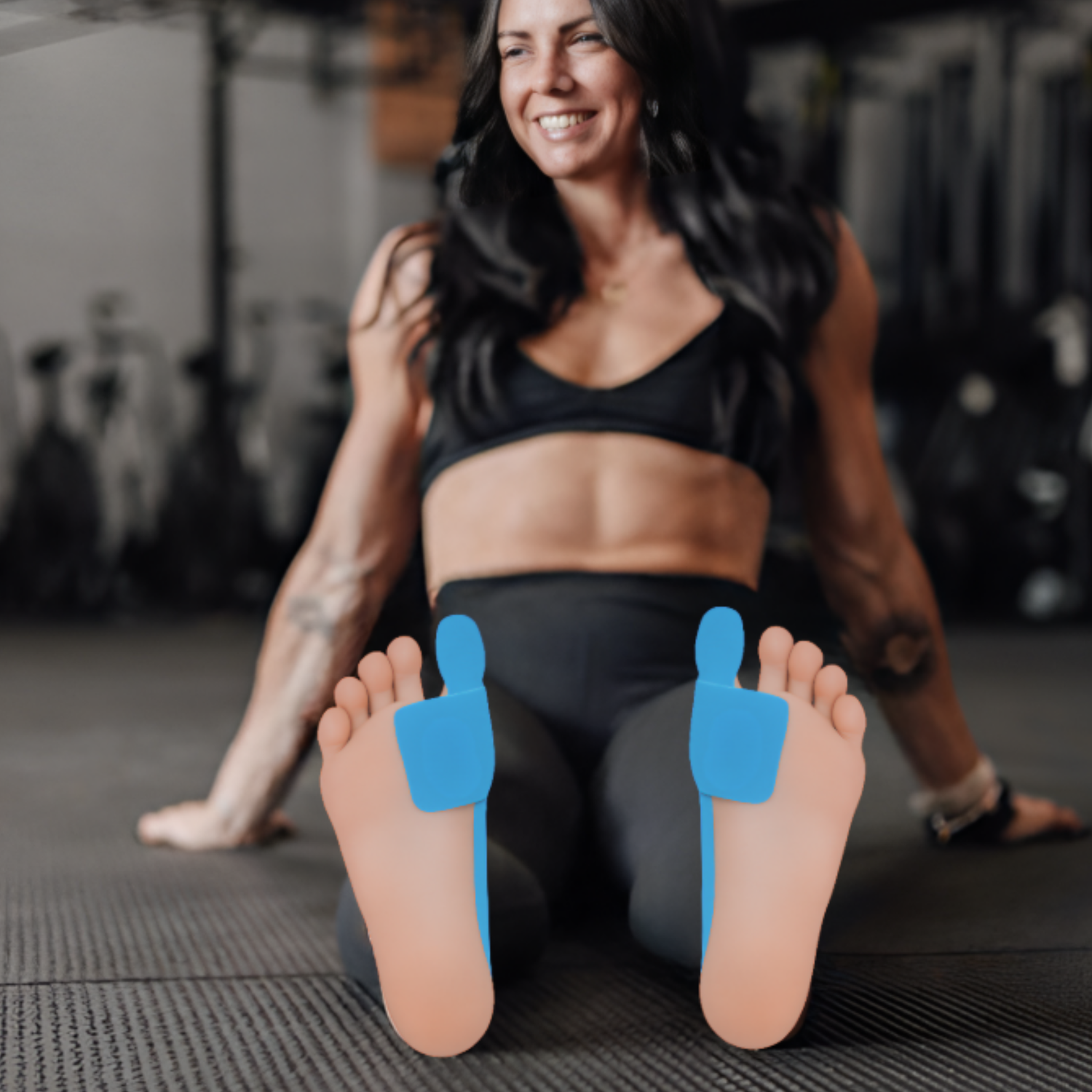
Gel toe spacers are a popular orthotic tool for those dealing with bunions. These soft, flexible devices help to gently separate the toes, reducing friction and discomfort. By keeping the big toe aligned, gel toe spacers assist in reshaping the foot over time and can lead to noticeable improvements in comfort levels.
Types of Orthotics for Bunion Relief
When considering orthotics for bunions, various types can cater to individual needs. Here are a few options:
- Custom Orthotics: These are tailor-made to the person’s foot structure, providing the most precise fit and optimal support.
- Over-the-Counter Insoles: Generally more affordable, these insoles are designed for specific foot issues and can provide adequate support for mild bunion pain.
- Toe Spacers: Available in gel and silicone, these products can be used during the day or at night to keep the toes aligned.
The Benefits of Using Orthotics
The use of orthotics in bunion management comes with multiple benefits:
Enhanced Comfort
By providing extra cushioning and support, orthotics enhance comfort and can significantly reduce foot pain. Whether you are standing for long periods or engaging in regular activities, the right orthotic can create a more pleasant experience.
Improved Mobility
Foot pain can severely limit mobility. By using orthotics, individuals may experience increased mobility as the pain subsides, allowing them to participate in activities they enjoy.
Reduced Risk of Further Deformity
Ignoring bunion issues can lead to worsening deformities and additional complications, including arthritis. By utilizing orthotics, individuals can help prevent further development of bunions and maintain healthy foot alignment.
Choosing the Right Orthotic for You
Selecting the appropriate orthotic requires careful consideration of personal needs and foot structure. Here are some tips on choosing the best orthotic for your bunion:
- Consult a Podiatrist: Professional advice is valuable. A podiatrist can provide a proper diagnosis and recommend suitable orthotics.
- Assess Comfort: Ensure that the chosen orthotic feels comfortable when worn. A good fit is crucial.
- Evaluate Material: Select materials that will provide the required support without being too rigid or uncomfortable.
Integrating Orthotics into Your Daily Routine
Once you have chosen the right orthotic, integrating it into your daily activities is essential for optimal results. Here’s how you can seamlessly incorporate orthotics into your routine:
Start Gradually
If you are new to orthotics, start by wearing them for short periods. Gradually increase the time you wear them as your feet adapt. This approach can minimize discomfort as you adjust.
Pair with Supportive Footwear
Using orthotics with the right footwear is crucial. Look for shoes with ample width, cushioning, and supportive structures that can accommodate orthotics. Avoid narrow or high-heeled shoes that can worsen bunion pain.
Daily Foot Care
Alongside using orthotics, maintaining good foot hygiene and care is vital. Regularly check your feet for any changes or areas of discomfort, and consider exercises that strengthen your foot muscles.
Long-Term Strategies for Bunion Management
While orthotics can provide immediate relief, managing bunions often requires a multi-faceted long-term strategy. Here are additional methods to consider:
- Stretching and Strengthening Exercises: Engaging in targeted exercises can help improve foot flexibility and strength, assisting in bunion management.
- Regular Consultations: Regular follow-ups with a healthcare provider can ensure that your treatment plan is effective and modify it as needed.
- Footwear Selection: Always prioritize shoes that reduce pressure on the bunion area. Investing in proper footwear is key to long-term comfort.
Incorporating Lifestyle Changes
In addition to using orthotics and proper footwear, certain lifestyle changes can further support foot health. Here are some effective strategies:
Maintain a Healthy Weight
Excess weight can place additional stress on your feet, exacerbating bunion pain. Maintaining a healthy weight through balanced nutrition and regular exercise can contribute to overall foot health.
Stay Active
Engaging in low-impact activities, such as swimming or cycling, can maintain cardiovascular health without overstraining your feet. Avoid activities that cause excessive impact on your bunions.
Practice Good Posture
Good posture affects your body’s alignment, including your feet. Being mindful of your posture can help reduce stress across all of your joints, including those in the feet.
Are Surgery and Other Treatments Necessary?
While many individuals find relief through orthotics and lifestyle modifications, some may need surgical options for severe cases of bunions. It’s essential to consult with a foot and ankle specialist to determine the most appropriate course of action based on individual circumstances. For many, however, addressing the condition through conservative methods can significantly improve quality of life.
The Path Towards Pain-Free Feet
Ultimately, the journey towards managing bunions is individual and can benefit from a combination of orthotics, exercises, and healthy lifestyle choices. By taking proactive measures and seeking professional guidance, you can find effective solutions that cater to your specific needs. Remember, alleviating foot pain and correcting bunions is a process, but with the right tools and knowledge, a pain-free future is within reach!
Frequently Asked Questions
1. What are bunions and why do they occur?
2. How can orthotics help with bunion pain?
3. What types of orthotics are available for bunion relief?
4. What lifestyle changes can support foot health alongside using orthotics?
5. Is surgery necessary for treating bunions?
Glossary
| Term | Meaning |
|---|---|
| Bunions | A foot deformity causing a bony bump at the base of the big toe. |
| Orthotics | Devices designed to support and align the feet. |
| Gel Toe Spacers | Soft devices that separate toes to reduce friction and discomfort. |
| Custom Orthotics | Personalized foot supports tailored to individual foot structure. |
| Over-the-Counter Insoles | Pre-made insoles designed for common foot issues. |
| Cushioning | Soft padding that absorbs shock and reduces foot pressure. |
| Foot Alignment | The positioning of the foot bones to minimize strain and pain. |
| Posture | The way one holds their body, affecting overall foot health. |
| Foot Hygiene | Practices that maintain clean and healthy feet. |
| Foot Flexibility | The range of motion in the foot, important for mobility. |
Linked Product

Bunion Relief Bundle
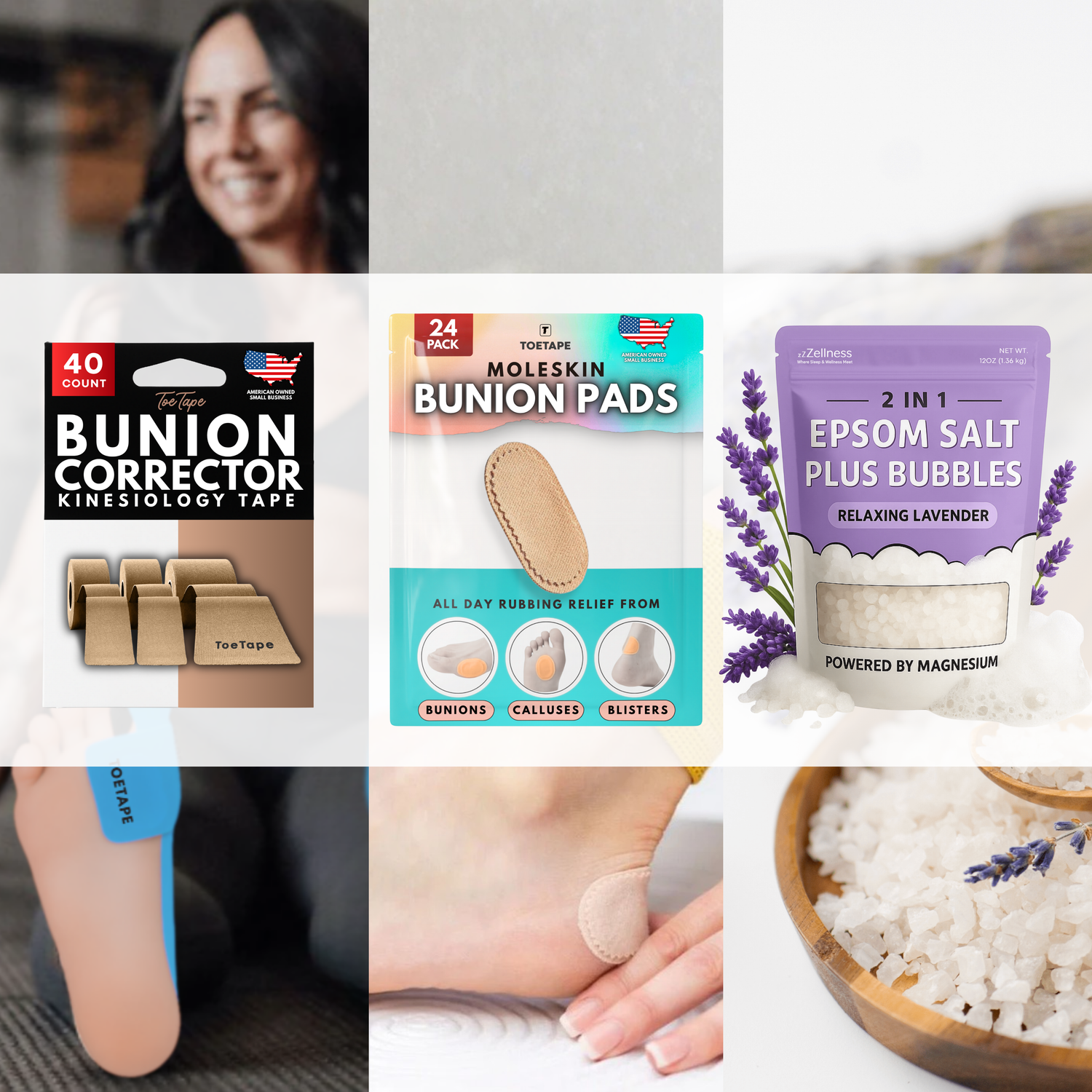
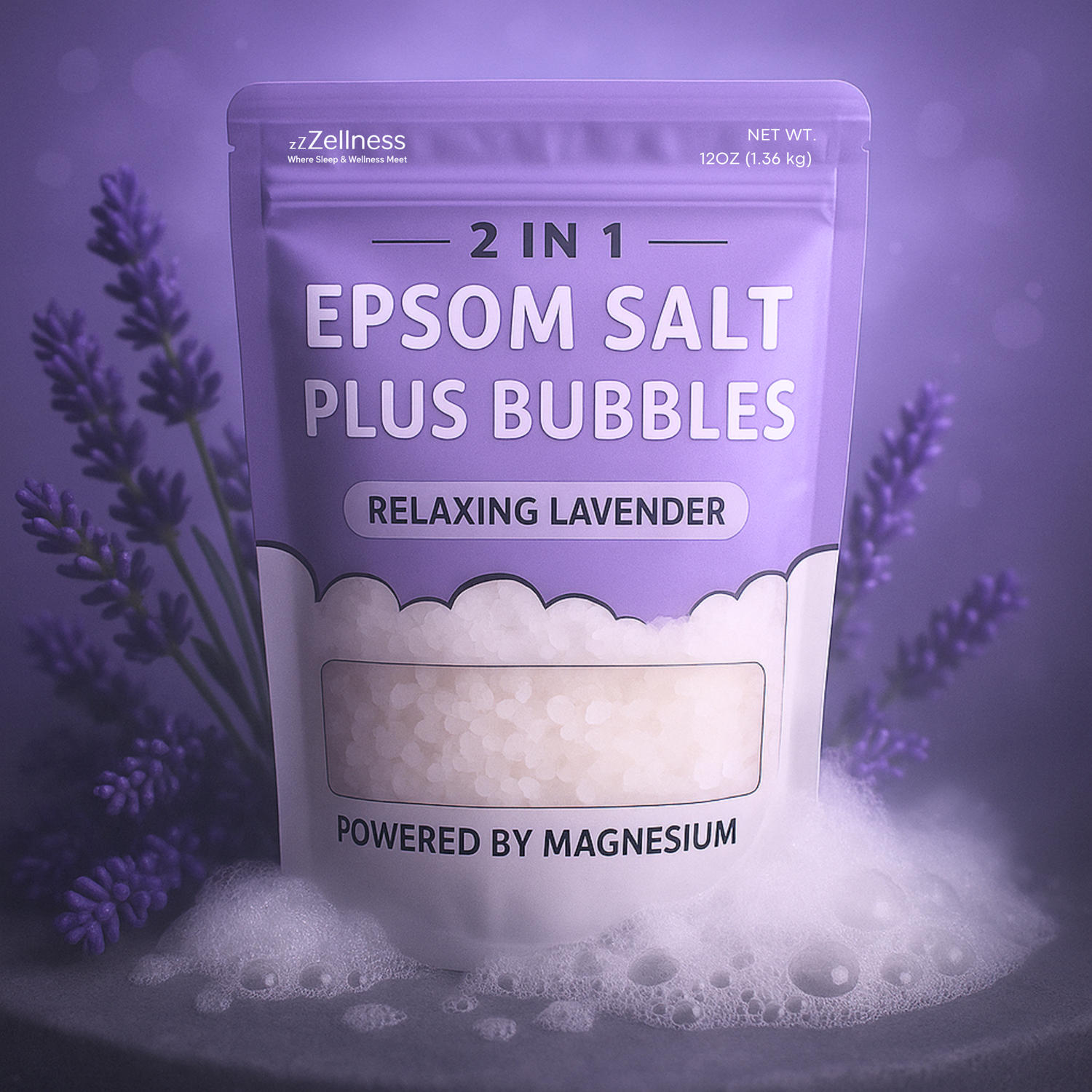
The Bunion Relief Bundle offers a comprehensive approach to foot comfort and recovery by combining three effective products. The ToeTape™ Bunion Corrector Tape provides gentle realignment of the big toe, while the Moleskin Bunion Pads protect against friction and irritation. Additionally, the Epsom Salts + Foaming Bubbles promote relaxation and reduce inflammation, making this bundle ideal for anyone seeking relief from bunion pain and discomfort.
View Product