














The Evolution of Bunion Relief
Bunions can turn everyday activities into painful challenges, affecting everything from your morning run to simply walking in your favorite shoes. While traditional bunion treatments have long been the go-to solution, kinesiology tape for bunions has emerged as a game-changing alternative that's gaining popularity among athletes and active individuals alike. This flexible, non-invasive approach offers a different perspective on bunion management without compromising your active lifestyle.
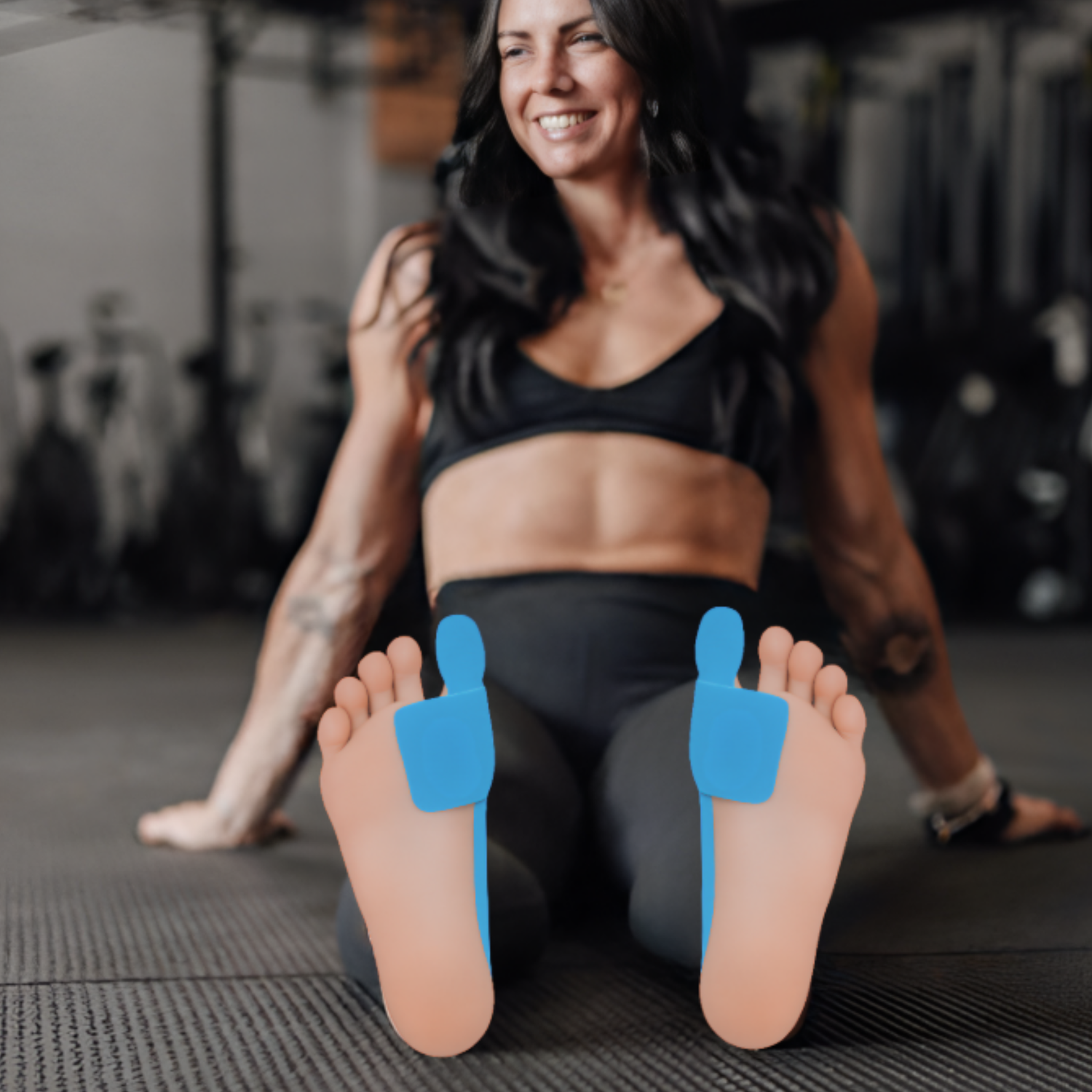
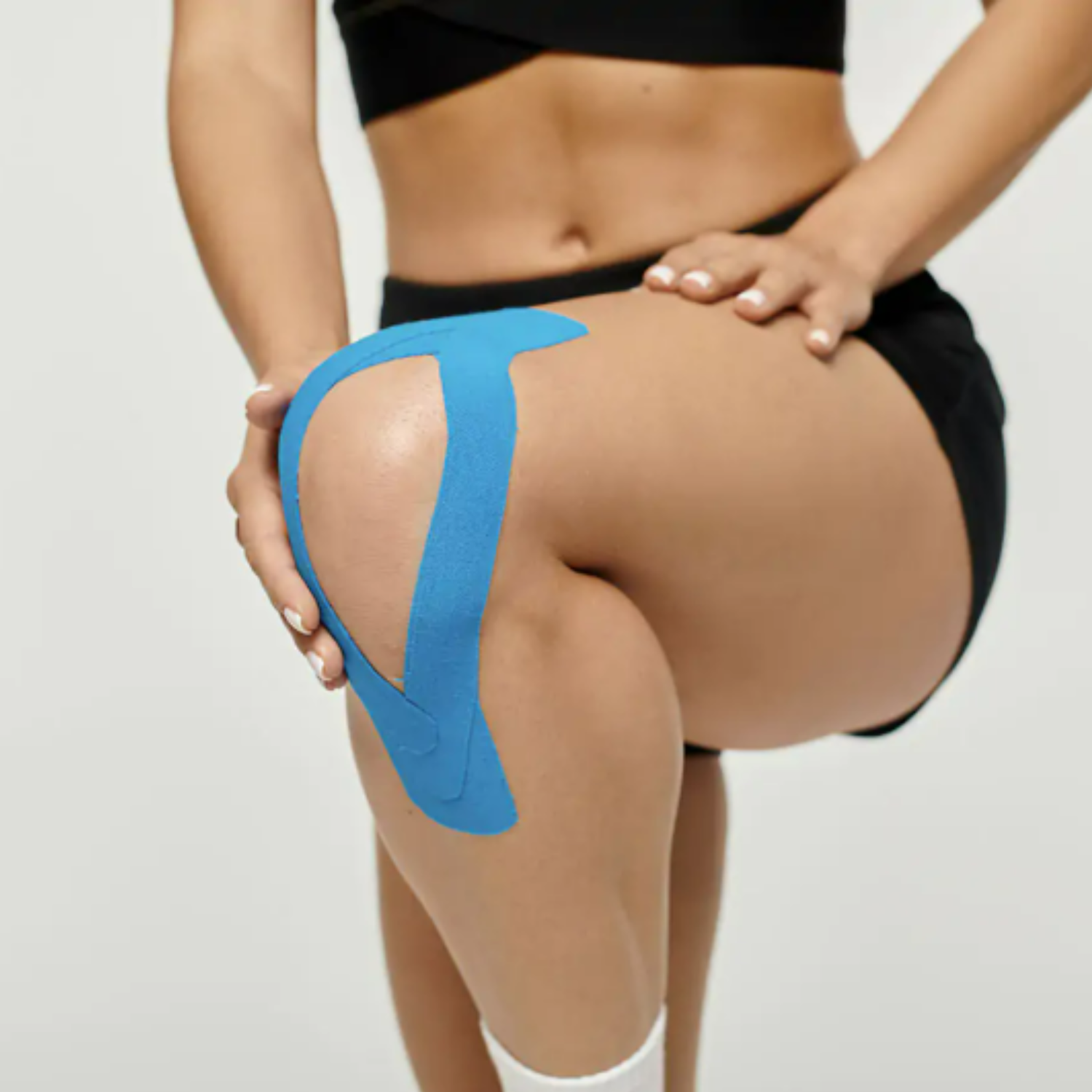
The science behind kinesiology tape is compelling: by applying strategic tension to the skin and underlying tissues, it can help guide the big toe toward proper alignment while reducing pressure on the painful bunion joint. Unlike rigid braces or splints, this approach works with your body's natural movement patterns rather than restricting them.
Understanding Bunions & Traditional Treatments
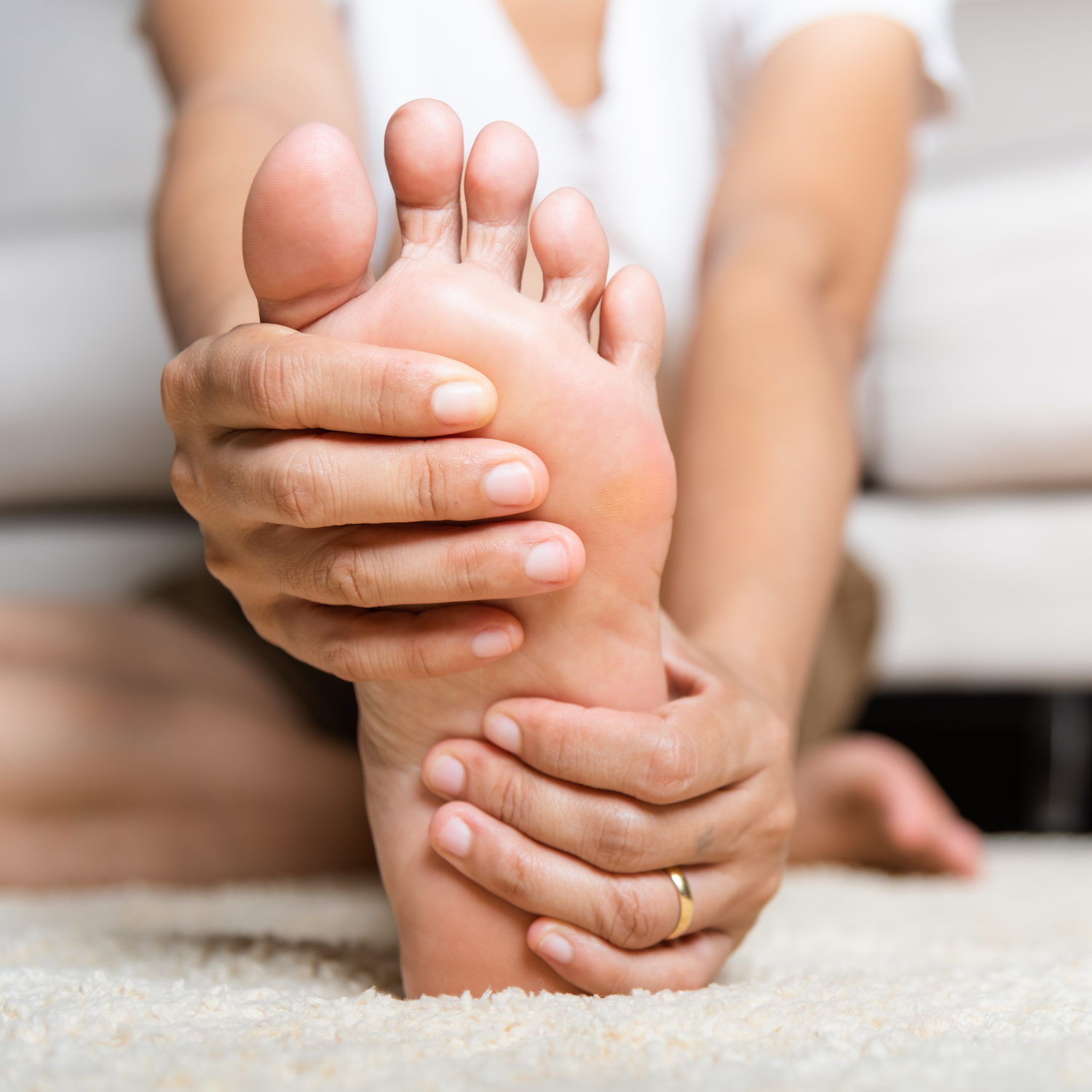
Bunions (hallux valgus) develop when the joint at the base of your big toe becomes misaligned, causing the toe to angle inward while creating a painful, bony protrusion on the side of your foot. This common foot condition affects approximately 23% of adults aged 18-65 and over 35% of those over 65, according to foot health studies.
Traditional treatments typically include:
Rigid bunion splints and braces
Toe spacers and separators
Padded shoe inserts
Custom orthotics
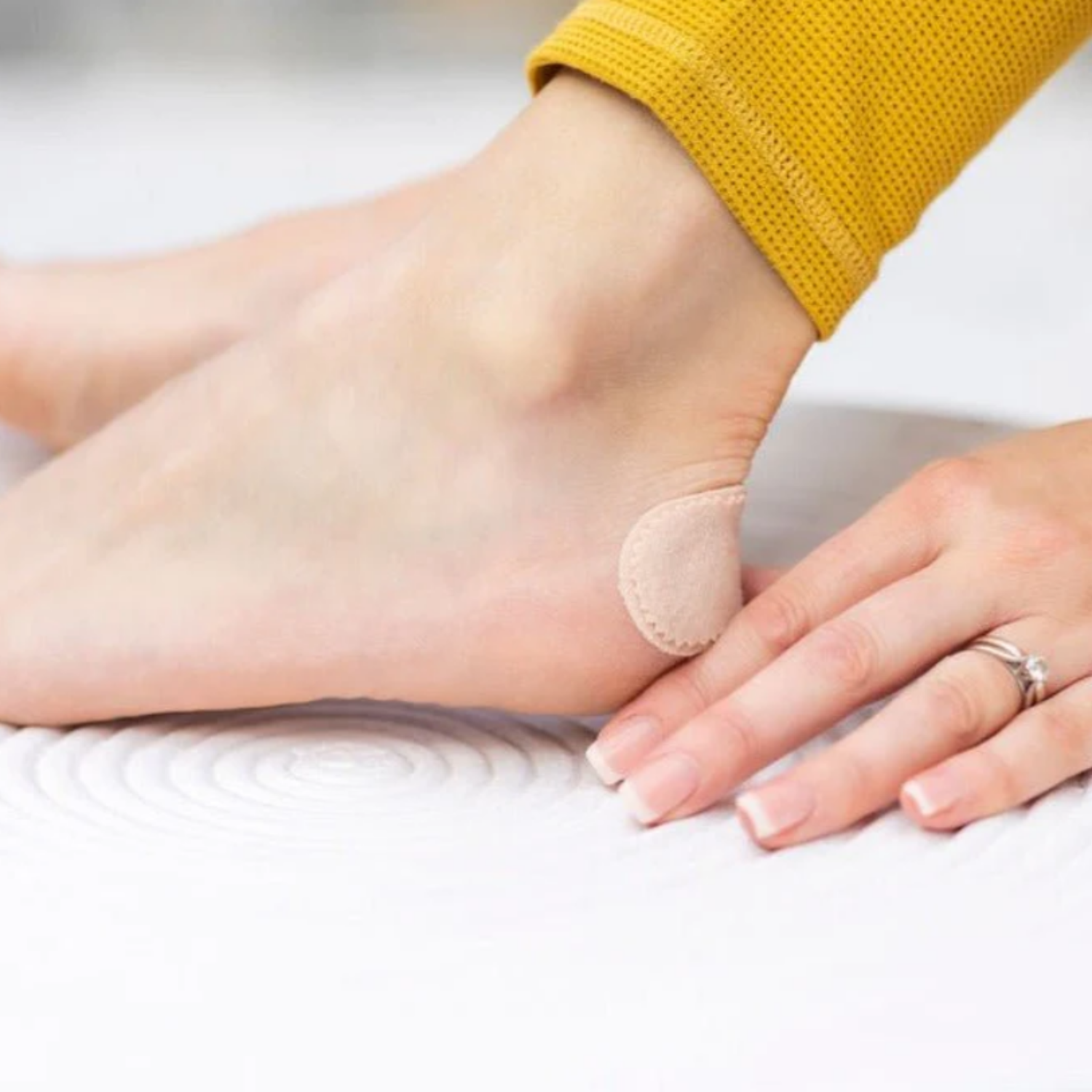
Protective padding and moleskin
Anti-inflammatory medications
In severe cases, surgical intervention
Limitations of Conventional Bunion Solutions
While these traditional approaches have their place, they come with significant drawbacks:
Mobility Restrictions: Rigid splints and braces can severely limit natural foot movement, making them impractical for active individuals or athletes who need full range of motion.
Comfort Issues: Many traditional devices are bulky, making them uncomfortable or impossible to wear with normal footwear during daily activities.
Dependency Concerns: Some solutions like toe spacers only work while being worn, offering no progressive correction or lasting benefit when removed.
Recovery Time: Surgical options require significant downtime, with recovery periods often extending 6-12 weeks before returning to normal activities.
How Kinesiology Tape Works for Bunion Relief
Kinesiology tape offers a fundamentally different approach to bunion management. Rather than forcing the toe into position with rigid materials, it works by:
Proprioceptive Feedback: The tape creates subtle sensory cues that remind your body to maintain better toe alignment during movement.
Gentle Tension: Strategic application provides a constant, gentle pull that guides the big toe toward proper positioning without restricting natural movement.
Improved Circulation: The lifting effect of properly applied kinesiology tape can reduce pressure on painful areas while improving blood flow and lymphatic drainage to reduce inflammation.
Neurosensory Effects: Research suggests kinesiology tape modulates pain signals, potentially reducing discomfort through neurological pathways rather than just mechanical support.
What makes this approach particularly valuable for active individuals is that it provides support during activity without limiting performance. Athletes can maintain their training schedules while simultaneously addressing their bunion concerns.
Proper Application Techniques for Maximum Benefit
The effectiveness of kinesiology tape for bunions depends significantly on proper application:
Preparation: Start with clean, dry skin free of oils or lotions to ensure proper adhesion.
Base Anchor: Apply the first section of tape without stretch along the inside of the foot near the arch.
Corrective Tension: Apply moderate tension (50-75%) as you pull the tape across and around the big toe joint, guiding the toe toward proper alignment.
Stabilizing Strips: Add additional strips perpendicular to the first to provide multi-directional support.
Activation: Rub the tape gently to activate the adhesive and ensure proper bonding to the skin.
For best results, the tape can typically be worn for 3-5 days, even through showers and moderate activity, providing continuous support throughout your daily routine. This extended wear time gives your foot consistent guidance toward better alignment.
Comparing Results: Kinesiology Tape vs. Traditional Methods
When evaluating effectiveness, several key factors distinguish kinesiology tape from traditional bunion treatments:
Comfort During Activity: While rigid braces often become uncomfortable during exercise, properly applied kinesiology tape maintains comfort even during high-impact activities.
Wearability with Footwear: The low-profile nature of kinesiology tape allows it to be worn with most athletic and casual footwear, unlike bulkier traditional options.
Duration of Effect: Some users report improved alignment even after tape removal, suggesting potential neuromuscular retraining effects that traditional passive devices don't provide.
Cost Effectiveness: With reusable rolls lasting multiple applications, kinesiology tape offers an economical alternative to custom orthotics or specialized footwear.
Real User Experiences and Athletic Performance Improvements
Athletes across various disciplines have reported significant benefits from switching to kinesiology tape for bunion management:
Runners describe being able to increase their mileage without the friction and pressure points caused by traditional bunion guards. The tape's waterproof properties also make it ideal for triathletes transitioning between swimming and running.
Dancers and yoga practitioners value the tape's ability to provide support without restricting the foot's natural articulation during complex movements and poses.
Basketball and tennis players report improved lateral stability and reduced pain during quick directional changes, which rigid devices often exacerbate rather than help.
Even everyday active individuals note that the tape allows them to maintain their regular fitness routines without the discomfort and adjustment period often required with traditional bunion devices.
Integrating Kinesiology Tape Into Your Bunion Management Plan
For those considering kinesiology tape as part of their bunion care approach, these practical guidelines can help maximize results:
Consistency Is Key: Apply the tape regularly, not just when pain flares up, to help retrain proper toe alignment over time.
Complement With Strengthening: Pair tape use with toe exercises that strengthen the intrinsic foot muscles, which can help maintain improved alignment.
Address Footwear: Even the best taping technique can't overcome the negative effects of consistently wearing tight, narrow shoes that compress the toes.
Monitor Progress: Take periodic photos of your foot to track changes in alignment and bunion prominence over weeks and months of consistent tape use.
Consider Professional Guidance: While self-application is possible, having a physical therapist or sports medicine professional demonstrate proper technique initially can significantly improve results.
Beyond the Tape: A Comprehensive Approach
While kinesiology tape offers significant advantages for bunion management, optimal results typically come from a multi-faceted approach:
Footwear Modifications: Choose shoes with adequate toe box width to accommodate your foot without compression.
Foot Strengthening: Regular exercises targeting the intrinsic foot muscles can help support proper toe alignment.
Movement Pattern Awareness: Pay attention to how you distribute weight when walking and standing, as improper mechanics can contribute to bunion progression.
Recovery Practices: Incorporate foot soaks, gentle massage, and proper rest into your routine to manage inflammation and discomfort.
Making the Right Choice for Your Active Lifestyle
Kinesiology tape for bunions represents a modern approach that aligns with the needs of today's active individuals. Unlike traditional treatments that often force a choice between pain relief and mobility, this flexible solution offers both simultaneously.
The non-invasive nature of kinesiology taping makes it an excellent first-line approach before considering more aggressive interventions. Many users find that consistent taping, combined with appropriate footwear and strengthening exercises, provides sufficient relief to avoid or delay surgical options.
For athletes and active individuals unwilling to compromise their training schedules or performance, kinesiology tape offers a practical solution that works with their lifestyle rather than against it. The ability to maintain activity levels while addressing bunion concerns represents a significant advancement in foot care approaches.
Moving Forward, Pain-Free
Kinesiology tape for bunions provides an effective alternative to traditional treatments by offering support without sacrifice. Its ability to work with your body's natural movement patterns while guiding improved alignment makes it particularly valuable for those unwilling to let foot pain dictate their activity levels.
Unlike rigid traditional treatments, kinesiology tape adapts to your active lifestyle without compromising results. Whether you're a dedicated athlete or simply someone who values staying active, this modern approach to bunion management deserves consideration as part of your foot care strategy.
By integrating this flexible solution into your routine, you can experience both immediate relief and potential long-term alignment benefits while maintaining the mobility and comfort necessary for an active life. The choice between movement and pain relief is no longer necessary; with kinesiology tape, you can truly have both.