






Overview
Bunions can cause pain and discomfort, but there are effective non-surgical relief options available. Key strategies include wearing properly fitting shoes, using non-invasive products like toe tape and bunion pads, engaging in physical therapy and exercises, applying warm compresses or ice, maintaining a healthy weight, and consulting with a specialist if symptoms persist. Embrace these methods for improved comfort and mobility.
Frequently Asked Questions
1. What are bunions and what causes them?
2. Why should I consider non-surgical options for bunion relief?
3. What types of footwear should I choose for bunion relief?
4. What non-invasive products can help alleviate bunion pain?
5. When should I consult a healthcare professional about my bunion pain?
Bunions are a common foot condition that can cause discomfort and pain. If you're one of the many individuals seeking non-surgical bunion relief, you've come to the right place. This article will explore various options available for managing bunion symptoms effectively, helping you regain mobility and comfort in your daily life. From innovative products to lifestyle changes, let’s delve into your non-surgical options for bunion relief!
Understanding Bunions
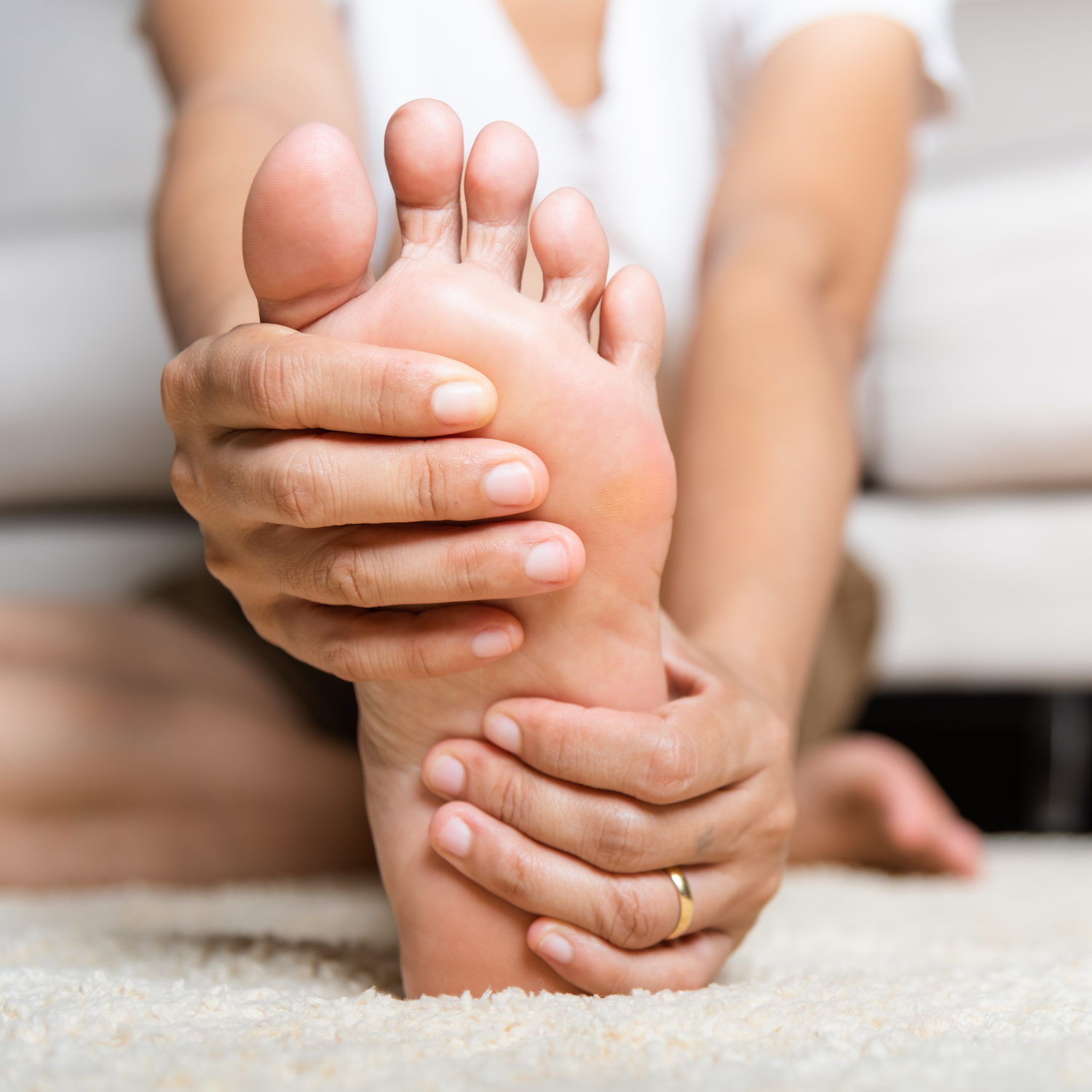
Bunions, medically known as hallux valgus, occur when the big toe deviates toward the second toe, causing a bony protrusion at the base of the toe. This deformity can lead to pain, swelling, and difficulty finding comfortable footwear. While surgery is often discussed as a solution, many people prefer to explore non-surgical methods to manage their bunion symptoms effectively.
Why Choose Non-Surgical Options?
Opting for non-surgical bunion relief provides numerous benefits, including:
- Reduced risk of complications associated with surgery
- Less recovery time and minimal disruption of daily activities
- Possibility of using foot care products for immediate relief
- Ability to maintain a more natural alignment of the foot
Footwear Adjustments
One of the first steps in seeking bunion relief is ensuring the right footwear. Wearing shoes that accommodate your foot structure can significantly reduce discomfort. Here are some tips for selecting the best footwear:
Choose Properly Fitting Shoes
Always opt for shoes that provide enough room for your toes. Shoes with a wide toe box can help prevent additional pressure on the bunion. Additionally, avoid high heels and narrow shoes, as these can worsen bunion pain.
Supportive Features
Look for shoes with good arch support and cushioning to alleviate pressure on the bunion area. Utilizing insoles or orthotics designed for bunion relief can also provide added comfort.
Non-Invasive Products for Bunion Relief
Alongside footwear changes, there are various non-invasive products specifically designed for bunion relief. These products can help alleviate discomfort, improve alignment, and provide additional support.
Toe Tape for Bunions
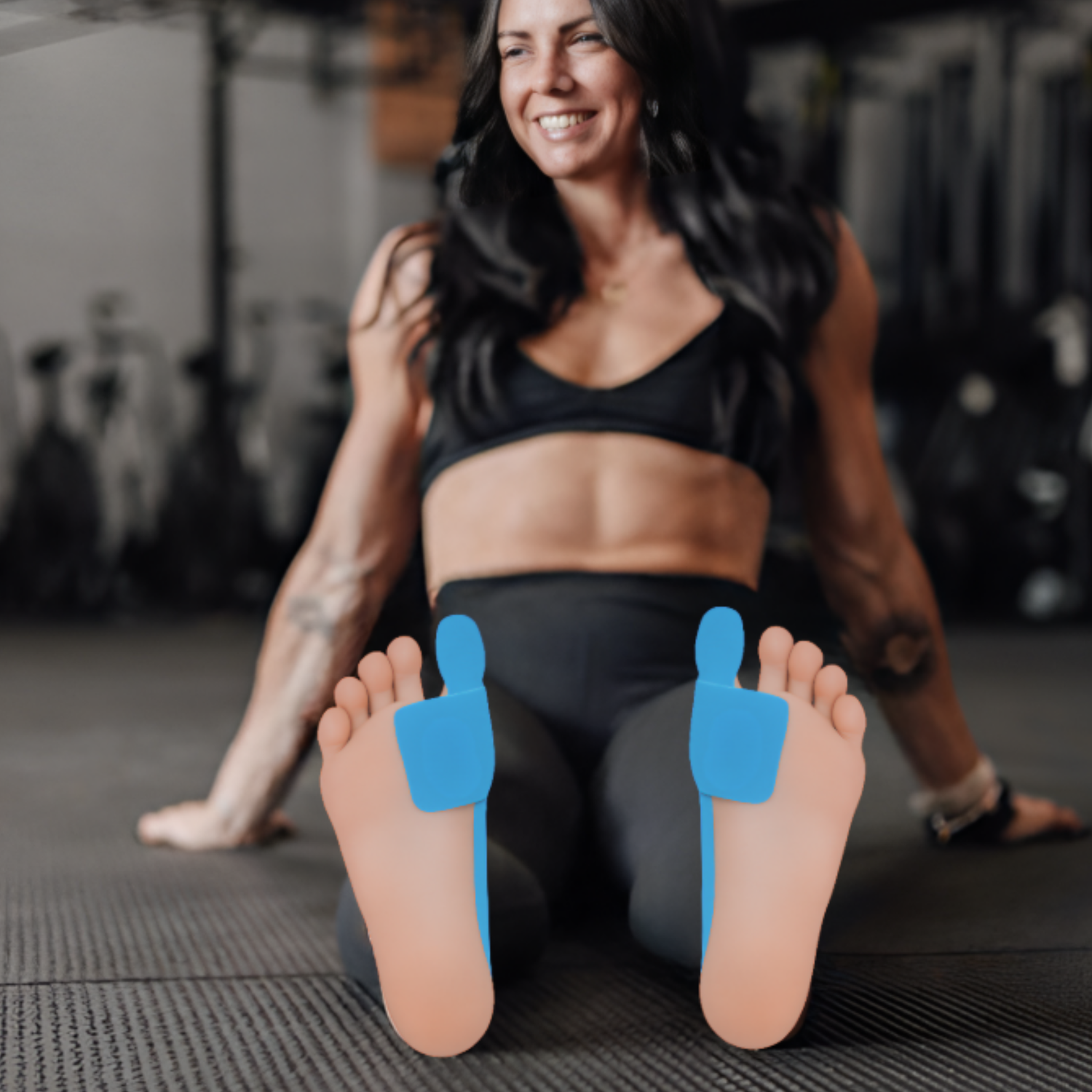
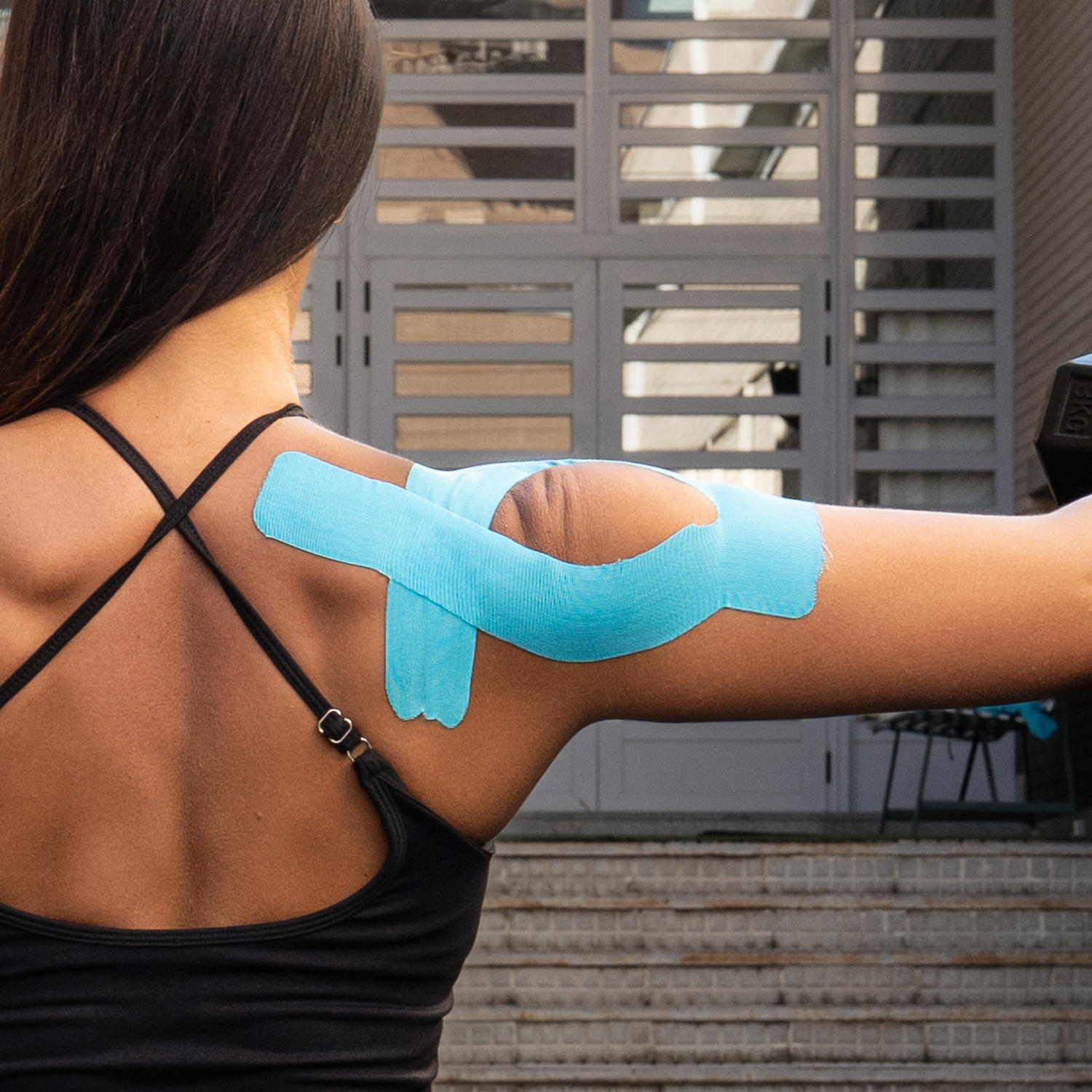
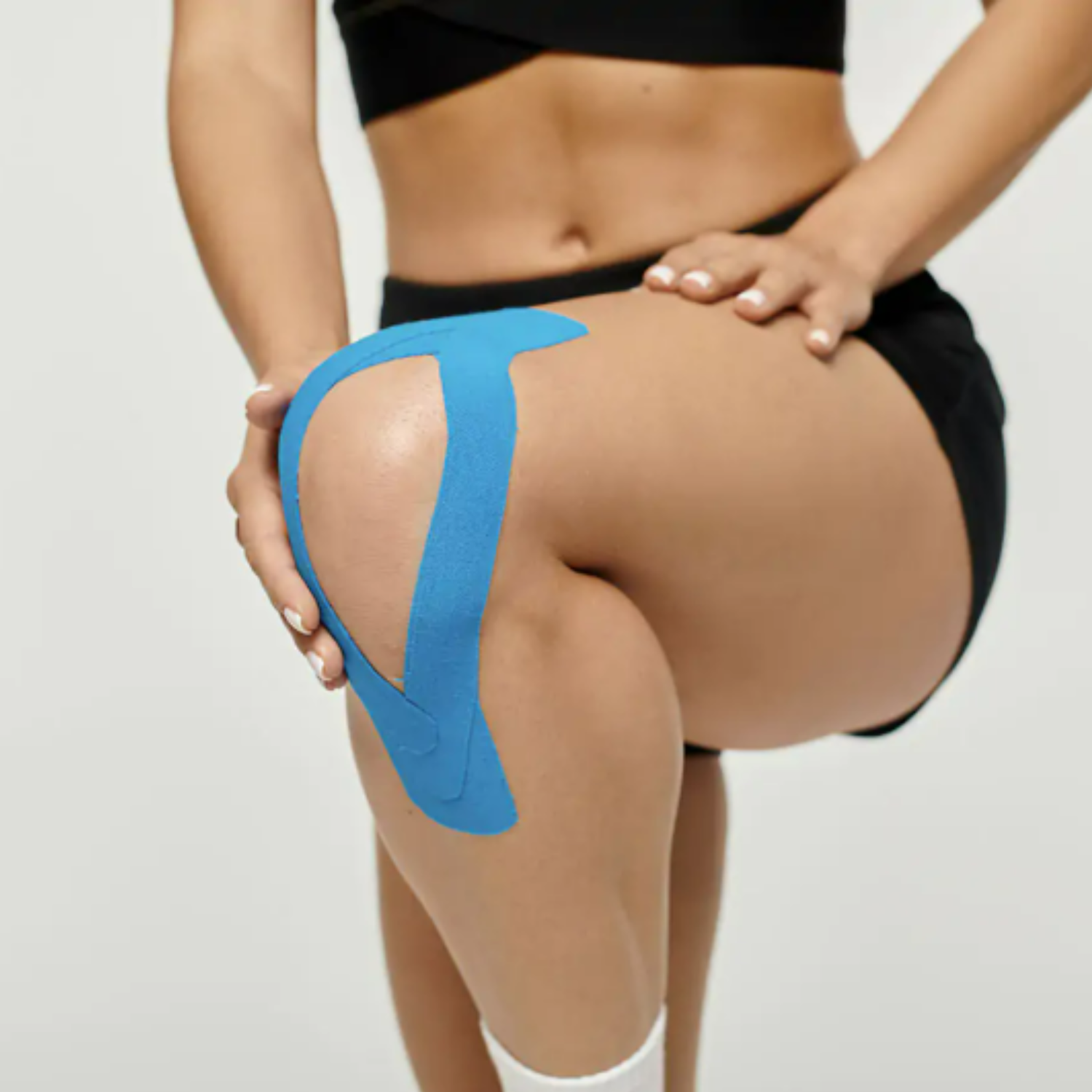
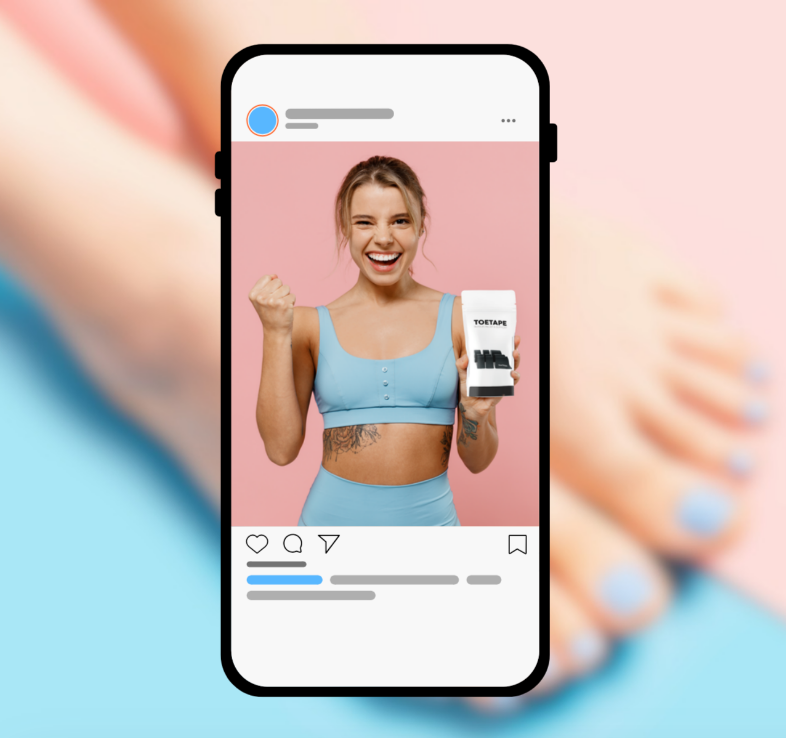
Using toe tape for bunions is a popular option among individuals seeking immediate relief. This adhesive tape can help realign the toes, providing support and reducing the strain on the bunion. Applying toe tape can also prevent friction against the shoe, which may minimize pain during movement.
Bunion Pads and Cushions
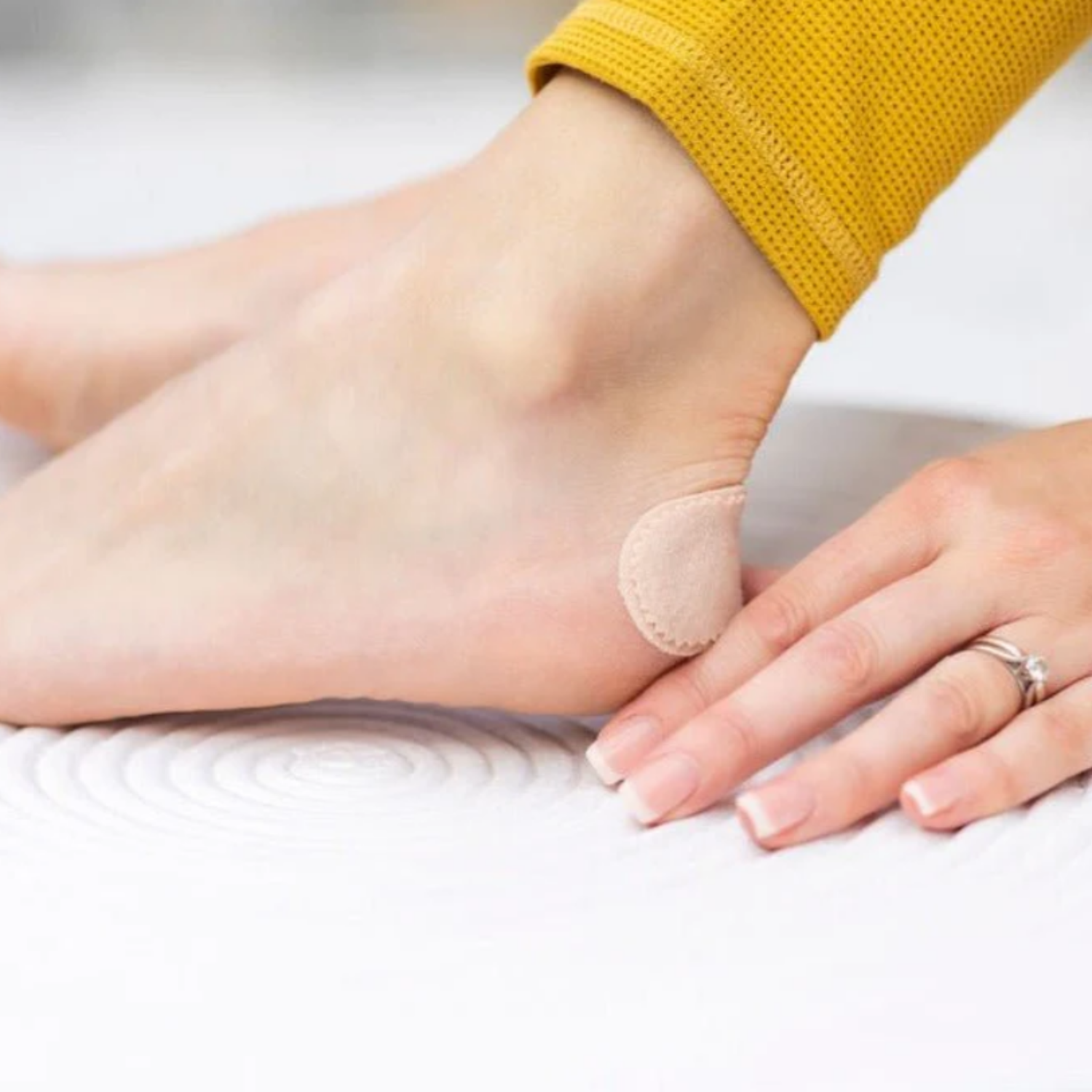
Bunion pads are another effective non-surgical option. These soft cushions can be placed over the bunion area to absorb pressure and relieve pain. They provide a protective barrier between the bunion and the shoe, allowing for more comfortable walking.
Physical Therapy and Exercises
Strengthening and stretching exercises play a crucial role in managing bunion pain. Engaging in regular physical therapy can enhance foot function and reduce muscle imbalances that may contribute to bunion development.
Stretching Exercises
Incorporate stretching exercises that focus on the toes, arch, and calf muscles. Performing these stretches daily can help maintain flexibility and alleviate tightness in the foot, helping to improve overall comfort.
Strengthening Exercises
Strengthening the muscles around the toe can also help with bunion relief. Simple exercises include picking up marbles with your toes and using resistance bands to strengthen foot muscles.
Warm Compresses and Ice Therapy
Another effective method to alleviate bunion pain is the application of warm compresses or ice therapy. Depending on whether you feel more discomfort from inflammation or stiffness, alternating between these methods might be beneficial.
Warm Compresses
Applying a warm compress to the bunion area can help enhance blood circulation and relax the muscles around the joint. This may reduce stiffness and discomfort when trying to move your toes.
Ice Therapy
If swelling is causing your bunion pain, ice therapy can be particularly beneficial. Apply an ice pack wrapped in a towel to the affected area for 15-20 minutes to reduce swelling and numb the pain.
Alternative Treatments
In addition to the aforementioned methods, there are alternative treatments that some individuals find beneficial for bunion relief.
Acupuncture
Acupuncture is an ancient technique that some people seek for foot pain management. By targeting specific pressure points in the feet, it may help in alleviating pain and promoting relaxation.
Massage Therapy
Regular foot massages can improve circulation and relieve tension in the bunion area. Using techniques such as kneading and applying pressure can provide significant relief and relaxation.
Maintaining a Healthy Weight
Excess weight can put additional stress on your feet, exacerbating bunion pain. Maintaining a healthy weight through a balanced diet and regular exercise can lead to significant improvements in overall foot health.
Dietary Considerations
Incorporating anti-inflammatory foods, such as fruits, vegetables, and whole grains, into your diet may help reduce inflammation associated with bunions. Staying hydrated is also crucial for overall health.
Exercise for Weight Management
Engaging in low-impact exercises, such as swimming, cycling, or walking, can aid in weight management without placing excessive strain on your feet. Aim for at least 150 minutes of moderate exercise per week, but always consult with a healthcare professional about an appropriate regimen based on your individual needs.
Consultation with a Specialist
If your bunion pain persists despite trying various non-surgical methods, it may be beneficial to consult with a healthcare professional specializing in foot care. They can provide personalized recommendations and assess whether further intervention is necessary.
Orthopedic Assessment
During a consultation, a podiatrist or orthopedic specialist can conduct a thorough assessment of your foot structure, gait, and overall alignment. This examination can lead to tailored treatment plans focused on addressing your specific condition effectively.
Surgical Consideration
While this article focuses on non-surgical bunion relief, discussing potential surgical options with your healthcare provider remains important if non-invasive methods fail to provide relief over time.
Finding Your Path to Comfort
Managing bunion pain does not have to be synonymous with surgery. With a variety of non-surgical options available, individuals can explore effective solutions for bunion relief, allowing them to lead more comfortable and active lives. From incorporating toe tape for bunions into your routine to making footwear adjustments and engaging in physical therapy, a holistic approach can significantly improve your quality of life. As with any health concern, it’s wise to consult with medical professionals to determine the best course of action tailored to your specific needs. Embrace these non-surgical methods and step into a world of relief!
Linked Product

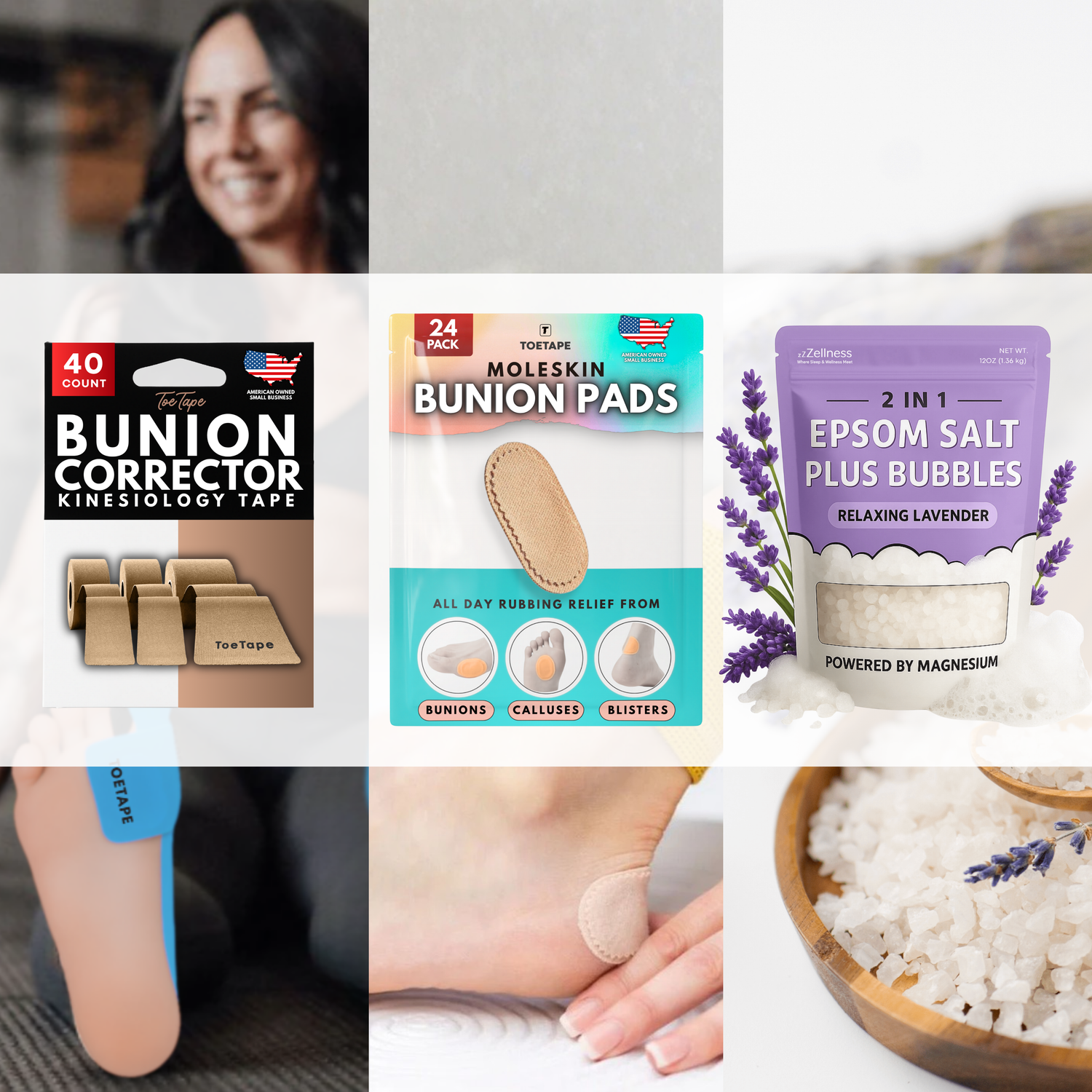
Bunion Relief Bundle
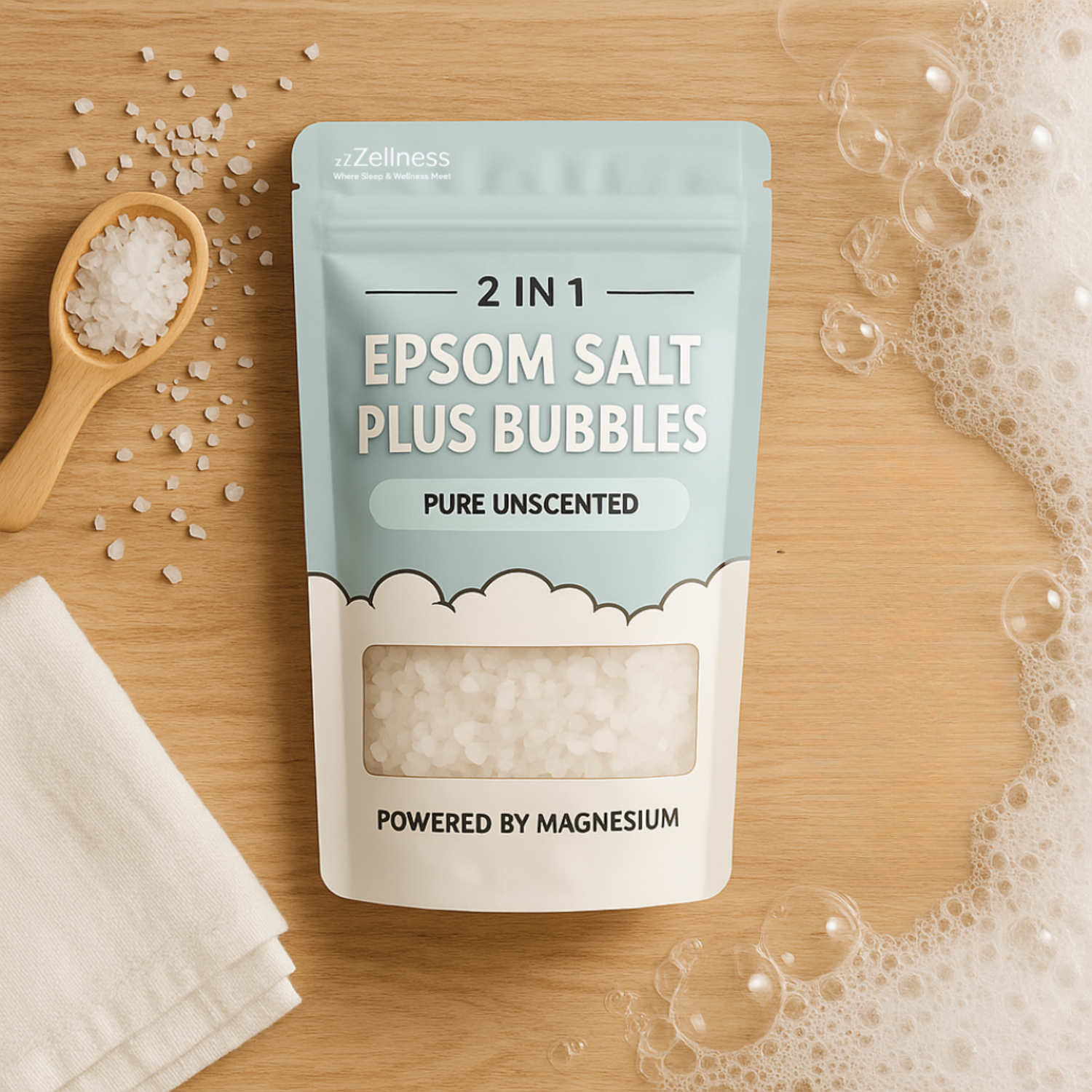
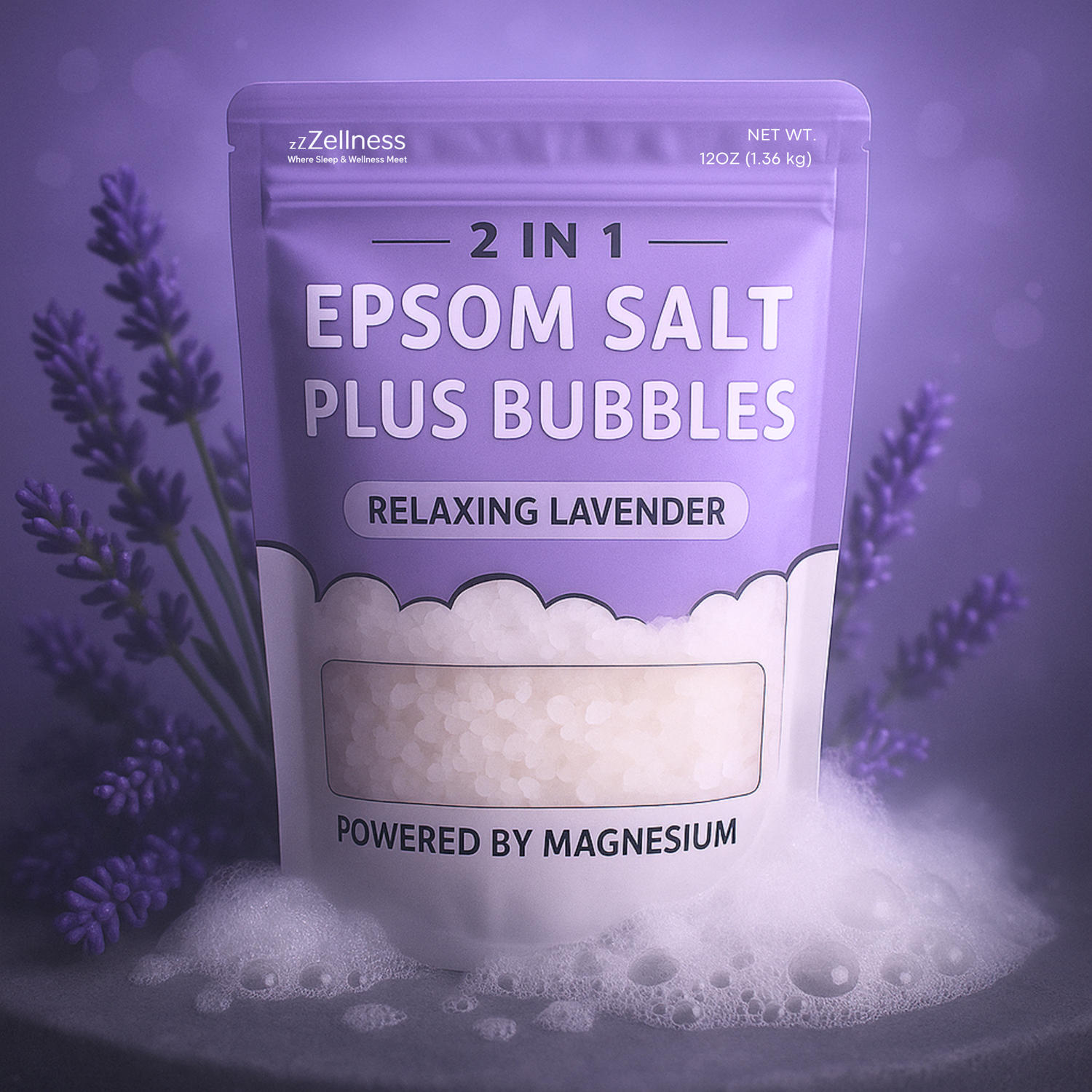
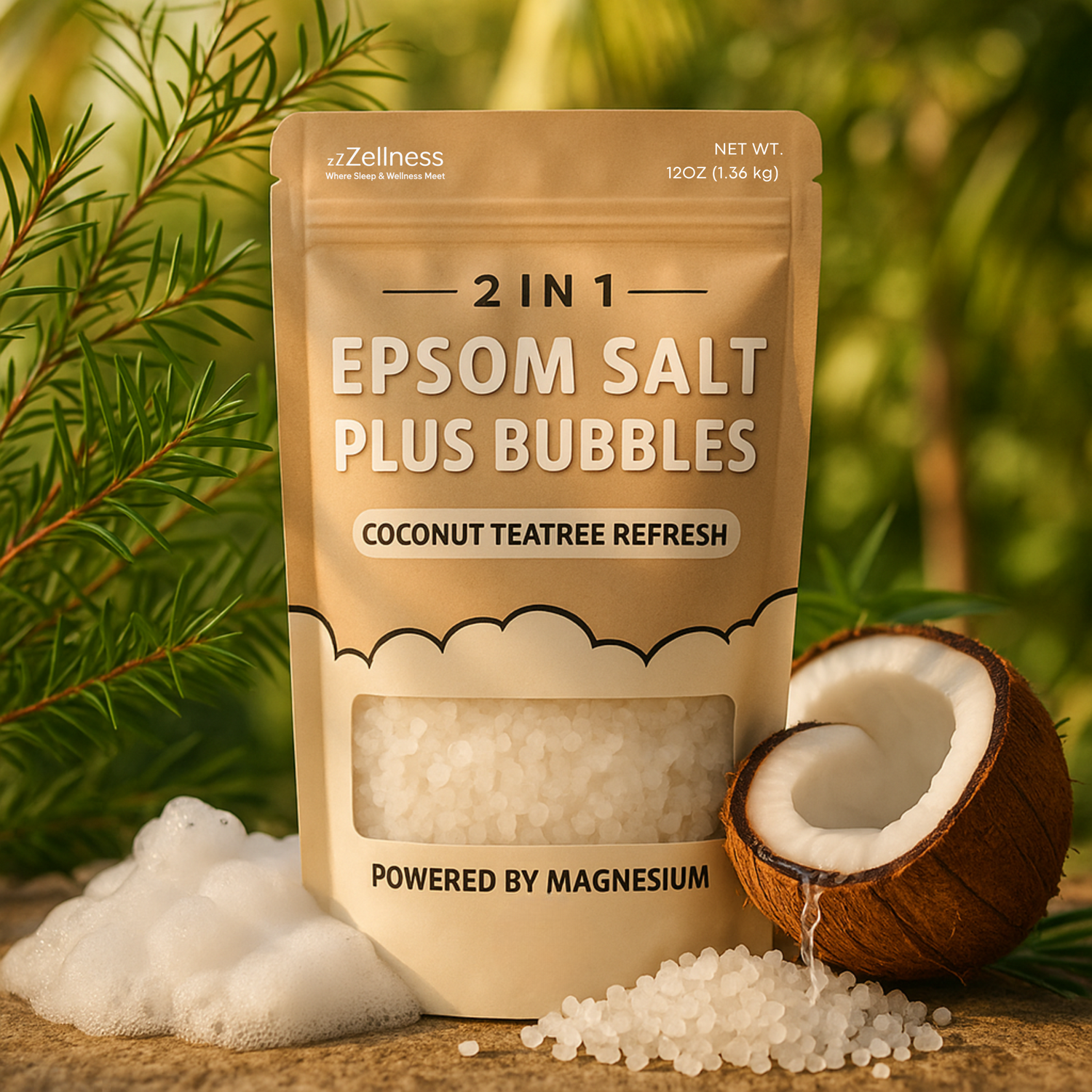
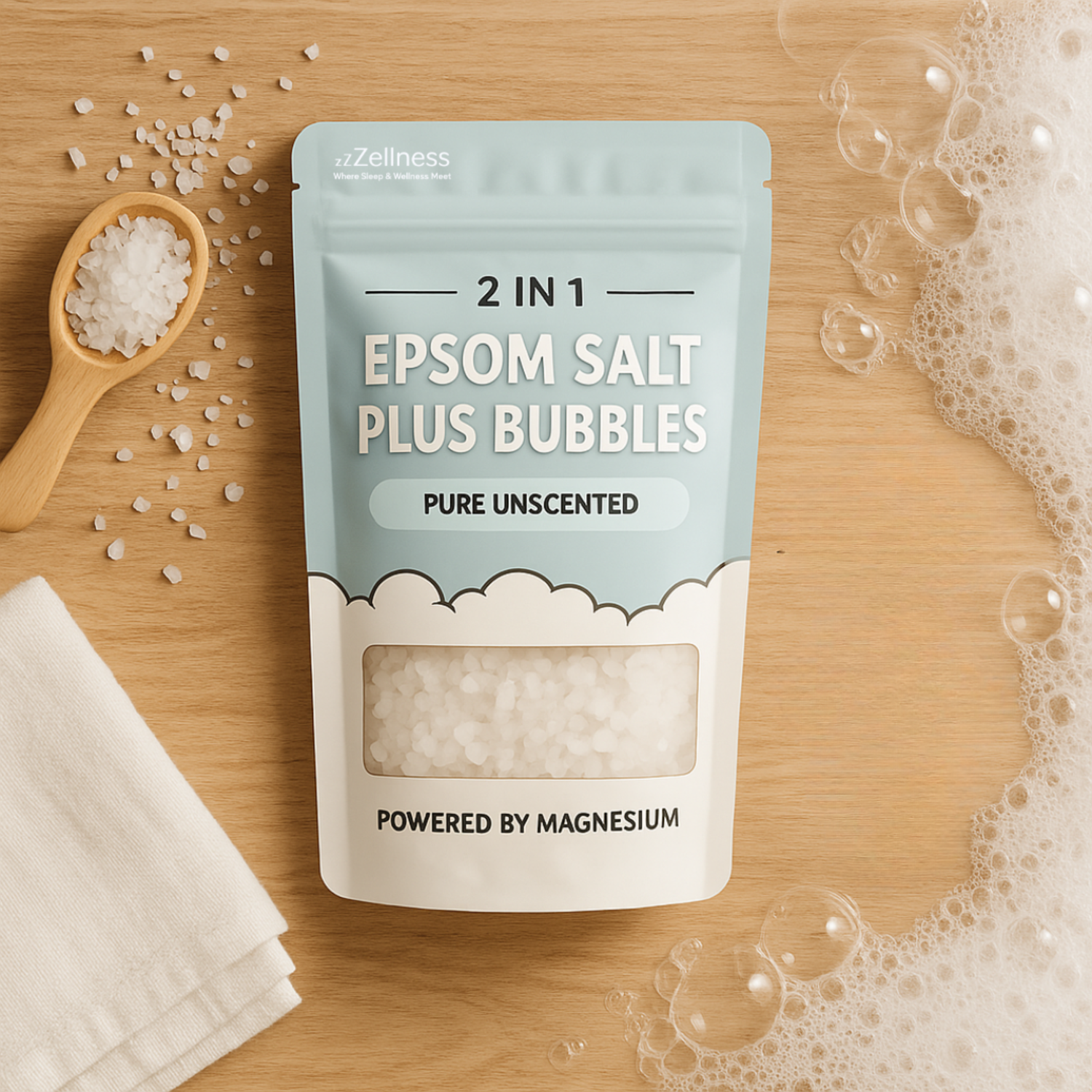
The Bunion Relief Bundle offers a comprehensive approach to foot comfort by combining three effective products designed to alleviate pain and protect sensitive areas. The ToeTape™ Bunion Corrector Tape gently realigns the big toe, while Moleskin Bunion Pads shield against friction and irritation. Additionally, the Epsom Salts + Foaming Bubbles provide a soothing soak that aids recovery after long days on your feet.
View Product