







Overview
This article provides a comprehensive guide to managing bunions through non-surgical treatments. Readers will learn about various effective strategies, including lifestyle changes, home remedies, and professional therapies, aimed at alleviating pain and discomfort associated with this common foot condition. By exploring these options, individuals can take proactive steps toward improving their foot health and enhancing their quality of life.
Table of Contents
- Understanding Bunions and Their Causes
- Recognizing the Symptoms
- Non-Surgical Approaches to Bunion Relief
- 2. At-Home Remedies with Epsom Salts for Feet
- 3. Ice Therapy
- 4. Stretching and Strengthening Exercises
- 5. Orthotic Devices
- Professional Non-Surgical Treatments
- 6. Physical Therapy
- 7. Anti-Inflammatory Medications
- 8. Corticosteroid Injections
- Add More Comfort to Your Daily Routine
- 9. Regular Foot Care
- 10. Warm Up and Cool Down
- Preventing Bunions from Worsening
- Why Seek Professional Help?
- Embrace Foot Freedom Today!
Key Takeaways
- Bunions are caused by factors such as genetics, inappropriate footwear, foot structure, and previous injuries.
- Wearing shoes with wide toe boxes, soft materials, and good arch support can significantly alleviate bunion discomfort.
- Epsom salt foot soaks can reduce swelling and inflammation while providing muscle relaxation.
- Incorporating stretching and strengthening exercises can improve foot mechanics and reduce bunion-related pain.
- Consulting with a podiatrist for custom orthotics can help realign the toe and redistribute pressure on the bunion.
- Physical therapy and anti-inflammatory medications can be effective for persistent bunion pain management.
- Regular foot care and preventive measures, such as maintaining a healthy weight and avoiding high heels, can help prevent bunions from worsening.
Bunions can be a painful and often embarrassing foot condition that affects many people. While surgery is an option, non-surgical treatments can provide significant relief and help manage symptoms effectively. In this article, we'll explore various non-surgical treatments for bunions, including lifestyle changes, home remedies, and effective therapies. Whether you're searching for at-home solutions or professional options, we've got you covered.
Understanding Bunions and Their Causes
Bunions, also known as hallux valgus, are bony bumps that form at the base of the big toe. They occur when the toe deviates toward the second toe, causing a protrusion on the foot's outer edge. Several factors contribute to the development of bunions:
- Genetics: A family history of bunions increases your risk.
- Footwear: Tight or poorly fitted shoes can worsen bunion formation.
- Foot structure: Flattened arches and abnormal foot mechanics may play a role.
- Injury: Previous injuries to the foot can contribute to bunion formation.
Recognizing the Symptoms
Common symptoms of bunions include:
- Pain or tenderness in the big toe area
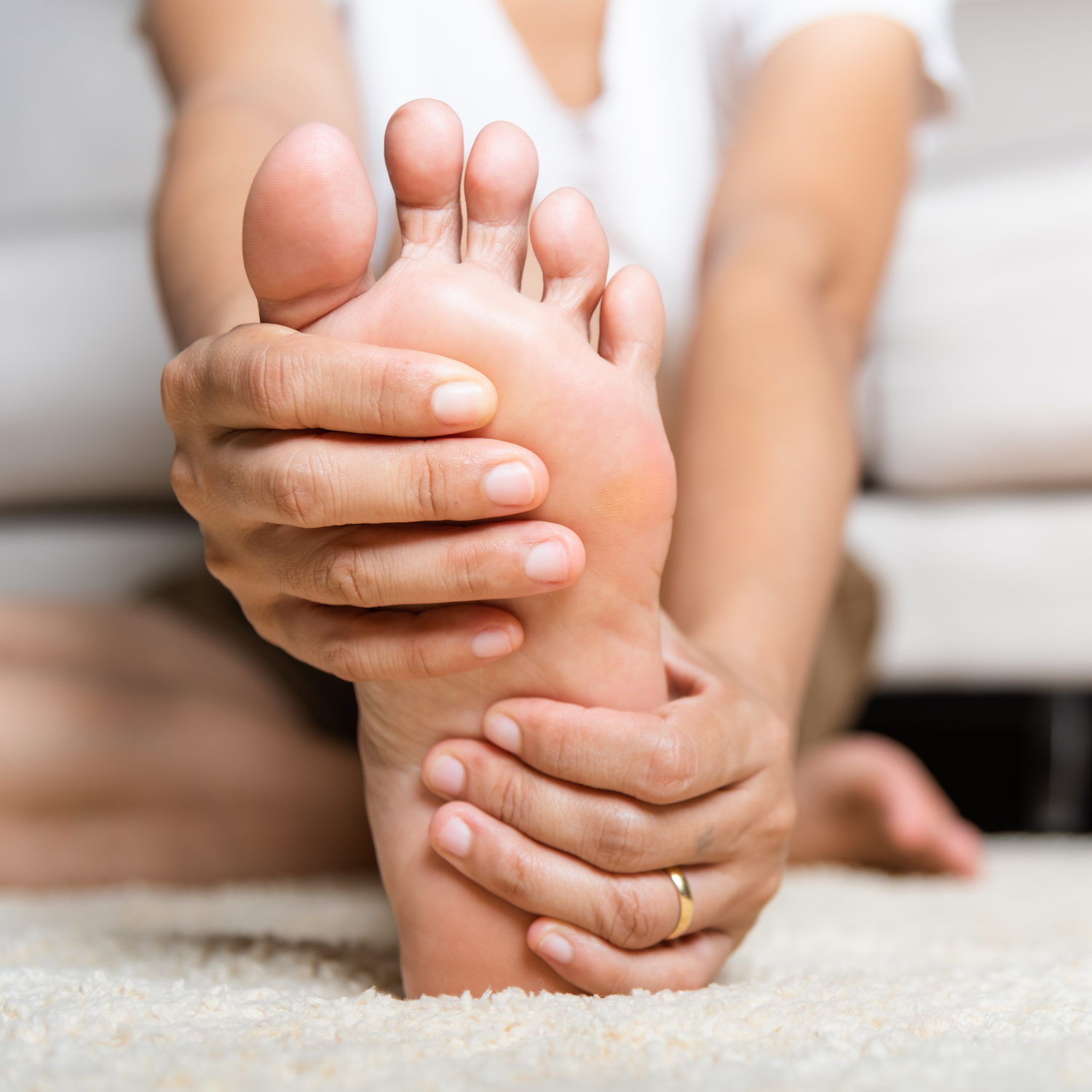
- Swelling and redness around the bunion
- A visible bony protrusion
- Limited movement of the big toe
Understanding these symptoms is essential for early intervention and effective management.
Non-Surgical Approaches to Bunion Relief
1. Footwear Modifications
The first step in alleviating bunion discomfort is wearing the right shoes. Opt for footwear that offers support, ample toe space, and cushioning. Avoid high heels and tight shoes that exacerbate the condition. Instead, choose shoes with:
- Wide toe boxes to accommodate bunions
- Soft, flexible materials
- Good arch support
2. At-Home Remedies with Epsom Salts for Feet
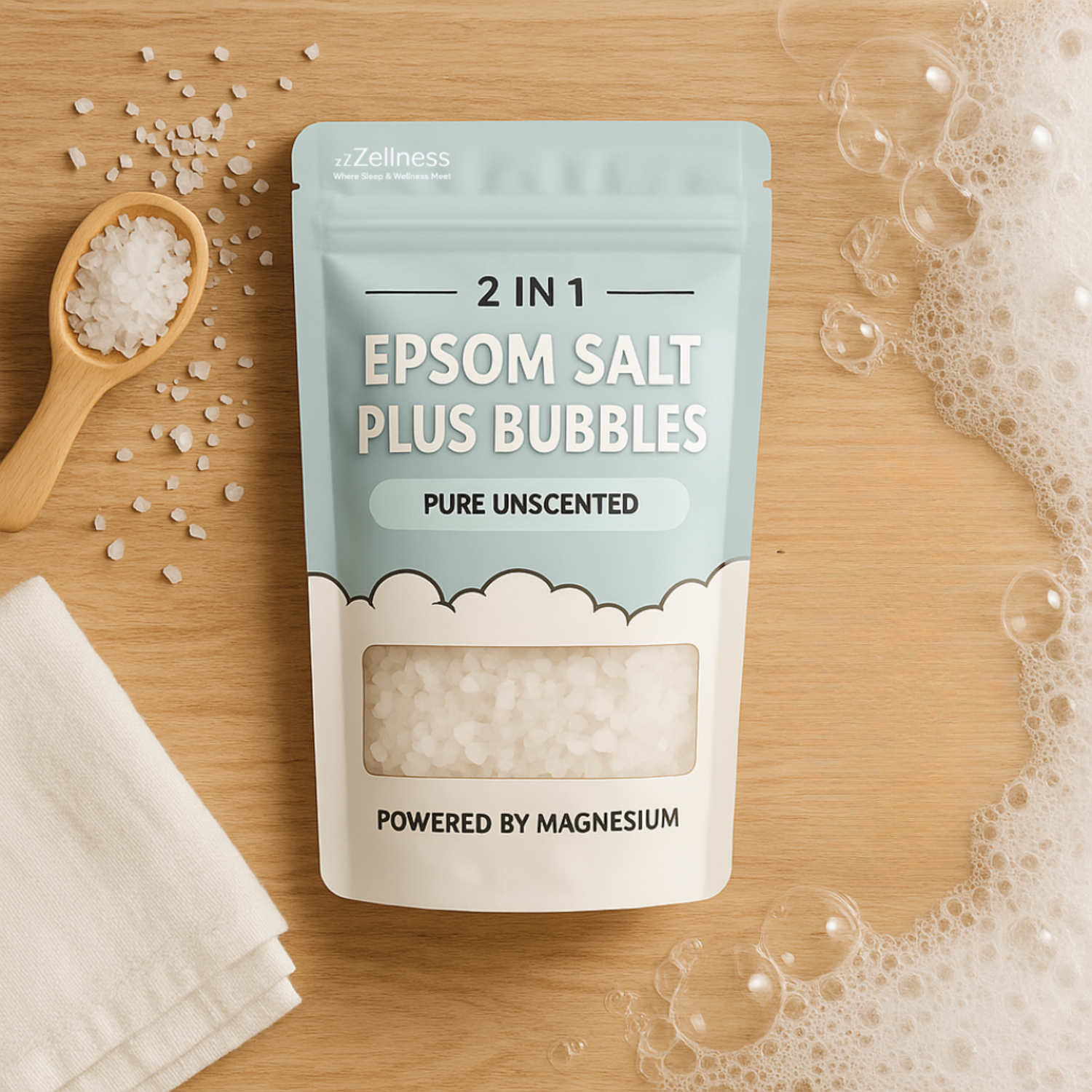
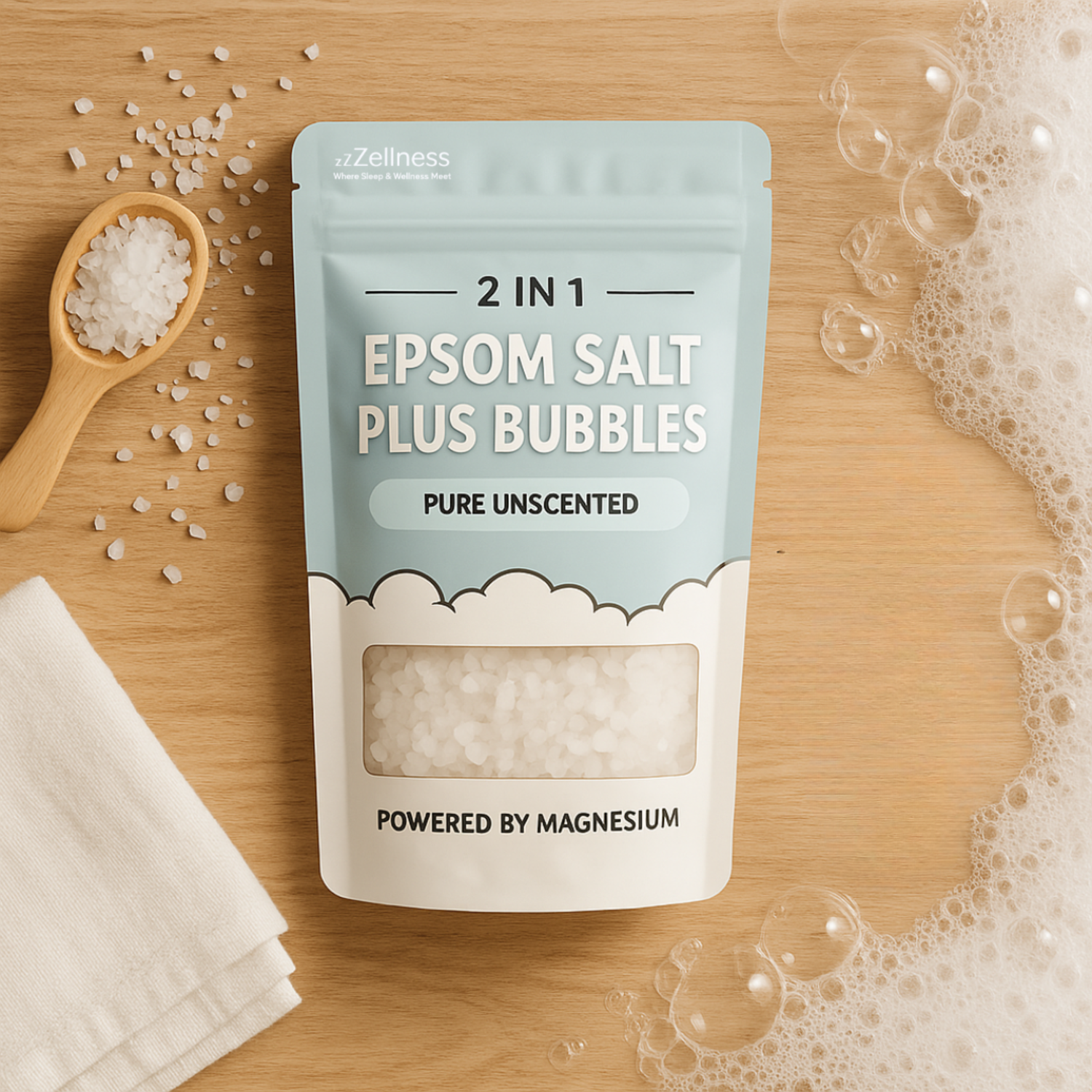
One popular home remedy for bunion relief involves the use of epsom salts for feet. Not only can they help reduce swelling and inflammation, but they are also known for their muscle-relaxing properties. To create an effective foot soak:
- Dissolve half a cup of epsom salt in a basin of warm water.
- Soak your feet for 15 to 20 minutes.
- Gently massage the bunion area while soaking.
This relaxing foot soak can provide immediate relief and help soothe the affected area.
3. Ice Therapy
Icing the bunion can reduce swelling and numb the area, providing temporary pain relief. Simply wrap an ice pack in a cloth and apply it to the bunion for 15 minutes. Repeat this several times a day, especially after long periods of standing or walking.
4. Stretching and Strengthening Exercises
Incorporating stretching and strengthening exercises into your routine can improve foot mechanics and alleviate discomfort associated with bunions. Here are a few exercises to try:
- Toe Stretch: Sit on a chair and place your foot on the opposite knee. Gently pull your big toe away from your other toes to stretch.
- Ball Roll: Roll a tennis ball under your foot while seated to relieve tension in the arch.
- Toe Squeeze: Squeeze a soft ball between your toes to strengthen them.
5. Orthotic Devices
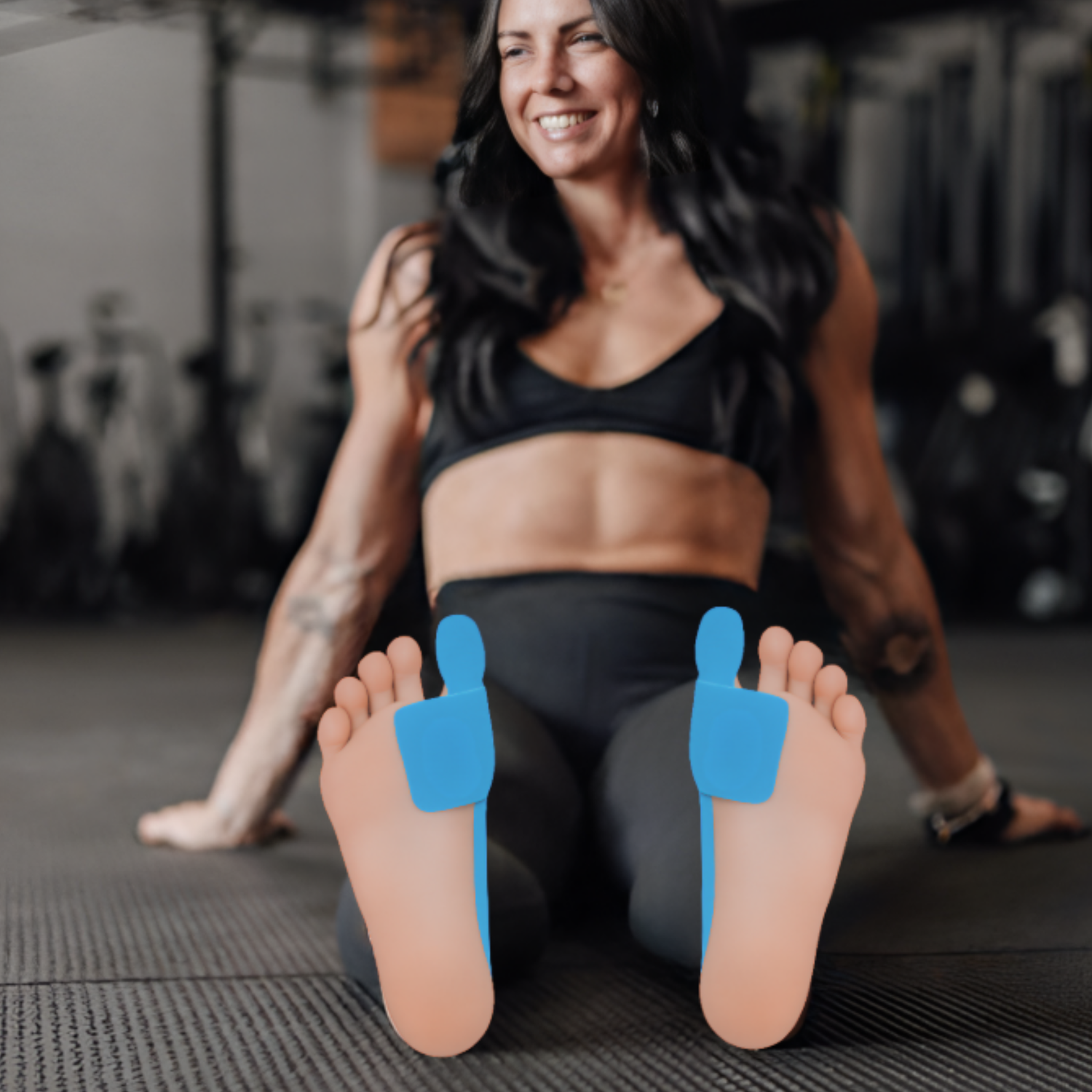
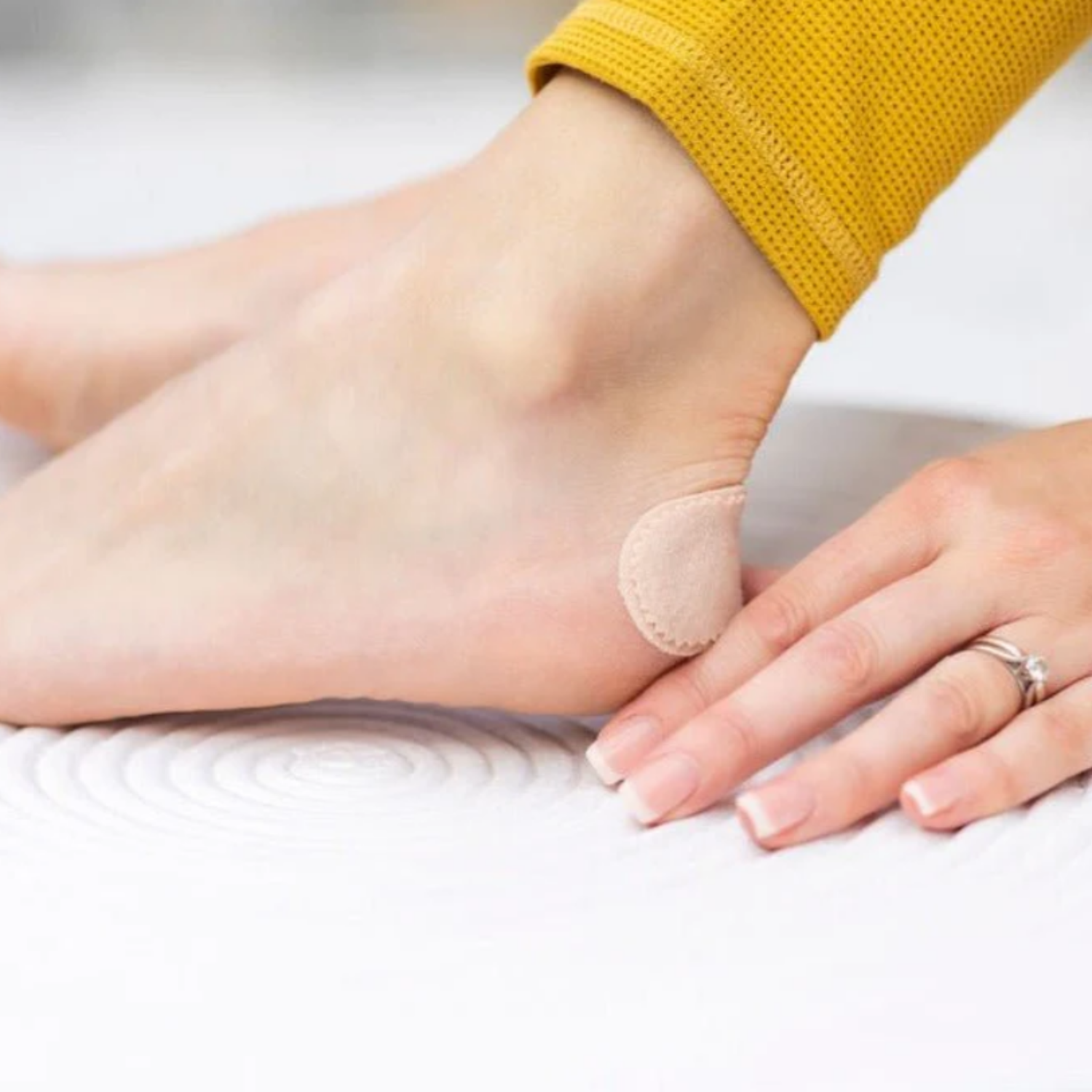
Custom orthotics or over-the-counter bunion pads can help to realign the toe. These devices provide cushioning and stabilisation, helping to redistribute pressure away from the bunion. Consulting with a podiatrist can help you choose the right orthotics to suit your needs.
Professional Non-Surgical Treatments
6. Physical Therapy
For persistent pain, consider seeking the help of a physical therapist. They can design a tailored exercise program to strengthen foot muscles and improve flexibility. Physical therapy not only helps alleviate discomfort but also addresses walking patterns that may have developed due to the bunion.
7. Anti-Inflammatory Medications
Over-the-counter anti-inflammatory medications, such as ibuprofen, can help reduce pain and swelling associated with bunions. Always consult with your healthcare provider before starting any medication to ensure it's appropriate for your situation.
8. Corticosteroid Injections
If other treatments prove ineffective, your doctor may recommend corticosteroid injections to reduce inflammation and pain in the bunion area. Injections can provide short-term relief and enable you to pursue non-surgical recovery methods effectively.
Add More Comfort to Your Daily Routine
9. Regular Foot Care
Maintaining proper foot hygiene and care can make a world of difference. Keep your feet clean and moisturized to avoid any unnecessary irritation. Additionally, make time for regular pedicures, which can prevent callouses and allow for easier foot movement.
10. Warm Up and Cool Down
Before engaging in physical activities, ensure you take the time to warm up your feet and legs. Stretching prepares the muscles and joints, minimizing potential stress on the bunion. Likewise, cooling down post-activity is essential to maintain foot health.
Preventing Bunions from Worsening
Preventive measures can go a long way in preserving foot health and relieving discomfort associated with bunions. Here are some tips to consider:
- Invest in quality footwear that supports your foot structure.
- Avoid high heels and shoes with narrow toe boxes.
- Maintain a healthy weight to reduce foot pressure.
- Engage in low-impact exercises, like swimming or cycling, to avoid excessive strain on your feet.
Why Seek Professional Help?
If your bunion pain persists despite trying home remedies and lifestyle changes, it may be time to see a specialist. A podiatrist can evaluate the severity of your bunion and recommend the most effective treatment options. Early intervention can prevent the condition from worsening and lead to more successful outcomes for bunion relief.
Embrace Foot Freedom Today!
Living with bunions doesn’t have to mean living with pain. By exploring non-surgical treatments and incorporating supportive practices into your daily routine, you can find the bunion relief you’ve been seeking. Remember to consult a healthcare professional for advice tailored specifically to your needs. Take charge of your foot health today, and you might just find your way back to comfort and confidence!
Frequently Asked Questions
1. What are bunions and what causes them?
2. What are common symptoms of bunions?
3. What non-surgical treatments can help alleviate bunion symptoms?
4. When should I seek professional help for bunions?
5. How can I prevent my bunions from worsening?
Glossary
| Term | Meaning |
|---|---|
| Bunion | A bony bump at the base of the big toe caused by toe misalignment. |
| Hallux Valgus | The medical term for bunions, referring to the big toe's deviation. |
| Orthotics | Supportive devices designed to correct foot alignment and relieve pressure. |
| Physical Therapy | A treatment involving exercises to strengthen muscles and improve mobility. |
| Anti-Inflammatory Medications | Over-the-counter drugs that reduce pain and swelling, like ibuprofen. |
| Corticosteroid Injections | Injections used to decrease inflammation and pain in the bunion area. |
| Epsom Salts | Mineral salts used in foot soaks to soothe pain and reduce swelling. |
| Footwear Modifications | Adjustments in shoe choices to provide better support and comfort. |
| Home Remedies | Simple treatments performed at home to alleviate bunion symptoms. |
| Stretching Exercises | Activities designed to improve flexibility and reduce discomfort in feet. |
Linked Product

Bunion Relief Bundle
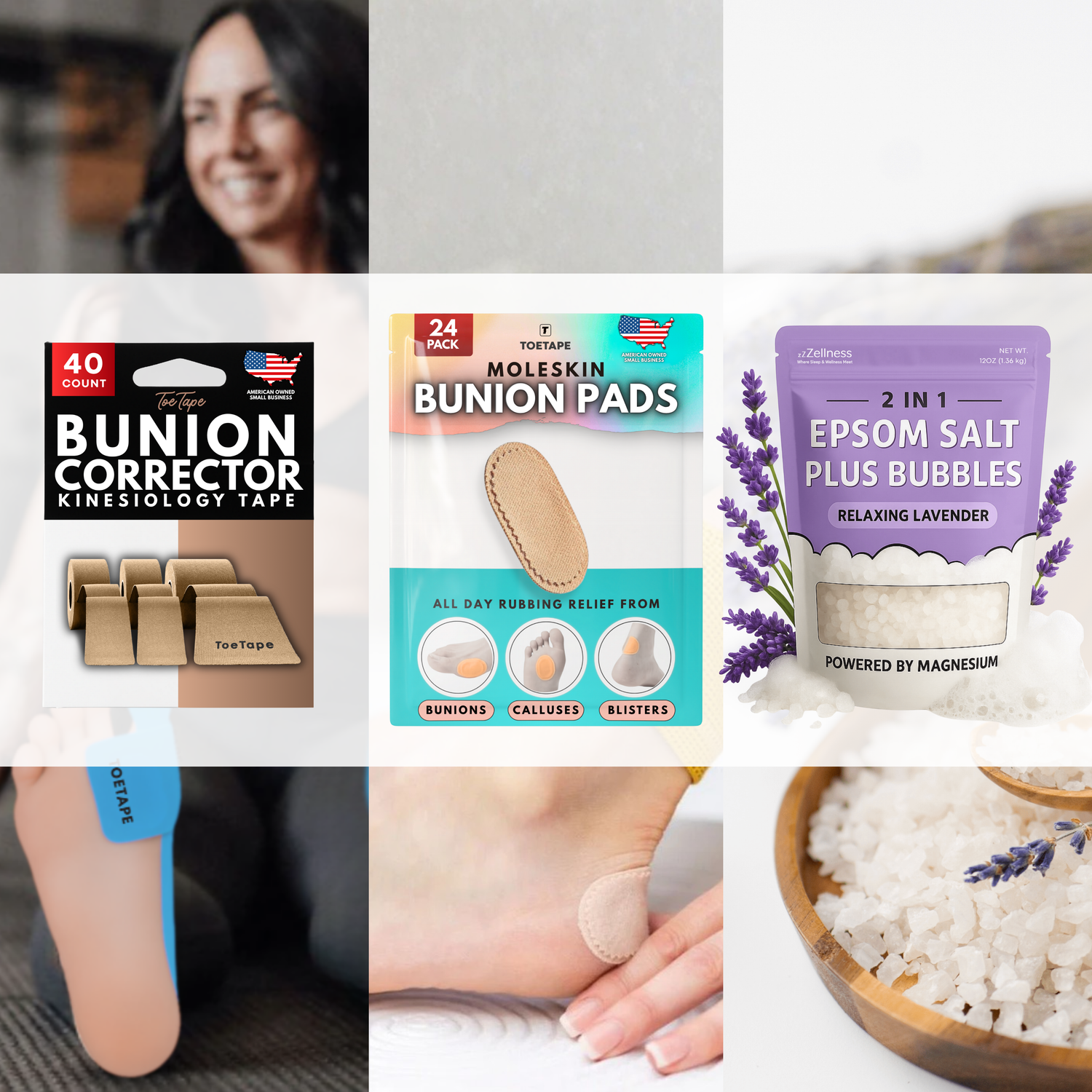
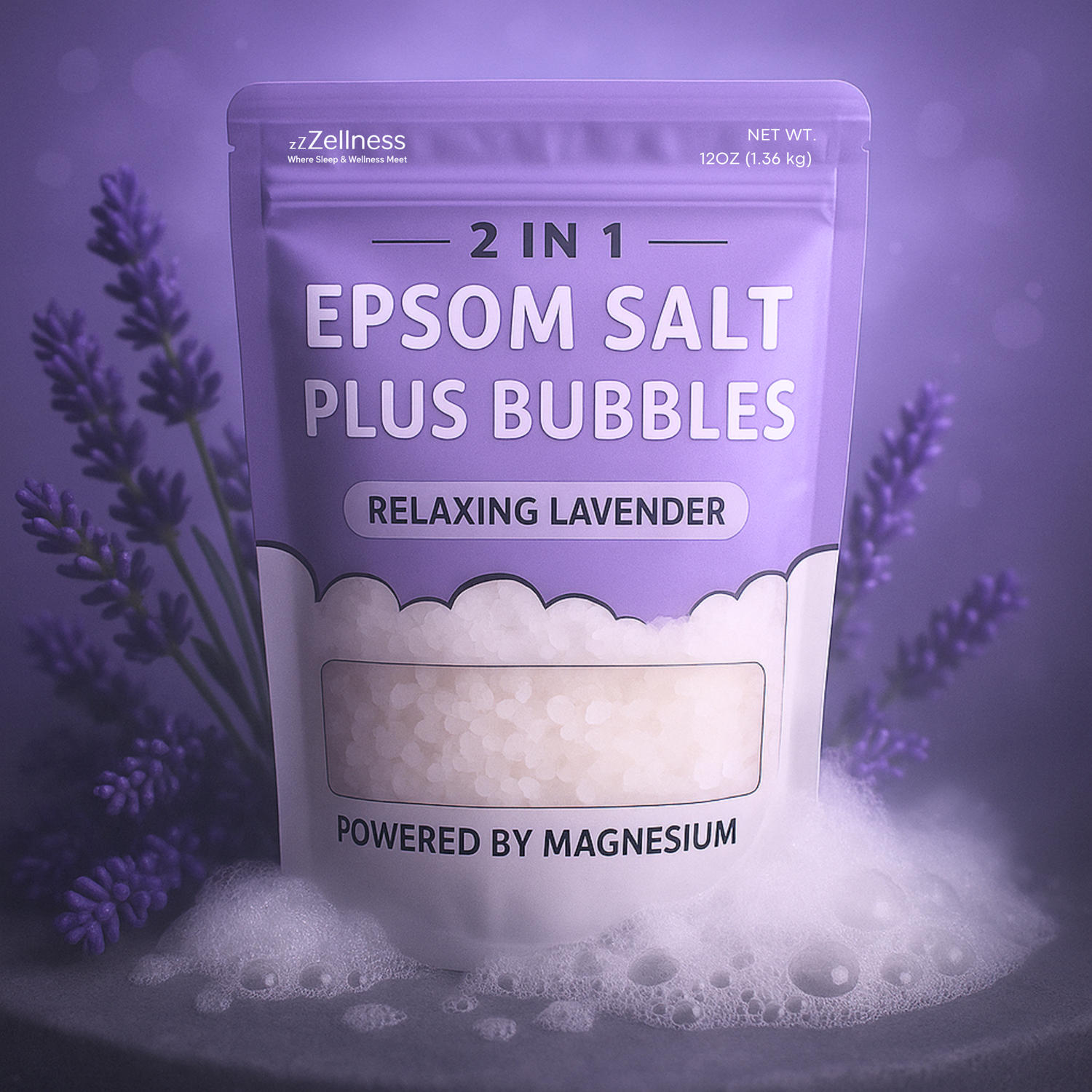
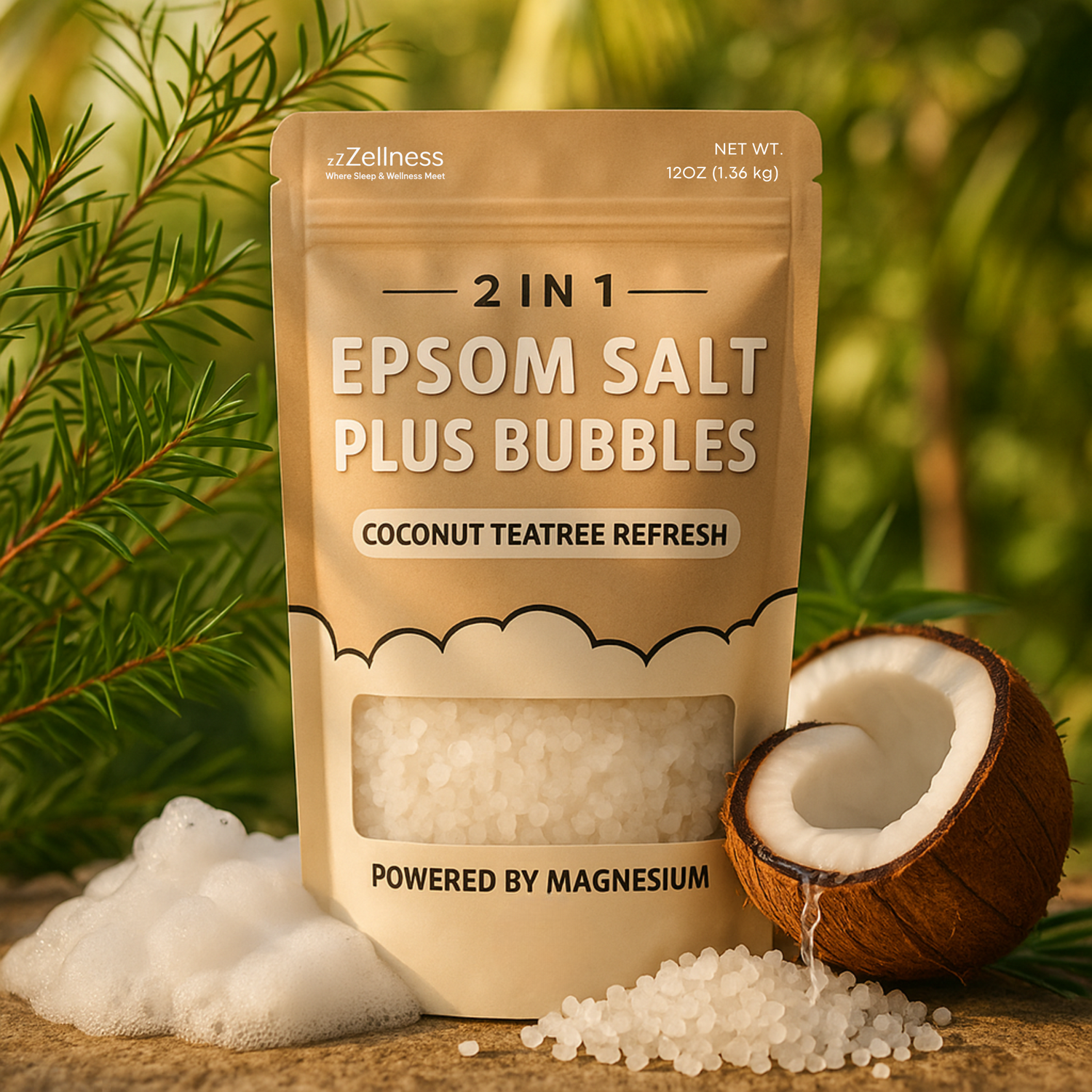
The Bunion Relief Bundle offers a comprehensive approach to foot comfort and recovery, featuring three effective products designed to address bunion pain and discomfort. With the ToeTape™ Bunion Corrector Tape for realignment, Moleskin Bunion Pads for protection against friction, and Epsom Salts + Foaming Bubbles for soothing relief, this bundle supports natural alignment and promotes faster recovery. Ideal for those on their feet all day or engaging in intense training, it helps ensure you stay comfortable and active.
View Product