




Overview
Athletes face challenges in managing pain while maintaining peak performance. Key strategies include understanding pain types, utilizing rest and recovery, ice and heat therapy, physical therapy exercises, supportive footwear, and exploring alternative treatments like acupuncture and massage. Nutritional considerations, mindfulness techniques, and consulting healthcare professionals are also crucial for effective pain management. Embracing a multi-faceted approach can enhance athletic performance and promote a pain-free experience.
Frequently Asked Questions
1. What are the common types of pain experienced by athletes?
2. What is the purpose of rest and recovery in pain management for athletes?
3. How does ice and heat therapy help manage pain?
4. What role do physical therapy and exercises play in pain management for athletes?
5. What is the significance of consulting healthcare professionals for pain management?
For athletes, maintaining peak performance while managing pain is a significant challenge. Whether you're a weekend warrior or a professional competing at the highest level, understanding effective pain management solutions is crucial. This article explores various methods to alleviate discomfort, ensuring that you can focus on what you do best: performing. Today, we delve deep into techniques that provide both relief and comfort, particularly for common issues like bunions which affect many athletes. Let’s explore these solutions in detail.
Understanding Pain in Athletes
Pain can arise from various sources, including overuse injuries, acute injuries, and chronic conditions. As an athlete, recognizing the nature of your pain is the first step toward finding the appropriate management solution. Let’s check out some common types of pain and their implications for athletic performance.
Acute Pain vs. Chronic Pain
Acute pain is generally short-term and often results from injuries like sprains or strains. This type of pain is usually manageable with rest, ice, compression, and elevation (RICE). Chronic pain, on the other hand, persists longer and may stem from ongoing conditions like arthritis or issues such as bunions. Managing chronic pain effectively can be complex and often requires a multi-faceted approach.
Strategies for Pain Management
Effective pain management entails a combination of immediate relief strategies and long-term preventive measures. Below are some practical approaches that athletes can use to manage pain and maintain their performance.
Rest and Recovery
No matter the source of pain, giving your body adequate time to recover is crucial. This means not just taking a break from training but also employing techniques like active recovery. This can include gentle stretching, yoga, or low-impact activities that promote blood flow without excessive strain on the affected areas.
Ice and Heat Therapy
Both ice and heat therapy can provide relief but serve different purposes. Ice therapy is great for managing acute injuries where swelling is present. Ice packs can be applied for 15-20 minutes to numb the area and reduce inflammation. Conversely, heat therapy works wonders for chronic conditions by improving blood flow and relaxing tight muscles. Switching between the two methods can also be beneficial.
Physical Therapy and Exercises
Incorporating physical therapy into your pain management plan can yield significant benefits. A professional therapist can design a program tailored to strengthen muscles, improve flexibility, and correct improper movement patterns. For athletes with bunions, specific exercises can enhance the alignment of the foot, reducing pain and preventing further complications.
Stretching and Strengthening Exercises
- Toe Curls: A simple exercise that helps strengthen the muscles in the feet.
- Towel Scrunches: This exercise helps improve the dexterity of your toes while strengthening the arch.
- Foot Rolls: Rolling the foot over a tennis ball can alleviate tension in the soles.
- Calf Stretches: Essential for preventing pain in the lower body, particularly in the Achilles and calf muscles.
These exercises are not only beneficial for pain management, but they also promote overall foot health, which is especially important for athletes who suffer from bunions.
Footwear Choices and Orthotic Solutions
The right footwear can make a massive difference in managing and preventing pain. Poor-quality shoes may contribute to discomfort and exacerbate foot issues like bursitis or bunions. Choosing specially designed athletic shoes can provide the support you'll need.
Importance of Supportive Footwear
Investing in high-quality, supportive footwear tailored to your specific sport can significantly minimize the impact on your feet and joints. Look for shoes that offer adequate arch support, cushioning, and room in the toe box to avoid pressure on bunions and provide bunion relief. If bunions are a concern, consider a bunion corrector for men that allows for a more comfortable fit and alignment.
Alternative Pain Management Techniques
In addition to conventional methods, several alternative therapies can offer significant relief. While some may require initial skepticism, many athletes have found success through these non-traditional approaches.
Acupuncture
Acupuncture involves inserting fine needles into specific points on the body to alleviate pain and promote healing. Many athletes report positive results, particularly for chronic pain conditions. This technique may help not only to relieve pain associated with injuries but also to improve overall athletic performance.
Massage Therapy
Massage therapy can help reduce muscle tension, improve circulation, and alleviate both acute and chronic pain. Regular sessions can be particularly beneficial for athletes after rigorous training or competition. Therapeutic massage techniques that focus on trigger points can help in unlocking tight muscles and improving overall range of motion.
Chiropractic Care
Chiropractors can help manage pain by realigning the spine and optimizing the body’s overall mechanics. For many athletes, regular chiropractic adjustments can lead to better alignment, which reduces pain from improper gait or posture. This technique can be beneficial for those dealing with persistent foot issues taking a toll on athletic performance.
Nutritional Considerations for Pain Management
A well-balanced diet can play a significant role in your recovery and overall pain management. Inflammation in the body can be exacerbated by certain foods, making it essential to pay attention to your nutritional intake.
Anti-Inflammatory Foods
Incorporating anti-inflammatory foods into your diet can help manage pain levels. Foods rich in omega-3 fatty acids like salmon, walnuts, and flaxseeds have potent anti-inflammatory properties. Additionally, fruits and vegetables that are high in antioxidants, such as berries, spinach, and kale, support overall health.
Hydration
Staying hydrated is crucial for muscle recovery and joint lubrication. Inadequate hydration can lead to cramps and muscle aches. Drink plenty of water throughout the day, especially before, during, and after your workouts.
Mindfulness and Mental Strategies
Pain management is not solely physical; mental strategies play a crucial role in how athletes cope with discomfort. Mindfulness practices like meditation and deep-breathing exercises can enhance your mental resilience, helping you remain focused on performance rather than pain.
Visualization Techniques
Many athletes find success in visualization techniques, where you mentally rehearse your performance. This can reduce performance anxiety and shift your focus away from pain, allowing you to enjoy your sport. Imagining successful movements can not only calm nerves but also help embed positive habits into your muscle memory.
Consulting Healthcare Professionals
When it comes to managing persistent pain, consulting professionals can make a world of difference. Whether that’s a sports medicine doctor, physical therapist, or podiatrist, getting expert advice ensures that you’re taking the right steps towards recovery. They can help identify specific sources of pain and recommend appropriate interventions tailored to your needs.
Regular Check-Ins
Establishing periodic appointments with health professionals can track your progress and adapt your pain management strategies over time. Keep lines of communication open so they can suggest further treatments or adjust existing ones based on how your body responds.
Final Thoughts: Find Your Pathway to Pain-Free Performance
Managing pain as an athlete requires a proactive, multi-faceted approach. From exploring physical therapy and proper footwear to embracing mindfulness and nutrition, implementing these diverse strategies can lead to substantial improvements in both pain management and athletic performance. Remember, it’s never just about covering up the pain; it’s about finding sustainable solutions that allow you to thrive in your sport. Embrace these strategies, consult with experts, and take charge of your pain management journey—so you can enjoy the joy of movement and reach your athletic goals without the burden of pain.
Linked Product

Bunion Relief Bundle
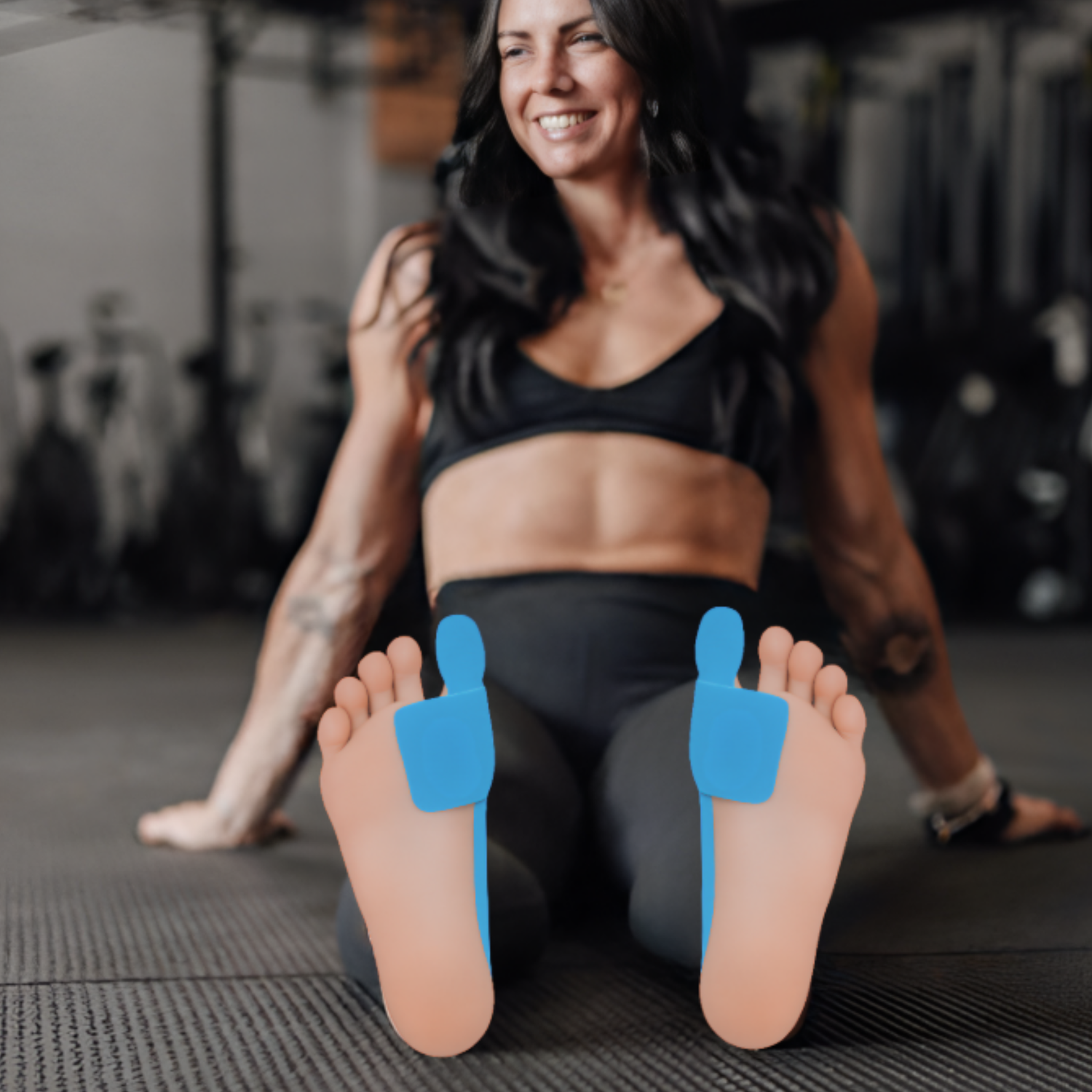
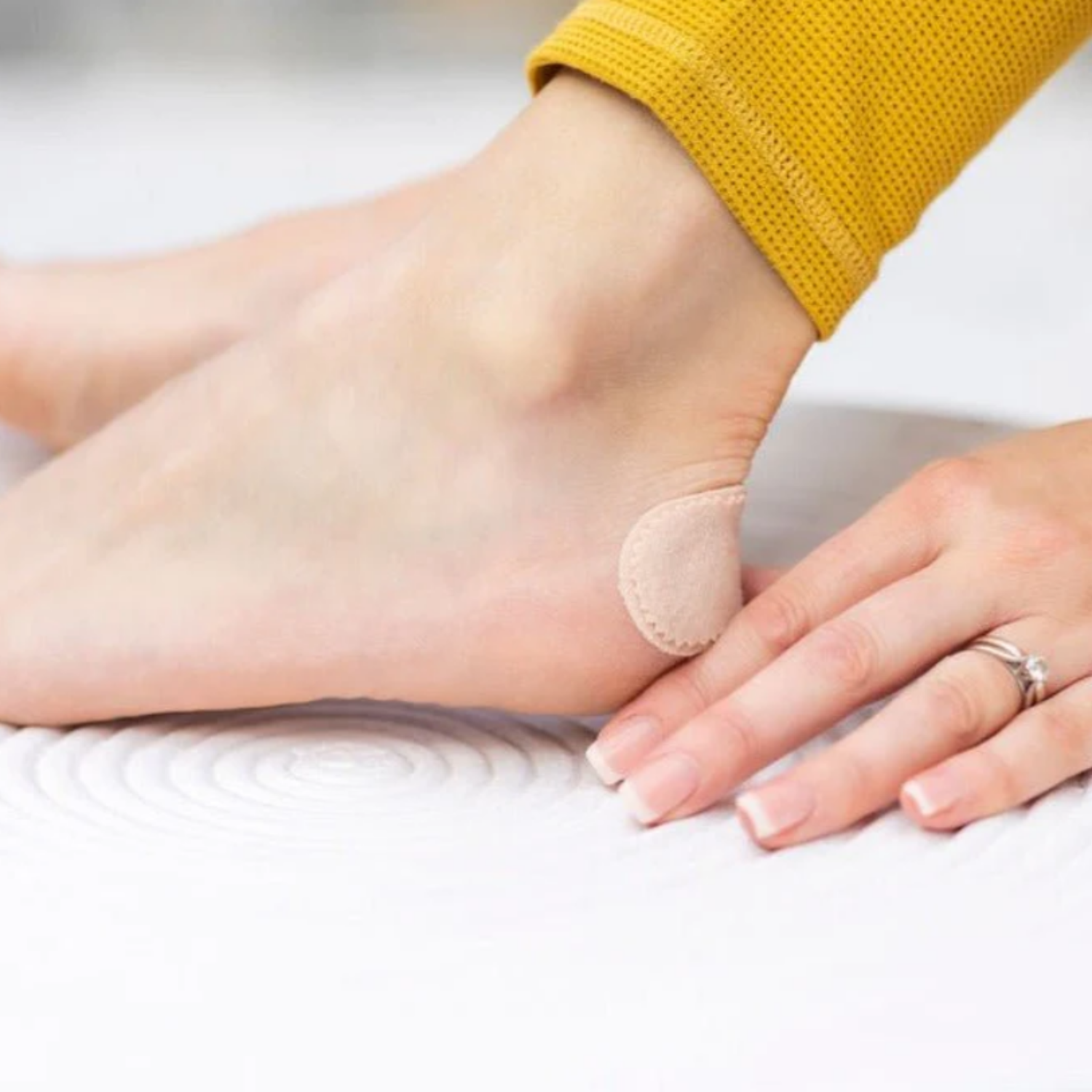
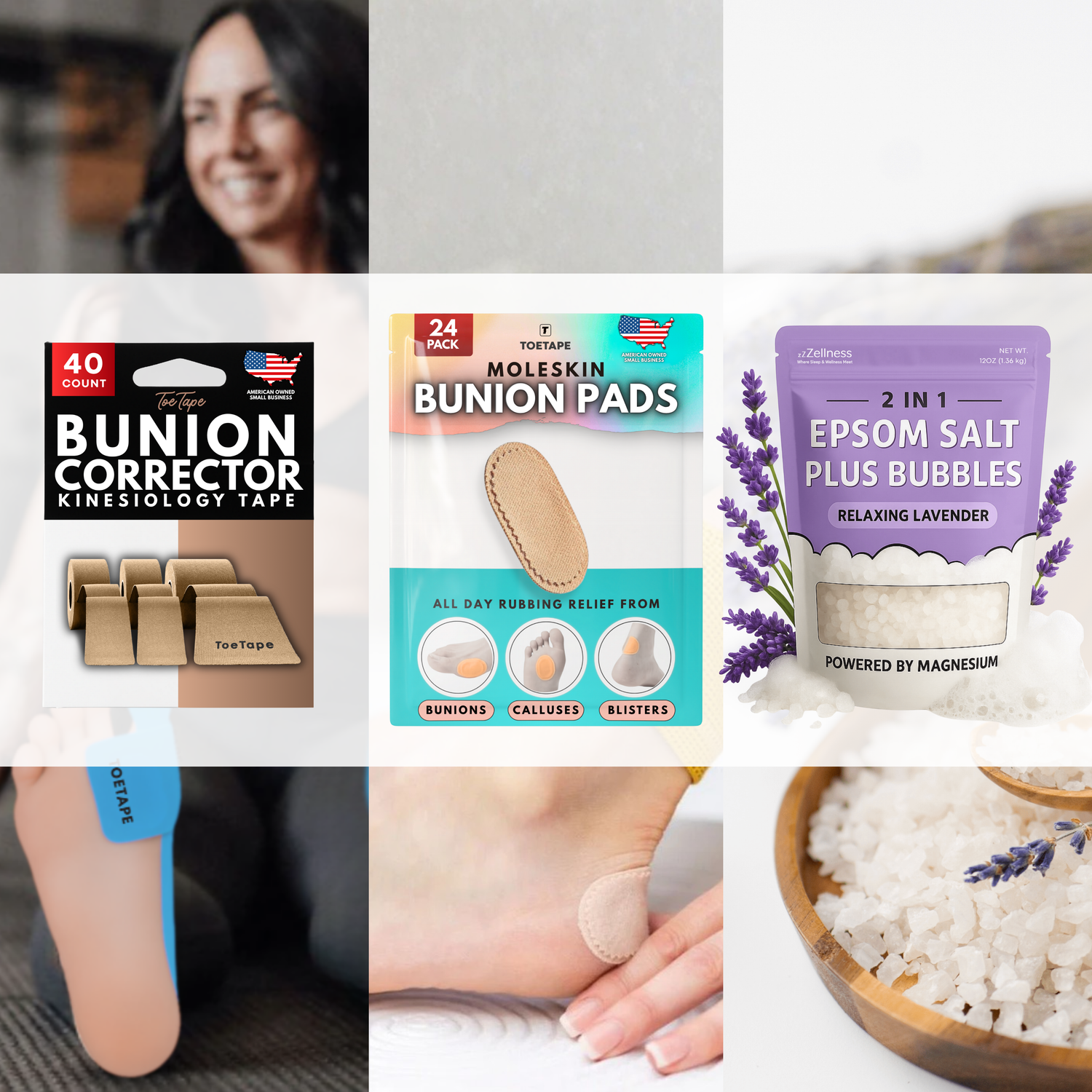
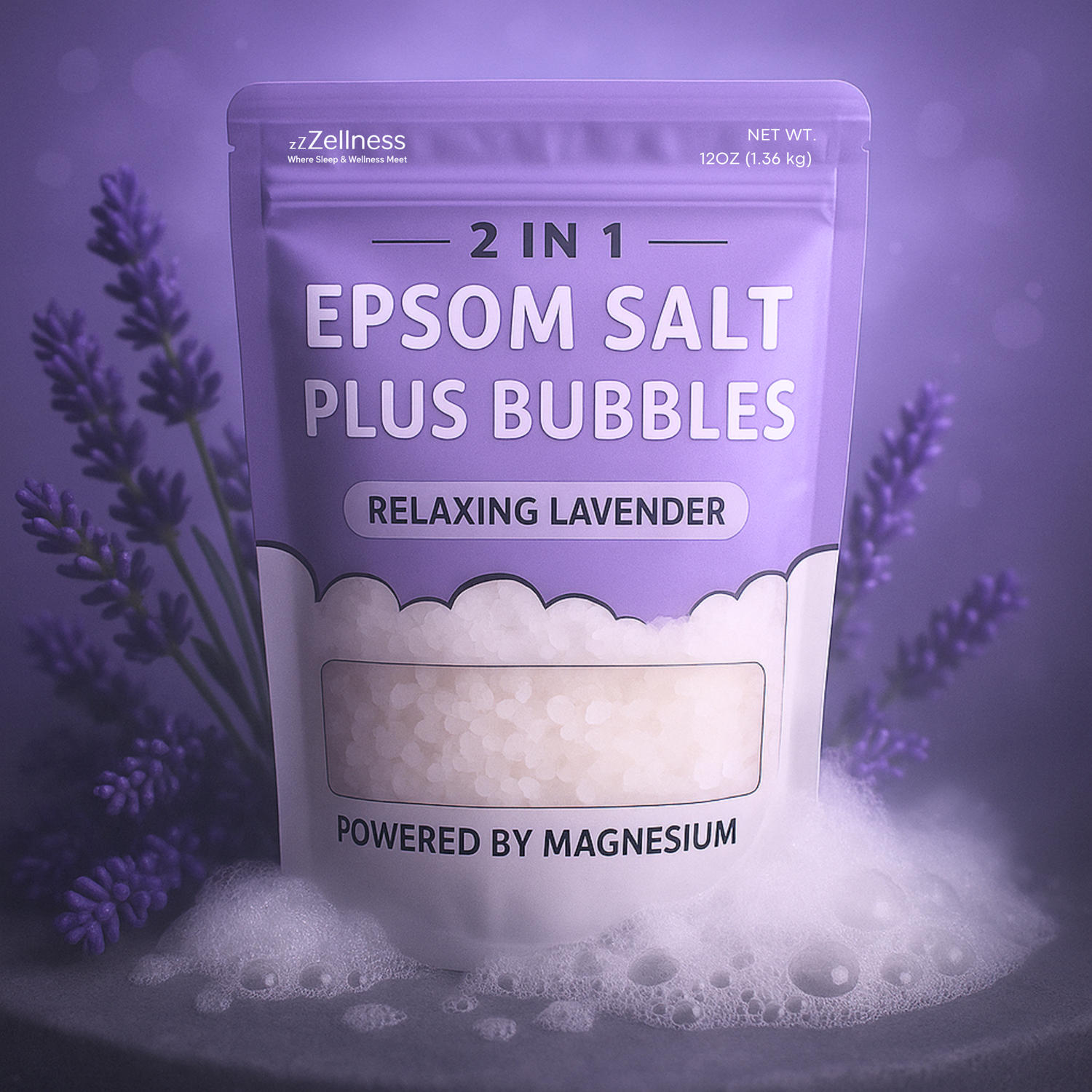
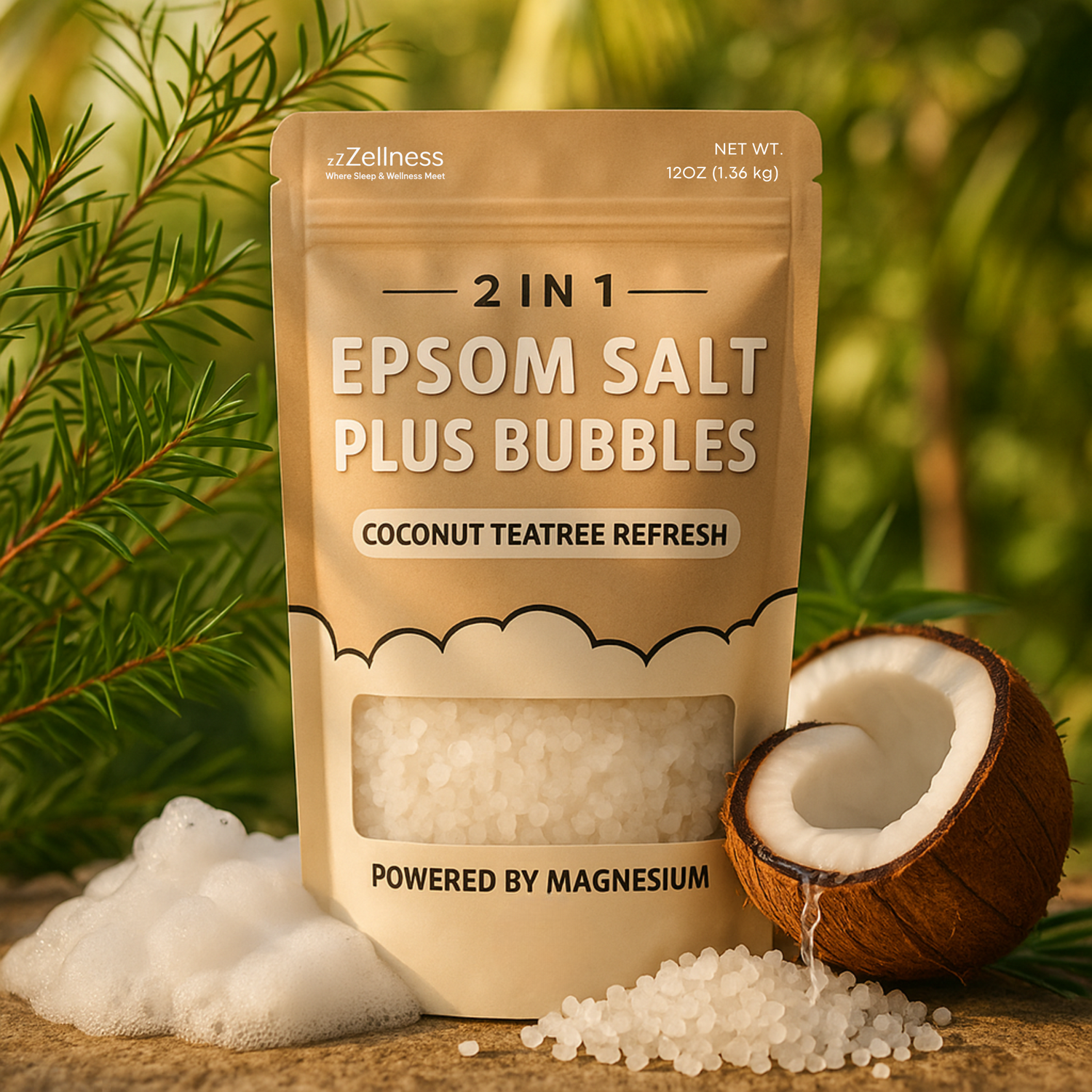
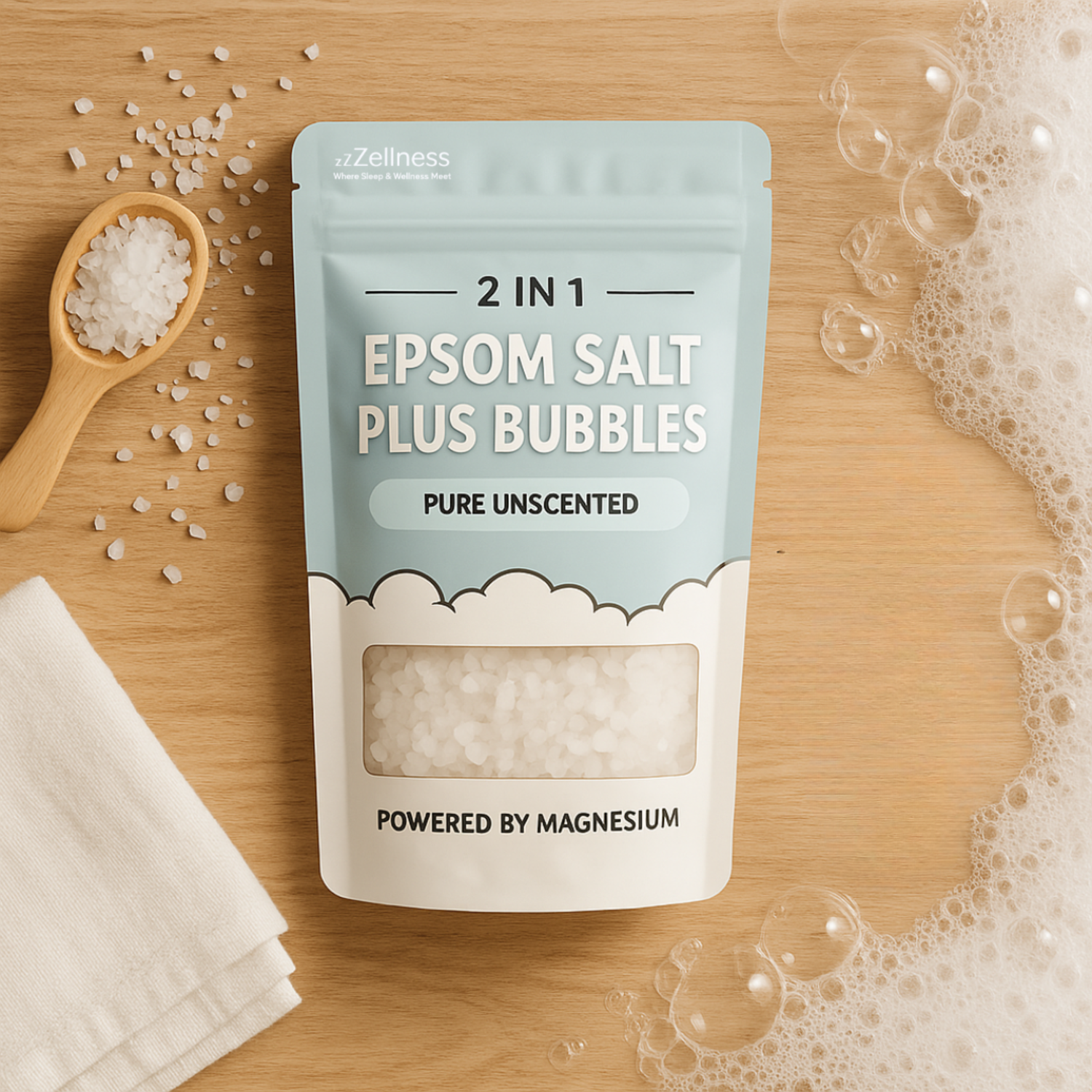
The Bunion Relief Bundle offers a comprehensive approach to foot comfort, combining effective products for pain reduction and protection. With features like the ToeTape™ for realignment, Moleskin Bunion Pads for friction protection, and a soothing Epsom salt soak, this bundle supports athletes through long days and intense training. It's designed to enhance recovery and promote natural alignment, making it a practical choice for those seeking relief from bunion-related discomfort.
View Product