








Overview
Post-surgery recovery for foot procedures requires understanding your surgery, managing pain, prioritizing rest and nutrition, and utilizing protective aids like bunion pads. Gradual reintroduction of mobility, hydration, and mindfulness are crucial for healing. Stay patient, monitor your progress, and seek support from friends and family to enhance your recovery journey.
Table of Contents
- Understanding Your Surgery
- Manage Your Pain
- Rest is Essential
- Nutrition for Healing
- Foot Care Fundamentals
- Choose Appropriate Footwear
- Utilize Protective Aids
- Physical Activity and Gradual Mobility
- Rehab and Strengthening Exercises
- Hydration Matters
- Monitoring Your Recovery
- The Healing Power of Mindfulness
- Stay Patient and Focused
- Incorporate Support Systems
- From Skepticism to Confidence
Key Takeaways
- Understand Your Surgery: Knowing the specifics of your procedure helps tailor your recovery approach.
- Manage Pain Effectively: Follow medical advice, use ice packs, and stay ahead of pain with scheduled medications.
- Prioritize Rest: Elevate your feet, avoid unnecessary walking, and practice relaxation techniques.
- Focus on Nutrition: Consume a balanced diet rich in protein, vitamin C, and zinc to support healing.
- Utilize Protective Aids: Use moleskin bunion pads and supportive footwear to protect and cushion your feet.
- Reintroduce Mobility Gradually: Start with gentle movements and consult your healthcare provider before increasing activity.
- Build a Support Network: Engage family and friends for emotional and practical support throughout your recovery.
Frequently Asked Questions
1. What should I prioritize after foot surgery?
2. How can I manage pain effectively post-surgery?
3. What role does nutrition play in recovery?
4. What types of footwear are recommended after foot surgery?
5. How can I support my mental well-being during recovery?
Recovering from surgery can be a daunting process, especially when it involves your feet or toes. Having the right mindset and approach can significantly influence your healing journey. In this article, we will explore invaluable tips to ensure a smooth healing process after surgery whilst highlighting the significance of using aid products like moleskin bunion pads and bunion cushions.
Understanding Your Surgery
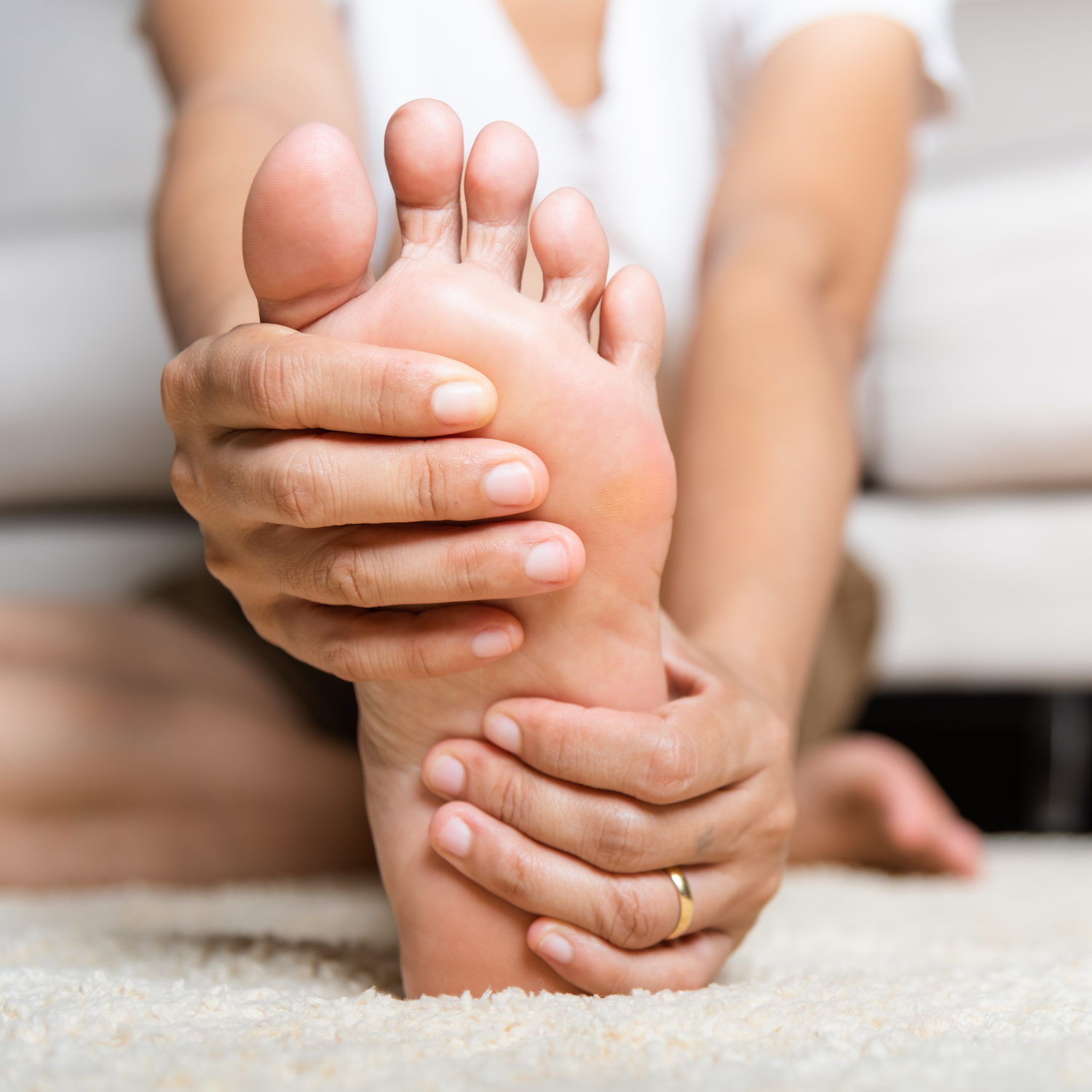
Before diving into recovery tips, it is essential to first understand the type of surgery you underwent. Whether it was bunion removal, toe correction, or any other procedure, letting your body heal is the priority. Surgery on the feet typically involves manipulation of bones, tendons, and sometimes nerves, so understanding your unique situation helps you take informed steps towards recovery.
Manage Your Pain
Post-surgery discomfort is normal. However, managing your pain effectively is crucial for a smooth recovery. Be sure to:
- Follow medical instructions: Take prescribed medications as directed.
- Apply ice: Ice packs can help reduce swelling and numb the pain.
- Stay ahead of the pain: Take medications on a schedule to prevent the pain from getting out of hand.
Rest is Essential
Your body requires ample time to recuperate after surgery, so prioritizing rest is vital. It's critical to rest not just your feet, but your entire body. Here are some ways to ensure you’re getting adequate rest:
- Elevate your feet: Keeping your feet elevated above your heart can help reduce swelling.
- Avoid unnecessary walking: Use crutches or a walker if needed.
- Engage in relaxation techniques: Consider deep breathing, meditation, or gentle stretches to enhance relaxation.
Nutrition for Healing
Eating a balanced diet can significantly influence your recovery process. Eating foods rich in vitamins and minerals can help your body repair tissues and promote healing:
- Protein: Essential for healing wounds (e.g., chicken, fish, lentils).
- Vitamin C: Helps with collagen production (e.g., citrus fruits, berries, bell peppers).
- Zinc: Supporting immune function and healing (e.g., nuts, seeds, whole grains).
Foot Care Fundamentals
Proper foot care plays a pivotal role in your post-surgery recovery. Here are some tips to help your feet heal successfully:
Choose Appropriate Footwear
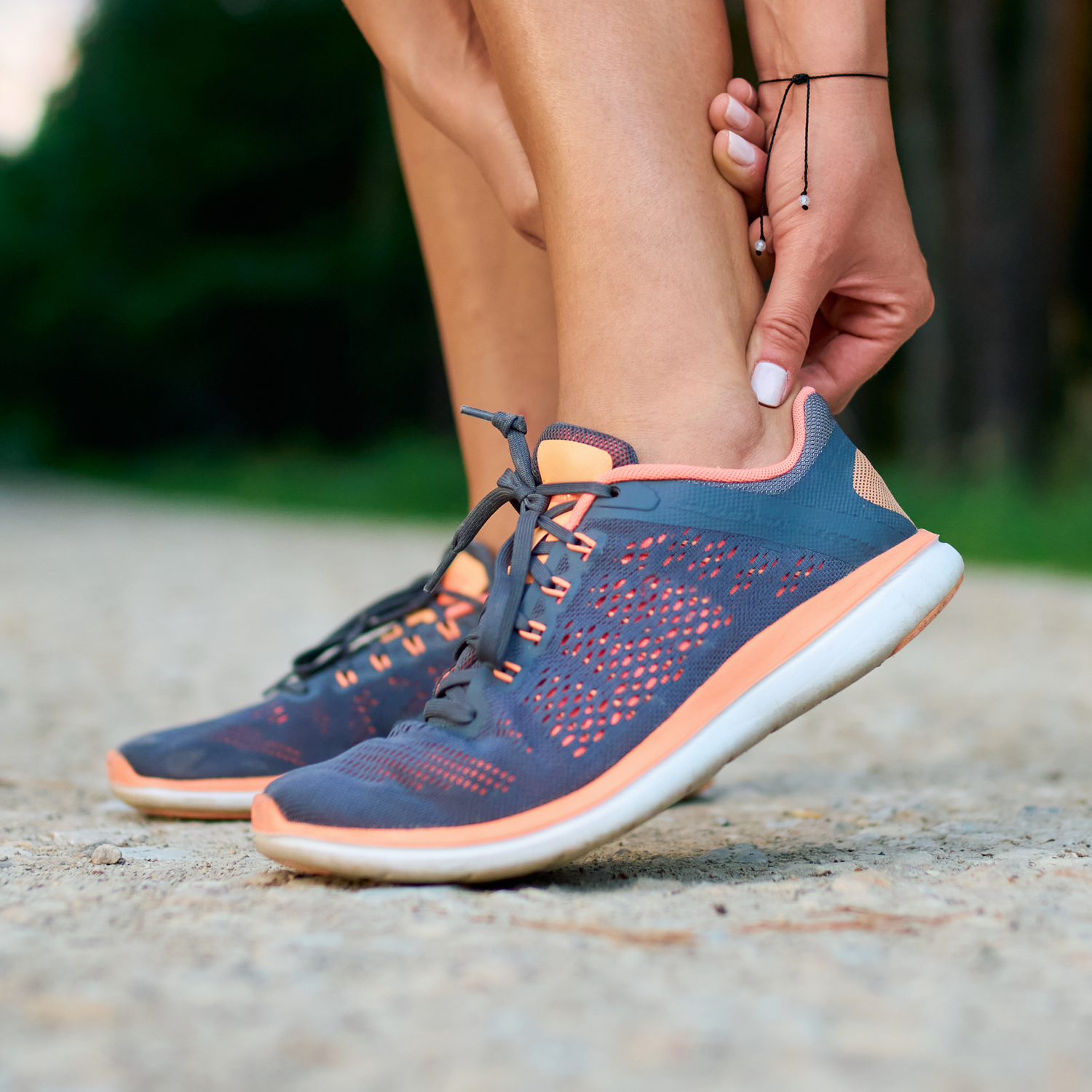
Wearing the right shoes post-surgery is vital for your comfort and recovery. Avoid tight, constricting shoes and opt for options that provide adequate cushioning. Bunion cushions can also be beneficial, as they offer added support and can relieve pressure on sensitive areas of your feet.
Utilize Protective Aids
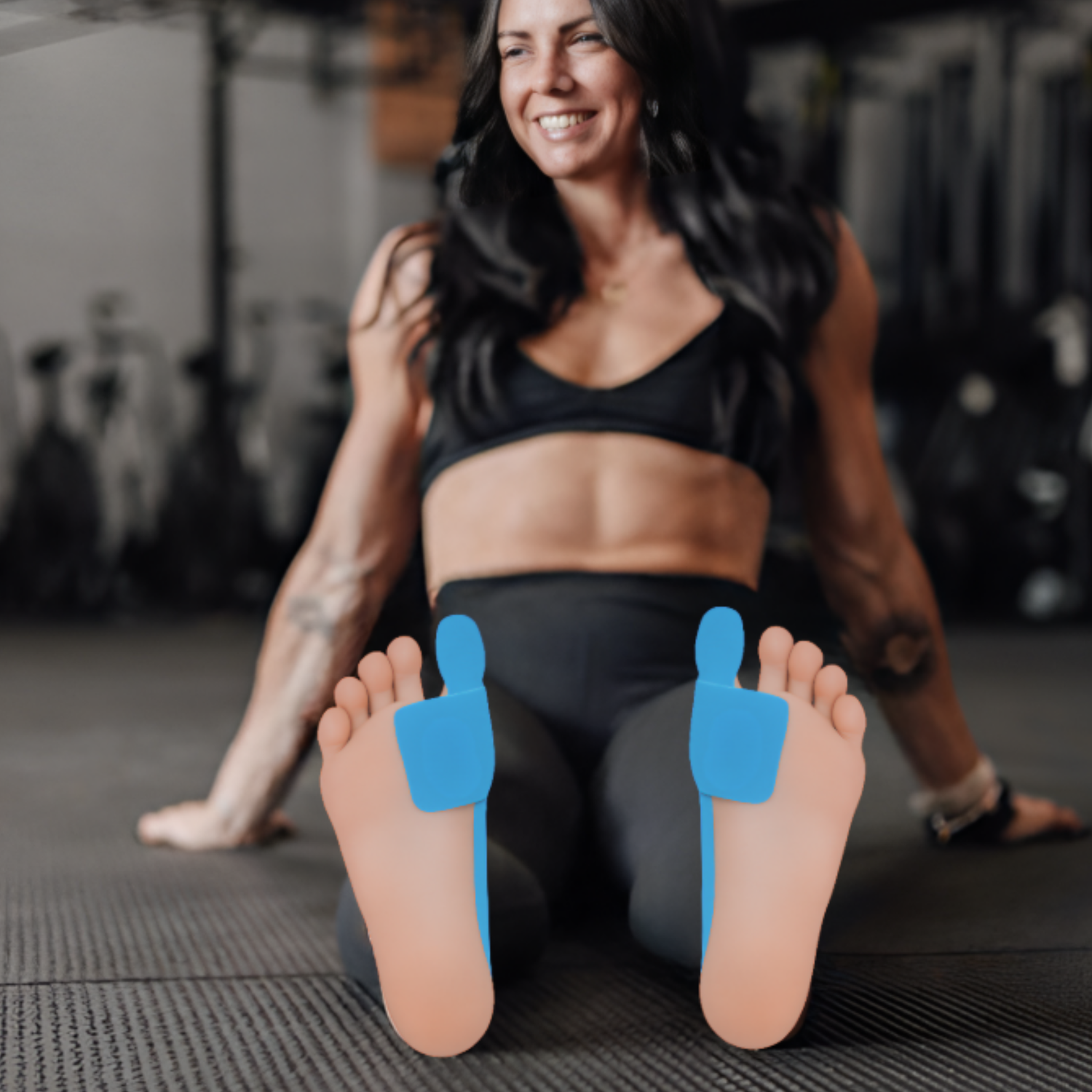
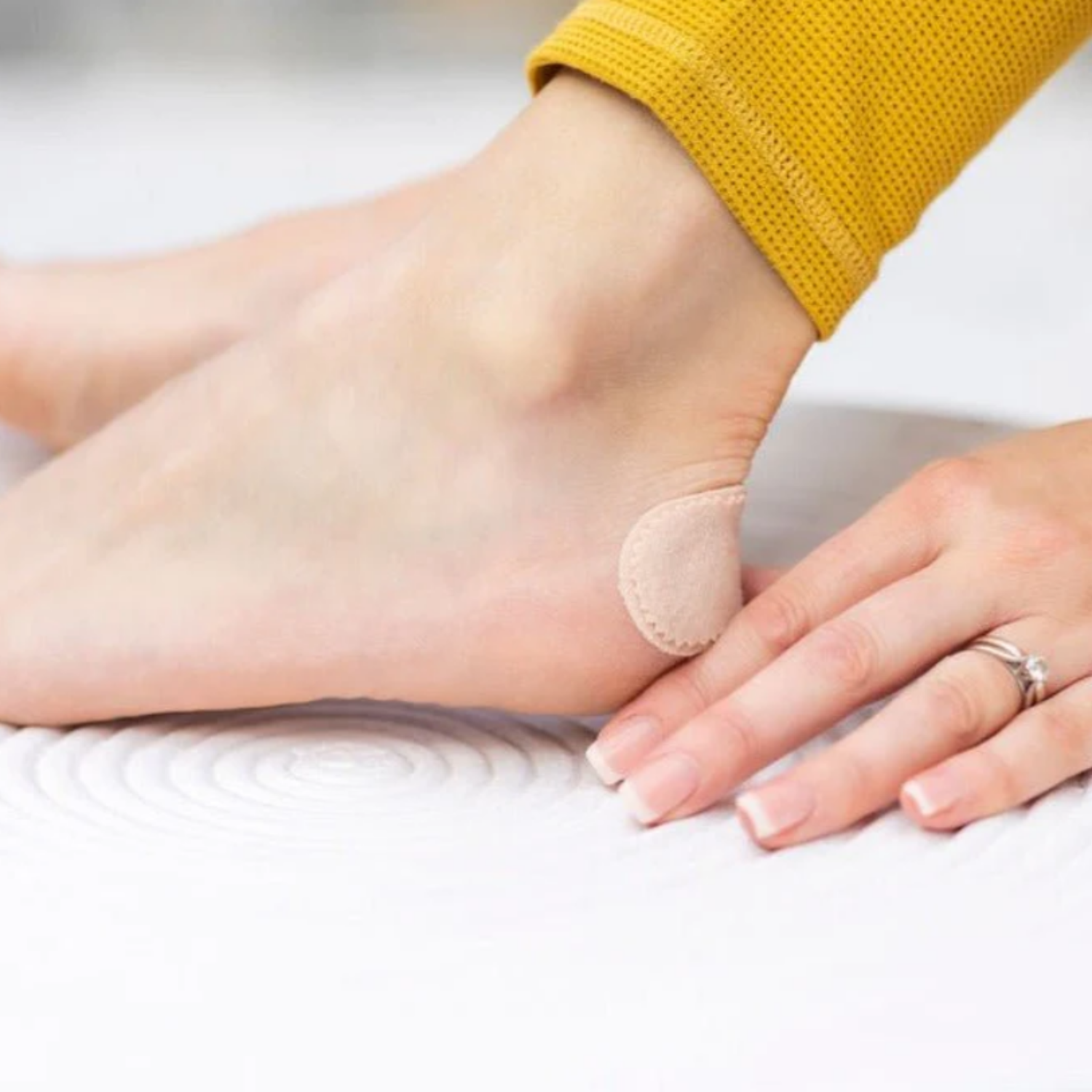
Depending on your specific surgery, utilizing protective aids can make a substantial difference. Moleskin bunion pads are excellent for protecting your feet and absorbing shock, especially if you have been instructed to start walking again.
Physical Activity and Gradual Mobility
While rest is essential, it's just as crucial to start movement gradually once your healthcare professional allows it. Here are some tips on how to reintroduce mobility:
- Start slow: Begin with gentle movements and basic exercises as recommended by your doctor.
- Engage in physical therapy: Consider working with a physical therapist specialized in post-surgery recovery.
- Listen to your body: If you experience pain or discomfort, stop and consult your healthcare provider.
Rehab and Strengthening Exercises
After a few weeks of rest and as advised by your doctor, it’s beneficial to start rehab and strengthening exercises. These are designed to restore strength to the affected areas and enhance mobility:
- Stretching: Gentle stretches for your toes, soles, and ankles can help regain flexibility.
- Resistance exercises: Incorporate resistance bands to strengthen your toes and feet.
- Balance exercises: Try to practice balance exercises to improve coordination.
Hydration Matters
Staying hydrated post-surgery is perhaps one of the simplest yet often overlooked recovery tips. Adequate water intake helps your body function properly and assists in healing. Aim to drink at least 8-10 glasses of water per day, and consider incorporating hydrating foods like fruits and vegetables.
Monitoring Your Recovery
Throughout your recovery, it’s essential to monitor your progress closely. Be vigilant for any signs of complications, including:
- Increased swelling
- Persistent pain that doesn’t improve
- Infection signs, such as fever or increased redness
Make sure to keep your medical appointments and relay any concerns to your healthcare provider.
The Healing Power of Mindfulness
Don’t underestimate the effect of mental well-being on healing. Practicing mindfulness can reduce stress and improve your overall recovery experience. Techniques to consider include:
- Meditation: Spending a few minutes each day to meditate can greatly improve your mental clarity and emotional state.
- Gratitude journaling: Journaling what you’re thankful for can promote positive thinking.
- Visualization: Visualize each step you take towards your recovery and the lifestyle that awaits you post-recovery.
Stay Patient and Focused
Remember, healing takes time. It’s natural to feel frustrated at times, especially if progress seems slow. Focus on your strengths, and celebrate small victories. Empowering yourself with knowledge about your recovery and embracing a positive outlook can significantly speed up the process.
Incorporate Support Systems
Don’t navigate your recovery journey alone. Reach out to family and friends for support. They can help, whether it’s providing transportation to appointments, joining you for therapy sessions, or simply being there to lend an ear during tough times. Building a support network is an invaluable aspect of your recovery process.
From Skepticism to Confidence
Post-surgery recovery can present a range of challenges, yet the positive outcomes await those who approach it with determination. By employing these practices – including effective pain management, proper footwear choices like moleskin bunion pads, nutritional guidance, and a supportive environment – you'll set the stage for a successful and smooth recovery.
Every step you take is a step towards reclaiming your mobility and your life. Embrace this healing journey, stay patient, and keep your focus on the bright future ahead of you. Your body is capable of amazing things, and with your efforts, you’ll soon be back on your feet with newfound vigor!
Glossary
| Term | Meaning |
|---|---|
| Surgery | A medical procedure to treat an injury or condition. |
| Bunion | A bony bump on the joint at the base of the big toe. |
| Recovery | The process of healing after surgery. |
| Rest | Time spent inactive to allow the body to heal. |
| Hydration | Maintaining adequate fluid intake for health. |
| Physical Therapy | Rehabilitation to restore movement and strength. |
| Mindfulness | A mental practice to enhance focus and reduce stress. |
| Nutrition | The intake of food to support body functions and healing. |
| Moleskin Pads | Soft pads used to cushion and protect sensitive areas of the feet. |
| Support Network | Friends and family who assist during recovery. |
Linked Product

Bunion Relief Bundle
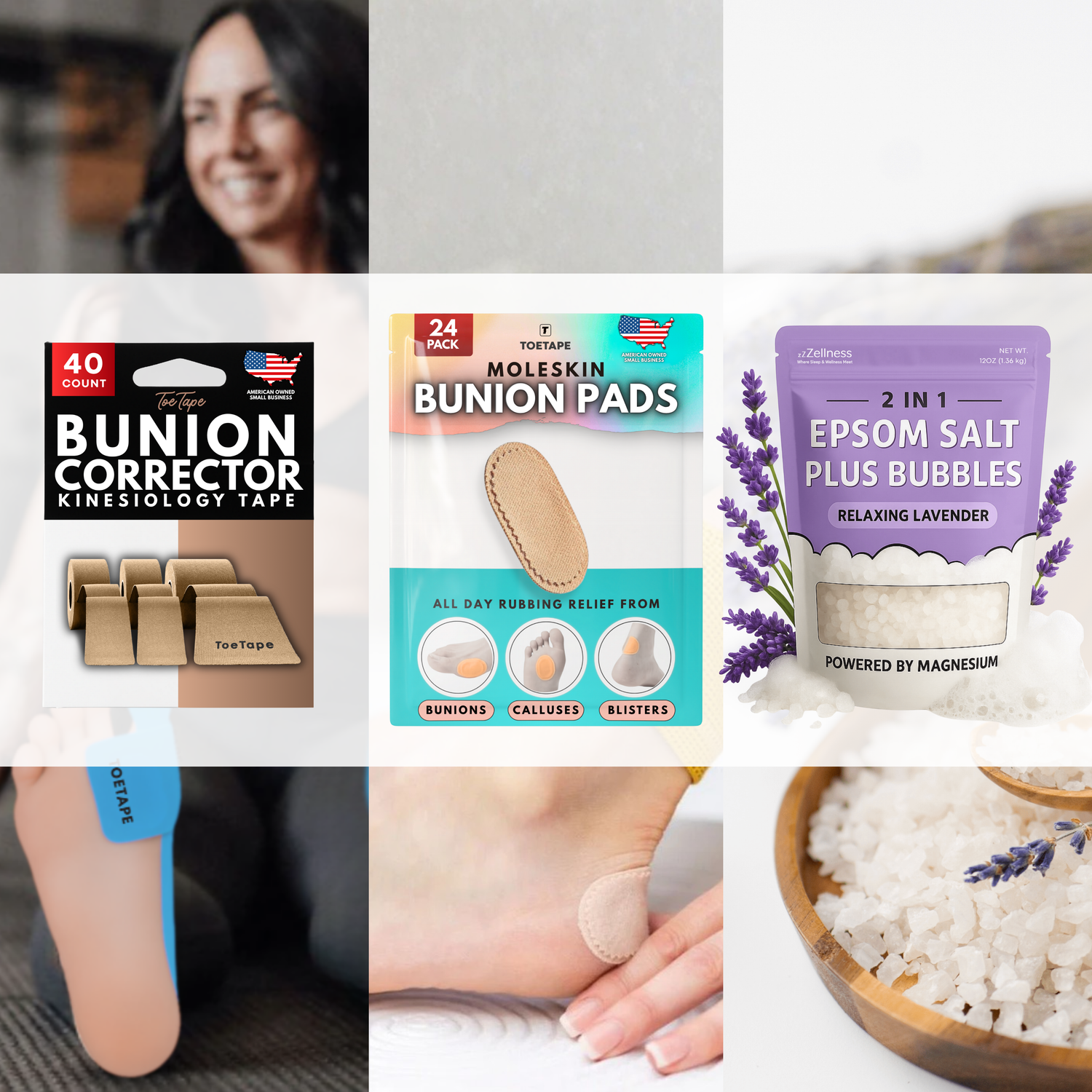
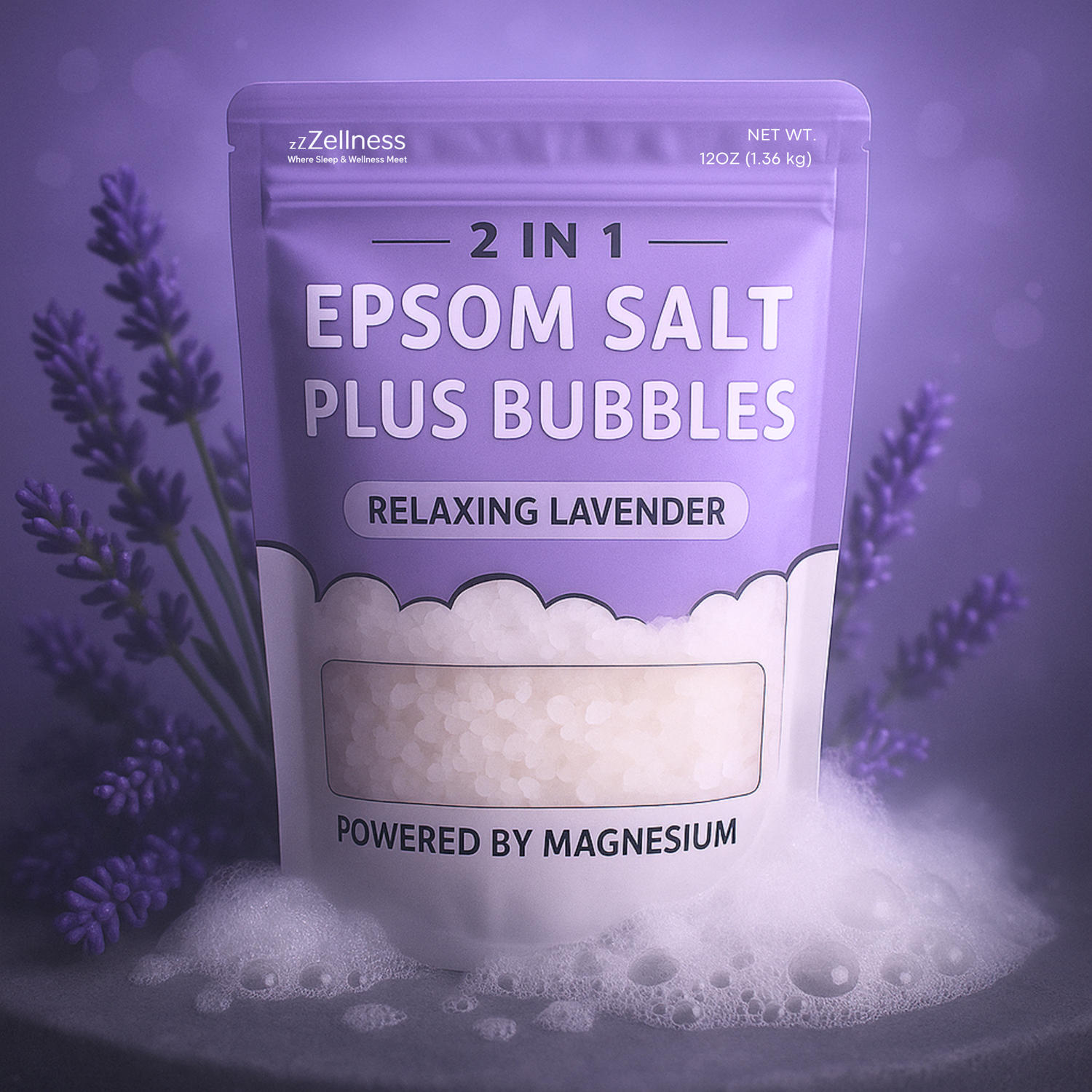
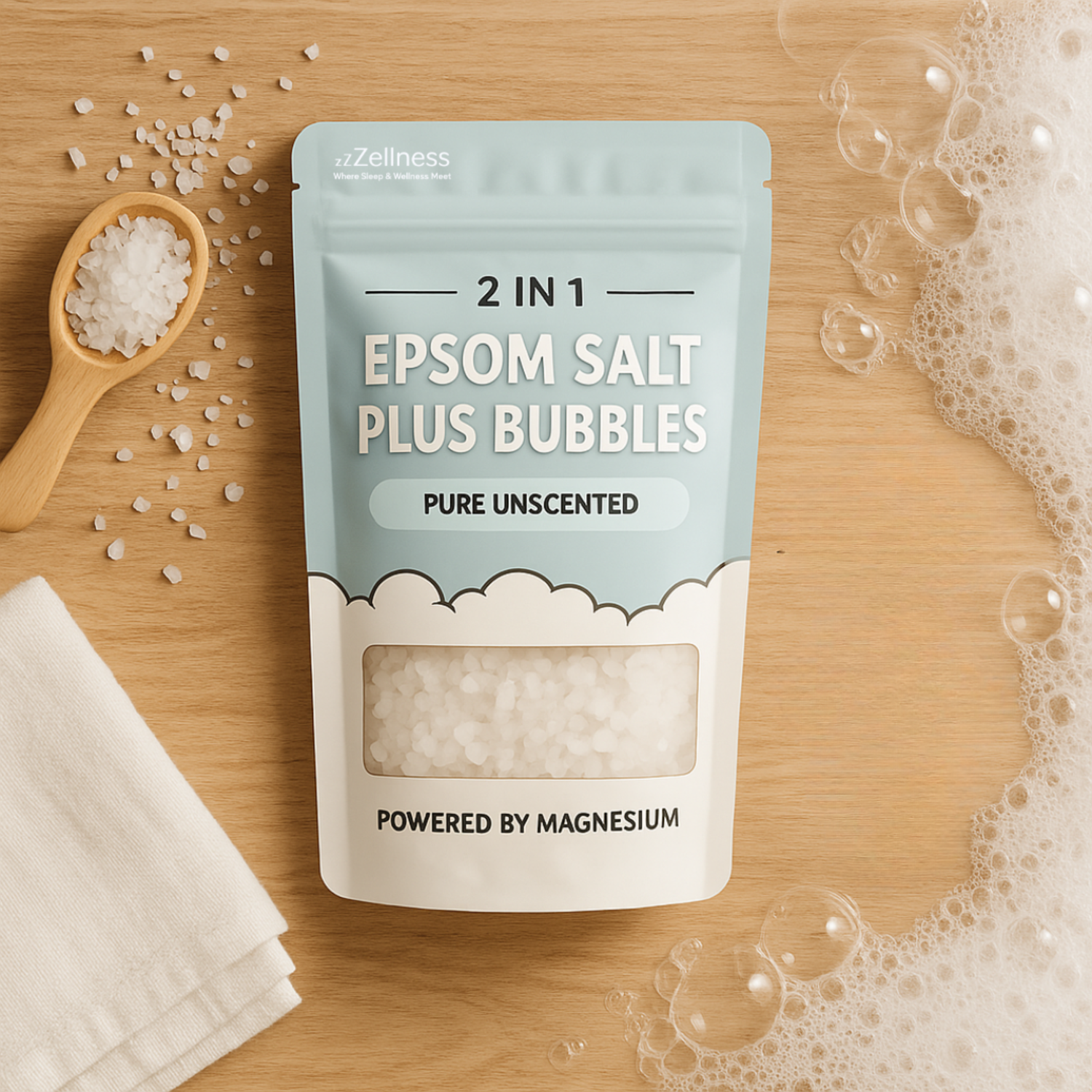
The Bunion Relief Bundle offers a comprehensive approach to foot comfort and recovery, making it suitable for those experiencing bunion pain or discomfort. With its combination of corrective tape, protective pads, and soothing Epsom salts, this bundle helps alleviate pressure, protect against friction, and promote faster healing. Ideal for individuals who are on their feet frequently or engaging in physical activities, it supports overall foot health and comfort.
View Product