








Overview
Bunions can cause discomfort and pain, but proactive measures can help manage and prevent them. Key strategies include choosing proper footwear (wide, well-fitting shoes, avoiding high heels), performing foot exercises, maintaining regular foot care, managing body weight, and adopting healthy lifestyle choices. If pain persists, consult a specialist for further treatment options.
Table of Contents
- Understanding Bunions
- Recognizing the Causes of Bunions
- Footwear: The First Line of Defense
- Choose the Right Size
- Opt for Wide Shoes
- Avoid High Heels
- Foot Exercises for Prevention
- Toe Stretch
- Toe Scrunches
- Calf Raises
- Regular Foot Care
- Keep Feet Clean and Dry
- Moisturize
- Foot Massage
- Manage Body Weight
- Protective Pads and Inserts
- Healthy Lifestyle Choices
- Create a Balanced Diet
- Stay Hydrated
- Exercise Regularly
- When to See a Specialist
- Final Thoughts: Empower Your Foot Health
Key Takeaways
- Bunions are often caused by genetics, improper footwear, and foot structure.
- Choosing the right footwear is crucial; opt for shoes with a wide toe box and avoid high heels.
- Incorporate foot exercises like toe stretches and calf raises to strengthen foot muscles and improve alignment.
- Maintain regular foot care by keeping feet clean and moisturized to prevent irritations.
- Managing body weight can alleviate pressure on your feet and reduce bunion symptoms.
- Consider using protective pads or custom orthotics for added comfort if you already have bunions.
- If symptoms persist, consult a healthcare professional for further evaluation and treatment options.
Bunions can be a common concern for many individuals, causing discomfort and pain, especially when wearing shoes. To effectively manage and even prevent these bony protrusions, it’s vital to consider some proactive measures. In this article, we’ll explore various tips and tricks for bunion relief, ensuring that you can take steps toward healthier feet.
Understanding Bunions
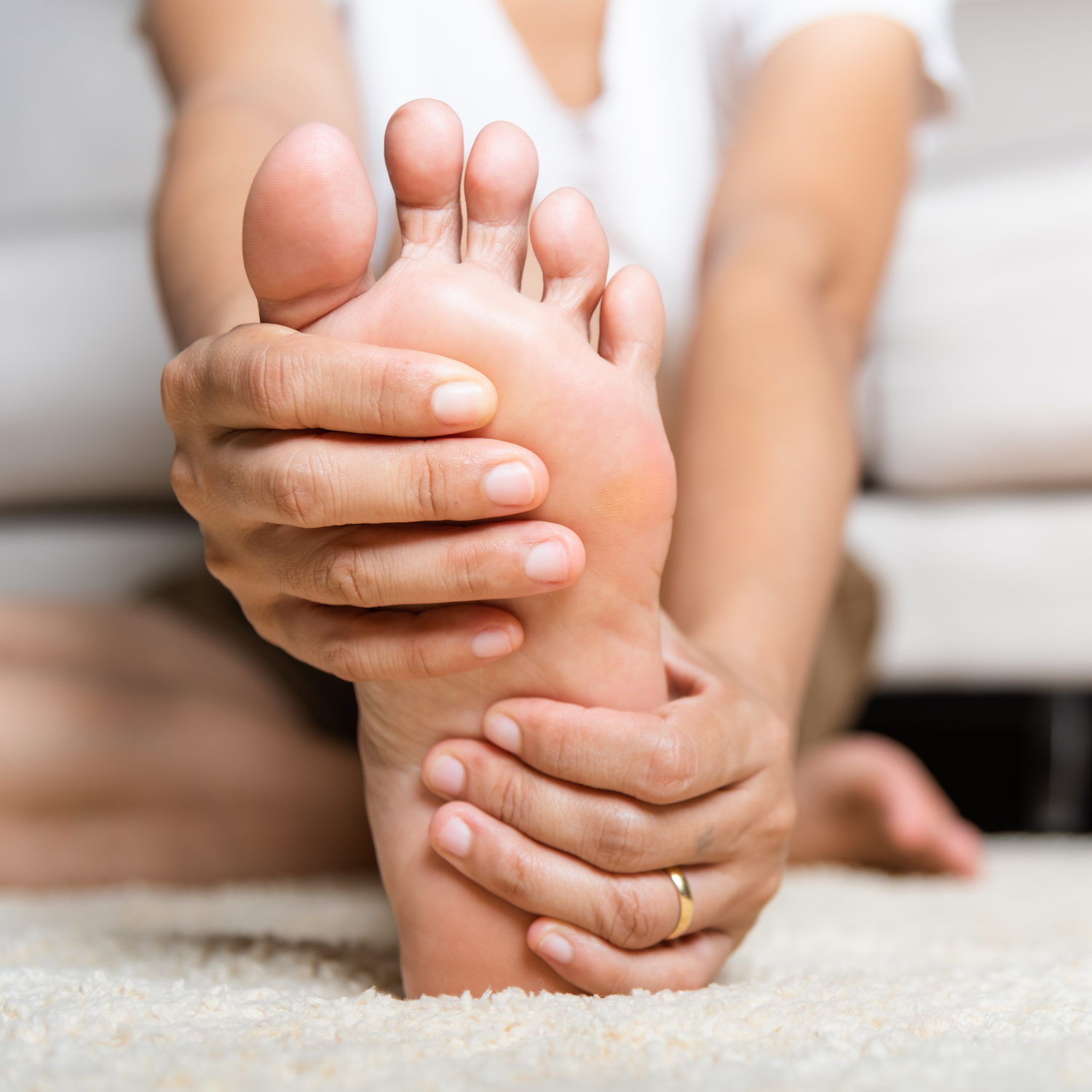
Bunions, or hallux valgus, are characterized by a bony bump at the base of the big toe, often leading to misalignment of the toe. This condition may arise due to a combination of genetic factors, improper footwear, and biomechanical forces. Knowing how to prevent bunions can help you retain foot health and mobility, allowing you to enjoy daily activities without discomfort.
Recognizing the Causes of Bunions
Before implementing preventive measures, it’s essential to understand the common causes of bunions:
- Genetics: Family history of bunions can increase your likelihood of developing them.
- Footwear: Tight, narrow shoes, especially those with high heels, can exacerbate bunion formation.
- Foot Structure: Certain foot types, such as flat feet or high arches, can predispose individuals to bunion development.
- Activity Level: Engaging in repetitive activities that place stress on the feet may contribute to bunion pain.
Footwear: The First Line of Defense
One of the most impactful preventive measures for bunions is selecting the right footwear. Your shoe choices can significantly contribute to bunion relief and overall foot health. Here are some guidelines for choosing appropriate footwear:
Choose the Right Size
Wearing shoes that fit properly is crucial. Make sure that your shoes have enough room in the toe box and do not restrict or compress the toes. This can help mitigate the risk of developing bunions.
Opt for Wide Shoes
Consider shoes designed with a wide toe box. A spacious fit allows your toes to spread comfortably, reducing the pressure exerted on the bunion area.
Avoid High Heels
High-heeled shoes can place excess strain on the front of your foot. If possible, limit your use of heels and opt for shoes with lower, broader heels for enhanced stability.
Foot Exercises for Prevention
Incorporating foot exercises into your daily routine can be a powerful method for preventing bunions. Strengthening and stretching the foot muscles enhances their flexibility and alignment. Here are some effective exercises:
Toe Stretch
Using your hands, gently stretch your toes apart and hold the position for 15-30 seconds. This exercise helps to loosen the muscles and joints of the toes.
Toe Scrunches
While seated, use your toes to scrunch up a towel placed on the floor. This exercise strengthens the intrinsic muscles of the feet.
Calf Raises
Stand with feet hip-width apart and slowly rise up onto your toes, then lower back down. This simple exercise can improve balance and strengthen foot muscles.
Regular Foot Care
Taking care of your feet plays a significant role in preventing bunions. Regular foot care practices can help you maintain overall foot health:
Keep Feet Clean and Dry
Hygiene is essential in maintaining healthy feet. Regularly wash your feet and ensure they are thoroughly dried to prevent fungal infections.
Moisturize
Keep your feet hydrated by regularly applying moisturizer to prevent dry, cracked skin, which can lead to further irritations.
Foot Massage
Consider giving your feet regular massages to relieve tension and improve circulation. A simple foot rub can do wonders for relaxation.
Manage Body Weight
Excess weight can place additional pressure on your feet, potentially worsening any preexisting bunion symptoms. Managing your body weight through a balanced diet and regular exercise can help alleviate this stress.
Protective Pads and Inserts
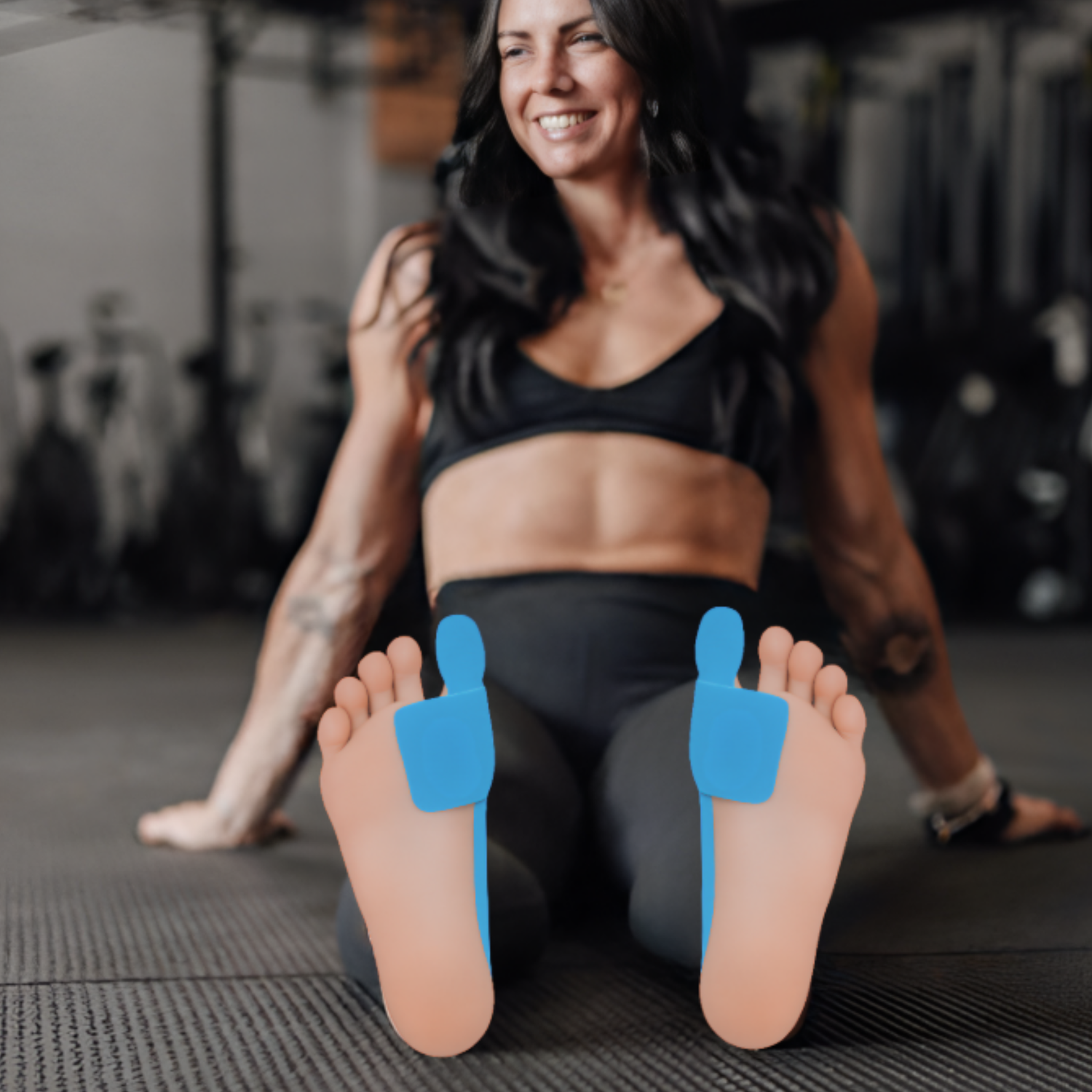
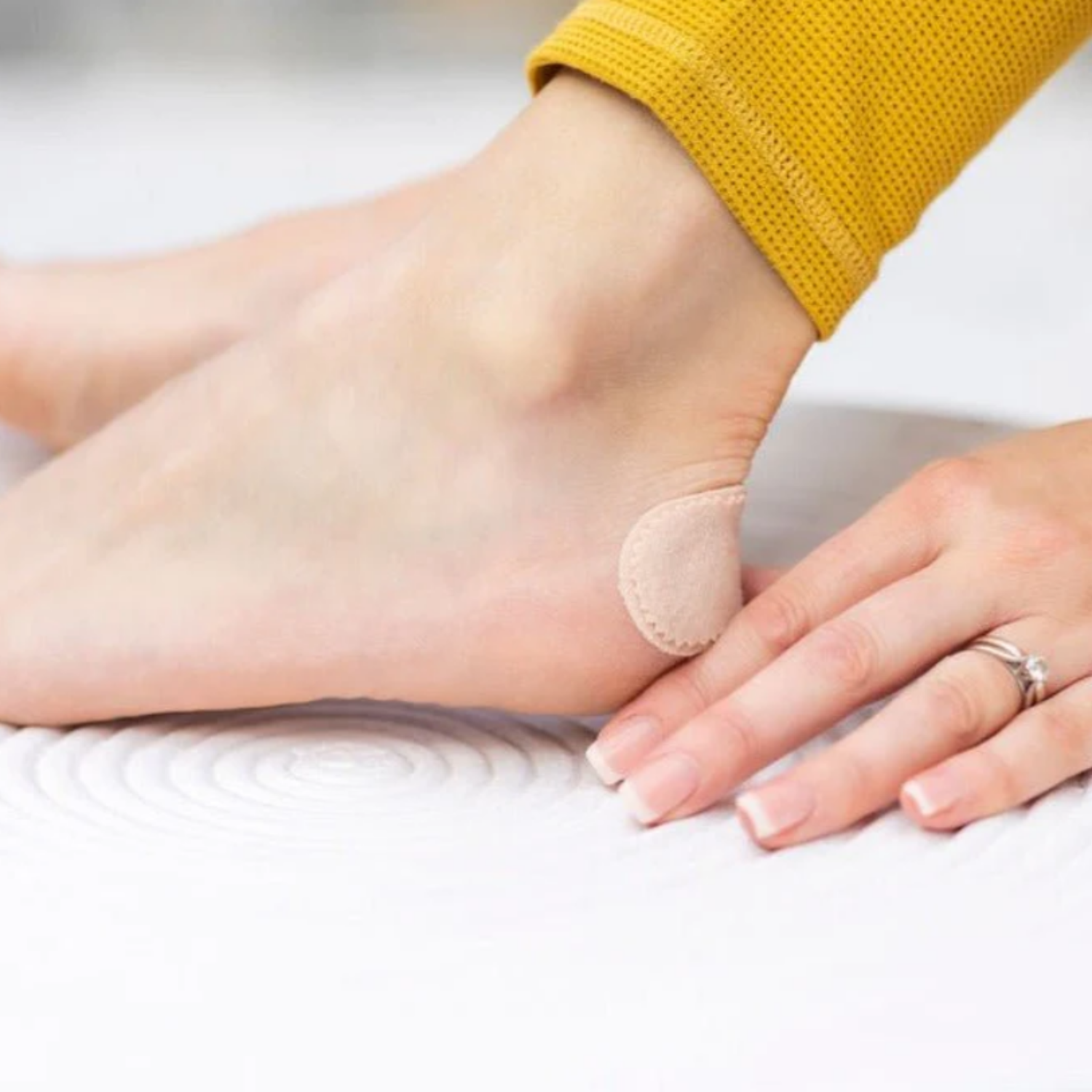
Using protective pads or custom orthotics can provide additional comfort for those already experiencing bunion relief. While it may not prevent bunions from developing, it can minimize pain and discomfort in existing bunions.
Healthy Lifestyle Choices
Incorporating healthy habits into your routine has the potential to improve your overall foot health:
Create a Balanced Diet
Focus on consuming a variety of fruits, vegetables, whole grains, and healthy fats to support muscle and bone health.
Stay Hydrated
Drinking enough water is vital for maintaining joint health and overall physical function.
Exercise Regularly
Engaging in low-impact activities such as swimming, cycling, or yoga can help maintain your foot's flexibility and strength.
When to See a Specialist
If preventive measures do not help alleviate bunion pain or if your bunions worsen, consider consulting a specialist. A healthcare professional can provide insights on the best course of action for bunion relief, which may include physical therapy or more advanced treatment options.
Final Thoughts: Empower Your Foot Health
By implementing these preventive measures for bunions, you can take an informative approach to maintaining your foot health. Whether it's making smarter footwear choices, incorporating exercises, or prioritizing self-care, every little step counts. Remember that your feet carry you through your daily life; investing in their wellbeing will allow you to enjoy a more comfortable and active lifestyle. With the right knowledge and practices, bunion relief is within reach, paving the path for healthier feet and a happier you!
Frequently Asked Questions
1. What are bunions?
2. What causes bunions?
3. How can I prevent bunions?
4. What foot exercises can help with bunions?
5. When should I see a specialist for bunion pain?
Glossary
| Term | Meaning |
|---|---|
| Bunions | A bony bump at the base of the big toe causing misalignment. |
| Hallux Valgus | The medical term for bunions. |
| Footwear | Shoes that can affect foot health and bunion development. |
| Toe Box | The front part of a shoe where the toes sit. |
| Protective Pads | Inserts that provide comfort and reduce bunion pain. |
| Foot Exercises | Activities designed to strengthen and stretch foot muscles. |
| Calf Raises | An exercise to improve balance and strengthen feet. |
| Moisturize | Applying lotion to keep feet hydrated and healthy. |
| Specialist | A healthcare professional who can provide advanced treatment options. |
| Healthy Lifestyle | Habits that support overall foot health, including diet and exercise. |
Linked Product

Bunion Relief Bundle
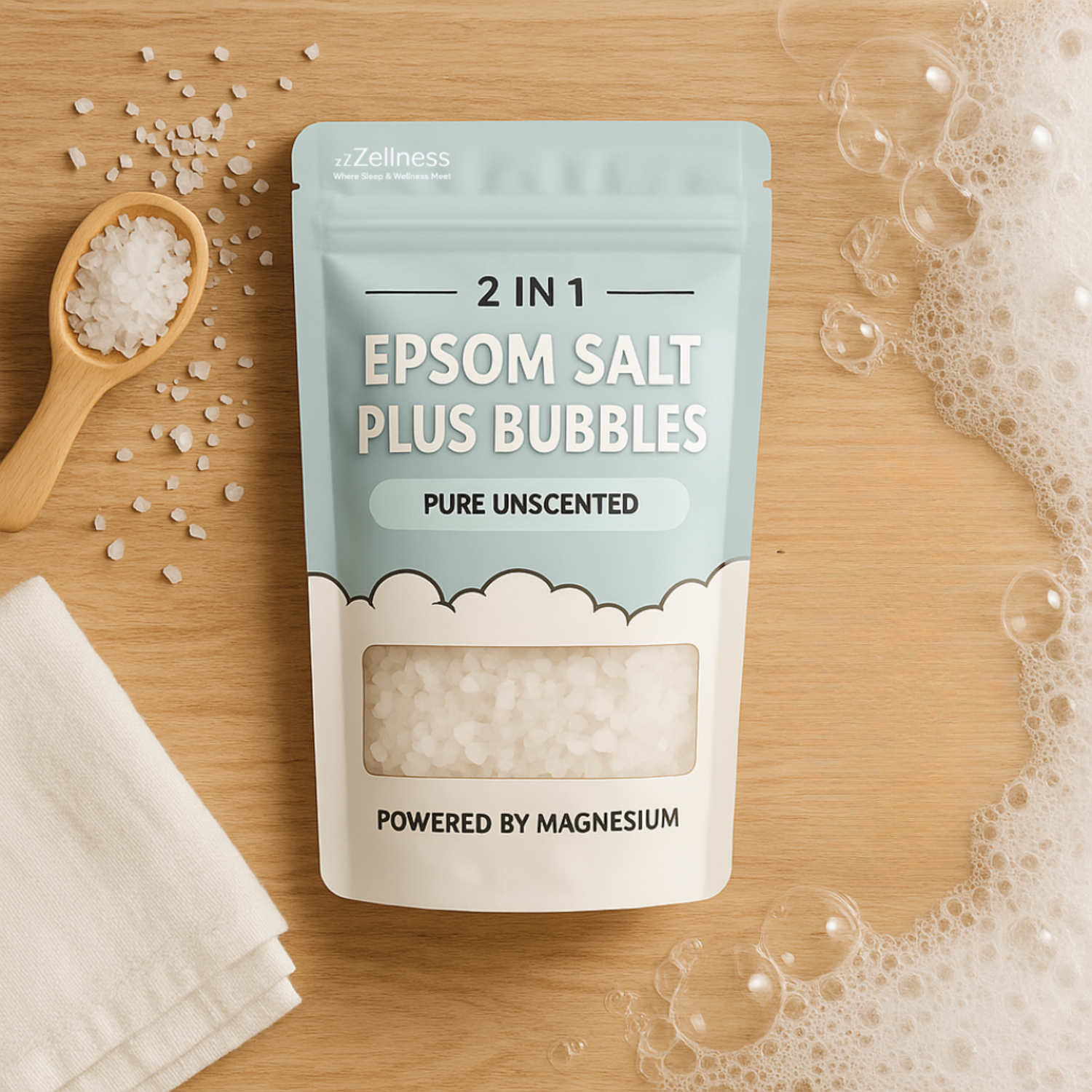
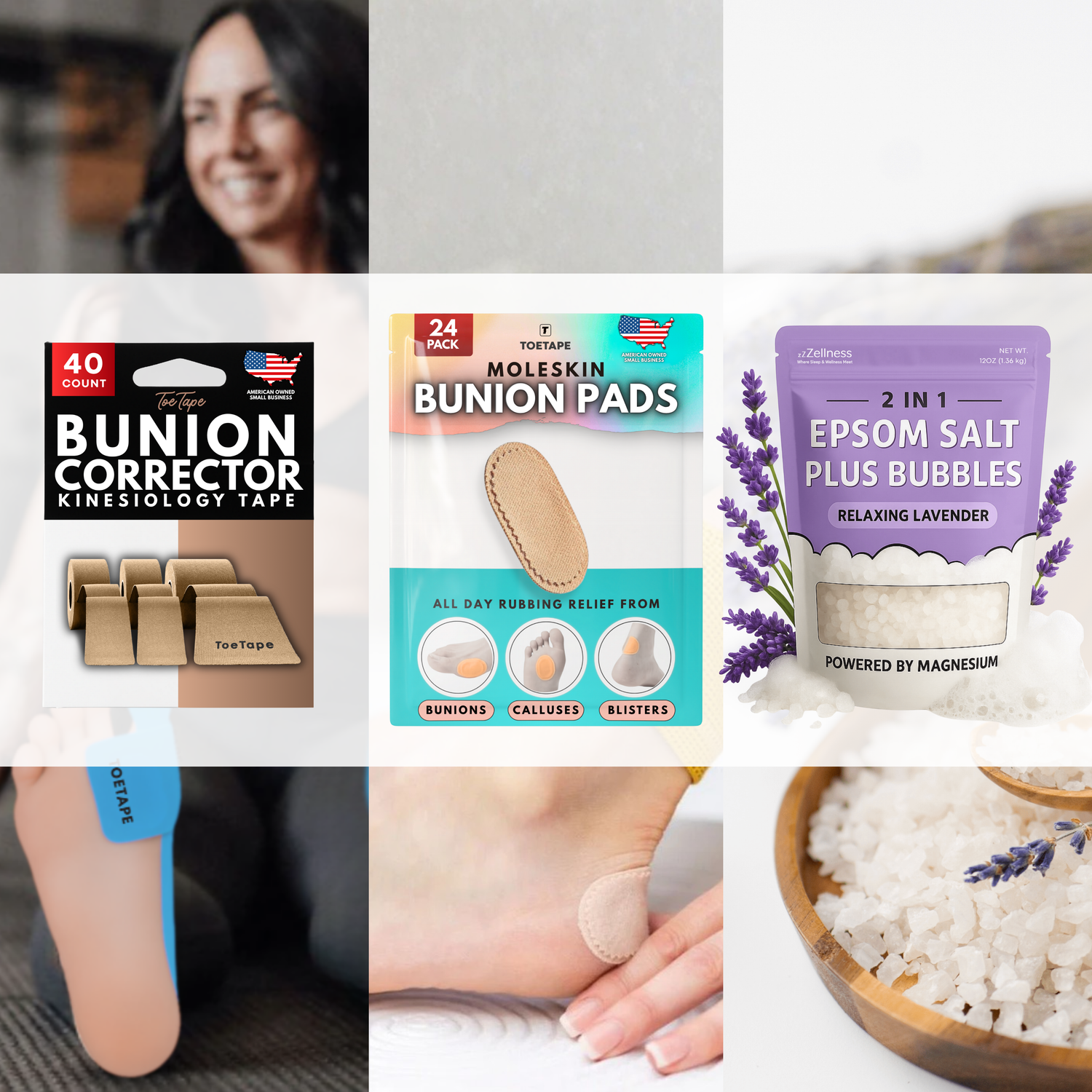
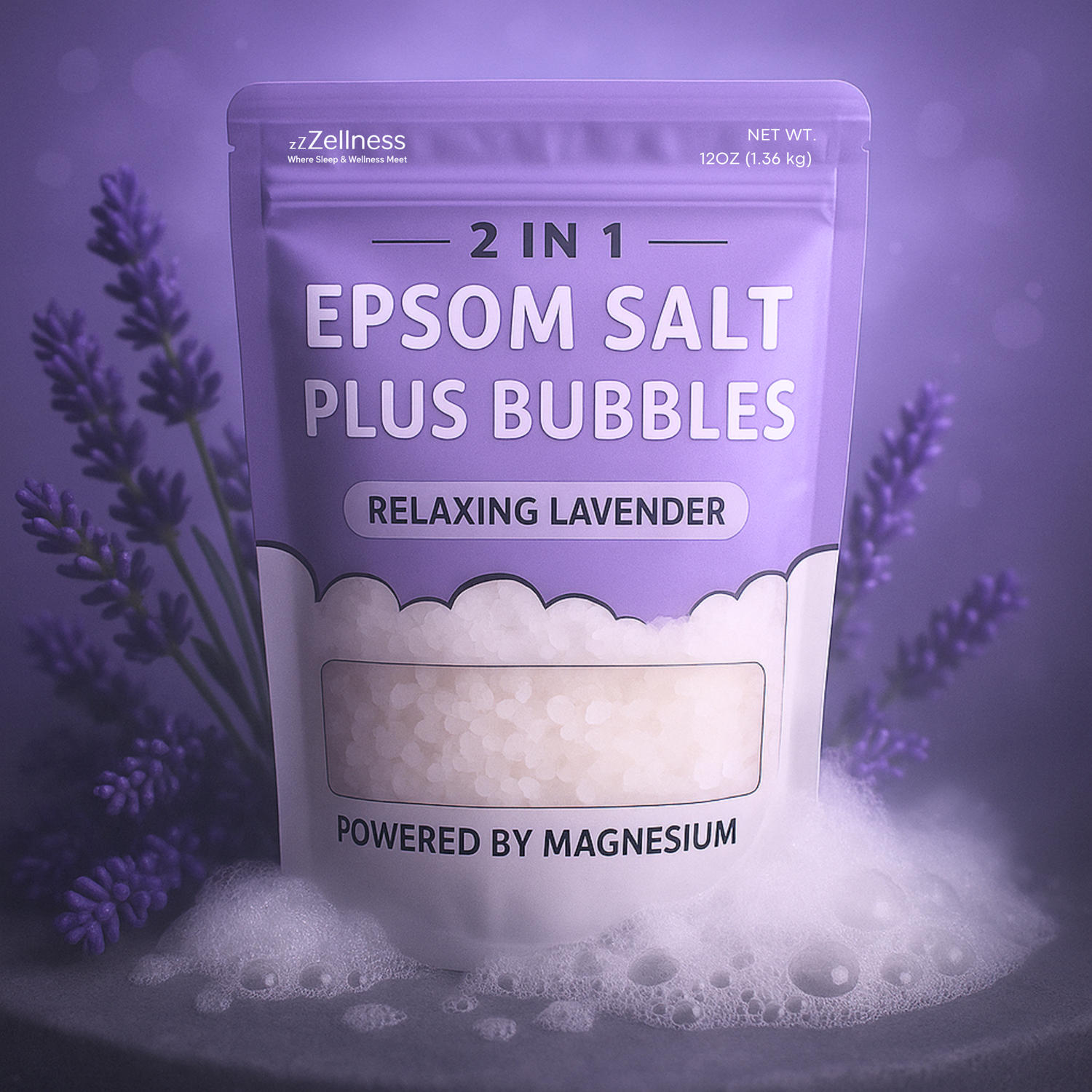
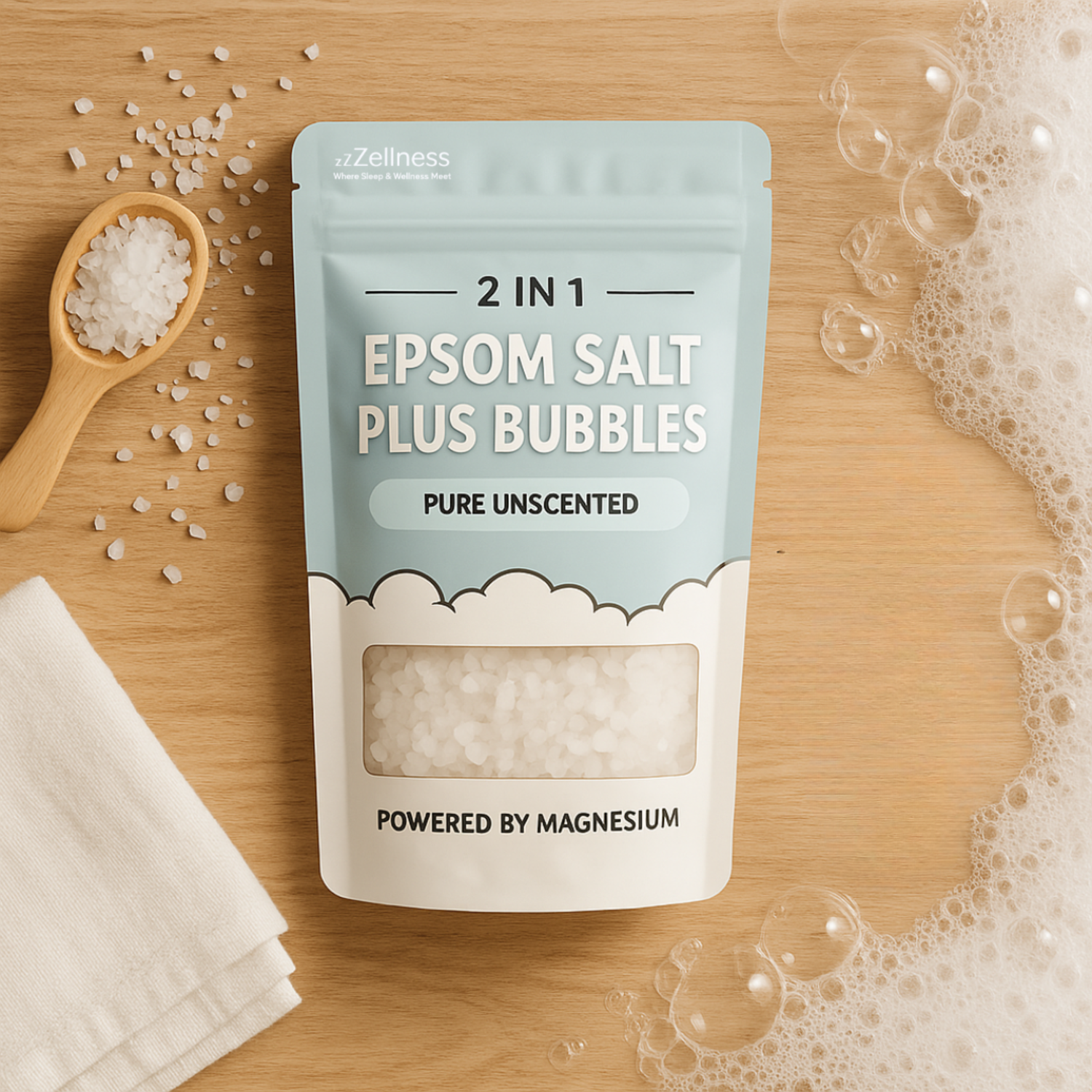
The Bunion Relief Bundle offers a comprehensive approach to foot comfort and recovery by combining three effective products. With the ToeTape™ Bunion Corrector Tape, Moleskin Bunion Pads, and Epsom Salts + Foaming Bubbles, this bundle helps reduce pain, protect against friction, and promote faster recovery. Ideal for those on their feet all day or engaged in training, it supports natural alignment and enhances overall foot health.
View Product