








Overview
This article delves into the psychological effects of living with bunions, exploring how this common foot deformity impacts self-image, social interactions, and mental well-being. Readers will learn about the emotional challenges associated with bunions, including anxiety and social withdrawal, as well as effective coping mechanisms and practical solutions to manage both physical discomfort and emotional distress. By understanding these dynamics, individuals can take proactive steps toward improving their overall quality of life.
Table of Contents
- Bunions: A Brief Overview
- Understanding Psychological Effects
- Body Image Issues
- Anxiety and Social Withdrawal
- The Emotional Pain of Living with Bunions
- Chronic Pain and Mood Disorders
- Impact on Daily Life
- Coping Mechanisms
- Seeking Support
- Professional Help
- Physical Relief and Its Psychological Benefits
- Choosing Comfort and Proper Footwear
- Product Solutions for Relief
- Exploring Natural Remedies
- Practicing Mindfulness
- Living Confidently with Bunions
- Embracing a Positive Mindset
Key Takeaways
- Bunions can significantly affect mental health: The physical discomfort associated with bunions often leads to anxiety, depression, and decreased self-esteem.
- Body image issues are common: Individuals with bunions may feel self-conscious about their feet, leading to avoidance of social situations and activities.
- Chronic pain exacerbates emotional distress: The persistent pain from bunions can contribute to mood disorders, further impacting mental well-being.
- Support systems are vital: Having friends, family, or support groups can help individuals cope with the psychological effects of bunions.
- Proper footwear can improve both comfort and mood: Wearing supportive shoes can alleviate pain and enhance self-image, reducing anxiety related to bunions.
- Mindfulness techniques can help: Practices such as meditation and deep breathing can effectively manage stress and anxiety linked to living with bunions.
- Adopting a positive mindset is essential: Embracing the uniqueness of one’s body and focusing on personal strengths can foster improved self-esteem and resilience.
Bunions, or hallux valgus, are common foot deformities that can significantly impact a person’s quality of life. Apart from the physical discomfort they bring, bunions also have profound psychological effects that can alter a person's self-image, social interactions, and overall mental well-being. Understanding these psychological impacts is essential for those suffering from this condition and for their loved ones. This article will explore how living with bunions affects individuals psychologically and the various ways to manage both the emotional and physical challenges.
Bunions: A Brief Overview
Bunions develop when the big toe deviates towards the other toes, causing a bony protrusion at the base of the big toe. Several factors contribute to their development, including genetics, improper footwear, and biomechanical issues. While bunions are primarily considered a foot problem, the ramifications extend far beyond mere physical discomfort. As one battles the daily pangs associated with bunions, the emotional toll can be just as daunting.
Understanding Psychological Effects
Body Image Issues
Living with bunions can lead to significant body image issues. Many individuals feel embarrassed or self-conscious about the appearance of their feet, often leading to avoidance of certain activities. For example, people with bunions might steer clear of beach trips, swimming pools, or even social gatherings where sandals or open-toed shoes might be worn. This avoidance can lead to a feeling of isolation and a decrease in overall quality of life.
Anxiety and Social Withdrawal
The aesthetic concerns associated with bunions may cause anxiety in social situations. Individuals may worry that others will notice their feet, leading to overthinking and increased self-consciousness. This anxiety can encourage social withdrawal as they prefer to stay at home rather than risk embarrassment. The psychological impact can escalate, leading to feelings of depression or a decrease in self-esteem.
The Emotional Pain of Living with Bunions
Chronic Pain and Mood Disorders
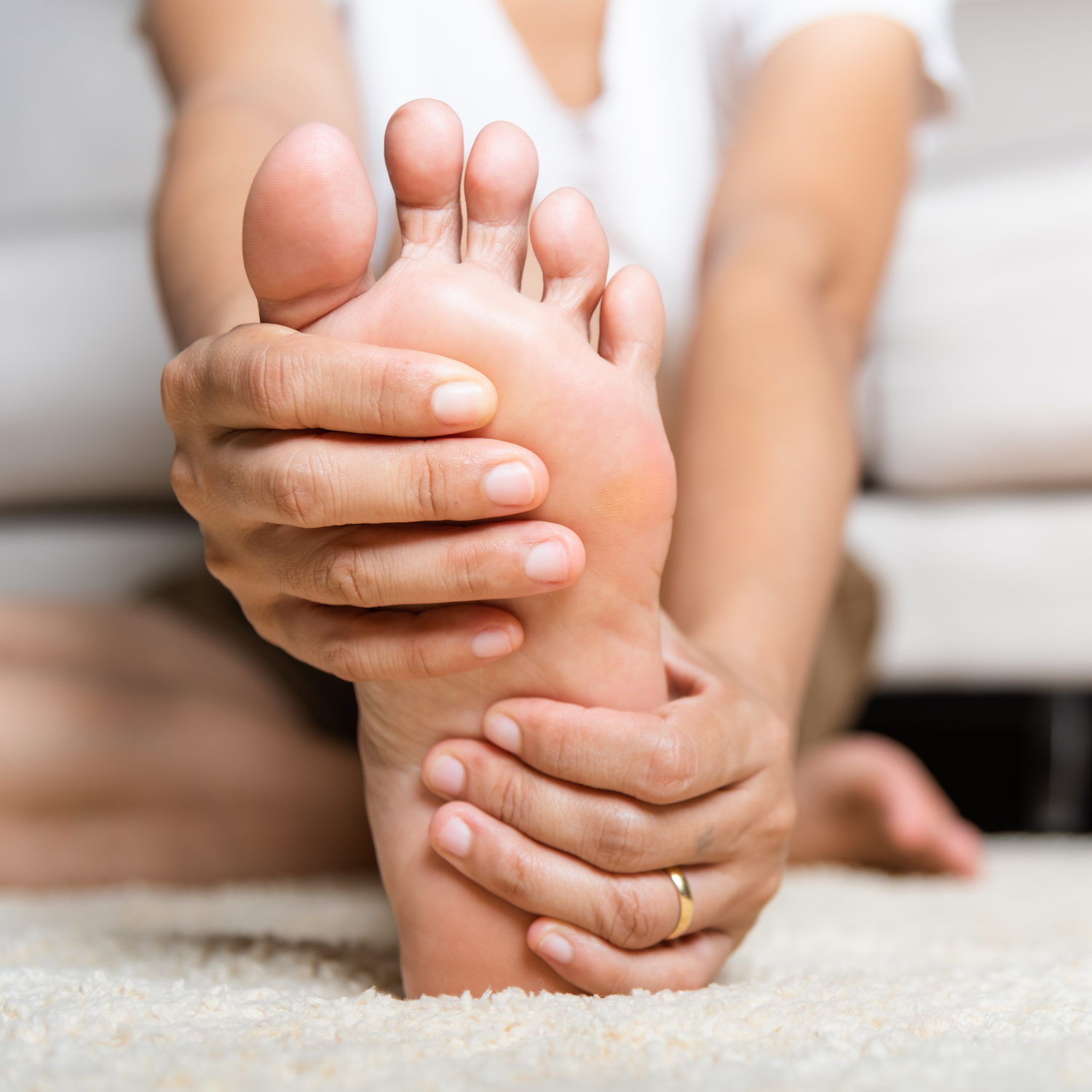
Chronic foot pain due to bunions can also contribute to emotional distress. Studies show that individuals dealing with chronic pain are more likely to experience mood disorders such as anxiety and depression. The constant struggle to find relief can lead to frustration and hopelessness. When left untreated, this pain can snowball, further impacting an individual’s mental health.
Impact on Daily Life
Bunions can limit an individual’s physical activity and mobility, leading to an active lifestyle becoming a thing of the past. Activities such as walking, exercising, or even standing for extended periods can become challenging and painful. The inability to participate in physical activities not only impacts physical health but can also lead to emotional instability. The bond between physical activity and mental health cannot be overlooked; lack of movement often results in decreased mood and increased frustration.
Coping Mechanisms
Seeking Support
Having a support system is crucial for coping with the psychological effects of bunions. Friends, family, or even support groups can provide emotional solace and understanding. Talking openly about feelings surrounding the condition can normalize the experience and alleviate the burden. It may help to join forums or communities focused on bunions where individuals share their experiences and coping strategies.
Professional Help
In cases where anxiety or depression is overwhelming, seeking professional help can provide invaluable support. Therapists or counselors can offer strategies to cope with body image issues, low self-esteem, or chronic pain management. Cognitive Behavioral Therapy (CBT) and mindfulness techniques can be particularly effective in addressing the dual aspects of chronic pain and emotional distress.
Physical Relief and Its Psychological Benefits
Choosing Comfort and Proper Footwear
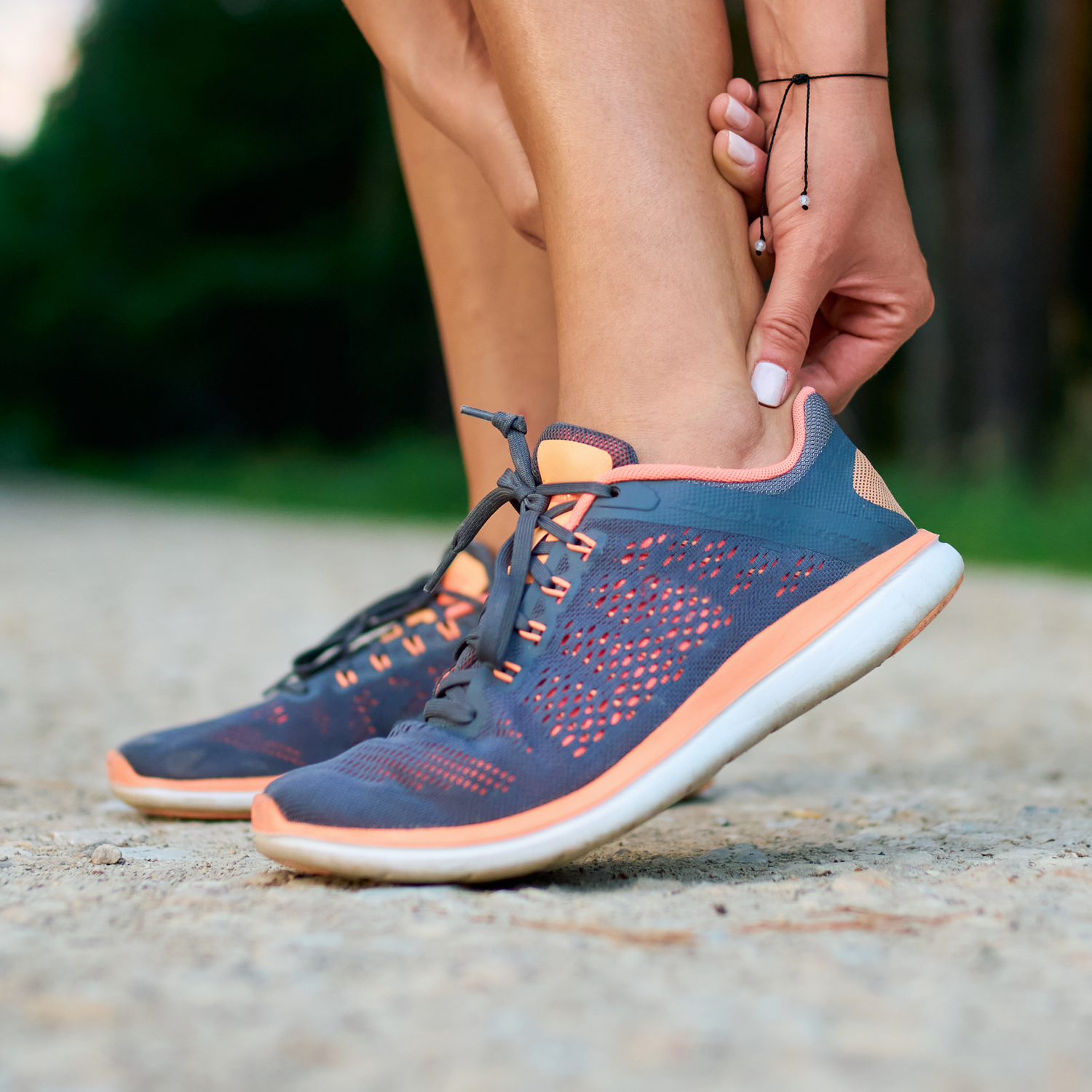
Wearing the right footwear can greatly relieve discomfort and help ease the psychological burden associated with bunions. Tight, ill-fitting shoes aggravate the condition, exacerbating pain and discomfort. On the other hand, comfortable shoes can improve mobility and relieve pressure on the bunion, leading to improved mood and self-image. Opting for shoes that provide adequate support and allow for foot expansion can help in alleviating some of the anxiety associated with physical pain.
Product Solutions for Relief
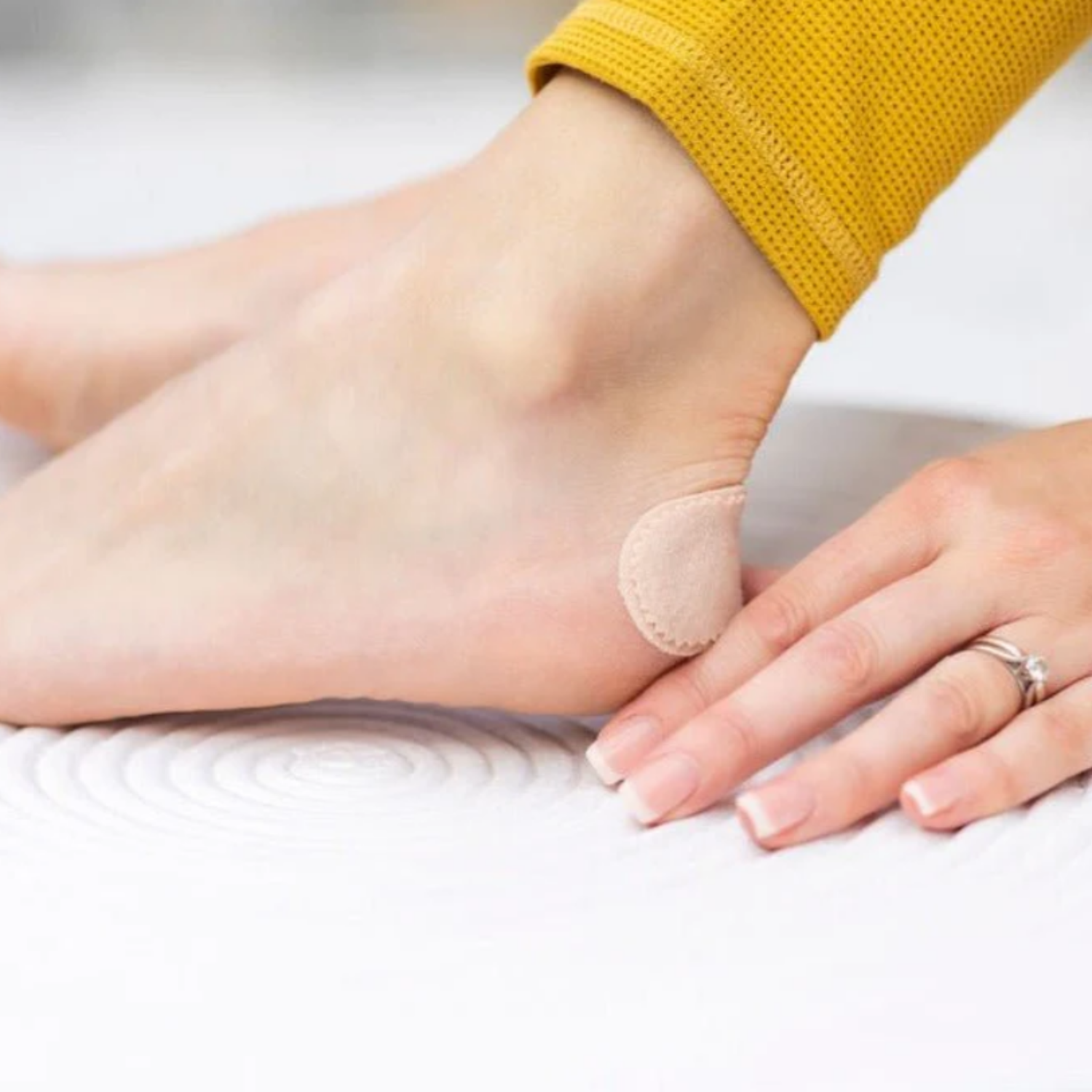
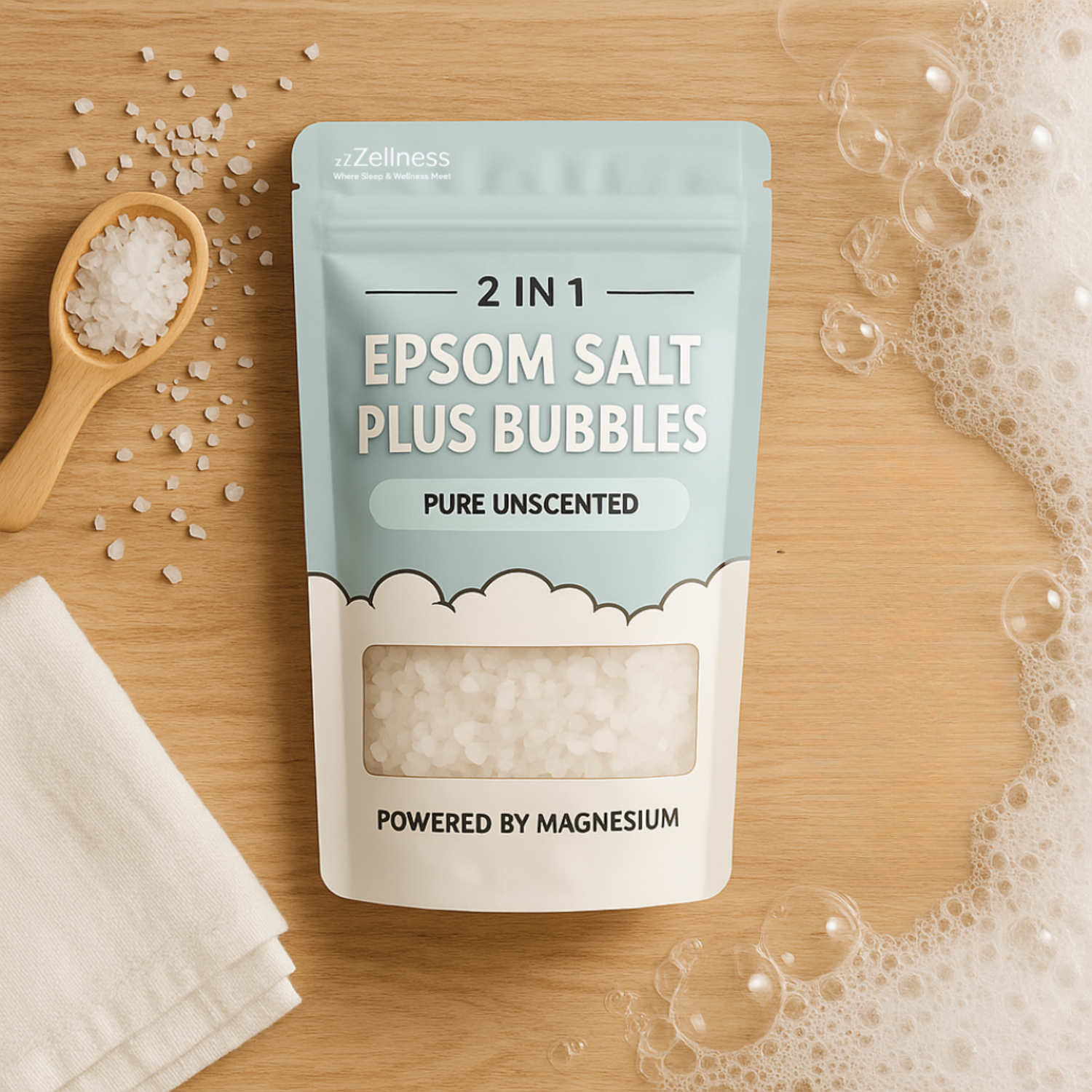
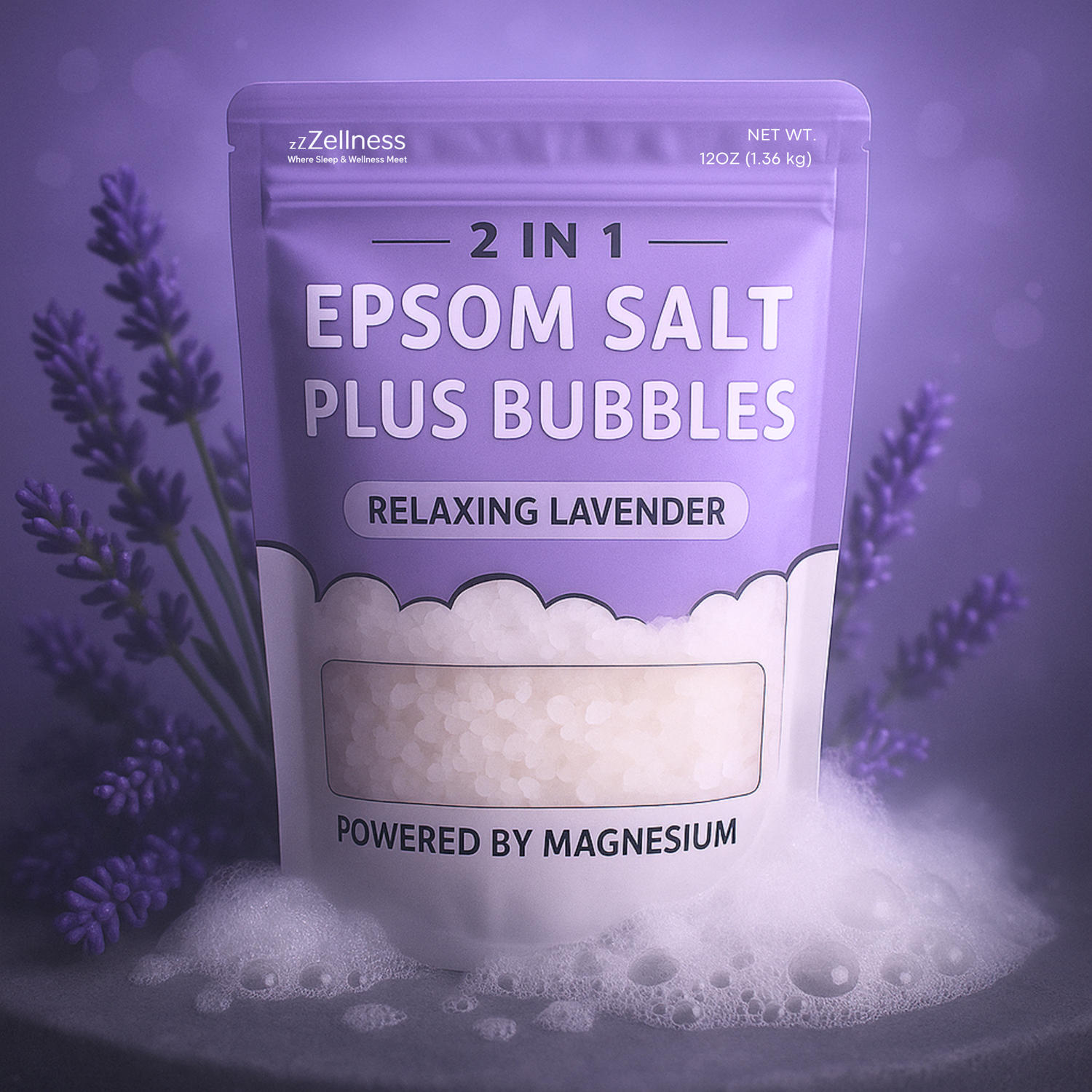
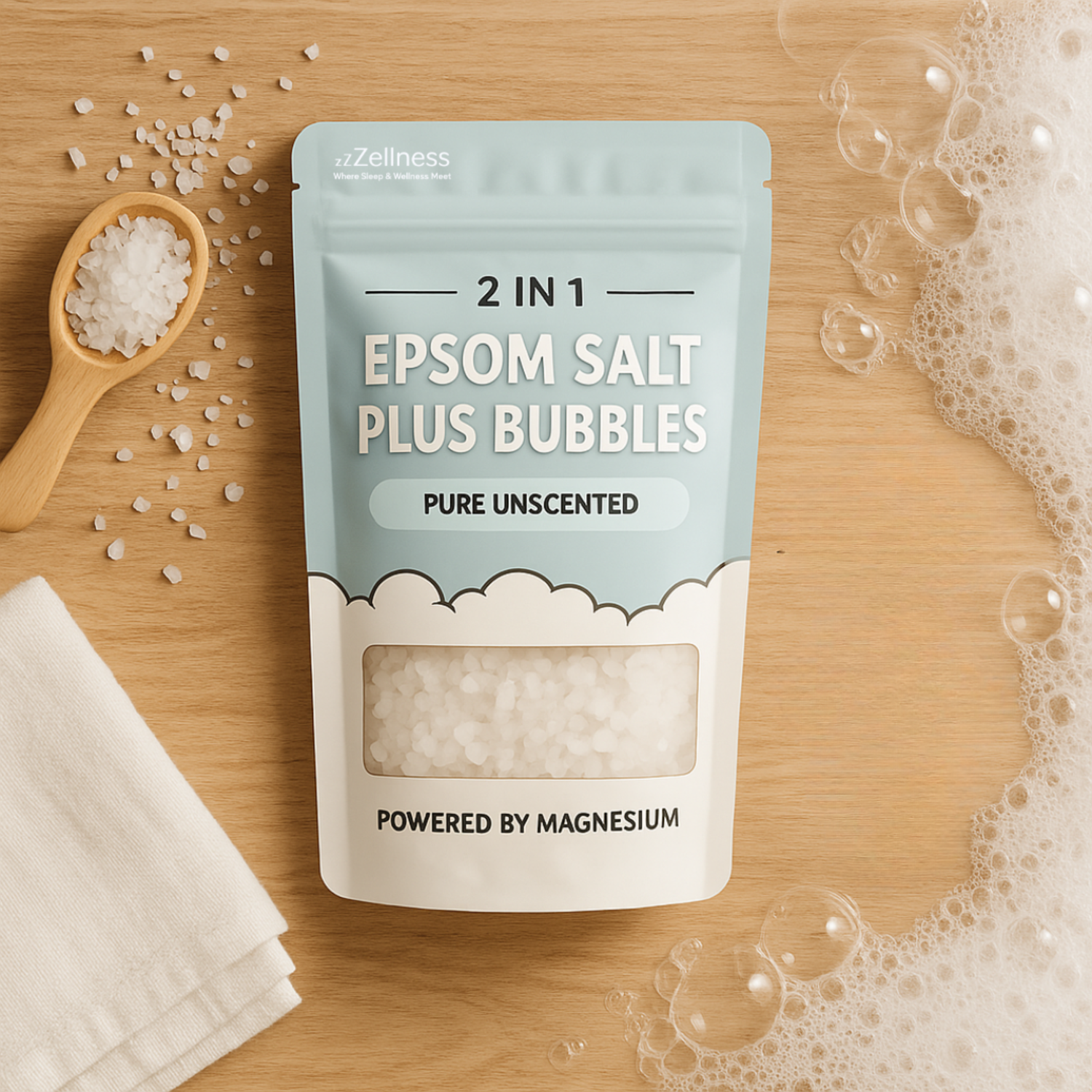
The right product solutions can make a significant difference for those suffering from bunions. Using therapeutic options such as moleskin bunion pads provides cushioning and protection against friction and blisters, offering immediate comfort. In addition, holistic approaches like Epsom salt soaks can assist in reducing inflammation and pain, enabling better recovery after a long day.
Exploring Natural Remedies
Integrating natural remedies into daily routines can also promote healing and positive mental health. Techniques such as foot massages, yoga, or regular stretches can help alleviate tension in the feet and improve flexibility. Furthermore, maintaining an active lifestyle, even with modifications, can help boost mood and enhance overall well-being.
Practicing Mindfulness
Mindfulness techniques, including meditation and deep breathing exercises, can be incredibly effective in managing stress and anxiety associated with living with bunions. These practices help redirect focus and promote a sense of calm, counteracting the negative emotions linked to physical discomfort. Incorporating mindfulness into daily practice can allow individuals to create a more positive outlook despite facing challenges.
Living Confidently with Bunions
Overcoming the psychological impacts of living with bunions is an empowering journey that begins with understanding and acceptance. By acknowledging the psychological effects, individuals can take proactive steps to enhance both their mental and physical well-being. Adopting a comprehensive approach—combining emotional support, professional guidance, and practical solutions, such as bunion relief products—can lead to a healthier, happier life.
Embracing a Positive Mindset
The first step towards overcoming the adverse psychological effects of bunions is adopting a positive mindset. Embrace the uniqueness of your body, and remember that bunions are just one small part of who you are. Focusing on personal strengths and celebrating small achievements can foster improved self-esteem and a more vibrant lifestyle.
To wrap it up, living with bunions may present psychological challenges, but empowered individuals who seek support, find suitable products for relief, and adopt coping mechanisms will lead more fulfilling lives. Rather than allowing bunions to dictate emotions or choices, take charge and turn this challenge into an opportunity for personal growth and resilience.
Frequently Asked Questions
1. What are bunions and how do they affect individuals?
2. How do bunions impact body image and social interactions?
3. What coping mechanisms can help manage the psychological effects of bunions?
4. How can proper footwear help alleviate the discomfort caused by bunions?
5. What are some natural remedies for bunions that can promote healing and mental well-being?
Glossary
| Term | Meaning |
|---|---|
| Bunions | Foot deformities causing a bony protrusion at the big toe. |
| Hallux Valgus | The medical term for bunions. |
| Body Image | How individuals perceive their physical appearance. |
| Anxiety | Feeling of worry or unease, often about social situations. |
| Chronic Pain | Long-lasting pain that can affect emotional well-being. |
| Support System | Friends, family, or groups that provide emotional support. |
| Cognitive Behavioral Therapy (CBT) | A therapeutic approach to manage anxiety and depression. |
| Mindfulness | Practices that promote awareness and stress reduction. |
| Self-Esteem | One's sense of personal worth and value. |
| Natural Remedies | Holistic approaches to alleviate symptoms and promote healing. |
Linked Product

Bunion Relief Bundle
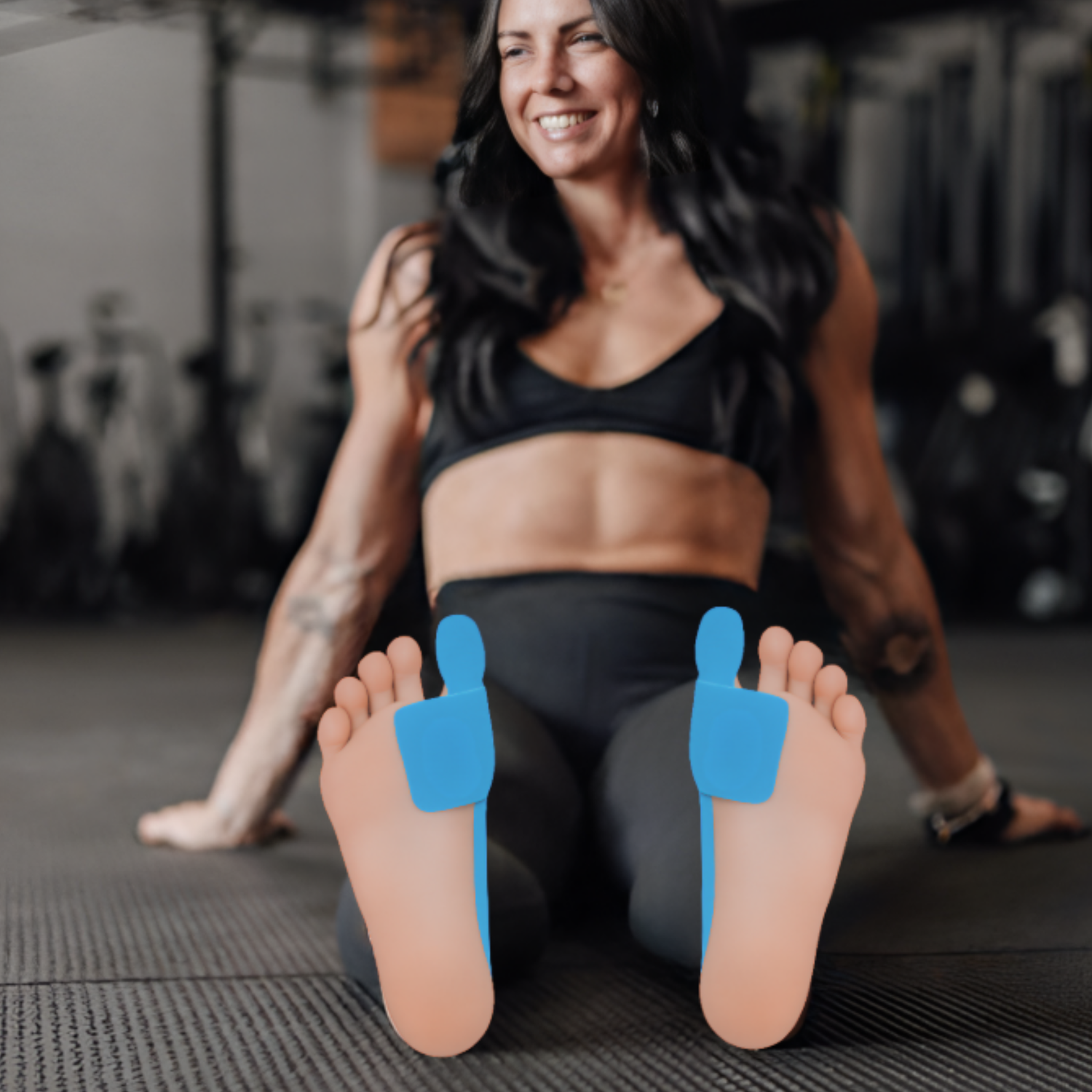
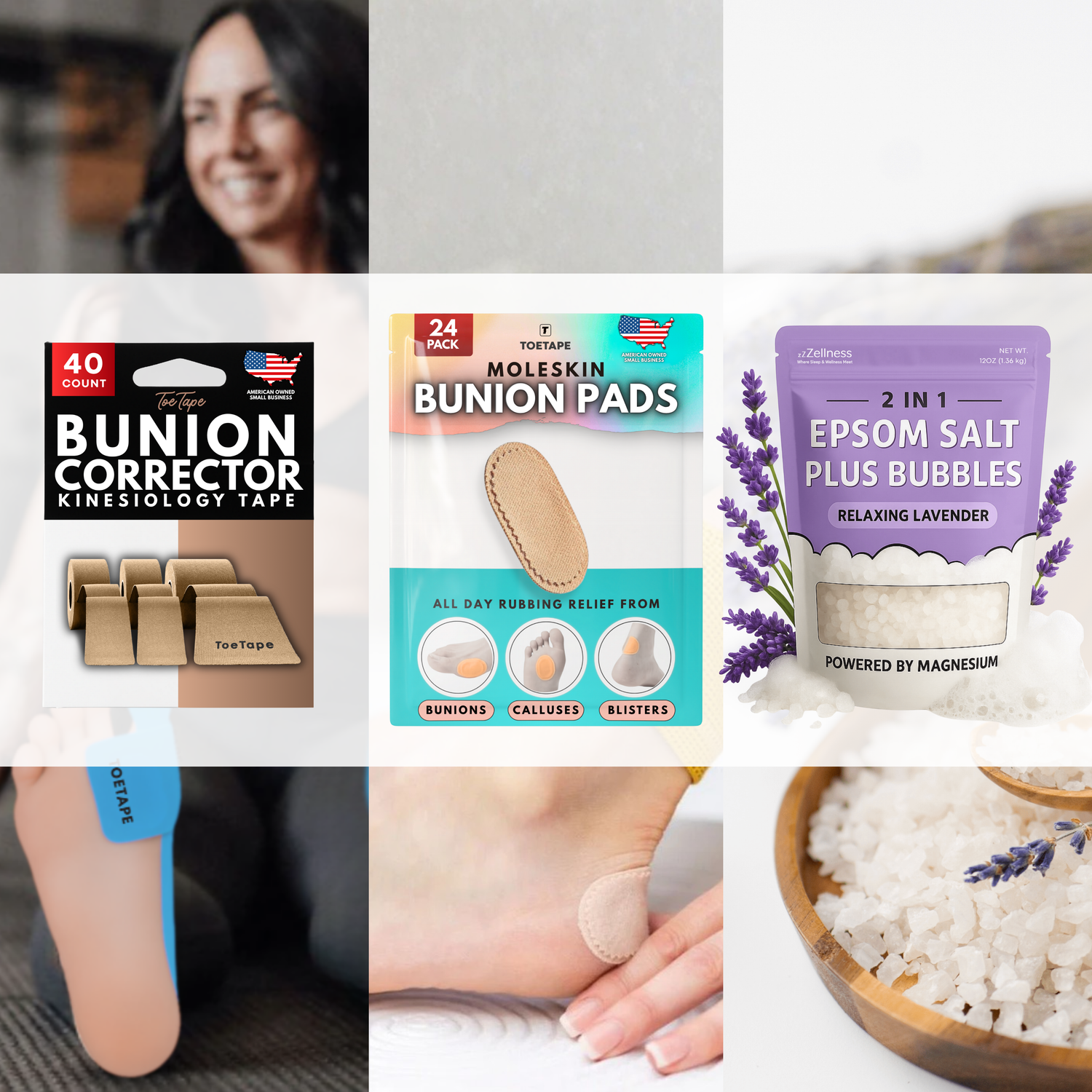
The Bunion Relief Bundle offers a comprehensive approach to foot comfort and recovery, featuring three effective products designed to reduce pain and support natural alignment. This bundle includes ToeTape™ for gentle realignment of the big toe, Moleskin Bunion Pads to protect against friction, and Epsom Salts + Foaming Bubbles for soothing sore feet. Together, these essentials provide protection, relief, and support for individuals on their feet all day or during intense training.
View Product