


















Stormwater management is entering a new era, with innovative solutions needed to tackle rising pollution challenges. As we look to 2025, staying ahead of the latest developments in tape treatment is crucial for effective and compliant water quality management.
This comprehensive guide brings you expert insights, up-to-date best practices, and key regulatory updates. Discover the evolution of TAPE protocols, application steps, recent changes in standards, and expert recommendations for optimizing tape treatment performance.
Whether you are a professional, vendor, or municipal decision-maker, leverage this guide to ensure your projects meet current requirements and deliver reliable results.
Understanding Tape Treatment: Fundamentals and Evolution
Tape treatment has become a cornerstone of modern stormwater management. As urban areas grow and environmental standards tighten, understanding tape treatment is essential for making informed decisions about water quality control. This section explores its definition, historical development, and the core principles that set it apart from other approaches.
What is Tape Treatment?
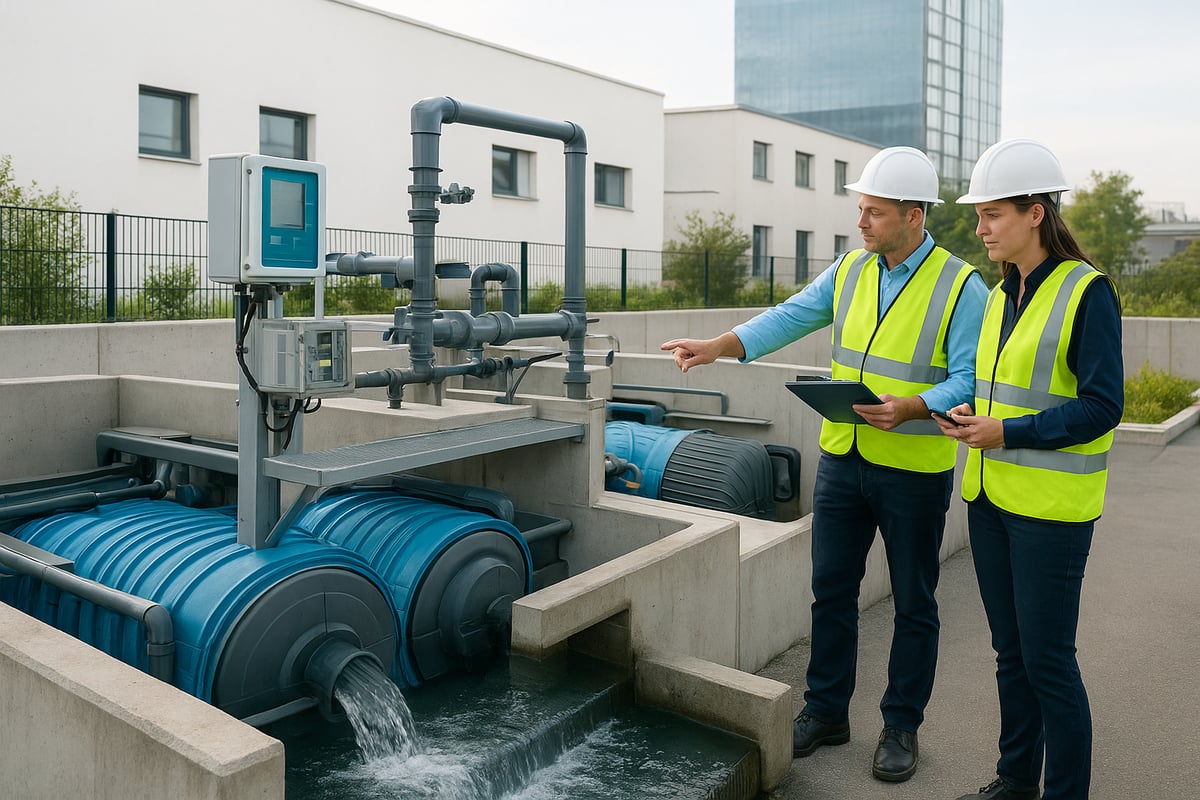
Tape treatment refers to a systematic process in stormwater management, designed to evaluate and certify technologies for pollutant removal. The TAPE program (Technology Assessment Protocol – Ecology) serves as the official framework for assessing these solutions.
The main objectives of tape treatment are to:
- Remove pollutants like total suspended solids (TSS), oils, and metals.
- Ensure regulatory compliance for stormwater discharge.
- Protect local waterways and ecosystems.
Tape treatment differs from traditional water management by focusing on rigorous, data-driven evaluations. Where other methods may rely on general best practices, tape treatment requires standardized testing and third-party validation. Since its introduction, tape treatment has grown in importance, especially as environmental challenges have intensified.
The Evolution of TAPE Protocols
The journey of tape treatment began in the early 2000s, when the need for consistent evaluation of stormwater technologies became clear. Since then, TAPE protocols have evolved significantly, adapting to scientific advances and policy shifts.
Key milestones include:
- Initial adoption of standardized pollutant removal targets.
- Introduction of Use Level Designations (ULDs) to classify technology performance.
- Periodic updates to sampling and testing requirements.
Recent years have seen major changes driven by climate change, urbanization, and new research findings. For example, the 2024/2025 updates brought stricter maintenance assessments and expanded data collection standards. These updates, as detailed in the 2025 Stormwater Management Manual, reflect a commitment to higher accuracy and reliability in tape treatment evaluations.
Past protocol changes have directly impacted which technologies gain approval, pushing the industry toward more robust and adaptive solutions. As regulations shift, the emphasis on transparency and scientific rigor continues to grow.
Core Principles of Effective Tape Treatment
Effective tape treatment is built on a foundation of performance targets and quality assurance. Core pollutant removal goals include:
- TSS, oil, and metal reduction
- Phosphorus and turbidity control
Standardized testing and data-driven analysis are central to tape treatment success. Each technology undergoes field trials, with results reviewed by the Board of External Reviewers. This independent panel ensures impartiality and upholds high scientific standards.
Use Level Designations are critical for tracking a device’s progress:
| ULD Type | Description | Advancement Requirement |
|---|---|---|
| GULD | General Use | Proven, meets goals |
| CULD | Conditional | Needs more data |
| PULD | Pilot | Promising, unverified |
For instance, a new filter might start at PULD, progress to CULD after initial success, and reach GULD with further testing. Pre-approved evaluation facilities further streamline this journey, making tape treatment more accessible and consistent.
By focusing on transparent data, rigorous testing, and external review, tape treatment fosters trust and long-term effectiveness in stormwater management.
Navigating the TAPE Certification Process: Step-by-Step for 2025
Embarking on the TAPE certification journey in 2025 requires a clear understanding of each phase and a commitment to regulatory excellence. Whether you are a technology vendor, designer, or municipal decision-maker, mastering the tape treatment process is essential for compliance and optimal stormwater management outcomes.

Step 1: Preparing Your Technology for Submission
The first step in the TAPE certification process is preparing your technology for evaluation. Begin by thoroughly reviewing the updated 2024/2025 TAPE Process Overview and Guidance Manual. Familiarize yourself with the new requirements for tape treatment devices, including pollutant concentration data, influent and effluent flow rates, and documentation standards.
Key preparation tasks include:
- Compiling performance data that aligns with current benchmarks.
- Documenting sample requirements, such as dissolved parameter analysis with updated 12-hour and 24-hour holding times.
- Addressing the Post GULD Maintenance Assessment, which ensures long-term device performance.
- Verifying effluent flow capacity to meet the 80 percent design flow trigger.
A practical example is preparing for dissolved parameter analysis. The extended 24-hour holding time in 2025 means you must adjust sample collection and storage protocols accordingly. Staying current with performance standards is crucial, and consulting resources like the 2025 Stormwater Products and Technology Guide can help identify compliant solutions and support your tape treatment strategy.
Step 2: Application Submission and Fees
Once your documentation is ready, the next phase is submitting your application. Both digital and hard copy forms are required, along with the appropriate fee. Carefully follow the submission instructions outlined in the TAPE manual, including designated mailing addresses and electronic portals.
Avoid common mistakes, such as incomplete forms or missing signatures, which can delay the review process. Double-check fee calculations, as payment errors are a frequent setback. Reach out to TAPE Program coordinators for clarification if needed. After submission, expect a review timeline that typically ranges from several weeks to a few months, depending on the complexity of your tape treatment technology.
Step 3: Evaluation and Board of External Reviewers (BER) Involvement
After submission, your tape treatment application is assigned to the Board of External Reviewers (BER). This group brings national expertise and impartiality to the process, evaluating your Quality Assurance Project Plans (QAPPs), Technology Evaluation Reports (TERs), and all supporting site information.
BER review focuses on:
- Ensuring data integrity and transparency in performance reporting.
- Assessing the reliability of pollutant removal claims through standardized criteria.
- Recommending improvements or clarifications when needed.
An example of BER impact is their role in determining whether a technology advances from pilot to general use, based on robust evidence. Their recommendations carry significant weight and can influence approval outcomes. Transparent data sharing and open communication with reviewers are vital for successful tape treatment certification.
Step 4: Field Testing and Use Level Designations
Field testing is a cornerstone of the TAPE process, verifying that tape treatment devices meet real-world performance goals. Testing protocols specify minimum storm event requirements, pollutant removal efficiency calculations, and adherence to updated sample collection standards.
Use Level Designations (ULDs) define technology status:
| Designation | Description | Advancement Requirements |
|---|---|---|
| GULD | General Use Level Designation | Proven, meets all goals |
| CULD | Conditional Use Level Designation | High likelihood, more testing |
| PULD | Pilot Use Level Designation | Promising, needs verification |
Transitioning from CULD to GULD, for example, demands additional field data and analysis. All valid samples above the concentration range must be included, with no selective data exclusion. Accurate calculations and transparent reporting are crucial for progressing through the tape treatment evaluation process.
Step 5: Post-Approval and Maintenance Requirements
Once approved, ongoing maintenance and monitoring are required to ensure the continued effectiveness of your tape treatment system. Maintenance assessment protocols must be followed, and periodic performance reports submitted as specified by local jurisdictions.
Recent updates include terminology shifts, such as "Enhanced" now being referred to as "Metals Treatment." Staying current with these requirements helps maintain compliance and supports long-term stormwater management success.
Key Regulatory Updates for 2025: What’s Changed and Why It Matters
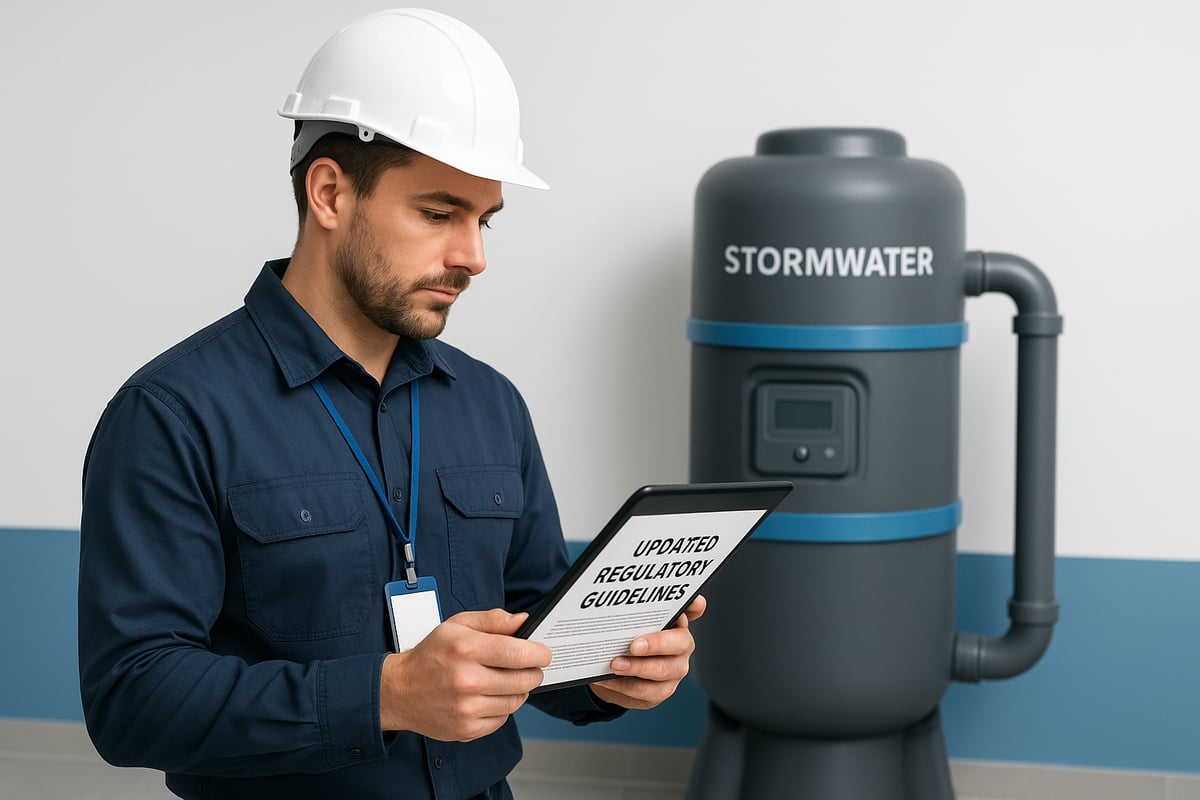
As tape treatment technologies evolve, staying up to date with regulatory changes is crucial. The 2024/2025 guidance introduces several significant updates that impact how stormwater systems are evaluated and approved. Understanding these changes helps professionals maintain compliance, improve device performance, and plan for the future of tape treatment.
Major Changes in the 2024/2025 TAPE Guidance
The latest round of updates for tape treatment includes several major changes designed to improve accuracy, reliability, and environmental outcomes. One of the most notable is the addition of a Post GULD Maintenance Assessment for Basic Treatment Devices, which ensures ongoing system effectiveness after initial approval.
Sample requirements for PULD and CULD have also been updated. Devices must now provide samples at different peak flow rates, increasing the rigor of performance evaluation. The number of PSD samples has been raised, with new data analysis now required for coarse influent PSD. Effluent Flow Capacity must remain at or above 80 percent of design flow, triggering maintenance if performance drops.
The holding time for dissolved parameter samples has been extended to 24 hours, allowing for more accurate pollutant analysis. Lab testing can no longer supplement field monitoring, reinforcing the need for real-world data. These changes reflect a broader industry shift, as highlighted in Stormwater Rules Are Changing, emphasizing field-based performance and regulatory confidence. Together, these updates strengthen tape treatment outcomes and support reliable compliance.
What Remains Consistent: Core Standards and Definitions
While the 2024/2025 updates bring new requirements, many fundamental aspects of tape treatment remain the same. Qualifying storm definitions continue to guide which events are suitable for sampling, ensuring consistency in data collection. Required and screening pollutants, such as TSS, oil, and metals, remain central to performance evaluation.
Influent concentration ranges provide a benchmark for assessing treatment efficiency. Performance goals, such as minimum removal rates for key contaminants, have not changed. Sampling methodologies and QA/QC expectations still form the backbone of credible data collection.
Use Level Designations (ULDs) — including GULD, CULD, and PULD — retain their established roles in categorizing device performance. These standards ensure that tape treatment technologies are evaluated on a level playing field, supporting transparent and reliable decision-making for both vendors and regulators.
Impacts on Vendors, Designers, and Municipalities
The updated tape treatment guidance increases the rigor of technology evaluation, which has direct impacts on vendors, designers, and municipalities. More stringent testing and documentation requirements mean higher costs and greater resource allocation for compliance. However, these changes also open new opportunities, particularly for smaller companies that can leverage pre-approved evaluation facilities.
Closer collaboration with monitoring staff is now essential. Real-world field data is prioritized, so teams must coordinate effectively to meet event-based sampling targets and maintain continuous reporting. Institutions like the University of New Hampshire Stormwater Center and the Stormwater Technology Testing Center exemplify how shared resources can streamline testing and approval.
Ultimately, these changes drive innovation and raise the bar for tape treatment performance. By embracing updated protocols, stakeholders can demonstrate commitment to water quality and regulatory excellence.
Navigating Local and State Certification Requirements
Achieving state TAPE certification is only part of the compliance puzzle. Local jurisdictions often have their own approval processes, which can differ in standards, expectations, or required documentation. For tape treatment systems, this means navigating a dual pathway to full project acceptance.
Strategies for multi-level compliance include early engagement with local authorities, understanding regional variations, and maintaining detailed records of both state and local submissions. A technology may receive GULD status at the state level, yet still require additional review and approval at the municipal level, impacting project timelines.
Resources such as state and local regulatory guidance documents are invaluable for staying on track. By proactively addressing both state and local requirements, tape treatment professionals can ensure smooth approvals and successful system deployment.
Performance Goals and Treatment Categories Explained
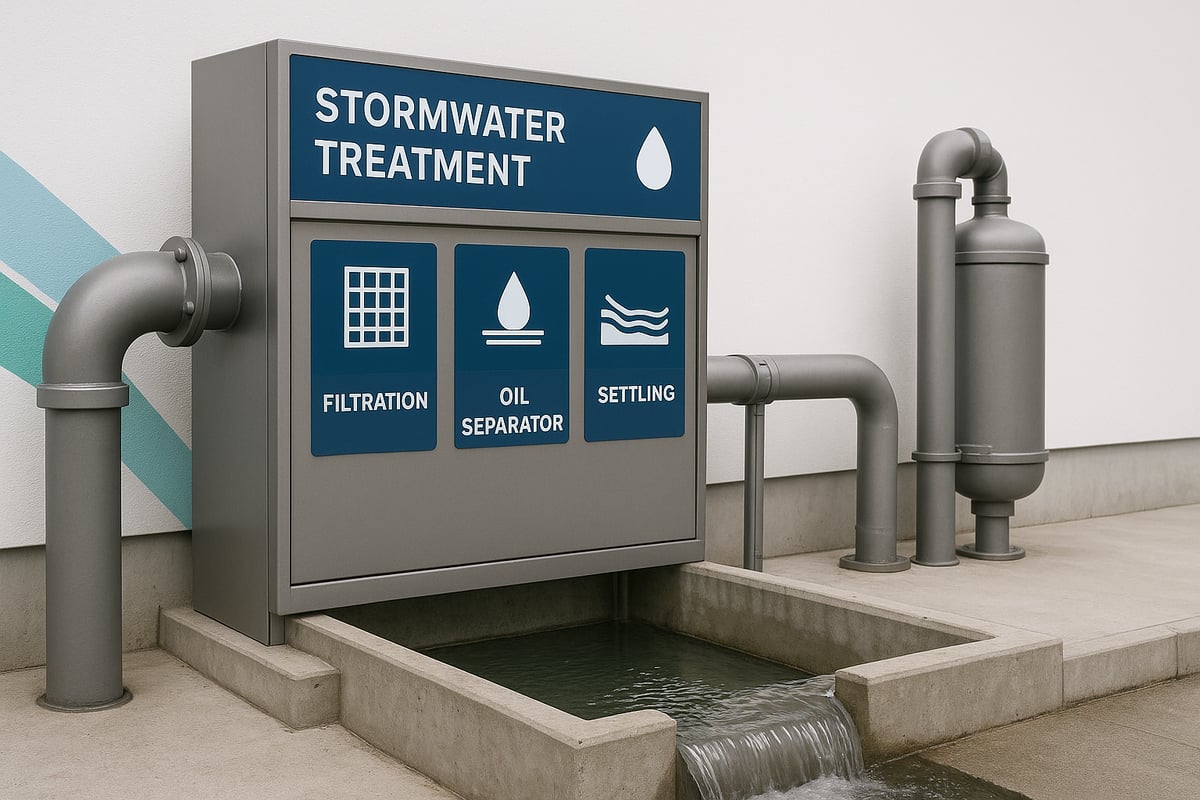
Understanding performance goals is essential for anyone working with tape treatment in stormwater management. These benchmarks ensure that each system delivers reliable pollutant removal and meets regulatory expectations. By categorizing treatment standards, professionals can select the right approach for site-specific needs and compliance.
Pretreatment and Basic Treatment Standards
Pretreatment is the first line of defense in tape treatment, targeting larger particles and debris before water moves into more advanced processes. The primary goal here is to achieve at least 50% total suspended solids (TSS) removal when influent concentrations fall between 100 and 200 mg/L. If the influent is below 100 mg/L, the effluent should not exceed 50 mg/L.
Basic treatment takes this a step further. Systems must remove 80% of TSS for influent in the 100–200 mg/L range, and reach an effluent goal of 20 mg/L or less for concentrations under 100 mg/L. These standards protect infiltration sites and downstream facilities from excessive sediment loads.
| Treatment Type | TSS Removal Target | Influent Range (mg/L) | Effluent Goal (mg/L) |
|---|---|---|---|
| Pretreatment | 50% | 100–200 | ≤50 (if <100) |
| Basic | 80% | 100–200 | ≤20 (if <100) |
Applying these tape treatment standards helps ensure consistent performance, especially during high-flow storm events.
Oil and Metals Treatment Criteria
Tape treatment systems designed for oil removal must ensure that no visible sheen is present in effluent, with a daily average total petroleum hydrocarbons (TPH) of 10 mg/L or less, and a maximum of 15 mg/L for any grab sample. This prevents harmful oils from entering local waterways.
Metals treatment builds on basic standards. Devices must achieve at least 30% removal of dissolved copper (for influent between 0.005 and 0.02 mg/L) and 60% for dissolved zinc (0.02–0.30 mg/L). If concentrations exceed these ranges, all valid data must still be included in performance calculations.
To illustrate, consider a device handling runoff after a major rain event. Accurate data collection ensures that tape treatment results reflect real-world efficiency. For more on where the industry is heading, see the 2025 Association Forecasts.
Phosphorus and Construction Treatment Requirements
Phosphorus management is a key component of tape treatment, especially in areas sensitive to nutrient pollution. Systems must remove at least 50% of total phosphorus for influent concentrations between 0.1 and 0.5 mg/L, in addition to meeting basic treatment standards for TSS.
Construction site runoff poses unique challenges. The effluent must not exceed 5 NTUs above background turbidity, or increase turbidity by more than 10% if background levels are over 50 NTUs. Oil sheen and pH must also be carefully monitored. These requirements protect receiving waters from spikes in sediment, nutrients, and contaminants during active development.
A real-world case involved a major infrastructure project where tape treatment devices were deployed to maintain compliance during heavy rainfall. The system’s ability to meet phosphorus and turbidity standards was crucial for project approval and environmental protection.
Data Integrity and Avoiding “Cherry Picking”
Maintaining data integrity is fundamental in tape treatment certification. All valid samples above concentration ranges must be included in performance calculations. Selectively excluding results, known as “cherry picking,” is strictly prohibited.
This approach ensures scientific integrity and regulatory trust. If a vendor omits data to improve reported results, certification can be revoked and future applications scrutinized. Tape treatment relies on honest reporting to advance technology and protect public health.
To support this, rigorous quality assurance and transparent data sharing are essential. By upholding these principles, the tape treatment field continues to evolve with confidence and credibility.
Approved Technologies and Use Level Designations for 2025
Understanding which technologies are approved for tape treatment in 2025 is essential for compliance and performance. The right selection can mean the difference between regulatory success and costly setbacks. This section breaks down use level designations, highlights approved solutions, clarifies local and state approval, and looks ahead at trends shaping the future.
Overview of Use Level Designations (ULDs)
Tape treatment technologies receive use level designations based on their demonstrated performance and reliability. There are three main categories:
- General Use Level Designation (GULD): Technologies that have fully met all performance criteria for specific pollutants and are approved for widespread use.
- Conditional Use Level Designation (CULD): Solutions with a high likelihood of meeting goals but require additional data or monitoring for full approval.
- Pilot Use Level Designation (PULD): Promising innovations in early field testing, needing further verification.
The progression from PULD to GULD is a rigorous process. For example, a filtration device may start as PULD, advance to CULD after successful pilot data, and finally reach GULD with comprehensive, long-term results. This phased approach ensures that each tape treatment solution is thoroughly vetted for effectiveness.
Table of Approved Technologies: Categories and Highlights
The 2025 list of approved tape treatment technologies spans several categories, each targeting specific stormwater challenges. Below is a summary table of notable devices and their status:
| Category | Technology Name | Manufacturer | ULD Status | Approval Date |
|---|---|---|---|---|
| Pretreatment | Hydrosystem High Rate Media Filter | HydroTech Solutions | GULD | Jan 2025 |
| Oil Treatment | BayFilter w/EMC Media | Bay Environmental | GULD | Mar 2025 |
| Metals | AquaMetals Cartridge System | AquaStorm Inc. | CULD | Feb 2025 |
| Basic Treatment | StormClear Modular Unit | StormTech Systems | GULD | Jan 2025 |
| Phosphorus | PhosGuard Filter | EnviroGuard | PULD | Apr 2025 |
| Construction | SiteSafe Turbidity Barrier | SafeSite Solutions | GULD | Feb 2025 |
Manufacturers continue to innovate, with several technologies leveraging advanced filtration media, modular designs, and integrated monitoring. The tape treatment landscape in 2025 is marked by greater data transparency and a focus on devices that can handle variable influent conditions.
Selecting from this approved list ensures that projects not only meet regulatory standards but also benefit from proven performance and easier maintenance tracking. As more vendors seek GULD status, the competitive landscape drives continual improvement and broader options for stormwater managers.
Local vs. State Approval: Navigating the Dual System
State-level TAPE certification is a critical milestone, but many regions also require local jurisdiction approval for tape treatment devices. This dual system can introduce additional steps and timelines.
To secure both certifications:
- Submit documentation for state TAPE review and gain the appropriate ULD.
- Present state approval and performance data to local authorities.
- Address any site-specific requirements or supplemental tests mandated by municipalities.
For example, a device with GULD status at the state level may still need further review by a city’s stormwater board before installation. This layered process protects local water quality and ensures that tape treatment technologies are appropriately matched to site conditions.
Understanding these requirements early in project planning helps avoid delays and ensures a smooth path from approval to operation.
Resources for Technology Selection and Evaluation
Choosing the right tape treatment solution requires access to up-to-date resources and guidance. Key tools include:
- State-published TAPE tables listing all approved technologies by category and use level designation.
- Detailed performance data and monitoring reports.
- Access to pre-approved evaluation facilities, which streamline testing and data collection.
- Best practice guides for interpreting results and matching technologies to site needs.
Stormwater professionals should regularly consult these resources to stay informed about new approvals and emerging trends. Collaboration with monitoring staff and technology providers can further enhance the selection process.
Future Outlook: Innovations and Emerging Trends
The future of tape treatment is shaped by rapid advancements in monitoring, data analytics, and device design. Digital sensors are increasingly integrated into stormwater devices, enabling real-time performance tracking and automated reporting.
Regulatory frameworks may soon evolve to accommodate these innovations, emphasizing adaptive management and continuous improvement. For instance, smart sensors can detect pollutant spikes and trigger maintenance alerts, helping ensure long-term compliance.
Staying engaged with industry forums and regulatory updates will position organizations to leverage the latest technologies and maintain leadership in sustainable stormwater management.
Expert Insights and Best Practices for Tape Treatment Success
Achieving consistent, high-quality results with tape treatment requires more than just following protocols. Real-world applications bring unique challenges and opportunities for improvement. In this section, you will find expert strategies, best practices, and forward-looking advice to help you navigate the evolving landscape of tape treatment in 2025.
Common Challenges and Solutions in Tape Treatment
Tape treatment systems often operate under variable conditions that can affect performance. One major challenge is ensuring pollutant removal remains effective during heavy or unpredictable storm events. Devices may also face high influent concentrations, which put additional stress on system components.
- Fluctuating influent pollutant loads
- Equipment fouling or clogging
- Maintenance scheduling conflicts
To address these issues, regular inspection and proactive maintenance are essential. Using data from recent field deployments, experts recommend developing a response plan for high-flow events and establishing clear maintenance intervals. For example, after a major storm, a rapid check of system integrity and pollutant capture rates can prevent long-term performance loss. These solutions help maintain reliable tape treatment outcomes.
Maximizing Efficiency: Tips from Industry Leaders
Efficiency in tape treatment is not only about device selection, but also about operational practices. Industry leaders stress the importance of routine maintenance and thorough documentation. Leveraging pre-approved monitoring facilities can reduce costs and improve data quality.
- Schedule routine inspections based on historical data
- Document all maintenance and performance checks
- Use standardized protocols for sample collection
Staying current with regulatory changes is also vital. After the 2024 updates, one vendor saw improved efficiency by adapting their maintenance schedule and investing in staff training. These best practices ensure that tape treatment systems perform at their highest potential.
Data-Driven Decision Making and Continuous Improvement
Robust data collection is at the heart of effective tape treatment. Gathering consistent, high-quality data allows for performance benchmarking and process refinement. Teams should use data to compare current outcomes against established performance standards.
- Track pollutant removal rates over multiple storm events
- Analyze trends to identify areas for improvement
- Benchmark against approved technologies
For example, a manufacturer used detailed performance data to redesign a filter component, resulting in better removal efficiency. This continuous improvement cycle keeps tape treatment technologies at the forefront of stormwater management.
Collaboration and Training for Long-Term Success
Long-term success in tape treatment depends on effective collaboration among vendors, designers, and municipal staff. Cross-disciplinary teams foster innovation and help address complex site-specific challenges.
- Establish regular communication between stakeholders
- Invest in training programs for all team members
- Share findings and lessons learned through professional networks
The Board of External Reviewers plays a key role in disseminating knowledge and setting standards. Collaborative partnerships ensure that all parties remain informed and aligned with regulatory expectations.
Staying Ahead: Preparing for Future Regulatory Shifts
The regulatory landscape for tape treatment is always evolving. Staying proactive is crucial for compliance and operational flexibility. Teams should monitor policy updates and anticipate new requirements.
- Subscribe to industry newsletters and regulatory bulletins
- Build adaptability into device selection and deployment strategies
- Participate in industry forums and workshops
For instance, when sample requirements changed, one organization quickly adjusted their monitoring protocols, minimizing disruption. Preparing for change ensures that tape treatment systems remain effective and compliant.
Frequently Asked Questions on Tape Treatment
Professionals often have questions about data reporting, approval processes, and operational best practices in tape treatment. Here are answers to some common queries:
- What is the most important factor for successful tape treatment? Consistent data collection and adherence to maintenance schedules.
- How do I stay updated on regulatory changes? Regularly check state and local agency websites for the latest guidance.
- Can I exclude data from high-pollutant events? No, all valid data must be included for regulatory compliance.
For further details, consult the latest TAPE guidance documents or reach out to your local regulatory authority for support.
After exploring the latest expert insights and advancements in tape treatment for 2025, you understand how crucial it is to stay ahead with effective solutions that keep you moving comfortably throughout the day. Whether you're dealing with bunions or looking for ways to improve your foot health, taking proactive steps makes all the difference. If you're ready to experience relief that adapts to your daily routine and supports your active lifestyle, discover how you can move freely with Get Bunion Relief that Moves with You!