













Overview
Therapeutic tapes, like kinesiology tape, support injury recovery by alleviating pain, providing muscle support, reducing swelling, and enhancing mobility. They are lightweight, breathable, and allow for movement while promoting healing. Effective application involves cleaning the skin, cutting the tape, applying it without stretching, and ensuring comfort. While beneficial, it's best to consult a professional for severe injuries.
Table of Contents
- Understanding Therapeutic Tapes
- How Therapeutic Tapes Aid in Recovery
- 1. Pain Relief
- 2. Muscle Support
- 3. Reduced Swelling and Inflammation
- 4. Enhanced Mobility
- The Science Behind Therapeutic Tapes
- How to Apply Therapeutic Tapes
- 1. Clean the Skin
- 2. Cut the Tape
- 3. Apply the Tape
- 4. Rub to Activate Adhesive
- 5. Observe Comfort Levels
- Common Uses of Therapeutic Tapes
- Complementary Recovery Tools
- Bunion Corrector for Men
- Blister Prevention Pads
- When to Seek Professional Guidance
- The Future of Therapeutic Tapes
Key Takeaways
- Therapeutic tapes support and stabilize muscles and joints without restricting movement, making them ideal for injury recovery.
- They provide pain relief by increasing blood flow to the injured area and interacting with the body’s pain receptors.
- These tapes help reduce swelling and inflammation by improving lymphatic drainage, facilitating quicker healing.
- Unlike rigid braces, therapeutic tapes allow for enhanced mobility, encouraging movement essential for recovery.
- Application of therapeutic tape is user-friendly; ensure skin is clean, cut the tape, and apply with proper tension for best results.
- They are effective in various scenarios, including supporting muscle strains, preventing blisters, and assisting post-surgical recovery.
- Consult a health professional for severe injuries or chronic pain to determine the best recovery strategies.
Frequently Asked Questions
1. What are therapeutic tapes?
2. How do therapeutic tapes aid in recovery?
3. How do I apply therapeutic tapes correctly?
4. What are common uses for therapeutic tapes?
5. When should I seek professional guidance regarding therapeutic tapes?
In the world of physical therapy and injury recovery, therapeutic tapes have garnered significant attention. Athletes, weekend warriors, and everyday individuals alike are turning to these innovative tools to aid in their healing processes. From muscle strains to joint support, therapeutic tapes are becoming essential in managing pain and facilitating recovery. Let’s explore how these tapes work, their benefits, and how they can be integrated into your recovery plan.
Understanding Therapeutic Tapes
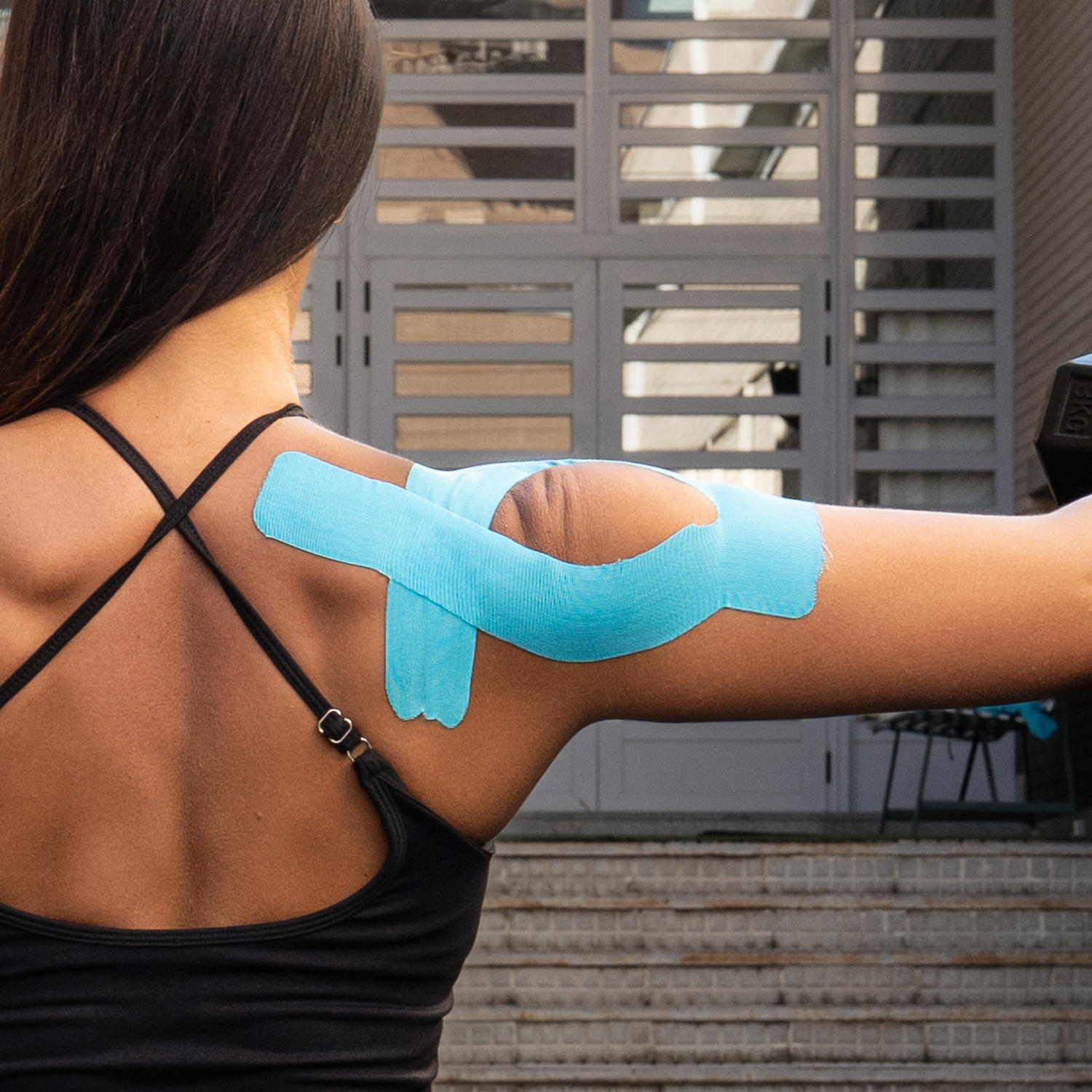
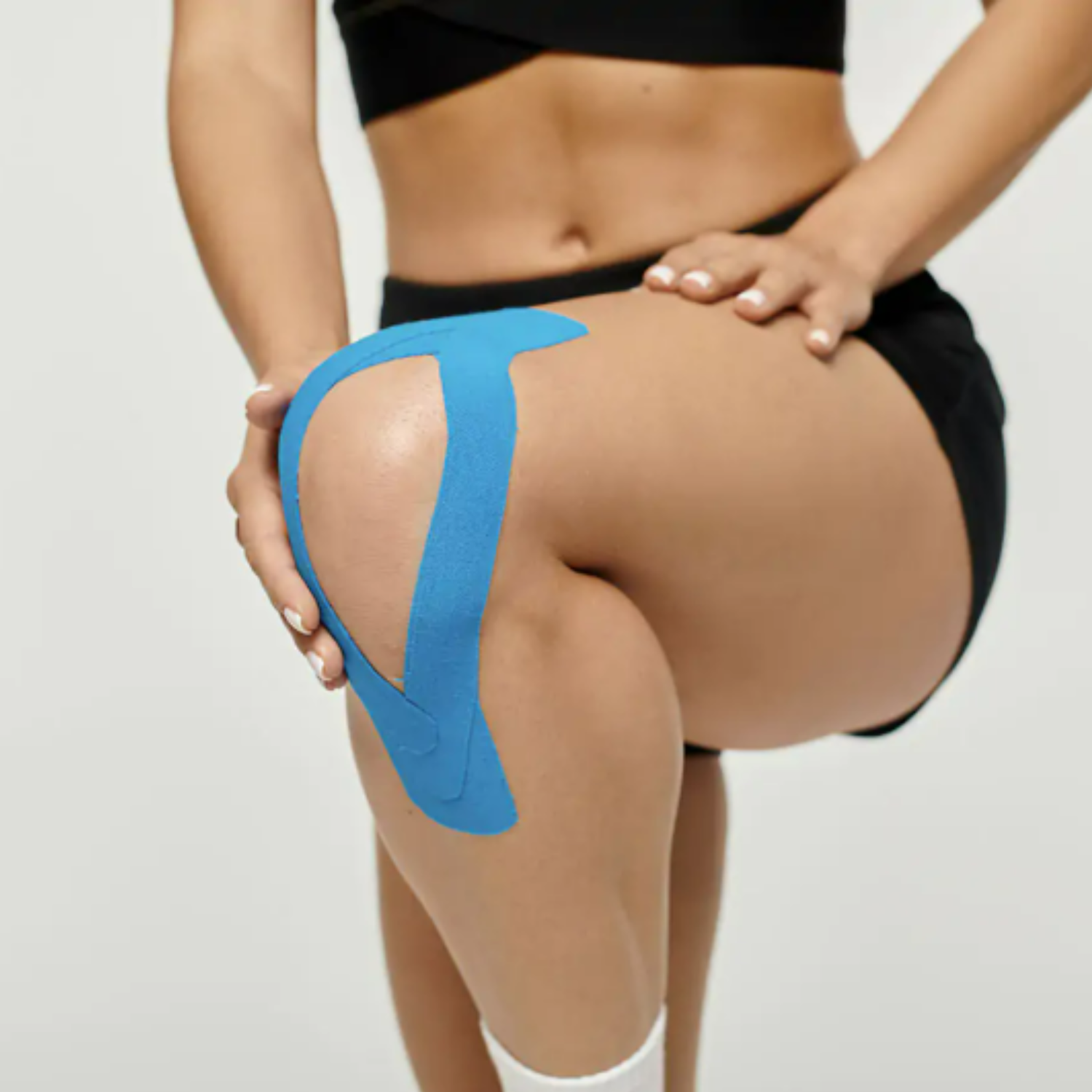
Therapeutic tapes, often referred to as kinesiology or elastic therapeutic tapes, are designed to support and stabilize muscles and joints without restricting movement. They are made from elastic materials that mimic the elasticity of human skin, allowing for unrestricted motion while providing stability. This balance of support and flexibility is what makes these tapes invaluable in injury recovery.
Unlike traditional tape, which can be rigid and constrictive, therapeutic tape is lightweight and breathable, making it comfortable to wear for extended periods. This feature is particularly beneficial when dealing with injuries, as it allows for both skin ventilation and moisture-wicking properties, promoting a more pleasant healing experience.
How Therapeutic Tapes Aid in Recovery
1. Pain Relief
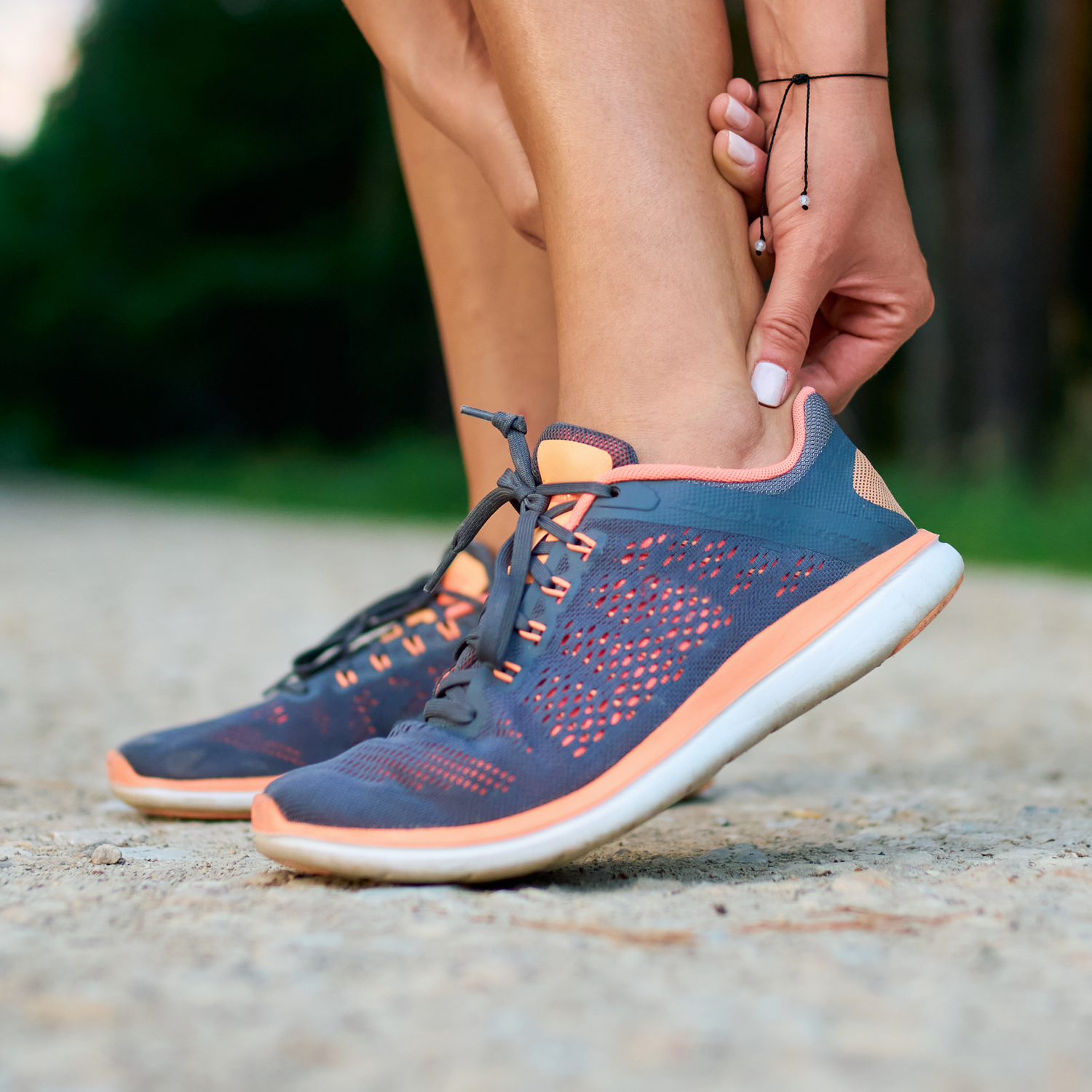
One of the primary benefits of therapeutic tapes is their ability to alleviate pain. By lifting the skin slightly, the tape increases blood flow to the injured area. This enhanced circulation helps to reduce inflammation and promote healing. Moreover, the tape can also interact with the body's pain receptors, providing relief without the need for medications.
2. Muscle Support
Therapeutic tapes are beneficial for individuals recovering from muscle strains or injuries. The support they provide can help to prevent further injury and allow individuals to engage in rehabilitation exercises more safely. Taping techniques can target specific muscles to optimize their performance, making it easier for individuals to regain their strength.
3. Reduced Swelling and Inflammation
By improving lymphatic drainage, therapeutic tapes can help minimize swelling in the affected area. This is particularly helpful following an acute injury where swelling can exacerbate pain and hinder recovery. The supportive nature of the tape can encourage fluids to move away from the injured area, facilitating quicker healing.
4. Enhanced Mobility
Unlike conventional rigid braces, therapeutic tapes allow for a greater range of motion. This flexibility encourages movement which is critical for recovery. The tapes can provide stability while still allowing for the necessary mobility to maintain joint and muscle function.
The Science Behind Therapeutic Tapes
The effectiveness of therapeutic tapes is backed by research. Studies show that the application of kinesiology tape can lead to improvements in pain management and disability levels. The theory is that the tape affects the sensory receptors in the skin, leading to an altered perception of pain and discomfort. This sensory input can stimulate the body's natural healing mechanisms, making therapeutic tapes a valuable tool in injury recovery.
How to Apply Therapeutic Tapes
Applying therapeutic tape might seem complicated, but it is quite user-friendly with a little practice. Here’s a brief guide on how to apply the tape effectively:
1. Clean the Skin
Before applying the tape, ensure that the skin is clean, dry, and free from oils or lotions. This ensures better adhesion and effectiveness of the tape.
2. Cut the Tape
Cut a strip of tape according to the length needed for the specific area you are treating. Round the edges to prevent peeling.
3. Apply the Tape
Peel the backing off one end and anchor it on the skin without stretching. Gradually peel the backing off while applying the tape to the desired area, adjusting the stretch based on the level of support needed.
4. Rub to Activate Adhesive
Once in place, rub the tape gently to activate the adhesive and ensure it sticks properly.
5. Observe Comfort Levels
After application, check for any discomfort. The tape should not cause pain or irritation. If it does, remove and retry or adjust the placement.
Common Uses of Therapeutic Tapes
Therapeutic tapes can be used in various scenarios, including:
- Support for muscle strains or sprains
- Preventing and treating blisters with blister prevention pads
- Assistance in post-surgical recovery
- Joint stabilization during activities
- Improving posture and alignment
Complementary Recovery Tools
While therapeutic tapes are potent allies in injury recovery, they often work best when combined with other supportive tools and treatments. Here are a couple of options to consider:
Bunion Corrector for Men
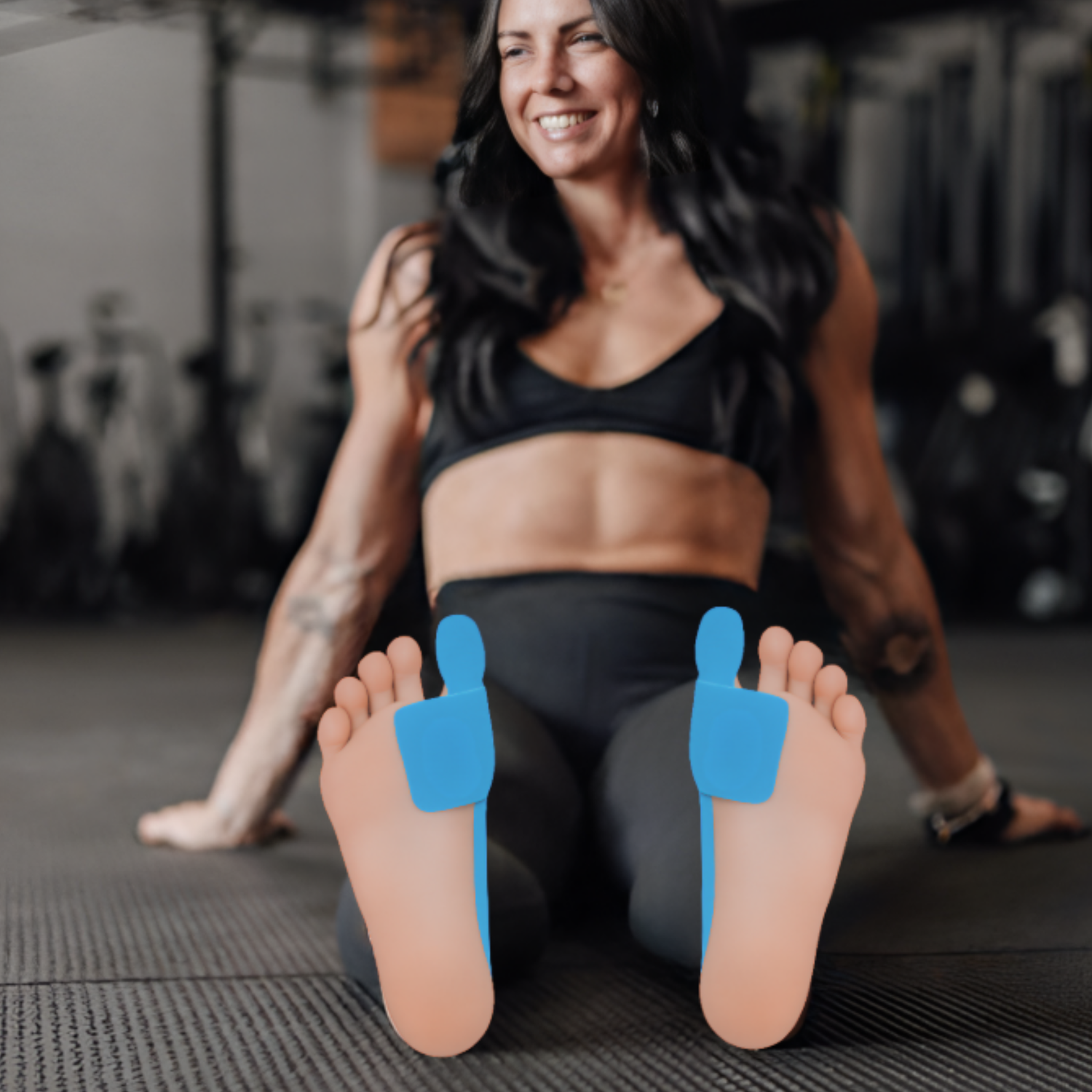
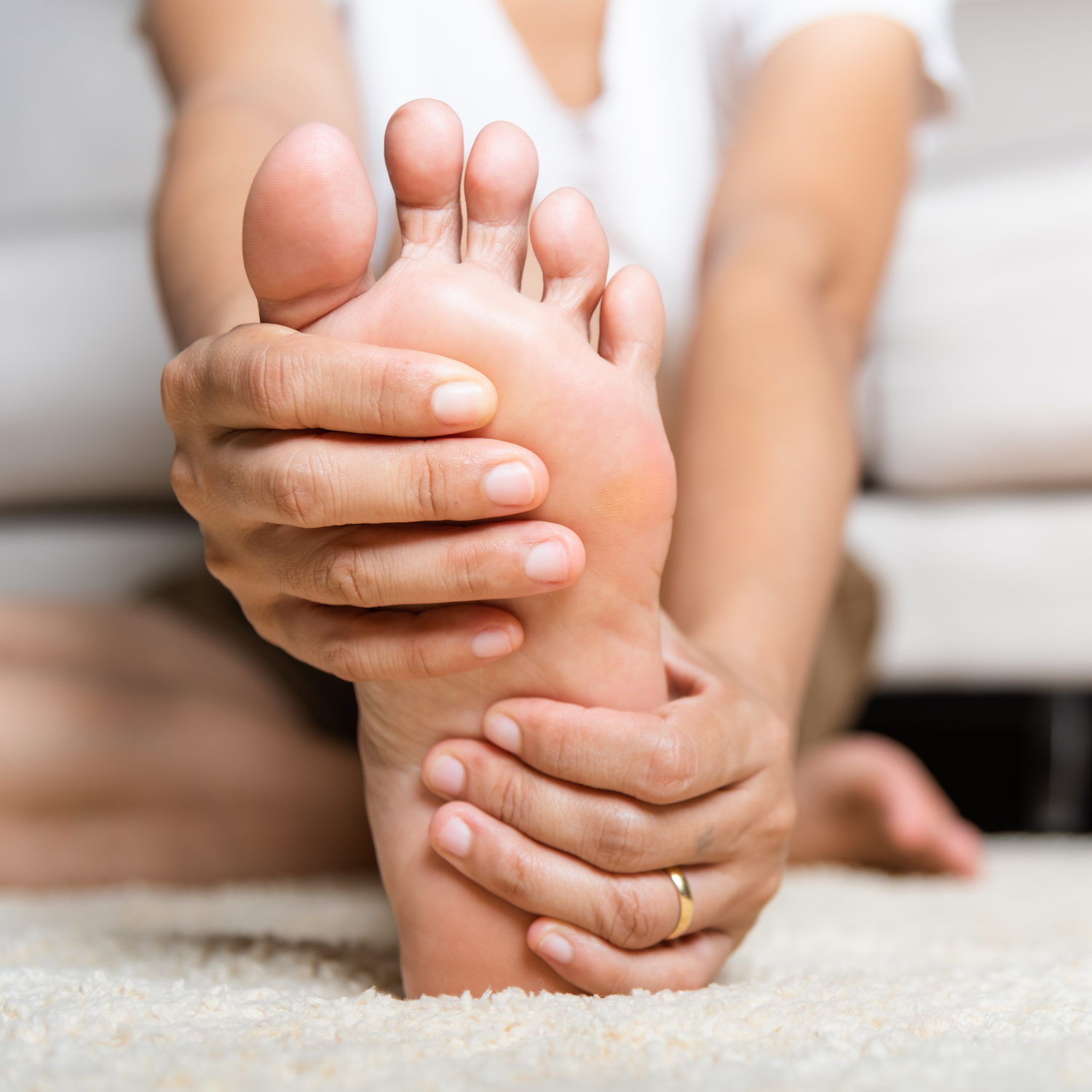
A bunion corrector for men can be helpful in managing foot pain and alignment issues often exacerbated by sports or physical activity. Correctors not only ease discomfort but can also complement the use of therapeutic tapes in stabilizing and supporting the foot during recovery.
Blister Prevention Pads
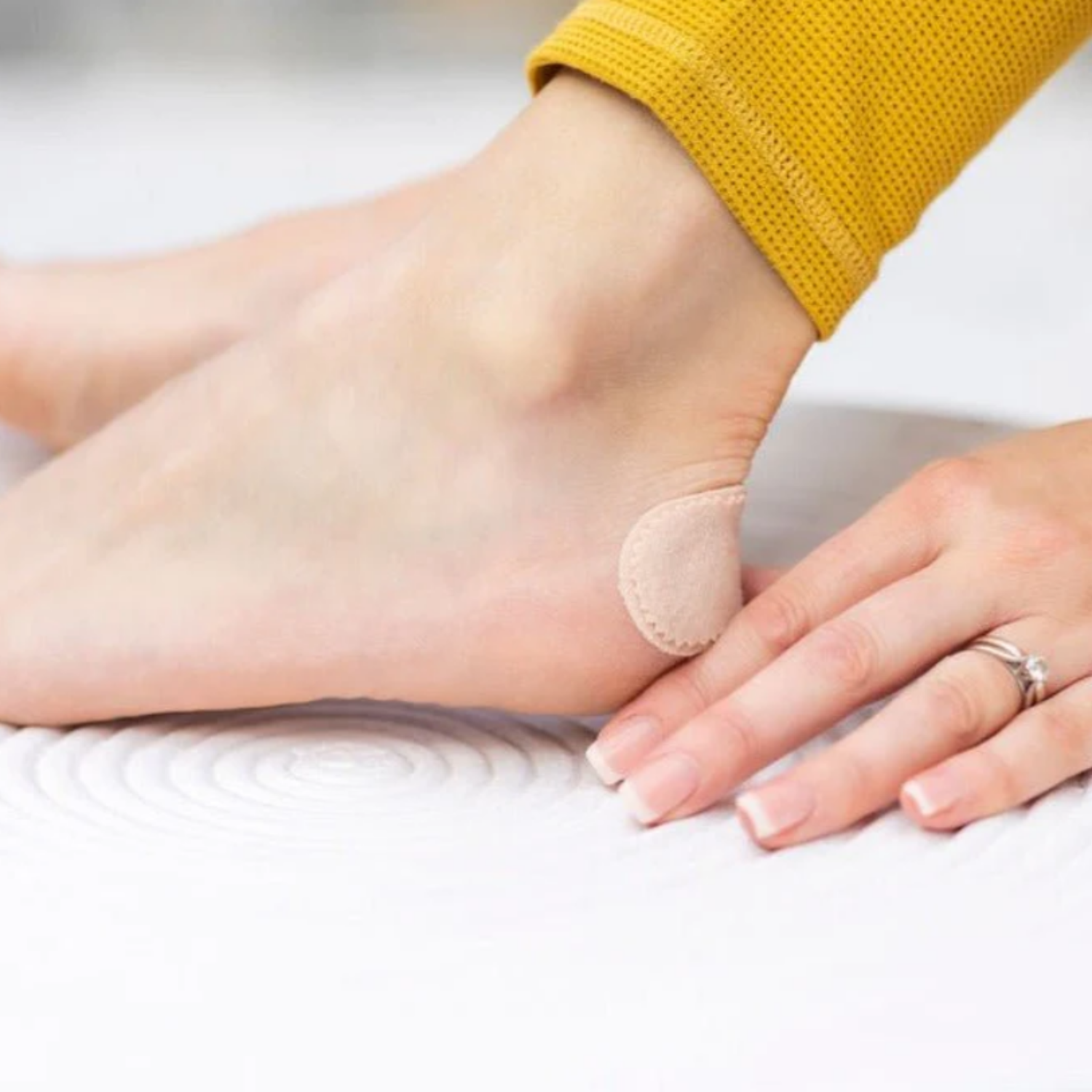
When engaging in activities that may lead to blisters, using blister prevention pads in conjunction with therapeutic tape can provide an additional layer of protection. These pads help reduce friction and protect the skin, making them excellent for athletes and active individuals.
When to Seek Professional Guidance
While therapeutic tapes can aid in recovery, they are not a one-size-fits-all solution. If you are dealing with a severe injury or chronic pain, it's essential to consult with a health professional. They can provide guidance on the best recovery strategies and assess the need for physical therapy or other interventions.
The Future of Therapeutic Tapes
The world of therapeutic advancements continues to evolve, and so does the application of therapeutic tapes. They are increasingly being used not just by athletes but by a wide range of individuals seeking relief and support for various conditions. With ongoing research, we can expect improvements in materials and applications, making these tools even more effective in promoting recovery.
As you consider adding therapeutic tapes to your injury recovery toolkit, remember to stay informed, make educated decisions, and listen to your body. Whether you enhance your recovery with a bunion corrector for men or pack blister prevention pads for your next outing, you’re integrating smart solutions into your healing process. Embrace the healing journey and give your body the support it deserves!
Glossary
| Term | Meaning |
|---|---|
| Therapeutic Tapes | Elastic materials designed to support muscles and joints without restricting movement. |
| Kinesiology Tape | A type of therapeutic tape that mimics skin elasticity for better support. |
| Pain Relief | Reduction of discomfort through enhanced blood flow and interaction with pain receptors. |
| Muscle Support | Assistance in recovery from strains, preventing further injuries during rehabilitation. |
| Swelling | Fluid accumulation in tissues that therapeutic tapes can help minimize. |
| Mobility | The ability to move freely, which therapeutic tapes enhance while providing support. |
| Application Technique | Steps to effectively apply therapeutic tape for maximum benefit. |
| Bunion Corrector | A tool to manage foot alignment and pain, complementing therapeutic tape use. |
| Blister Prevention Pads | Protective pads that reduce friction and prevent blisters during physical activities. |
| Professional Guidance | Consultation with a health expert for severe injuries or chronic pain management. |
Linked Product

Bunion Relief Bundle
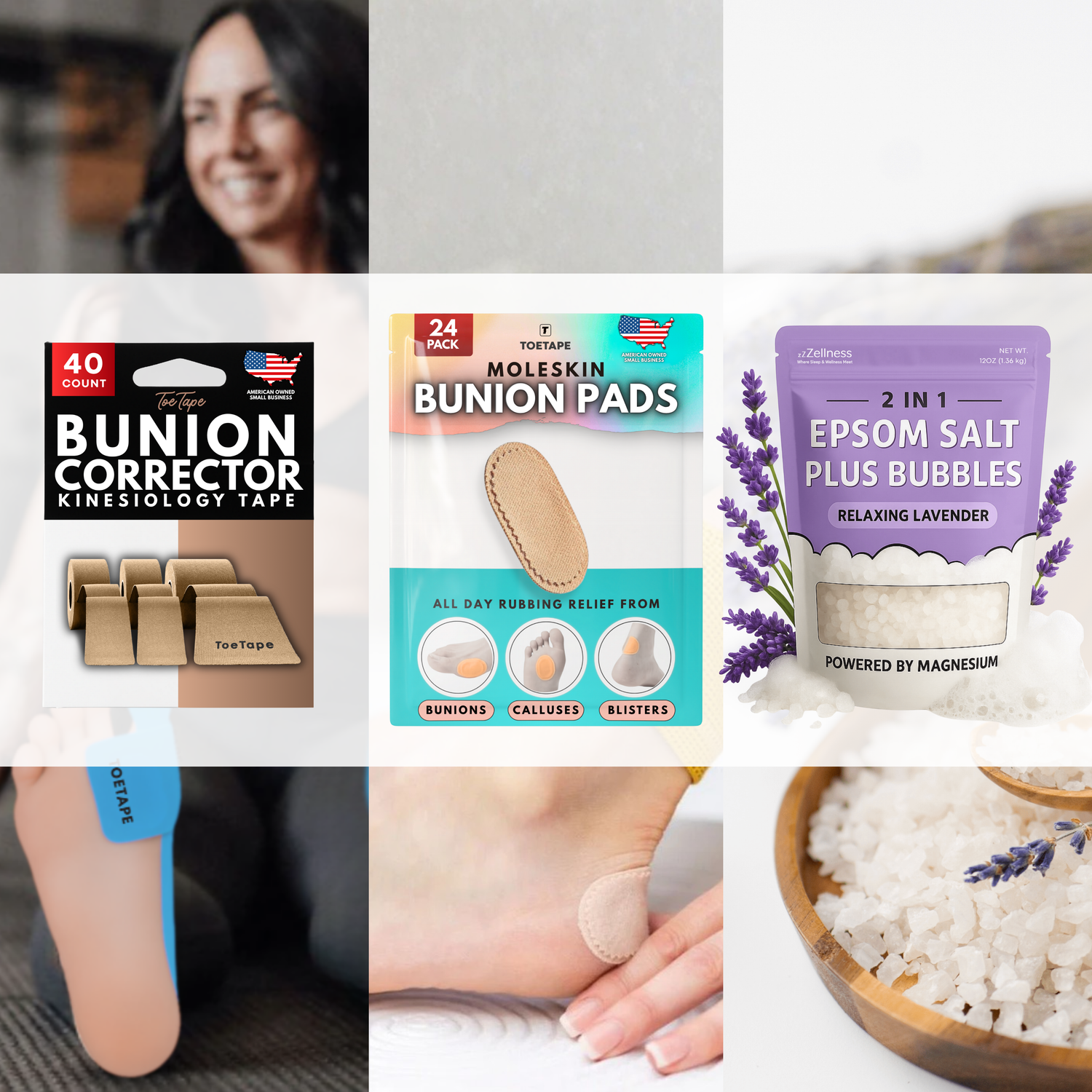
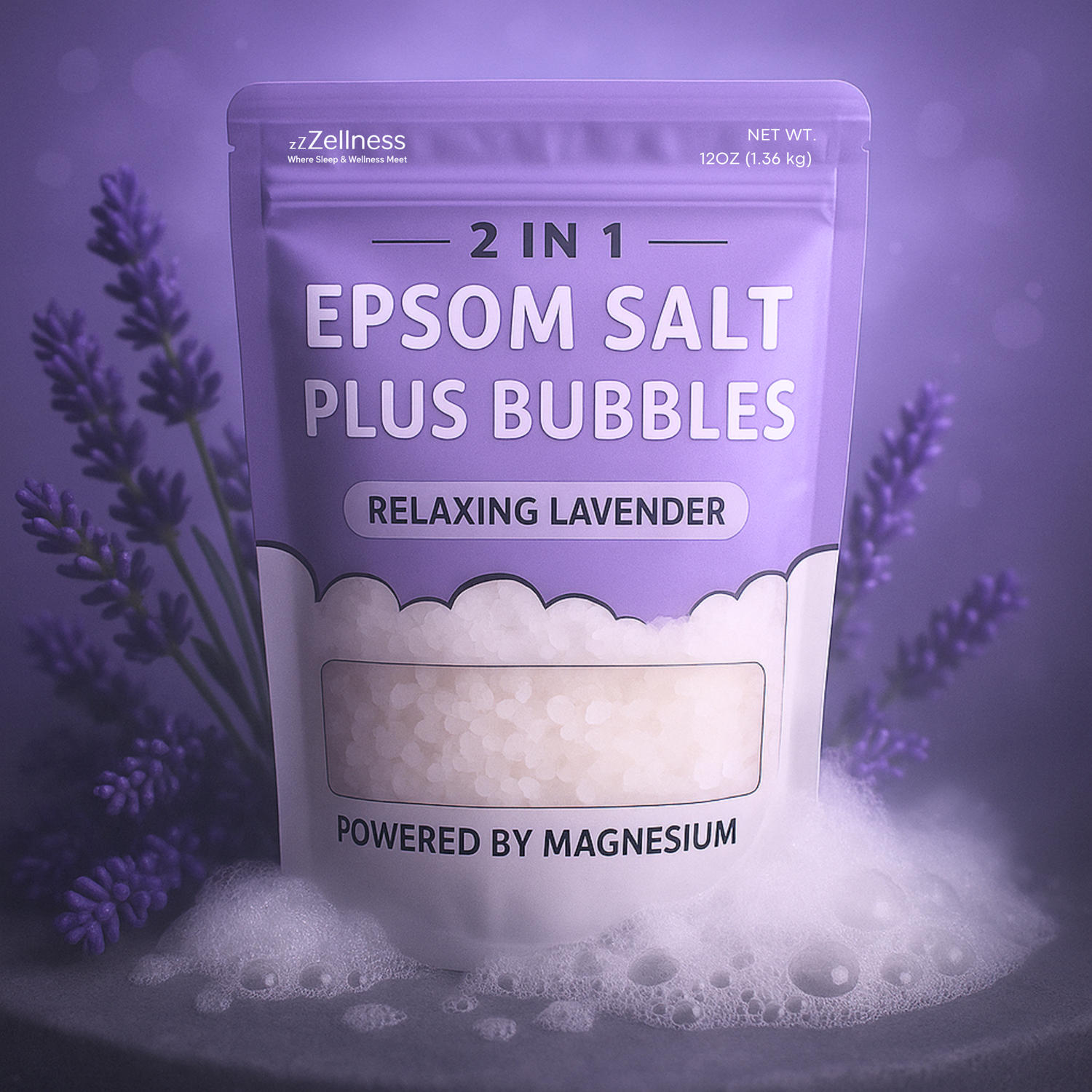
The Bunion Relief Bundle offers a comprehensive approach to foot comfort and recovery. With professional-grade kinesiology tape for realigning the big toe, protective moleskin pads to guard against friction, and soothing Epsom salts for relaxation, this bundle addresses pain and promotes healing. Whether you're on your feet for long hours or recovering from intense workouts, these products work together to support your foot health.
View Product