















Overview
Bunions are common foot issues characterized by a bony bump at the big toe's base, leading to pain and discomfort. They develop gradually due to genetic factors, poor footwear, and foot mechanics. Early recognition and management are crucial, including consulting professionals, choosing appropriate footwear, and utilizing at-home care techniques like ice therapy and stretching. Preventive measures, such as maintaining a healthy weight and regular foot care, can help minimize the risk of bunions.
Frequently Asked Questions
1. What are bunions?
2. What causes bunions to develop?
3. What are the symptoms of bunions?
4. How can bunion pain be managed?
5. What preventive measures can be taken against future bunions?
Bunions are a common foot ailment that many people experience over time. They may start as a minor annoyance but can develop into a significant source of discomfort and pain. In this article, we will explore how bunions develop, what contributes to their formation, and how to manage bunion-related pain through effective techniques like bunion relief and bunion corrector tape.
What are Bunions?
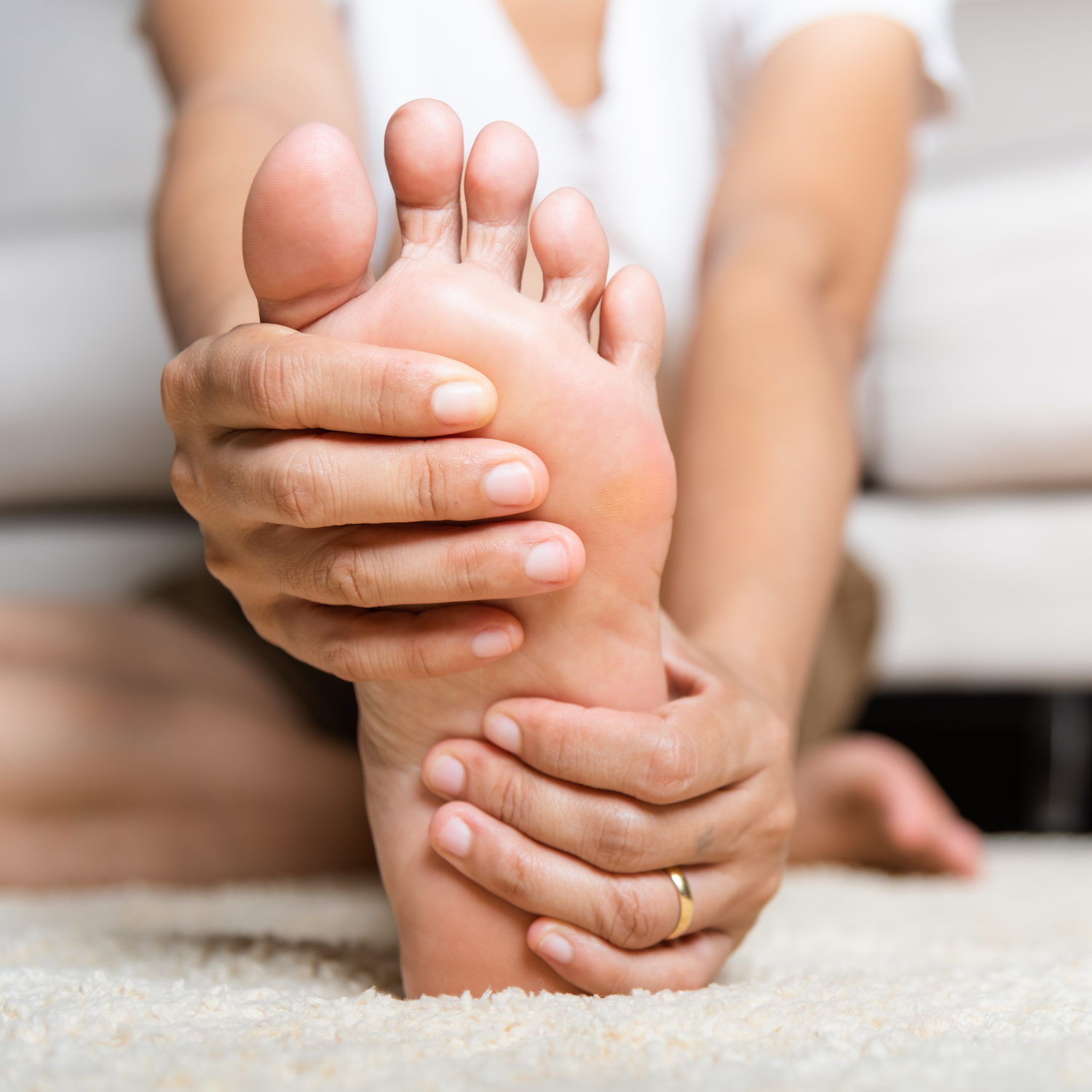
Bunions, medically known as hallux valgus, are characterized by a bony bump that forms at the base of the big toe. As this bump protrudes outward, it can lead to misalignment of the toe, causing it to angle toward the second toe. Over time, bunions can result in pain, discomfort, and changes in foot structure. Early awareness and intervention can be essential in managing bunions effectively.
The Development of Bunions: A Timeline
Bunions don't typically appear overnight; their development is a gradual process. Understanding the stages of bunion formation can help individuals recognize the signs early on and potentially mitigate the discomfort associated with bunions.
Initial Factors
The journey toward bunion formation often begins with genetic predisposition and environmental factors. Key contributors include:
- Genetics: Family history can play a significant role in bunion development. If your parents or grandparents had bunions, your chances of developing them are higher.
- Footwear: Wearing ill-fitting shoes, particularly those with narrow toe boxes or high heels, can place excessive pressure on the big toe, leading to misalignment over time.
- Foot Mechanics: Abnormal foot mechanics, such as flat feet or high arches, can also predispose individuals to bunion formation.
Progression of Symptoms
As the factors come into play, one may notice subtle changes in the foot. The initial symptoms often include:
- Swelling: The area around the big toe may become swollen, causing discomfort.
- Redness: Inflammation can lead to redness over the bunion area.
- Pain: Physical activity may cause increased pressure on the bunion, resulting in pain.
Intermediate Stage: Recognizing Changes
If left unaddressed, bunions can become progressively worse, leading to more noticeable changes in foot structure. Individuals may notice:
- Deformity: The big toe begins to deviate more dramatically towards the other toes.
- Calluses: Friction from the shoe against the bunion may lead to the formation of calluses.
- Joint Stiffness: As the bunion develops, you may experience stiffness and decreased flexibility in the big toe joint.
Advanced Stage: Living with Bunions
In the advanced stages, bunions can severely impact quality of life. Here’s what you might experience:
- Chronic Pain: Pain becomes a constant companion, often worse during activities that involve walking or standing.
- Hammer Toes: The second toe may become misaligned, leading to the development of hammer toes, which manifest as bending in the toe joints.
- Impaired Mobility: Daily activities may become challenging, limiting lifestyle choices and causing frustration.
Managing Bunions Over Time
So, what can be done to address bunions? Early intervention is critical, and various strategies can help you manage pain caused by bunions effectively.
Consulting a Healthcare Professional
Before adopting any treatment plan, it’s essential to consult with a healthcare professional. A podiatrist can provide valuable insights, develop a treatment plan personalized to your needs, and recommend appropriate interventions, such as bunion relief strategies.
Footwear Considerations
Choosing the right footwear is one of the most effective ways to manage and prevent worsening bunion symptoms. Here are some tips:
- Avoid High Heels: Opt for shoes with low heels to minimize pressure on the big toe.
- Choose Wider Toe Boxes: Shoes with a wide toe box can help prevent aggravation of the bunion.
- Consider Orthotics: Custom orthotics can provide added support and alignment for your feet.
At-Home Care Techniques
For those experiencing mild to moderate symptoms, several at-home care strategies can offer relief:
- Ice Therapy: Applying ice to the bunion can reduce swelling and provide temporary relief.
- Stretching Exercises: Gentle toe stretches can improve flexibility and reduce stiffness in the joints.
- Foot Massage: Massaging the area can alleviate pain and relax the surrounding tissues.
Utilizing Bunion Relief Aids
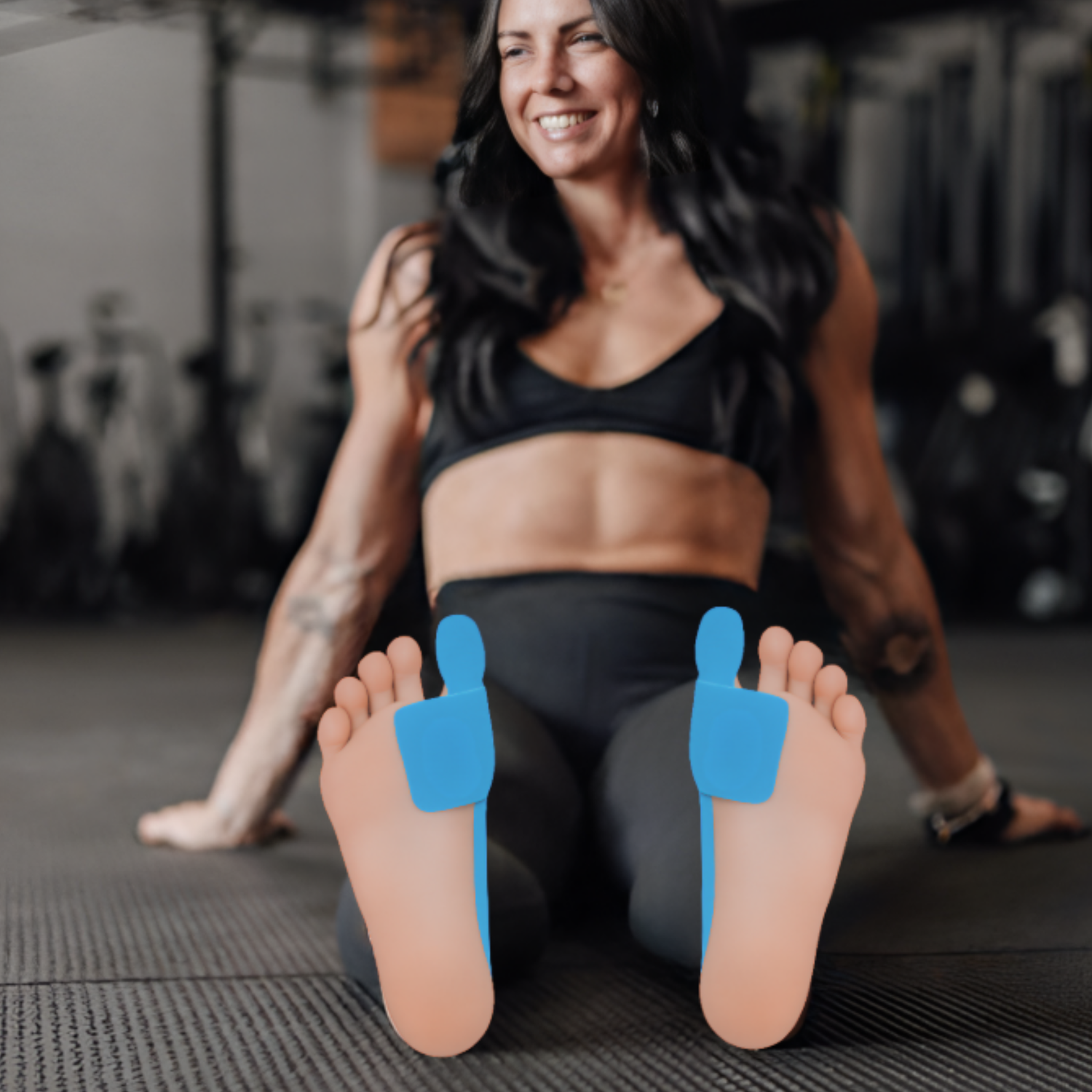
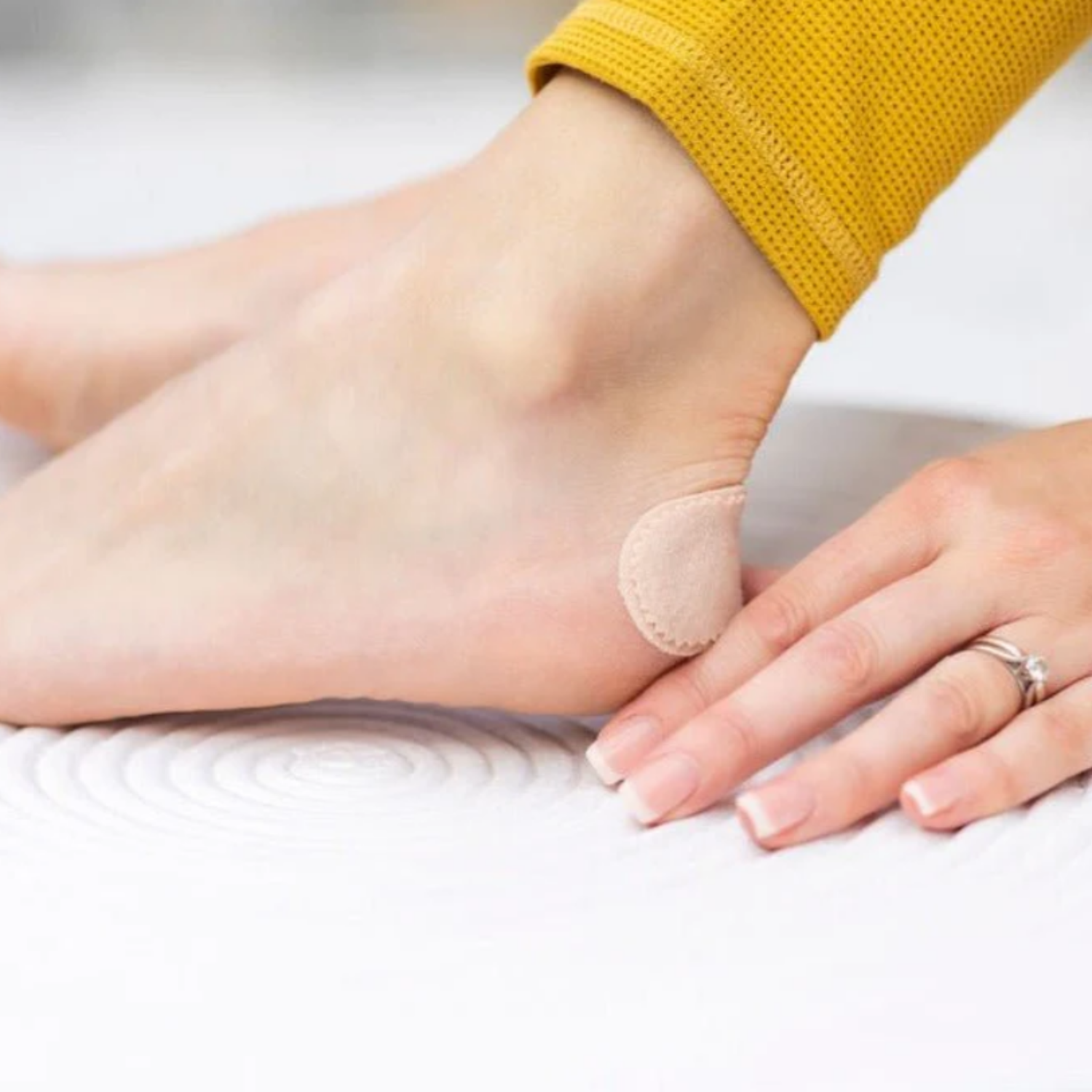
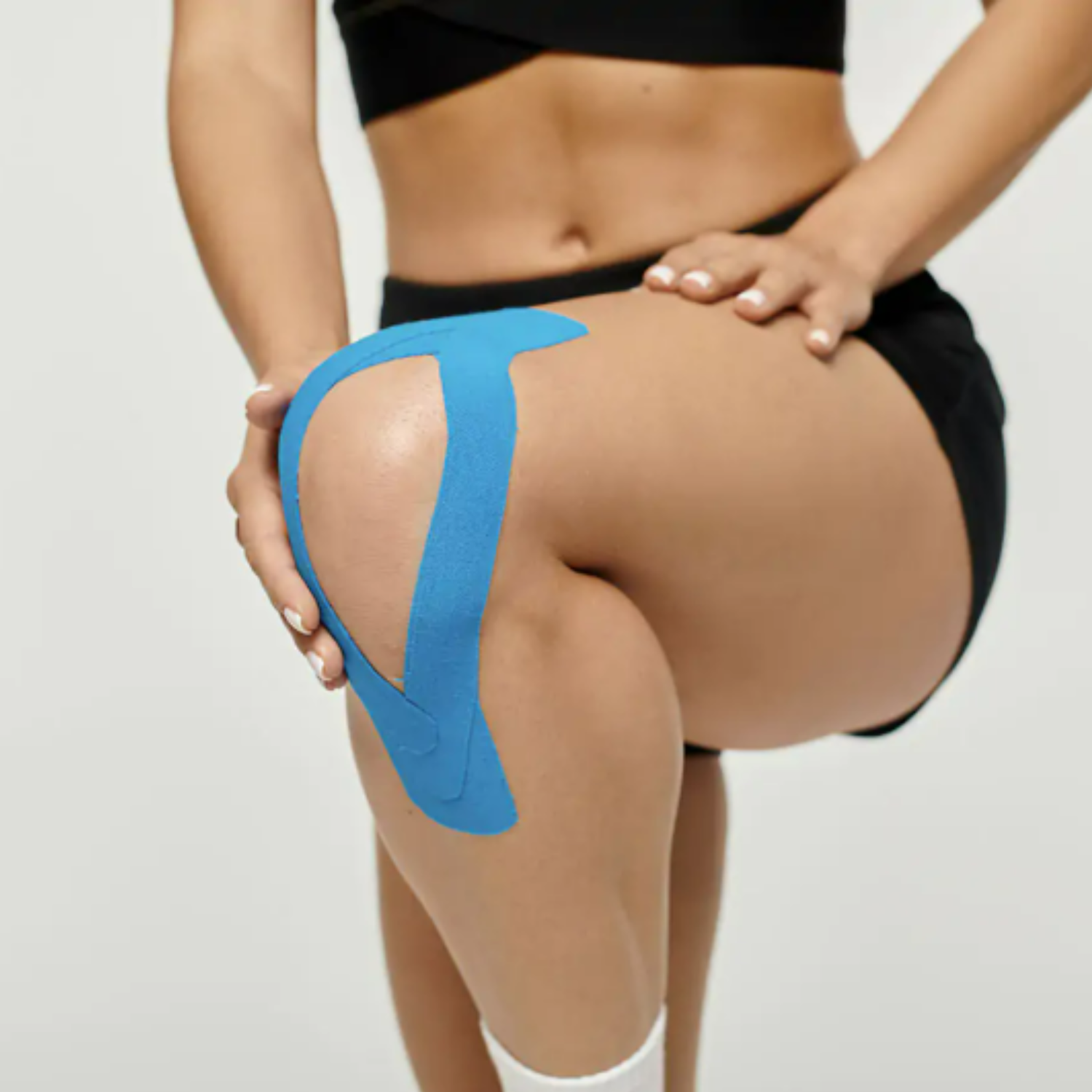
Many individuals benefit from using supportive aids for bunions. One popular product is bunion corrector tape, which can help realign the toe and provide comfort. These materials are often designed to stabilize the toe and limit movement, offering much-needed bunion relief.
Preventing Future Bunions
While some factors are beyond our control, taking proactive steps can help minimize the risk of bunions. Here are some preventive measures:
- Maintain Healthy Weight: Excess weight can place additional strain on your feet, increasing the likelihood of bunion development.
- Regular Foot Care: Incorporate regular foot exercises into your routine to strengthen muscles and improve alignment.
- Monitor Footwear Choices: Be mindful of your footwear choices, especially if you regularly engage in activities that may exacerbate foot discomfort.
The Importance of Early Recognition
Recognizing the early signs of bunion development is crucial in preventing further complications. Observing changes in the foot, and seeking timely intervention can provide a pathway to relief and improved foot health.
Embracing Foot-Friendly Practices
Ultimately, bunions may be a common concern for many, but they don’t have to dictate your lifestyle. Adopting foot-friendly practices, staying aware of your foot health, and seeking appropriate intervention can keep you active and comfortable.
When you notice the first signs of a bunion, don’t hesitate to explore treatment options. Whether you opt for bunion relief techniques, the use of bunion corrector tape, or consulting with a healthcare professional, each step you take will bring you closer to managing this condition effectively.
Invest time in your foot health; after all, your feet support you every day. A proactive approach today can lead to more comfortable tomorrows and help you continue to enjoy every step of your journey.
Linked Product

Bunion Relief Bundle
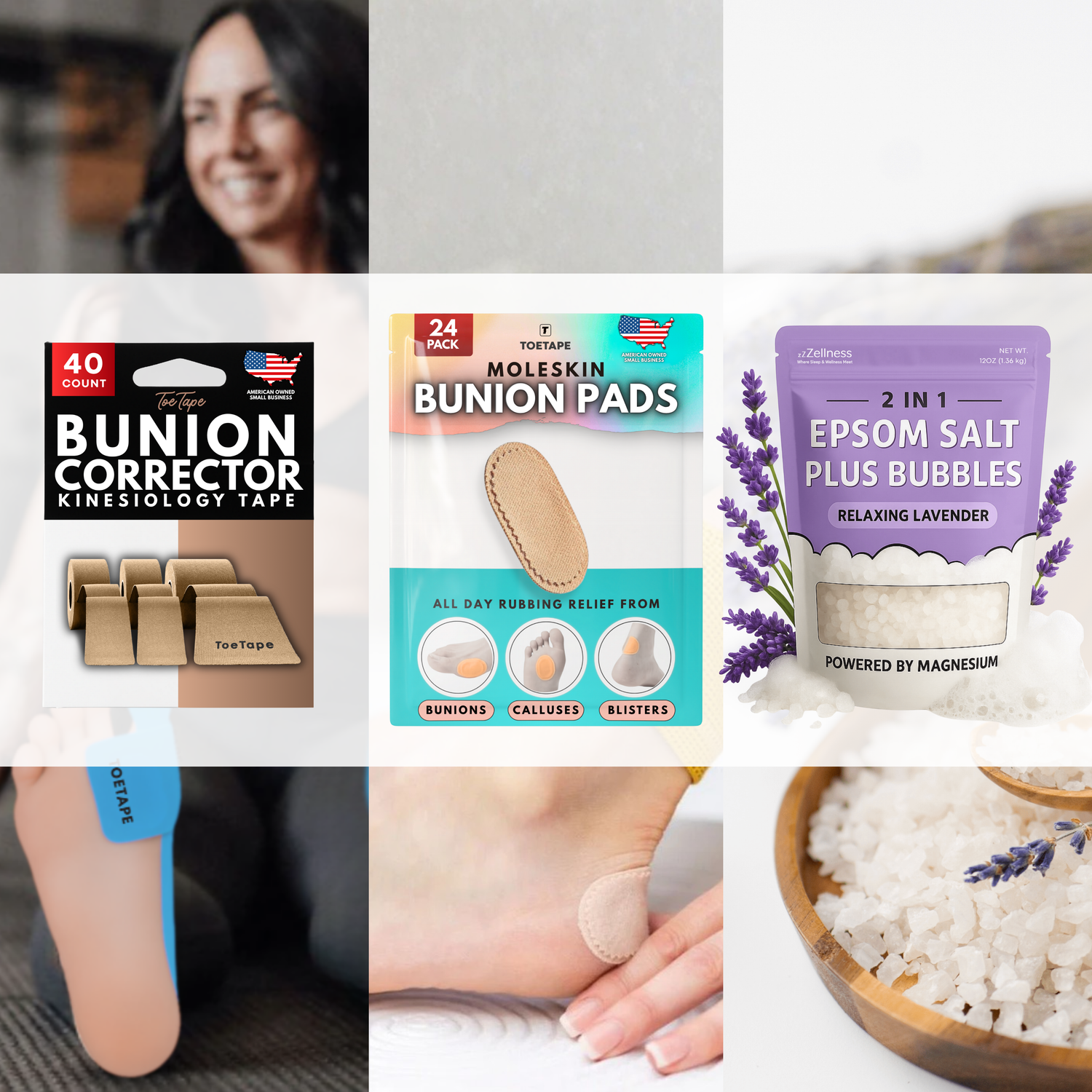
The Bunion Relief Bundle offers a comprehensive approach to managing bunion discomfort and improving foot health. With its combination of kinesiology tape, protective pads, and a soothing soak, this bundle addresses pain, prevents friction, and promotes recovery for those on their feet frequently. Ideal for daily wear or post-activity care, it supports natural alignment and enhances overall foot comfort.
View Product