

















Overview
Bunions, or hallux valgus, are bony bumps on the big toe that can cause pain and discomfort. They develop due to factors like genetics, ill-fitting shoes, and foot structure. Symptoms include visible bumps, pain, swelling, and limited motion. Ignoring bunions can lead to complications like hammertoes and arthritis. Effective relief includes over-the-counter pain relievers, proper footwear, orthotics, and physical therapy. Preventive measures such as choosing appropriate shoes, exercising, managing weight, and regular foot check-ups can enhance foot health and reduce the risk of bunions.
Frequently Asked Questions
1. What are bunions?
2. What causes bunions?
3. What are the symptoms of bunions?
4. How can I relieve bunion pain?
5. When should I seek professional help for bunions?
Bunions are a common foot condition that can lead to discomfort and pain. Understanding the nuances of bunions, their causes, and symptoms is essential for early intervention and effective bunion relief. This article provides a comprehensive overview to help you identify the signs and take the necessary actions for your foot health.
What Are Bunions?
A bunion, medically known as hallux valgus, is a bony bump that forms at the base of the big toe, where it meets the foot. This deformity causes the big toe to bend towards the second toe, leading to a misalignment. Bunions can affect balance and cause chronic foot pain, making it crucial to understand their causes and symptoms for appropriate bunion relief.
The Causes of Bunions
Multiple factors contribute to the development of bunions. Identifying these causes can help you take preventive measures. Some of the key factors include:
Genetics
Family history plays a significant role in the likelihood of developing bunions. If bunions run in your family, there's a higher chance you may develop them too. Genetics can affect foot structure, which can predispose you to bunion formation.
Footwear Choices
Wearing ill-fitting shoes is one of the primary contributors to bunions. Shoes that are too tight, narrow, or high-heeled can put excessive pressure on the toes, leading to misalignment. Opting for supportive footwear can help in both preventing and alleviating bunion discomfort.
Foot Structure and Biomechanics
Individuals with certain foot types, such as flat feet or excessively flexible ligaments, may be more susceptible to bunions. Abnormal foot mechanics can cause the big toe to deviate and pressure the other toes, resulting in pain and discomfort.
Activities and Occupations
Certain activities that involve excessive pressure on the feet, such as ballet, athletics, or standing for prolonged periods, can increase the risk of bunion development. Understanding your lifestyle can help you manage the risk factors for bunion relief.
Identifying the Symptoms of Bunions
Recognizing the symptoms of bunions early on can lead to timely intervention. Common signs include:
Visible Bump
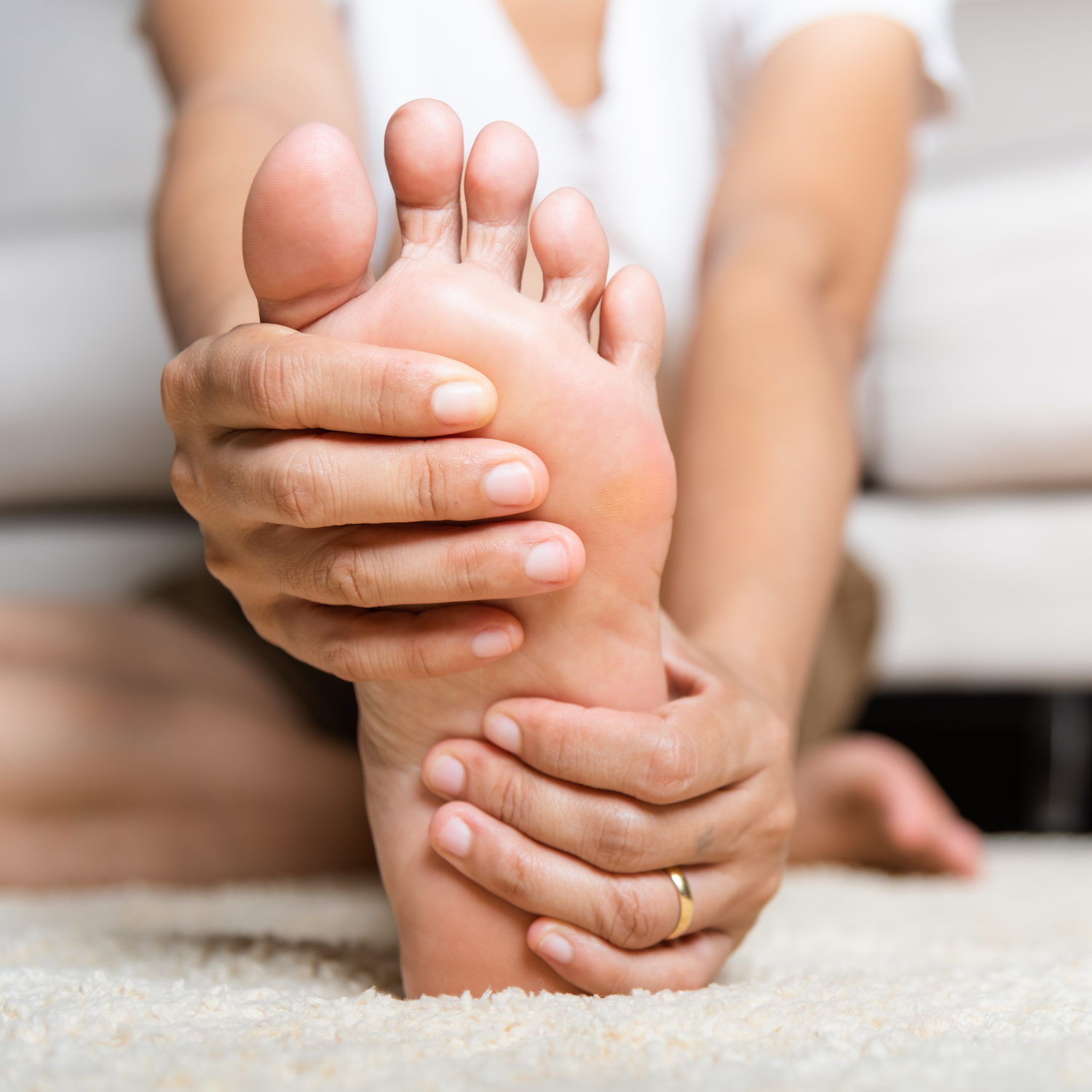
The most evident sign of a bunion is the formation of a bump on the side of the big toe. This bump is usually bony and can protrude significantly as the condition worsens.
Pain and Discomfort
Bunions often cause varying degrees of pain, especially when walking or wearing shoes. The discomfort may range from mild to severe and can lead to inflammation in the surrounding tissues.
Redness and Swelling
The area around the bunion may become red and swollen due to irritation and inflammation. This can be exacerbated when wearing tight shoes, contributing to ongoing pain and discomfort.
Limited Range of Motion
People with bunions may experience restriction in the range of motion of the big toe. This can make it challenging to perform daily activities and may lead to further complications if left untreated.
Complications Arising from Bunions
Ignoring bunions can lead to several complications beyond simple discomfort. Some of these complications include:
Hammertoes
Bunions can lead to the development of hammertoe, a condition where the toe curls downwards instead of lying flat. This is often a result of the muscle imbalance created by the bunion.
Metatarsalgia
This condition refers to pain in the ball of the foot due to uneven weight distribution caused by bunions. As the bunion develops, it can shift weight to other parts of the foot, resulting in pain and inflammation.
Arthritis
Chronic bunions can lead to arthritis in the big toe joint, making movement painful. This can require more invasive treatments if not addressed early on.
Seeking Bunion Relief
Understanding bunions and their symptoms is the first step in seeking relief. There are several approaches to address bunions:
Over-the-Counter Remedies
In many cases, over-the-counter pain relievers can help alleviate the discomfort associated with bunions. Non-steroidal anti-inflammatory drugs (NSAIDs) such as ibuprofen can reduce pain and swelling.
Footwear Modifications
Switching to footwear that provides adequate support and avoids excess pressure on the toes is fundamental. Look for shoes with a wide toe box and cushioned soles to enhance comfort and avoid exacerbating the bunion.
Orthotic Devices
Custom orthotics or bunion pads can offer additional cushioning and realignment to help reduce pain and prevent further progression of the bunion. Consulting with a podiatrist for personalized recommendations can be beneficial.
Physical Therapy
Engaging in specific exercises can improve foot strength and flexibility. A physical therapist can suggest stretches and techniques that promote better foot mechanics and provide bunion relief.
When to Consider Professional Help
Evolving symptoms or persistent pain may warrant a visit to a healthcare professional. Consider seeking medical advice if:
- The pain is severe and disrupts daily activities.
- The bunion is worsening despite home treatments.
- You develop significant swelling or redness around the bunion.
A healthcare provider can offer additional diagnostics and treatment options, including potential surgical intervention if deemed necessary.
Preventive Measures for Bunions
Taking steps to prevent bunion development can significantly enhance your foot health. Here are some preventive measures to consider:
Select Appropriate Footwear
Prioritize shoes that accommodate the shape of your feet. Avoid high heels and narrow shoes whenever possible. Investing in quality footwear is an essential step toward bunion prevention and relief.
Foot Exercises
Incorporating foot exercises into your routine can strengthen the muscles that support the big toe. Simple stretches and balance exercises can enhance foot mechanics and reduce the risk of bunions.
Weight Management
Maintaining a healthy weight is crucial for overall foot health. Excess body weight places additional stress on your feet, increasing the risk of bunions and related complications.
Regular Foot Check-Ups
Regular visits to a podiatrist can help monitor your foot health, especially if there is a family history of bunions. Early detection can lead to proactive measures that may prevent bunions from forming.
Wrap Up Your Foot Health Journey
Bunions are more than just a cosmetic concern; they reflect the health of your feet and can significantly impact your quality of life. By understanding the causes and symptoms of bunions, you empower yourself to pursue effective bunion relief and preventive measures. Remember, the earlier you act, the better the chance you have of keeping your feet healthy and pain-free. Invest in your foot health now for a lifetime of comfort and ease!