











Overview
Bunions are painful bony bumps on the big toe that can impact mobility and overall foot health. They can be caused by genetics, improper footwear, flat feet, and aging. Symptoms include pain, swelling, and limited movement. Effective pain relief strategies include adjusting footwear, using orthotics, ice therapy, and exercises. Bunion correctors can help realign the toe and alleviate discomfort. Consult a healthcare professional for severe cases or persistent pain. Take proactive steps to manage bunion discomfort and improve foot health.
Table of Contents
- What is a Bunion?
- The Anatomy of a Bunion
- Causes of Bunions
- Genetic Predisposition
- Footwear Choices
- Flat Feet or High Arches
- Age
- Symptoms of Bunions
- Pain and Discomfort
- Swelling and Redness
- Hard Bumps on the Side of the Foot
- Limited Joint Movement
- Bunion Pain Relief Strategies
- Footwear Adjustments
- Foot Pads and Orthotics
- Ice Therapy
- Over-the-Counter Medications
- Exercises and Stretching
- When to Seek Professional Help
- Exploring Bunion Correctors
- Types of Bunion Correctors
- Benefits of Using Bunion Correctors
- Real-Life Testimonials: A Helping Hand
- Emily’s Journey
- Mark’s Story
- Kick Those Bunions to the Curb!
Key Takeaways
- Bunions are a common foot condition that can cause pain, limit mobility, and lead to further complications if left untreated.
- Key causes of bunions include genetic predisposition, ill-fitting footwear, flat feet or high arches, and aging.
- Common symptoms of bunions are pain and discomfort, swelling and redness, hard bumps on the foot, and limited joint movement.
- Effective pain relief strategies include switching to appropriate footwear, using foot pads and orthotics, applying ice therapy, and taking over-the-counter medications.
- Bunion correctors can help realign the big toe and alleviate pressure, with options such as night splints and daytime braces available.
- Consulting a healthcare professional is crucial if you experience severe pain, signs of infection, or if self-care measures are ineffective.
- Real-life testimonials highlight the effectiveness of various bunion management strategies, including footwear changes and physical therapy exercises.
Bunions are more than just a minor inconvenience; they can significantly impact your day-to-day life. They can cause discomfort, limit mobility, and increase the likelihood of further foot complications. In this blog post, we delve into the causes and symptoms of bunions, while also exploring effective pain relief for bunions and solutions such as bunion correctors designed specifically for women’s big toes. Let’s get started!
What is a Bunion?
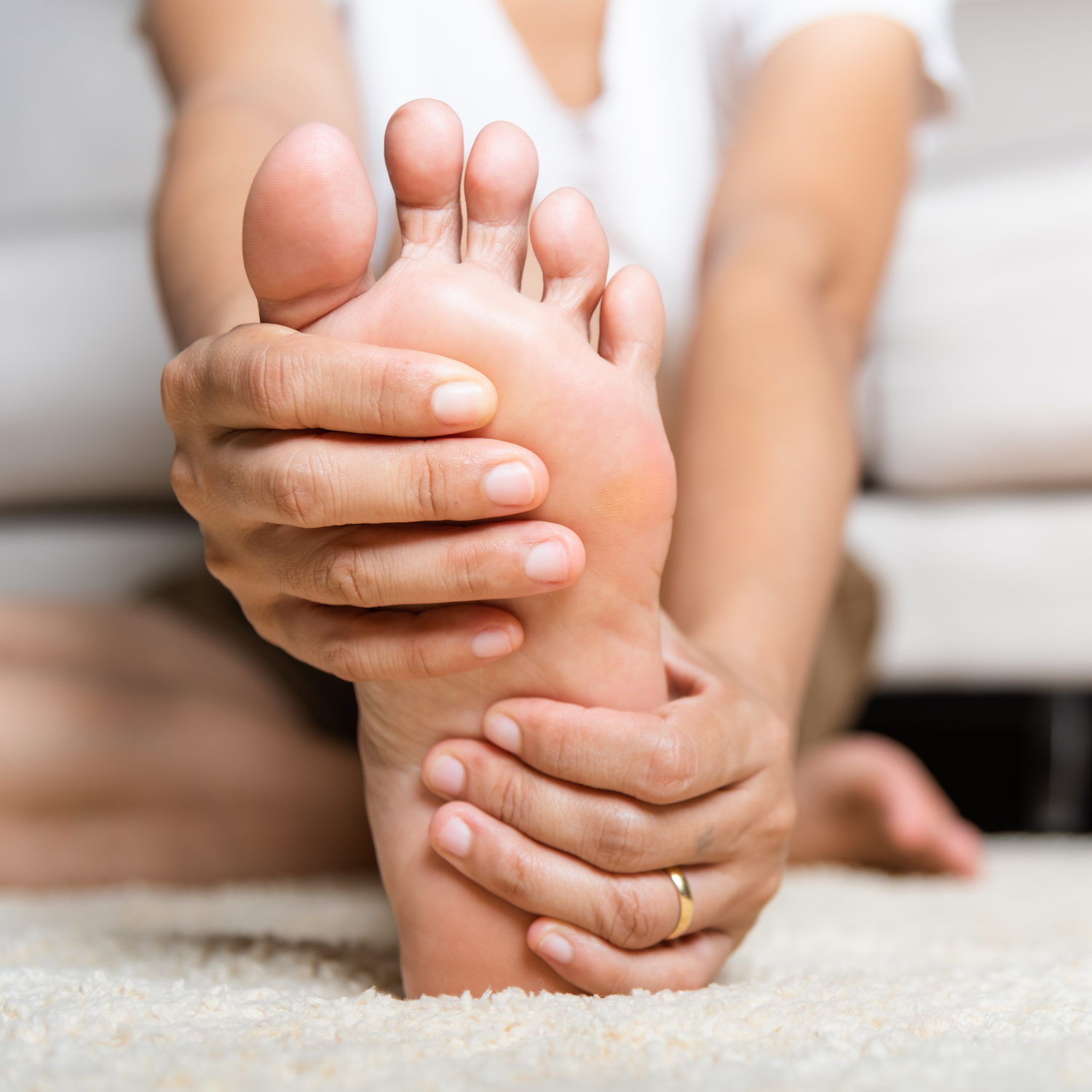
A bunion, medically known as hallux valgus, is a bony bump that forms at the base of the big toe. This condition occurs when the big toe deviates towards the other toes, creating a visible protrusion on the side of the foot. Bunions can vary in size and can affect one or both feet, leading to increased pain and discomfort as the condition worsens.
The Anatomy of a Bunion
Understanding the anatomy of a bunion is crucial to grasping how they develop and worsen over time. The bunion consists of:
- First Metatarsal: The long bone in the foot that connects to the big toe.
- Phalanx: The bone in the big toe that becomes misaligned.
- Soft Tissues: Ligaments and tendons that can become inflamed due to irritation from the protrusion.
With time, the deformity can lead to arthritic changes in the joint, making it increasingly vital to seek appropriate treatment options.
Causes of Bunions
Bunions can result from a variety of factors. Some of the most common causes include:
Genetic Predisposition
Genetics play a significant role in the development of bunions. If your family has a history of bunions, you may be more susceptible to developing them yourself. This hereditary factor can predispose you to foot structures that contribute to bunion formation.
Footwear Choices
Wearing ill-fitting shoes is one of the most prominent contributors to bunion development. High heels or shoes that are too tight can put excessive pressure on the toes, resulting in misalignment. Additionally, shoes that lack proper arch support can exacerbate the problem.
Flat Feet or High Arches
Feet that are flat or have high arches can lead to an imbalance in weight distribution, making bunion formation more likely. Flat feet may cause excessive inward rolling of the foot, while high arches can create excess pressure and skew the big toe.
Age
As we age, our ligaments and tendons tend to lose elasticity and strength, contributing to the likelihood of bunions. This weakening can magnify the impact of other contributing factors, such as footwear choices.
Symptoms of Bunions
Recognizing the symptoms of bunions is vital for early intervention and treatment. Some of the most common symptoms include:
Pain and Discomfort
The most telling sign of a bunion is pain at the site of the bump, especially when wearing shoes. The discomfort may worsen with prolonged walking or standing, and it might also lead to stiffness in the big toe.
Swelling and Redness
Many individuals with bunions experience swelling and redness around the affected joint. This can be exacerbated by shoe pressure, leading to inflammation and increased sensitivity to touch.
Hard Bumps on the Side of the Foot
Visually, a bunion appears as an obvious bump on the side of the foot. Initially, it may be soft to the touch; however, as the condition progresses, the bump can become firmer and more pronounced.
Limited Joint Movement
Severe cases of bunions can result in a restricted range of motion in the big toe. Difficulty in straightening the toe can lead to a cascading effect on your overall foot alignment and health.
Bunion Pain Relief Strategies
Understanding how to manage bunion pain is essential for maintaining your quality of life. Here are several effective strategies for pain relief for bunions:
Footwear Adjustments
One of the most impactful changes you can make is to switch to footwear that offers ample room for your toes. Choose shoes with a wider toe box, avoiding high heels and narrow designs. Look for shoes that provide support, cushioning, and flexibility to minimize pressure on the bunion.
Foot Pads and Orthotics
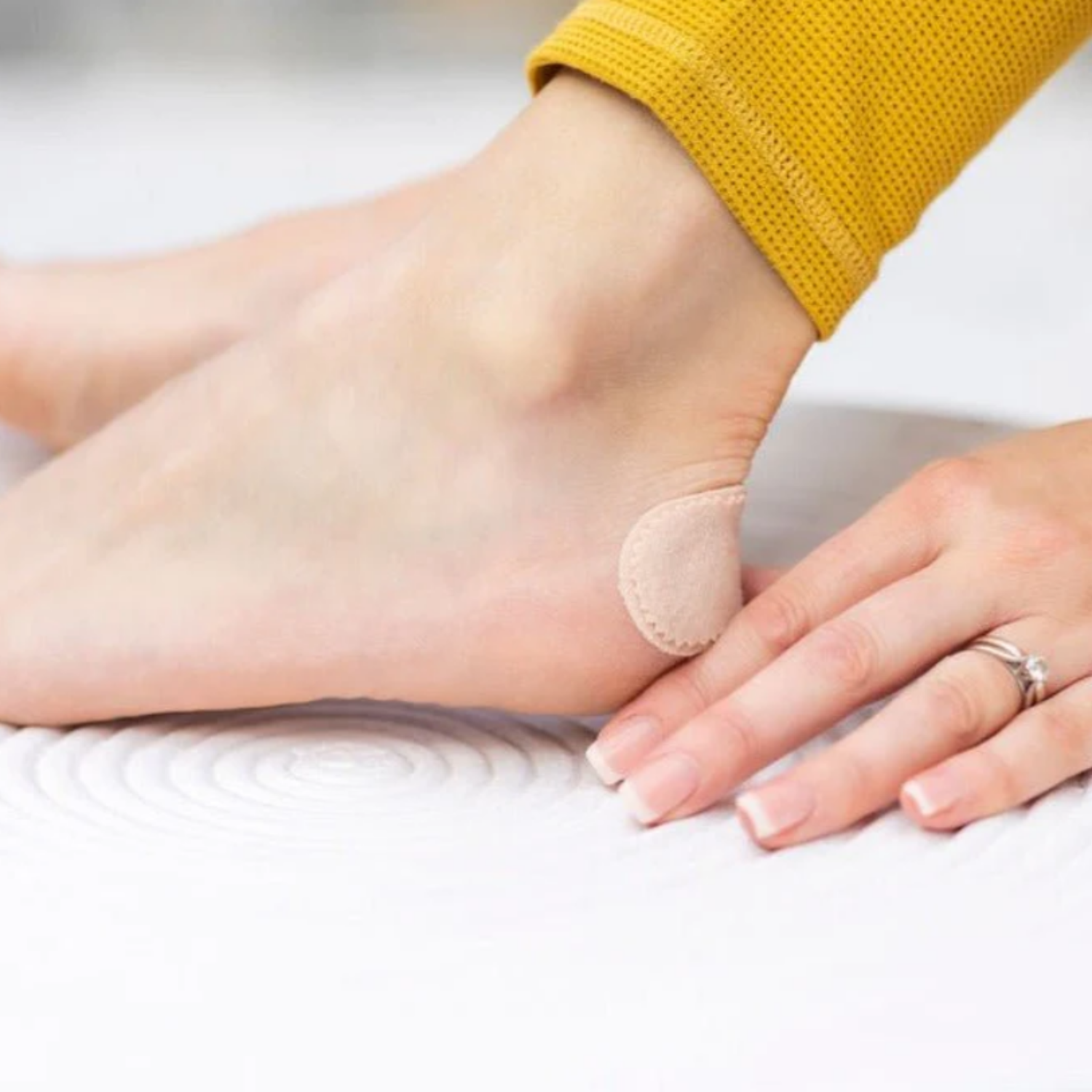
Using foot pads or orthotic devices can provide additional cushioning and support for your feet. Look for gel pads specifically designed to alleviate pressure on bunions. Orthotics can help realign your foot and distribute weight evenly, reducing discomfort.
Ice Therapy
Applying ice to the bunion can help reduce inflammation and swelling. Use a cold compress for 15-20 minutes after prolonged standing or walking to provide relief from aching and discomfort.
Over-the-Counter Medications
For interim pain relief, over-the-counter medications such as ibuprofen can be effective in reducing pain and inflammation. However, consult a healthcare professional before taking any medication to ensure it’s safe for your specific situation.
Exercises and Stretching
Strengthening and stretching exercises for your foot can be beneficial in improving flexibility and reducing discomfort associated with bunions. Consider practicing these exercises:
- Toe Stretches: Gently pull your toes apart to ease tension.
- Ball Roll: Roll your foot over a small ball to massage and stretch the arch.
- Big Toe Stretch: Use your hands to gently stretch your big toe toward your other toes.
When to Seek Professional Help
Given the potential for bunions to worsen over time, it’s crucial to know when to consult a healthcare professional. If you experience:
- Severe or persistent pain that disrupts daily activities.
- Signs of infection, such as fever or excessive swelling.
- Inability to find relief through self-care measures.
Consulting a podiatrist or orthopedic specialist can provide tailored advice and treatment options, including the consideration of bunion correctors specifically designed for women’s big toes.
Exploring Bunion Correctors
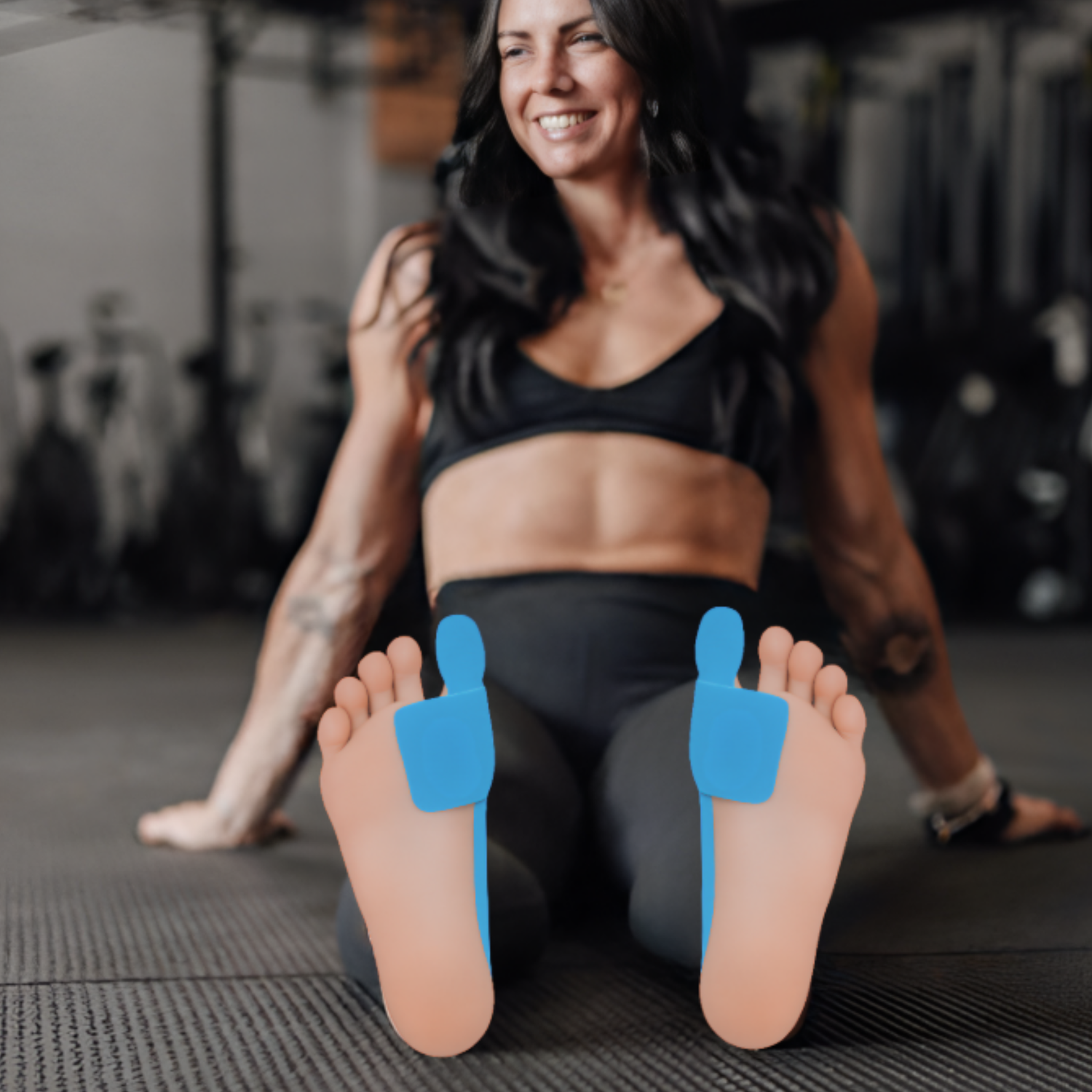
For many women, the discomfort and embarrassment of bunions lead them to seek solutions like bunion correctors. These devices are designed to help realign the big toe and alleviate pressure on the bunion. Available in various designs, these corrective options can be integrated into your daily life.
Types of Bunion Correctors
There are several types of bunion correctors, each with unique features:
- Splints: Worn during the night, these devices help realign the toe while you sleep.
- Daytime Braces: These are used during the day and can be easily slipped into larger footwear.
- Exercises Aids: These devices can stabilize the toe during stretching exercises.
Benefits of Using Bunion Correctors
The advantages of using a bunion corrector can include:
- Reduction in pain associated with bunions.
- Improved alignment and function of the big toe.
- Prevention of further complications linked to bunion progression.
Real-Life Testimonials: A Helping Hand
Don’t just take our word for it; many individuals have successfully found relief through various methods for bunion management. Here are a few inspiring testimonials:
Emily’s Journey
After years of wearing narrow shoes, Emily discovered that her bunions were affecting her daily activities. She began using ice therapy and switched to comfortable footwear. With the addition of bunion correctors and physical therapy exercises, Emily found tremendous improvement in her foot health.
Mark’s Story
Mark, a long-distance runner, faced significant challenges due to bunions. He incorporated custom orthotics into his running shoes and practiced targeted foot exercises. With time, he overcame the pain and returned to his passion for running.
Kick Those Bunions to the Curb!
While bunions can be a painful nuisance, understanding their causes and symptoms allows you to take proactive steps towards relief. Whether through viable footwear options, effective pain relief strategies, or bunion correctors designed specifically for women’s big toes, numerous solutions exist to help you manage your bunion discomfort. Remember, it’s essential to listen to your body and consult with healthcare professionals whenever necessary. Don’t let bunions hold you back; take charge of your foot health today!
Frequently Asked Questions
1. What are bunions?
2. What are the common causes of bunions?
3. What symptoms indicate the presence of bunions?
4. How can I relieve pain from bunions?
5. When should I seek professional help for bunions?
Glossary
| Term | Meaning |
|---|---|
| Bunion | A bony bump at the base of the big toe caused by misalignment. |
| Hallux Valgus | The medical term for a bunion. |
| First Metatarsal | The long bone connecting the big toe to the foot. |
| Phalanx | The bone in the big toe that can become misaligned. |
| Orthotics | Devices designed to support and realign the foot. |
| Footwear Adjustments | Changing shoes to reduce pressure on bunions. |
| Icing | Applying cold compress to reduce swelling and pain. |
| Bunion Correctors | Devices that help realign the big toe and relieve pressure. |
| Splints | Devices worn at night to correct toe alignment. |
| Exercises | Activities aimed at strengthening and stretching foot muscles. |
Linked Product

Bunion Relief Bundle
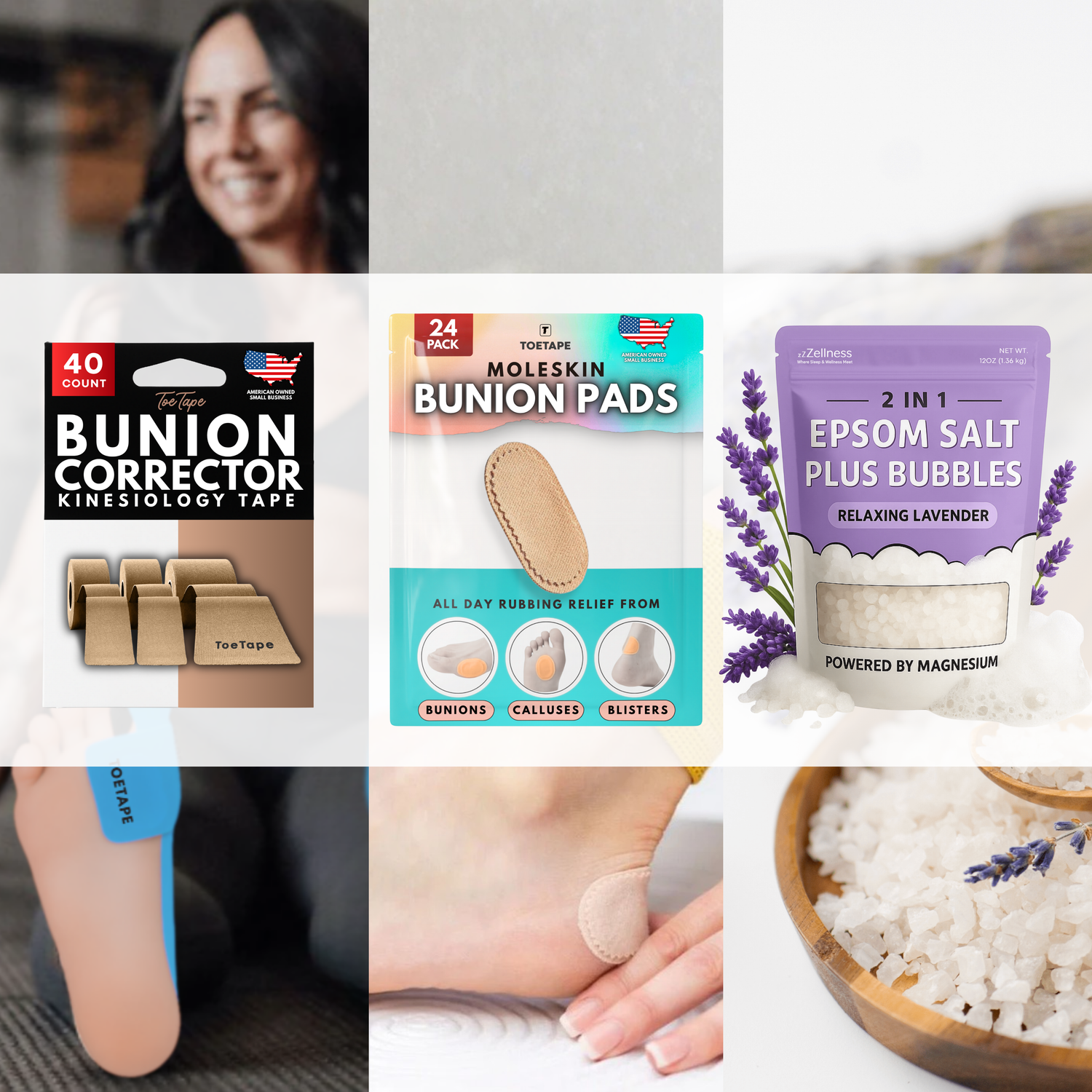
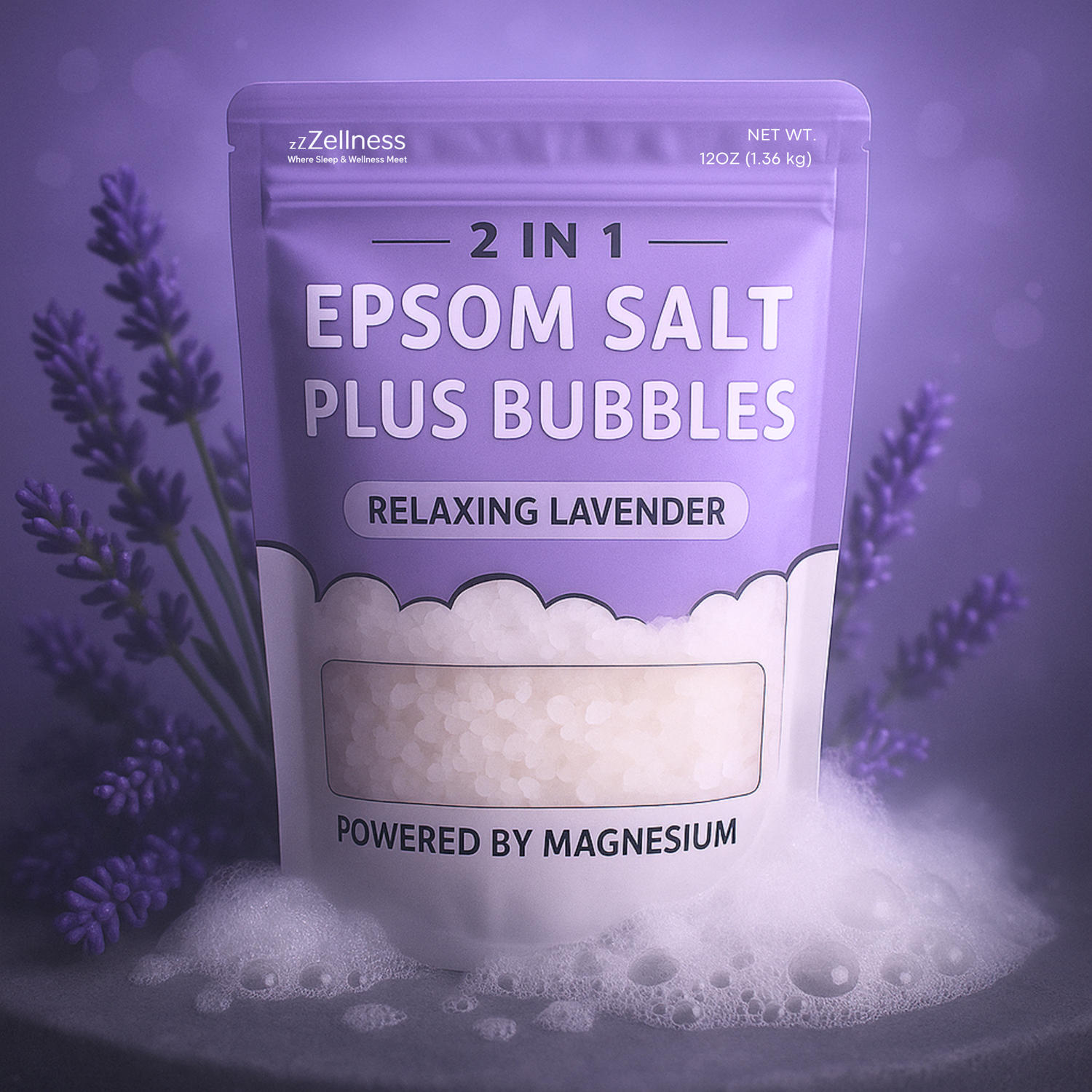
The Bunion Relief Bundle offers a comprehensive approach to foot comfort and recovery, making it suitable for those on their feet all day or engaging in intense training. It includes the ToeTape™ Bunion Corrector Tape for gentle toe realignment, Moleskin Bunion Pads to protect against friction, and Epsom Salts + Foaming Bubbles for soothing relief. Together, these products aim to reduce pain, prevent irritation, and support natural foot alignment.
View Product