


















Did you know that foot fasciitis impacts about 1 in 10 people at some point in their lives? Living with constant heel pain can make even simple tasks feel overwhelming, affecting your ability to move and enjoy daily activities.
In this comprehensive guide, you will discover the most up-to-date, evidence-based strategies for finding relief from foot fasciitis in 2025. We will cover what this condition is, explore why it develops, discuss the latest diagnostic tools, share proven relief methods, and outline steps for lasting prevention.
Take control of your foot health starting today—explore each section for expert advice and real solutions.
Understanding Foot Fasciitis: Causes, Symptoms, and Risk Factors
Are you wondering what foot fasciitis really means? Many people confuse this term with plantar fasciitis, but there are important distinctions. Foot fasciitis refers broadly to inflammation of the fascia anywhere along the sole, not just the heel. Plantar fasciitis, the most common type, targets the thick band of tissue connecting the heel bone to the toes.
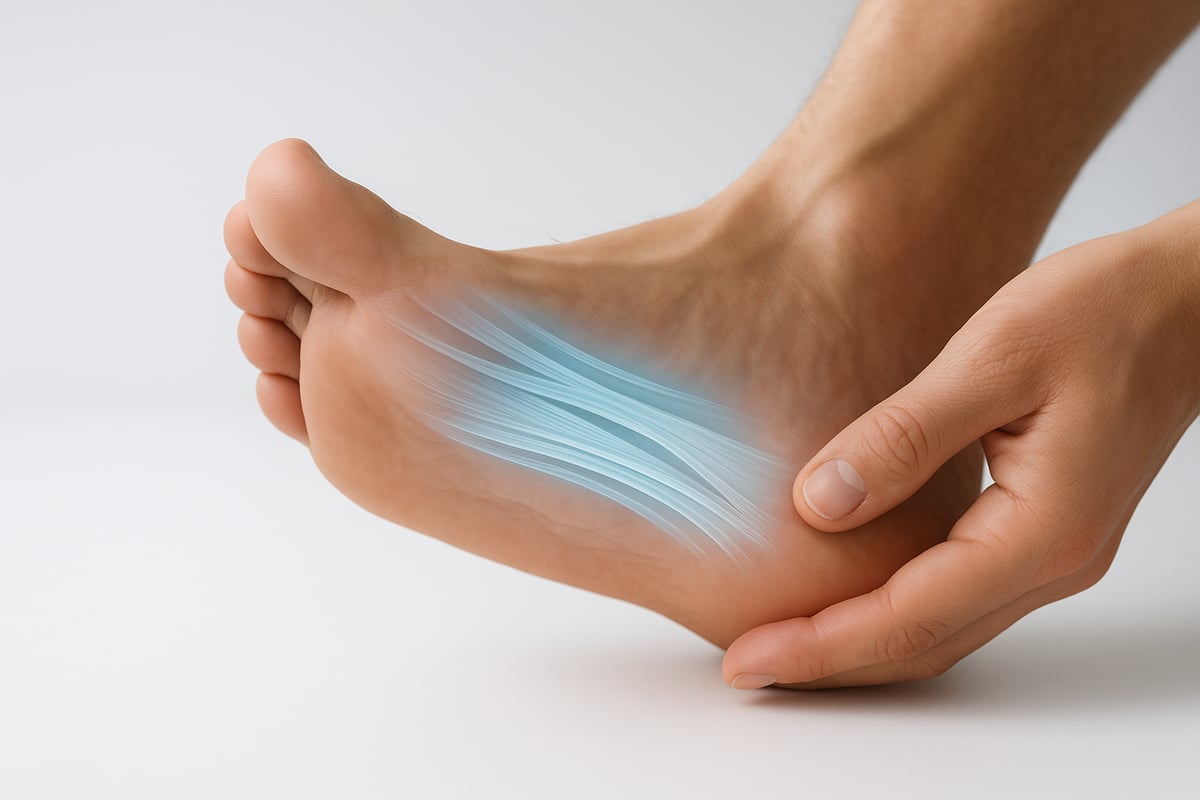
The plantar fascia plays a vital role in foot mechanics. This strong, fibrous tissue supports your arch and absorbs shock every time you walk or run. When the fascia becomes strained or torn, inflammation and pain can follow, leading to foot fasciitis.
Causes of Foot Fasciitis
Why does foot fasciitis develop? Several factors can contribute to this painful condition.
- Overuse from repetitive walking, running, or standing
- Wearing shoes without proper arch support or cushioning
- Carrying excess weight, which increases pressure on the fascia
- Engaging in high-impact sports or sudden increases in activity
When these stressors exceed the tissue’s ability to recover, microtears and inflammation can occur. Proper footwear and gradual activity changes are crucial in preventing foot fasciitis.
Symptoms and Warning Signs
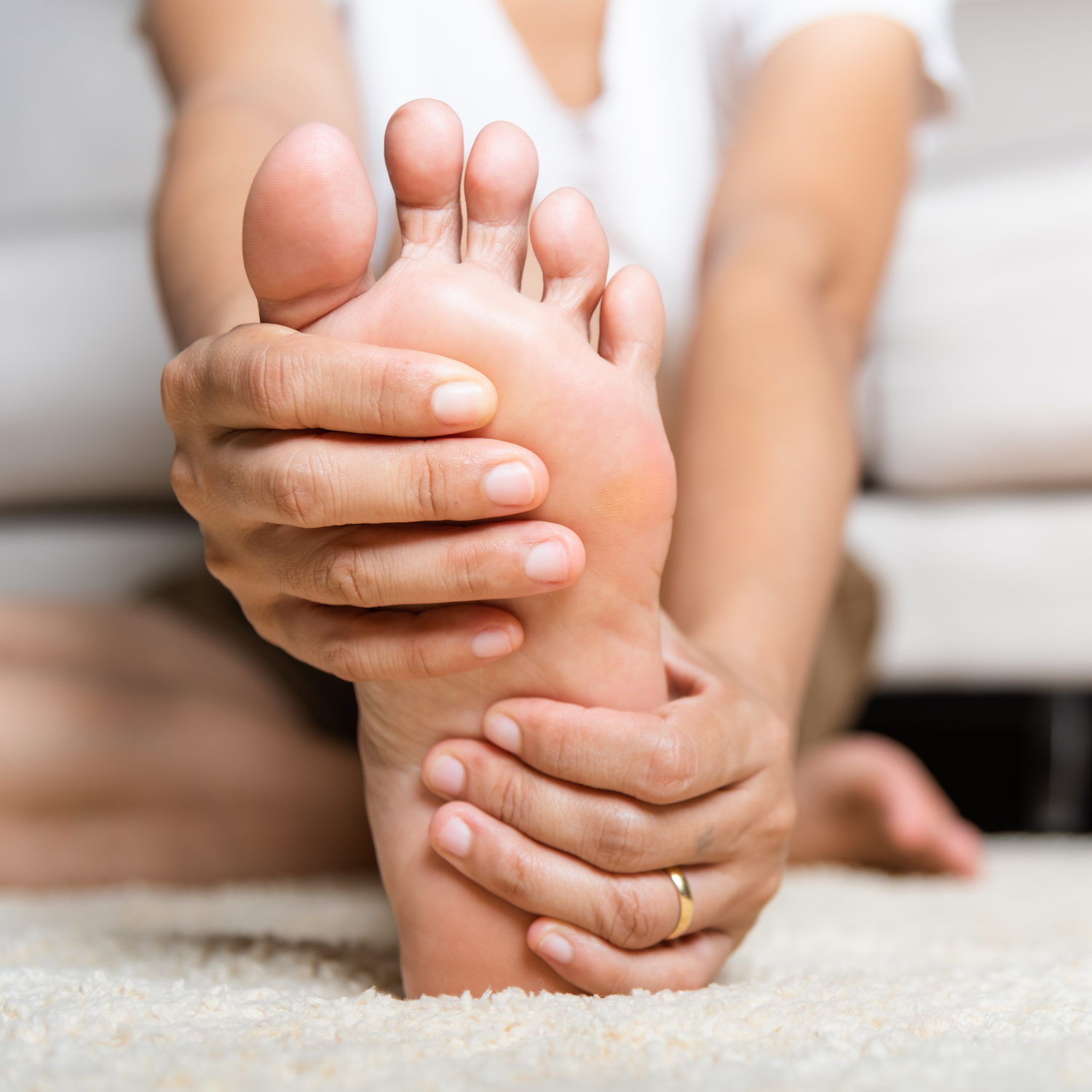
Recognizing the symptoms of foot fasciitis early can help you seek timely relief. The most common sign is sharp heel pain, especially with your first steps in the morning.
Other symptoms include:
- Stiffness or tenderness along the arch or heel
- Swelling around the bottom of the foot
- Discomfort that worsens after standing or exercise
These symptoms often start mildly and may progress without intervention. Monitoring changes in foot comfort is essential for early action against foot fasciitis.
Risk Factors to Consider
Certain factors make some individuals more susceptible to foot fasciitis.
- Age between 40 and 60 years
- Female gender
- Flat feet or high arches
- Occupations requiring long periods of standing, such as teaching or retail
- Obesity or recent weight gain
Understanding your risk profile can help you take preventive steps. According to Prevalence and Risk Factors of Plantar Fasciitis, about 1 in 10 people will experience plantar fasciitis at some point, highlighting its widespread impact.
Myths, Facts, and a Real-Life Example
Many myths surround foot fasciitis. Some believe only athletes develop it, or that rest alone will cure all cases. In reality, anyone can be affected, and recovery often requires a combination of strategies.
Consider Jane, a 45-year-old nurse who began experiencing heel pain after months of extra shifts. Initially, she ignored the symptoms, assuming they would resolve. Over time, the discomfort spread to her arch, making each morning a struggle. With proper diagnosis and early intervention, Jane found relief and returned to her daily activities.
Understanding the facts about foot fasciitis empowers you to take control of your foot health. Early recognition, risk awareness, and evidence-based care are key for lasting comfort.
Diagnosing Foot Fasciitis in 2025: Modern Approaches
Timely and precise diagnosis of foot fasciitis is vital for effective treatment and long-term recovery. In 2025, advances in both clinical practice and technology have made it easier than ever to identify this condition early, ensuring better outcomes for patients.
Early and Accurate Diagnosis
Recognizing foot fasciitis early can prevent chronic pain and long-term complications. Most diagnoses begin with a detailed patient history and a careful review of symptoms. Clinicians ask about heel discomfort, activity levels, and any changes in daily routines.
A comprehensive assessment includes questions about the onset of pain, its duration, and factors that exacerbate or relieve symptoms. This information forms the foundation for a targeted physical examination.
Physical Examination Techniques
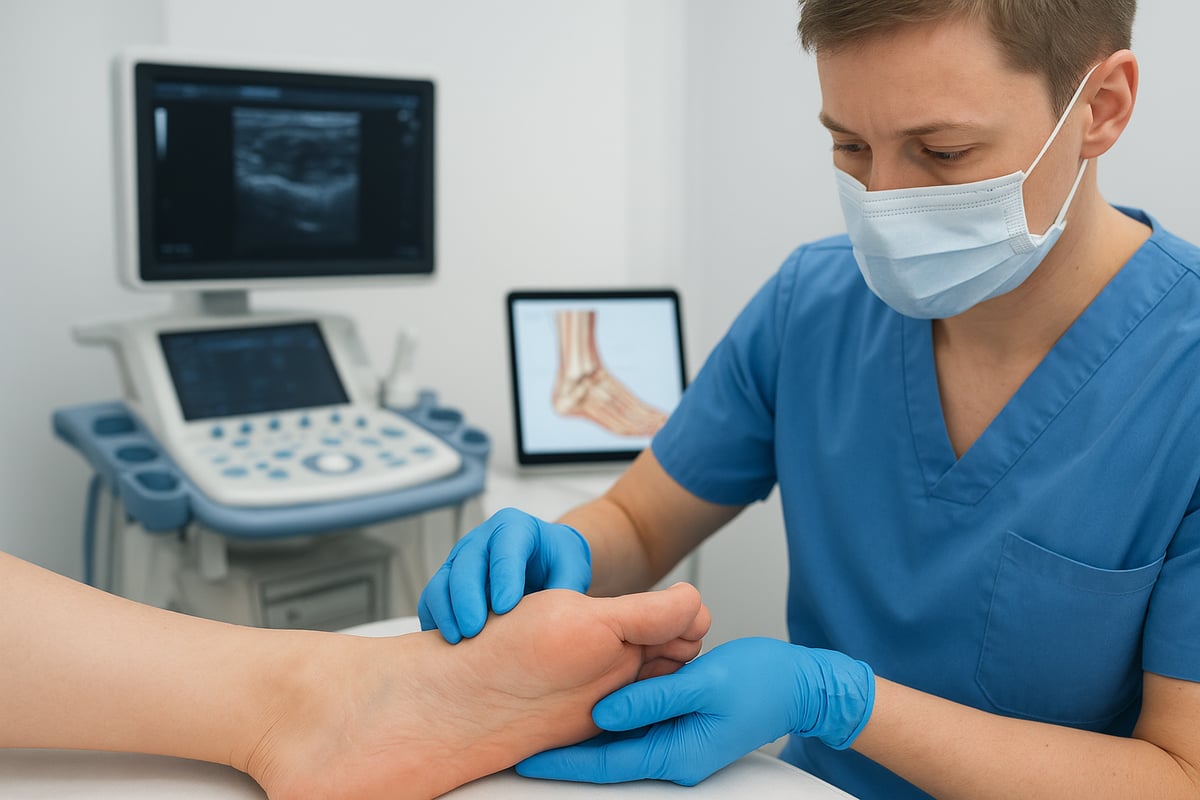
During the physical exam, healthcare providers use palpation to identify tender areas along the plantar fascia and heel. Gait analysis helps reveal any abnormal walking patterns that may contribute to stress on the foot.
Range of motion tests assess flexibility in the ankle and foot, helping to rule out joint or tendon involvement. These hands-on techniques remain essential for diagnosing foot fasciitis and distinguishing it from other sources of heel pain.
- Palpation pinpoints exact pain locations.
- Gait analysis uncovers biomechanical issues.
- Range of motion tests check for stiffness or limitations.
Imaging Innovations and Differential Diagnosis
When clinical findings are inconclusive or symptoms persist, imaging studies play a crucial role. In 2025, high-resolution ultrasound is widely used to visualize the plantar fascia, detect thickening, and spot microtears. MRI offers even greater detail, allowing for assessment of surrounding tissues and subtle inflammatory changes.
Differential diagnosis is important because heel pain can also result from heel spurs, Achilles tendinitis, or nerve conditions. Imaging helps differentiate foot fasciitis from these disorders, ensuring the right treatment plan is chosen.
For a comprehensive overview of recent advancements in diagnosis and treatment, see the Plantar Fasciitis: An Updated Review.
Digital Health Tools and Red Flags
Telemedicine has become a valuable tool for initial assessment, enabling remote consultations and symptom tracking. AI-powered symptom checkers support both patients and clinicians by analyzing reported symptoms and suggesting possible causes for heel pain.
Despite these advances, certain warning signs require immediate attention:
- Sudden, severe swelling or bruising
- Numbness or tingling in the foot
- Signs of infection such as redness or warmth
Prompt medical evaluation is essential if any of these red flags appear during the course of foot fasciitis.
Recent Study Example and Conclusion
A recent clinical study assessed imaging sensitivity for foot fasciitis and found that ultrasound detects changes in the plantar fascia with over 90 percent accuracy. Early identification leads to improved outcomes and reduces the risk of chronic discomfort.
Modern diagnostic approaches combine clinical expertise, advanced imaging, and digital health tools, empowering healthcare providers and patients to manage foot fasciitis with confidence.
Step-by-Step Relief Strategies: What Works in 2025
Finding sustainable relief for foot fasciitis requires a multi-layered approach. In 2025, both traditional and innovative strategies offer measurable improvements in pain, mobility, and long-term function.

Home-Based Treatments
For many, initial management of foot fasciitis starts at home. Simple interventions can provide meaningful relief and reduce the risk of progression.
- Rest and Activity Modification: Temporarily reduce high-impact activities like running or jumping. This gives the plantar fascia time to recover.
- Ice Therapy: Apply ice packs to the heel for 15–20 minutes, two to three times daily. This helps control inflammation and discomfort.
- Stretching Routines: Focus on the calf muscles, Achilles tendon, and plantar fascia itself. Consistent stretching, especially before getting out of bed, can ease morning pain.
- Footwear Adjustments: Choose shoes with strong arch support and cushioning. Orthotic insoles may further reduce strain on the plantar fascia.
- Over-the-Counter Pain Relief: Nonsteroidal anti-inflammatory drugs (NSAIDs) and topical creams can lessen pain during flare-ups.
Recent clinical trials indicate that diligent home care leads to significant symptom improvement in most cases of foot fasciitis. Adopting these strategies early maximizes the chance of a quick, sustained recovery.
Medical Interventions and Therapies
If home measures do not resolve symptoms, advanced medical therapies become essential. Physical therapy remains the cornerstone, including manual techniques, strengthening exercises, and therapeutic ultrasound to enhance tissue healing.
Prescription medications such as corticosteroid injections may be considered for severe foot fasciitis, though they carry some risk of side effects. Extracorporeal shockwave therapy has gained traction as a noninvasive option, with studies showing notable pain reduction and functional gains. For a detailed comparison of modern treatments, such as shockwave therapy and kinesiotaping, see this Shockwave therapy vs. kinesiotaping study.
Platelet-rich plasma (PRP) injections represent a newer approach, leveraging growth factors to stimulate repair in chronic cases. Custom orthotics, prescribed after a biomechanical assessment, can correct abnormal gait and provide tailored support.
| Medical Therapy | Typical Use Case | Expected Timeline |
|---|---|---|
| Physical Therapy | All cases | Weeks to months |
| Corticosteroid Injection | Severe, acute pain | Days to weeks |
| Shockwave Therapy | Refractory pain | Weeks |
| PRP Injection | Chronic, stubborn cases | Months |
| Custom Orthotics | Structural issues | Ongoing |
Combining multiple therapies often accelerates recovery from foot fasciitis, with many patients reporting improved mobility within two to three months.
Innovative Approaches and Emerging Treatments
The landscape of foot fasciitis management is evolving rapidly. Minimally invasive procedures, like radiofrequency ablation and the tenex procedure, target damaged tissue with precision, offering faster recovery than traditional surgery.
Wearable technology now includes smart insoles equipped with sensors to monitor pressure and gait, providing real-time feedback and encouraging optimal movement patterns. Biofeedback devices guide users through corrective exercises, reducing the risk of reinjury.
Regenerative medicine is also making strides. Stem cell research aims to harness the body’s innate healing capacity, with early clinical results showing promise for chronic foot fasciitis. Digital health apps offer guided exercise routines, daily symptom tracking, and direct communication with specialists, making comprehensive care more accessible.
Recent clinical trials highlight a trend toward personalized medicine, adapting therapies to each individual’s biomechanics and lifestyle. Podiatrists now recommend integrating technology and regenerative options for cases of foot fasciitis that do not respond to standard care.
Staying informed about these innovations empowers patients to make proactive choices and regain comfort more quickly.
Prevention and Long-Term Foot Health
Proactive prevention is the cornerstone of lasting relief from foot fasciitis. Early intervention can stop minor symptoms from escalating, reducing the risk of chronic pain. Developing daily habits that support foot health is essential for anyone who has experienced or wants to avoid foot fasciitis.
Daily Stretching and Strengthening
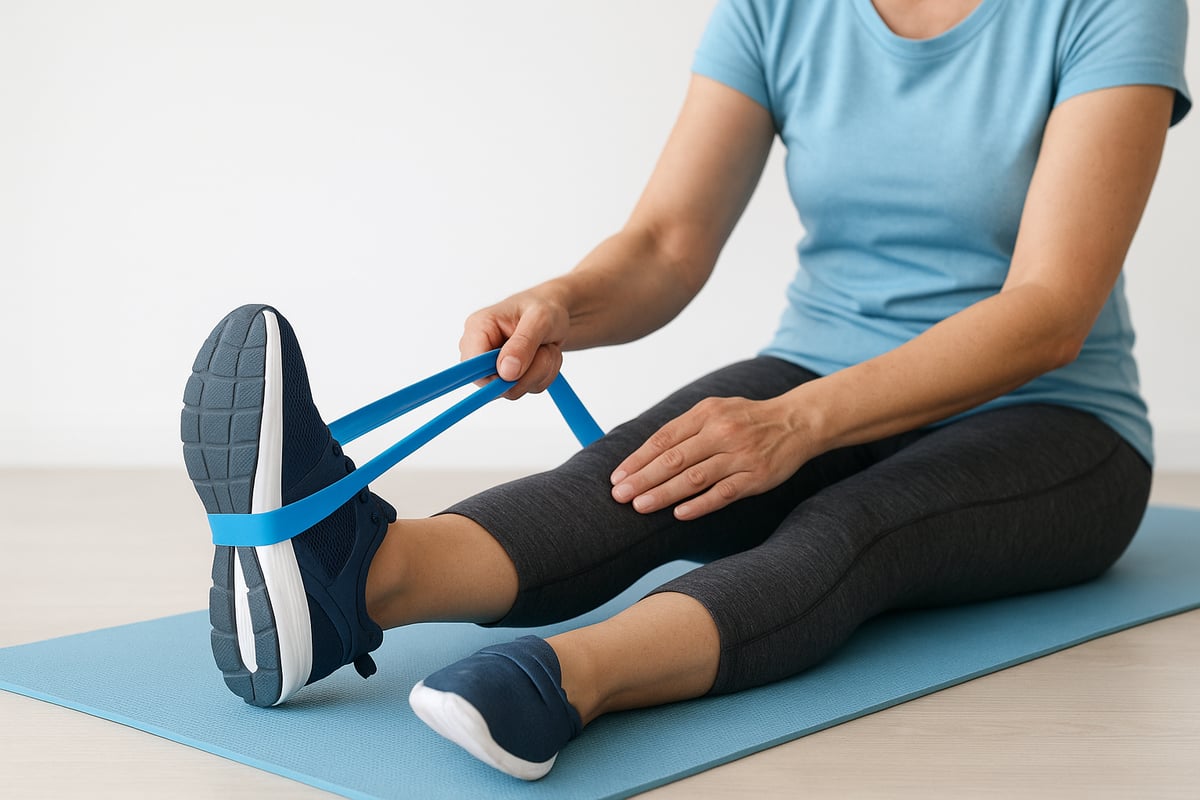
Consistent stretching and strengthening routines help maintain flexibility in the plantar fascia, Achilles tendon, and calf muscles. Targeted exercises can reduce tension and support the arch, lowering the risk of developing foot fasciitis.
- Calf stretches against a wall
- Plantar fascia rolls using a ball or bottle
- Toe curls and towel scrunches
Perform these exercises twice daily, especially after periods of inactivity. Regular movement keeps the fascia supple and less prone to microtears.
Weight Management and Footwear Choices
Maintaining a healthy weight reduces extra pressure on the feet, a significant factor in the development and recurrence of foot fasciitis. Choose supportive footwear with proper arch support, shock absorption, and a slightly elevated heel.
In 2025, new footwear technologies and advanced orthotic insoles are widely available. For those seeking additional options, browse the Plantar fasciitis relief products collection for specialized shoes and inserts designed to prevent and manage foot fasciitis.
Workplace Ergonomics and Activity Modification
If your job requires long periods of standing or walking, ergonomic adjustments can make a significant difference. Use anti-fatigue mats, take regular sitting breaks, and adjust your workstation to encourage healthy posture.
Consider alternating tasks to reduce repetitive strain on the plantar fascia. For those with foot fasciitis, low-impact activities like swimming or cycling offer exercise without excessive foot stress.
Monitoring for Recurrence and Long-Term Outcomes
Staying vigilant is key to preventing a return of foot fasciitis symptoms. Monitor for early warning signs such as morning heel pain, stiffness, or swelling. Address minor discomfort promptly with rest and stretching.
According to recent studies, recurrence rates for foot fasciitis can reach up to 20% if preventive measures are not maintained. However, with consistent care, most individuals achieve positive long-term outcomes.
| Risk Factor | Recurrence Rate | Preventive Action |
|---|---|---|
| Inadequate footwear | High | Use orthotics, replace shoes |
| Obesity | High | Weight management |
| Sedentary lifestyle | Moderate | Daily stretching |
Real-Life Success: Prevention in Action
Consider Maria, a 45-year-old nurse who battled recurring foot fasciitis for years. After adopting daily stretching routines, switching to supportive footwear, and paying attention to early warning signs, she has remained pain-free for over two years.
Her story highlights the power of prevention and reinforces that with the right habits, long-term foot health is within reach for anyone dealing with foot fasciitis.
When to See a Specialist: Red Flags and Referral Pathways
Persistent or worsening foot fasciitis symptoms can signal the need for expert care. While many people manage discomfort at home, knowing when to consult a specialist is crucial for long-term foot health and swift recovery.
Signs It’s Time to Seek Specialist Care
Recognizing the red flags of foot fasciitis helps prevent complications. If you notice any of the following, schedule a medical evaluation:
- Pain persisting beyond several weeks despite rest and self-care
- Severe swelling or bruising around the heel or arch
- Numbness, tingling, or loss of sensation in the foot
- Signs of infection, such as redness, warmth, or fever
- Difficulty walking or bearing weight on the affected foot
These symptoms may signal more serious conditions or indicate that your foot fasciitis requires advanced interventions.
Types of Specialists for Foot Fasciitis
Several healthcare professionals can address foot fasciitis, depending on the severity and complexity of your case:
| Specialist Type | Role in Foot Fasciitis Care |
|---|---|
| Podiatrist | Foot and ankle expert, diagnosis, advanced therapies |
| Orthopedic Surgeon | Surgical consultation for severe or refractory cases |
| Physical Therapist | Customized rehabilitation, gait analysis |
Your primary care provider may refer you directly, or you can seek out a specialist if your symptoms align with the above red flags.
What to Expect During a Specialist Visit
During your appointment, the specialist will:
- Take a comprehensive medical history and review previous treatments
- Perform a physical examination, including palpation and gait assessment
- Order imaging tests, such as ultrasound or MRI, if needed
- Develop a personalized treatment plan, possibly involving physical therapy, orthotics, or advanced therapies
This approach ensures that your foot fasciitis is managed with the latest evidence-based strategies.
Insurance and Referral Pathways
Navigating insurance can feel overwhelming. Many plans require a referral from your primary care provider before seeing a specialist for foot fasciitis. Confirm coverage details and bring any relevant medical records to streamline your visit.
Data and Real-Life Example
On average, people experience symptoms for several months before seeking specialist care. Early referral shortens recovery time and reduces the risk of chronic pain. According to recent studies, patients who consult a specialist promptly report higher satisfaction and better outcomes.
For instance, one patient struggled with foot fasciitis for months before seeing a podiatrist. With targeted therapy and proper footwear, they regained mobility within weeks.
If you’re unsure whether to escalate care, consider how persistent pain impacts your daily life. Research shows that impact of plantar fasciitis on quality of life is significant, affecting work, activity, and well-being. Prompt specialist care offers the best chance for lasting relief.
Lifestyle Adjustments for Ongoing Relief and Mobility
Managing foot fasciitis goes beyond treatment—it requires ongoing lifestyle adjustments for lasting relief and mobility. By integrating small yet effective changes into your daily routine, you can reduce pain, support healing, and help prevent recurrence of foot fasciitis.
Activity Modifications: Staying Active Safely
Staying active is vital, but some activities can aggravate foot fasciitis. Opt for low-impact exercises such as swimming, cycling, or walking on soft surfaces. These activities help maintain cardiovascular health without placing excessive strain on the plantar fascia.
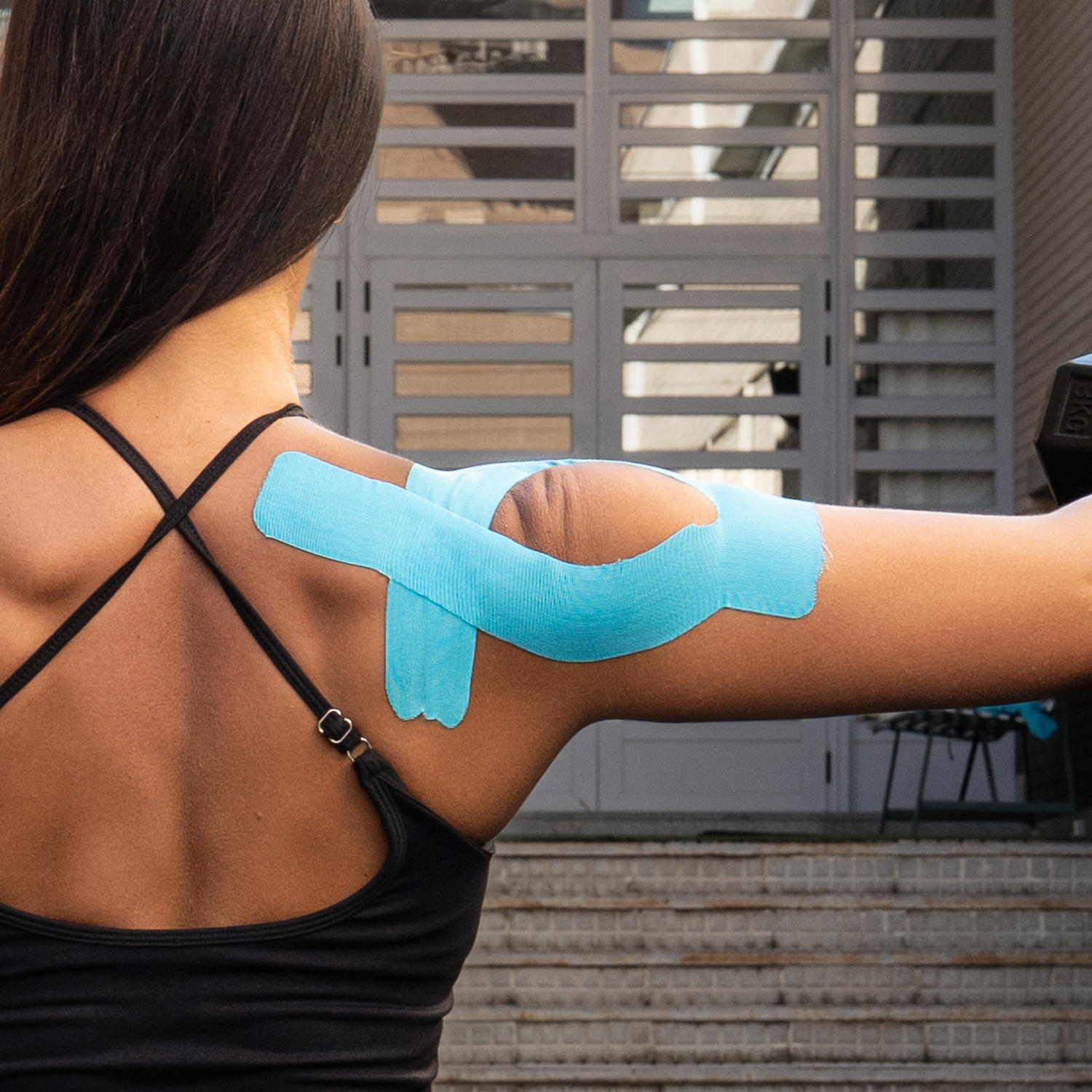
If you need additional support, consider taping techniques or guided exercise modifications. For step-by-step guidance, you can follow Plantar fasciitis kinesiology taping instructions. Remember to listen to your body and gradually increase activity levels, avoiding sudden changes that might worsen symptoms of foot fasciitis.
Home Modifications: Supportive Environments
Your home environment plays a crucial role in managing foot fasciitis. Invest in cushioned mats for areas where you stand frequently, such as the kitchen or bathroom. Supportive footwear with arch support should be worn indoors, especially on hard flooring.
Consider ergonomic aids like footrests or anti-fatigue mats. These adjustments reduce pressure on your feet, making daily tasks more comfortable for those with foot fasciitis.
Travel and Foot Health: On-the-Go Tips
Travel can pose challenges when dealing with foot fasciitis. On long flights or car rides, stretch your feet and calves every hour. Wear supportive shoes, and pack a small massage ball or roller to ease tension during breaks.
When walking in new environments, prioritize comfort over style. Schedule rest periods to minimize overuse, helping you enjoy your travels without triggering foot fasciitis flare-ups.
Nutrition and Hydration: Fueling Recovery
Proper nutrition is essential for tissue healing. Focus on a balanced diet rich in anti-inflammatory foods, such as fruits, vegetables, and omega-3 fatty acids. Adequate hydration supports cellular repair and can help reduce inflammation associated with foot fasciitis.
Limiting processed foods and maintaining healthy body weight can further decrease stress on your feet, supporting long-term relief.
Community and Monitoring: Staying on Track
Connecting with support groups or online communities offers motivation and accountability. Sharing experiences with others facing foot fasciitis can provide valuable tips and encouragement.
Track your pain and mobility regularly using a journal or digital app. Monitoring progress helps identify patterns and ensures early intervention if symptoms return. If you notice persistent discomfort, review your strategies and consult a professional.
Sample Weekly Routine for Relief and Mobility
A structured weekly routine can help sustain mobility and prevent recurrence of foot fasciitis:
- Daily: Gentle stretching, hydration, supportive footwear.
- 3x/Week: Low-impact exercise, foot massage, balance training.
- Weekly: Pain and activity tracking, rest day.
Regularly revisiting your routine keeps you proactive about foot health. With consistent lifestyle adjustments, you can manage foot fasciitis and enjoy ongoing relief.
After learning about the causes, treatments, and long-term strategies for foot fasciitis, you deserve solutions that fit seamlessly into your daily routine. If you’re looking for practical ways to support your recovery and stay active, consider products designed with comfort and mobility in mind. Consistent arch support can make a real difference in managing pain and preventing future flare ups, helping you reclaim your freedom of movement. Take the next step toward lasting relief with a targeted solution—Get All Day Arch Support for Plantar Fasciitis—and give your feet the support they need for every step ahead.