












Are you frustrated by bunion pain that limits your daily activities? You are not alone, as millions seek effective relief each year. Finding the right solution can feel overwhelming, but kinesiology tape for bunion may offer the breakthrough you need.
In this 2025 expert guide, you will discover how this innovative taping method can make a real difference. Learn what kinesiology tape is, how it works specifically for bunions, step-by-step taping techniques, and proven tips to maximize your results.
Take the first step toward pain-free movement with practical advice and the latest strategies, all backed by professionals. Let’s explore how you can regain comfort and confidence in your everyday life.
Understanding Bunions and Their Impact
Bunions are a common foot problem affecting millions of adults worldwide. Understanding what causes bunions, how they impact daily life, and the evolving ways people manage this condition is essential. By exploring traditional approaches and the emergence of kinesiology tape for bunion relief, you can make informed decisions about your foot health.
What Are Bunions?
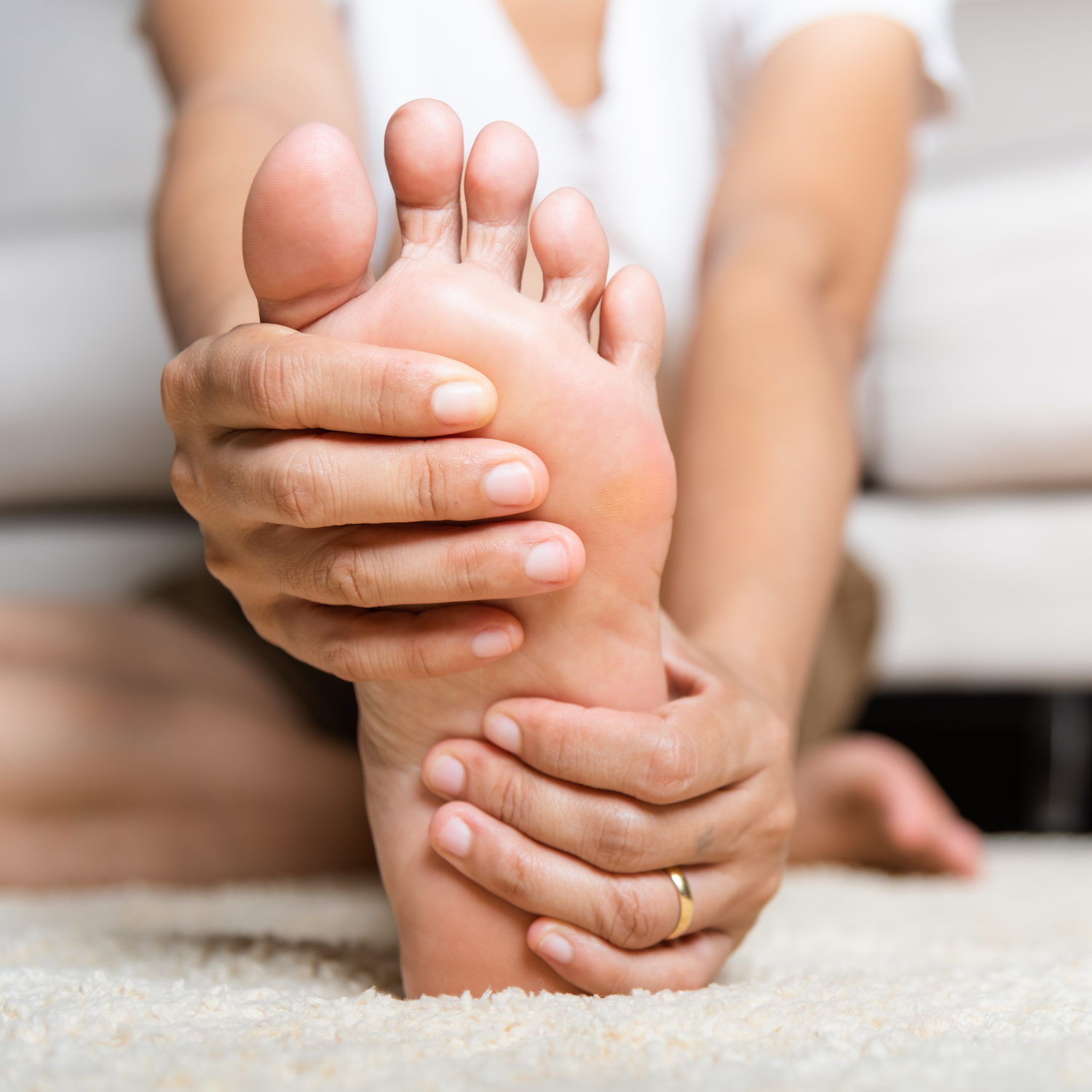
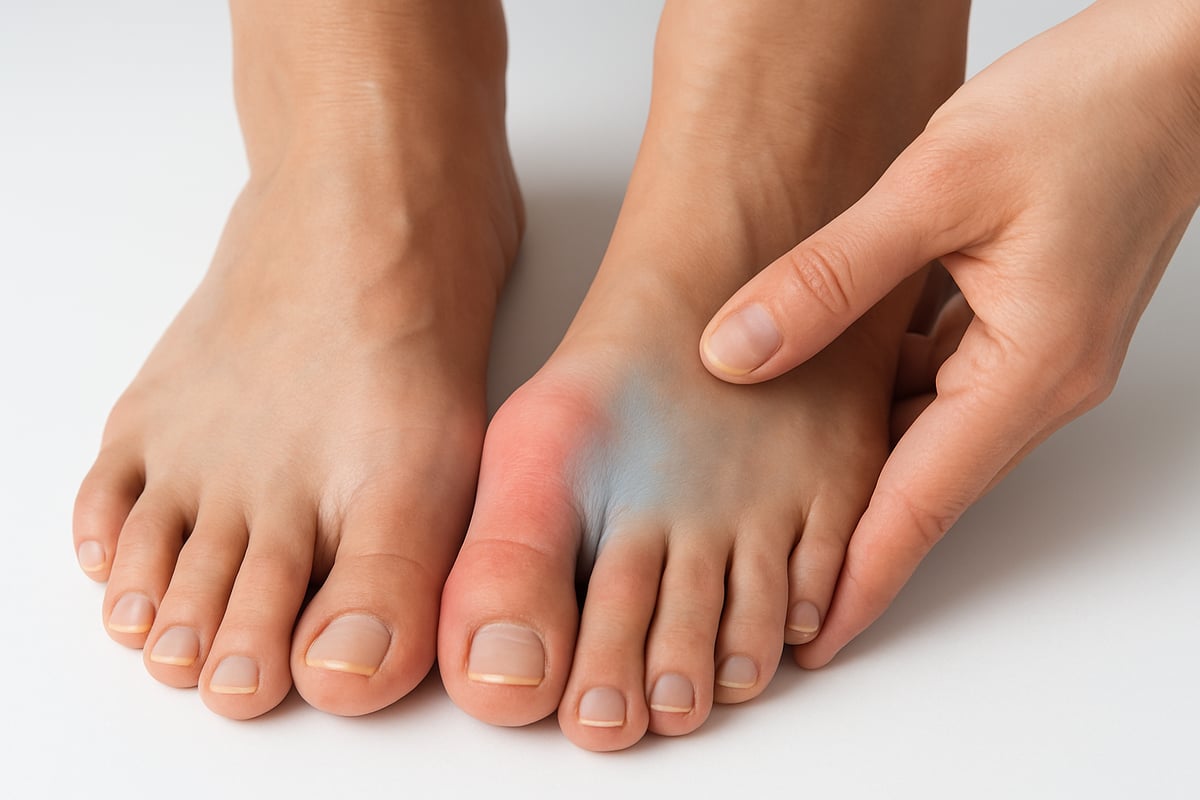
A bunion, medically known as hallux valgus, is a bony bump that forms at the base of the big toe joint. This misalignment causes the big toe to drift inward, leading to joint swelling, pain, and reduced mobility. Studies estimate that about 23% of adults aged 18 to 65 experience bunions.
Common causes include genetic predisposition, wearing tight or ill-fitting shoes, abnormal foot biomechanics, and arthritis. Typical symptoms are pain, redness, swelling, and stiffness in the toe joint. Over time, untreated bunions can worsen, making walking or wearing regular shoes increasingly difficult. Early recognition is crucial for effective management, especially as options like kinesiology tape for bunion relief become more popular.
How Bunions Affect Daily Life
Living with a bunion can significantly impact your quality of life. Pain often flares during walking, running, or even standing for prolonged periods. Many people find themselves avoiding favorite shoes or activities, which can affect self-esteem and overall well-being.
Reduced physical activity may lead to additional health risks, such as weight gain or decreased cardiovascular fitness. Footwear limitations and visible deformity can also affect confidence. As discussed in Understanding Bunions and Foot Pain, bunions frequently lead to secondary issues like blisters and calluses. For active individuals, bunion pain can sideline hobbies or work, underscoring the need for effective solutions like kinesiology tape for bunion relief.
Traditional Bunion Management Options
Historically, bunion management has included orthotics, padding, splints, and surgical correction. Orthotics and pads provide cushioning, while splints aim to realign the toe. Surgery, though effective for some, is invasive, costly, and typically involves lengthy recovery times.
Surveys indicate that only 10 to 15% of those with bunions choose surgery, largely due to concerns about downtime and discomfort. Many patients find traditional methods either too cumbersome or not entirely effective. This has led to growing interest in alternative, non-invasive approaches, such as kinesiology tape for bunion management, which can provide targeted relief without major lifestyle disruption.
The Rise of Kinesiology Tape as a Solution
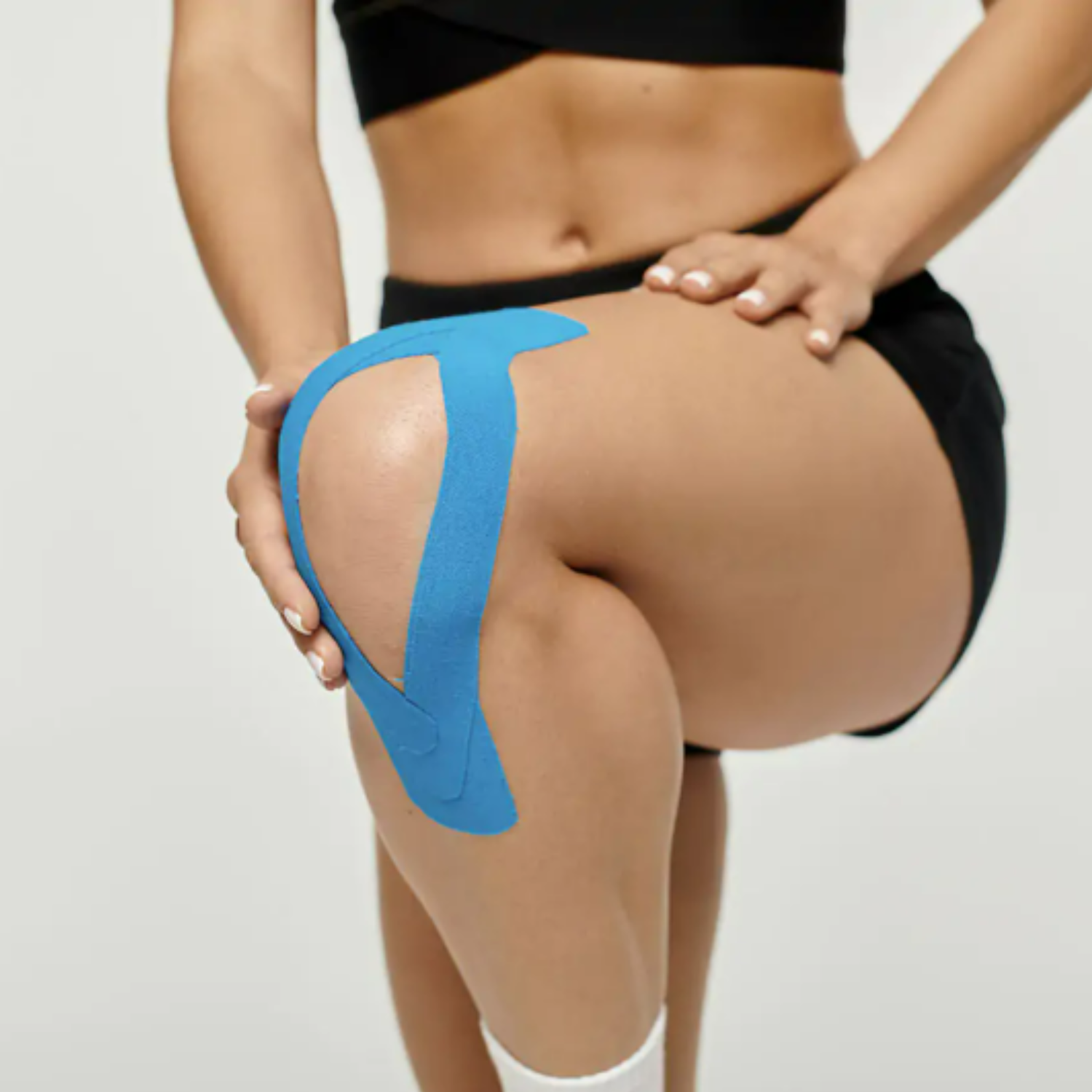
Kinesiology tape for bunion care is gaining momentum in sports medicine and podiatry. Its flexible, elastic nature allows for natural movement while supporting joint alignment and reducing pressure on the bunion.
Compared to rigid splints or bulky padding, kinesiology tape offers affordability, ease of use, and greater comfort. Demand for kinesiology tape for bunion relief has surged in 2024 and 2025, reflecting patient interest in self-managed, non-surgical solutions. Expert endorsements and clinical studies further validate its effectiveness, making kinesiology tape a promising tool for those seeking pain relief and improved mobility.
Kinesiology Tape Basics: What You Need to Know
Are you considering kinesiology tape for bunion relief but unsure where to start? Understanding the basics can help you make informed choices for your foot health. In this section, we break down what kinesiology tape is, how it helps with bunions, its core benefits, and the types best suited to your needs.
What Is Kinesiology Tape?
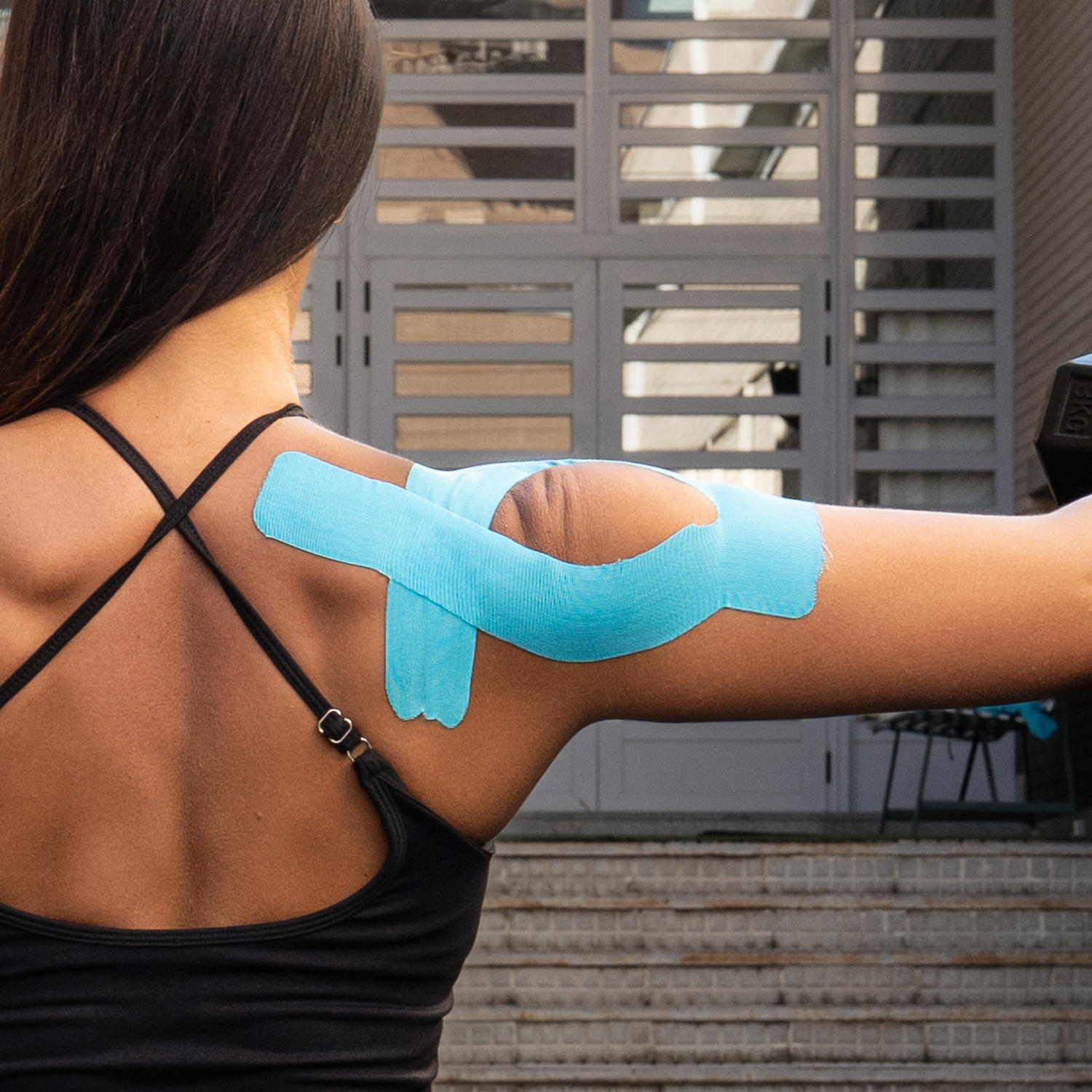
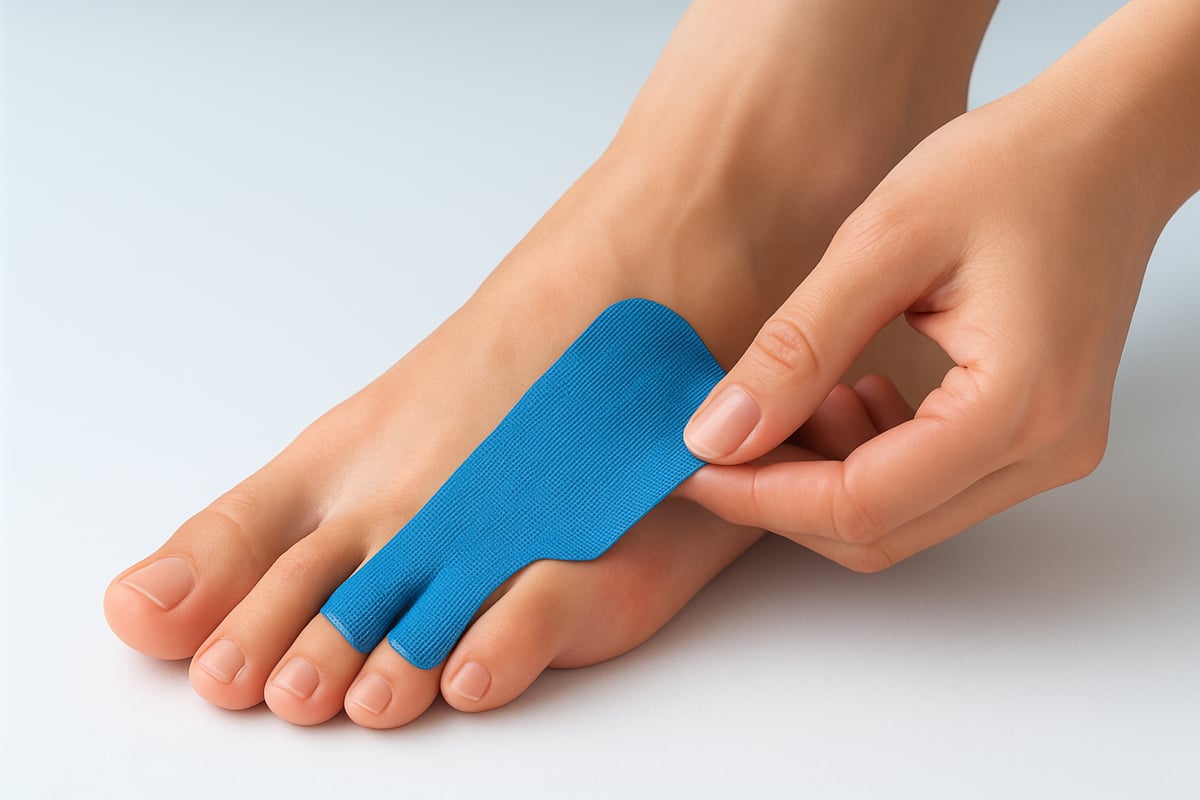
Kinesiology tape is an elastic therapeutic tape designed to support muscles and joints without limiting movement. Made from a blend of cotton and spandex with a hypoallergenic adhesive, it is gentle on the skin and breathable for all-day comfort. Originally developed in Japan, kinesiology tape is now used worldwide by athletes, physical therapists, and everyday individuals seeking non-invasive support.
Unlike traditional athletic or medical tape, kinesiology tape for bunion management is engineered to move with your foot, offering flexible support during daily activities. If you want a deeper dive into how this tape works for bunions, visit the Kinesiology Tape for Bunions Guide for comprehensive insights.
How Kinesiology Tape Works for Bunions
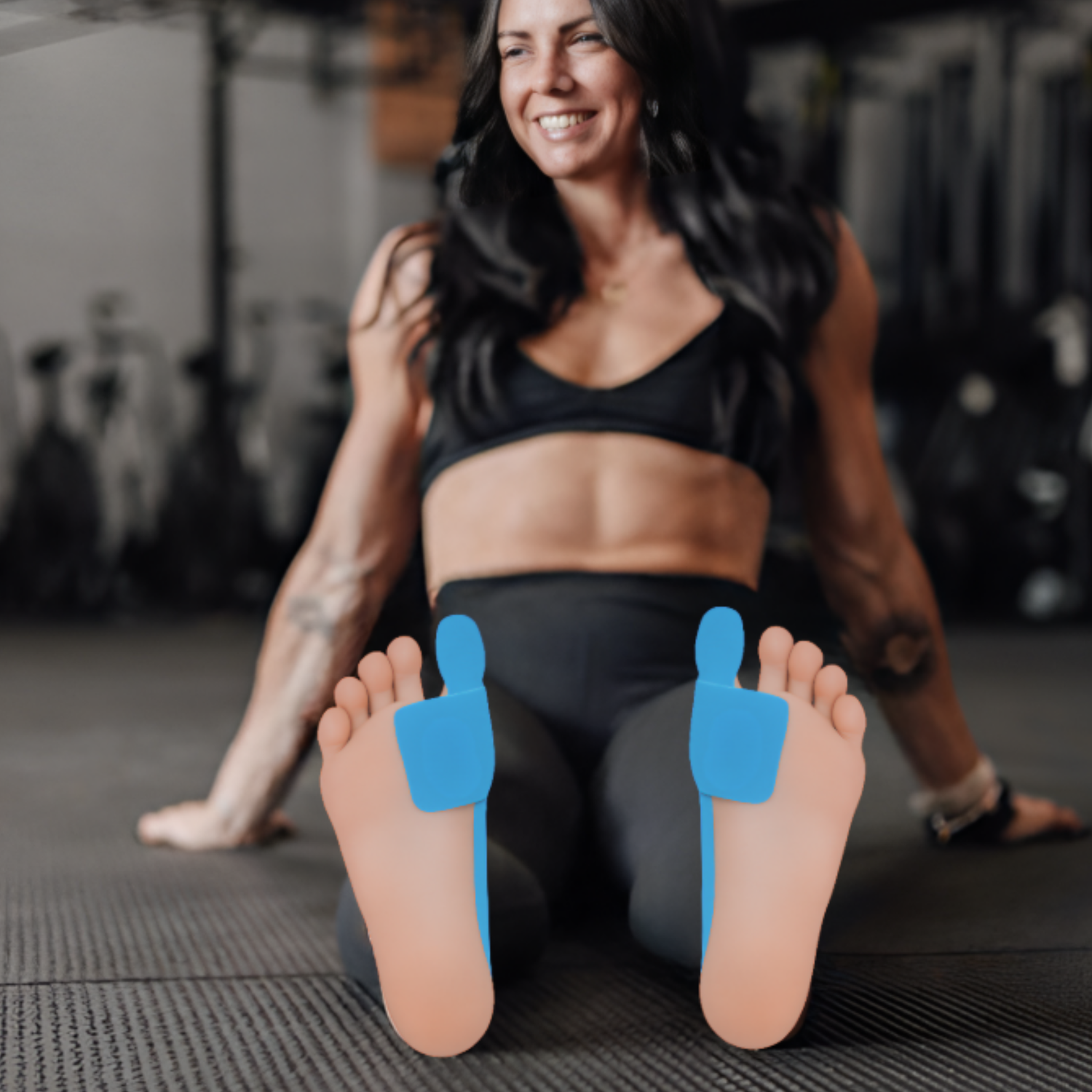
The unique mechanism of kinesiology tape for bunion relief lies in its ability to gently lift the skin, creating space that boosts circulation and reduces pressure. By applying the tape along the inside of the foot and around the big toe, you can encourage gentle alignment and support. This helps decrease inflammation and pain signals, making everyday activities more comfortable.
Many users report noticeable improvement in mobility and a reduction in pain after regular use of kinesiology tape for bunion care. The tape acts like a supportive hand, guiding your toe while still allowing you to walk, run, or stand with confidence.
Key Benefits for Bunion Relief
Using kinesiology tape for bunion issues offers several advantages:
- Reduces pain during movement and rest
- Improves big toe alignment and overall foot mobility
- Minimizes swelling and redness at the bunion site
- Shields the bunion from irritation caused by shoes
- Allows natural foot movement without restriction
These benefits make kinesiology tape for bunion support a preferred option for individuals seeking effective, non-restrictive solutions that fit seamlessly into their daily routines.
Types of Kinesiology Tape for Bunions
There are various types of kinesiology tape for bunion management, each designed to meet specific needs:
- Precut strips: Convenient for beginners, provide consistent application
- Rolls: Offer flexibility to customize length and shape
- Hypoallergenic and latex-free: Ideal for sensitive skin
- Waterproof and sweat-resistant: Suitable for active lifestyles
- Color options: Discreet nude tones or visible bright shades
Some brands offer precut bunion tape kits, ensuring easy and accurate application every time. Choosing the right kinesiology tape for bunion support depends on your skin type, activity level, and personal preference.
Step-by-Step Guide: Applying Kinesiology Tape for Bunions
Managing bunion discomfort at home can be empowering when you follow a clear, expert-backed process. This step-by-step guide will walk you through the essentials of using kinesiology tape for bunion care, from gathering supplies to perfecting your taping technique. Whether you are new to taping or looking for advanced tips, each stage is designed to help you achieve optimal comfort and relief.
Preparation: What You’ll Need
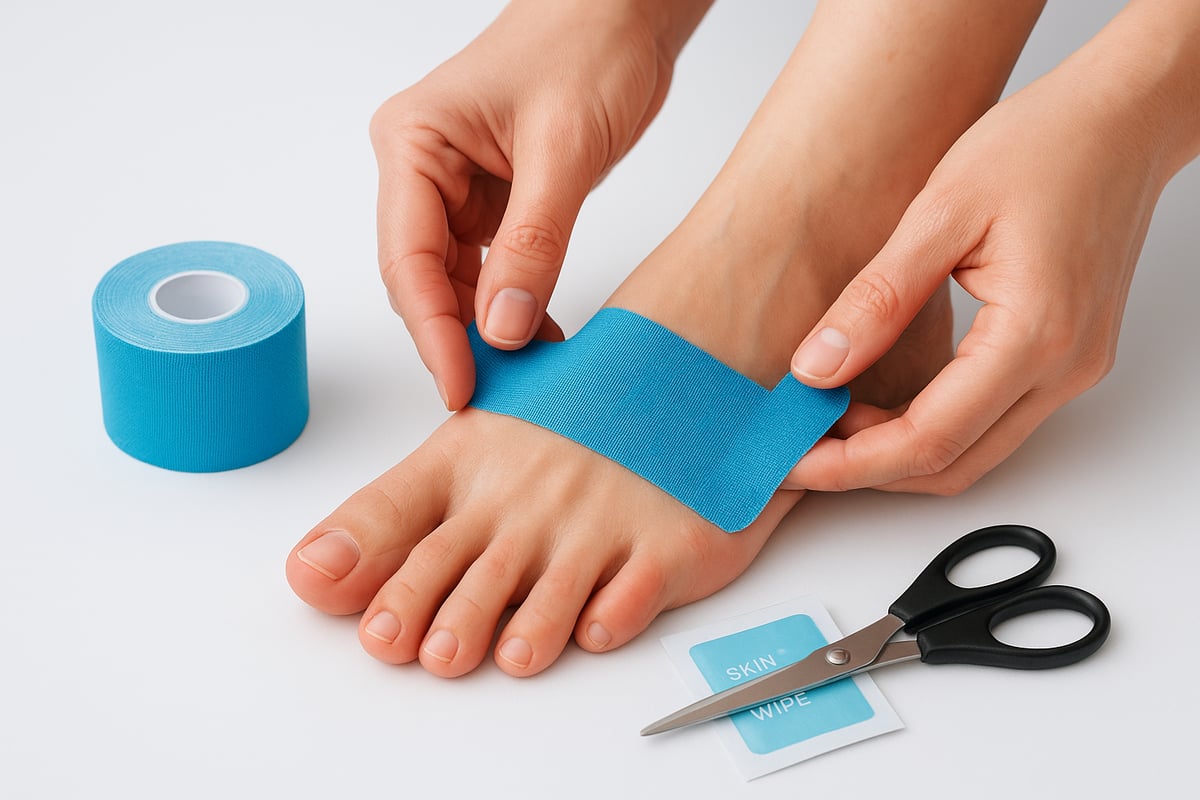
Before applying kinesiology tape for bunion support, start by preparing your foot and gathering all necessary materials. Proper preparation ensures better adhesion and comfort, so do not skip this step.
You will need:
- Clean, dry feet—wash and dry thoroughly to remove oils or lotions.
- Scissors, especially if you are using rolls instead of precut strips.
- Skin prep wipes for sensitive skin, which can help minimize irritation.
- The right kinesiology tape for bunion use, paying attention to width (usually 2-inch wide strips work well), material, and adhesive type.
- Trimmed toenails to prevent the tape from catching or lifting.
If you are new to taping, consider referencing Bunion Taping Instructions for visual guides or additional tips. Taking a few minutes to set up your workspace makes the entire process smoother and more effective.
Step 1: Measuring and Cutting the Tape
Accurate measurement is essential when using kinesiology tape for bunion relief. The goal is to cover the affected area without excess tape that could peel or bunch.
- Measure the tape by holding it along the inside edge of your foot, starting at the base of your big toe and ending just below the ball of your foot.
- Cut the tape to your required length. Rounding the corners with scissors prevents premature peeling and enhances comfort.
- Precut strips are an excellent option for beginners. They save time and ensure you get a consistent shape every time.
- For most standard applications, a 2-inch wide strip offers the right balance of support and flexibility.
This careful approach helps the kinesiology tape for bunion stay securely in place throughout daily activities.
Step 2: Positioning the Foot and Toe
Proper positioning is the foundation of effective kinesiology tape for bunion application. Sit in a comfortable spot where you can easily reach your foot.
- Place your foot in a neutral, relaxed position, ensuring the sole is flat and toes are naturally spread.
- Gently guide your big toe toward its natural, straight alignment. This step is crucial for encouraging correct posture and reducing pressure on the bunion.
- If you are taping yourself, take your time and use a mirror if needed. For those needing extra help, having a friend or family member assist can improve accuracy.
By aligning the foot and toe before you apply kinesiology tape for bunion relief, you set the stage for maximum support and pain reduction.
Step 3: Applying the Anchor Strip
Begin your kinesiology tape for bunion taping by securing the anchor strip. This foundational piece holds the rest of the tape in place.
- Place the anchor at the base of the big toe, just below the bunion joint. Make sure there is no stretch in this section to avoid irritation.
- Smooth the tape gently onto the skin, ensuring there are no wrinkles or folds.
- The anchor provides stability, so take care to position it precisely.
A well-applied anchor is the first step to effective kinesiology tape for bunion support, offering a secure base for the corrective strip to follow.
Step 4: Wrapping the Corrective Strip
Now it is time to apply the corrective strip, which is the heart of kinesiology tape for bunion taping.
- Use 25 to 50 percent stretch as you guide the tape along the inside of your foot, gently pulling the big toe toward alignment.
- Secure the end of the tape below the ball of your foot, pressing it down without additional stretch.
- Visualize the tape path as a gentle arc that supports the toe without restricting movement.
This method allows kinesiology tape for bunion to provide both support and flexibility, making daily movement more comfortable.
Step 5: Securing and Activating the Tape
To finish your kinesiology tape for bunion application, ensure the tape is fully adhered and comfortable.
- Rub the surface of the tape for several seconds to activate the adhesive. This step is essential for long-lasting wear.
- Check for comfort by flexing your foot and toes. The tape should move with your skin, not pull or pinch.
- Avoid excessive tension, which can cause skin irritation or limit circulation.
If the tape feels tight or uncomfortable, remove and reapply it. Properly secured kinesiology tape for bunion should feel supportive without being restrictive.
Common Mistakes to Avoid
Even with the best intentions, mistakes can happen when applying kinesiology tape for bunion relief. Being aware of these pitfalls will help you get the most from your taping routine.
Common errors include:
- Overstretching the tape, which can lead to skin irritation or blisters.
- Placing the tape incorrectly, reducing its effectiveness and support.
- Not prepping the skin by cleaning and drying thoroughly, resulting in poor adhesion.
- Using expired, low-quality, or inappropriate tape that may not stick or could cause reactions.
- Ignoring signs of skin allergy or irritation; always discontinue use if redness or itching worsens.
By following these guidelines and learning from common mistakes, you can make kinesiology tape for bunion a safe and effective part of your at-home management strategy.
Expert Tips for Maximizing Results in 2025
Are you looking to get the most from kinesiology tape for bunion relief in 2025? Applying the right strategies can make a significant difference in your comfort and recovery. Below, you will find expert-backed guidance to help you achieve optimal results, whether you are new to taping or seeking to refine your technique.
How Long to Wear Kinesiology Tape
For most people using kinesiology tape for bunion relief, a single tape application can last between three and five days. This duration offers a balance between effective support and skin health. If you notice the tape peeling, losing adhesion, or causing discomfort, it is best to remove it and reapply.
Kinesiology tape for bunion management is designed to withstand daily activities, including showers or light exercise. However, after bathing, gently pat the tape dry rather than rubbing. If you experience itching, redness, or swelling, remove the tape promptly and allow your skin to recover before re-taping.
Combining Tape with Other Bunion Relief Methods
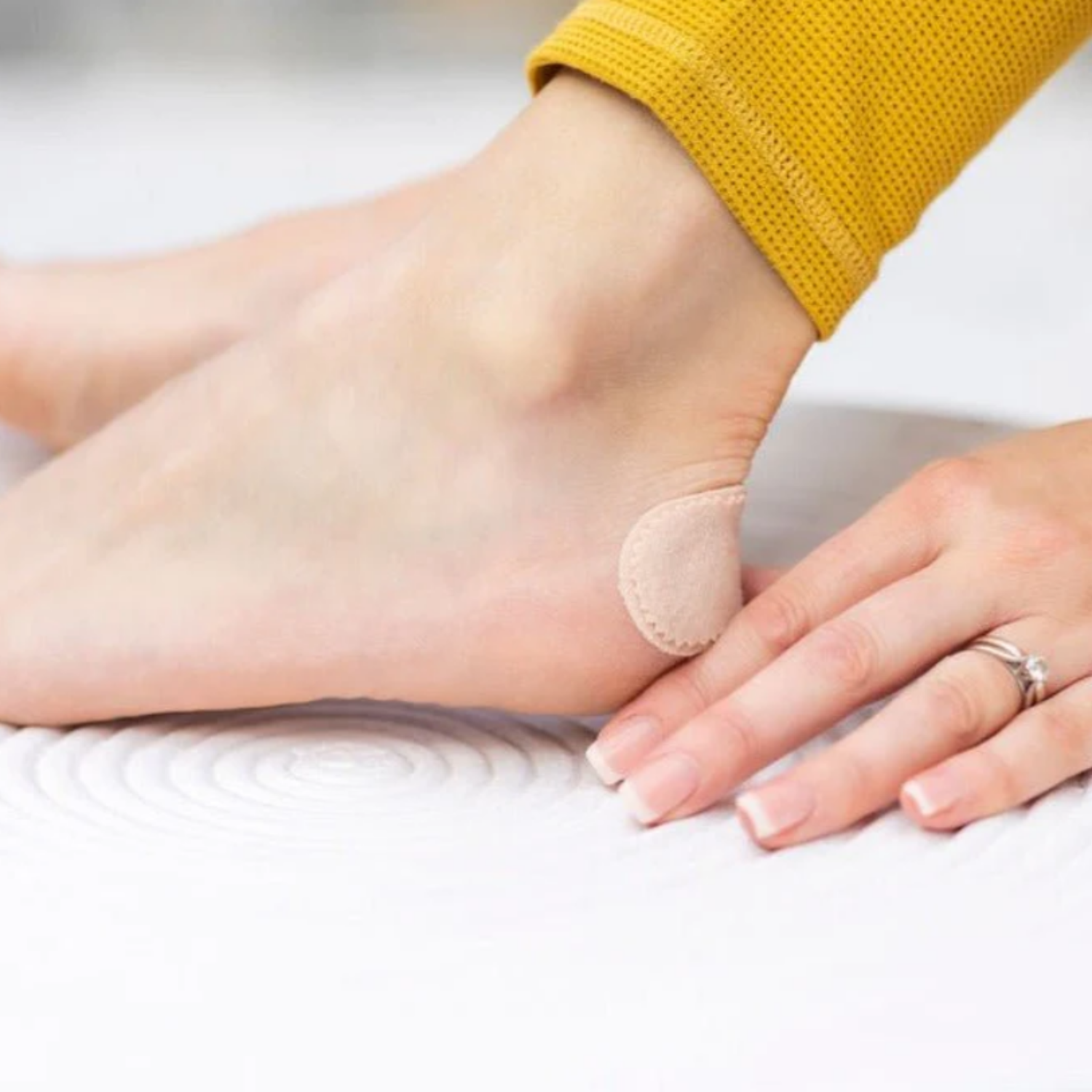
Maximizing the benefits of kinesiology tape for bunion pain often involves an integrated approach. Many experts recommend pairing taping with orthotics, toe spacers, or bunion pads for enhanced support. When selecting footwear, opt for shoes with a wide toe box to reduce friction and accommodate the taped area.
Incorporating stretching and strengthening exercises can further improve outcomes. Evidence supports the combination of taping and corrective exercises for bunion management, as highlighted in Kinesiology Taping and Corrective Exercises for Hallux Valgus. For nighttime, consider removing the tape to let your skin breathe, unless otherwise advised by your healthcare provider.
Addressing Sensitive Skin and Allergies
If you have sensitive skin, choose hypoallergenic and latex-free kinesiology tape for bunion care. Before full application, conduct a patch test by applying a small piece of tape to your skin for 24 hours. If irritation occurs, discontinue use immediately.
For mild redness, soothe the area with aloe vera or a gentle skin barrier cream. Always ensure your skin is clean and dry before application to improve adhesion and prevent reactions. Persistent irritation signals the need for a different tape or professional advice.
When to Seek Professional Help
Although kinesiology tape for bunion relief can be highly effective, it is not a solution for every situation. Seek medical attention if you experience ongoing pain, severe swelling, or signs of infection such as warmth and discoloration.
A podiatrist can assess your condition and may recommend custom orthotics or surgery in advanced cases. Listen to your body and do not ignore symptoms that persist despite proper taping and home care.
ToeTape: Specialized Bunion Taping Solutions
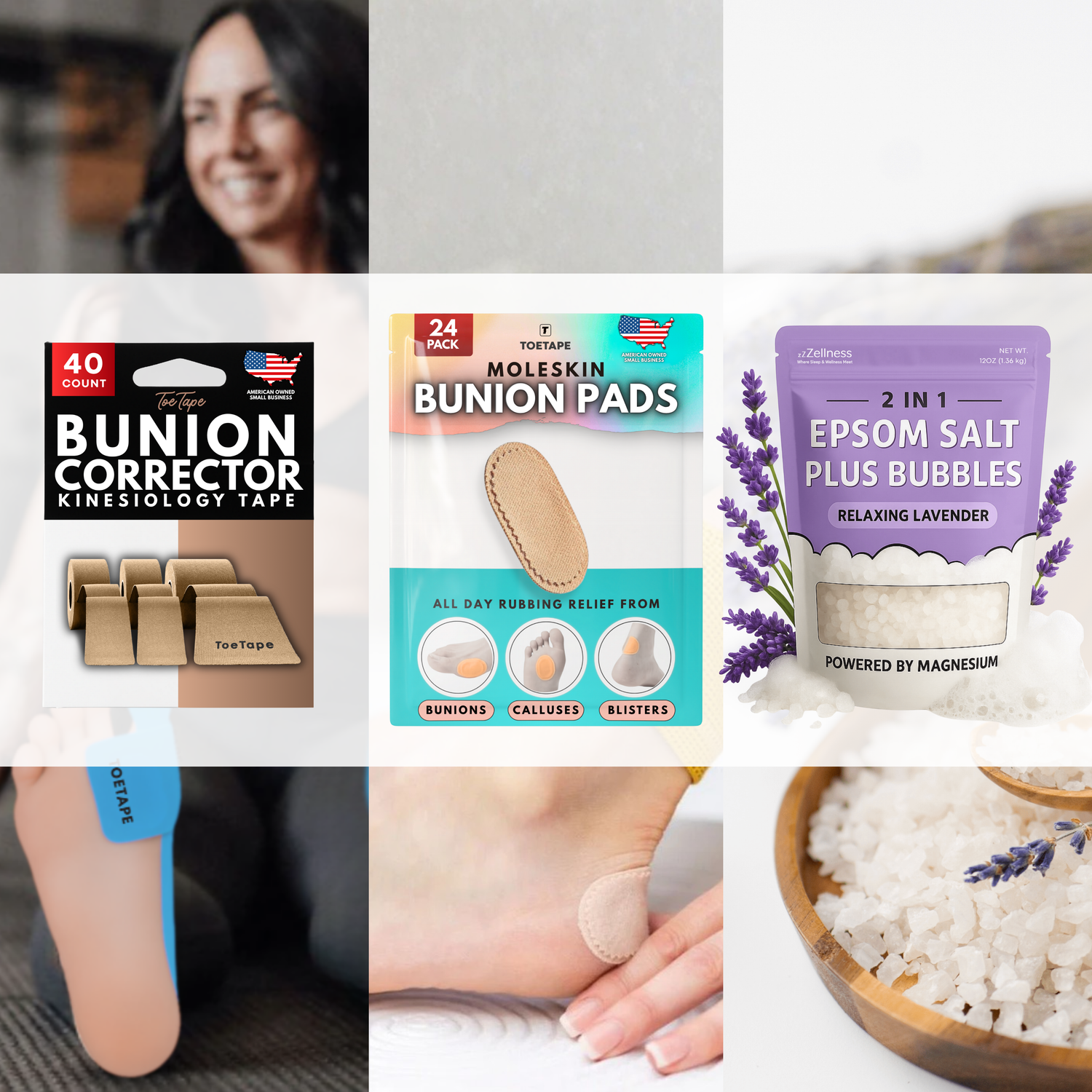
ToeTape offers expertly designed kinesiology tape for bunion management, including precut strips that simplify application and ensure consistent results. Their products are tailored for all-day comfort, featuring skin-friendly adhesives and flexible materials.
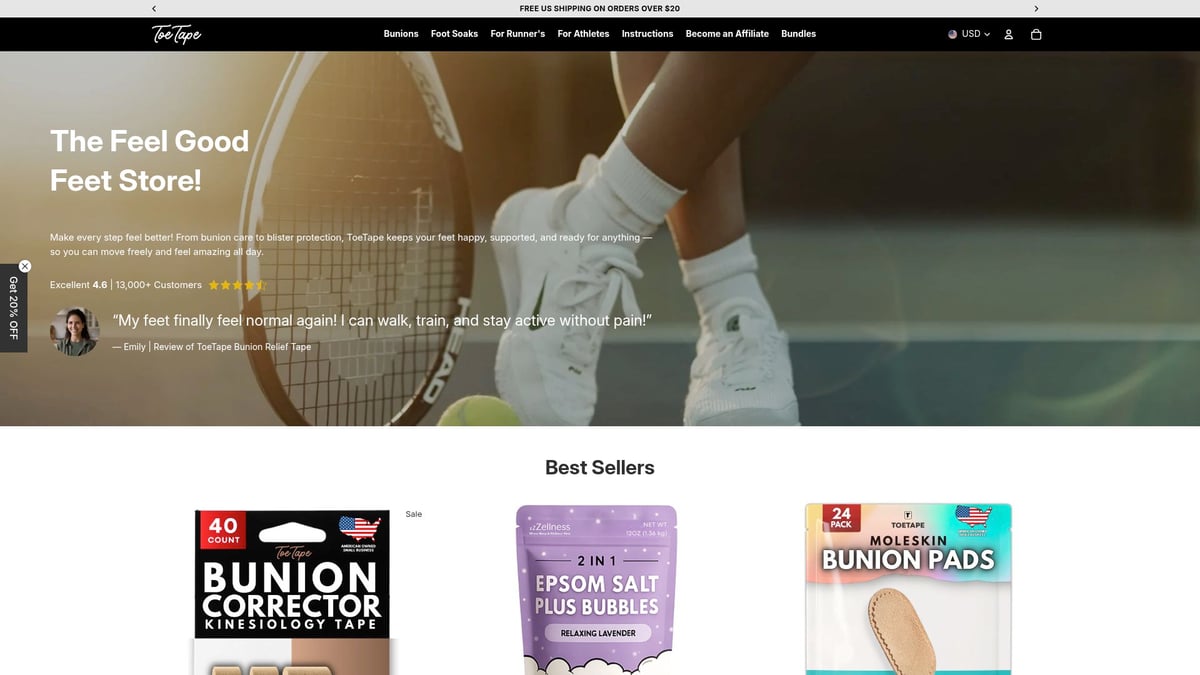
Comprehensive bundles from ToeTape include not only tape but also bunion pads and soothing foot soaks. Trusted by over 13,000 customers and rated 4.6 stars, these solutions provide ongoing support for foot health. Subscription options and bundle savings make it easier to maintain your bunion care routine efficiently.
Choosing the Best Kinesiology Tape for Bunions in 2025
Selecting the right kinesiology tape for bunion relief can make a noticeable difference in your comfort and mobility. The market in 2025 offers a wide variety of options, making it important to compare features, brands, and buying methods before making a purchase.
Key Features to Look For
When shopping for kinesiology tape for bunion, prioritize tapes with skin-friendly adhesives and hypoallergenic materials. These features help minimize irritation, especially for daily wear. Precut strips can offer consistency and make self-application simpler, while stretch and durability are critical for active lifestyles.
Other important considerations include water or sweat resistance, which is essential if you plan to wear the tape during workouts or in humid environments. Comfort and breathability ensure that the kinesiology tape for bunion is suitable for all-day use. Reading product reviews and looking for expert endorsements can help you identify tapes that are both effective and trusted by professionals.
Top-Rated Kinesiology Tapes for Bunions
With so many products claiming to offer relief, it is helpful to focus on brands with proven results. For example, specialized kits often include not just tape but also toe pads and soaks for comprehensive care. The Bunion Relief Product Bundle is one such option, designed specifically for bunion sufferers seeking a complete solution.
Here is a quick comparison of top-rated options:
| Product Type | Features | User Rating |
|---|---|---|
| Precut Bunion Tape | Easy application, hypoallergenic | 4.6/5 |
| Generic Tape Rolls | Customizable, affordable | 4.2/5 |
| Bunion Relief Bundle | Tape, pads, foot care items | 4.7/5 |
User satisfaction and expert-recommended products remain key when choosing kinesiology tape for bunion.
Comparing Precut vs. Custom-Cut Tape
The decision between precut and custom-cut kinesiology tape for bunion depends on your needs and experience. Precut strips are perfect for quick, accurate application and reduce waste, making them ideal for beginners or those with busy routines.
Custom-cut tape, on the other hand, allows more flexibility for unique foot shapes or advanced taping techniques. If you are comfortable measuring and cutting your own tape, this can be a cost-effective solution. Choosing between these options ensures that your kinesiology tape for bunion fits your lifestyle and comfort preferences.
| Category | Precut Strips | Custom-Cut Rolls |
|---|---|---|
| Speed | Fast | Slower |
| Accuracy | Consistent | Depends on user |
| Waste | Minimal | Possible excess |
| Flexibility | Moderate | High |
Cost and Value Considerations
When evaluating kinesiology tape for bunion, the price can range from $10.99 for basic rolls to $39.99 for specialized kits. Subscription savings and bundle offers are available, especially for those who require ongoing care.
To assess value, calculate the cost per application and factor in durability, comfort, and effectiveness. Sometimes, investing slightly more upfront can yield better long-term results. Always balance price with the proven ability of the kinesiology tape for bunion to meet your specific needs.
Where to Buy: Online vs. In-Store
You can purchase kinesiology tape for bunion at specialty retailers, pharmacies, or online platforms. Online stores often provide educational resources, detailed guides, and a wider selection. However, in-store purchases allow you to check product authenticity and expiration dates directly.
Consider customer service and support when choosing where to buy. Online retailers may offer chat support or easy returns, while pharmacies provide immediate access. Ultimately, the best source for kinesiology tape for bunion is the one that offers genuine products, clear instructions, and support for your bunion care journey.
Latest Research and Innovations in Bunion Taping (2025)
Discoveries in kinesiology tape for bunion care are moving quickly as research and technology evolve. Recent studies, new materials, and expert guidelines are transforming how people manage bunion discomfort. Here, we break down the latest evidence, emerging products, professional recommendations, and what the future holds for bunion taping.
Clinical Studies and Evidence
Clinical research into kinesiology tape for bunion pain has expanded in recent years. Trials have shown encouraging results for both pain relief and improved foot function. In one notable Short-Term Kinesiology Taping Effects on Hallux Valgus study, patients experienced immediate reductions in pain and enhanced toe alignment after taping.
The table below summarizes key findings:
| Study Year | Participants | Outcome | Relief Rate |
|---|---|---|---|
| 2021 | 40 | Pain reduction, better gait | 70% |
| 2023 | 32 | Improved mobility | 65% |
While these results are promising, researchers note the need for larger, long-term studies to confirm the effectiveness of kinesiology tape for bunion management.
Technological Advancements in Tape Materials
Recent years have brought significant improvements in the materials used for kinesiology tape for bunion relief. Manufacturers are now offering tapes made with advanced adhesives that last longer and are gentle on sensitive skin. Eco-friendly options, including biodegradable tapes, are gaining popularity among environmentally conscious users.
Key advancements include:
- Breathable, moisture-wicking fabrics
- Enhanced elasticity for better movement
- Hypoallergenic adhesives for reduced irritation
In 2025, brands are launching new lines focused on both performance and sustainability, ensuring that kinesiology tape for bunion care meets diverse needs.
Expert Opinions and Guidelines
Podiatrists and sports medicine experts now frequently recommend kinesiology tape for bunion relief as part of a comprehensive care plan. The consensus among professionals is to use proper taping techniques for optimal outcomes. According to the Effects of Functional Foot Orthoses and Taping on Hallux Valgus review, taping can compare favorably with orthotics for some patients, especially those seeking non-invasive options.
Experts stress the importance of:
- Following step-by-step taping protocols
- Combining taping with exercises and appropriate footwear
- Consulting a healthcare provider for persistent or severe bunion symptoms
Guidelines also highlight the value of education, recommending that patients learn self-application for consistent kinesiology tape for bunion use.
Integrating Smart Technology with Taping
Smart technology is beginning to merge with kinesiology tape for bunion care. Wearable sensors are being developed to monitor foot alignment and pressure in real time. Paired with mobile apps, these tools guide users through correct taping techniques and track progress.
Some brands offer digital instruction guides or video tutorials, making it easier for users to apply kinesiology tape for bunion support accurately. Looking ahead, smart taping solutions may help personalize treatment and improve long-term outcomes.
The Future of Bunion Management
The future of kinesiology tape for bunion care is bright and patient-centered. Personalized taping kits based on 3D foot scans are on the horizon, allowing for custom-fit solutions. Telehealth consultations and online communities are making expert advice more accessible than ever.
As demand grows for non-surgical bunion management, holistic approaches are taking center stage. Kinesiology tape for bunion relief is expected to play a vital role in these comprehensive care strategies, supporting mobility, comfort, and active lifestyles.
If you’re ready to put these expert tips into practice and finally experience lasting bunion relief, you’re not alone. We’ve covered how kinesiology tape can make a real difference for comfort, mobility, and all-day support—especially when you use products designed specifically for bunion care. You deserve a solution that moves with you, fits easily into your daily routine, and helps you stay active without irritation or hassle. Discover how targeted, precut tape can provide immediate comfort and help you regain confidence with every step.
Get Bunion Relief that Moves with You!