

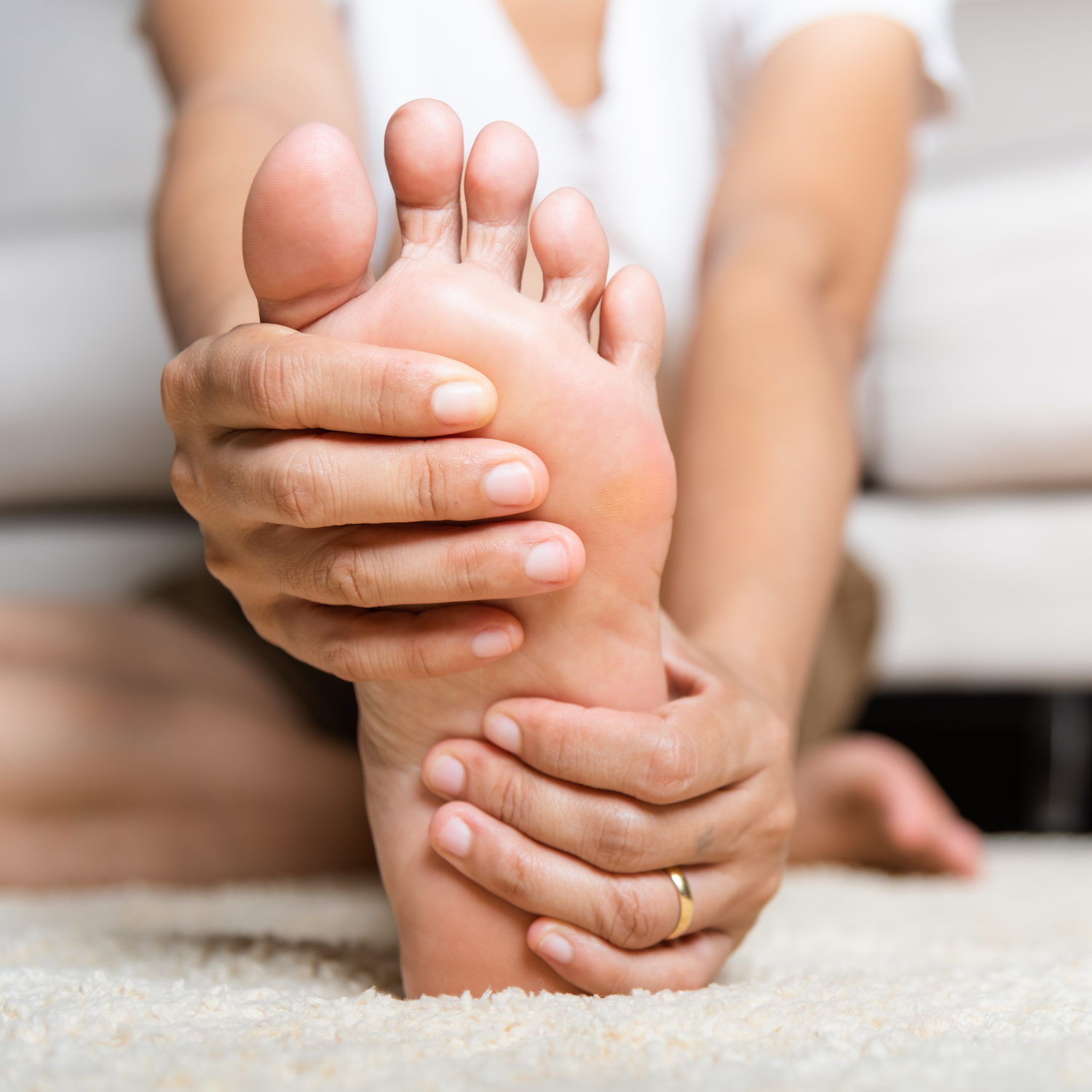
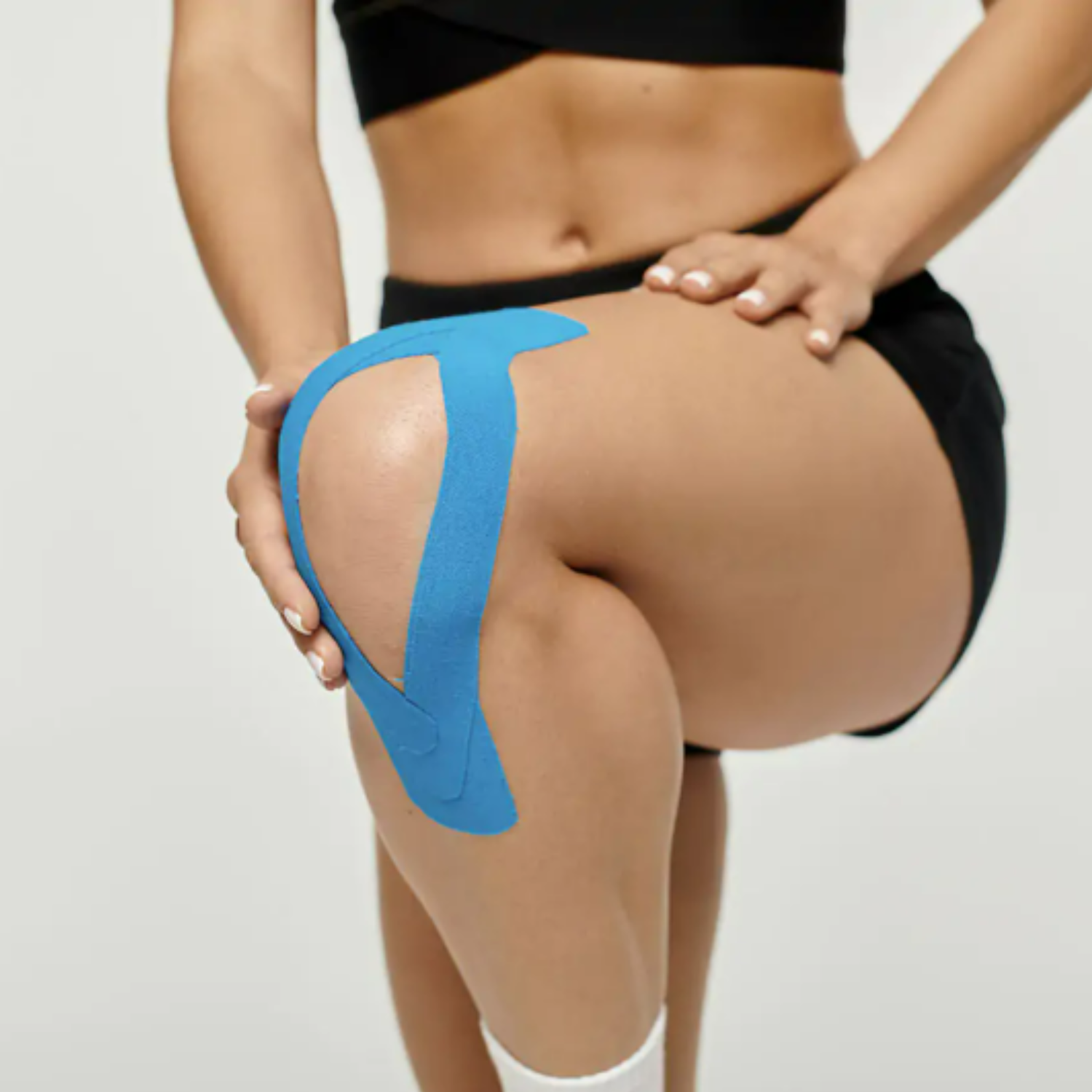












Imagine waking up to pain-free steps and natural toe alignment, all thanks to a simple strip of kinesiology tape for toes. If you have struggled with toe pain, blisters, or awkward movement, you are not alone. This comprehensive guide reveals how kinesiology tape for toes can transform foot comfort in 2025.
Discover the science, benefits, and easy taping methods trusted by experts. Learn how to address common toe issues, avoid surgery, and boost mobility. Ready to take control of your foot health? Explore anatomy, taping techniques, product picks, and pro tips that make a real difference.
Understanding Toe Anatomy and Common Issues
The health of your toes affects your entire foot function. When you understand the structure and common challenges, you can make informed choices about support methods like kinesiology tape for toes.
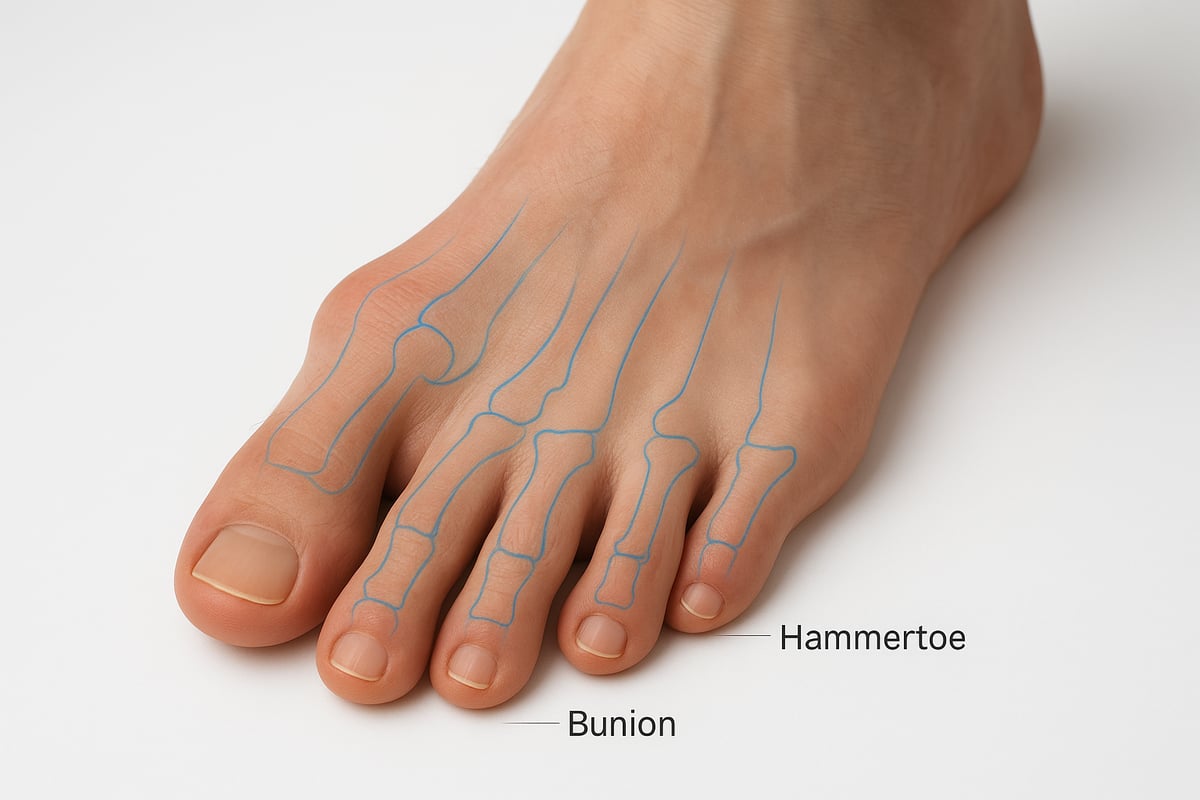
The Structure of Toes and Their Function
Each toe is a complex assembly of bones, joints, tendons, and ligaments. The five toes work together to maintain balance, absorb shock, and aid in efficient gait during walking or running. Proper toe alignment ensures even pressure across the forefoot, reducing the risk of injury.
Common variations like bunions or hammertoes can disrupt this balance. For example, a misaligned big toe may shift weight onto neighboring toes, leading to pain or instability. Maintaining healthy toe structure is crucial for optimal foot performance and comfort.
Common Toe Problems Addressed by Kinesiology Tape
Toe problems can impact anyone, from athletes to those with sedentary lifestyles. Bunions, which affect up to 23% of adults, can cause daily discomfort and joint swelling. Hammertoes and claw toes may develop from muscle imbalances or ill-fitting shoes, resulting in rigid, bent toes.
Sports injuries such as turf toe and sprains are common among active individuals, while overlapping toes and blisters often arise from friction or pressure. For those dealing with bunion-related pain, the Kinesiology Tape for Bunions Guide offers valuable insights into targeted taping techniques. Using kinesiology tape for toes in these scenarios can provide both relief and improved alignment.
How Improper Toe Alignment Leads to Broader Foot Issues
Misaligned toes can trigger a chain reaction throughout the lower body. When toes drift out of place, the foot's natural mechanics are disrupted, often resulting in conditions like plantar fasciitis or arch pain. For example, an athlete with an untreated bunion may develop pain in the arch or even the knee due to altered gait.
Research shows improper toe alignment increases the risk of metatarsalgia by 30%. Addressing these issues early with kinesiology tape for toes helps prevent secondary complications involving the feet, knees, and hips.
The Need for Non-Invasive Toe Support
Surgical interventions and rigid orthotics are not always ideal, as they can be invasive or restrict movement. More people are seeking flexible, at-home solutions for toe support. Since 2022, there has been a 40% increase in the use of kinesiology tape for toes, reflecting a growing trend toward proactive foot care.
Early intervention with kinesiology tape for toes can help correct misalignment, relieve pain, and support long-term foot health. Flexible taping allows for natural movement, making it a preferred choice for many seeking comfort and prevention.
What is Kinesiology Tape? Science, Benefits, and Myths
Kinesiology tape for toes has transformed modern foot care, offering a blend of science and simplicity. From sports clinics to home routines, this innovative tape is now a staple for those seeking relief and improved mobility.
Origins and Evolution of Kinesiology Tape
Kinesiology tape for toes traces its roots to the 1970s, when Dr. Kenzo Kase developed the first elastic therapeutic tape. Initially embraced by athletes, the tape quickly gained traction in broader healthcare settings. Over the decades, advancements have led to hypoallergenic, water-resistant materials, making kinesiology tape for toes suitable for daily wear. Today, this tape is available in precut strips and rolls, adapting to different toe shapes and conditions. The evolution from sports medicine to mainstream foot care highlights its growing value for people of all ages.
How Kinesiology Tape Works on Toes
The science behind kinesiology tape for toes lies in its unique mechanism of action. When applied, the tape gently lifts the skin, creating space that enhances blood flow and reduces swelling. This process helps relieve pressure on sensitive toe joints and supports natural movement. Unlike rigid splints or toe separators, kinesiology tape for toes offers flexibility, allowing users to walk, run, or dance without restriction.
| Feature | Kinesiology Tape for Toes | Splints/Separators |
|---|---|---|
| Flexibility | High | Low |
| Wear in Shoes | Yes | Sometimes |
| Support | Gentle | Rigid |
This gentle support helps maintain alignment and comfort throughout daily activities.
Proven Benefits for Toe Health
Clinical and real-world evidence support the benefits of kinesiology tape for toes. Users often report significant pain relief, thanks to the tape’s ability to reduce pressure and inflammation. The tape also encourages natural toe alignment, which can improve overall foot mechanics and balance. Enhanced proprioception is another key benefit, as kinesiology tape for toes increases awareness of toe position and movement. For example, runners have observed faster recovery times after toe sprains when taping is part of their routine.
Debunking Myths and Addressing Concerns
Despite its popularity, misconceptions about kinesiology tape for toes persist. One common myth is that this tape is only effective for athletes. In reality, people of all ages and activity levels can benefit from its use. Safety is another concern, but when applied correctly, the risk of skin irritation is minimal. Recent studies and healthcare professional surveys confirm that kinesiology tape for toes can improve pain and function across various foot conditions (Healthcare professionals' beliefs on kinesiology tape). Proper education and application technique are the keys to maximizing results.
When and Why to Use Kinesiology Tape for Toes
Are you wondering when it makes sense to reach for kinesiology tape for toes? Understanding the right situations can help you make informed choices for your foot health. Whether you are managing pain, seeking injury prevention, or looking for a more comfortable daily routine, kinesiology tape for toes offers a versatile solution.
Indications for Taping Toes
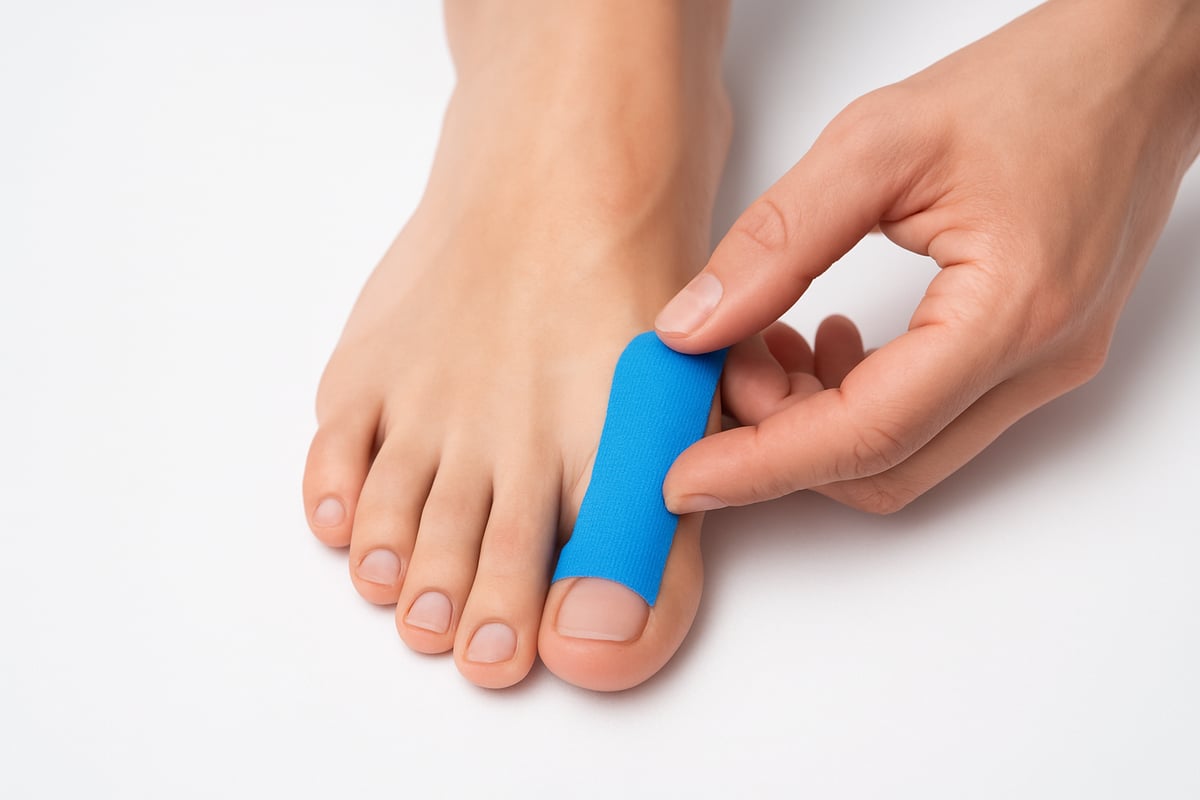
Kinesiology tape for toes is suitable for various situations, from sudden injuries to long-term toe issues. If you have sprains, turf toe, or stubbed toes, tape can offer immediate support. Chronic conditions like bunions, hammertoes, or overlapping toes also benefit from targeted taping strategies. Many athletes, dancers, and people who spend hours on their feet use kinesiology tape for toes to prevent problems before they start. For those new to this method, detailed Toe Taping Instructions and Tips can help you apply tape safely and effectively.
Key Benefits Over Other Toe Support Methods
What makes kinesiology tape for toes stand out compared to splints or rigid orthotics? The answer lies in its flexibility and comfort. Kinesiology tape for toes allows natural movement, so you can wear it in shoes, during exercise, or even overnight. It is cost-effective, often reusable, and less bulky than custom orthotics. Many users appreciate that it supports without restricting, making daily activities more manageable. If you are seeking a discreet, affordable, and non-invasive solution, kinesiology tape for toes is a smart choice.
Real-World Scenarios and Success Stories
The benefits of kinesiology tape for toes are not just theoretical. Marathon runners use it to prevent blisters and black toenails during long races. Elderly individuals often report improved balance and a lower risk of falls after taping their toes. In a recent survey, 85% of people using kinesiology tape for toes experienced greater comfort in their daily routines. These real-world stories highlight how diverse users find practical relief and support from this simple method.
Potential Limitations and When to Seek Medical Advice
While kinesiology tape for toes offers many advantages, it is not a one-size-fits-all solution. Avoid using tape on open wounds or severe toe deformities. Watch for warning signs such as increased pain, numbness, or skin reactions. In these cases, stop using kinesiology tape for toes and consult a podiatrist for further evaluation. Persistent or worsening symptoms may need professional care. Always prioritize safety and proper technique when taping your toes.
Step-by-Step Guide: How to Apply Kinesiology Tape to Toes
Applying kinesiology tape for toes can make a significant difference in comfort, alignment, and daily mobility. With the right approach, taping becomes a simple and effective routine for anyone managing toe pain or looking to prevent injuries. This guide will walk you through each step, ensuring you get the best results from your kinesiology tape for toes.
Preparation: What You Need Before You Start
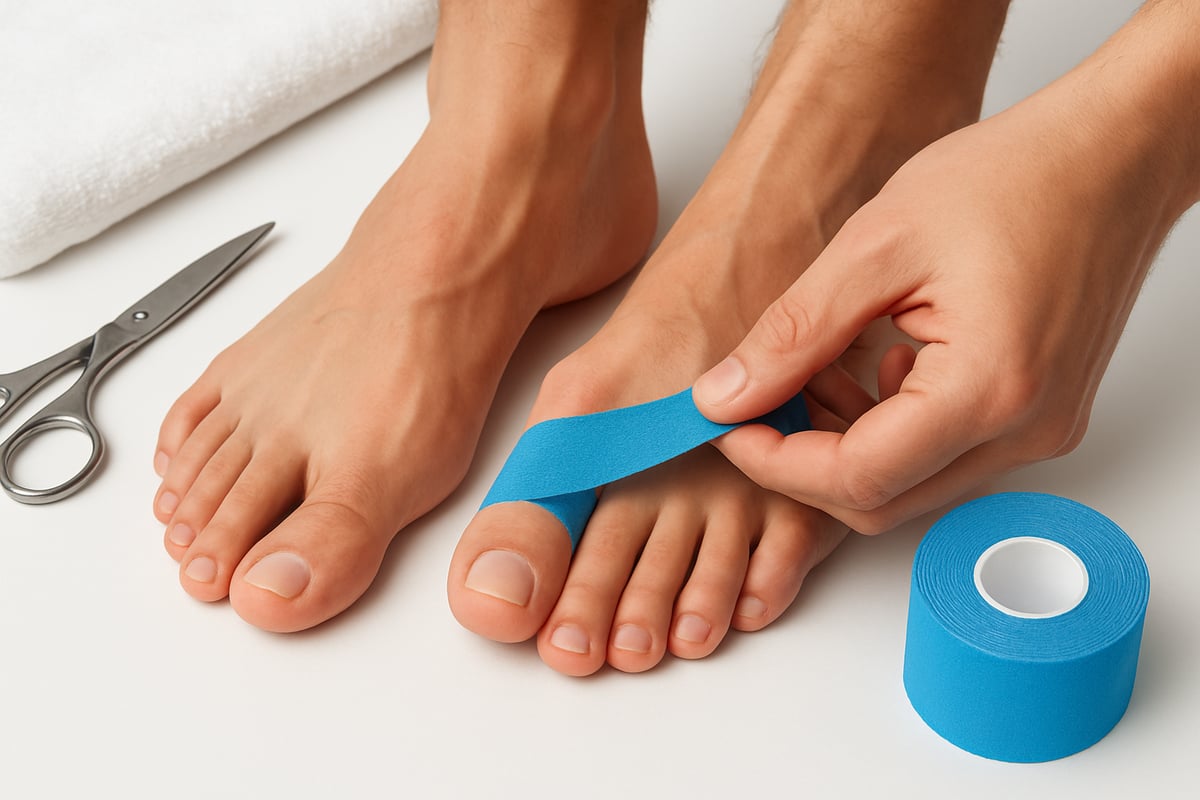
Before applying kinesiology tape for toes, gather all necessary supplies. You will need:
- Kinesiology tape (precut or roll)
- Scissors (if not using precut tape)
- A clean towel
- Mild soap and water
Begin by washing your feet thoroughly. Make sure the skin is dry, as moisture can prevent the tape from sticking well. Inspect your toes for cuts, blisters, or irritation. Never apply kinesiology tape for toes over open wounds or inflamed skin.
Choose tape that matches your toe size. For smaller toes, use narrower strips. Set up your supplies in a clean, well-lit area to make the process smooth and efficient.
Step 1: Measuring and Cutting the Tape
Accurate measurement is key for effective kinesiology tape for toes application. Measure the tape to fit the length of the affected toe, allowing for overlap at both ends. For bunions or big toe issues, you may need a longer strip to extend from the toe to the midfoot.
Round the corners of the tape with scissors. This prevents peeling and helps the tape last longer. If you prefer a ready-to-use option, consider Precut Tape for Big Toe Sprains for a convenient and precise fit.
Always check that the width matches your toe. Too wide, and the tape may bunch up; too narrow, and it may not provide enough support. Preparing the right length and shape will make kinesiology tape for toes more effective.
Step 2: Applying the Base Anchor
Start the application by peeling off the backing paper from the first 1 to 2 centimeters of kinesiology tape for toes. Place this anchor on the side of the toe, ensuring there is no stretch on this section. A secure anchor keeps the tape in place throughout the day.
Smooth the anchor gently to avoid wrinkles, which can lead to irritation. For bunion support, position the anchor just below the big toe joint. For hammertoe or overlapping toes, place the anchor at the base of the affected toe.
Always make sure the anchor lies flat against clean, dry skin. This step sets the foundation for the rest of your kinesiology tape for toes application and helps prevent early peeling.
Step 3: Wrapping and Positioning the Tape
With the base anchor in place, gently stretch the kinesiology tape for toes to about 10 to 20 percent of its original length. Guide the tape along the length of your toe, following its natural curve. For bunions, wrap the tape around the big toe and across the midfoot to encourage proper alignment.
If you are treating overlapping toes, use a spiral or figure-eight wrapping technique. This helps separate and align the toes while reducing friction. Avoid overstretching the tape, as this can cause skin irritation and reduce effectiveness.
By positioning kinesiology tape for toes correctly, you provide targeted support and promote natural movement. Adjust the tension as needed for comfort and stability.
Step 4: Securing and Activating the Tape
Finish the application by securing the final anchor of kinesiology tape for toes on healthy skin with no stretch. This end anchor should be placed at a comfortable spot that does not interfere with shoe wear.
Gently rub the entire length of the tape to activate the adhesive. The warmth from your hands helps the tape bond to the skin, increasing its durability. Check that the tape feels comfortable and does not cause numbness or tingling.
Properly secured kinesiology tape for toes should stay in place for several days, even during activity. If you notice discomfort, remove and reapply the tape for a better fit.
Step 5: Post-Application Tips and Troubleshooting
After applying kinesiology tape for toes, test your movement. Walk around and flex your toes to ensure the tape is not too tight or loose. If you plan to wear socks or shoes, check that the tape does not bunch or peel at the edges.
For best results, follow these tips:
- Remove tape slowly, pulling in the direction of hair growth
- If edges lift, trim and press down gently
- Replace tape every 3 to 5 days or sooner if it loses adhesion
Common issues include peeling, redness, or loss of stickiness. If irritation develops, discontinue use and consult a professional. With proper care, kinesiology tape for toes can provide ongoing relief and support for a wide range of toe conditions.
Taping Techniques for Specific Toe Conditions
When it comes to addressing toe discomfort and alignment issues, selecting the right taping method is essential. Using kinesiology tape for toes can be customized to meet the needs of various conditions, from bunions to blister prevention. In this section, explore targeted techniques to maximize support, comfort, and mobility for every toe challenge.
Bunion (Hallux Valgus) Taping
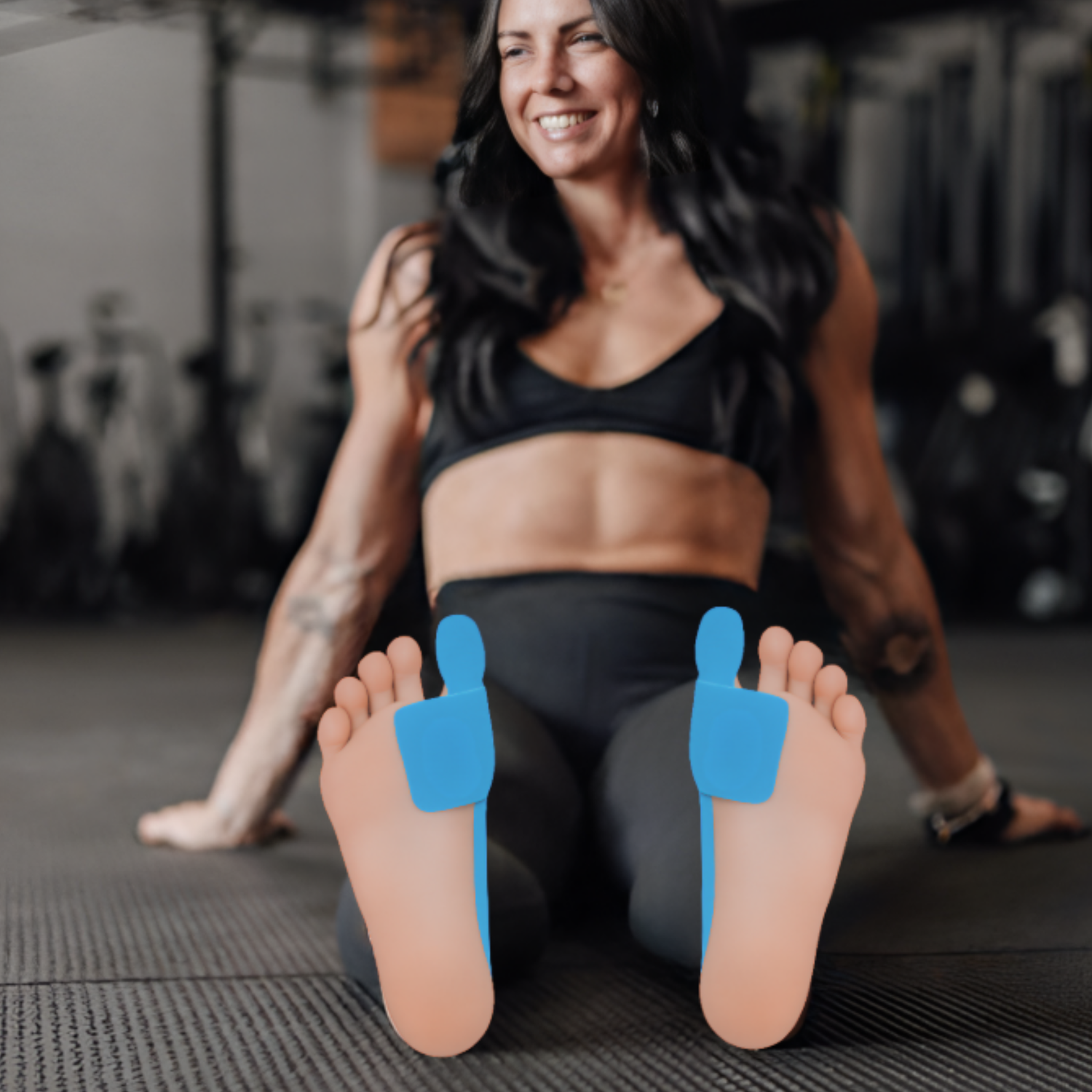
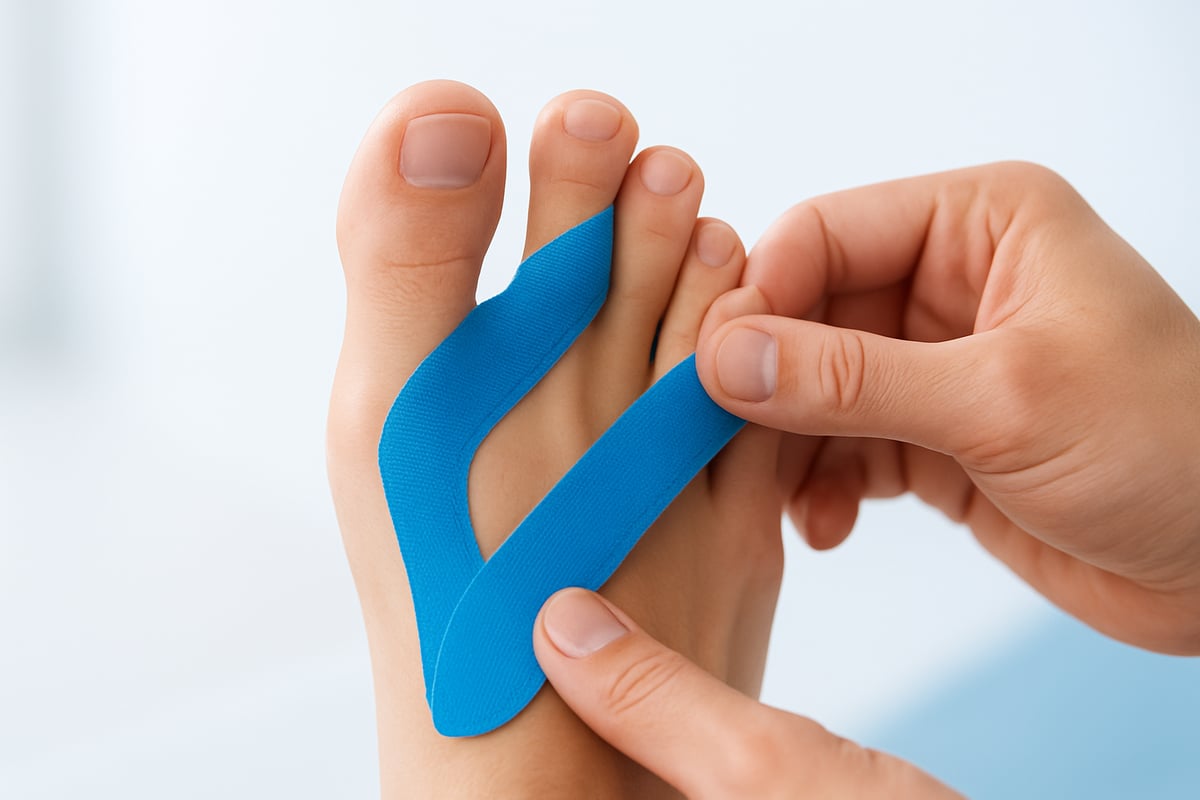
Bunions are one of the most common sources of toe pain and joint misalignment. For bunion relief, the Y-strip method is highly effective when using kinesiology tape for toes. Begin by anchoring the stem of the Y-strip at the base of the big toe. Gently wrap each arm of the Y around the toe, guiding it into better alignment and reducing pressure on the joint.
- Cut a Y-shaped strip of tape.
- Anchor the base at the side of the big toe.
- Wrap arms around the toe, pulling slightly outward.
- Smooth the tape and check for comfort.
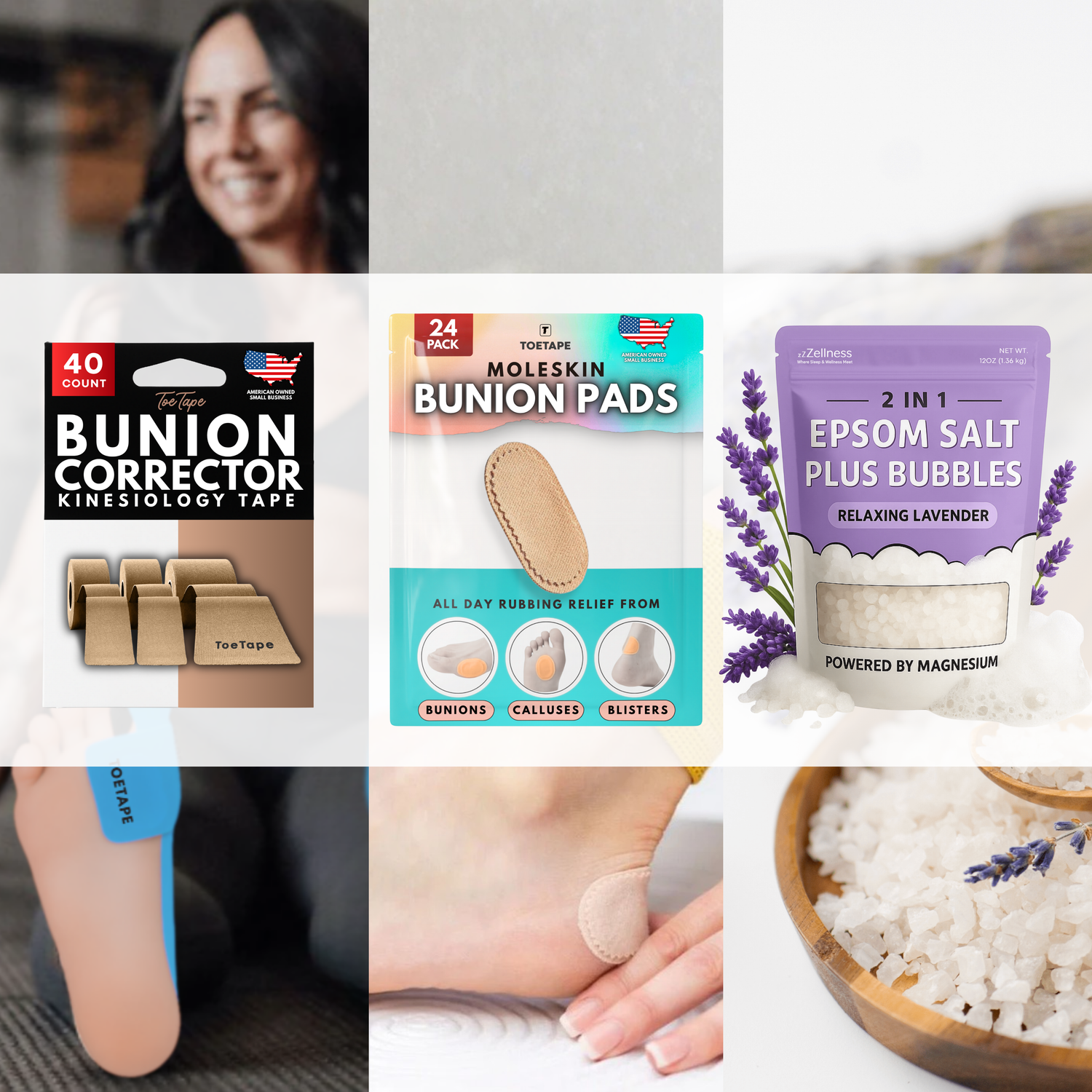
Consistent use of this technique can help decrease pain and promote natural toe positioning. For a comprehensive approach, consider the Bunion Relief and Toe Support Bundle, which combines kinesiology tape for toes with pads for enhanced protection and comfort. Seventy percent of bunion sufferers report noticeable pain reduction with regular taping routines.
Hammertoe and Claw Toe Taping
Hammertoes and claw toes often cause discomfort due to abnormal bending. A precise taping technique with kinesiology tape for toes can help encourage extension and reduce pressure. Start by placing an anchor at the ball of the foot, then run the tape along the underside of the affected toe, gently pulling it toward a straighter position.
- Clean and dry the toe thoroughly.
- Anchor tape near the base of the toe.
- Guide the tape over the top, applying light tension.
- Secure the end on the top of the foot.
This approach provides gentle support, making it easier to maintain activity levels. Pay attention to tape placement during movement, and adjust tension to avoid skin irritation. Regular use of kinesiology tape for toes is especially beneficial for those experiencing pain during walking or exercise.
Overlapping and Crossing Toes
Overlapping and crossing toes are frequently seen in dancers and individuals with narrow footwear. To address this, kinesiology tape for toes can be applied using a spiral or figure-eight method. Begin by anchoring the tape at the base of the affected toes, then wrap in a crossing pattern to gently separate and align them.
- Cut a thin strip of tape.
- Anchor at the base of the toes.
- Wrap in a figure-eight or spiral, alternating directions.
- Finish by securing the end and smoothing the tape.
This technique reduces friction, preventing blisters and calluses. A dancer using kinesiology tape for toes in this way can continue training with less discomfort. Always use gentle tension to maintain circulation and avoid constricting the toes.
Turf Toe and Sprain Support
Turf toe and toe sprains often require targeted support to limit excessive movement and aid recovery. Kinesiology tape for toes is suitable for both acute and chronic injury management. For acute injuries, use a more rigid taping style; for ongoing support, opt for elastic tape.
- Anchor the tape at the base of the toe.
- Guide the tape over the joint, limiting upward motion.
- Use a second strip for extra stability if needed.
This method is popular among athletes. For example, a soccer player returning to play after a sprain can benefit from added stability without losing flexibility. Always check for comfort and adjust as swelling changes. Kinesiology tape for toes allows for movement while still supporting the healing process.
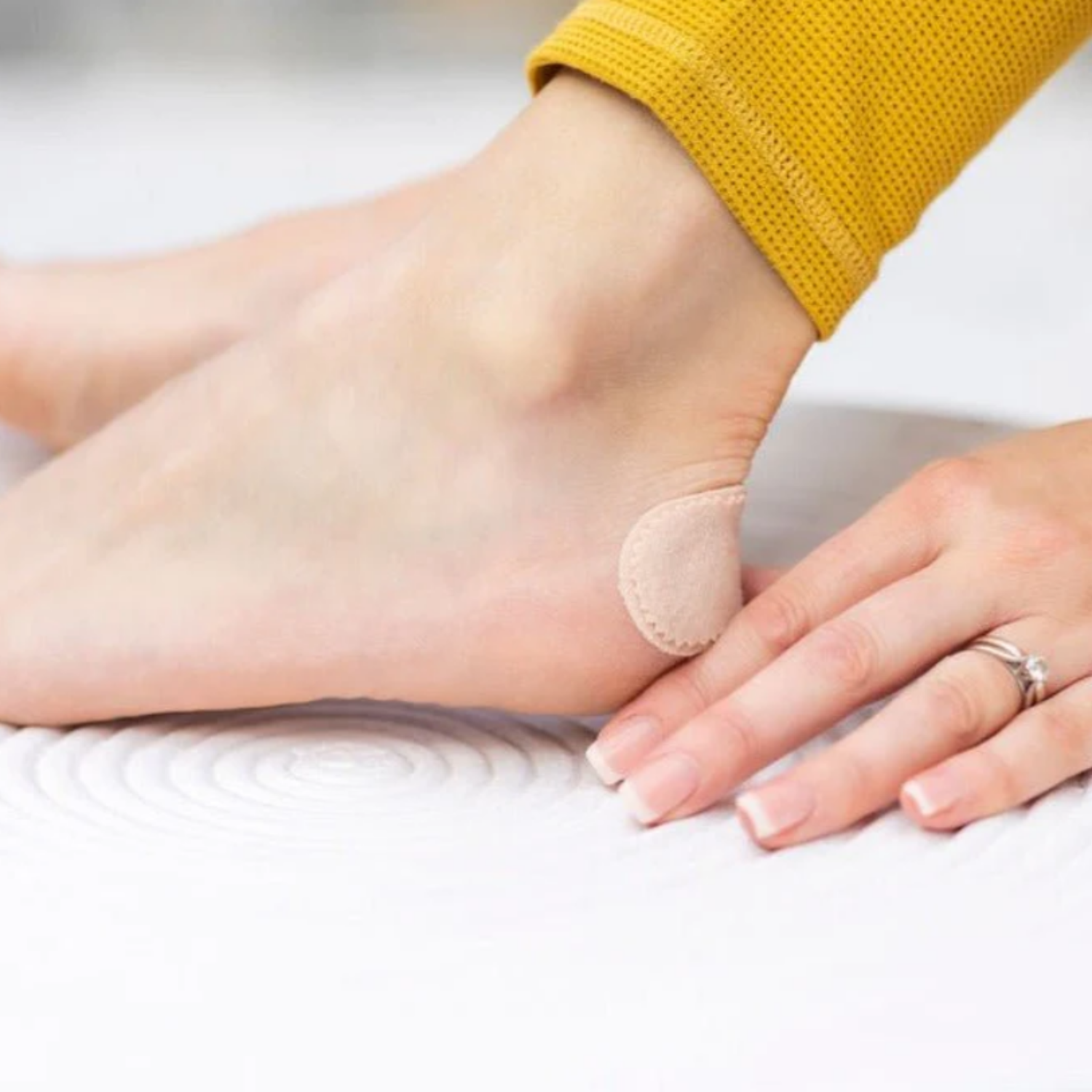
Blister and Corn Prevention Taping
Blisters and corns are common issues, especially for runners and those in tight shoes. Using kinesiology tape for toes as a protective barrier reduces friction in high-risk areas. Compare this with moleskin, which is thicker but less flexible.
- Cut a small strip of tape.
- Place directly over the friction point.
- Smooth edges to prevent peeling.
Data shows a 60 percent reduction in blisters for runners who use this method during training. Kinesiology tape for toes is thin enough to fit comfortably in footwear and adheres well during activity. It is a practical option for both prevention and relief.
Combining Taping with Other Foot Care Strategies
To maximize results, combine kinesiology tape for toes with other foot care solutions like toe spacers, pads, or Epsom salt soaks. For example, after taping, a relaxing Epsom salt soak can further reduce swelling and discomfort.
- Use toe spacers to maintain separation.
- Apply pads for extra cushioning.
- Soak feet after activity to aid recovery.
A holistic approach ensures comprehensive relief, especially for chronic conditions. Integrating multiple strategies with kinesiology tape for toes supports long-term foot health and comfort.
Choosing the Best Kinesiology Tape for Toes in 2025
Selecting the right kinesiology tape for toes is essential for achieving optimal results, whether you are managing bunions, preventing blisters, or supporting daily movement. The market for kinesiology tape for toes has expanded rapidly, offering a variety of options tailored to unique foot care needs. Understanding what sets top products apart will help you make an informed choice and ensure both comfort and effectiveness.
Key Features to Look For
When choosing kinesiology tape for toes, prioritize skin-friendly materials. Look for tapes that are hypoallergenic and latex-free to minimize the risk of irritation. Water resistance is crucial, as feet are exposed to sweat and moisture throughout the day.
Decide if you prefer precut strips for convenience or roll tape for customizable sizing. Comfort is another factor; the tape should be thin enough to fit comfortably in shoes without bunching or causing pressure points. Durability is important, especially if you plan to wear the tape during activities or overnight.
- Hypoallergenic and latex-free options
- Water-resistant and breathable materials
- Precut vs roll tape for personal preference
- Thin profile for shoe compatibility
Choosing the right kinesiology tape for toes ensures ongoing support and reduces the likelihood of skin reactions or discomfort.
Top-Rated Brands and Product Recommendations
With the growing popularity of kinesiology tape for toes, several brands have emerged as leaders in the market. According to recent kinesiology tape market growth trends, consumer interest in foot-specific tape products has surged, driving innovation in comfort and design.
| Brand | Key Features | Price Range | User Rating |
|---|---|---|---|
| Brand X | Extra-thin, skin-tone, precut | $12–$18 | 4.7/5 |
| Brand Y | Water-resistant, rolls | $10–$16 | 4.5/5 |
| Brand Z | Vibrant colors, gentle adhesive | $14–$20 | 4.6/5 |
Brand X is praised for its discreet appearance and comfort, while Brand Y offers flexibility in length. Brand Z is a favorite for those wanting fun colors or sensitive-skin adhesives. Always select kinesiology tape for toes from trusted brands with positive user feedback.
Sizing, Colors, and Customization Options
Proper fit is essential when using kinesiology tape for toes. Choose a tape width that matches your toe size—narrow strips work best for smaller toes, while wider strips offer more coverage for bigger toes or bunions.
Many products come in both skin-tone and vibrant color options, allowing you to select based on your preference or need for discretion. Some brands offer custom precut strips designed specifically for common toe issues, but you can also cut roll tape to your exact specifications.
- Narrow strips for small toes
- Wide strips for bunion support
- Skin-tone for discreet use
- Bright colors for visibility and fun
Customization ensures kinesiology tape for toes fits snugly and works effectively for your unique anatomy.
Price Comparison and Value Bundles
Kinesiology tape for toes is generally affordable, with single rolls or packs ranging from $10 to $30. Multi-pack bundles often provide better value for regular users, especially if you tape multiple toes or require frequent reapplication.
| Option | Average Price | Included Items |
|---|---|---|
| Single Roll | $10–$15 | 1 roll (5m) |
| Precut Pack | $12–$20 | 20–30 strips |
| Value Bundle | $20–$30 | Multiple rolls/strips, accessories |
Investing in a bundle can save money and ensure you always have kinesiology tape for toes on hand. Cost savings are significant compared to custom orthotics or medical interventions.
Safety, Shelf Life, and Storage Tips
Kinesiology tape for toes typically has a shelf life of 2 to 3 years when unopened. Store tape in a cool, dry place away from direct sunlight to preserve adhesive quality.
Before each use, check the tape for signs of adhesive breakdown or discoloration. If you have sensitive skin or allergies, perform a patch test before full application. Always follow manufacturer instructions for safe removal to avoid skin damage.
- Store in original packaging
- Avoid moisture and heat
- Check expiration dates
- Patch test for sensitive skin
Practicing good storage and safety habits with kinesiology tape for toes ensures reliable performance and minimizes the risk of adverse reactions.
Expert Tips, Frequently Asked Questions, and Advanced Advice
Applying kinesiology tape for toes can be transformative when you use the right methods and adopt expert-backed strategies. Proper preparation and technique are essential for maximizing both comfort and effectiveness. Whether you are new to taping or seeking to refine your approach, these insights will help you get the most from every application.
Expert Tips for Effective and Lasting Results
Before applying kinesiology tape for toes, always start with clean, dry skin to promote optimal adhesion. Trimming excess hair and using an alcohol wipe can further boost stickiness. For those with severe deformities, layering the tape or using reinforcement strips offers extra support.
Integrate taping with daily stretching and strengthening exercises to enhance toe alignment over time. When using kinesiology tape for toes, round the tape edges to prevent early peeling, and avoid excessive tension. Proper technique ensures both comfort and durability, making your taping routine a reliable part of your foot care strategy.
Frequently Asked Questions About Toe Taping
How long can you safely wear kinesiology tape for toes? Most users keep it on for up to five days, provided the skin remains healthy and irritation-free. Is it suitable for children or seniors? Yes, kinesiology tape for toes is safe for most age groups, but always check for skin sensitivity before full application.
Can you shower or swim with tape applied? Many tapes are water-resistant, allowing for regular bathing and light swimming. If you notice edges lifting, gently pat the tape dry instead of rubbing. These simple precautions keep your kinesiology tape for toes effective and comfortable in daily life.
Advanced Taping Strategies for Athletes and Active Individuals
Athletes often require specialized taping methods to meet sport-specific demands. Modify your kinesiology tape for toes technique by using extra anchors or layering during high-impact activities. To prevent tape roll-up, press down firmly along the tape’s length, especially before intense movement.
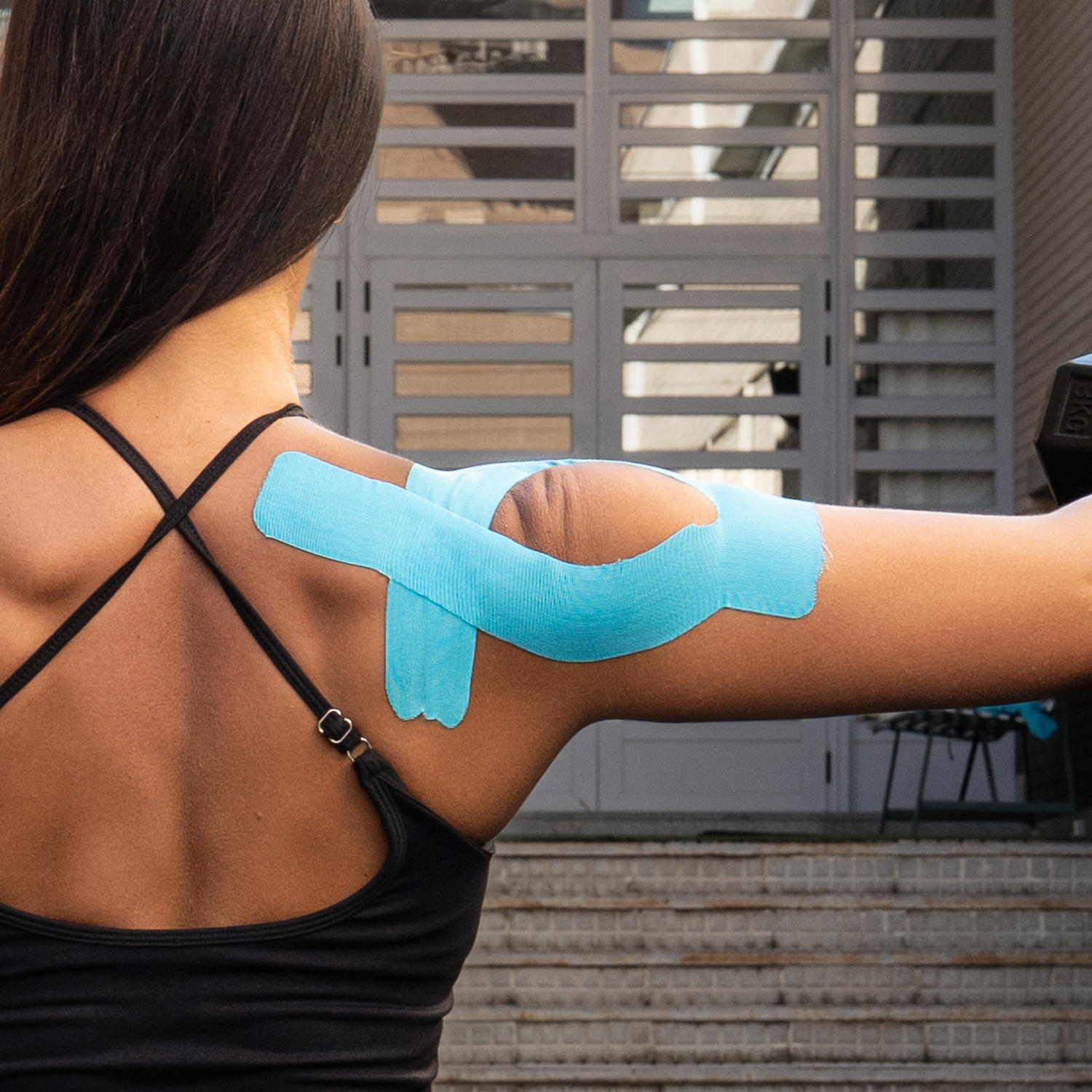
Research supports the benefits of kinesiology tape for athletes, showing positive effects on ankle function and muscle activation. For example, kinesiology tape's effect on ankle function in athletes has been documented, highlighting improved stability and proprioception. By adapting taping methods, active individuals can maintain performance and reduce injury risk.
Monitoring Progress and When to Reassess Your Approach
Track your results by noting changes in pain levels, toe alignment, and daily comfort after using kinesiology tape for toes. If you do not see improvement after several weeks, or if symptoms worsen, reassess your taping technique or consider switching products.
Regularly consult a podiatrist, especially for chronic or complex conditions. Periodic professional assessment ensures your approach to kinesiology tape for toes remains effective, safe, and aligned with your long-term foot health goals.
After learning about the many ways kinesiology tape can help you move more comfortably and support healthy toe alignment, it is clear that finding the right solution can make all the difference in your daily life. If you are ready to experience relief that keeps up with your active lifestyle—whether you are dealing with bunions, toe sprains, or just want extra support throughout the day—consider a product designed specifically for your needs. You deserve comfort that moves with you. Discover how easy it is to get started with Get Bunion Relief that Moves with You!