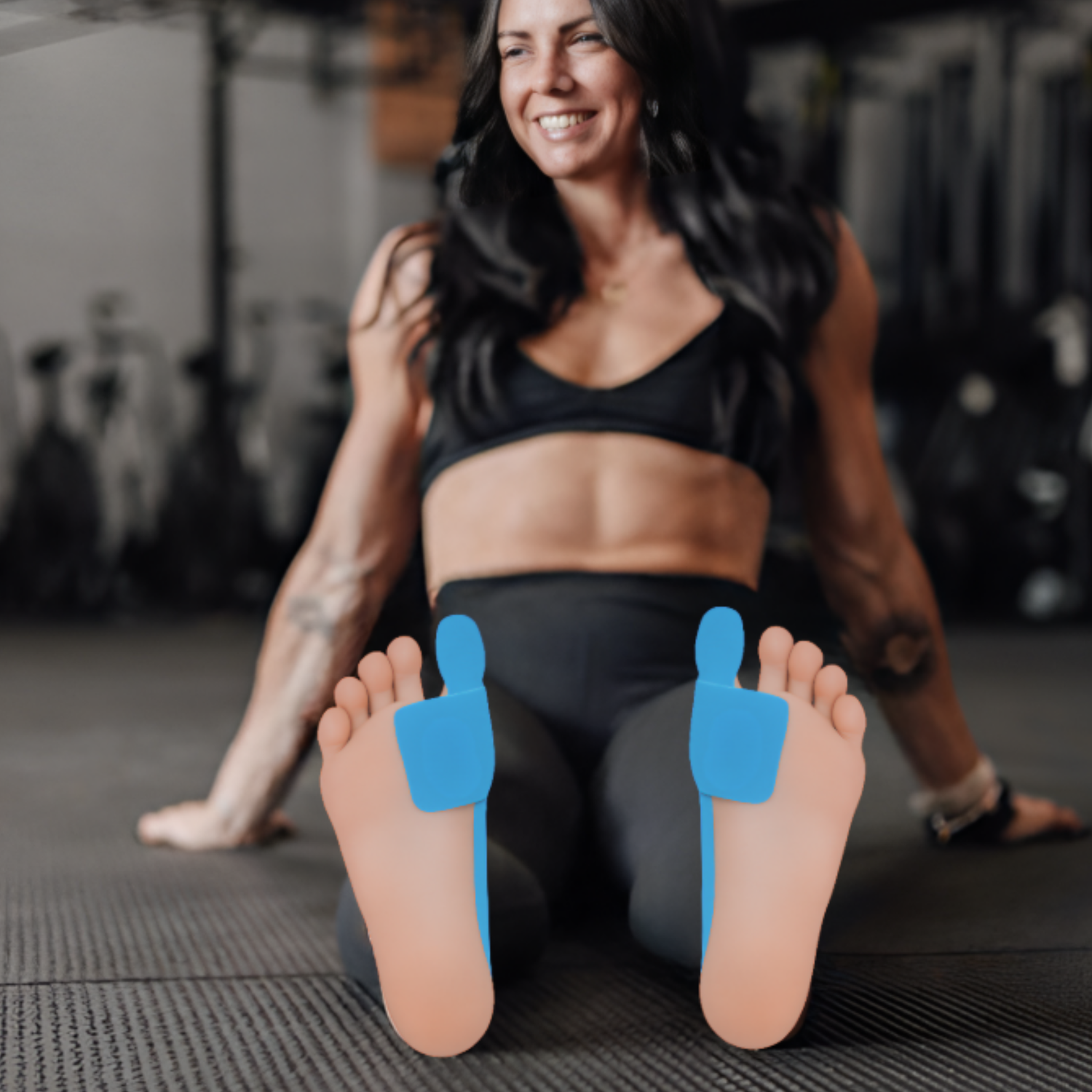
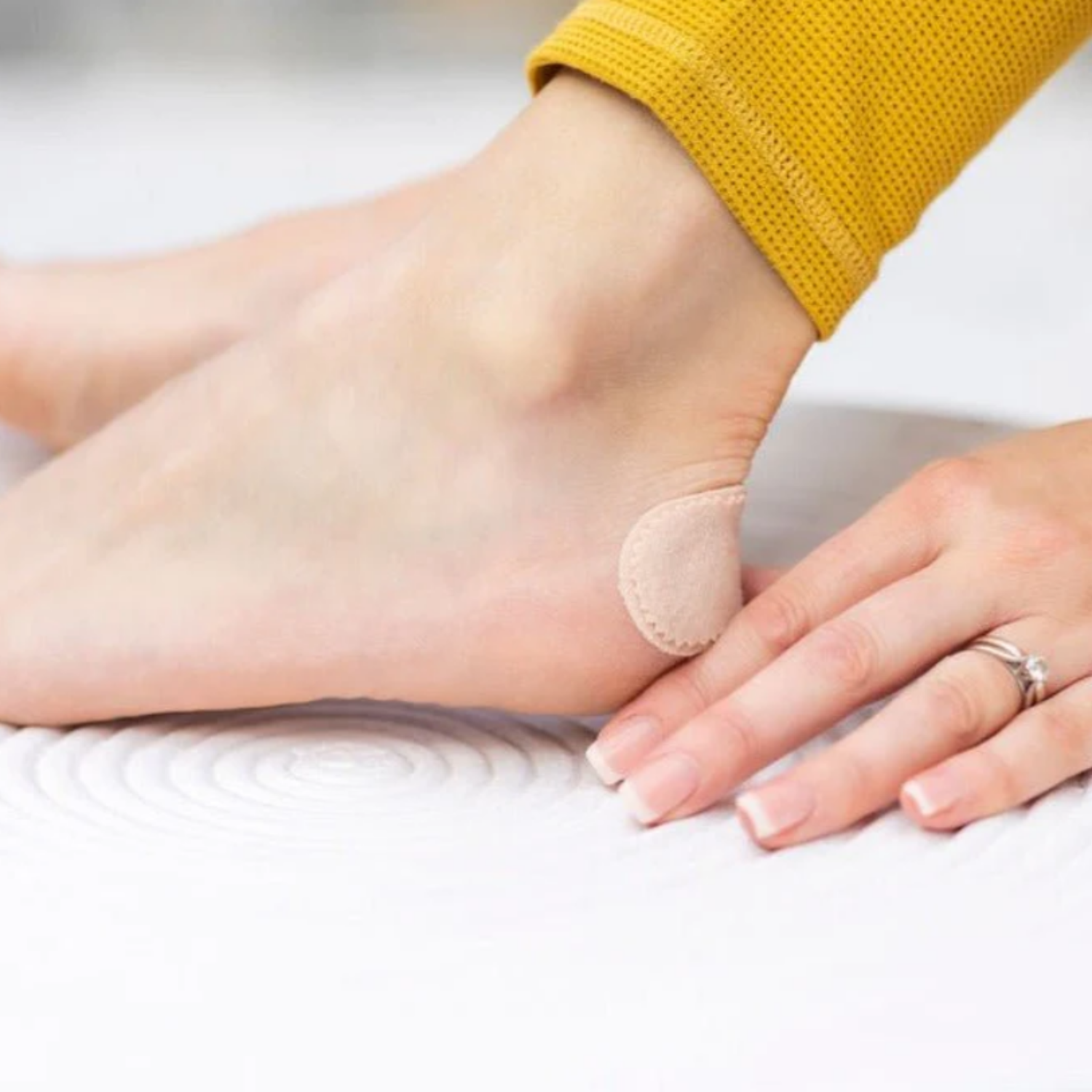


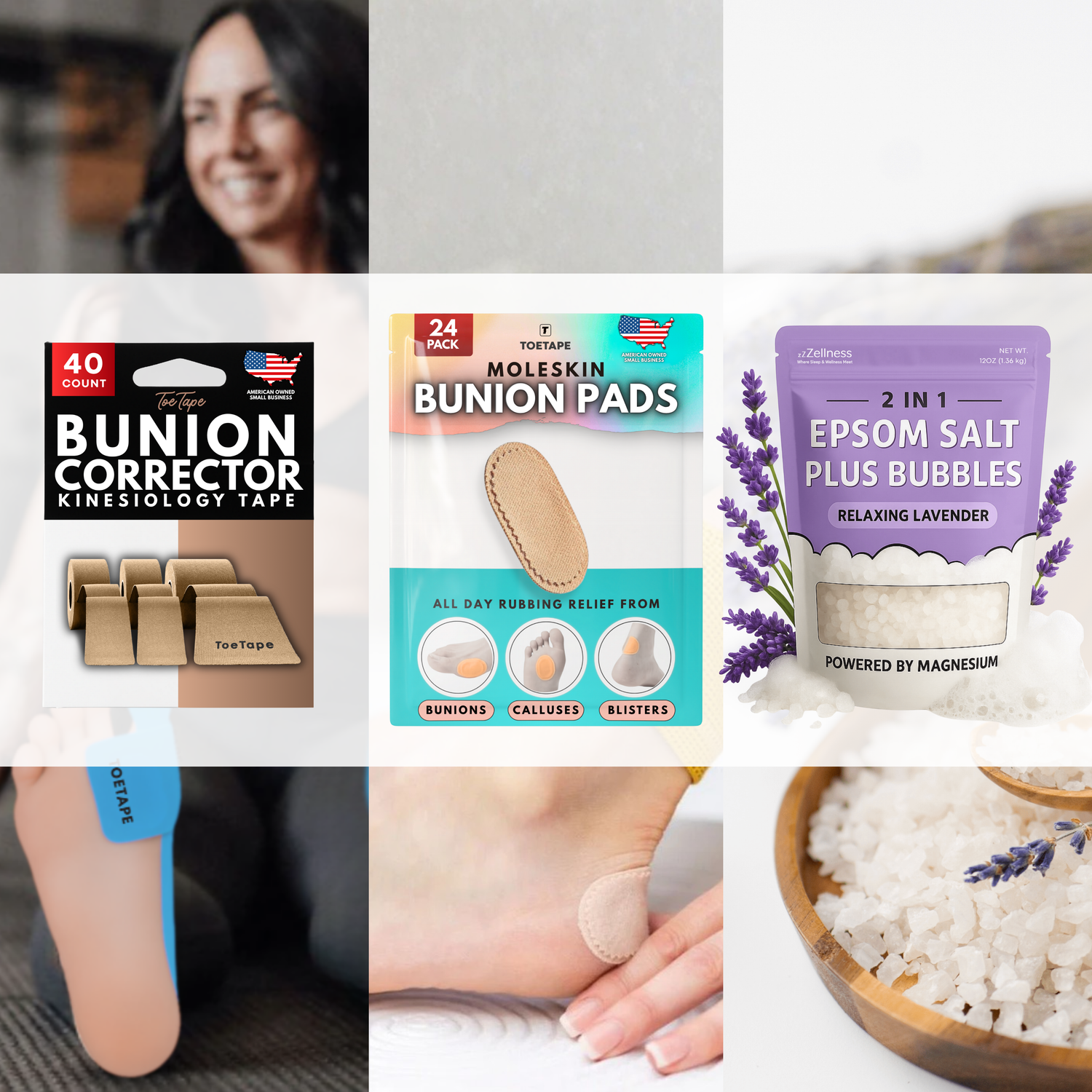
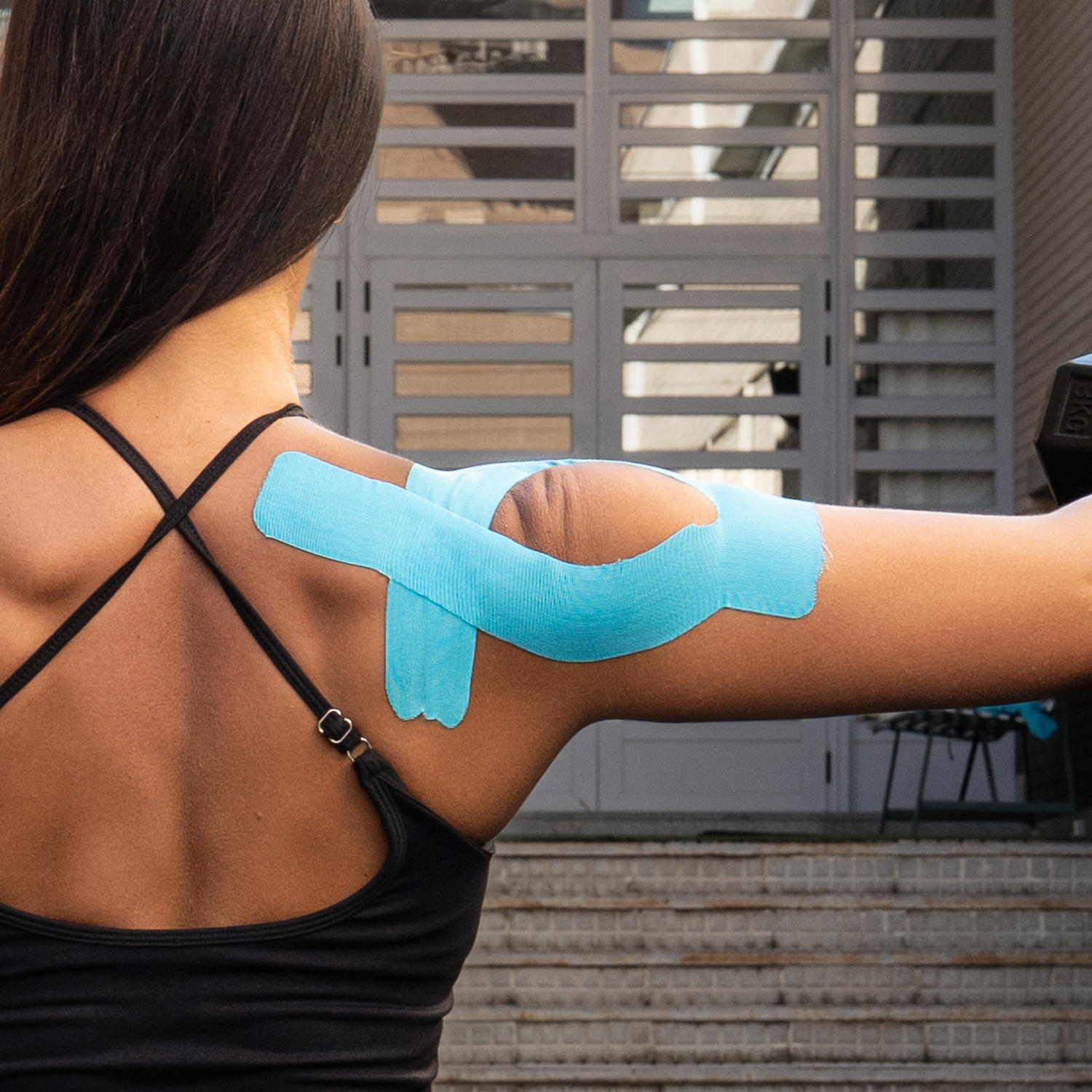

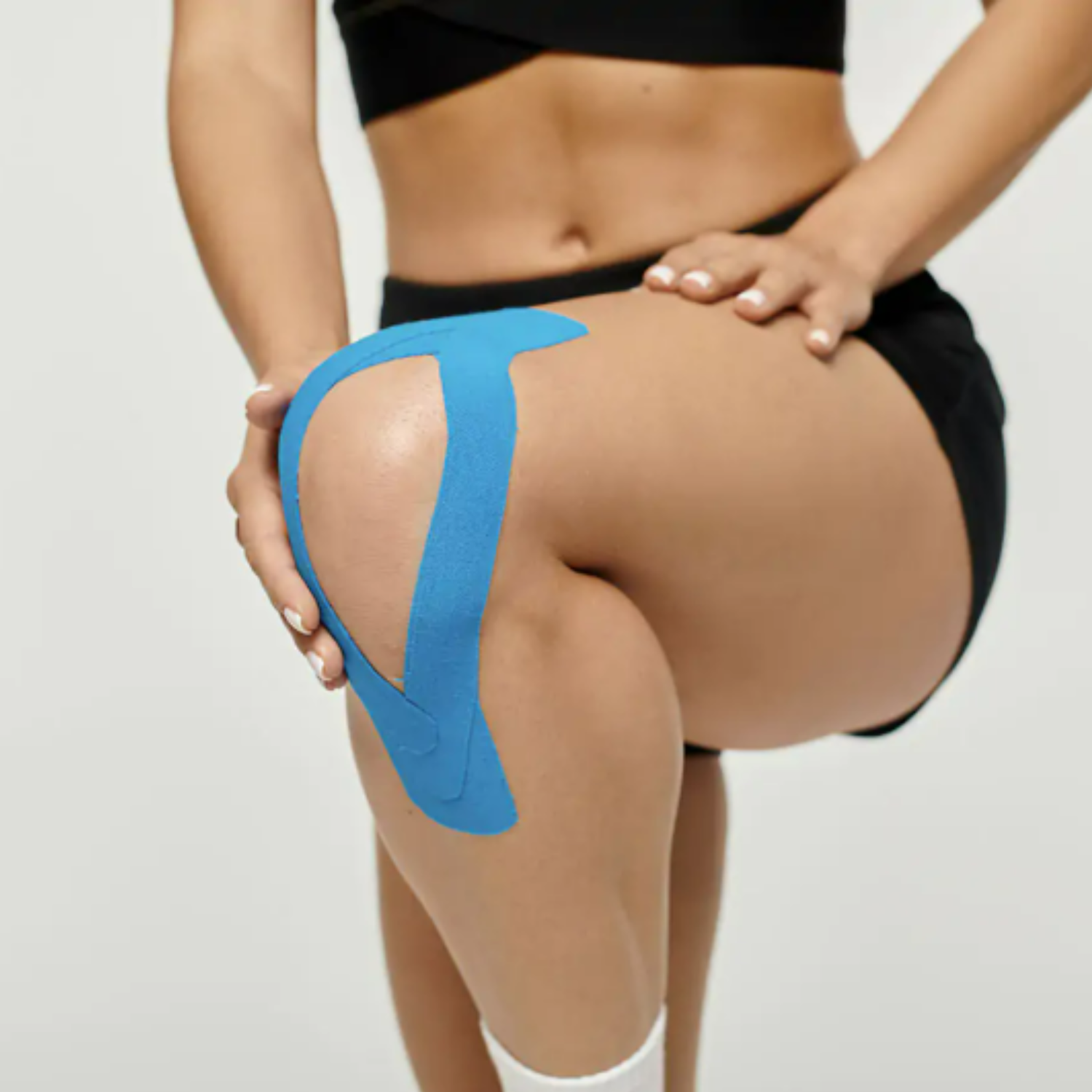












Are you tired of sore feet slowing you down? Plantar tape is changing the way athletes, professionals, and everyday individuals find foot support and pain relief in 2025.
This guide brings you the latest expert insights on plantar tape, from how it works to the best application techniques. Whether you are managing discomfort or seeking better performance, you will discover practical advice for every step.
Explore the science, compare top products, and learn proven taping methods. Start your journey to pain-free movement and optimal foot health with our comprehensive plantar tape guide.
Understanding Plantar Tape: What It Is and How It Works
Plantar tape is transforming how people manage foot pain and support their arches. By blending innovative materials with evidence-based techniques, plantar tape is now a go-to solution for athletes and anyone seeking comfort. Let us explore the science, supported conditions, and key benefits that make plantar tape a trusted choice in 2025.
The Science Behind Plantar Tape
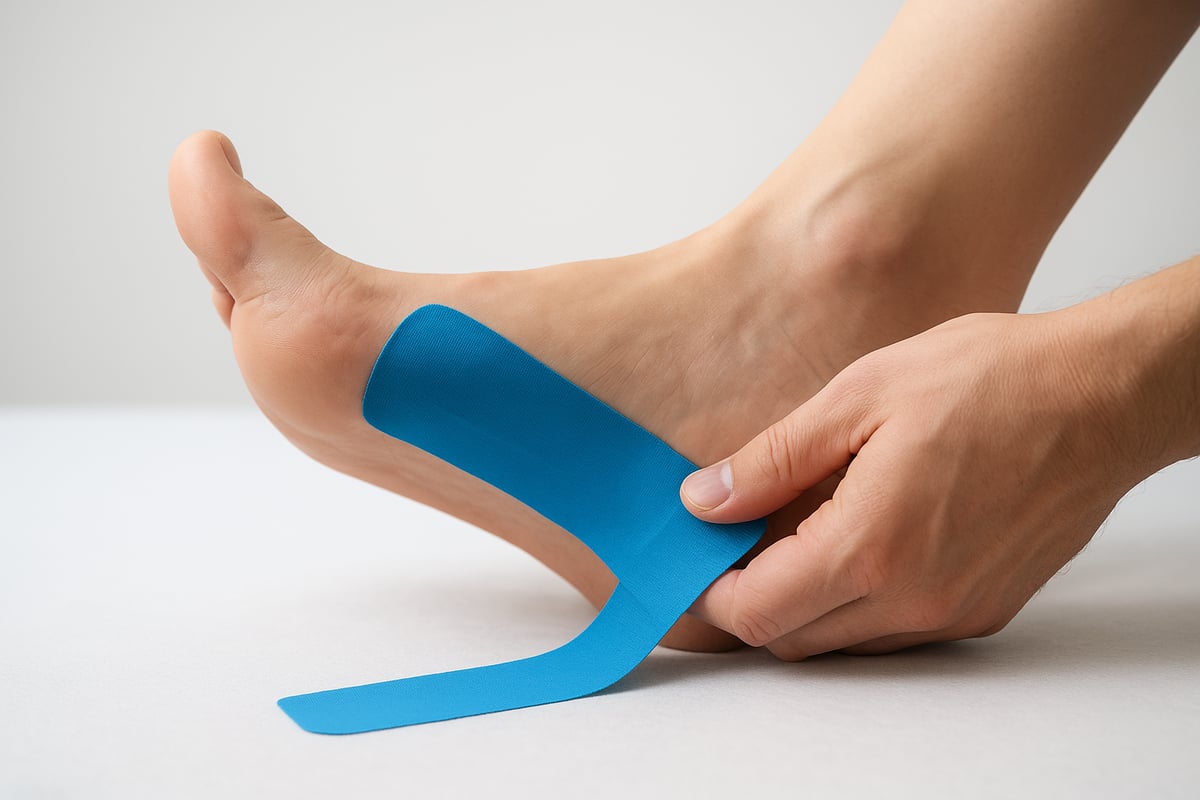
Plantar tape is designed on principles of kinesiology and athletic taping. This technique involves applying specialized tape to the foot, which gently lifts the skin. As the tape creates space beneath the skin, it helps increase blood circulation and reduce local inflammation. The tape also delivers mechanical support, reinforcing the plantar fascia and arch during movement.
Recent studies have shown that using plantar tape can lead to reduced pain and improved mobility, especially for those with plantar fasciitis. One systematic review on the clinical efficacy of athletic taping for plantar fasciitis highlights significant improvements in pain and function when taping is part of a care plan.
Unlike rigid athletic tape, plantar tape such as kinesiology options is more flexible and adapts to natural foot movement. It can help prevent injuries and support recovery by stabilizing stressed tissues. For example, competitor data indicates that plantar fasciitis accounts for about 10 percent of all runner injuries, making prevention strategies vital. Overall, plantar tape stands out as an evidence-based, non-invasive approach for managing foot conditions.
Common Foot Conditions Supported by Plantar Tape
Plantar tape is commonly used to address a variety of foot issues. The most frequent conditions include plantar fasciitis, arch pain, heel spurs, flat feet, and overpronation. Each of these problems has unique symptoms and causes, such as heel pain upon waking or discomfort after long periods of inactivity.
Taping techniques can be tailored to target specific pain points. For instance, plantar fasciitis pain typically flares in the morning or after sitting, and taping provides direct support to the affected area. Arch pain and flat feet benefit from added lift and structure, while taping for heel spurs helps distribute pressure more evenly.
Plantar tape offers a versatile solution for these ailments. By customizing the application, users can address their unique symptoms and promote healing. This adaptability makes plantar tape a practical option for a broad range of foot health challenges.
Benefits of Plantar Tape for Foot Support
The benefits of plantar tape extend beyond immediate pain relief. Many users notice improved comfort and better arch support during daily activities or sports. By reducing inflammation and swelling, the tape helps users stay active and recover faster.
Plantar tape also encourages natural foot biomechanics, supporting healthy movement patterns. It can be combined with other therapies, such as stretching routines and orthotic insoles, for a more comprehensive care plan. For example, KT Tape has been shown to promote healing and reduce pain in plantar fasciitis cases.
Whether you are an athlete or someone standing for long hours at work, plantar tape provides both symptomatic relief and functional support. With consistent use and proper technique, plantar tape can be a cornerstone of your foot health routine.
Choosing the Best Plantar Tape in 2025: Materials, Types, and Innovations
Choosing the right plantar tape in 2025 is essential for effective foot support, optimal comfort, and long-lasting results. With advances in materials and technology, today’s options are more diverse than ever. Understanding the key types, innovations, and selection criteria will help you make an informed decision for your unique needs.

Types of Plantar Tape Available
Plantar tape comes in several forms, each offering unique benefits. The main types are kinesiology tape, rigid athletic tape, and pre-cut plantar tape. Kinesiology tape is flexible and designed to mimic skin elasticity, making it ideal for dynamic support while maintaining natural movement. Rigid athletic tape provides strong, stable support and is often used for acute injuries or when immobilization is necessary. Pre-cut plantar tape is tailored for quick, consistent application and is shaped to fit the foot’s contours.
A comparison of leading brands highlights how features differ:
| Tape Type | Flexibility | Adhesive Strength | Breathability | Use Case |
|---|---|---|---|---|
| Kinesiology Tape | High | Moderate | High | Sports, daily activity |
| Rigid Athletic Tape | Low | High | Moderate | Injury, firm support |
| Pre-cut Plantar Tape | Medium | High | High | Fast, targeted taping |
For example, KT Tape Pro Extreme offers superior water resistance and durability, making it popular among athletes. Customer reviews often praise these tapes for their comfort and effectiveness. To explore a variety of options and find the latest innovations, visit the Plantar fasciitis tape collection for detailed product comparisons and user feedback.
Ultimately, the type of plantar tape you select should align with your activity level and specific foot support requirements.
Material Innovations and Comfort Features
Material innovation has transformed plantar tape into a highly specialized tool for foot care. In 2025, synthetic fabrics such as nylon and polyester now rival traditional cotton, offering enhanced durability, stretch, and moisture management. These advanced materials help keep feet dry and comfortable even during intense activity.
Skin-friendly adhesives have become standard, especially for individuals with sensitive skin. Today’s plantar tape often features hypoallergenic, medical-grade glue that reduces the risk of irritation. Breathable and sweat-resistant designs further improve user comfort, allowing for extended wear without compromising adhesion.
Precut options are now widely available, ensuring easy and accurate application. Some tapes, such as Pro Oxygen, incorporate infrared technology to promote cellular oxygenation and speed up recovery. These comfort-focused features make plantar tape a preferred choice for both athletes and people on their feet all day.
By prioritizing material quality and thoughtful design, manufacturers have made plantar tape more effective and user-friendly than ever before.
How to Select the Right Tape for Your Needs
Selecting the best plantar tape requires careful consideration of your lifestyle, foot structure, and personal preferences. Start by matching the tape type to your activity level. Kinesiology tape is well-suited for sports and active routines, while rigid tape may be better for injury recovery or high-impact support.
Consider your foot shape and any skin sensitivities. Those with flat feet or high arches may benefit from targeted support features, while people with allergies should look for hypoallergenic adhesives. Compare price points and value, balancing cost with performance and durability. Some plantar tape products are eligible for FSA or HSA reimbursement, so check your insurance plan for potential savings.
The right plantar tape can significantly enhance your comfort, mobility, and recovery. Taking the time to evaluate your options ensures optimal results and a positive user experience.
Step-by-Step Guide: How to Apply Plantar Tape for Maximum Support
Applying plantar tape correctly is essential for optimal support, pain relief, and long-lasting results. Whether you are an athlete or spend long hours on your feet, mastering the right technique can make all the difference in your daily comfort and recovery.
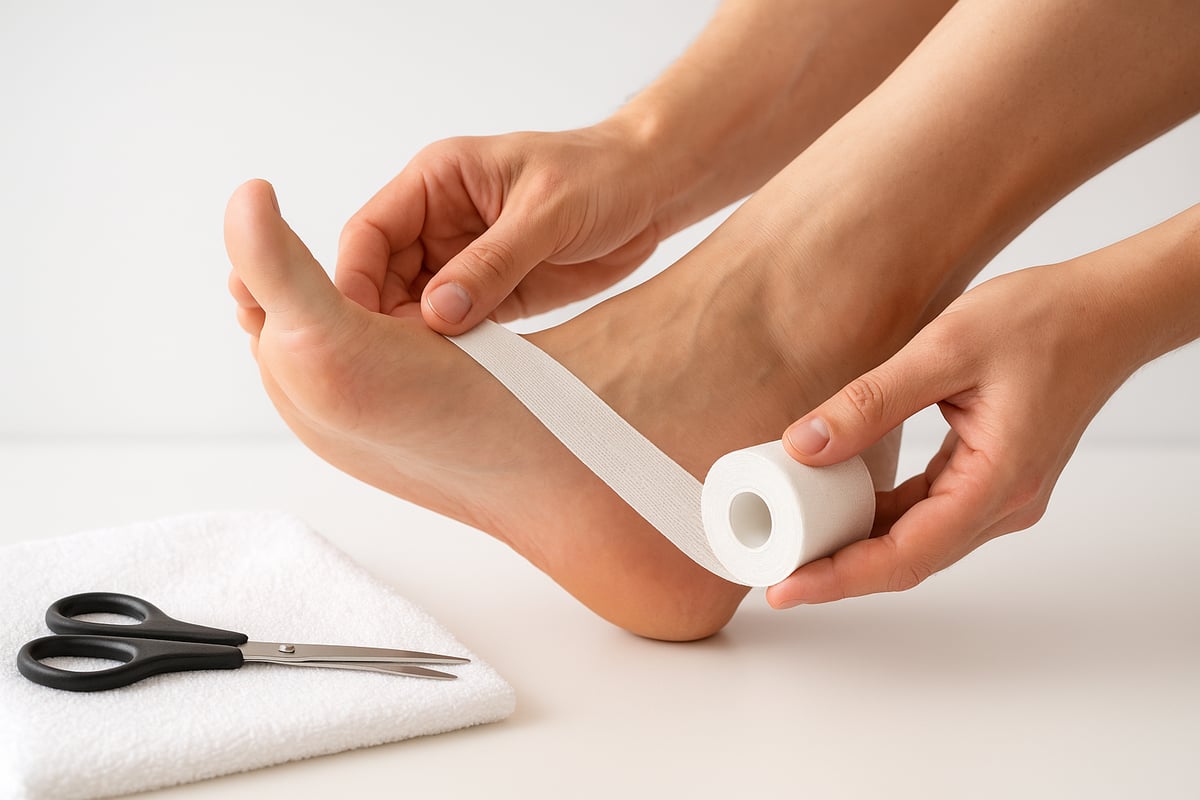
Preparation: Getting Ready to Tape
Proper preparation is the foundation for successful plantar tape application. Start by washing your foot thoroughly and drying it completely. This step helps the tape adhere securely and reduces the risk of irritation.
If you have excess hair on your foot, consider trimming or shaving it carefully. This simple measure prevents discomfort during tape removal and improves adhesion.
Gather all your supplies before you begin: plantar tape, sharp scissors, and any pre-measured strips you plan to use. Take a moment to assess your foot for areas of pain, swelling, or tenderness. Identifying these zones ensures the tape targets your specific needs.
Before you apply the tape, gently stretch your calves and the plantar fascia. This not only prepares the tissues but also makes the taping process smoother. Remember, thorough preparation prevents tape from lifting prematurely and helps maintain effective support throughout your activities. For maximum benefit, make preparation part of your regular plantar tape routine.
Chronological Application Steps
Once your foot is ready, it is time to apply plantar tape using a methodical approach. Start by measuring and cutting a strip that matches your foot's length and arch. Place the anchor point at the ball of the foot, ensuring there is no tension on the ends.
Apply moderate stretch to the tape as you guide it along the arch, moving toward the heel. Secure the tape around the heel, and if additional support is needed, extend it up toward the Achilles tendon.
Smooth the tape gently with your fingers to activate the adhesive and eliminate wrinkles. You can add more strips in an X or fan pattern for extra support, especially if you are dealing with persistent arch pain or plantar fasciitis.
If you want detailed, illustrated guidance, explore these Plantar fasciitis taping instructions for a clear step-by-step visual reference. After application, test your range of motion and comfort level. Adjust the plantar tape if needed to ensure full mobility and targeted support.
Common Mistakes and How to Avoid Them
Even experienced users can make mistakes when applying plantar tape. The most common issue is overstretching the tape, which can cause skin irritation and reduce effectiveness.
Other pitfalls include placing tape on wet or oily skin, which prevents it from sticking properly. Wrinkles and gaps in the tape may lead to blisters or reduced support. Using too much tape or applying incorrect patterns can limit mobility and comfort.
Here is a quick reference for avoiding common mistakes:
| Mistake | How to Avoid |
|---|---|
| Overstretching | Apply only moderate tension |
| Wet/oily skin | Always dry foot before taping |
| Wrinkles/gaps | Smooth tape thoroughly |
| Excessive tape | Use only as much as needed |
| Taping too tightly | Ensure circulation is not restricted |
Avoid wrapping plantar tape too tightly, as this can restrict blood flow and lead to numbness. Always check your foot after application for any signs of discomfort or skin issues.
Tips from Experts for Effective Taping
Experts recommend choosing hypoallergenic plantar tape if you have sensitive skin. Replace the tape every three to five days, or sooner if you engage in intense activity or notice reduced adhesion.
Combine taping with other therapies, such as stretching routines, icing, and supportive footwear, for comprehensive foot care. Many professionals suggest icing your foot after activity and avoiding hard surfaces when possible.
Consistency and proper technique are critical for the best results. Make plantar tape a regular part of your self-care routine, and do not hesitate to seek advice from healthcare professionals if you are unsure about your application method.
By following these expert tips, you will maximize the benefits of plantar tape and support your foot health day after day.
Expert Insights: When and Why to Use Plantar Tape
In 2025, expert recommendations highlight plantar tape as a versatile, accessible tool for foot support and pain management. With advances in both technique and materials, plantar tape is now more beneficial than ever for a wide range of users. Understanding who benefits most, when to apply it, and its limitations is essential for safe and effective results.
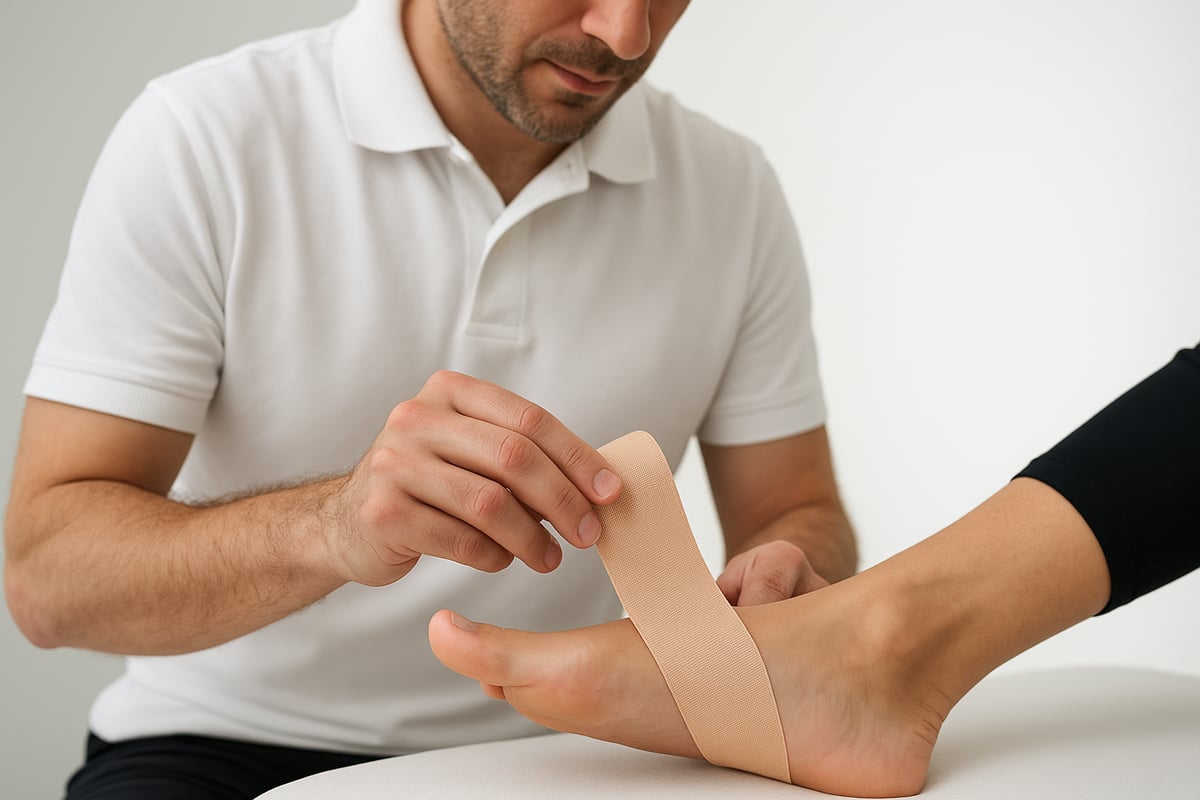
Who Should Use Plantar Tape?
Plantar tape is recommended for several groups who routinely experience foot stress or discomfort. These include:
- Athletes such as runners, dancers, and basketball players who need both injury prevention and extra support during training or competition.
- Professionals who spend long hours standing, like nurses, teachers, and retail workers, and are prone to fatigue or arch pain.
- Individuals with chronic foot issues, including plantar fasciitis, flat feet, or recurrent arch pain.
For instance, studies reveal that approximately 10% of runner injuries are related to plantar fasciitis, with morning pain being a common symptom. Applying plantar tape in these cases can help reduce daily discomfort and support healing. Experts note that plantar tape is not just for acute injuries but is also suitable for managing ongoing conditions and enhancing quality of life for those with persistent foot pain.
Situations Where Taping Is Most Effective
Plantar tape is most effective when tailored to specific activities and needs. The following scenarios are where taping delivers optimal results:
- Before engaging in sports or high-impact exercises to stabilize the arch and reduce injury risk.
- During rehabilitation after an injury, when extra support can aid in pain management and faster recovery.
- To prevent flare-ups in individuals with chronic conditions, especially during prolonged standing or walking.
- As part of a comprehensive approach, combining taping with stretching, orthotics, or physical therapy.
For example, taping is often recommended before exercise or after periods of inactivity to reduce the risk of aggravating plantar fasciitis. According to clinical practice guidelines for heel pain, taping is an evidence-based intervention for managing plantar fasciitis and can be integrated into broader treatment plans. By selecting the right taping strategy, users can maximize comfort and maintain activity levels.
Limitations and When to Seek Medical Advice
While plantar tape is a valuable tool, it does not replace professional medical care. Users should be aware of its limitations, including:
- Plantar tape is not a substitute for a thorough medical diagnosis or treatment plan, especially for severe or persistent pain.
- It should never be applied to open wounds, areas with significant swelling, or infected skin.
- Overuse or improper application can lead to skin irritation or reduced circulation.
If pain persists despite proper taping, or if new symptoms develop, it is important to consult a healthcare provider. Expert consensus emphasizes that plantar tape works best as an adjunct to other therapies, not as a standalone solution. By respecting these boundaries, users can safely enjoy the benefits of plantar tape while minimizing risks.
Plantar Tape in Your Daily Routine: Maintenance, Removal, and Aftercare
Incorporating plantar tape into your daily routine can make a significant difference in comfort and recovery. Proper maintenance, careful removal, and thoughtful aftercare are essential to maximize the benefits of plantar tape for long-term foot wellness. With the right habits, you can enjoy ongoing support and pain relief.
How to Maintain and Care for Taped Feet
Maintaining plantar tape begins with keeping your feet clean and dry throughout the day. Moisture can weaken the adhesive, so always dry your feet thoroughly after showering or swimming. If you need to bathe with tape on, cover your foot with a waterproof barrier to help preserve adhesion and prevent premature lifting.
Check your skin daily for any signs of irritation or allergic reaction. If redness, itching, or blistering occurs, remove the tape and allow your skin to recover before reapplying. For those with sensitive skin, hypoallergenic tape options are available to reduce the risk of discomfort.
Reapply plantar tape every three to five days, or sooner if the edges begin to peel or lose their grip. This ensures consistent support and minimizes the chance of skin breakdown. Consistent taping, combined with monitoring for issues, supports both comfort and healing.
For more in-depth taping instructions and guidance, refer to the Plantar fasciitis kinesiology tape guide for step-by-step visuals and expert tips.
Safe Tape Removal Techniques
Removing plantar tape correctly is crucial for skin health. Start by gently peeling the tape in the direction of hair growth, avoiding any sudden or forceful movements. If the tape resists, soak your foot in warm water or apply a small amount of oil along the tape’s edge to soften the adhesive.
Take your time during removal, especially if you have sensitive or delicate skin. Slow peeling helps prevent accidental skin tears and reduces the risk of blisters. Never rip the tape off quickly, as this can cause discomfort and potential skin damage.
After removing the tape, inspect your foot for any irritation or residue. Clean the area with mild soap and water, then allow the skin to rest before applying new plantar tape. Proper removal is just as important as application for maintaining healthy skin.
Aftercare and Complementary Therapies
After removing plantar tape, support your recovery with a well-rounded foot care routine. Incorporate gentle stretching exercises for the plantar fascia and calf muscles to maintain flexibility and reduce tension. Strengthening routines can further improve arch stability and help prevent recurrence of pain.
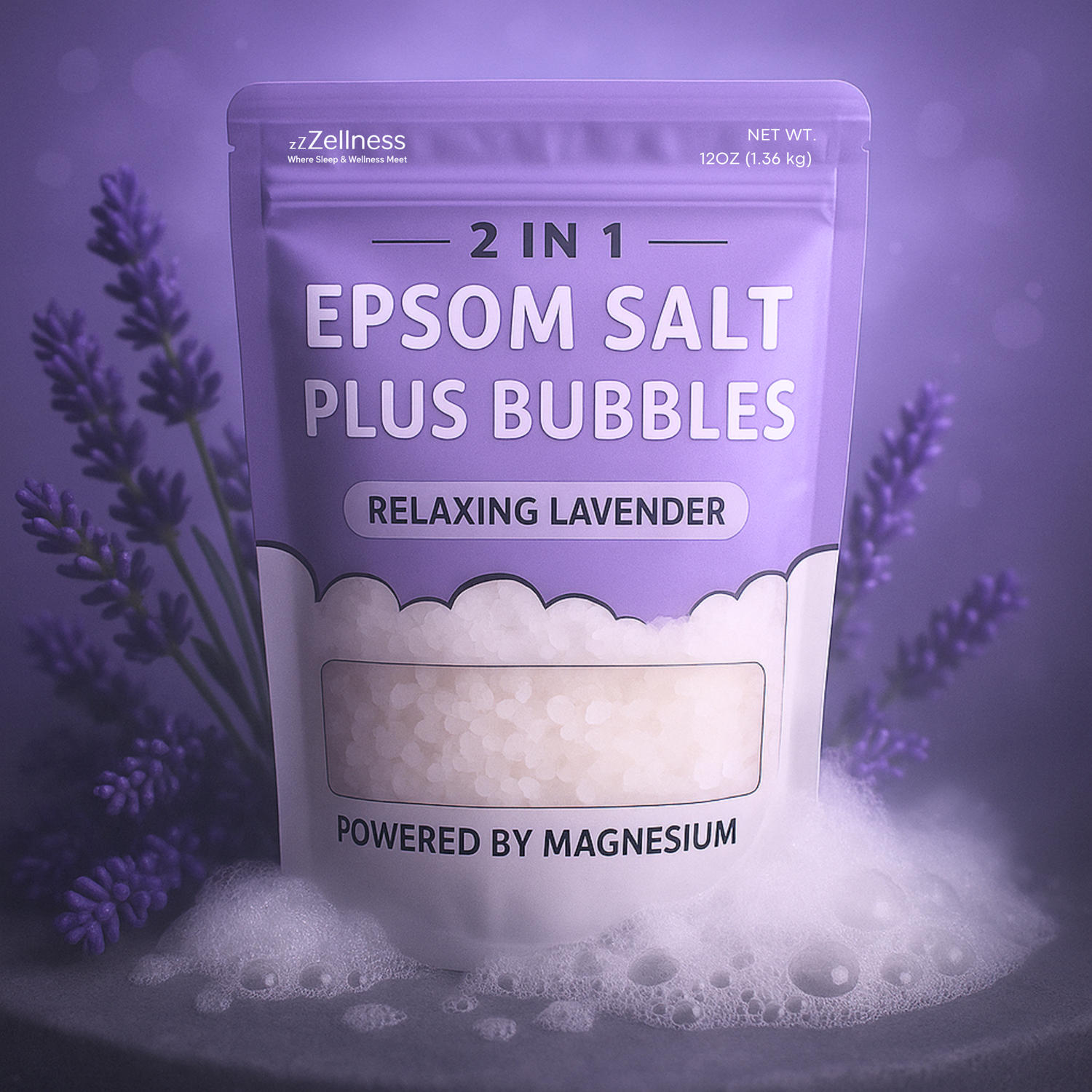
Consider using orthotic insoles or supportive footwear to enhance the effects of taping. Soothing practices such as foot soaks, ice application, and massage can ease soreness and promote circulation. For a relaxing recovery, ToeTape’s Epsom Salt + Bubbles is a popular choice for post-taping relief.
Integrating plantar tape with these complementary therapies creates a holistic approach to foot health. For more tips on managing arch discomfort and optimizing your aftercare, explore the Plantar fasciitis pain article. A balanced routine ensures you get the most from every taping session.
The Future of Plantar Tape: Trends, Technology, and What’s Next in 2025
The landscape of plantar tape is rapidly changing as new technologies, research, and user needs shape the future of foot support. From smart materials to personalized solutions, 2025 is set to deliver innovations that benefit both professionals and everyday users. Let’s explore what’s next for plantar tape and how you can stay ahead.
Emerging Technologies in Plantar Tape
Technological advancements are transforming plantar tape into a smarter, more effective tool for foot health. In 2025, smart tapes with embedded sensors are emerging, offering real-time feedback on pressure distribution and movement patterns. These innovations help users monitor their progress and adjust their taping technique for optimal results.
Manufacturers are also investing in eco-friendly materials, creating tapes that are biodegradable and sustainable without compromising performance. Infrared-infused plantar tape is now available, aiming to enhance cellular recovery and reduce healing times. The future of plantar tape is focused on blending technology, sustainability, and user comfort.
New Research and Clinical Evidence
The scientific community continues to investigate the effectiveness of plantar tape for various foot conditions. Recent studies highlight improvements in pain relief, mobility, and injury prevention. For instance, research into Low-Dye taping's effect on rearfoot motion reveals how specific taping methods can influence gait and plantar pressure, supporting better technique selection.
Additionally, studies on arch-taping techniques show measurable changes in plantar pressures and navicular height, helping clinicians refine their approach. As clinical evidence grows, the role of plantar tape is becoming more defined, with data-driven recommendations guiding both healthcare providers and users.
Customization and Personalization
Personalization is a key trend in plantar tape for 2025. Precut, anatomical designs now cater to a wide range of foot shapes and sizes, making application easier and more effective. DIY taping kits, often paired with instructional apps and video guides, empower users to achieve professional-level results at home.
Brands are also leveraging data from wearables to suggest custom taping patterns based on activity levels and foot biomechanics. This tailored approach ensures that plantar tape delivers targeted support, maximizing comfort and performance for every individual.
The Evolving Role of Plantar Tape in Foot Health
Plantar tape is no longer reserved for athletes alone. Its adoption is expanding among healthcare professionals, sports therapists, and individuals seeking proactive foot care. Telehealth integration allows users to receive remote guidance on taping techniques, making plantar tape more accessible than ever.
In clinics, plantar tape is being combined with other therapies for comprehensive pain management. As its benefits become widely recognized, plantar tape is becoming a cornerstone of modern foot health strategies, supporting prevention, recovery, and long-term well-being.
Tips for Staying Updated and Informed
To keep pace with the evolving world of plantar tape, it’s important to stay connected with reputable sources. Follow leading brands, podiatrists, and sports therapists for the latest research and product releases. Participate in online forums and support groups to share experiences and gain practical tips.
Mobile apps and educational resources now provide step-by-step tutorials, helping users master new taping methods. By staying informed, you can ensure you’re making the most of plantar tape’s innovations and maintaining optimal foot support throughout 2025.
You’ve learned how plantar taping can be a game changer for foot support, whether you’re managing plantar fasciitis or just want to move more comfortably throughout your day. As we’ve explored, the right tape can make all the difference in providing reliable, all day arch support and lasting relief. If you’re ready to take the next step toward pain free movement and healthier feet, discover a solution engineered for real results—Get All Day Arch Support for Plantar Fasciitis. Your feet will thank you for the comfort and stability you deserve.