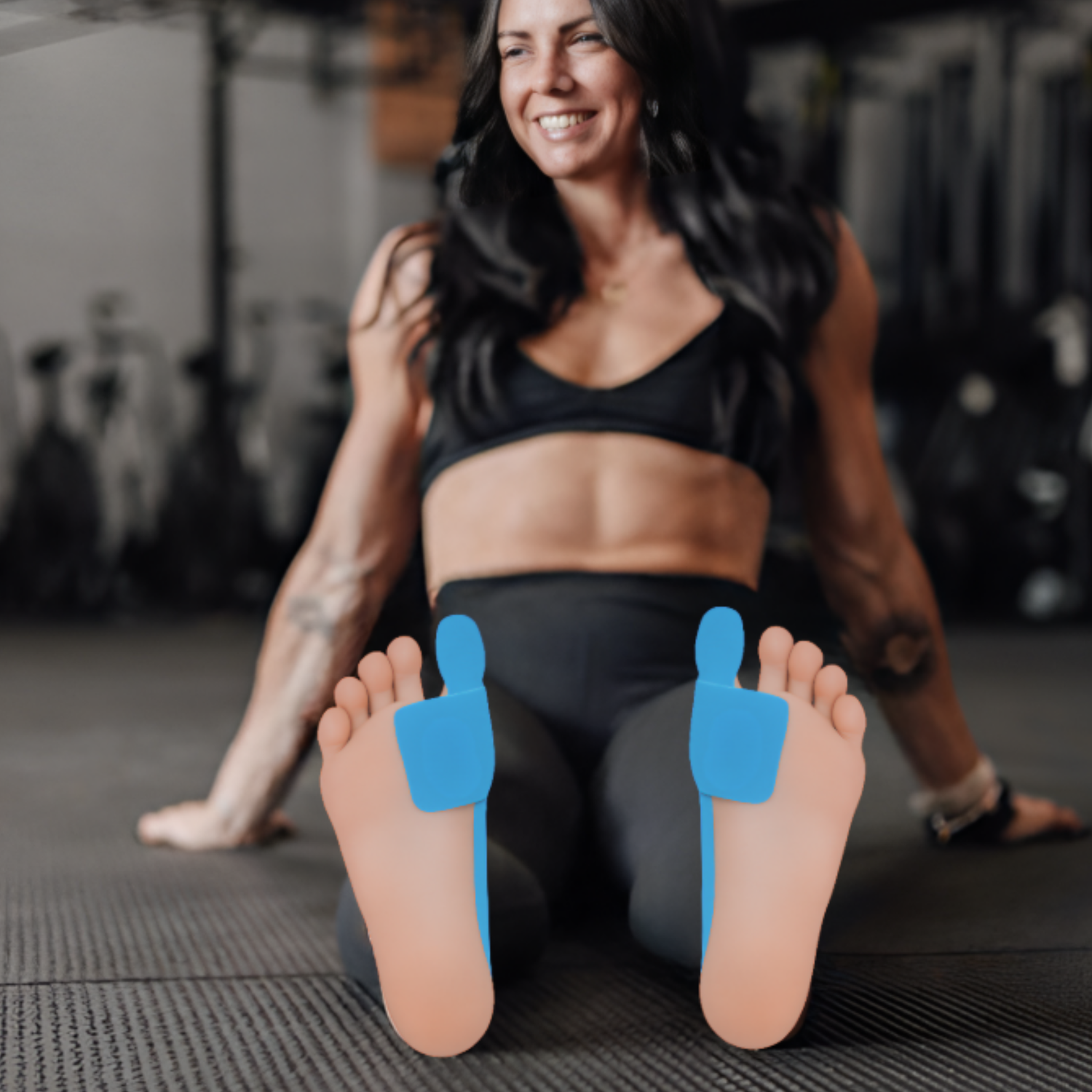
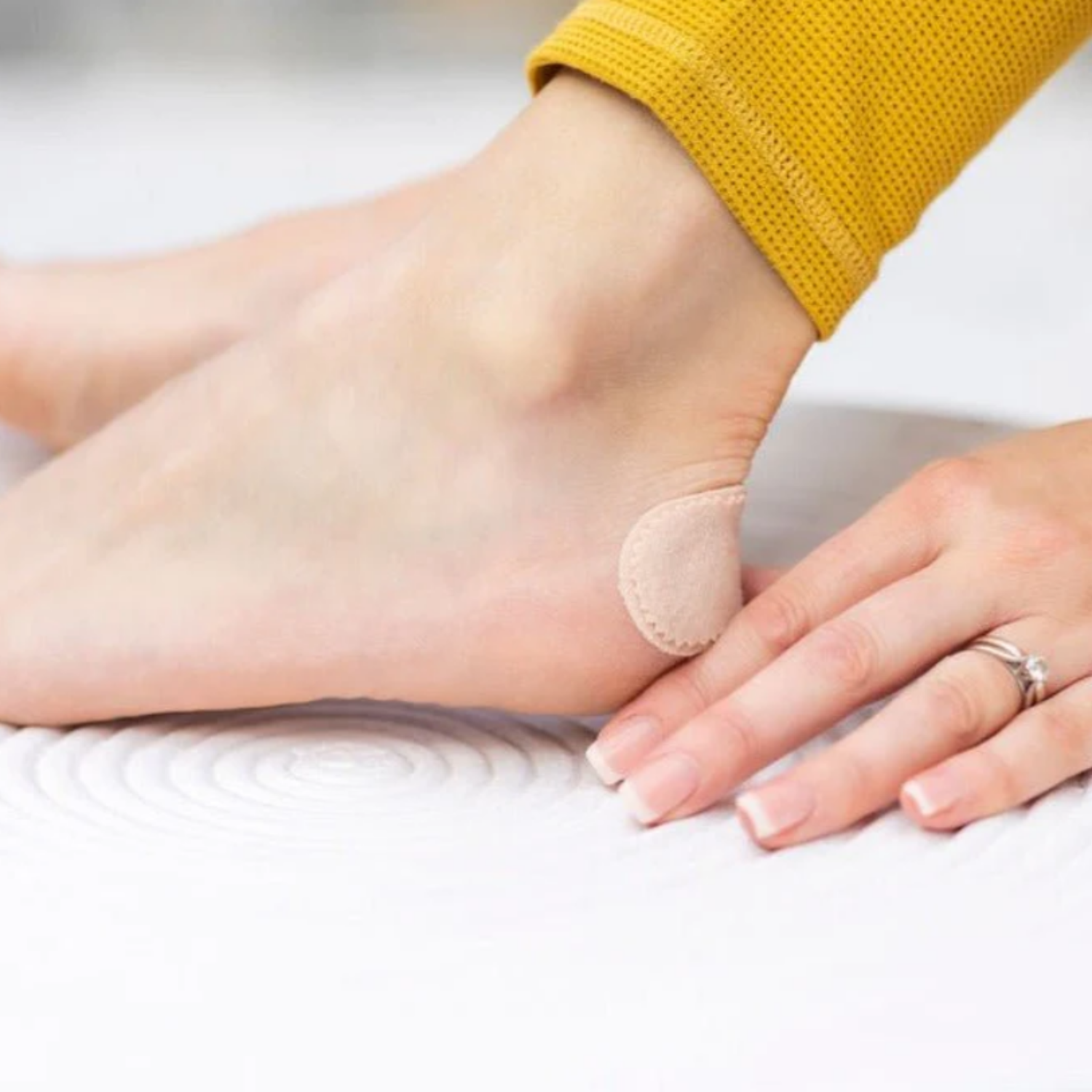

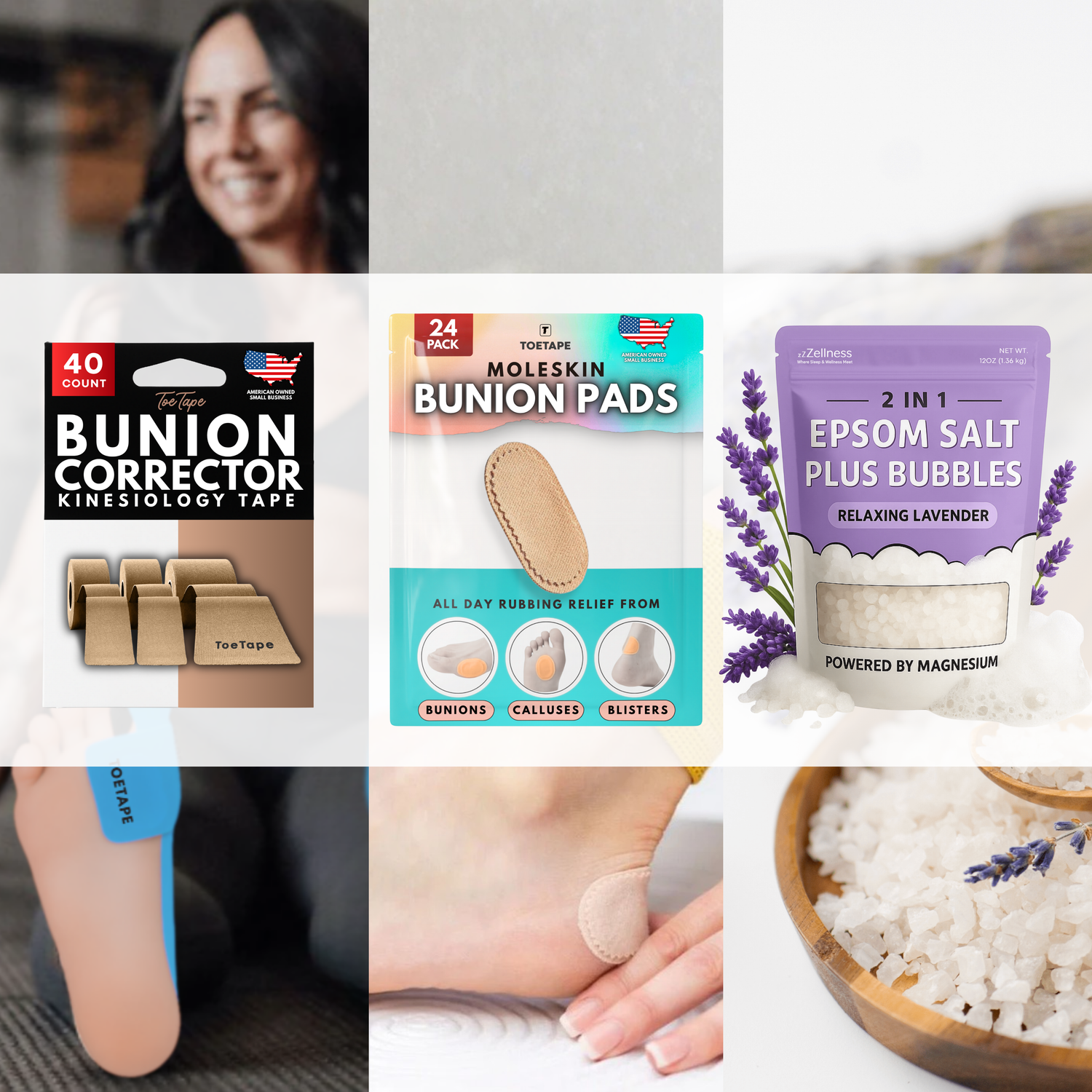









Precut kinesiology tape has become a game-changer for athletes, active individuals, and anyone seeking quick pain relief in 2025. As demand for fast, effective pain management rises, more people are turning to the convenience and versatility of precut kinesiology tape for both prevention and recovery.
This expert guide provides the latest insights into what makes precut tape unique, how it works, and proven application techniques. Discover top product picks and essential buying tips tailored for 2025. Whether you are new to taping or looking to maximize results, learn how to make informed choices for your health and activity goals.
What Is Precut Kinesiology Tape?
Precut kinesiology tape has quickly become a must-have for athletes and anyone seeking quick, reliable support for muscles and joints. This innovative tape is designed for easy, efficient use, making it accessible even to beginners. Understanding what sets precut kinesiology tape apart can help you choose the right solution for your needs.
Definition and Key Features
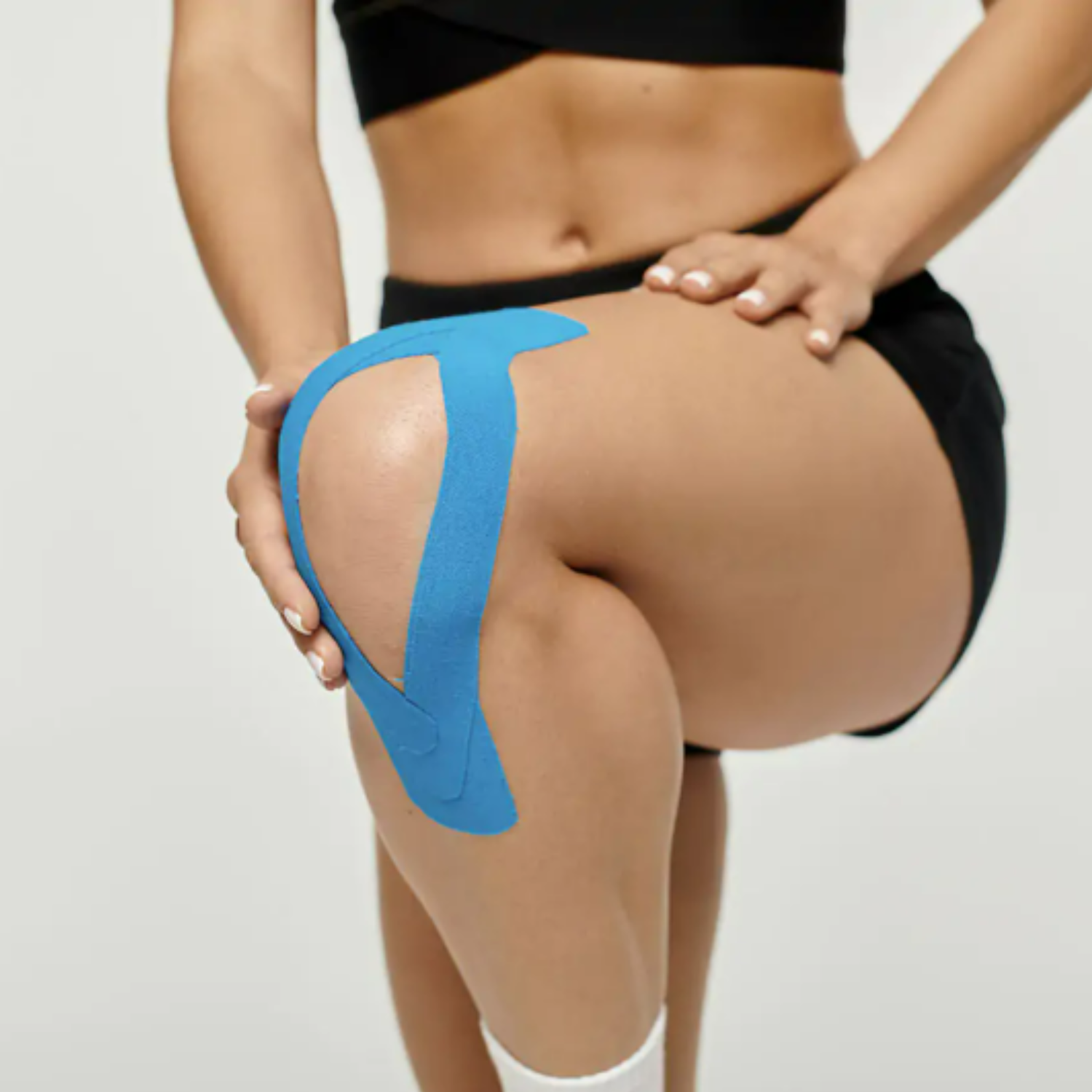
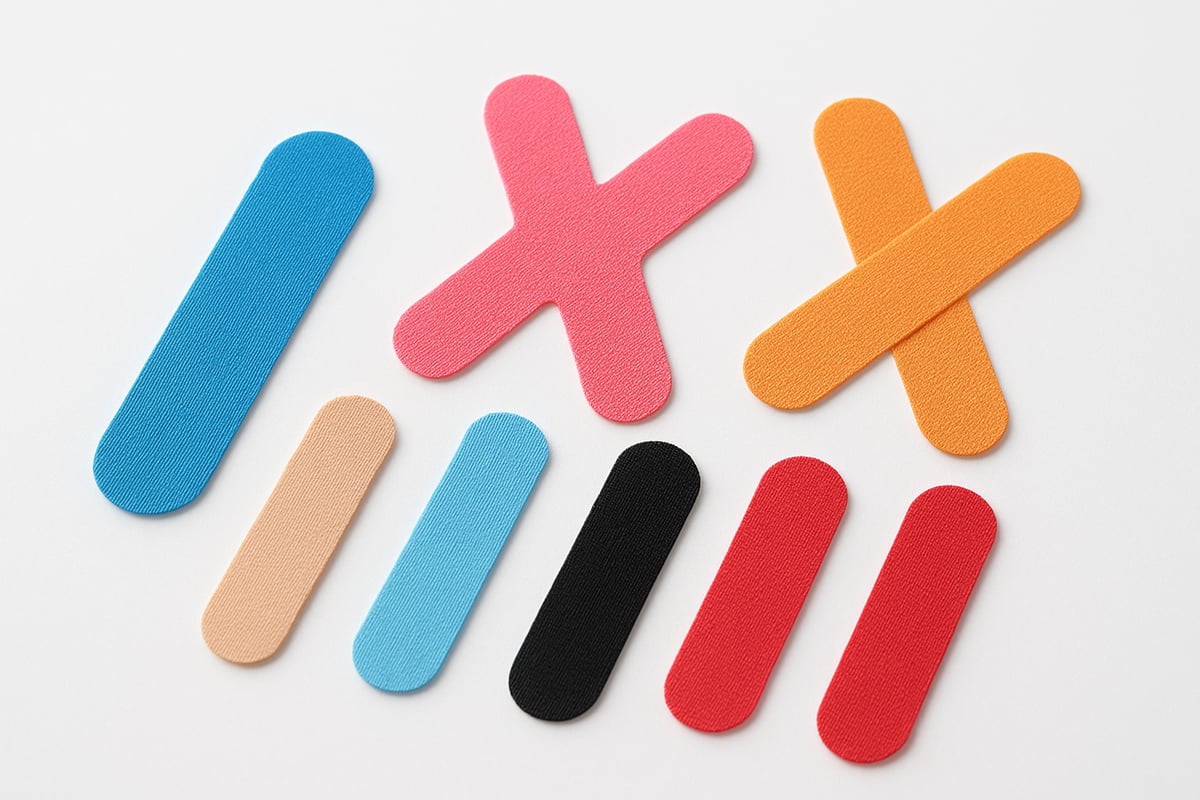
Precut kinesiology tape differs from traditional rolls by offering ready-to-use strips in specific shapes. While traditional rolls require manual measuring and cutting, precut options come in I-strips, Y-strips, and X-strips, each tailored for targeted support. I-strips are versatile, Y-strips provide support around joints, and X-strips conform to complex areas.
Most precut kinesiology tape is made from cotton or synthetic fibers. Cotton is breathable and comfortable, while synthetic materials offer extra durability and water resistance. Hypoallergenic choices are available for sensitive skin. Leading brands like KT Tape and Kinesiology Sports Tape UK highlight features such as water resistance, skin-friendliness, and rounded corners to help prevent peeling or fraying. Competitors often promote the convenience and speed offered by these pre-shaped strips.
How Precut Tape Works
The science behind precut kinesiology tape centers on its ability to gently lift the skin, which can improve local circulation and lymphatic flow. This process is thought to reduce pain and inflammation while providing support to muscles and joints. By following specific tension guidelines, users can achieve the right balance between flexibility and stability.
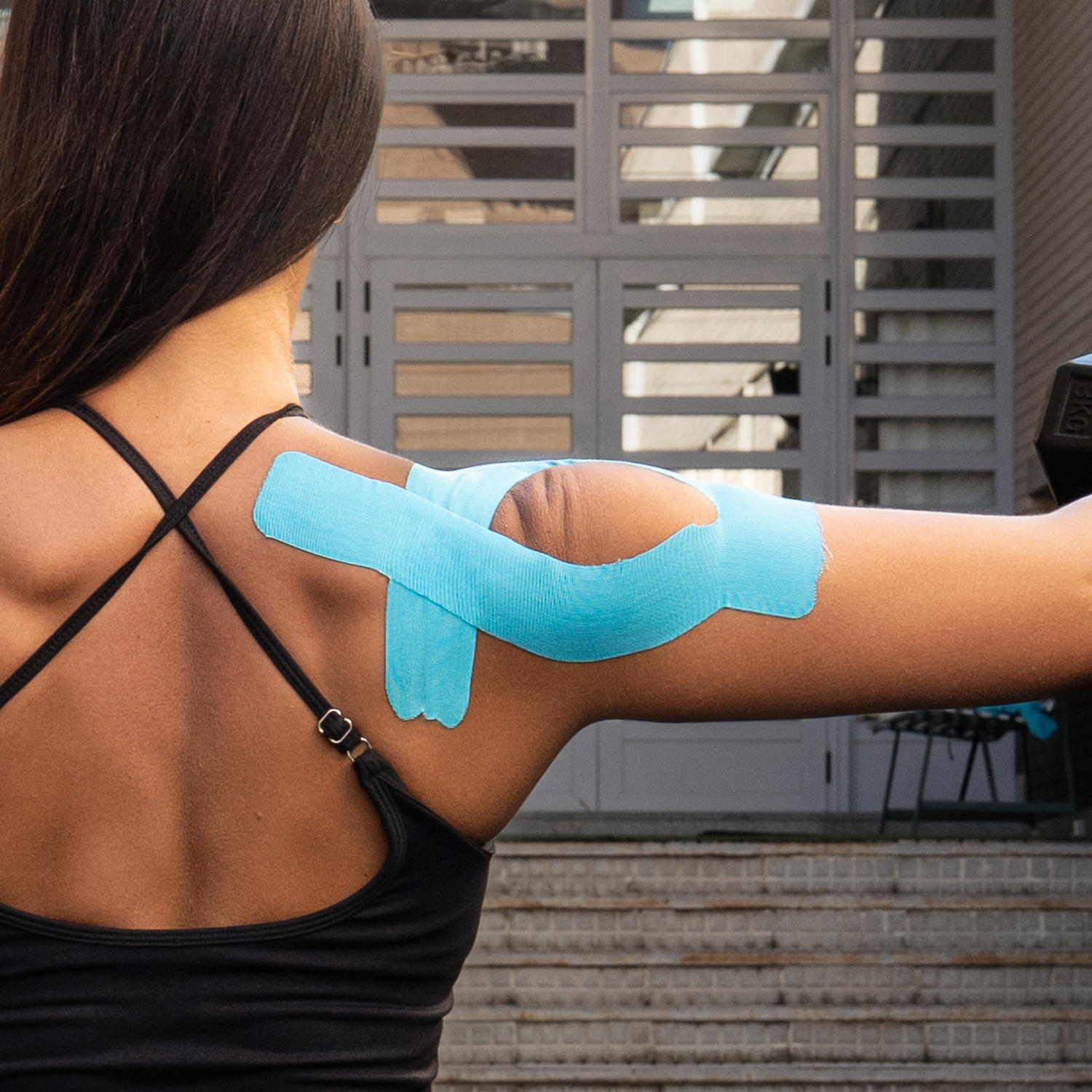
Precut shapes are designed to match the contours of key body parts, such as knees, shoulders, and feet, maximizing the tape's effectiveness. Clinical research, such as the findings in the Short-Term Effectiveness of Precut Kinesiology Tape, supports its use in managing pain, particularly for shoulder injuries. Many users report positive outcomes in customer testimonials, especially when following proper application techniques.
Benefits Over Standard Rolls
One of the primary advantages of precut kinesiology tape is its fast, simple application, which is ideal for both beginners and those needing quick relief on the go. Each strip is cut to a consistent length and shape, ensuring repeatable, reliable results. This approach also reduces tape waste compared to cutting strips manually.
Precut kinesiology tape is safer for sensitive skin, thanks to rounded edges that minimize peeling and irritation. Many products, such as KT Tape precut strips, are designed to last for several days, even with exposure to showers or swimming. Competitor reviews often highlight the tape's multi-day durability and ease of use.
Common Uses in 2025
In 2025, precut kinesiology tape is widely used for sports injury prevention, pain management, and recovery. It is popular among runners, gym enthusiasts, and office workers seeking relief from conditions like arthritis, plantar fasciitis, and back pain. The tape offers support for joints and muscles during workouts, making it a staple for active lifestyles.
With the rise of telehealth and at-home therapy, more people are turning to precut kinesiology tape for self-care. Common applications include the face, neck, shoulder, back, elbow, wrist, knee, calf, and ankle. Its versatility and ease of use continue to drive demand across various age groups and fitness levels.
Expert Application Tips for Precut Kinesiology Tape
Applying precut kinesiology tape properly is essential for achieving the best results in pain relief, injury support, and long-lasting wear. Even small mistakes can affect performance or comfort, so following expert guidance helps ensure success with every application.
Step-by-Step Application Guide
For optimal results, start with clean, dry, oil-free skin. Remove any lotions, sweat, or dirt from the area where you will place the precut kinesiology tape. This helps the adhesive bond strongly and prevents peeling.
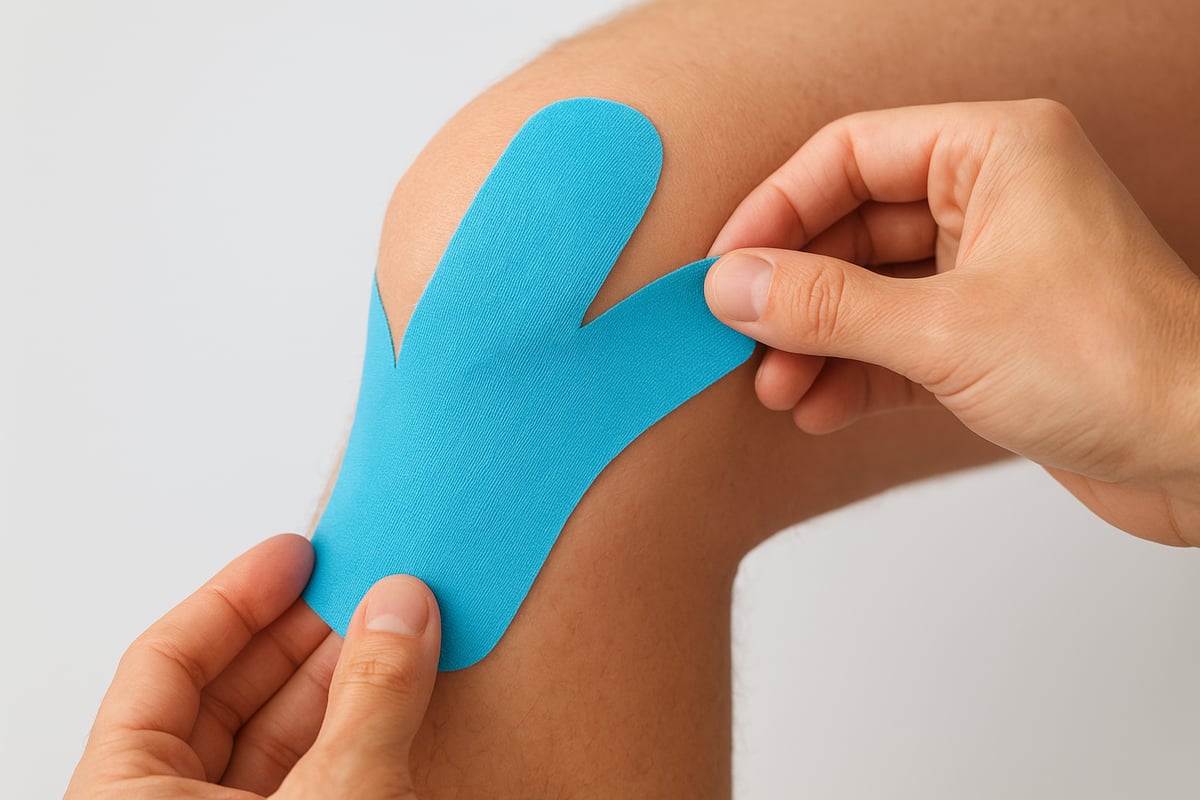
Choose the correct precut shape for your body part, such as I-strips for straight areas or Y-strips for joints. Measure the tape against your skin to ensure proper fit before removing the backing. Carefully peel away the backing, holding the tape by the ends to avoid touching the adhesive.
Apply the precut kinesiology tape with gentle, even pressure, following the direction of the muscle or joint. Activate the adhesive by rubbing the tape after placement. Pay attention to the rounded corners, as these are designed to prevent lifting and fraying.
Use the right amount of stretch: follow manufacturer guidelines and avoid overstretching, which can lead to skin irritation. For common areas like the knee, shoulder, or foot, precise placement is crucial. For more detailed visual guidance, see these step-by-step taping instructions for precut kinesiology tape.
To remove the tape, gently peel it back in the direction of hair growth, supporting the skin as you go. If needed, soak the tape with warm water to ease removal and reduce irritation.
Mistakes to Avoid
Avoid applying precut kinesiology tape to damp, oily, or unclean skin, as this weakens adhesion and shortens wear time. Never overlap strips incorrectly, which can cause blisters or poor support. Using too much stretch increases the risk of skin irritation and discomfort.
If you cut tape manually, always round the corners to mimic the design of precut kinesiology tape and prevent premature lifting. Ignoring specific manufacturer instructions for each body part can lead to ineffective taping or injury. Never reapply tape over irritated or broken skin.
Maximizing Tape Effectiveness
To make precut kinesiology tape last 1-3 days, avoid excessive sweating or rubbing immediately after application. Allow the adhesive to set for at least an hour before showering or swimming. Taping before workouts offers the best support and comfort.
Rotate application areas to prevent skin sensitivity, especially for frequent users. Choose hypoallergenic or latex-free options if you have sensitive skin. Many leading brands highlight water resistance and durability, so select products that match your activity level and skin needs.
When to Seek Professional Help
If you experience skin reactions, redness, or allergies after applying precut kinesiology tape, discontinue use immediately and consult a healthcare provider. Persistent pain or complex injuries may require assessment and custom taping by a physiotherapist.
Remember, precut kinesiology tape is not a substitute for professional medical care. If you are pregnant, have cancer, or have underlying health conditions, consult your doctor before using tape, as advised by top brands. Seek advice if you are unsure about correct taping techniques or if symptoms persist.
Top Precut Kinesiology Tape Products of 2025
Choosing the right precut kinesiology tape in 2025 means understanding what each top product offers. With new advancements in materials, adhesives, and design, the market now caters to a wide range of users, from professional athletes to those seeking everyday pain relief. This section reviews the most trusted brands, compares their features, and covers what to look for when buying.

Leading Brands and Models
When searching for the best precut kinesiology tape, KT Tape Original Cotton Precut Strips stand out for their balance of comfort, color options, and reliability. These strips are made from breathable cotton, available in packs of 20 or more, and come in a wide spectrum of colors from classic black to vibrant neon shades. KT Tape is known for its hypoallergenic adhesive, rounded edges to prevent peeling, and user-friendly dispenser packaging.
Kinesiology Sports Tape UK Precut Strips offer a synthetic alternative. The synthetic material is designed for greater durability and long-lasting adhesion, even during intense workouts or swimming. These strips often feature extra-strong glue and moisture-wicking properties, making them suitable for high-sweat environments.
Comparing cotton and synthetic precut kinesiology tape, cotton is typically softer and more breathable, while synthetic tape offers superior water resistance and longevity. Both leading brands are latex-free and offer hypoallergenic options, making them suitable for sensitive skin.
User ratings reflect these strengths. For example, KT Tape receives an average of 4.4 stars from over 1,400 reviews on Walmart. Multi-pack options and varied strip shapes (I, Y, X) allow users to tailor their choice to their activity level and body part. With so many choices, it is easy to find the right precut kinesiology tape for any need.
Product Comparison Table
To help you compare top precut kinesiology tape products, see the table below:
| Brand | Material | Strip Count | Water Resistance | Hypoallergenic | Price | FSA/HSA Eligible |
|---|---|---|---|---|---|---|
| KT Tape Original Cotton | Cotton | 20 | Yes | Yes | $11.97 | Yes |
| Kinesiology Sports Tape UK | Synthetic | 20 | Yes | Yes | $12.99 | Yes |
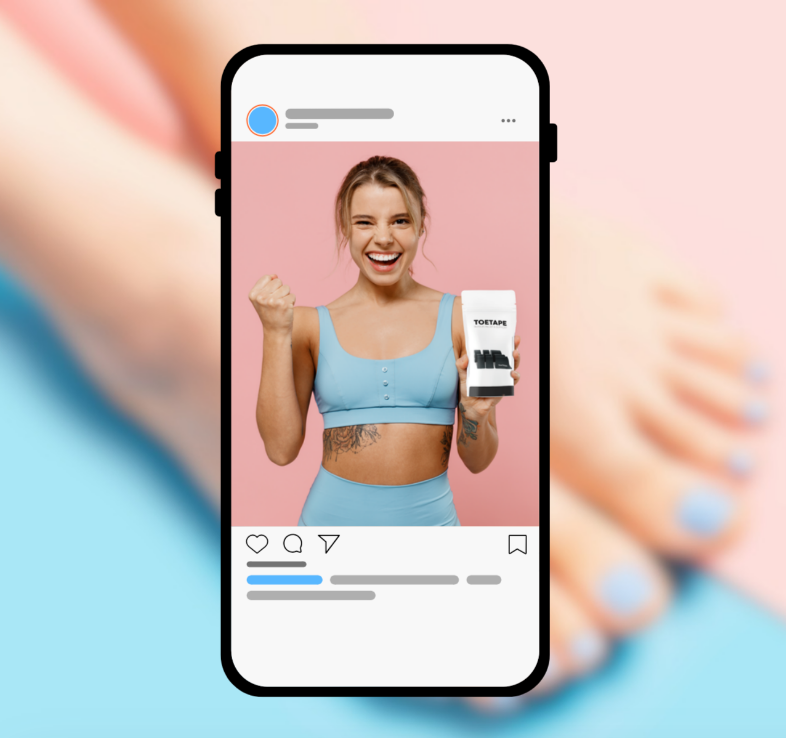
| ToeTape Precut for Toes | Cotton | 12 | Yes | Yes | $9.99 | Check |
Each of these leading brands delivers consistent strip sizes, reliable adhesion, and easy application. Choosing the best precut kinesiology tape comes down to matching the material, pack size, and price to your personal needs.
Specialized Precut Tapes for Different Needs
The market for precut kinesiology tape now includes specialized options for unique requirements. Sports-specific tapes are tailored for runners, CrossFit athletes, and volleyball players, providing targeted support for high-impact activities. For those with sensitive skin, brands offer hypoallergenic and latex-free strips, while children’s options feature gentler adhesives and smaller sizes.
Extra-strong adhesive tapes are ideal for swimmers or those who sweat heavily during workouts. Compact and travel-friendly packaging is also available, making it easy to carry tape to the gym or on trips. If you need support for bunion pain or toe alignment, explore this Kinesiology tape for bunions guide for insights into specialized foot tapes such as ToeTape.
With so many varieties, finding the right precut kinesiology tape for your activity and skin type is easier than ever.
Where to Buy and What to Look For
You can purchase precut kinesiology tape from major retailers such as Amazon, Walmart, and official brand websites. When shopping, read customer reviews for honest feedback on durability and comfort. Look for clear warranty and return policies; many sellers offer 30-day refunds for unopened packages.
Check for FSA or HSA eligibility to save on healthcare expenses. Subscription services are ideal for regular users, and some brands provide free shipping promotions. Always buy authentic products from reputable sources to ensure you receive high-quality precut kinesiology tape that delivers the expected results.
Choosing the Right Precut Kinesiology Tape for You
Selecting the right precut kinesiology tape can make a significant difference in your comfort, support, and overall results. With so many options available, understanding what matters most will help you invest wisely and achieve the best possible outcomes.

Factors to Consider Before Buying
When shopping for precut kinesiology tape, start by evaluating the material. Cotton tapes are soft and breathable, while synthetic options typically offer greater durability and water resistance. If you have sensitive skin, seek out hypoallergenic or latex-free varieties for safer wear.
Next, consider adhesive strength. Strong adhesives are essential for athletes or swimmers who need tape to withstand sweat and water. However, for daily comfort, a gentler adhesive may be preferable.
Shape and size matter as well. Precut strips are available in I, Y, and X shapes, each designed for specific body parts. Choose based on your intended use, such as knee, shoulder, or foot support.
Budget is another factor. Multi-packs and bundle deals often deliver better value for frequent users. Color and design can also influence your choice, especially if you want your tape to blend in or stand out during activities.
Here is a quick comparison table to help you evaluate key features:
| Feature | Cotton Tape | Synthetic Tape |
|---|---|---|
| Comfort | High | Moderate |
| Durability | Moderate | High |
| Water Resistance | Moderate | High |
| Skin Sensitivity | Good | Varies |
By comparing these elements, you can identify the best precut kinesiology tape for your needs and activity level.
Matching Tape to Your Activity Level and Needs
Your activity level and health goals should guide your choice of precut kinesiology tape. If you are an athlete or exercise regularly, look for options with strong adhesives and multi-day wear. Occasional users, such as office workers, may prioritize comfort over long-lasting adhesion.
For specific conditions like plantar fasciitis, specialized strips can target pain and provide tailored support. Explore Plantar fasciitis taping insights to learn how precut kinesiology tape can help manage this common issue.
Consider whether you plan to self-apply at home or seek professional guidance. Swimmers and heavy sweaters may benefit from tapes designed for extreme moisture, ensuring reliable support throughout demanding activities.
Reading and Interpreting Customer Reviews
Customer reviews are a valuable resource when choosing precut kinesiology tape. Look for feedback on pain relief, ease of application, and durability. Positive reviews often highlight how well the tape stays in place during workouts or daily routines.
Watch for red flags such as reports of poor adhesion, skin irritation, or inconsistencies between batches. Video reviews and before-and-after photos can help you visualize how the tape performs in real-world settings.
Summaries from multiple sources provide a balanced view, helping you avoid products that do not meet expectations. Always cross-reference reviews to confirm the tape's effectiveness and comfort.
Understanding Product Warranties and Returns
Before purchasing precut kinesiology tape, review the seller's warranty and return policies. Some brands offer limited warranties or replacement options if the product is defective. Others provide 30-day refunds, usually requiring the tape to be unopened.
If you need to contact the seller, check the brand website or retailer's customer service page for instructions. Major retailers like Amazon and Walmart outline their policies clearly, making it easier to resolve any issues.
Understanding warranty terms protects your investment and ensures you are satisfied with your precut kinesiology tape purchase.
Innovations and Trends in Precut Kinesiology Tape for 2025
The world of precut kinesiology tape is evolving quickly, with 2025 bringing noteworthy innovations that are changing how athletes and everyday users approach pain relief and support. From advanced materials to digital integration, new trends are making this versatile tool even more accessible, effective, and user-friendly.
Advances in Materials and Adhesives
In 2025, precut kinesiology tape is benefiting from major advancements in materials and adhesives. Many leading brands now offer hypoallergenic and latex-free options, making tape safer for sensitive skin. Eco-friendly materials are gaining ground, with some brands introducing cotton blends or recycled synthetics that maintain durability without sacrificing sustainability.
Stronger, longer-lasting adhesives are another key trend. These adhesives allow tape to stay in place for several days, even during showers or intense workouts. Breathable, moisture-wicking fabrics are now standard, ensuring comfort for users with active lifestyles. KT Tape, for example, highlights its water-resistant and shower-proof features, setting a new benchmark for performance. To explore more about these benefits and uses, see Kinesiology Tape Benefits and Uses.
Digital Integration and Smart Taping
Technology is transforming how users interact with precut kinesiology tape. Many brands now offer mobile apps that provide step-by-step taping tutorials and injury tracking features. Packaging often includes QR codes that link directly to video instructions, making expert guidance immediately accessible.
Telehealth consultations are also on the rise, allowing users to receive personalized taping plans from professionals without leaving home. Online taping education and active communities are growing, supporting both beginners and advanced users. These digital solutions make the application of precut kinesiology tape more precise and tailored to individual needs.
Expanding Use Cases and Demographics
Precut kinesiology tape is reaching a broader audience in 2025. While athletes remain major users, the tape is now widely adopted by office workers, elderly individuals, and those managing chronic pain. Pediatric and women’s health applications have expanded, with gentle, skin-friendly options designed for children and expectant mothers.
Innovative applications include facial muscle taping, posture correction, and bunion relief. For example, specialized products like Precut tape for big toe sprains demonstrate how tailored solutions are meeting the needs of specific conditions. The growing trend of at-home therapy and telehealth is fueling market growth and accessibility.
Sustainability and Packaging Improvements
Sustainability is a key focus in the precut kinesiology tape industry. Brands are increasingly shifting toward recyclable and minimal packaging, reducing their environmental impact. Bulk and refill options are now available, allowing regular users to minimize waste.
Eco-friendly adhesives and materials are being adopted, aligning with global sustainability goals. Subscription and bundle deals have become common, providing convenience and savings for frequent users. These improvements reflect a broader commitment to responsible innovation in the precut kinesiology tape market.
Frequently Asked Questions About Precut Kinesiology Tape
Navigating the world of precut kinesiology tape can raise plenty of questions, especially for first-time users or those seeking the best results. Below, we address some of the most common concerns, supported by expert recommendations and up-to-date research.
How Long Does Precut Tape Last?
Precut kinesiology tape is designed for durability, offering 1 to 3 days of reliable support per application. Factors like your activity level, skin preparation, and exposure to water can influence how long the tape stays in place. For example, applying tape to clean, dry skin and avoiding lotions will help maximize adhesion.
Many users report that precut kinesiology tape remains secure even through showers and workouts. Competitor reviews often highlight that top products, such as KT Tape, can withstand swimming and sweating for several days. According to an Evidence Map Review on Taping for Musculoskeletal Conditions, proper application techniques and tape quality play major roles in longevity.
To extend wear, avoid stretching the ends of the tape and press down firmly on corners. If you notice peeling at the edges, gently trim away loose sections rather than removing the entire strip.
Is Precut Tape Safe for Sensitive Skin?
Safety is a top priority when using precut kinesiology tape, particularly for those with sensitive skin. Hypoallergenic and latex-free options are widely available and recommended for minimizing irritation risks. Always perform a patch test on a small area before full application, as even gentle adhesives can affect sensitive individuals.
Manufacturers, including KT Tape, suggest discontinuing use if redness or itching occurs. For best results, follow Kinesiology Tape Application Guidelines to ensure correct placement and to reduce the likelihood of skin reactions. If irritation persists, consult a healthcare professional for further advice.
Choosing high quality, skin-friendly materials and rotating application sites can help prevent discomfort over time. Most users find that with the right product and technique, precut kinesiology tape remains comfortable and effective.
Can I Reuse Precut Strips?
Precut kinesiology tape is intended for single-use applications only. Once removed, the adhesive loses its effectiveness, and reapplying used strips increases the risk of poor adhesion and skin irritation. Hygiene is another important concern, as used tape can harbor sweat, bacteria, and dirt.
Proper disposal is key. After use, simply peel off the tape gently and discard it in the trash. Do not attempt to wash or re-stick precut kinesiology tape, as this will not restore its original properties.
For ongoing needs, consider purchasing multi-packs or subscription options to ensure you always have fresh, effective strips on hand. This approach keeps your taping routine safe, reliable, and hygienic.
What Makes Precut Tape Different From Regular Tape Rolls?
The main difference lies in convenience and consistency. Precut kinesiology tape comes in ready-to-use shapes, eliminating the need to measure and cut strips manually. This feature saves time and reduces waste, making it ideal for beginners or those taping on the go.
By comparison, traditional rolls offer customizable lengths but require more skill to achieve uniformity. Precut kinesiology tape features rounded edges to help prevent peeling and fraying, enhancing durability. It also provides repeatable results, which is especially helpful when targeting specific body parts.
If you value speed and simplicity, precut kinesiology tape is a smart choice. For those needing custom shapes or longer strips, traditional rolls may be more flexible. Assess your taping needs and skill level to decide which option suits you best.
After exploring how precut kinesiology tape can make a real difference in pain relief and mobility for 2025, it is clear that the right support is essential—especially if you are dealing with bunions or big toe discomfort. With expert tips and product insights in mind, you deserve a solution that combines flexibility and targeted relief, helping you stay active and comfortable all day long. If you are ready to experience bunion support that adapts to your movement and truly fits your lifestyle, I encourage you to Get Bunion Relief that Moves with You!