
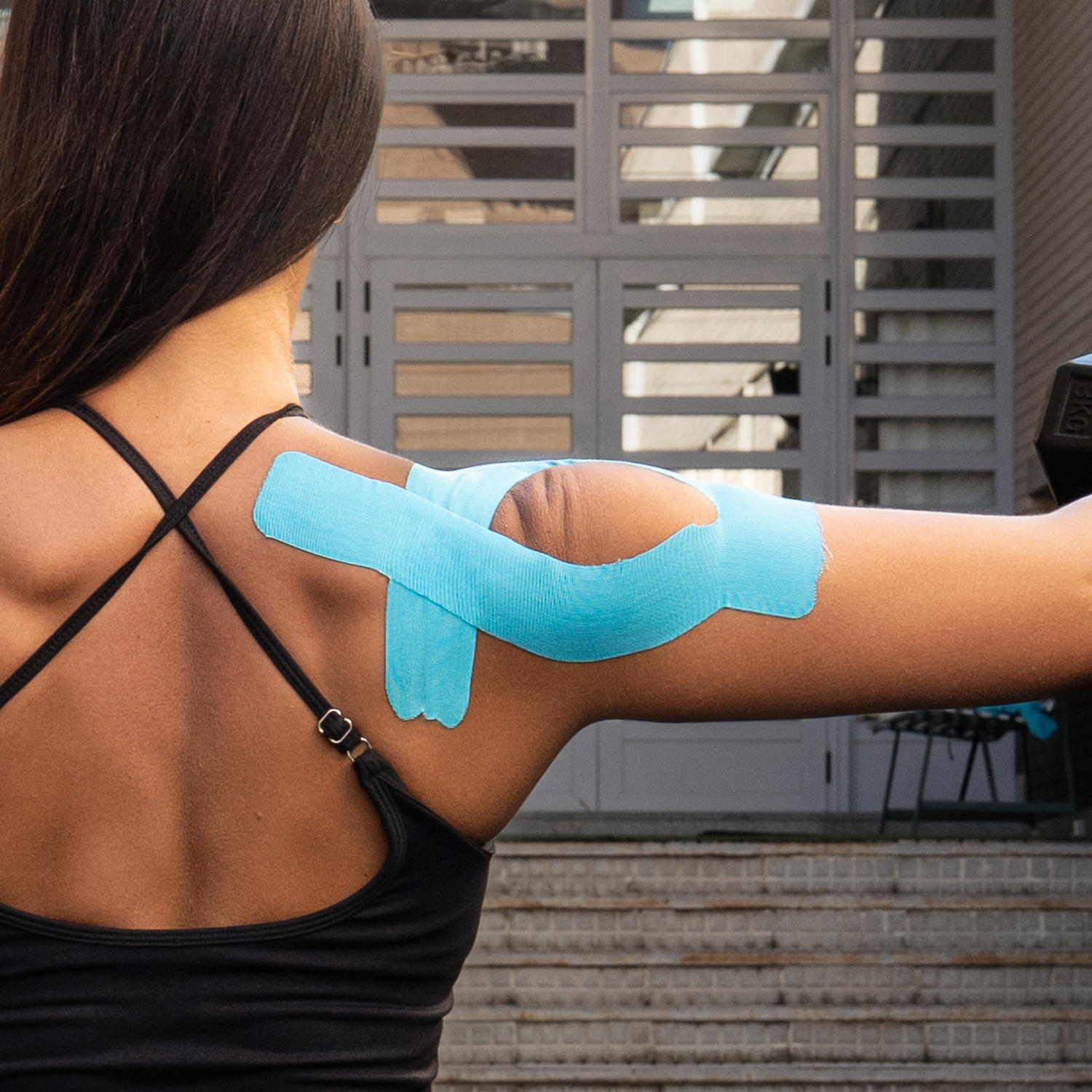
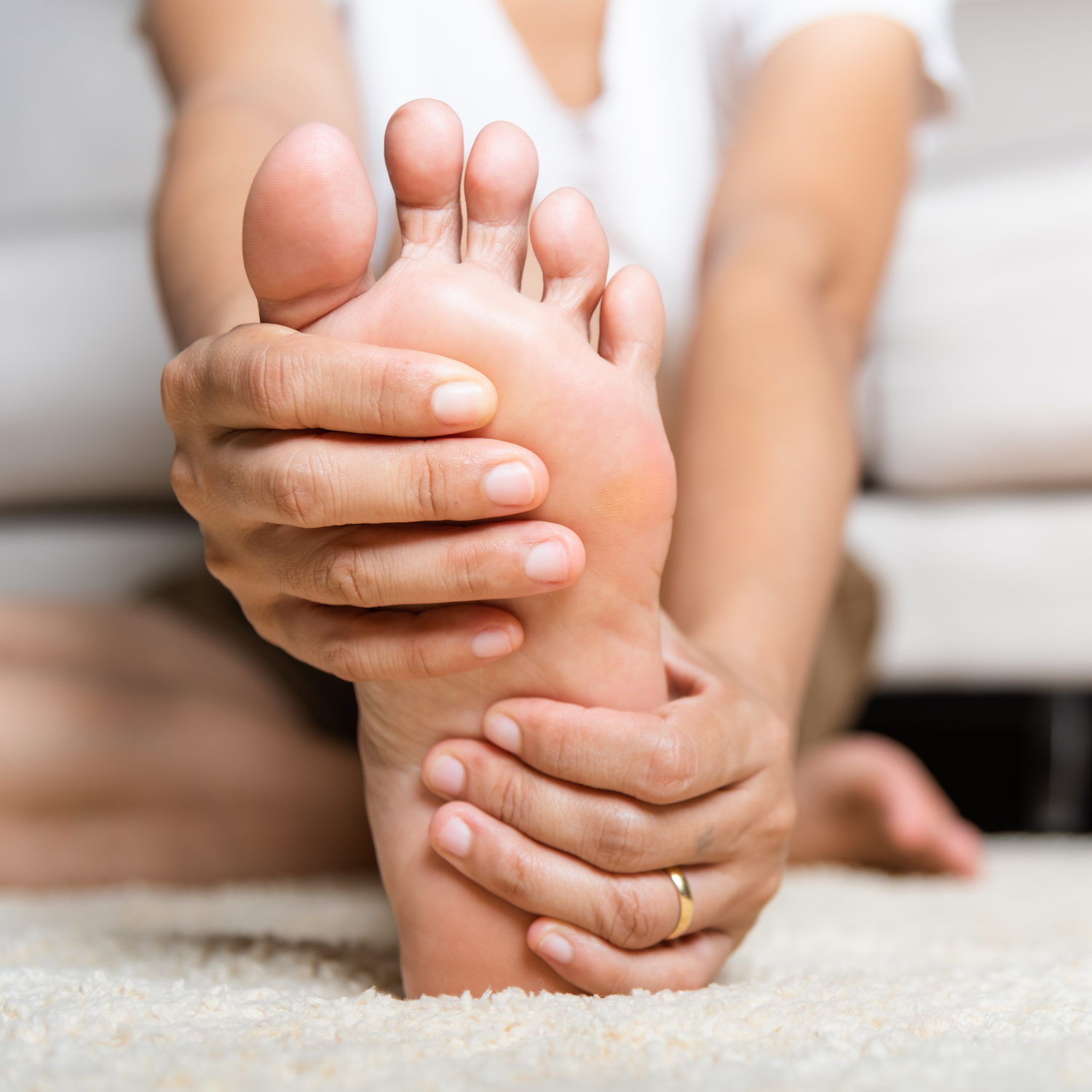
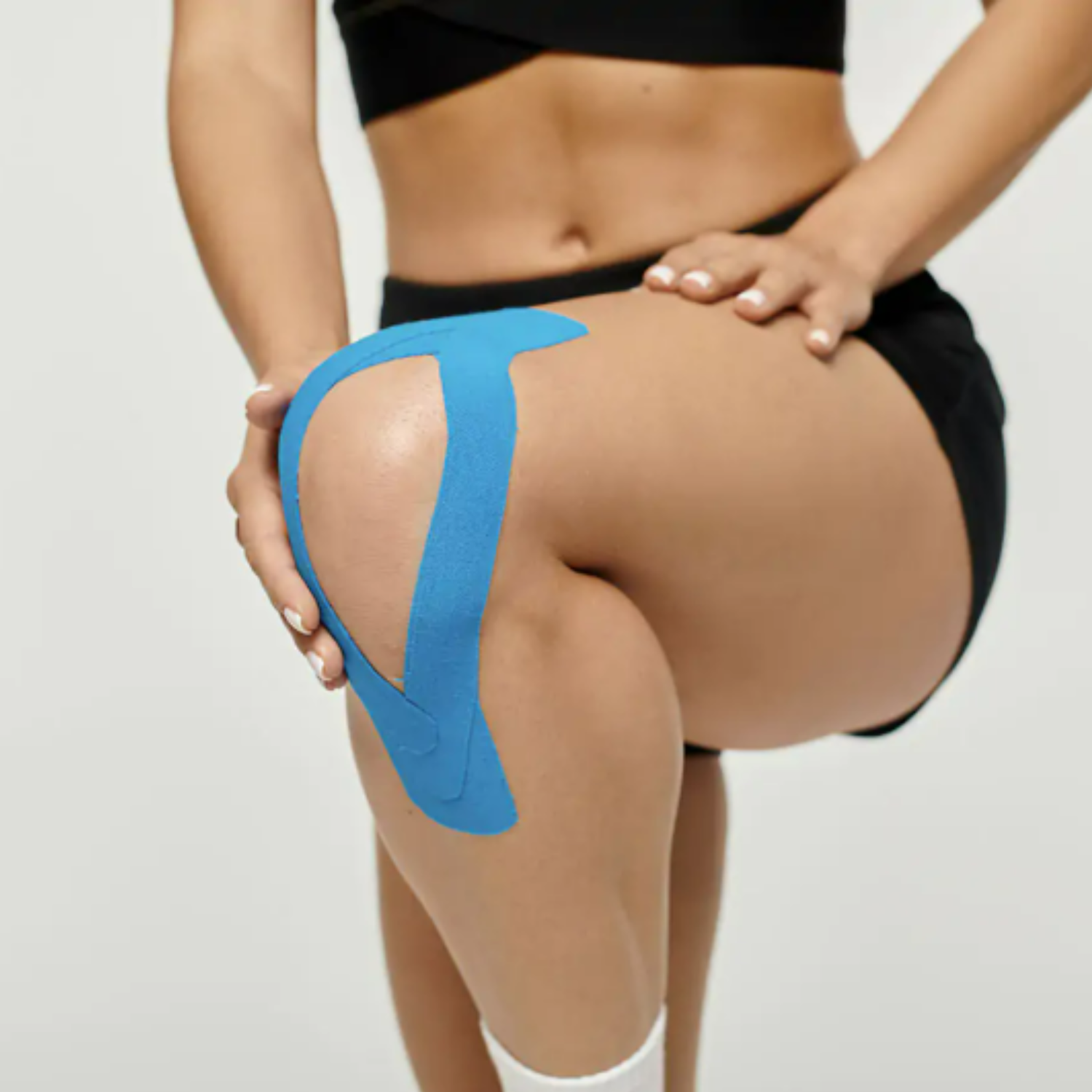
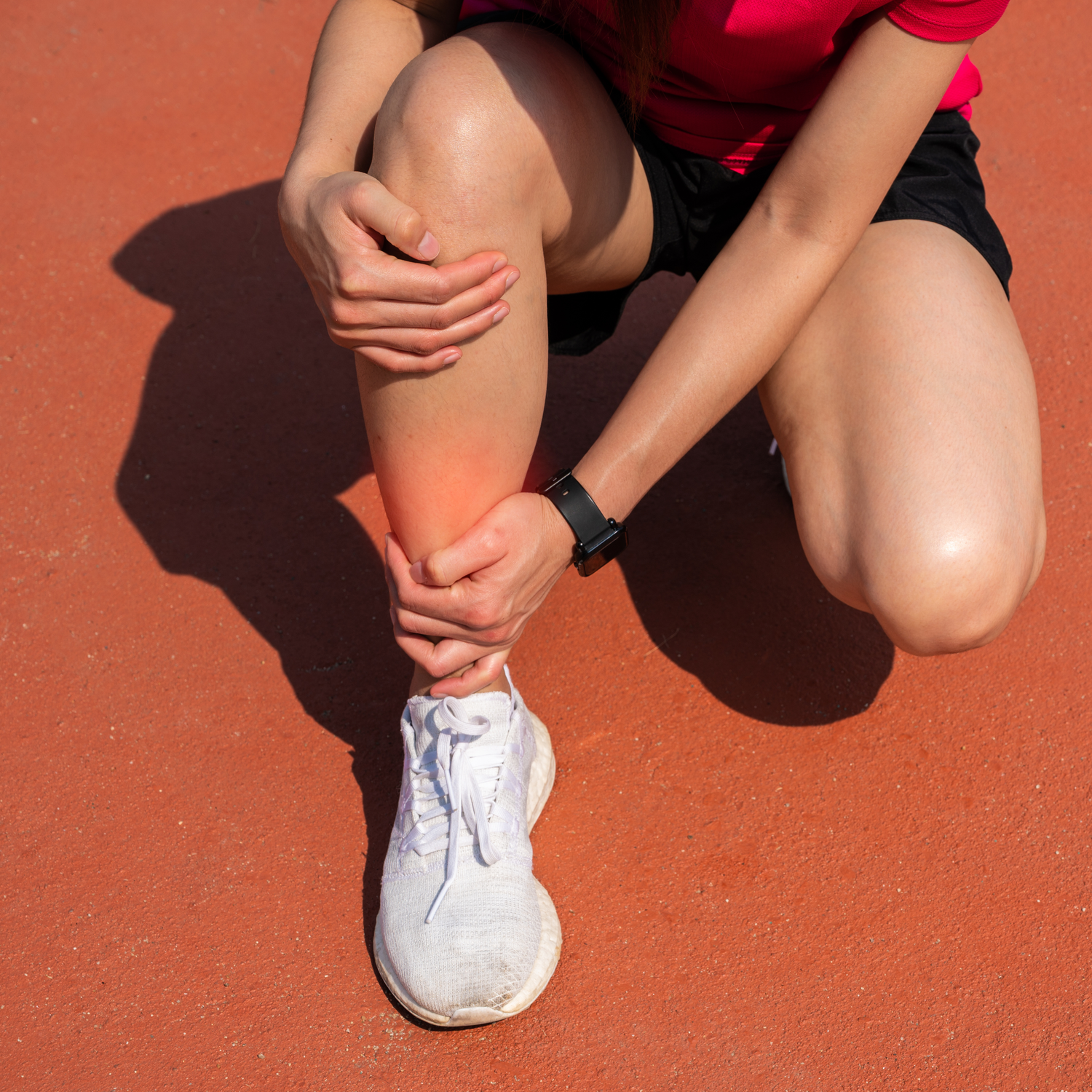










In 2025, runners tape stands out as an essential companion for athletes striving to reach their full potential. As technology and athletic demands evolve, runners tape offers innovative solutions for injury prevention, enhanced performance, and faster recovery. This article reveals the seven essential uses for runners tape, guiding you through real-world applications and the latest advancements. Whether you are a beginner or a seasoned marathoner, discover how this versatile tool can transform your running experience and help you overcome the challenges of modern training.
What is Runners Tape and Why is it Trending in 2025?
Runners tape has become a staple in every serious runner’s toolkit. Originally developed as kinesiology and athletic tape, this specialized adhesive strip now goes far beyond simple joint support. In 2025, runners tape is engineered specifically for the unique demands of running, offering tailored solutions for both injury prevention and performance.
The evolution of runners tape is impressive. Modern versions feature advanced adhesives that stay secure through sweat and rain, while new eco-friendly materials appeal to environmentally conscious athletes. Smart tape, equipped with embedded sensors, tracks muscle activity and provides real-time feedback to runners. The underlying science is simple yet effective: runners tape interacts with the skin and muscles to offer support, reduce pain, and facilitate natural movement.
Statistics from 2023 and 2024 show a surge in runners tape usage among both elite competitors and recreational athletes. Many runners are moving away from bulky braces and rigid wraps, choosing runners tape for its lightweight, flexible support. Compared to traditional methods, runners tape allows full range of motion, which is crucial for maintaining proper form and speed during runs.
There are still misconceptions about the effectiveness of runners tape. Some skeptics question whether it provides real benefits or is just a placebo. However, recent studies and detailed scientific reviews clarify how runners tape works and when it is most effective. Both professional and amateur runners now share taping routines on social media, fueling its popularity. Influencers demonstrate creative applications and highlight real performance gains, making runners tape a trending topic in the running community.
Whether you are training for your first 5K or preparing for an ultra marathon, runners tape is redefining how athletes approach injury prevention, recovery, and performance in 2025.
7 Essential Uses for Runners Tape in 2025
Runners tape has become an indispensable companion for athletes in 2025. Whether you are a seasoned marathoner or a weekend jogger, understanding the essential uses of runners tape can transform your running experience. Below, we explore seven impactful ways runners tape is revolutionizing injury prevention, performance, and recovery for runners of all backgrounds.
1. Injury Prevention for High-Mileage Runners
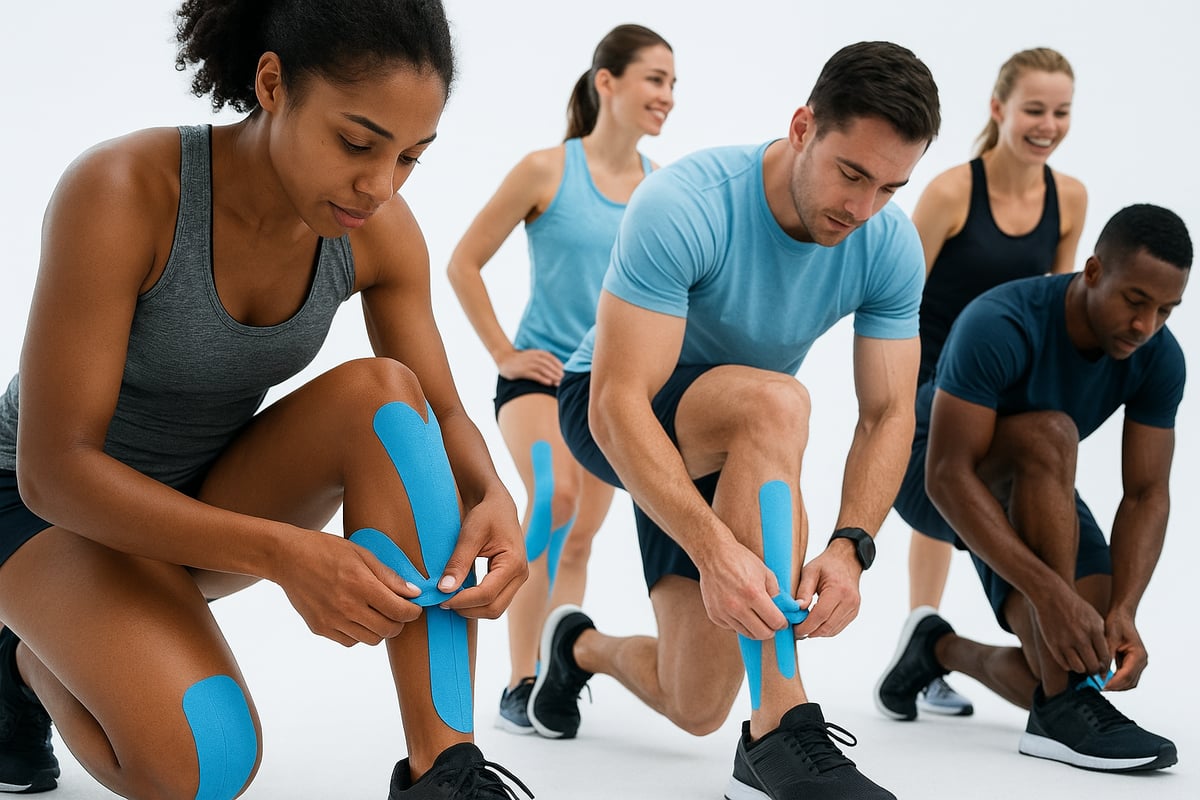
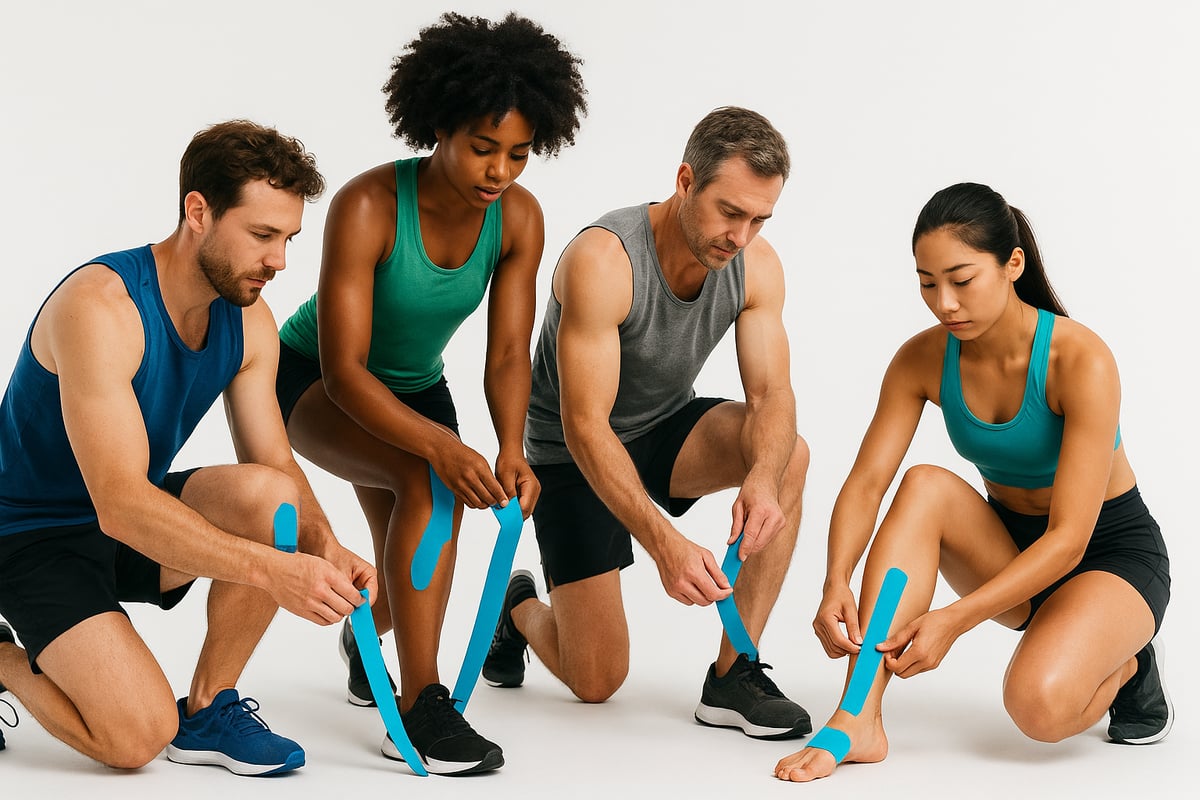
Runners tape is a frontline defense for those pushing their limits in distance and frequency. Many overuse injuries, like IT band syndrome, runner’s knee, and shin splints, stem from repetitive strain and biomechanical stress. By stabilizing joints and muscles, runners tape helps distribute forces more evenly.
New taping techniques in 2025 are tailored for long-distance and ultra runners. For example, taping the lateral thigh provides targeted support for the IT band, while strategic strips around the patella help prevent runner’s knee. These methods allow runners to maintain a natural stride without restricting movement, a critical advantage over rigid braces.
Experts recommend integrating runners tape into pre-race routines, especially for injury-prone areas. A typical routine may include:
- Cleaning and drying the skin to maximize adhesion
- Applying tape with moderate stretch over susceptible muscles
- Ensuring tape ends are anchored without tension
Studies highlight that runners tape, when correctly applied, can reduce injury rates significantly. Its dynamic support works in synergy with strength training and proper footwear, offering a comprehensive approach to injury prevention. Both elite and amateur athletes now consider runners tape a non-negotiable part of their training toolkit, citing fewer missed workouts and enhanced confidence on high-mileage days.
2. Enhanced Recovery After Intense Training
After a challenging session, runners tape supports the body’s natural recovery processes. Its unique elasticity gently lifts the skin, promoting lymphatic drainage and reducing post-run swelling. This mechanism helps flush metabolic waste and decrease inflammation, accelerating muscle repair.
Recent advances in runners tape include cooling and anti-inflammatory formulas designed specifically for recovery. These innovative tapes are infused with menthol or herbal extracts to soothe sore muscles and provide additional relief after hard efforts.
Recovery protocols often combine runners tape with massage and compression gear. For example:
- Applying tape to the calves post-run to minimize soreness
- Pairing tape with foam rolling for comprehensive muscle care
- Using tape after races to speed up recovery timelines
User testimonials and recent data suggest that runners tape can shorten downtime between workouts, allowing both elite and recreational runners to train more consistently. The integration of runners tape into recovery routines has become standard, with many runners reporting less swelling and faster return to peak performance.
3. Real-Time Pain Relief During Runs
One of the most valued features of runners tape is its ability to provide real-time pain relief during runs. The tape stimulates sensory nerves, which can reduce pain perception and offer immediate comfort. This is particularly beneficial for runners managing chronic issues like plantar fasciitis or Achilles tendonitis.
Case studies show that runners using runners tape for pain relief often experience greater confidence and the ability to push through discomfort. Unlike oral painkillers or topical creams, runners tape delivers targeted relief without systemic side effects.
Innovations in 2025 have led to hypoallergenic, sweat-resistant, and ultra-thin tapes suitable for sensitive skin and long events. For runners on the go, quick taping techniques can be a game changer:
- Pre-cut strips for fast application during races
- Portable tape rolls for trail runs or ultras
- Simple patterns for common pain points
Physical therapists recommend following best practices for pain relief taping, ensuring optimal placement and tension. For more insights on how runners tape manages pain, see Pain Relief Tape Insights.
4. Improved Running Form and Muscle Activation
Runners tape is not just for injury management; it’s a powerful tool for optimizing running mechanics. By providing proprioceptive feedback, runners tape helps correct common gait and posture issues, such as overpronation or heel striking.
Specific taping strategies can promote better knee tracking, hip alignment, and foot strike. For instance, taping the outside of the knee encourages proper patellar movement, reducing the risk of compensation injuries. Research indicates that muscle activation improves with runners tape, supporting more efficient movement patterns.
Many runners use runners tape as part of their rehabilitation, especially when returning from injury. The combination of runners tape and gait analysis technology in 2025 allows for precise adjustments and faster habit change. Tips for self-taping to enhance form include:
- Identifying weak or misaligned areas with a professional assessment
- Applying tape to guide movement and provide tactile cues
- Reviewing running form regularly to adjust taping as needed
The synergy between runners tape and advanced training tools makes it easier for athletes to build better habits and run more efficiently.
5. Blister and Chafing Prevention for Endurance Events
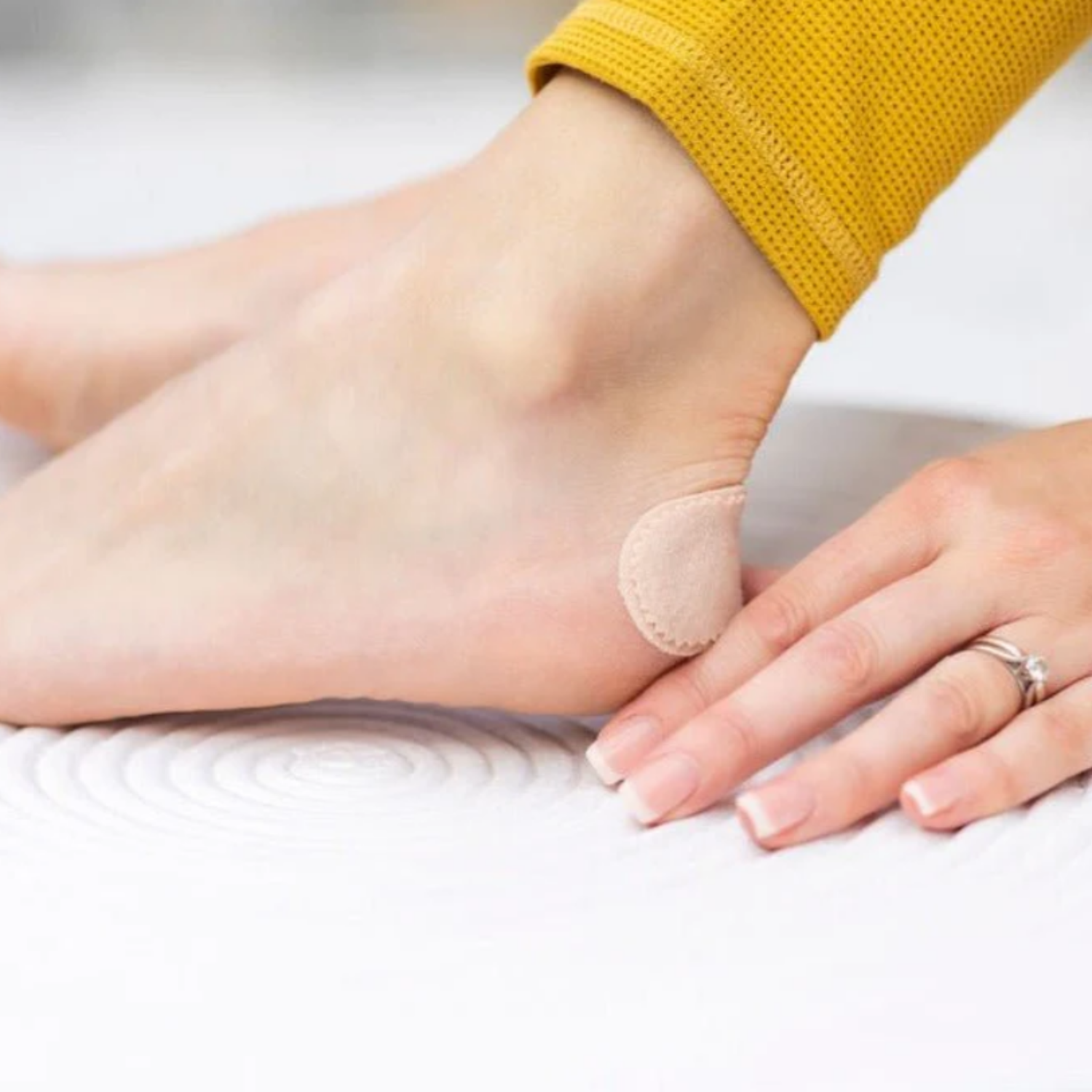
Long runs often bring the risk of blisters and chafing, but runners tape offers a reliable solution. When applied to feet, toes, or other sensitive areas, runners tape acts as a friction barrier, reducing the likelihood of skin irritation.
Compared to traditional blister pads or lubricants, runners tape is lightweight, flexible, and stays in place through sweat and movement. Techniques for taping hotspots before marathons or ultras include:
- Covering known friction points with a smooth layer of tape
- Wrapping toes individually to prevent rubbing
- Securing tape edges to avoid peeling mid-race
Statistics from recent endurance events show a marked decrease in blister incidence among runners who use runners tape. New breathable and waterproof designs cater to harsh conditions, ensuring skin stays protected in rain, heat, or mud.
User stories highlight runners finishing races blister-free thanks to proper taping. For best results, remove tape gently and care for skin post-race to avoid irritation. Runners tape is now the go-to choice for preventing painful blisters and maintaining comfort over any distance.
6. Custom Support for Unique Biomechanical Needs
Every runner’s body is different, and runners tape adapts to those unique needs. Customizable, pre-cut tape shapes and even smart tape with embedded sensors allow for personalized support based on individual anatomy and running style.
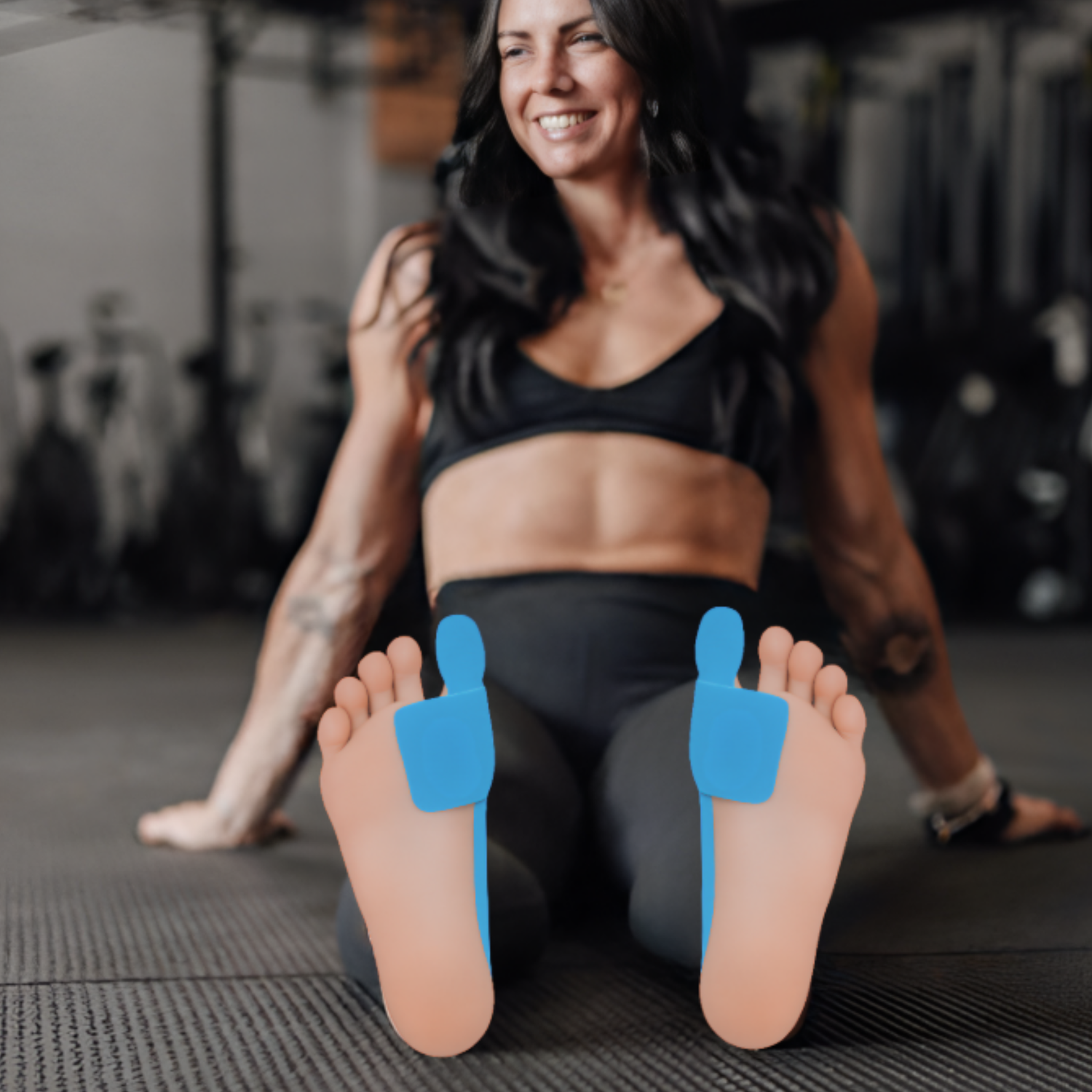
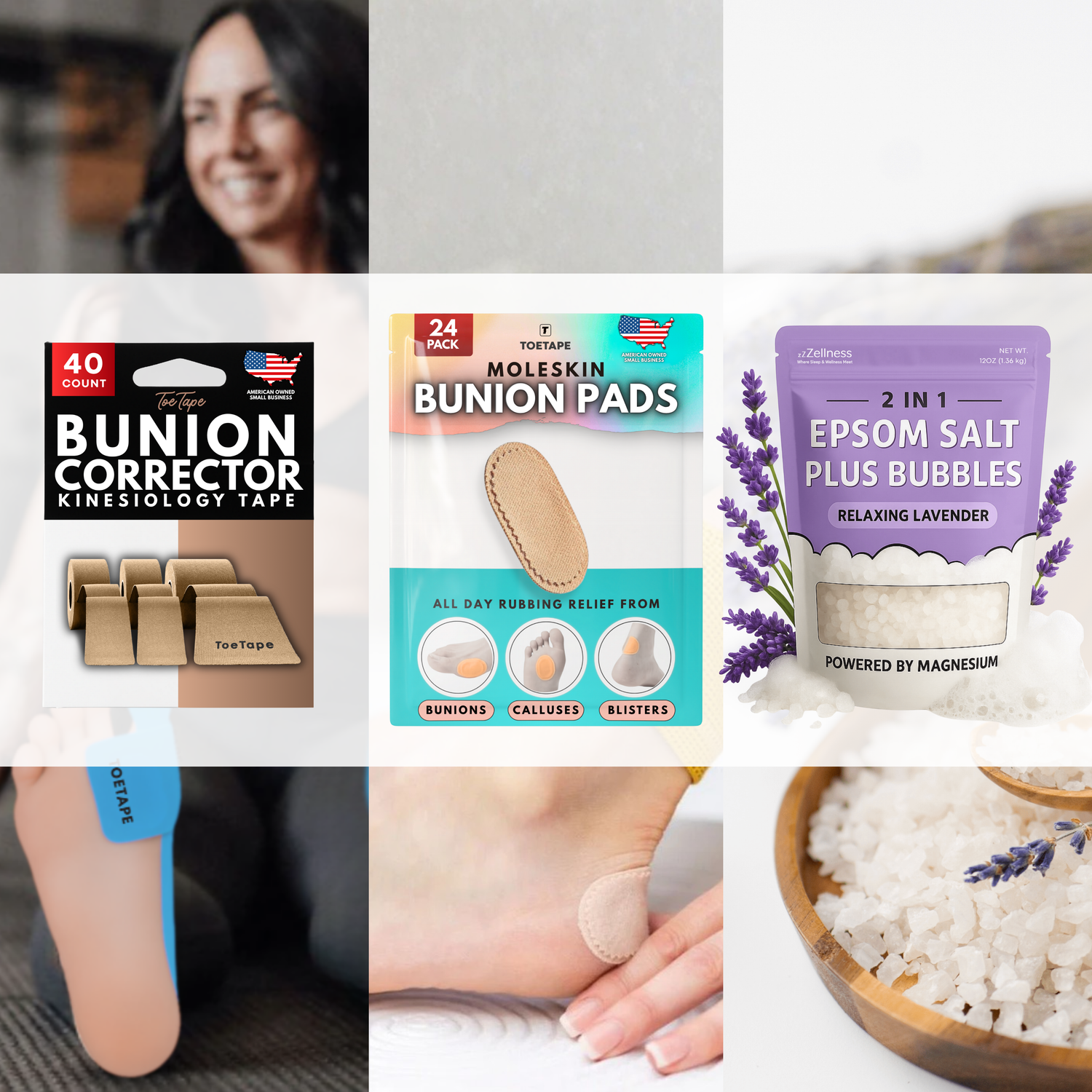
For runners with flat feet, high arches, or bunion-prone toes, runners tape can be tailored to provide targeted reinforcement. Professional taping consultations are available, but many runners also learn DIY approaches for daily use.
Recent innovations include adaptive runners tape for athletes with mobility challenges. Data suggests that personalized taping not only improves comfort but can also enhance performance by addressing specific biomechanical issues.
A table summarizing common custom taping applications:
| Biomechanical Issue | Taping Strategy | Benefit |
|---|---|---|
| Flat feet | Arch support taping | Reduces strain, improves alignment |
| High arches | Lateral foot taping | Stabilizes foot, prevents rolling |
| Bunions | Toe alignment taping | Decreases pain, improves gait |
Looking ahead, AI-guided taping recommendations may soon help runners select the optimal taping pattern for their unique profile, making runners tape even more effective.
7. Support for Injury Rehabilitation and Return to Running
Runners tape is a valuable ally during injury rehabilitation and the transition back to running. It can aid healing from common injuries like IT band syndrome, hamstring strains, or ankle sprains by providing gentle support and promoting circulation.
Protocols often combine runners tape with physical therapy and targeted strength exercises. Clinical studies indicate that runners tape may help shorten recovery timelines when used as part of a comprehensive rehab plan.
Step-by-step examples for taping during rehab include:
- Applying tape along the length of the injured muscle to reduce strain
- Using anchor points to stabilize weak joints during activity
- Gradually decreasing tape reliance as strength improves
Runners tape also offers psychological reassurance, helping athletes regain confidence as they return to running. Tips for a smooth transition include:
- Monitoring pain and swelling regularly
- Reducing tape use as healing progresses
- Consulting a professional if setbacks occur
Avoiding common mistakes, such as overstretching or improper placement, is crucial for safe recovery. With the right approach, runners tape can make the rehabilitation journey smoother and more successful.
How to Choose the Right Runners Tape for Your Needs
Selecting the best runners tape in 2025 is about more than just grabbing the first roll you see. With so many options available, it's important to match your choice to your specific running needs, skin type, and environment. Whether you're a marathoner, trail enthusiast, or new to running, understanding the differences helps you get the most benefit from runners tape.
Comparing Types of Runners Tape
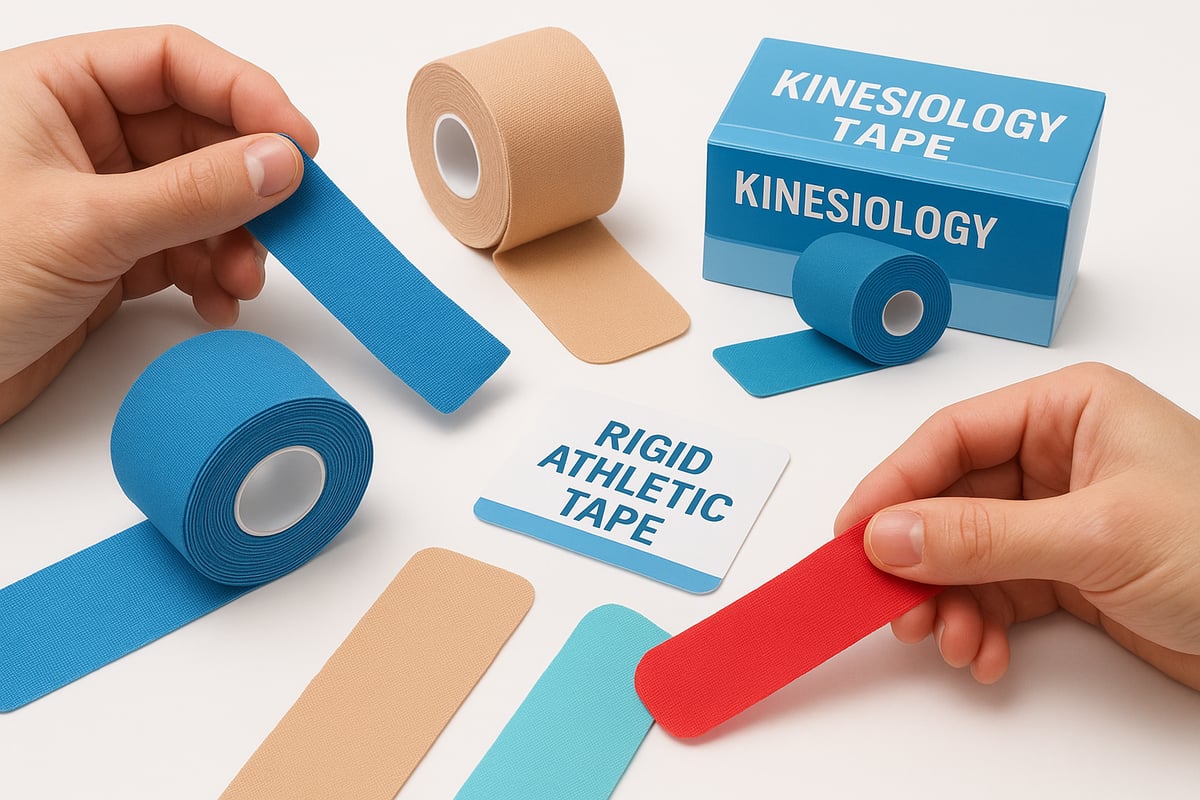
Not all runners tape is created equal. Here’s a quick comparison to help you decide:
| Type | Best For | Flexibility | Adhesive | Common Uses |
|---|---|---|---|---|
| Kinesiology Tape | Muscle support, recovery | High | Moderate | Daily runs, injury recovery |
| Rigid Athletic Tape | Joint stabilization | Low | Strong | Ankle, knee support |
| Pre-cut Strips | Quick, targeted application | High | Varies | Specific pain points |
| Tape Rolls | Customizable, versatile | Varies | Varies | Large or unique areas |
Choosing the right runners tape type can make a big difference in both comfort and performance.
Material and Feature Considerations
Materials matter when selecting runners tape. Cotton tapes are breathable and gentle for sensitive skin. Synthetics offer enhanced stretch and water resistance, which is ideal for humid or wet climates. Look for waterproof or hypoallergenic runners tape if you have allergies or plan to run in rain.
Key features to consider include:
- Breathability: Prevents skin irritation during long runs.
- Adhesive Strength: Ensures runners tape stays in place, even with sweat.
- Stretch: Affects support and freedom of movement.
- Color Options: Some runners prefer bright colors for visibility, while others want neutral tones.
Reviews, Shopping Tips, and Matching Tape to Your Goals
User reviews and expert recommendations are essential for finding quality runners tape brands in 2025. Many runners look for value packs or eco-friendly options to save money and reduce waste. Subscription services are gaining popularity for frequent users.
If your main goal is recovery, consider tapes designed for post-workout use. Recent studies, such as those examining the effects of kinesiology taping timing on recovery, show that when and how you apply runners tape can impact your results.
When shopping, always check for authenticity. Counterfeit tape may lack proper adhesion or irritate your skin. Store runners tape in a cool, dry place to extend shelf life.
Quick Checklist for Choosing Runners Tape
- Identify your top goal: prevention, recovery, support, or comfort
- Choose material: cotton for breathability, synthetic for durability
- Check adhesive strength: match to activity intensity and climate
- Look for hypoallergenic options if you have sensitive skin
- Buy from reputable brands and read reviews
- Store properly to maintain effectiveness
With the right runners tape, you can address your unique needs and elevate your running experience.
Pro Tips for Safe and Effective Taping
Achieving the full benefits of runners tape begins with careful and informed application. Safe and effective taping not only maximizes support, but also helps prevent irritation and ensures your tape stays in place throughout every run or workout.
Best Practices for Applying Runners Tape
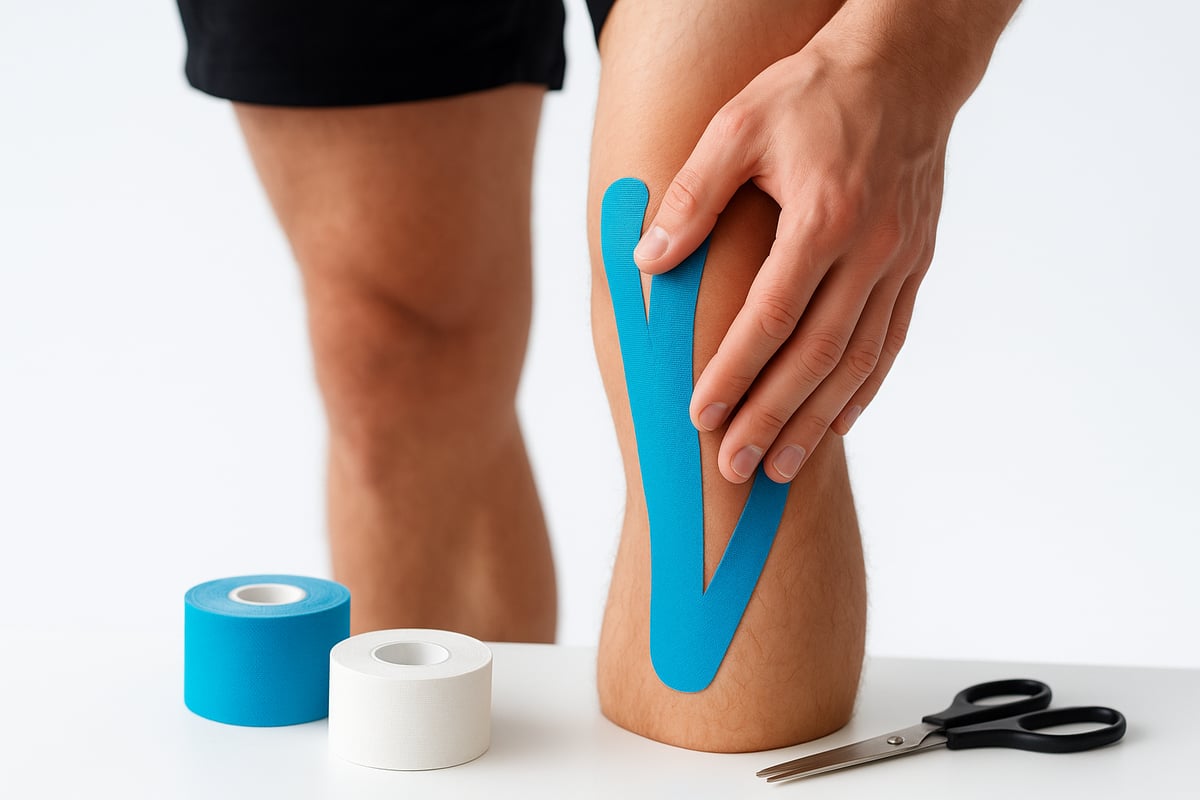
Preparation is key. Always start with clean, dry skin, free from oils or lotions. Trim excess hair for better tape adhesion. Cut the runners tape with rounded edges to reduce peeling. Apply without overstretching—tape should follow the natural contour of your muscles and joints, offering support without restricting movement.
For step-by-step guidance, refer to this detailed How to Apply Kinesiology Tape tutorial, which covers professional-grade methods for runners tape application.
Avoiding Common Mistakes and Troubleshooting Tips
Overstretching runners tape is a frequent error that can lead to skin irritation or reduced effectiveness. Ensure you follow recommended stretch percentages, usually marked on the tape’s packaging. Improper placement may fail to support the intended area, so use anatomical landmarks for accuracy.
Troubleshoot peeling by smoothing the tape from the center outward, and avoid touching the adhesive with your fingers. If you notice redness, itching, or allergic reactions, discontinue use and consult a healthcare provider. Always check for contraindications, such as open wounds or skin infections, before applying runners tape.
Safe Removal and Skin Care
Removing runners tape gently is crucial for skin health. Loosen the edges and slowly peel back along the direction of hair growth, keeping the tape low and parallel to the skin. Soaking the area with warm water or using a medical adhesive remover can ease the process. After removal, moisturize the skin and inspect for any irritation or residue.
If you experience persistent discomfort or skin issues, take a break from runners tape and allow your skin adequate time to recover.
Taping in All Conditions and When to Seek Help
Runners tape is designed to perform in diverse conditions, but extra care is needed in heat, humidity, or rain. Choose sweat-resistant, waterproof varieties for summer or wet climates. Studies, such as the one on Kinesio taping under heat stress, suggest that taping can provide support even in challenging environments, as long as application guidelines are followed.
When in doubt, consult a physical therapist or sports medicine professional for personalized taping strategies. Explore educational resources and video tutorials to refine your technique and troubleshoot problems. With proper care and knowledge, runners tape can be a reliable tool for injury prevention and performance enhancement.
As you’ve seen, runners tape is an essential tool for preventing injuries, speeding up recovery, and keeping you comfortable on every run—especially if you deal with bunions or foot pain. By using the right tape, you give your feet the support they need to go the distance without the discomfort that can hold you back. If you’re ready to move freely and enjoy every step, consider trying a solution designed for people just like us. Discover how you can Get Bunion Relief that Moves with You! and experience the difference for yourself.