










Are you searching for a breakthrough in natural pain management? In 2025, pain relief tape is transforming the way athletes, chronic pain sufferers, and everyday people handle discomfort.
This comprehensive guide delivers expert insights into the latest pain relief tape technologies, proven application methods, and practical uses that empower you to manage pain more effectively.
Discover the science behind pain relief tape, explore top types, master step-by-step application, and unlock expert advice for optimal results. Ready to experience the future of self-care? Dive in and take control of your wellness journey.
Understanding Pain Relief Tape: Science and Benefits
Pain relief tape has become a staple for athletes and those managing discomfort. This innovative tool has evolved from traditional athletic and medical tapes into a versatile solution for pain management. Unlike rigid tapes, pain relief tape offers elasticity and flexibility, adapting to the body’s movements.
There are several types, including kinesiology, therapeutic, and elastic tapes. Most are made from cotton or synthetic fibers, often with latex-free adhesives. These materials are water-resistant and breathable, allowing the tape to remain in place for several days. According to industry reviews, users appreciate the comfort and durability, even during intense activity.
What is Pain Relief Tape?
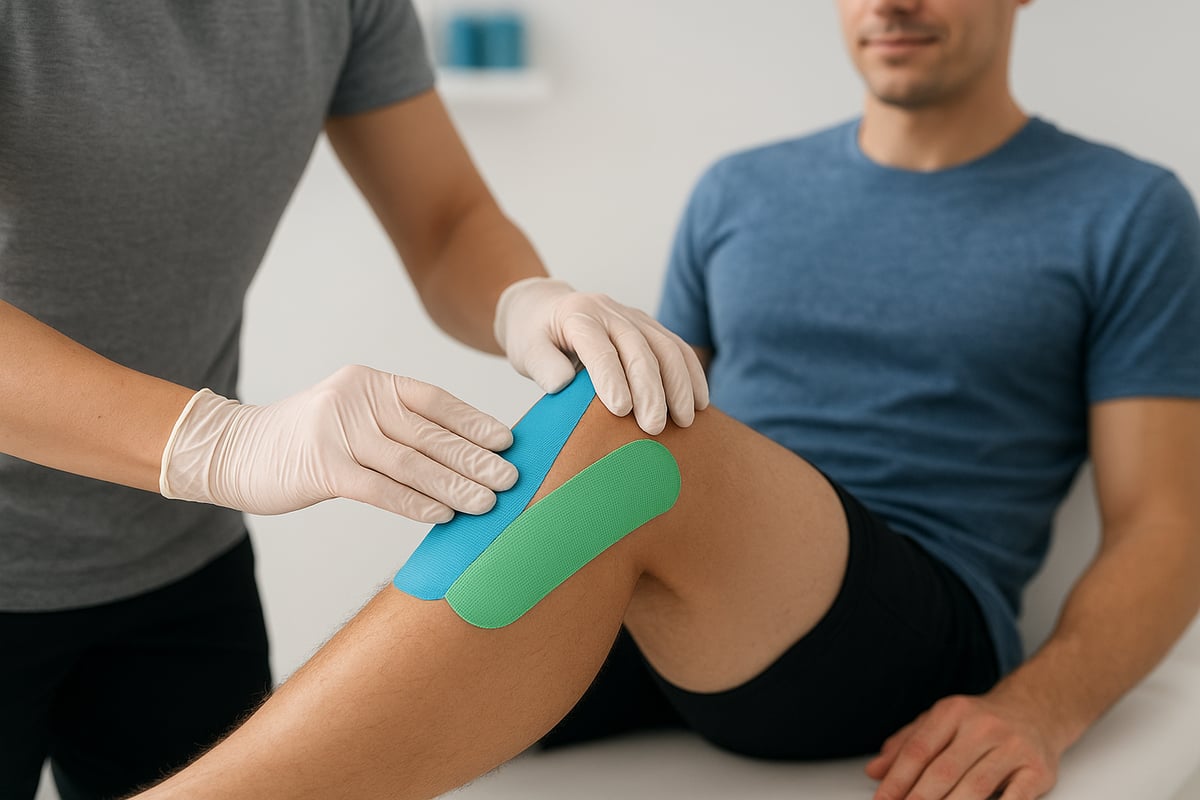
Pain relief tape is designed to support muscles, joints, and ligaments while reducing pain and swelling. Unlike traditional athletic tape, which restricts movement, pain relief tape stretches and moves with the skin. This flexibility allows for a greater range of motion during physical activity or daily tasks.
There are three main categories of pain relief tape: kinesiology tape, elastic therapeutic tape, and specialty tapes for sensitive skin. Common materials include soft cotton or synthetic blends, paired with hypoallergenic, latex-free adhesives. The tape’s water-resistant and breathable qualities allow for comfortable, long-term wear, often lasting several days without losing effectiveness. User feedback highlights its ease of use and adaptability for various needs.
How Does Pain Relief Tape Work?
Pain relief tape operates through several key mechanisms. First, it provides proprioceptive feedback, which enhances body awareness and encourages proper movement patterns. By gently lifting the skin, the tape creates space between the skin and underlying tissues, improving blood flow and lymphatic drainage. This process can help reduce inflammation and swelling in injured areas.
Another principle is the pain gate theory, where the tape’s stimulation of nerve endings may interfere with pain signals, offering relief without medication. Importantly, pain relief tape supports muscles and joints without restricting movement, allowing users to maintain activity during recovery.
Clinical studies have examined the effectiveness of pain relief tape for musculoskeletal conditions. For a comprehensive overview of the research supporting these mechanisms and benefits, see this Systematic Review of Therapeutic Taping for Musculoskeletal Conditions. Athletes often use the tape to prevent injury or speed healing, while individuals with chronic pain report improved comfort and function.
Key Benefits for 2025
The benefits of pain relief tape in 2025 are significant and wide-ranging. Users report enhanced relief from both acute injuries and chronic pain conditions, such as arthritis and back pain. By supporting muscle activation and joint alignment, the tape can improve mobility and reduce fatigue.
Other advantages include:
- Injury prevention during sports and daily routines
- Faster recovery after injury or surgery
- Psychological benefits like increased confidence and comfort
- Latest innovations, such as hypoallergenic adhesives and eco-friendly materials
Recent user surveys indicate high satisfaction rates, with most individuals noting improved pain levels and daily function. The latest products focus on skin sensitivity and environmental impact, reflecting evolving consumer preferences in pain relief tape technology.
Who Should Use Pain Relief Tape?
Pain relief tape is suitable for a wide range of people. Athletes—runners, cyclists, and gym-goers—use it for muscle and joint support. Chronic pain sufferers, including those with arthritis or back pain, benefit from its non-pharmacological approach. Post-surgical patients find it helpful for swelling and movement.
Occupational users, such as nurses, retail staff, and teachers, use pain relief tape to manage repetitive strain. Seniors seeking gentle, drug-free pain relief also find it valuable. Children and teens in sports may use pain relief tape under adult supervision.
Safety is essential: those with allergies, open wounds, or certain skin conditions should consult a healthcare provider before use. Proper application and monitoring ensure the best results for all users.
Types of Pain Relief Tape: Choosing the Right Option
Choosing the right pain relief tape is essential for effective pain management and injury support. With advancements in 2025, users can select from a range of tapes designed to address specific needs, from athletic performance to sensitive skin care. Understanding the differences between each type helps you make informed decisions for comfort, mobility, and recovery.
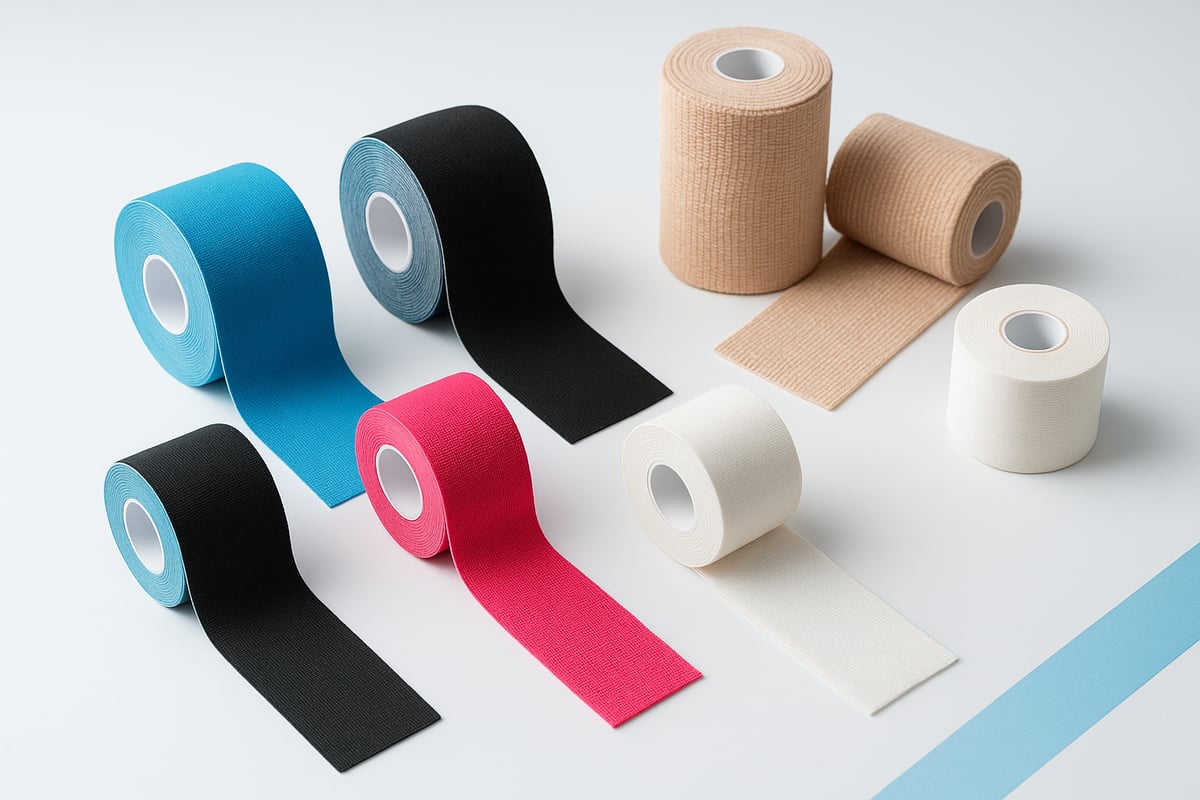
Kinesiology Tape
Kinesiology tape is a popular type of pain relief tape known for its elasticity and skin-like feel. This tape stretches and moves with the body, offering targeted support while maintaining a full range of motion. Leading brands continue to innovate with new materials and vibrant color options, making kinesiology tape both functional and motivating for users. Common uses include muscle support, joint stabilization, and injury prevention in sports and rehabilitation settings. According to recent market trends, the use of kinesiology tape continues to rise, favored by athletes and individuals seeking non-restrictive support. For a detailed look at how kinesiology tape works and its role in pain management, see How Kinesiology Tape Works.
Rigid Athletic Tape
Rigid athletic tape is a non-elastic pain relief tape designed for situations requiring maximum support and immobilization. It is frequently used in sports medicine and orthopedics to stabilize joints after acute injuries, such as sprains or ligament tears. Unlike elastic tapes, rigid athletic tape restricts movement to protect the affected area during healing. While highly effective for short-term immobilization, it is less suitable for dynamic activities where flexibility is needed. Users should avoid using this tape on areas requiring frequent movement or for extended wear, as it can limit circulation and comfort.
Cohesive/Elastic Bandages
Cohesive or elastic bandages serve as a versatile pain relief tape option, offering self-adhering properties without sticking to skin or hair. These bandages provide gentle compression, making them ideal for controlling swelling, supporting mild sprains, and managing post-injury care. Unlike kinesiology and rigid tapes, cohesive bandages are easy to adjust and remove, reducing the risk of skin irritation. They are especially popular in first aid kits and for athletes needing temporary, adjustable support. Product reviews highlight their effectiveness in managing minor injuries and facilitating quick recovery.
Specialty Tapes for Sensitive Skin
Specialty pain relief tape for sensitive skin is formulated with hypoallergenic and latex-free adhesives, catering to users prone to irritation or allergies. Innovations in 2025 include moisture-wicking materials and ultra-gentle adhesives, making these tapes suitable for pediatric, geriatric, and dermatological applications. Case studies show positive outcomes for individuals with eczema, fragile skin, or known sensitivities. Industry statistics indicate a growing adoption of these specialty tapes in both clinical and home settings, reflecting increased awareness of skin health and comfort.
How to Select the Best Tape for Your Needs
Selecting the most suitable pain relief tape involves careful consideration of several factors. Assess the type of injury, required level of support, and your daily activity. Consider skin sensitivity and any allergies before choosing a tape. Evaluate how long you need to wear the tape and if it must withstand water or sweat. For chronic pain or complex conditions, consulting a healthcare professional is recommended. Compare cost and value by reading user testimonials and expert recommendations. The right pain relief tape can make a significant difference in your comfort, performance, and recovery.
Step-by-Step Guide: How to Apply Pain Relief Tape Effectively
Applying pain relief tape correctly is essential for getting the most benefit, whether you are an athlete, an active professional, or someone managing chronic pain. Proper technique ensures optimal adhesion, support, and relief, while also protecting your skin and maximizing wear time.
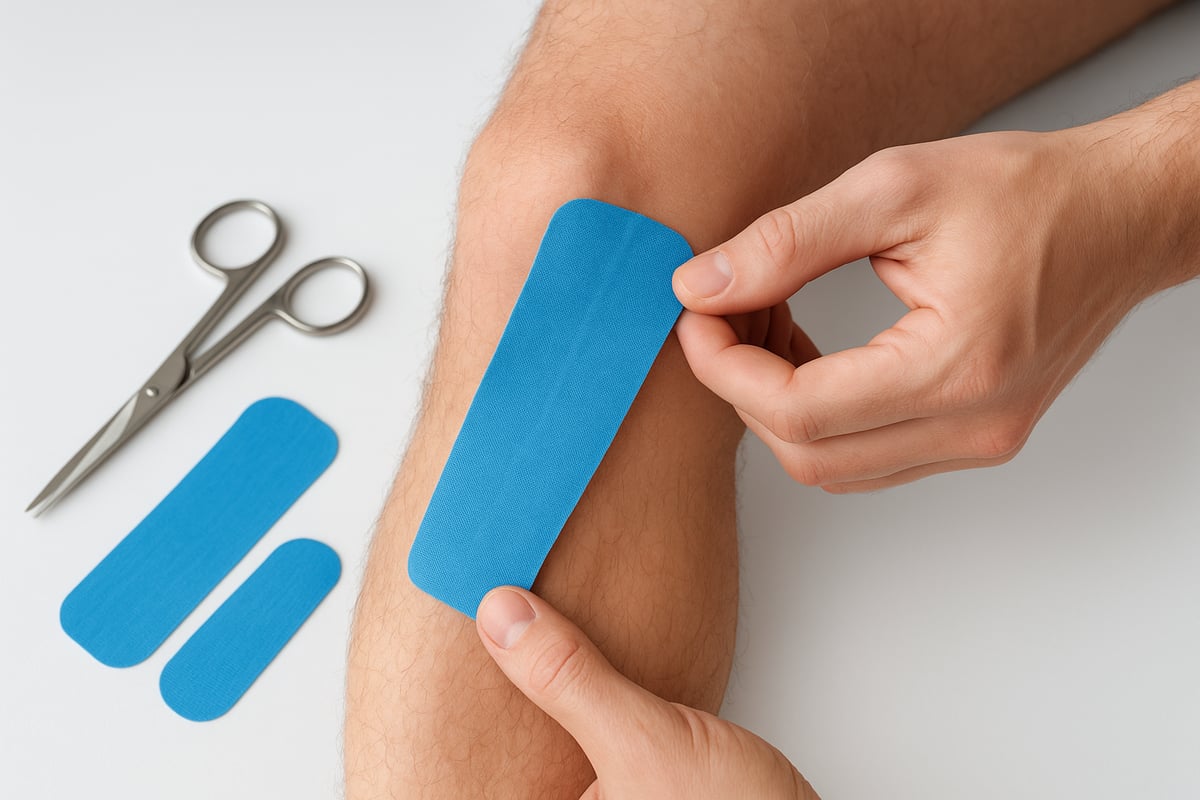
Preparation: Getting Started
Before applying pain relief tape, start by washing and drying the area thoroughly to remove sweat or oils. If needed, trim excess hair to help the tape stick better and reduce discomfort during removal. For those with sensitive skin, consider using an adhesive barrier spray.
Measure and cut the tape to the recommended length and shape, following guidance for your specific body part. Gather all necessary tools, such as scissors or pre-cut strips, and have the manufacturer's instructions handy for reference.
Avoid applying lotions or creams just before taping, as they can affect adhesion. For example, when preparing to tape your knee, sit comfortably, clean the area, and ensure the skin is completely dry. These steps set the foundation for effective pain relief tape application.
Shoulders and Upper Back
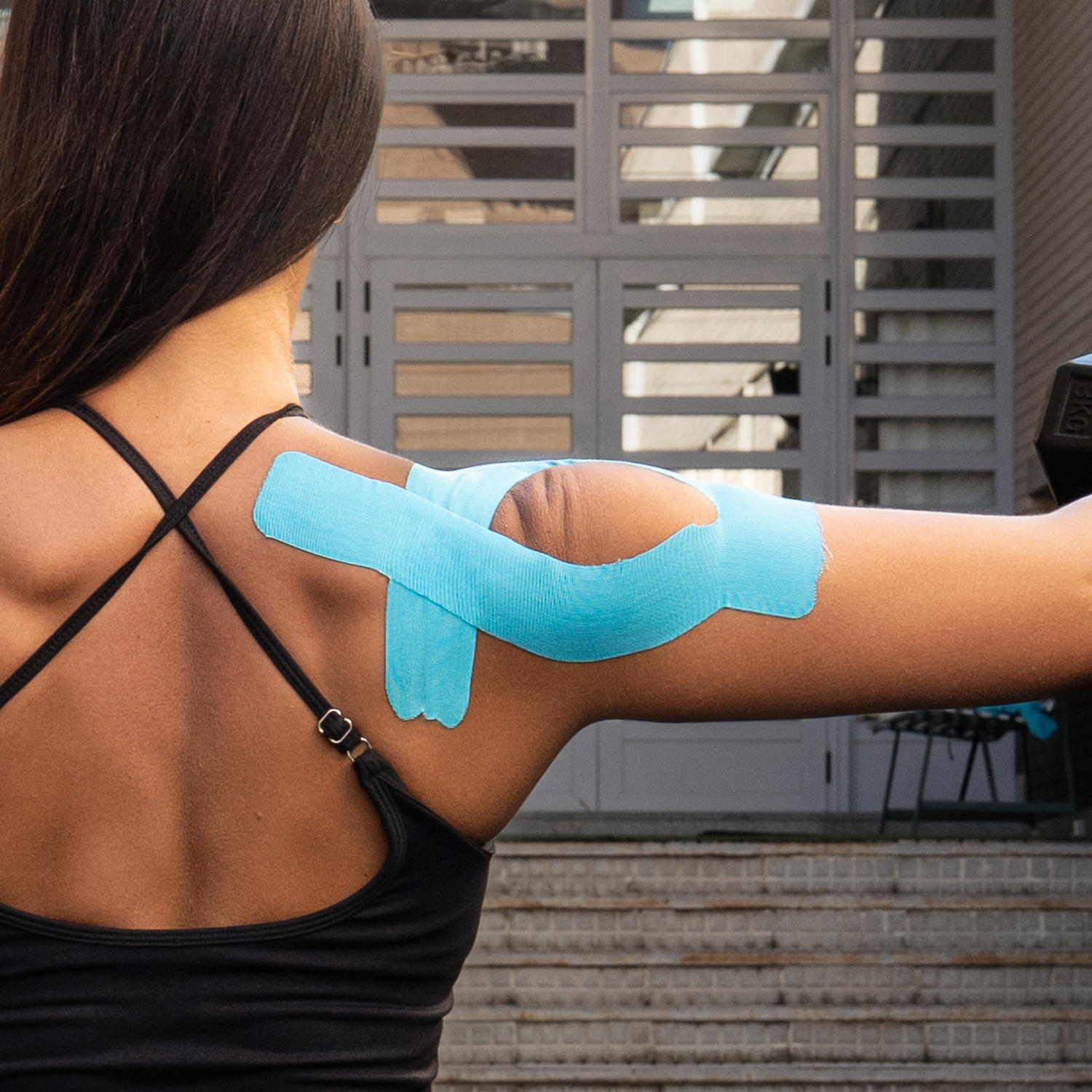
Pain relief tape is commonly used for shoulder injuries like rotator cuff strains or to support posture. Begin by cutting strips appropriate for the deltoid or trapezius, then round the edges to prevent peeling.
Apply the anchor without stretch at the starting point, then gently lay the tape along the muscle or joint, following the recommended pattern. Use moderate tension only along the muscle belly, leaving the ends loose. For visual learners, the Shoulder Pain Taping Techniques video provides a step-by-step demonstration.
Remember to smooth the tape onto the skin to activate the adhesive and check for comfort and mobility. This approach helps pain relief tape deliver targeted support and relief in the upper body.
Knees and Lower Limbs
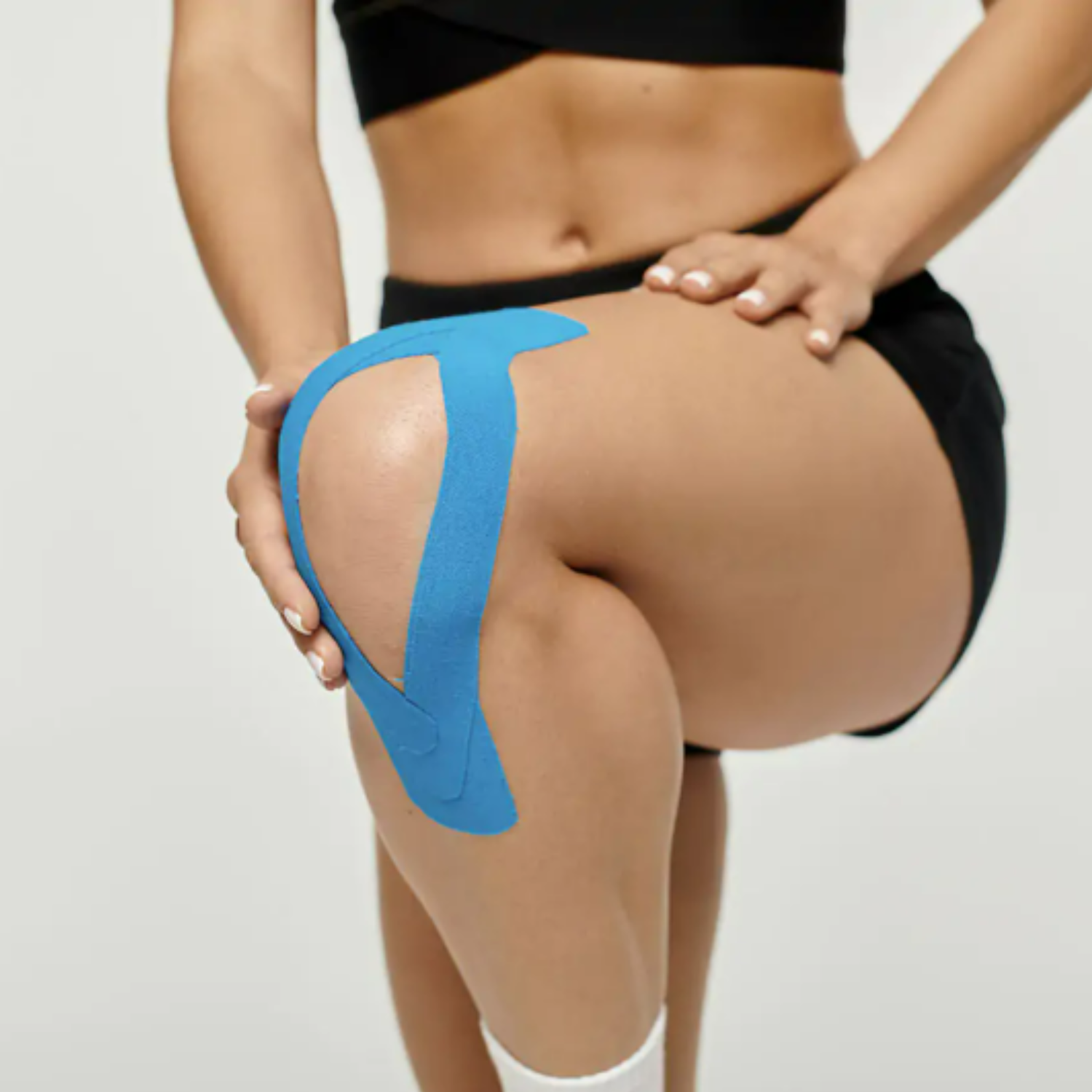
Pain relief tape can help with patellar tracking, IT band syndrome, or shin splints. Start by anchoring the tape below the kneecap or along the targeted muscle group without stretch. Overlap strips if more stability is needed, and use light to moderate tension across the area.
For runner’s knee, place one strip horizontally below the patella and another vertically along the outer thigh. This combination provides support without restricting movement, allowing you to stay active while managing discomfort.
Take time to rub the tape after application, ensuring a secure bond to the skin. Pain relief tape should move with your body, so test your range of motion before heading out.
Ankles and Feet
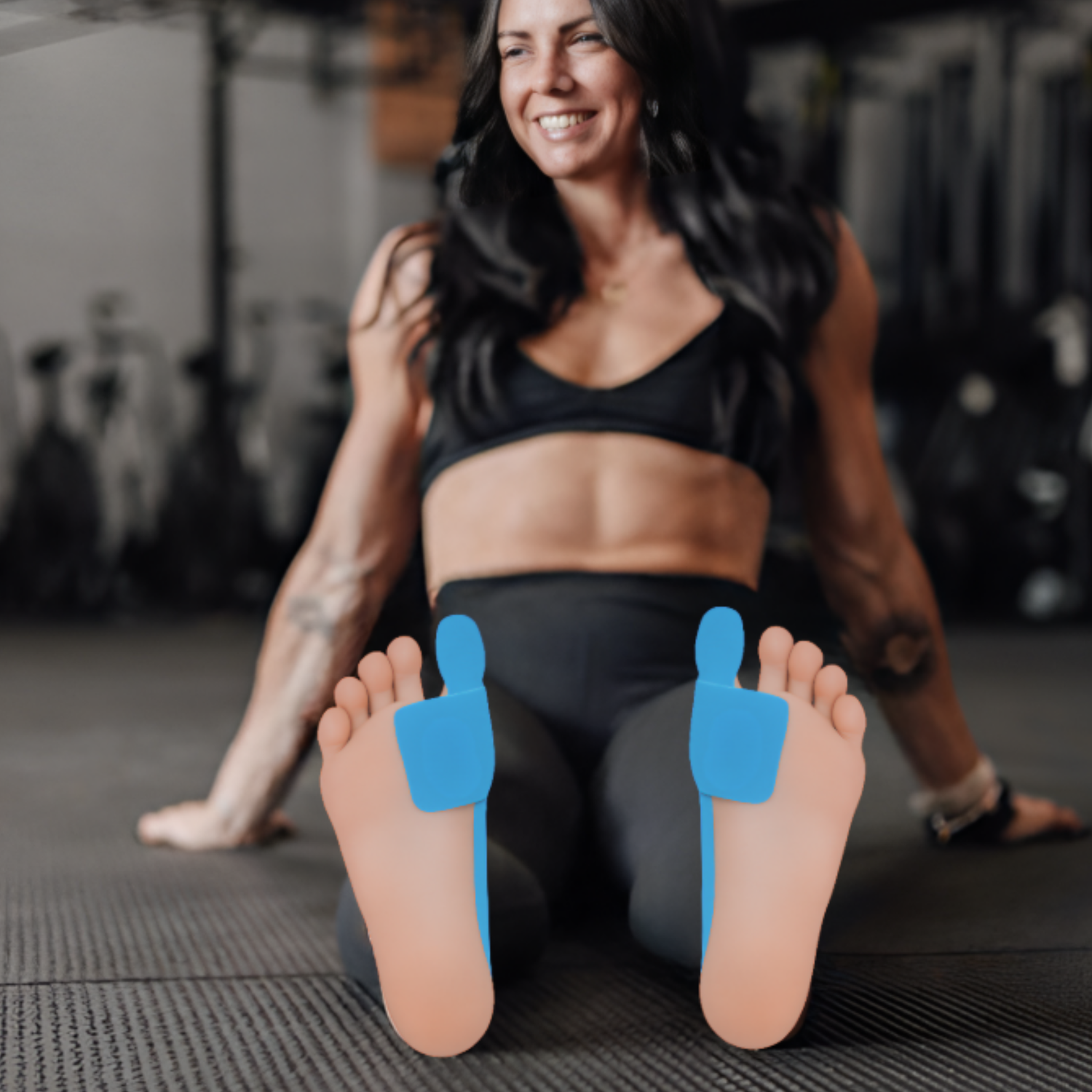
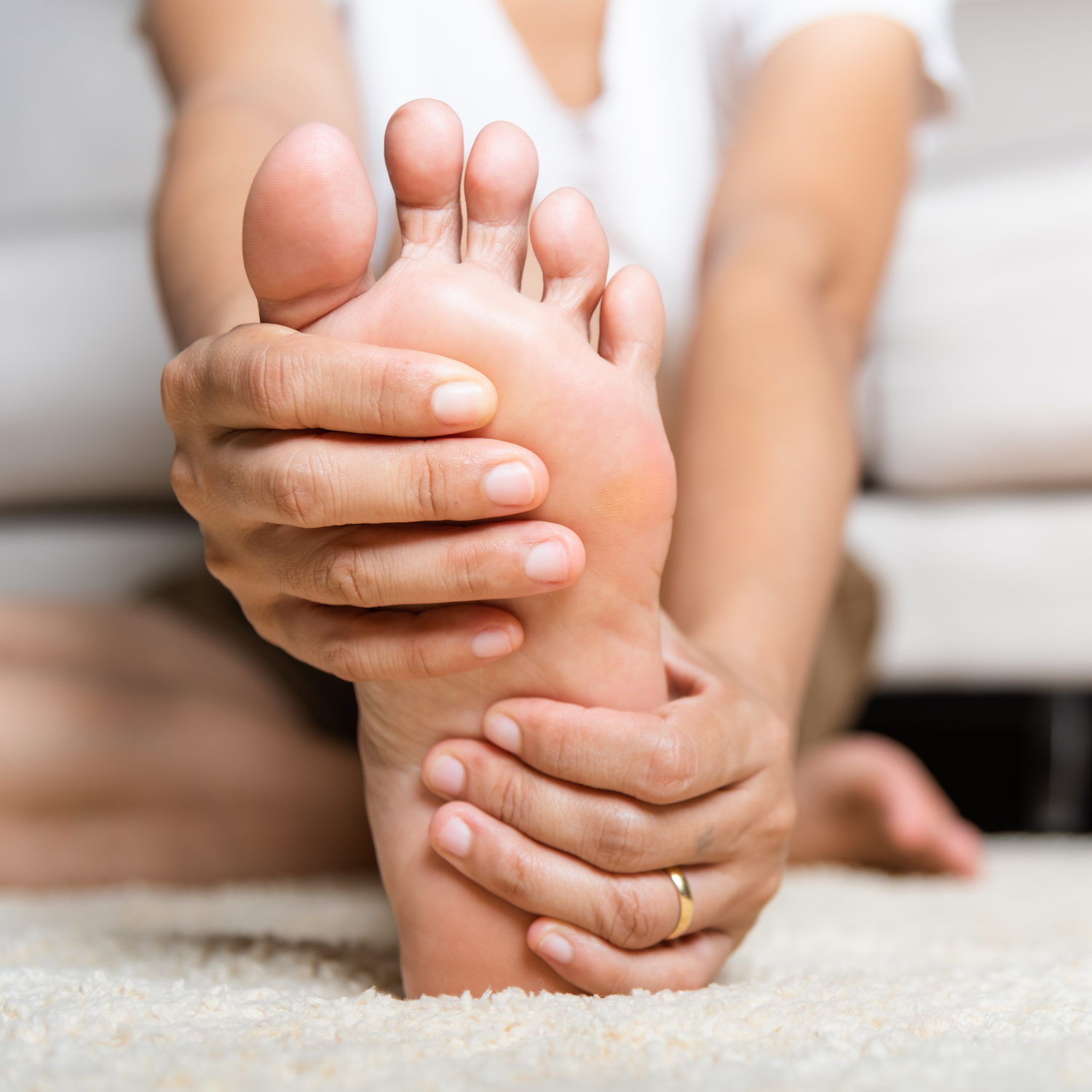
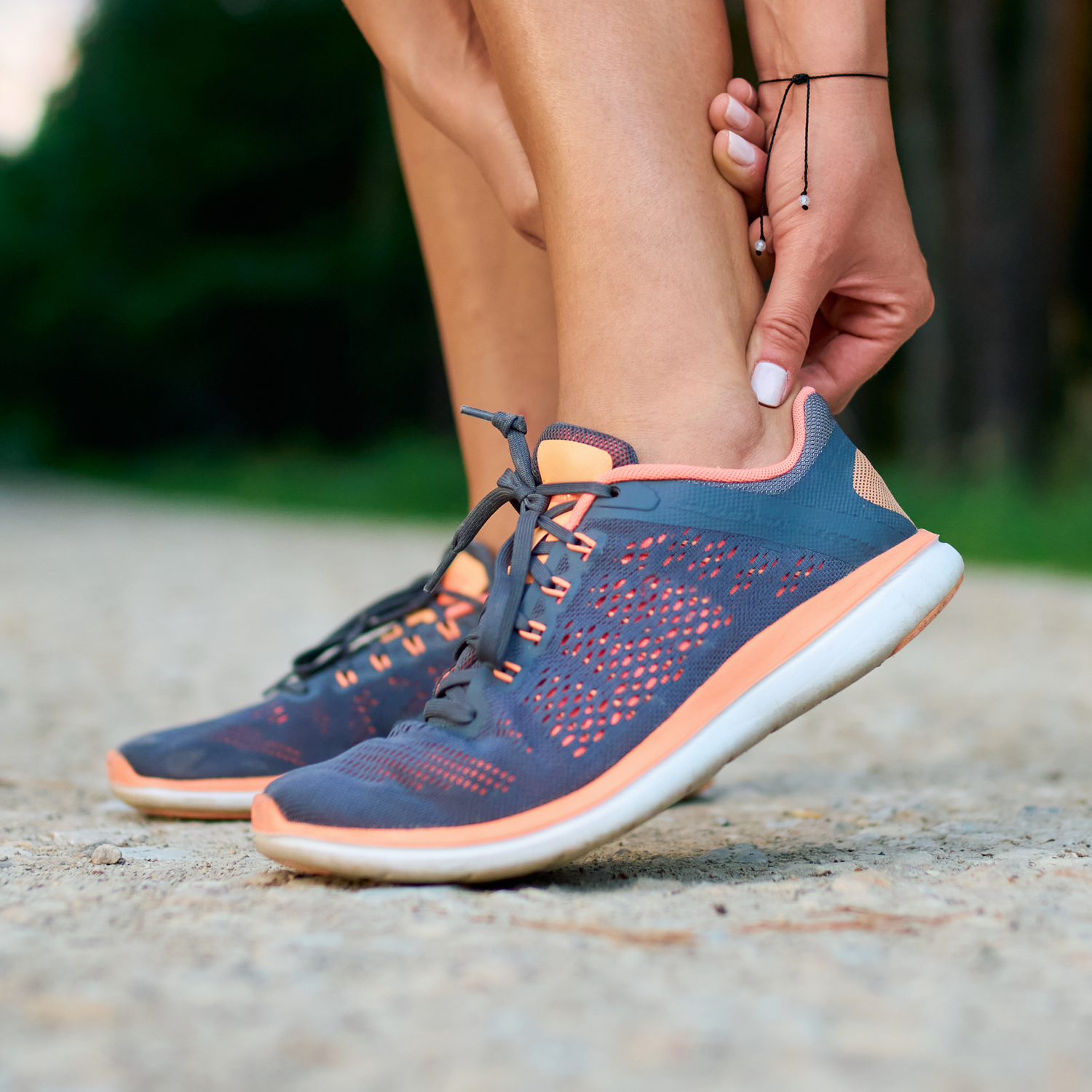
For ankle sprains, plantar fasciitis, or bunion support, pain relief tape offers flexible options. Begin with a figure-eight or arch-lift technique, anchoring the tape at the base of the foot and wrapping it around the ankle for stability.
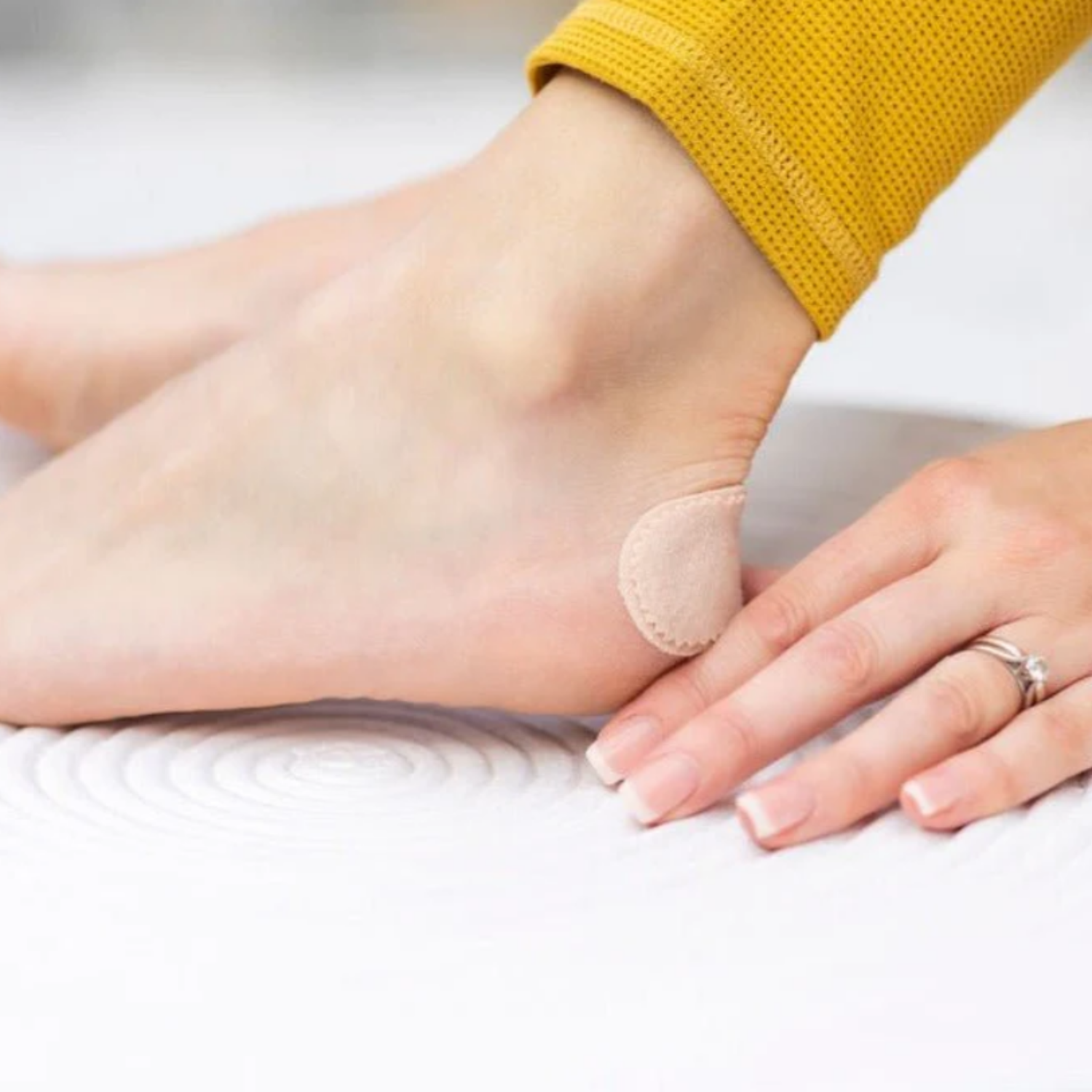
When taping for plantar fasciitis, use a strip under the arch and another along the heel for added lift and comfort. Toe and heel taping can provide everyday pain relief, especially for those on their feet for long hours.
Athletes and individuals in foot health programs often use pain relief tape as a preventative measure, supporting recovery and reducing strain during daily activities.
Back and Core
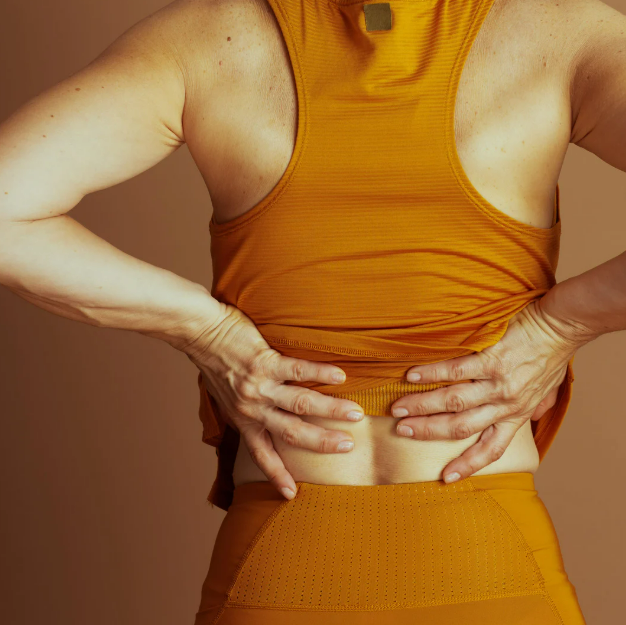
Lower back strain and posture issues respond well to pain relief tape applied with either longitudinal or cross-patterns. Start by measuring two long strips for the lumbar area, anchoring them on each side of the spine. For additional support, add a shorter strip horizontally across the lower back.
When taping the abdominal muscles, use gentle stretch and avoid excessive tension. Solo application can be challenging, so ask for assistance if needed to ensure even placement and adhesion.
This method helps stabilize the core, reduce discomfort, and encourage proper movement patterns throughout daily routines.
Tips for Long-Lasting Results
To maximize the benefits of pain relief tape, firmly rub the tape after applying to activate the adhesive. Avoid overstretching the anchor points, which can lead to peeling or irritation.
Pain relief tape is designed to withstand showers and workouts, but pat the area dry afterward rather than rubbing. Remove tape slowly by soaking it with warm water and gently peeling back to protect the skin.
Check your skin daily, reapply tape every few days, and address any discomfort immediately. Troubleshoot common issues like premature peeling by reviewing your preparation and application technique.
When to Consult a Professional
If you notice redness, blistering, or increased pain after using pain relief tape, remove it and consult a healthcare provider. Persistent or worsening symptoms may signal an underlying condition that needs expert assessment.
Chronic pain or recurring injuries should be managed with guidance from a physical therapist or sports medicine specialist. Professionals can recommend the best taping patterns and ensure safe, effective use.
For those new to pain relief tape or dealing with complex injuries, certified taping experts offer personalized advice and hands-on support, helping you achieve optimal results safely.
Expert Tips for Maximizing Pain Relief Tape Benefits
Unlocking the full potential of pain relief tape means going beyond basic application. With expert strategies, you can target pain more effectively, avoid common pitfalls, and stay ahead with the latest trends. Explore these actionable tips to get the most from every strip.
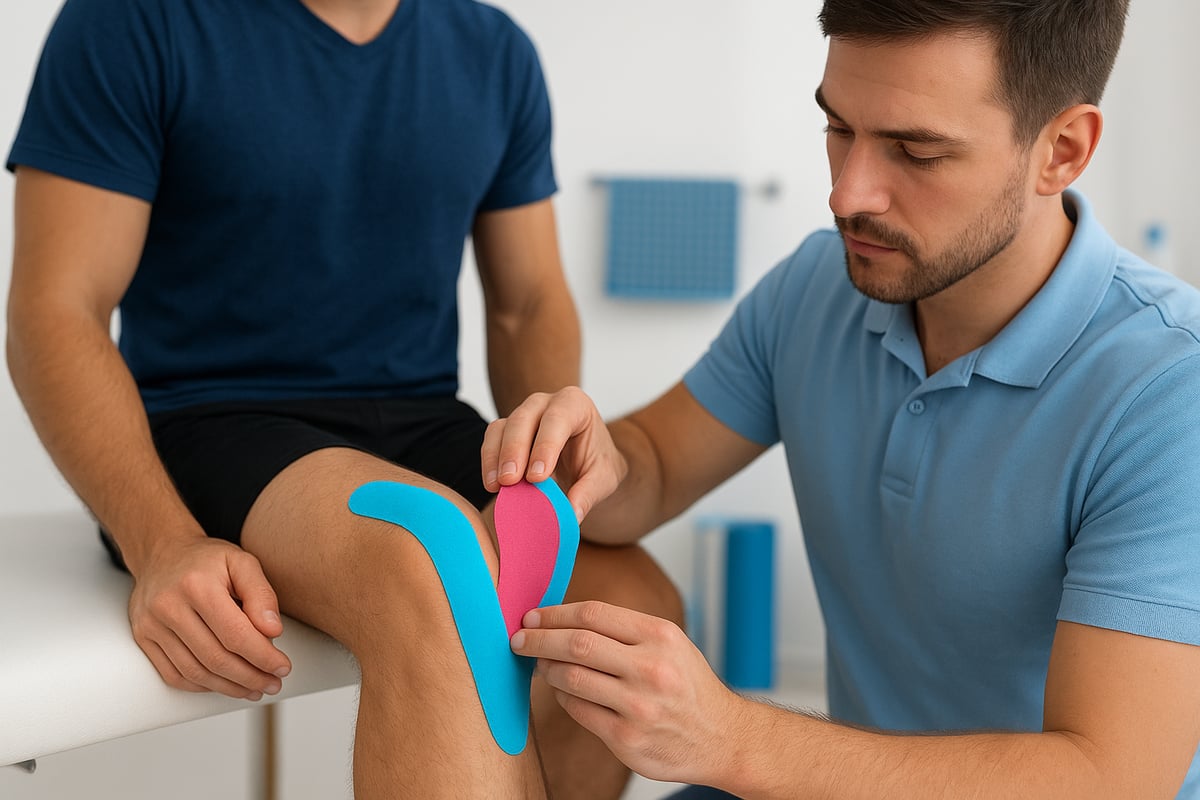
Customizing Tape for Your Condition
Personalizing pain relief tape application is essential for optimal results. Adjust the tape’s direction and tension based on your specific injury, such as tennis elbow, Achilles tendonitis, or shoulder strain. Experts often layer tape for complex pain patterns, following protocols that maximize support and comfort.
For chronic or myofascial pain, using evidence-based taping patterns can make a significant difference. According to a systematic review and meta-analysis, pain relief tape can improve pain and pressure thresholds for myofascial pain syndrome when tailored correctly.
Always consult a professional or reference clinical guidelines when customizing pain relief tape to ensure safe and effective application for your needs.
Combining Tape with Other Therapies
Pain relief tape works best when integrated into a broader treatment plan. Pairing it with physical therapy, targeted exercises, or massage therapy amplifies its benefits. Many athletes and patients use pain relief tape alongside braces or compression sleeves for extra support.
Some cases call for pain relief tape as a standalone solution, while others benefit from a multidisciplinary approach. Holistic pain management encourages combining modalities, which can lead to faster recovery and improved mobility. Always consult your healthcare provider to tailor the best combination for your condition.
Common Mistakes to Avoid
Using pain relief tape incorrectly can reduce its effectiveness or cause discomfort. Avoid these frequent errors:
- Overstretching the tape, which can irritate skin or limit circulation
- Placing tape on open wounds or infected skin
- Ignoring allergic reactions or persistent redness
- Relying solely on tape without adequate rest or professional guidance
- Skipping follow-up with a healthcare provider for chronic pain
Reviewing user data shows that most issues stem from improper application or neglecting aftercare. Addressing these mistakes ensures your pain relief tape experience is safe and successful.
Staying Updated: 2025 Innovations and Trends
Pain relief tape technology is evolving rapidly. In 2025, expect to see:
- Smart tapes with embedded sensors and mobile app integration
- Eco-friendly and biodegradable materials for sustainable use
- Advanced adhesives for longer wear and greater comfort
- Custom pre-cut shapes designed for popular injuries
- Insights from leading sports teams and industry experts
Staying informed about new tools and research ensures you always benefit from the latest advancements in pain relief tape. Check product updates and clinical studies regularly for the best outcomes.
Real-World Success Stories
Many users report transformative results with pain relief tape. Athletes share stories of returning to training faster after injury, while chronic pain patients highlight improved daily function and comfort. Healthcare providers also note high satisfaction rates among patients using tape as part of their recovery.
For example, a marathon runner used pain relief tape for IT band syndrome and experienced reduced pain and better performance. These success stories underscore the value of expert techniques and the importance of adapting pain relief tape to individual needs.
Safety, Skin Care, and Maintenance with Pain Relief Tape
Proper safety, skin care, and maintenance are essential for anyone using pain relief tape. By following expert recommendations, you can maximize comfort, minimize risks, and extend the benefits of your pain relief tape routine.
Skin Health Considerations
Maintaining healthy skin is the foundation of successful pain relief tape use. To prevent rashes, blisters, or allergic reactions, always test a small patch of tape on your skin before full application. Hydrate your skin daily, but avoid applying lotions or oils immediately before taping, as these can affect adhesion.
- Check for redness, itching, or discomfort after your first use.
- Select hypoallergenic or latex-free pain relief tape if you have sensitive skin.
- Follow dermatological recommendations for cleaning and prepping the skin.
If you notice persistent irritation, discontinue use and consult a healthcare provider. According to a Kinesiology Tape Survey Among U.S. Healthcare Professionals, most professionals emphasize the importance of skin checks and proper tape selection to reduce adverse reactions.
Tape Removal and Skin Recovery
Gentle removal is crucial for protecting your skin after using pain relief tape. Soak the tape with warm water or use a skin-safe adhesive remover if needed. Peel the tape slowly in the direction of hair growth to minimize discomfort and avoid skin tears.
- Never rip the tape off quickly.
- After removal, cleanse the area with mild soap and water.
- Apply a soothing moisturizer to support skin recovery.
Give your skin a break between applications, especially if you use pain relief tape frequently. Monitor for any lingering redness or sensitivity, and adjust your routine as needed for optimal comfort.
Storage, Shelf Life, and Product Care
To ensure your pain relief tape remains effective, store it in a cool, dry place away from direct sunlight. Check expiration dates before use, as adhesives can degrade over time, reducing performance.
- Inspect the tape for any signs of brittleness or loss of stickiness.
- Keep the tape in its original packaging to maintain hygiene.
- Avoid touching the adhesive side with dirty hands.
Follow manufacturer guidelines for storage and care to get the most value from your pain relief tape. Proper maintenance helps prevent contamination and ensures reliable support when you need it.
Environmental Impact and Disposal
The environmental impact of pain relief tape is an important consideration for users in 2025. Many brands now offer eco-friendly options made with biodegradable materials and sustainable adhesives.
- Choose tapes labeled as recyclable or compostable when possible.
- Dispose of used tape in accordance with local guidelines.
- Reduce single-use waste by selecting longer-wearing products.
Support brands committed to sustainability and educate yourself on green practices. Responsible disposal and mindful purchasing can help minimize the ecological footprint of pain relief tape use.
Pain Relief Tape in Everyday Life: Practical Uses Beyond Sports
Pain relief tape is not just for athletes. In 2025, its versatility is transforming daily routines and workplace wellness across many populations. Whether you are standing all day, managing chronic pain, caring for loved ones, or seeking comfort during travel, pain relief tape can offer practical, non-pharmacological relief.
Workplace and Occupational Applications
For professionals who spend hours on their feet, pain relief tape can be a game-changer. Nurses, teachers, and retail workers often experience muscle fatigue and joint strain. Taping techniques support posture, reduce repetitive strain, and help prevent injuries.
Many employers now include pain relief tape in wellness programs to boost comfort and productivity. For example, taping the lower back or knees before a long shift can minimize discomfort and enhance endurance. Recent workplace studies show a reduction in reported musculoskeletal complaints when employees use pain relief tape as part of their daily routine.
- Supports posture during desk work
- Reduces muscle fatigue from standing
- Helps manage repetitive strain injuries
Pain relief tape is becoming a staple for occupational health, offering an accessible solution for everyday aches.
Managing Chronic Pain and Medical Conditions
Pain relief tape is widely used to manage ongoing conditions like arthritis, fibromyalgia, and neuropathic pain. The tape provides gentle support and improves circulation, making it a valuable adjunct to medication and therapy. Many patients report reduced pain levels and better mobility after regular use.
Clinical studies, such as this Kinesio Taping for Chronic Low Back Pain, highlight the benefits of pain relief tape for persistent conditions. Physicians often recommend taping as part of a comprehensive pain management plan, especially for those seeking alternatives to pharmaceuticals.
- Supports joints affected by arthritis
- Aids in post-surgical recovery
- Offers comfort for chronic back pain
Pain relief tape helps many people maintain an active lifestyle while managing long-term conditions.
Supporting Children, Seniors, and Special Populations
Pain relief tape is suitable for a wide range of ages and needs. Young athletes benefit from extra joint support during sports, while seniors use tape to improve balance and reduce the risk of falls. Pediatricians and geriatricians recommend hypoallergenic tapes for sensitive or fragile skin.
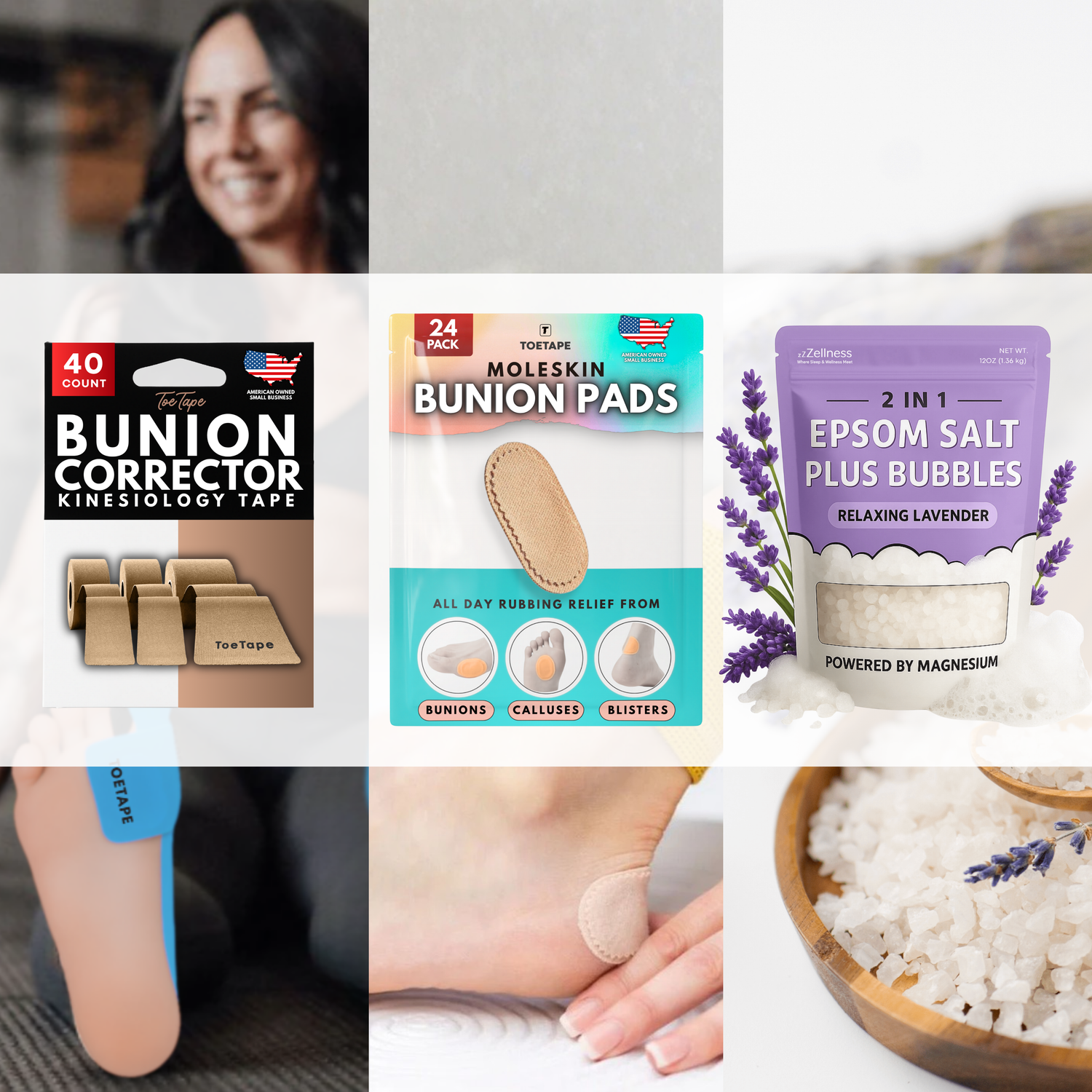
For seniors experiencing bunion discomfort, specialized taping methods can provide targeted relief. Learn more in this guide to Kinesiology Tape for Bunions. Family caregivers also use pain relief tape to support loved ones with mobility challenges.
- Safe for children in supervised sports
- Gentle formulations for elderly skin
- Customizable for various needs
Pain relief tape adapts to individual requirements, making it a versatile tool for families.
Travel, Recovery, and Everyday Comfort
Travelers often rely on pain relief tape to manage swelling, fatigue, and muscle aches during long journeys. Applying tape before flights or car trips helps maintain circulation and reduces discomfort. After travel, tape can speed recovery from minor strains or overuse injuries.
Everyday activities such as gardening, housekeeping, or caring for children can sometimes lead to aches and pains. Many users integrate pain relief tape into their daily wellness routines for discreet, all-day support.
- Reduces swelling during travel
- Provides relief after physical activity
- Enhances comfort in routine tasks
Pain relief tape offers practical, on-the-go solutions for comfort and recovery, fitting seamlessly into busy lifestyles.
As you’ve seen in this guide, pain relief tape can make a real difference for anyone managing discomfort—especially when it comes to foot issues like bunions. With the right application techniques and innovative products, you can take control of your foot health and move with greater ease every day. If you’re ready to experience bunion relief that adapts to your lifestyle and keeps you comfortable on the go, explore a solution designed to move with you: Get Bunion Relief that Moves with You!