










Struggling with bunion pain that disrupts your daily activities? You are not alone, as millions search for real solutions every year.
This expert guide explains how bunion tape, when used correctly, can offer substantial relief and support for bunions in 2025.
You will learn what causes bunions, how taping works, and how to apply tape step by step for best results. We will also cover common mistakes, expert product recommendations, and additional strategies for comprehensive foot care.
Ready to regain comfort and mobility? Follow this guide to discover effective, evidence-based relief.
Understanding Bunions: Causes, Symptoms, and Impact
Struggling with bunion pain can disrupt daily life, making simple activities challenging. To use bunion tape effectively, it's important to understand what bunions are, why they form, and how they can impact your health and mobility.
What Is a Bunion?
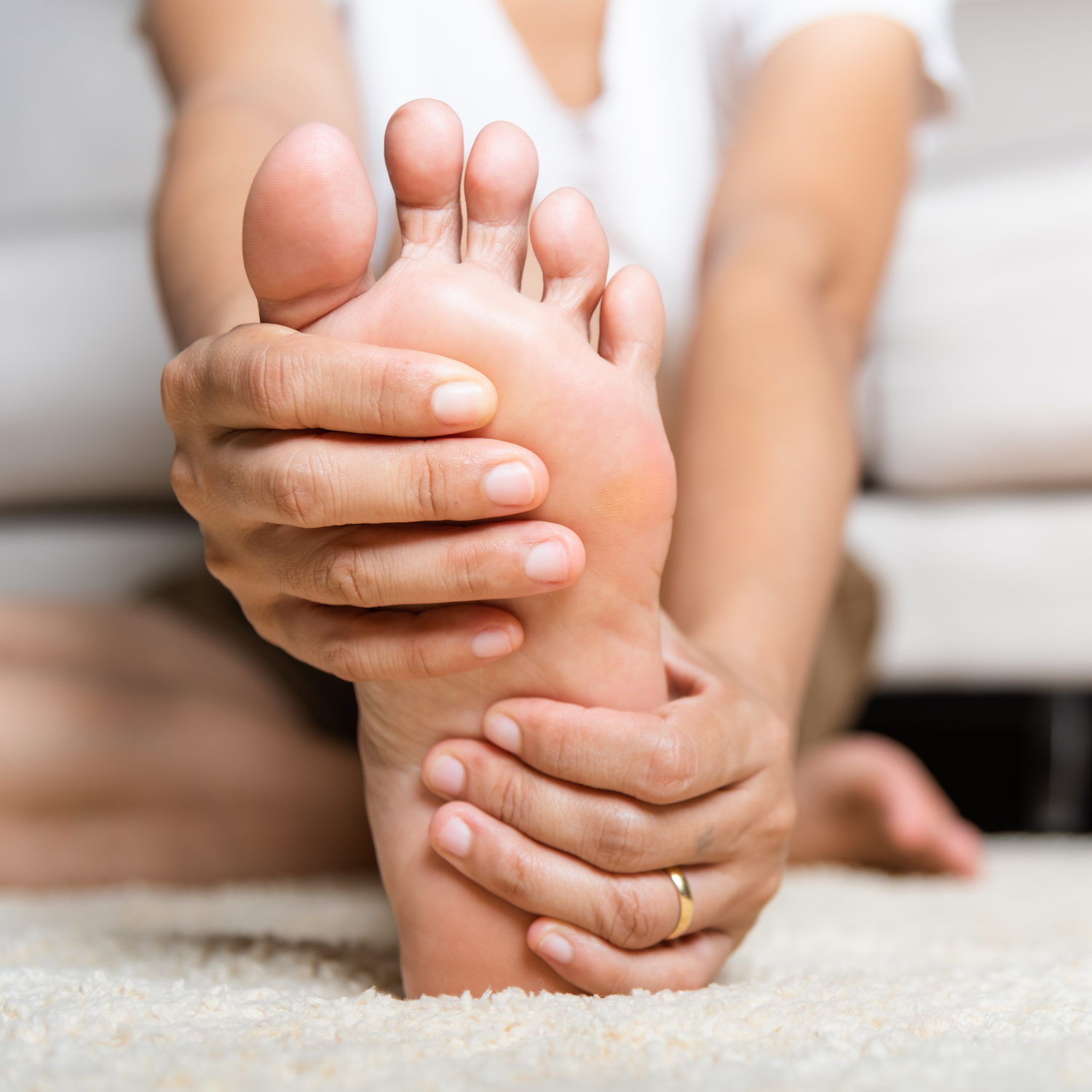
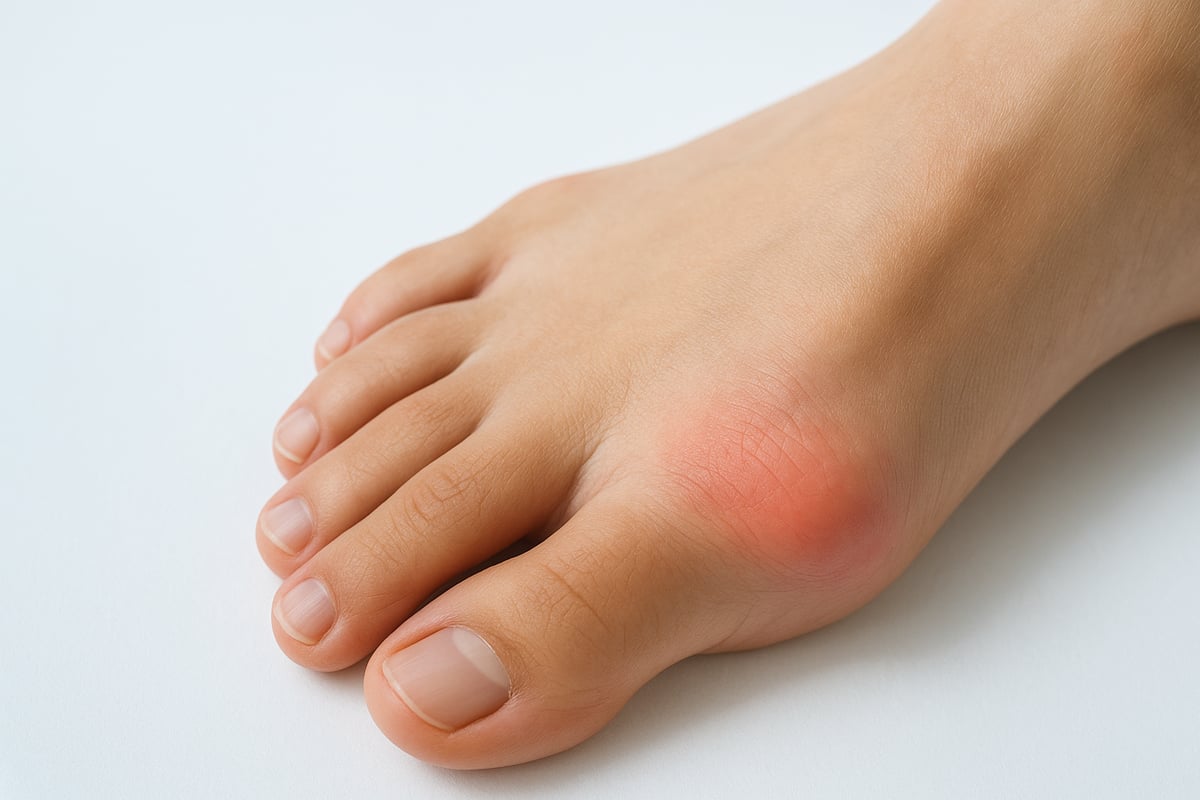
A bunion, also known as hallux valgus, is a bony bump that forms at the base of the big toe. This deformity alters the foot’s anatomy, causing the big toe to angle toward the other toes. Unlike other foot issues, bunions specifically affect the big toe joint, creating a visible and sometimes painful protrusion.
Bunions are more common in women, with studies showing up to 23% of adults are affected. The bump often appears red or swollen and may be accompanied by changes in the shape of the foot. Genetics and lifestyle both play roles in bunion formation. For a deeper look at what causes bunions and their prevalence, see Bunions: A Common Foot Issue. Understanding the basics helps you use bunion tape more effectively.
Common Causes and Risk Factors
Several factors increase the likelihood of developing bunions. Genetics is a significant contributor, as inherited foot structure can predispose individuals to this condition. Wearing ill-fitting footwear, especially narrow or high-heeled shoes, places extra pressure on the big toe joint.
Repetitive stress from activities such as ballet or running may also lead to bunion development. Age-related changes, arthritis, obesity, and biomechanical imbalances further elevate the risk. Knowing these causes helps you make better choices and enhances the benefits of bunion tape.
| Risk Factor | Impact on Bunions |
|---|---|
| Genetics | Inherited foot structure |
| Footwear | Narrow, high heels |
| Activity | Ballet, running |
| Age/Arthritis | Joint changes |
| Obesity | Increased foot stress |
Symptoms and Daily Life Impact
Bunions can cause a range of symptoms that interfere with everyday activities. Common signs include pain, swelling, and redness around the big toe joint. Some people experience an achy sensation radiating to the toes and arch, while others may feel sharp nerve pain from the misaligned bones.
These symptoms can make walking, exercising, or wearing shoes difficult. Chronic foot pain can also affect mental well-being and social participation. By recognizing these symptoms early, you can use bunion tape to manage discomfort and maintain mobility.
- Pain and swelling at the bunion site
- Redness and soreness around the joint
- Numbness or tingling in the toe
- Difficulty fitting into regular shoes
When to Seek Professional Help
While bunion tape can offer significant relief, certain signs indicate it’s time to consult a healthcare professional. If you notice severe or worsening pain, persistent swelling, or difficulty walking, home care may not be enough. Podiatrists and orthopedic specialists can assess your condition and recommend appropriate treatment.
Surgical options are available for advanced cases, but conservative measures often provide effective management when started early. Early intervention leads to better outcomes, so seek help if conservative steps, including bunion tape, do not provide adequate relief.
The Science Behind Bunion Tape: How Taping Provides Relief
Bunion tape has become a go-to solution for many people seeking non-surgical relief from bunion discomfort. Understanding the science behind this approach can help you use it more effectively and set realistic expectations for pain management.
Mechanisms of Action
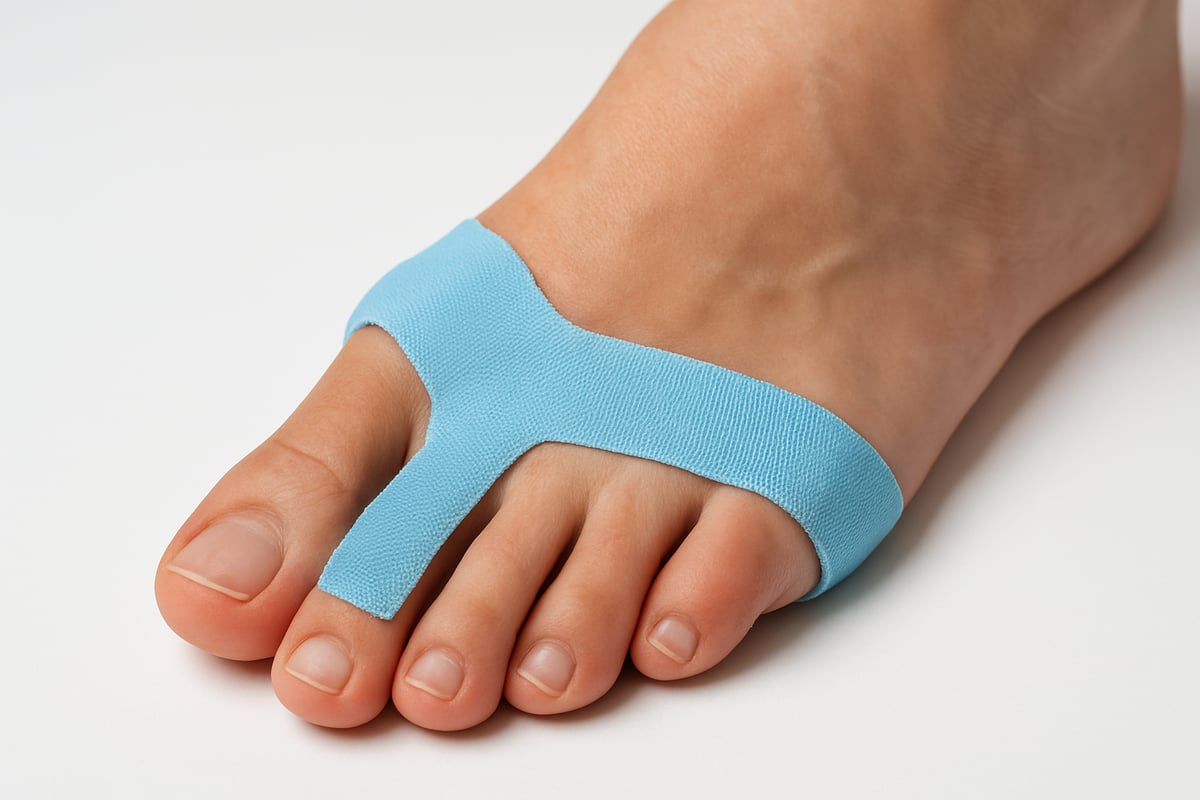
Bunion tape works through a combination of biomechanical and neurological effects. When applied correctly, the tape gently lifts the skin around the bunion, reducing direct pressure on the inflamed area. This lifting effect can help minimize friction between the bunion and footwear, decreasing irritation and pain.
Another key benefit is improved alignment. By strategically placing bunion tape, the big toe can be guided into a more natural position, which helps stabilize the joint. Enhanced proprioception—your body's sense of joint position—also plays a role, as the tape provides constant sensory feedback to the brain, encouraging better posture and movement. Compared to rigid splints or orthotics, bunion tape offers dynamic support that moves with your foot throughout the day.
Evidence and Expert Consensus
A growing body of research supports the use of bunion tape for pain management and mobility. Clinical studies have shown that taping can reduce discomfort, improve joint function, and help patients stay active without invasive procedures. Many podiatrists and physical therapists recommend bunion tape as part of a conservative treatment plan, especially for those not ready for surgery.
While current research highlights its benefits, experts note the importance of individualized care, as results can vary. Patient testimonials frequently report significant relief, but bunion tape is not a cure for the underlying bone deformity. For a deeper dive into how kinesiology tape is used for bunion relief, see the Kinesiology Tape for Bunions article.
Benefits Over Other Relief Methods
Bunion tape offers several advantages compared to other management techniques. It is non-invasive, does not require medication, and is generally affordable. Unlike bulky splints, bunion tape allows you to wear your regular shoes and continue daily activities with minimal disruption.
You can also combine bunion tape with other therapies, such as pads, toe spacers, or targeted exercises, for a more comprehensive approach. Many users experience immediate relief upon application, and the tape can be customized to fit various foot shapes and bunion severities. This flexibility makes bunion tape an accessible option for many seeking pain relief.
Potential Drawbacks and Considerations
Despite its benefits, bunion tape is not suitable for everyone. People with open wounds, skin allergies, or sensitivities to adhesives should avoid using it. The effects of bunion tape are temporary and do not address the root cause of the bunion, which is the underlying bone structure.
Improper application can reduce effectiveness and may even cause skin irritation or discomfort. Regular reapplication is necessary to maintain support, and users should monitor for any adverse reactions. If pain worsens or does not improve, it is important to stop using bunion tape and consult a healthcare professional for further evaluation.
Choosing the Right Bunion Tape in 2025: Types, Features, and Innovations
Selecting the right bunion tape in 2025 means understanding the latest options and how they cater to your unique needs. With more choices than ever, finding the best fit can make a significant difference in your comfort and mobility.
Types of Bunion Tape
Bunion tape comes in several forms to address different needs. Kinesiology tape is flexible and designed to move with your foot, offering gentle support and alignment. Rigid athletic tape provides firmer stabilization but can be less comfortable for all-day wear.
Precut strips simplify application, while customizable rolls allow you to tailor the fit for your foot. Many tapes now offer waterproof or sweat-resistant properties, making them suitable for active lifestyles or humid climates. For sensitive skin, hypoallergenic options minimize irritation. Leading brands vary in adhesive strength, flexibility, and ease of use, so compare features before you decide which bunion tape is right for you.
Key Features to Look For
When choosing bunion tape, focus on features that enhance comfort and performance. Strong adhesive ensures the tape stays in place during daily activities, while breathable materials help prevent moisture buildup and skin discomfort.
Look for tapes that offer stretchability to support your foot without restricting movement. Hypoallergenic ingredients are crucial if you have a history of allergies or sensitive skin. Easy removal and residue-free performance prevent skin damage and make bunion tape more suitable for regular use. Prioritize these features to get the most effective and comfortable experience.
Innovations in Bunion Taping Products
Recent innovations in bunion tape technology are transforming foot care in 2025. Some tapes now incorporate infrared fibers or are infused with materials like Celliant® to promote circulation and healing. New ergonomic shapes conform more naturally around the big toe, improving both fit and support.
Application aids, such as starter tabs or mobile app guidance, help users apply bunion tape accurately even without experience. Bundled kits often include pads, spacers, and tape for a comprehensive solution. Eco-friendly and reusable bunion tape options are also gaining popularity among those who value sustainability.
ToeTape: Specialized Foot Care Solutions
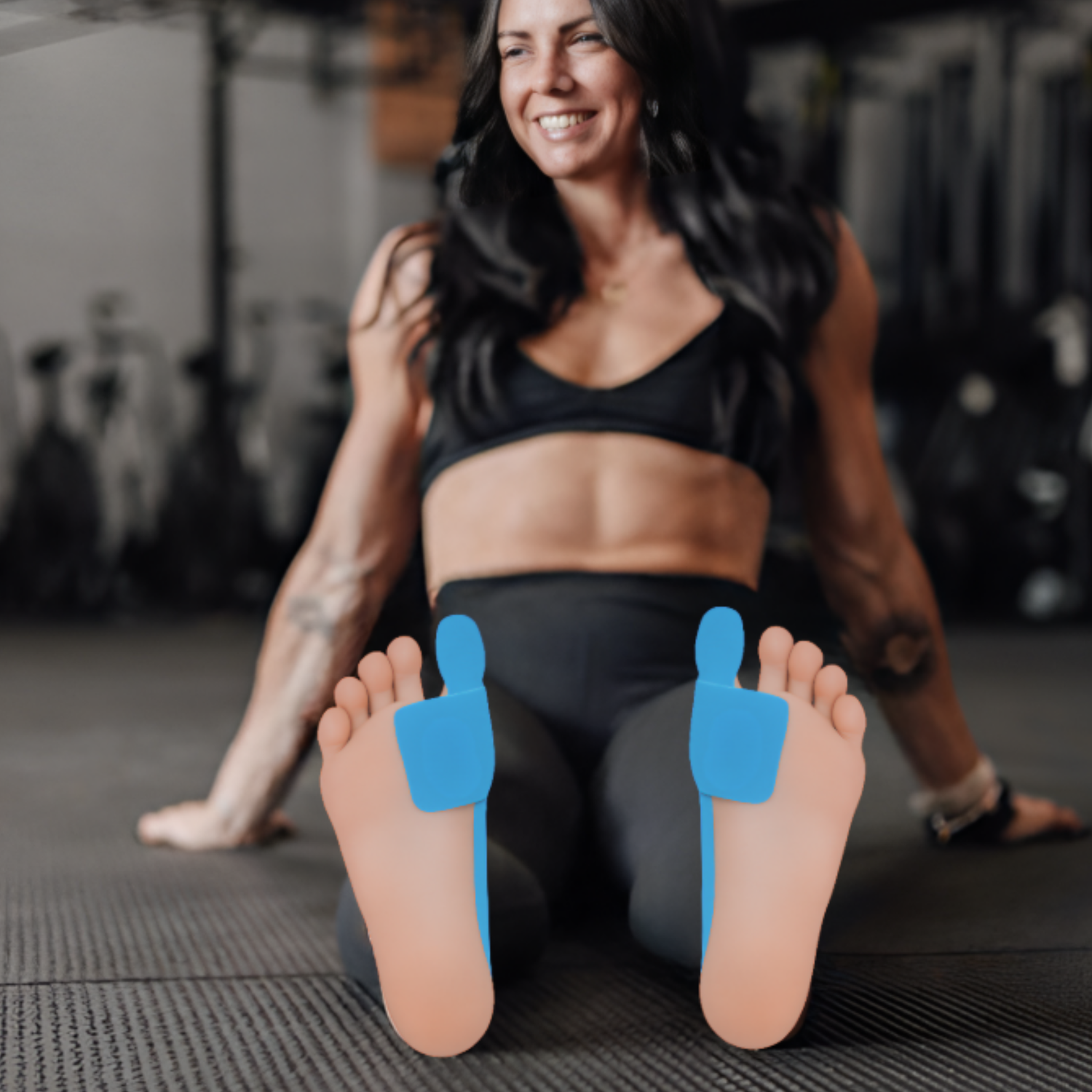
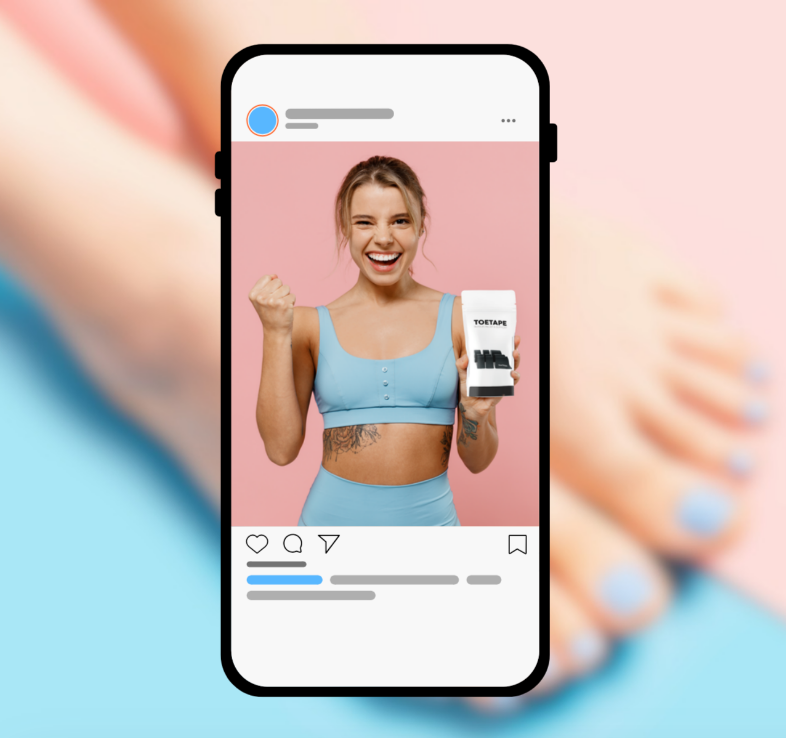
ToeTape stands out as a leader in specialized bunion tape and foot care products. Their precut kinesiology tape is engineered specifically for bunions, streamlining application and maximizing alignment benefits. ToeTape offers options for sensitive skin and caters to people with active lifestyles who need reliable, non-invasive solutions.
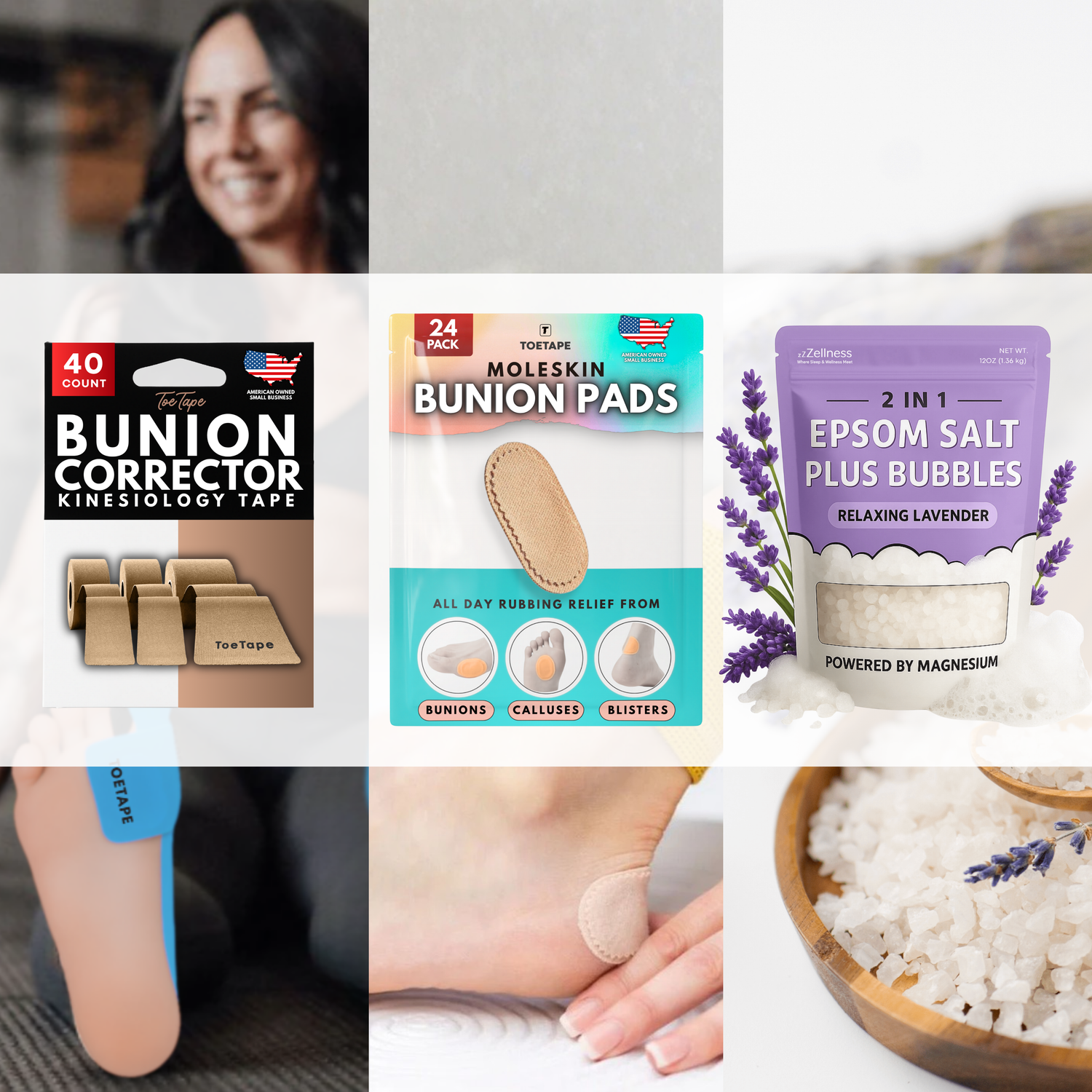
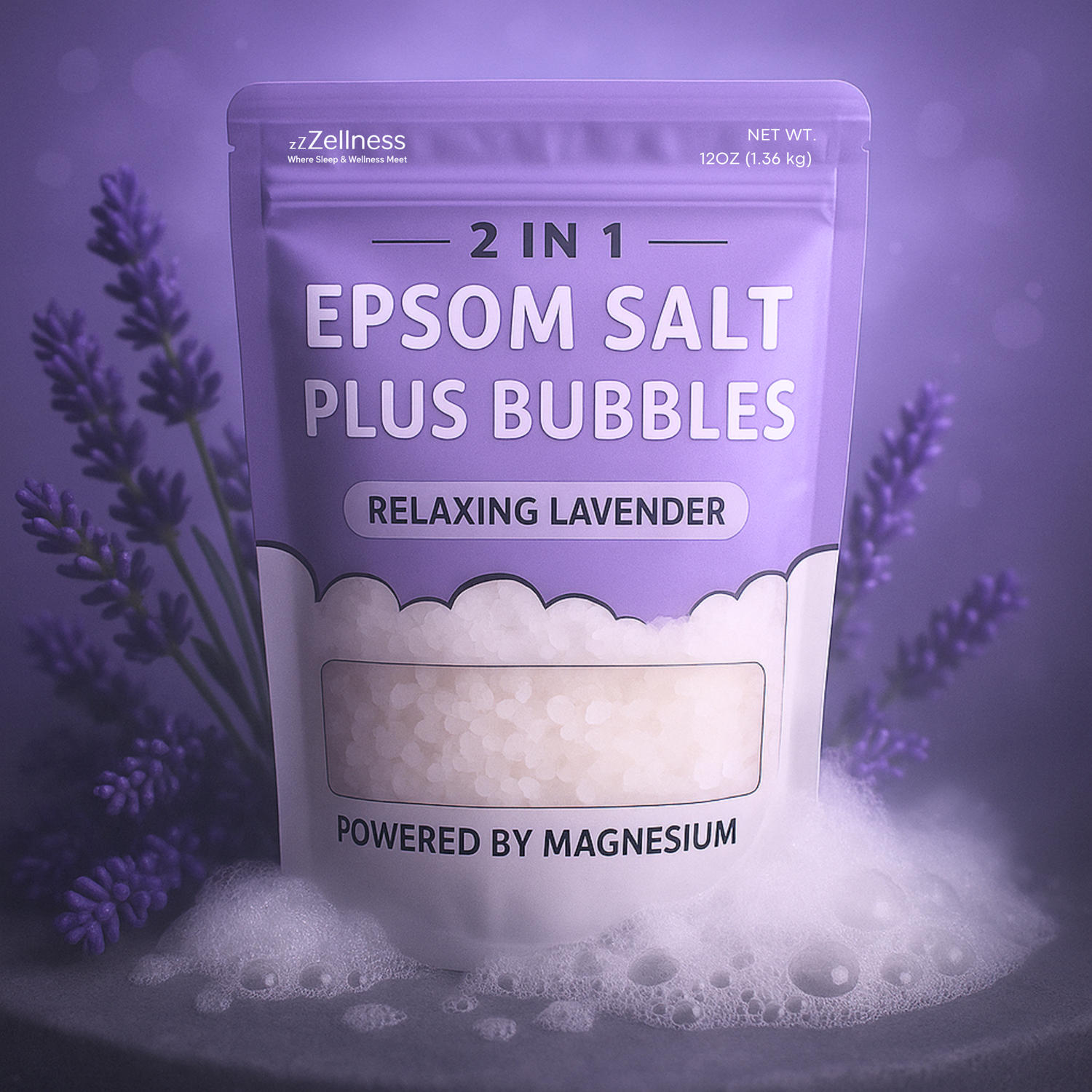
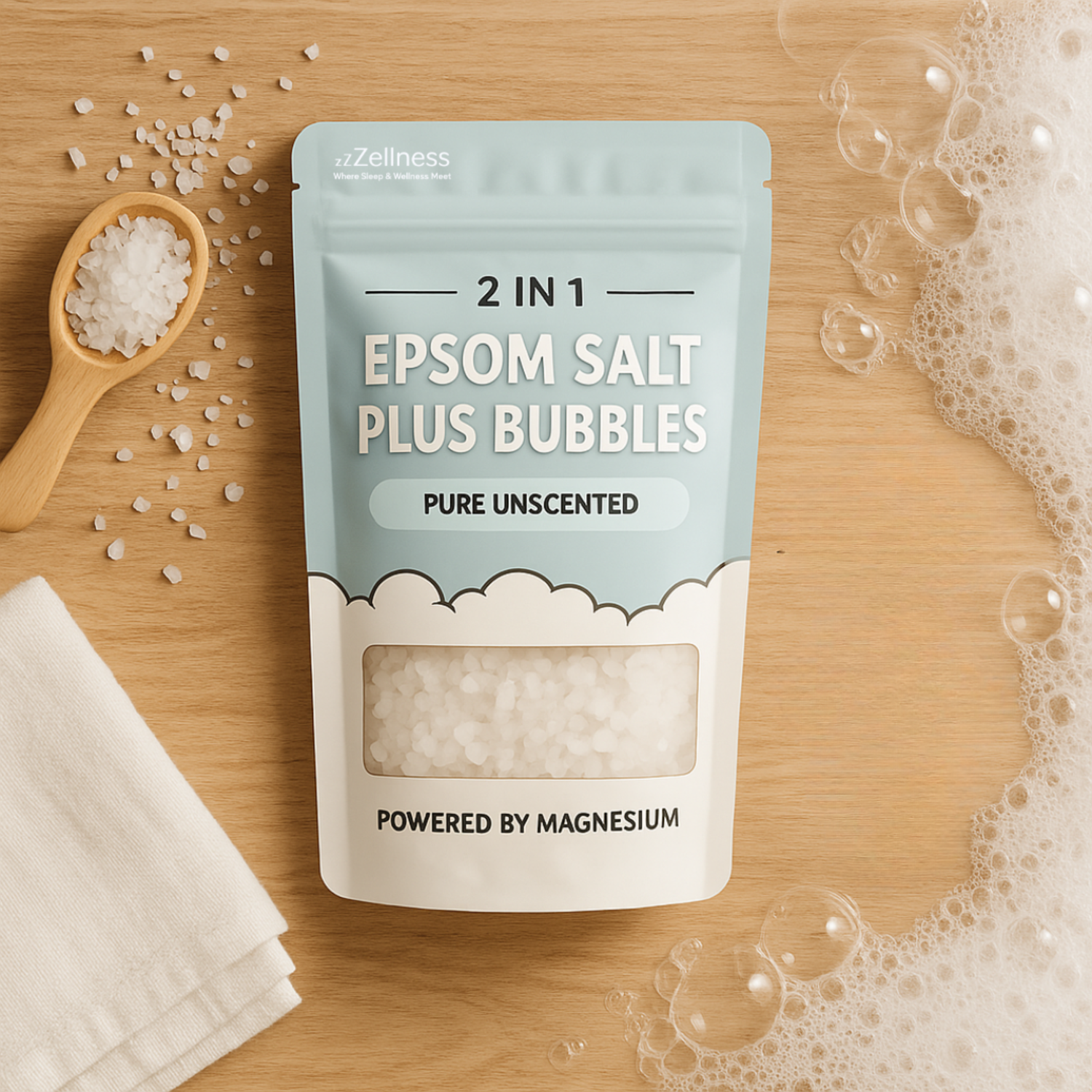
For those seeking a comprehensive approach, the Bunion Relief Product Bundle includes bunion tape, pads, and soothing foot soaks. Customers appreciate the affordable pricing, high satisfaction rates, and free shipping on qualifying orders. Trusted by thousands, ToeTape products are a convenient choice for effective bunion tape support and improved mobility.
Step-by-Step Guide: How to Tape a Bunion for Maximum Relief
Finding sustainable relief from bunion pain starts with proper taping. This guide delivers a clear, stepwise process for using bunion tape, ensuring comfort, support, and effective pain management. Follow each stage closely to maximize your results and preserve your mobility.
Preparation: Setting Up for Success
Before applying bunion tape, preparation is key for both comfort and adhesion. Start by washing and thoroughly drying your foot. This removes oils and moisture that can prevent the tape from sticking.
Trim excess hair near the bunion area to improve adhesion and reduce discomfort during tape removal. Avoid using lotions or oils just before application. Gather your materials: bunion tape, sharp scissors, and any pads or spacers you plan to use.
Check your skin for sensitivities or allergies to adhesives. Position your foot comfortably, either seated or with your foot propped up, so you can access the bunion easily. Taking these steps ensures your bunion tape stays secure and effective.
Step 1: Measuring and Cutting the Tape
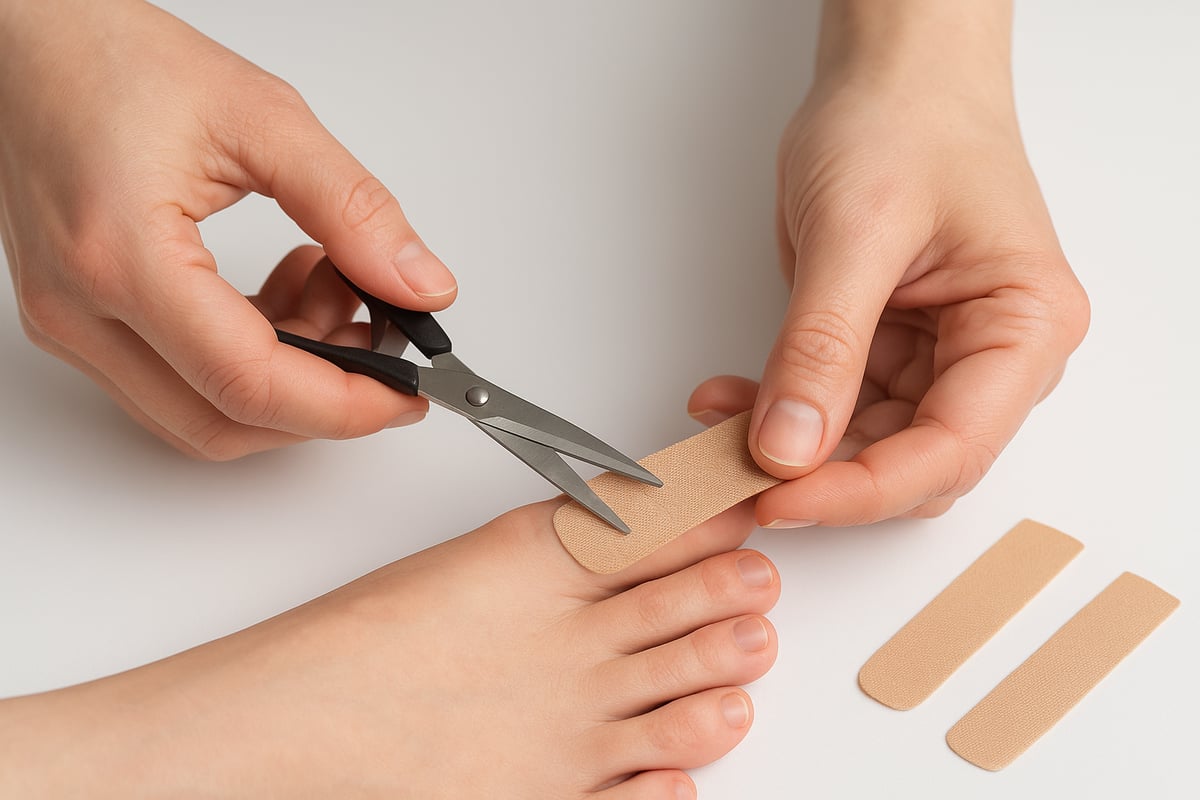
Accurate measurement is essential for bunion tape to provide optimal support. Begin by estimating the length of tape needed to cover from the base of your big toe to the midfoot. Precut strips are convenient, but you may need to customize lengths for your unique foot shape.
Use scissors to cut the tape, rounding the corners to prevent peeling during wear. Prepare two or three strips, depending on the size of your bunion and the level of support required. If reinforcement is needed, cut additional strips.
Proper measurement and cutting ensure that bunion tape fits snugly and stays in place throughout the day.
Step 2: Applying the Anchor Strip
The anchor strip is the foundation of effective bunion tape application. Place the first strip along the inner side of your big toe, starting at the toe’s base and extending toward the midfoot.
Apply the tape without tension, ensuring it lays flat against the skin. Avoid wrinkles, as they may cause irritation or reduce adhesion. Press the tape gently but firmly to secure it.
This anchor stabilizes the big toe and helps prevent the tape from shifting during movement. Consistent placement of the anchor strip is vital for bunion tape to offer reliable support and comfort.
Step 3: Corrective Strip for Alignment
Now, add a corrective strip to gently realign the big toe. Begin by placing the tape diagonally across the bunion—from the inside of the big toe, crossing over the bunion, and ending on the midfoot or arch.
Apply mild stretch to the bunion tape, following manufacturer guidelines. This gentle tension helps guide the toe into a more natural alignment. Secure the end of the strip smoothly to avoid bunching.
Visualize the tape redirecting your toe’s position, reducing pressure on the bunion. This corrective step is crucial for improving foot biomechanics and alleviating pain.
Step 4: Reinforcement and Comfort Adjustments
For additional support, add more strips as needed. Severe bunions may benefit from placing a pad or gel spacer beneath the bunion tape before securing it.
When applying extra strips, avoid excessive tension to prevent skin irritation or compromised circulation. Smooth down all tape edges to ensure a comfortable fit and reduce the risk of peeling.
Check the overall feel of the taping. Adjust as necessary, especially if you plan to wear the bunion tape during sports or extended activity. Reinforcement helps maintain alignment and comfort throughout the day.
Step 5: Testing and Wearing the Tape
Once the bunion tape is applied, stand and walk a few steps to assess support and comfort. The tape should feel stable, not restrictive or pinching.
Wear socks and shoes to ensure the tape remains secure during routine activities. Monitor the skin for any signs of irritation or allergic reaction after several hours.
If discomfort arises, remove and reapply the bunion tape, making necessary adjustments. Testing the tape’s feel in real-life conditions helps ensure it delivers effective, lasting relief.
Tips for Prolonged Wear and Best Results
For ongoing relief, change your bunion tape every two to three days or as recommended by the manufacturer. If using waterproof tape, you can bathe or exercise without worrying about adhesion loss.
Remove the tape gently to protect skin health. Consider combining bunion tape with toe spacers or pads for enhanced comfort, especially during high-impact activities.
Consistency is key—regular, correct use of bunion tape supports pain management and improved mobility. Pay attention to how your foot responds and adjust your routine as needed.
Visual Guide and Video Resources
Visual aids can make bunion tape application much easier. Many manufacturers and podiatrists offer step-by-step videos, clear diagrams, and downloadable guides to supplement written instructions.
For a comprehensive visual walkthrough, refer to the Step-by-Step Bunion Taping Guide. These resources demonstrate proper tape placement and technique, helping you avoid common mistakes.
If you have complex or severe bunions, seek professional guidance. Visual learning tools empower you to use bunion tape confidently as part of your foot care routine.
Common Mistakes and Troubleshooting: Ensuring Effective Bunion Taping
Applying bunion tape can make a significant difference in comfort and mobility, but only if done correctly. Many people unintentionally reduce the effectiveness of bunion tape by making avoidable mistakes or overlooking important details. Understanding these pitfalls and how to troubleshoot common problems will help you achieve the best possible relief.
Mistakes to Avoid
Incorrect use of bunion tape can lead to discomfort, reduced support, or even skin problems. To maximize results, avoid these common errors:
- Applying bunion tape on skin that is dirty, damp, or oily. Clean, dry skin helps the tape adhere properly.
- Pulling the tape too tightly, which can restrict circulation and cause irritation or blisters.
- Failing to round the tape corners, making peeling and bunching more likely.
- Overlooking signs of allergic reactions such as redness, itching, or rash.
- Relying solely on bunion tape without addressing footwear choices or activity modifications.
Being mindful of these issues will help you get the most out of each application.
Troubleshooting Issues
Even with careful application, you may encounter challenges while using bunion tape. Here are solutions to frequent problems:
- If the tape peels off prematurely, ensure the skin is completely dry and free of lotion. Use a stronger adhesive or consider a sweat-resistant product.
- For skin redness or itching, switch to a hypoallergenic or sensitive-skin version of bunion tape.
- If you do not feel pain relief, reassess your technique or placement. Watching instructional videos or consulting a podiatrist can help.
- Tape bunching or wrinkling can be prevented by smoothing the tape during application and avoiding excessive stretching.
- Persistent pain or symptoms may signal the need for professional advice or alternative treatments.
Addressing these issues early ensures continued comfort and protection.
When to Remove or Replace Tape
Knowing when to take off or change your bunion tape is essential for skin health and ongoing relief. Replace or remove the tape if you notice:
- Signs of skin breakdown, blisters, or infection under or around the tape.
- The tape has lost adhesion, become dirty, or started to peel.
- Increased pain, numbness, or tingling develops after application.
- After activities involving water, unless you are using waterproof bunion tape.
- The recommended wear time from the manufacturer has passed.
Regular monitoring will help maintain effectiveness and prevent complications.
Expert Tips for Long-Term Success
For lasting benefits with bunion tape, experts recommend a holistic approach:
- Rotate taping with other relief methods, such as pads, toe spacers, or targeted foot exercises.
- Keep feet clean and dry, and check skin health regularly.
- Gradually increase activity, using bunion tape for support during longer walks or workouts.
- Track bunion changes and adjust your taping routine as needed.
- Stay informed about new products and taping techniques for 2025 to continually improve your results.
By combining these strategies, you can make bunion tape a reliable part of your comprehensive foot care plan.
Integrating Bunion Tape Into a Comprehensive Relief Plan
Finding relief from bunion pain often requires more than a single approach. While bunion tape is an effective tool, integrating it into a broader foot care plan can maximize comfort and slow bunion progression. By combining taping with other strategies, you can address multiple aspects of foot health and maintain mobility.
Combining Tape with Other Foot Care Strategies
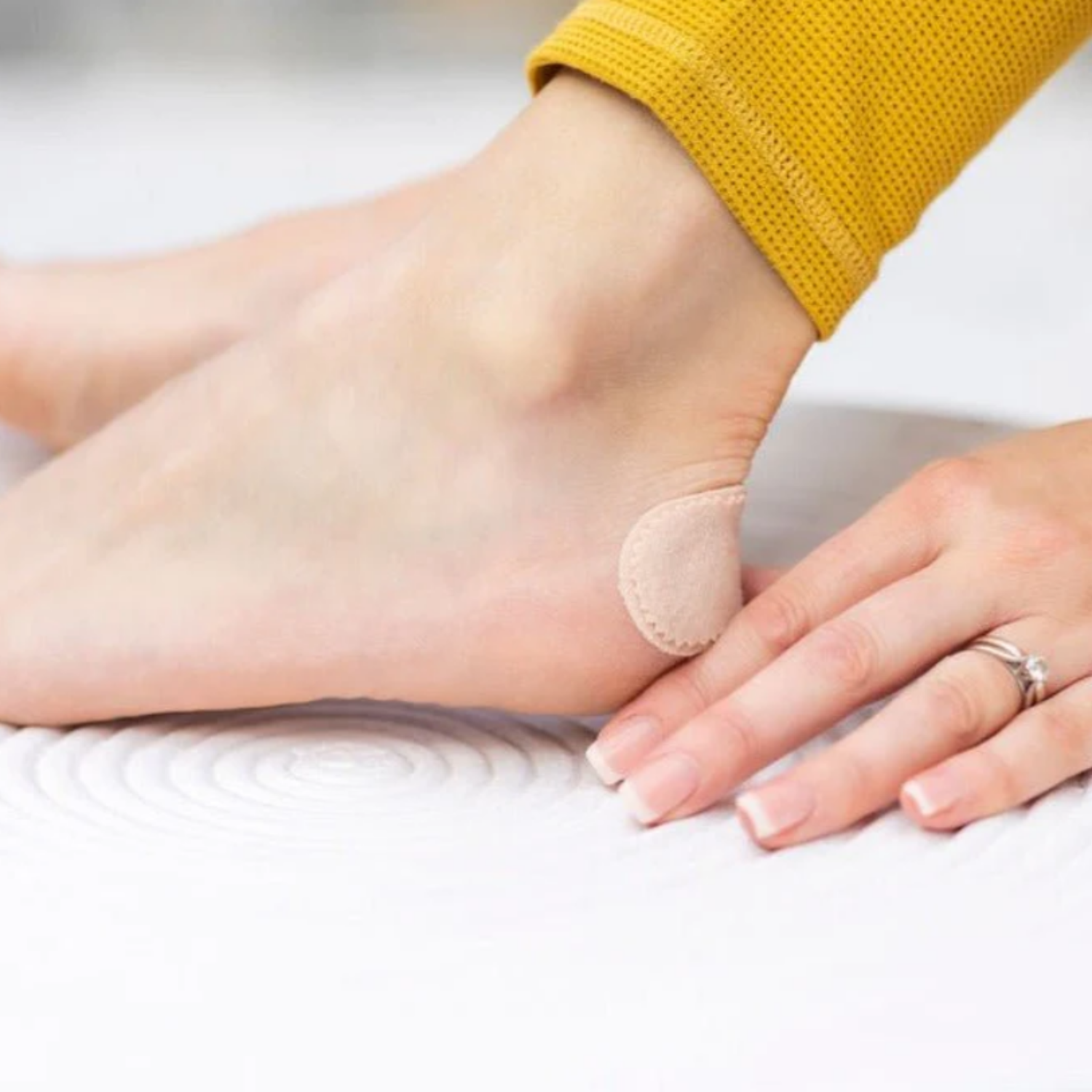
For optimal results, use bunion tape as part of a comprehensive regimen. Pairing bunion tape with toe spacers can help keep the big toe in better alignment during daily activities. Orthotics and bunion pads provide additional cushioning and support, reducing pressure on sensitive areas.
Select footwear with wide toe boxes and cushioned soles to prevent further irritation. Night splints and regular stretching routines can address underlying alignment issues over time. Moisturize the skin to prevent dryness under the tape, and give your feet rest after long periods of standing or walking.
By layering these strategies, bunion tape becomes a central, but not solitary, part of your relief plan.
Exercise and Stretching for Bunion Relief
Incorporating exercise into your routine enhances the benefits of bunion tape. Toe stretches help maintain flexibility, while resistance band exercises strengthen foot muscles and support the arch.
Physical therapists often recommend simple routines, such as:
- Big toe pulls to encourage alignment
- Marble pickups to boost muscle strength
- Calf stretches for improved foot mechanics
Balance activity and rest to avoid overloading your feet. Regular exercise, when combined with bunion tape, can slow the progression of bunions and improve overall foot function.
Lifestyle Modifications for Lasting Comfort
Adjusting daily habits can extend the relief provided by bunion tape. Avoid high heels and shoes with narrow toe boxes, as they can worsen bunion symptoms. Maintain a healthy weight to reduce stress on your feet, and consider modifying work or sports activities if they aggravate discomfort.
Perform daily self-checks to monitor changes in your bunion and the effectiveness of bunion tape. Incorporate soothing foot soaks to reduce inflammation and promote relaxation. Small lifestyle shifts, together with bunion tape, create a more comfortable foundation for your day-to-day life.
Monitoring Progress and Knowing When to Seek Help
Track your symptoms over time to evaluate how bunion tape and other interventions are working. A symptom diary can help you notice patterns and improvements, making it easier to discuss your condition with a podiatrist. Recognize signs such as increasing pain, limited mobility, or skin irritation, which may indicate the need for professional guidance.
Schedule regular check-ins with a foot specialist, especially if your bunion worsens or conservative measures stop being effective. Early intervention is crucial, given that bunions affect a significant portion of adults worldwide, as highlighted by global prevalence of hallux valgus. Adjust your relief plan as your needs change for the best long-term results.
Latest Trends and Research in Bunion Management for 2025
Bunion care is evolving, with new taping techniques, advanced materials, and digital tools emerging. Telehealth consultations now offer personalized bunion tape guidance from specialists. Mobile apps help users track progress, access educational resources, and receive reminders for tape changes.
Recent clinical studies focus on non-invasive therapies and the impact of innovative products on pain management. The growing interest in alternatives to surgery is reflected in the expanding bunion surgery market forecast, showing a shift in patient and provider preferences. Community groups and online forums also provide support and share the latest insights for maintaining foot health with bunion tape.
If you've made it this far, you know how important it is to find a bunion relief solution that fits seamlessly into your daily routine. We’ve explored how the right taping technique can offer real comfort and keep you active, especially with innovative products designed for 2025. If you’re ready to put these expert tips into practice, why not try a tape that’s made specifically for bunion support and mobility? You deserve relief that moves with you—discover how effective proper taping can be with Get Bunion Relief that Moves with You!