










Millions of people experience bunions and pain every day, making even simple activities uncomfortable. In 2025, new expert-backed solutions offer renewed hope for those seeking real relief. This comprehensive guide will help you understand the causes and symptoms of bunions and pain, highlight cutting-edge treatments, and provide actionable prevention strategies. Whether you are looking for the latest therapies, practical management tips, or answers to common questions, you will find clear and trusted advice to help you take control and move forward with confidence.
Understanding Bunions: Causes, Symptoms, and Risks
Millions struggle with bunions and pain, yet many remain unaware of what this common foot condition truly involves. By understanding how bunions form, who is at risk, and the symptoms to watch for, you can make informed decisions about prevention and relief. This section breaks down the essentials, helping you recognize the signs and risk factors that contribute to bunions and pain.
What Are Bunions? Defining the Condition
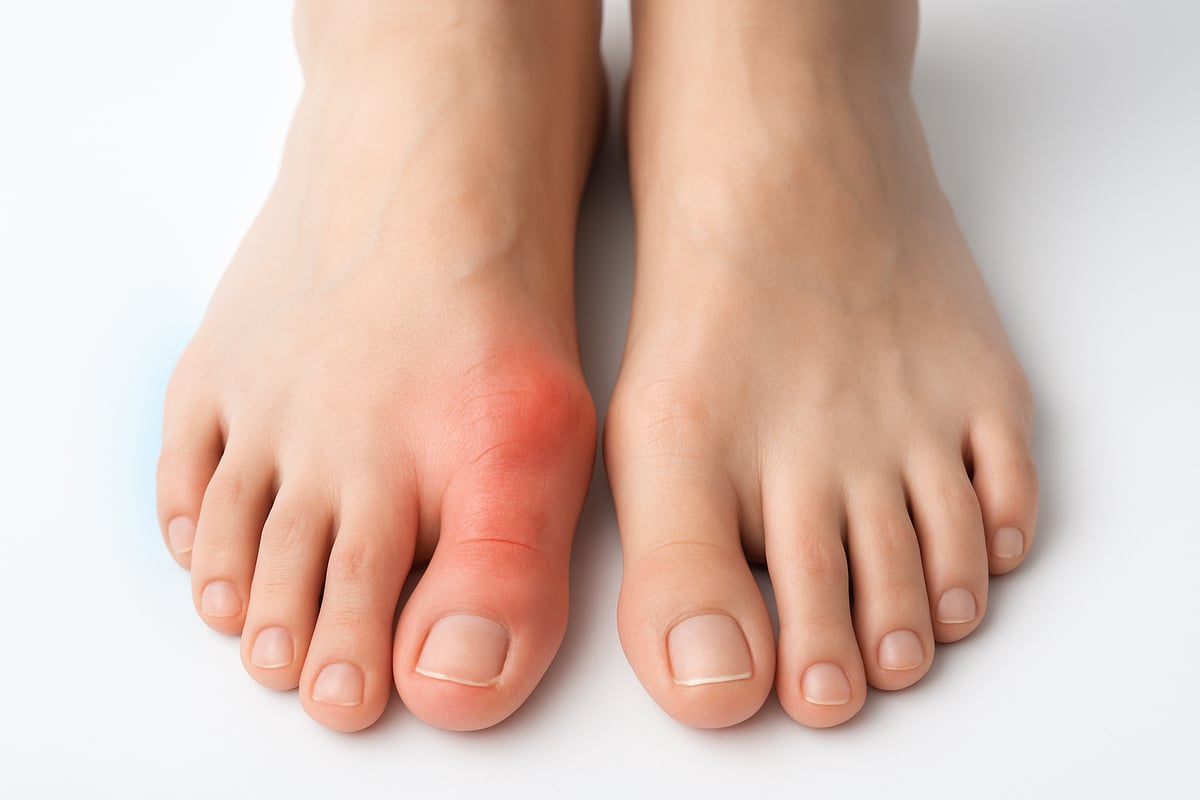
A bunion is a bony bump that forms at the joint where the big toe meets the foot, medically called hallux valgus. Over time, the big toe drifts towards the other toes, causing the joint to stick out. This shift leads to bunions and pain, especially as the deformity worsens.
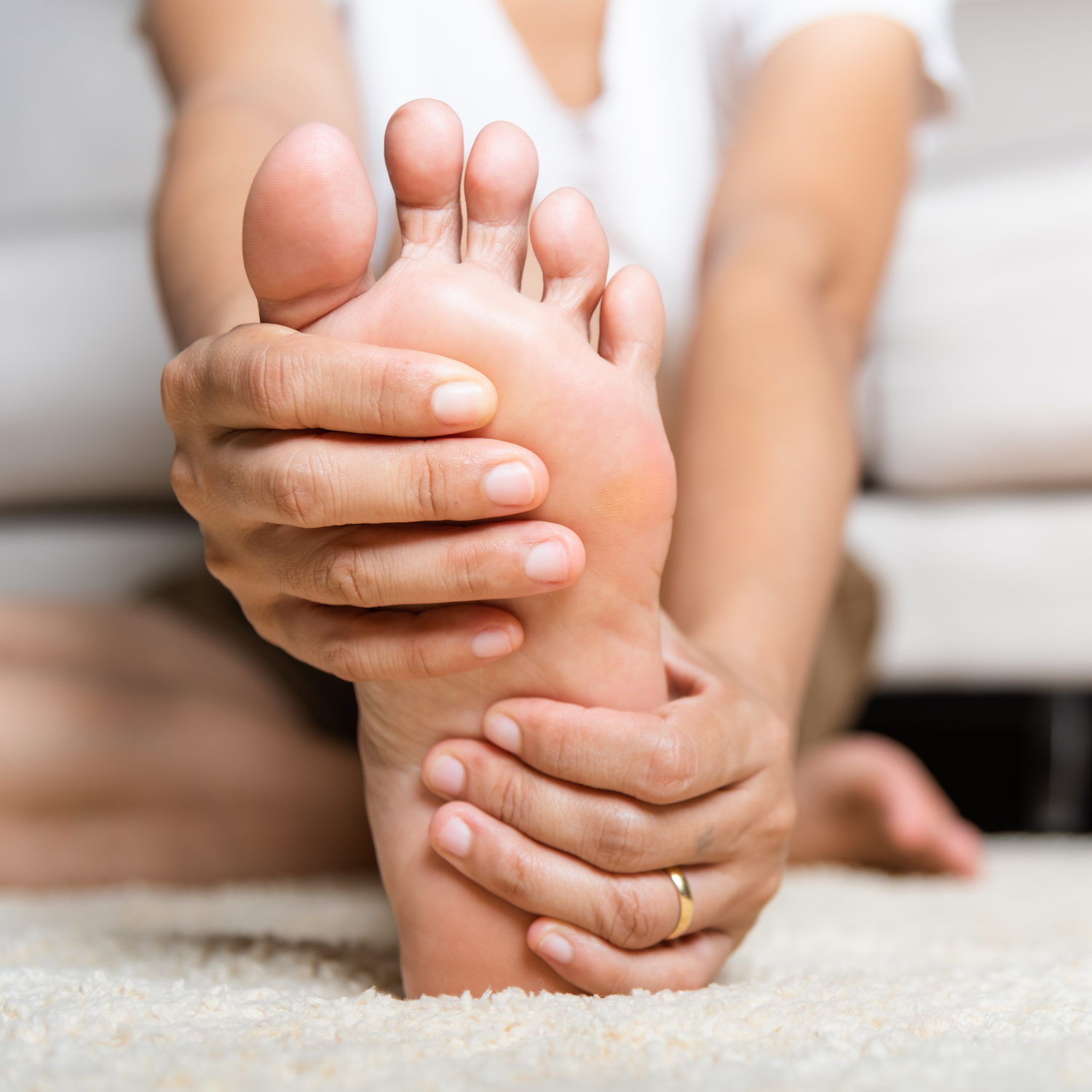
Bunions develop gradually as the bones in the front of the foot move out of alignment. The skin over the affected joint may appear swollen, red, or tender. According to the American Orthopaedic Foot & Ankle Society, about 23% of adults and 35% of seniors are affected by bunions. For a comprehensive overview of bunions, including anatomical details and prevalence, reputable medical sources provide valuable insights.
| Age Group | Prevalence (%) |
|---|---|
| Adults | 23 |
| Seniors | 35 |
Visual signs include an outward bump, redness, swelling, and sometimes callus formation at the base of the big toe.
Causes and Risk Factors
There are several key contributors to bunions and pain. Genetics play a significant role, as bunions often run in families. Poorly fitting footwear, especially tight, narrow shoes or high heels, increases pressure on the big toe joint and can speed up bunion development.
Foot structure abnormalities, such as flat feet or overpronation, can also contribute. Some medical conditions, like arthritis or neuromuscular disorders, raise the risk. Women are more likely than men to develop bunions, and the risk increases with age.
- Genetic predisposition and family history
- Ill-fitting footwear (tight, narrow shoes, high heels)
- Flat feet or abnormal foot mechanics
- Arthritis and neuromuscular conditions
- Female gender, increasing age
Being aware of these factors can help you take proactive steps to minimize bunions and pain.
Common Symptoms and Complications
The most noticeable symptom is a persistent ache or sharp pain at the base of the big toe. Bunions and pain may also present as tenderness, swelling, and inflammation in the area, making it uncomfortable to wear certain shoes or walk for long periods.
Restricted toe movement is common, sometimes altering your gait. Over time, secondary problems like corns, calluses, or even hammertoes can develop due to the foot’s misalignment. Without proper management, bunions and pain can progress, leading to chronic discomfort or permanent deformity.
Recognizing these symptoms early makes it easier to seek effective treatment and prevent further complications. If bunions and pain begin to interfere with your daily routine, consider consulting a podiatrist for expert guidance.
The Evolution of Bunion Treatments: 2025’s Expert Solutions
Bunions and pain have challenged millions for decades, but 2025 marks a turning point in how these issues are treated. Today, patients benefit from a wave of new research, innovative devices, and advanced medical procedures. Let’s explore the latest expert-backed strategies reshaping the landscape for bunions and pain relief.
Non-Surgical Interventions: What’s New?
For many, the first line of defense against bunions and pain is a non-surgical approach. Advancements in 2025 have brought custom orthotic devices that provide tailored support for each patient’s unique foot structure. These insoles are now designed using 3D scanning and pressure mapping, resulting in superior comfort and realignment.
Bunion splints and toe spacers have also evolved. Newer models offer enhanced flexibility and breathable materials, allowing for overnight wear and all-day use. These devices help reposition the big toe, reducing pressure and inflammation.
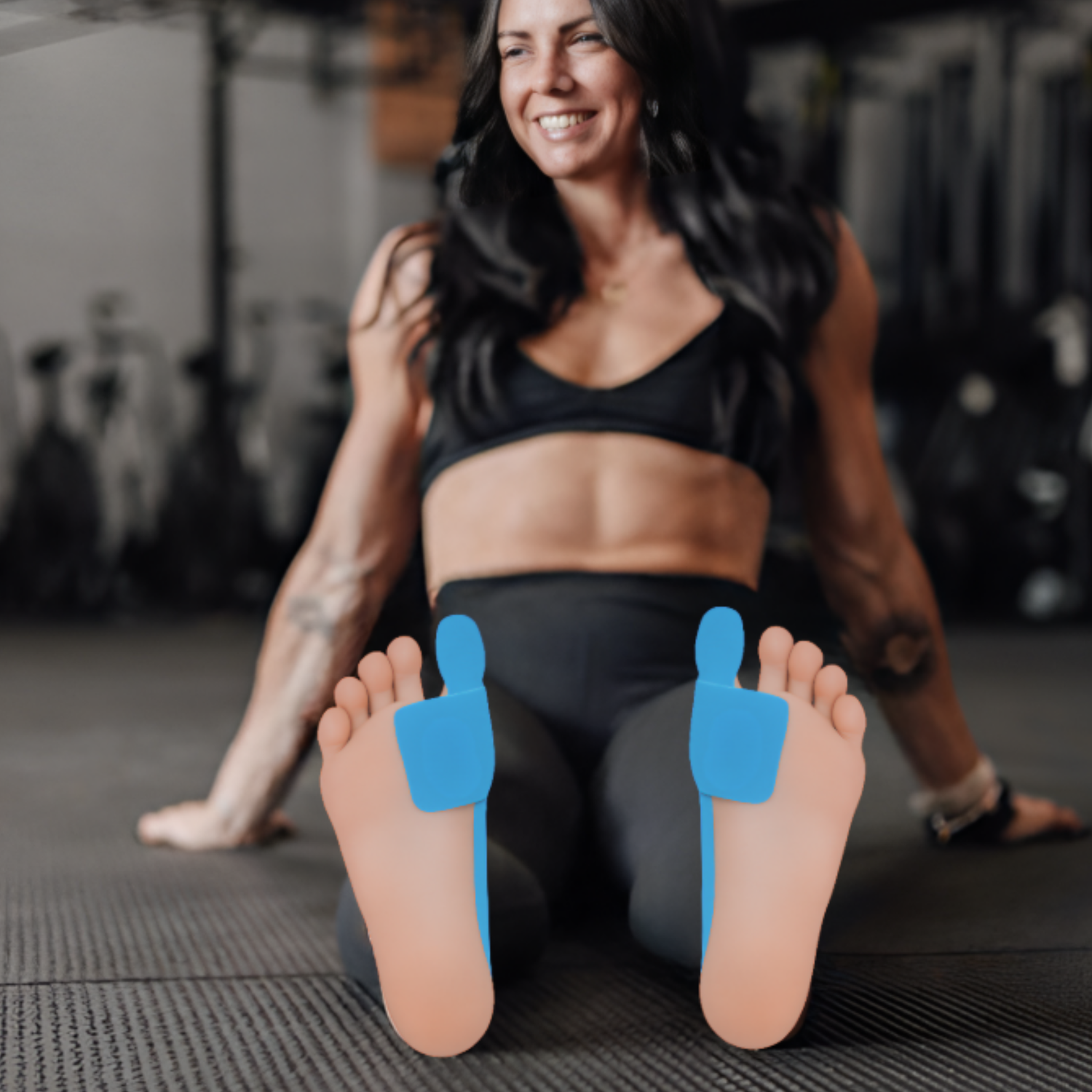
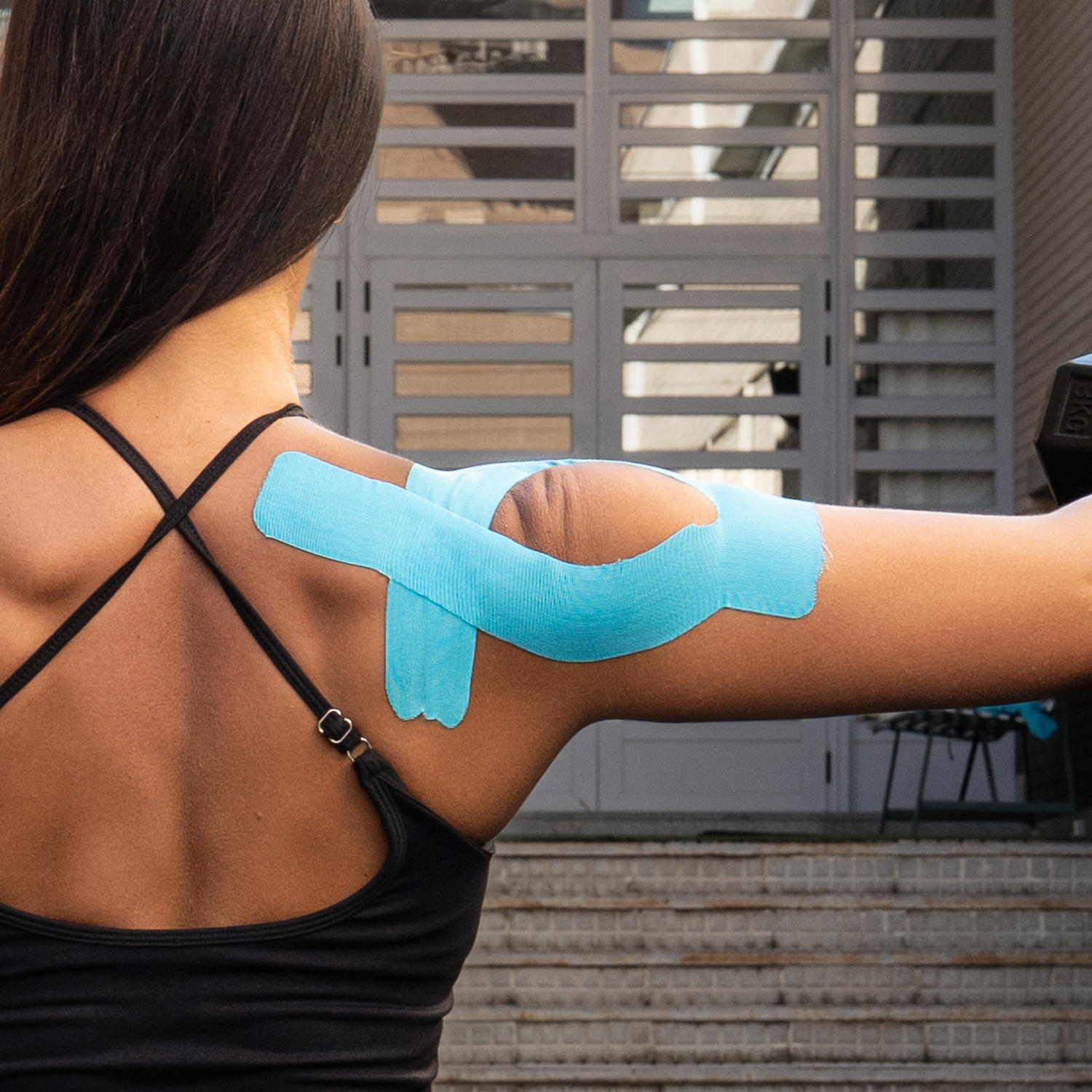
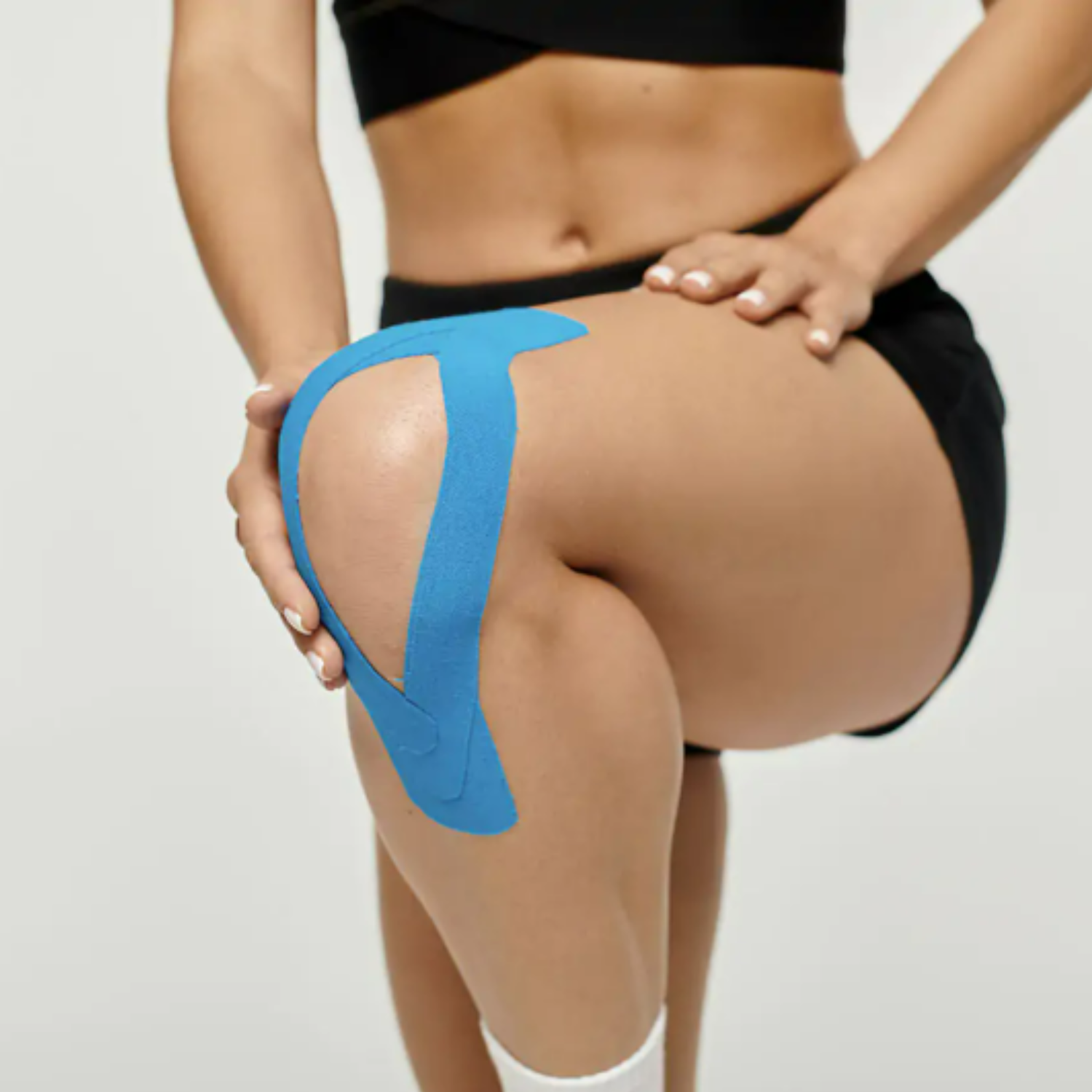
Kinesiology taping has gained popularity as a gentle, drug-free solution. Modern taping methods, as detailed in Kinesiology tape for bunions, provide targeted support to align the toe and minimize discomfort. This technique is especially helpful for active individuals dealing with bunions and pain.
Physical therapy protocols now emphasize exercises that improve joint mobility and strengthen surrounding muscles. Toe stretches, resistance bands, and balance training are core elements. For pain management, topical NSAIDs and oral medications have been reformulated to maximize effectiveness while minimizing side effects.
These options offer significant relief for those not ready or eligible for surgery, and they empower patients to manage bunions and pain proactively.
Surgical Advances and Minimally Invasive Procedures
When conservative measures are not enough, surgical options come into play. The field has seen remarkable progress in 2025, particularly with minimally invasive techniques for bunions and pain. Procedures like Lapiplasty and mini-bunionectomy now require smaller incisions, resulting in less tissue disruption, reduced scarring, and faster recovery.
A key benefit of these surgeries is their ability to address the root cause of bunion deformity by correcting bone alignment at its origin. Modern systems, such as patient-specific surgical guides and AI-powered planning tools, have increased precision and improved patient outcomes.
Here’s a quick comparison of common surgical approaches:
| Procedure | Incision Size | Recovery Time | Key Benefit |
|---|---|---|---|
| Traditional Bunionectomy | Large | 6-12 weeks | Established, widely available |
| Minimally Invasive | Small | 2-6 weeks | Faster healing, less pain |
| Lapiplasty | Small | 4-8 weeks | 3D correction, durable results |
Risks include infection, nerve injury, or recurrence, but advancements have made complications less common. Insurance coverage is expanding as these procedures become standard. Costs vary, but shorter recovery often means less time off work, making surgery for bunions and pain increasingly accessible.
Integrative and Alternative Therapies
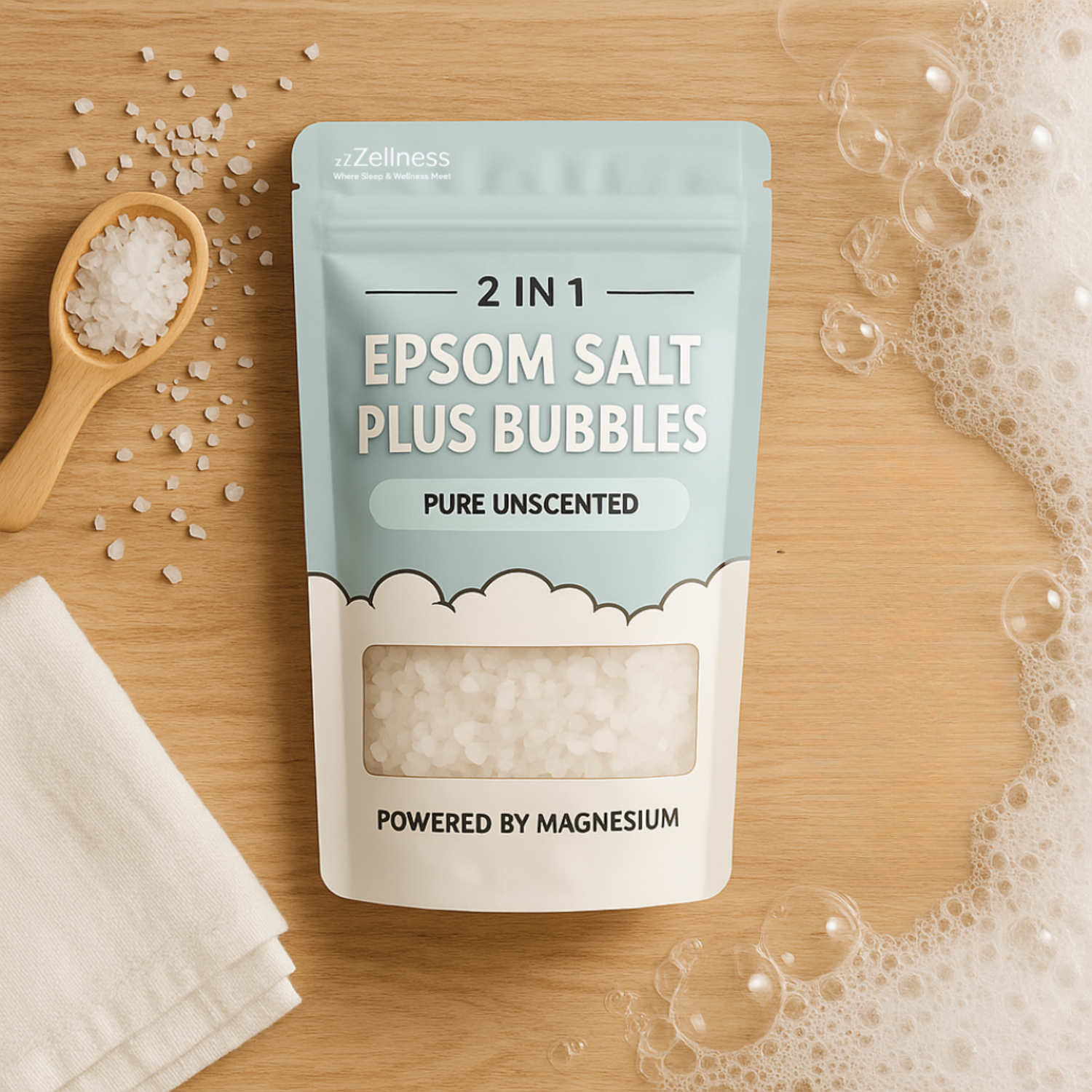
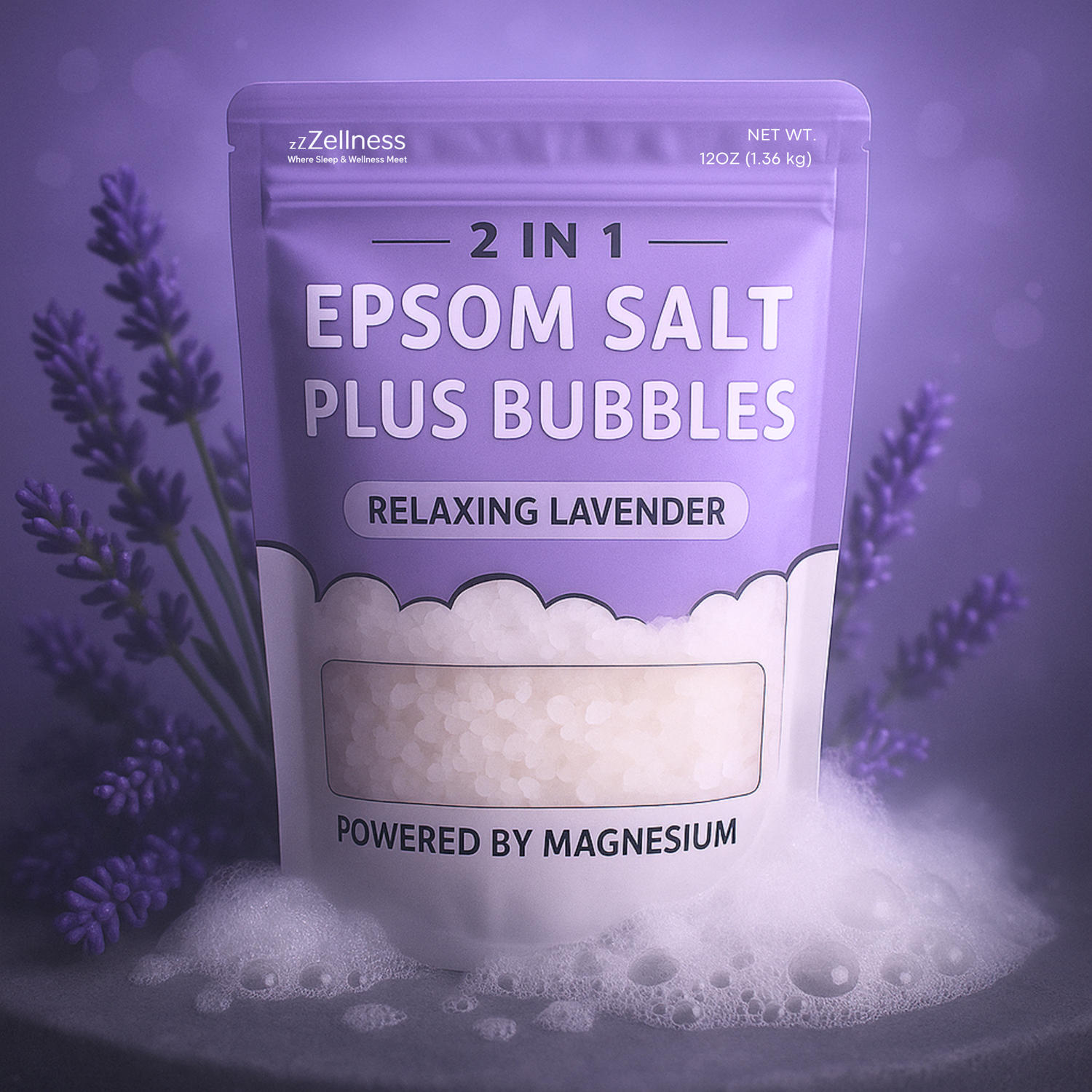
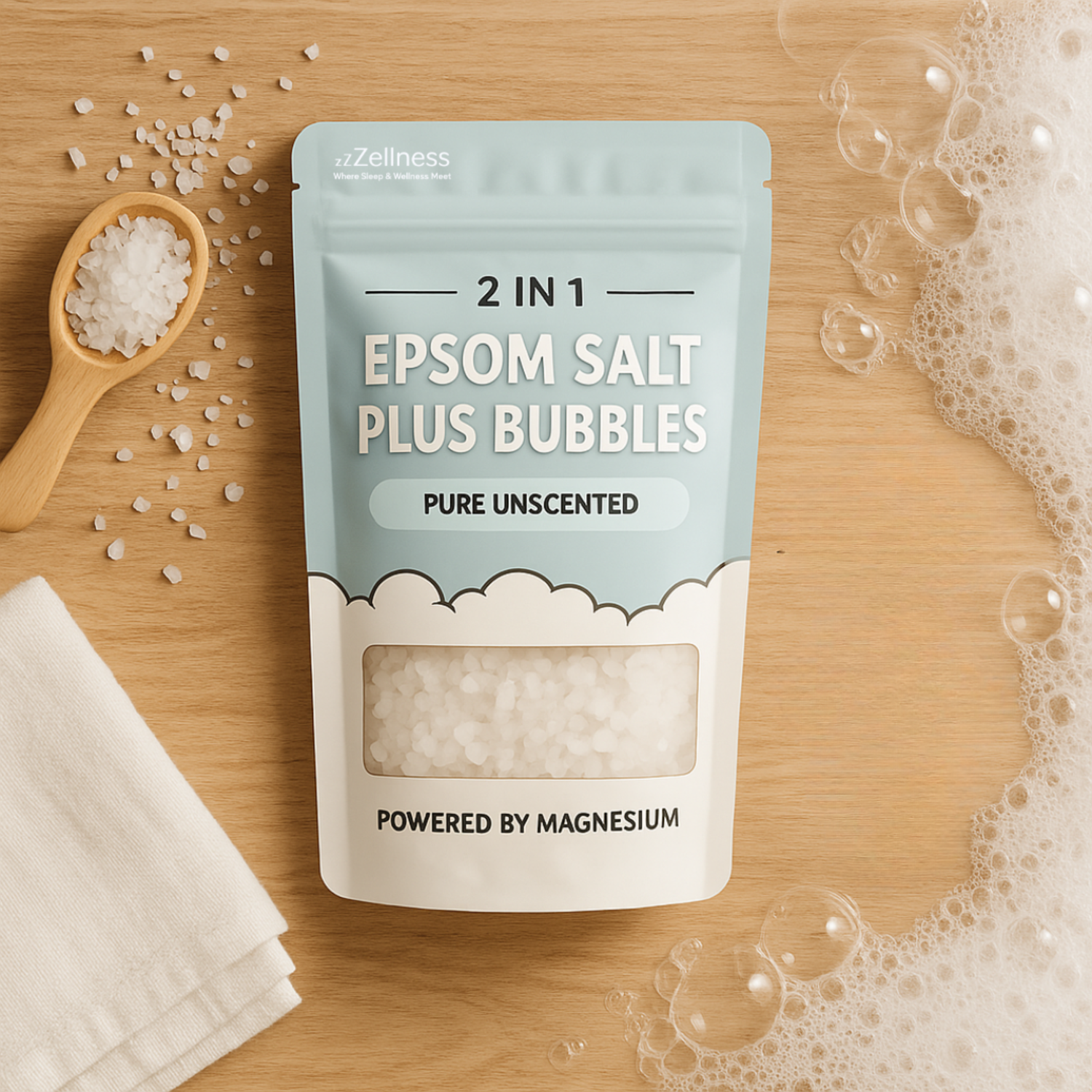
Integrative therapies offer additional avenues for managing bunions and pain, especially for those seeking holistic or adjunctive care. Epsom salt soaks and anti-inflammatory foot baths are popular home remedies, easing swelling and discomfort after long days.
Acupuncture has shown promise in reducing foot pain and promoting circulation, while low-level laser therapy is being investigated for its ability to accelerate tissue healing. Although more research is needed, early results are encouraging.
Nutrition plays a vital role in joint health for those with bunions and pain. Diets rich in omega-3 fatty acids, antioxidants, and vitamin D support cartilage and reduce inflammation. Hydration and weight management also help minimize stress on the feet.
Patients often combine these approaches with mainstream treatments to create a comprehensive plan. Always consult with a healthcare provider before starting any new therapy to ensure it complements existing care for bunions and pain.
ToeTape: Innovative Non-Invasive Bunion Relief
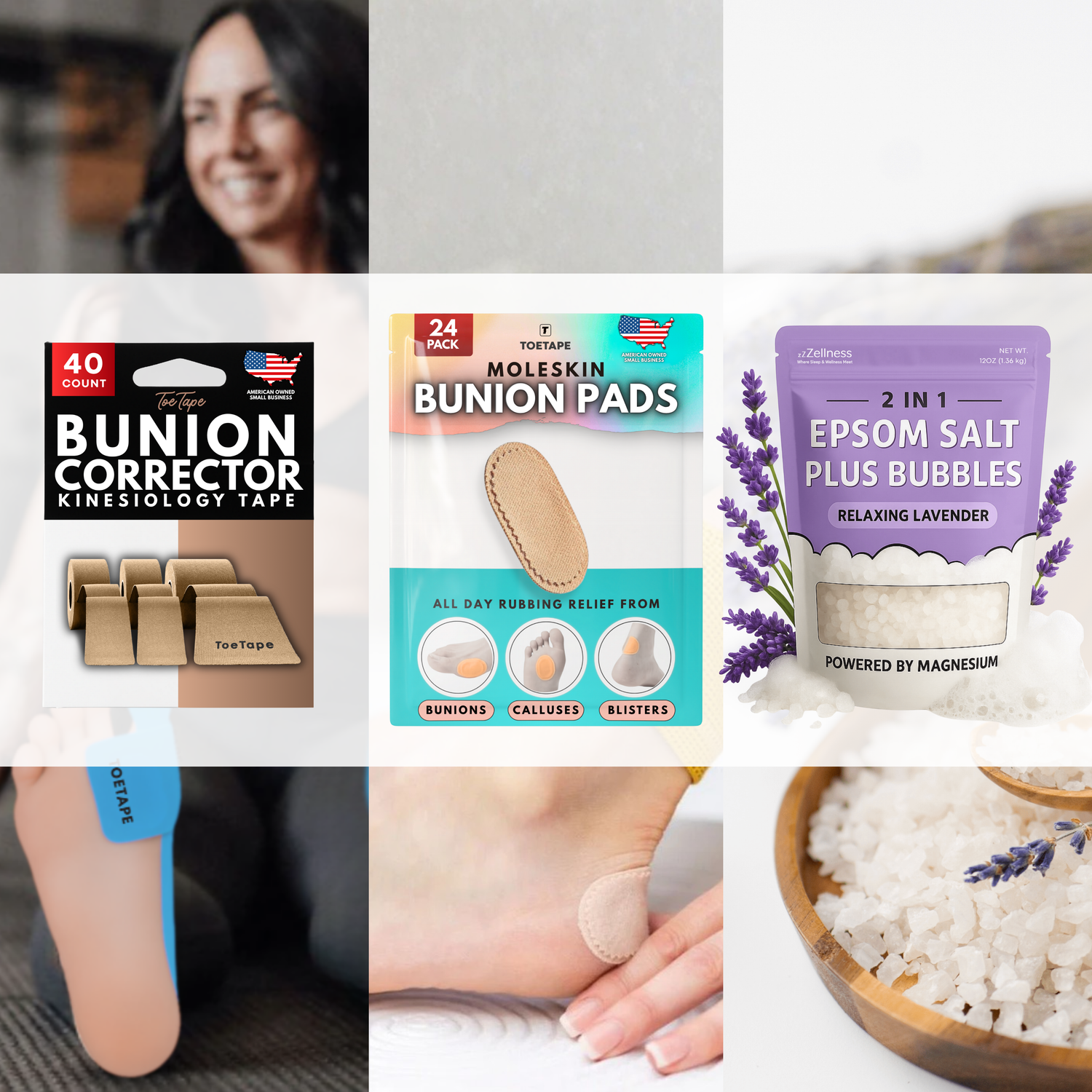
ToeTape stands at the forefront of non-invasive solutions for bunions and pain. Their product line features correction tape, moleskin pads, and Epsom salt soaks, each engineered to address the daily challenges faced by those with bunions.
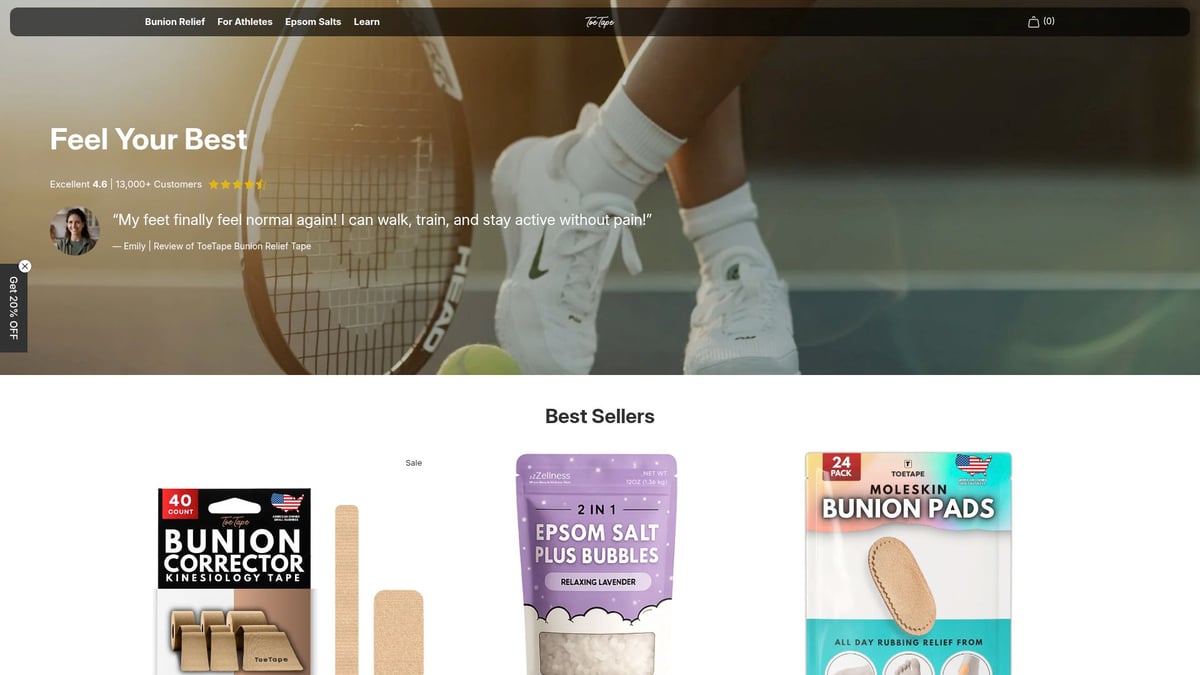
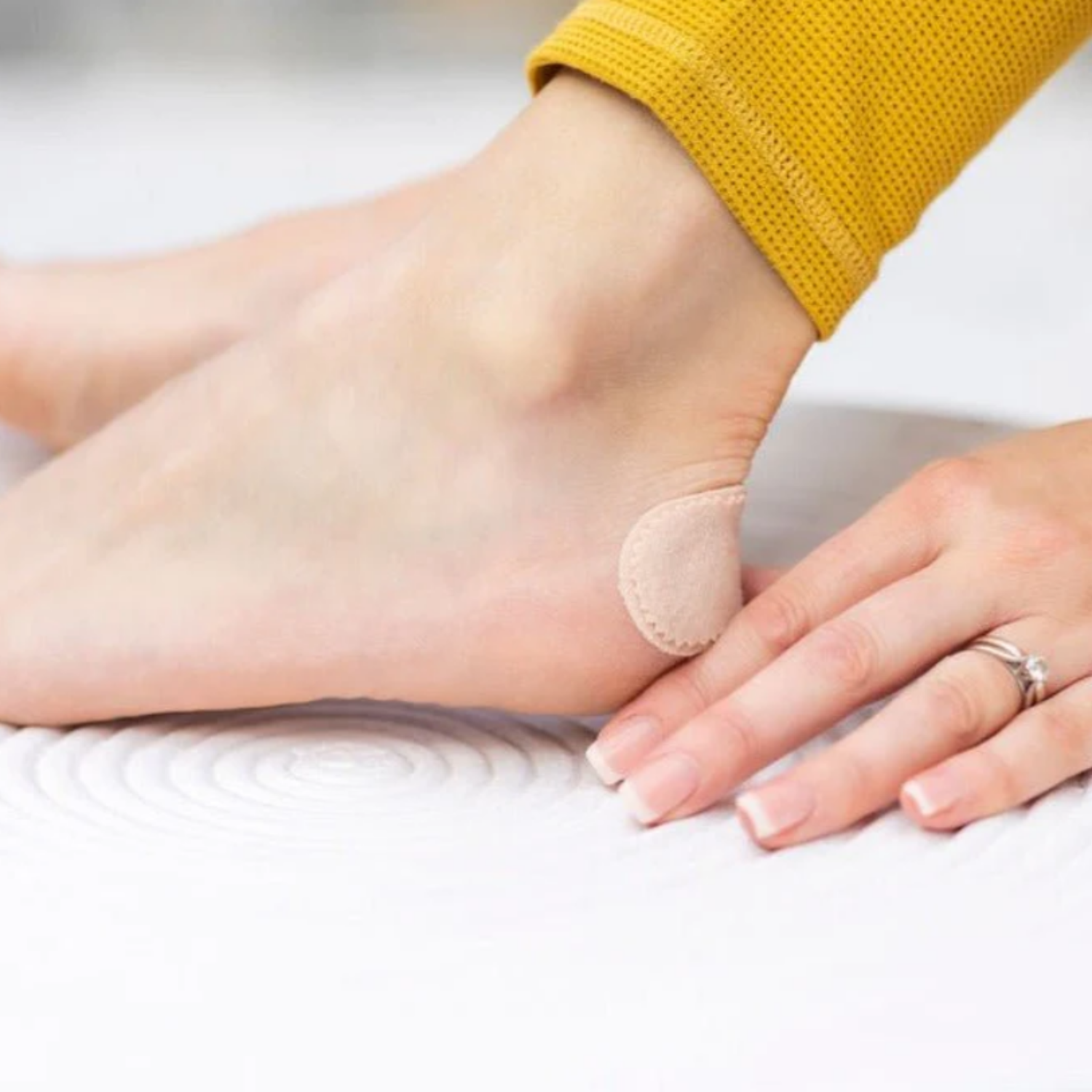
Correction tape gently realigns the big toe, encouraging natural positioning without discomfort. Moleskin pads reduce friction inside shoes, preventing blisters and further irritation. Epsom salt soaks promote relaxation and ease inflammation, making them an excellent addition to any bunion care routine.
With over 13,000 satisfied users and a 4.6-star rating, ToeTape products are trusted by people seeking reliable, drug-free relief. Their solutions are particularly suited for active individuals who want to maintain mobility and comfort without surgical intervention.
ToeTape’s commitment to innovation and customer satisfaction makes it a top choice for managing bunions and pain in everyday life.
Step-by-Step Guide: Managing Bunion Pain in Daily Life
Managing bunions and pain requires a practical, step-wise approach that fits into your routine. By breaking down care into clear steps, you can reduce discomfort, slow progression, and maintain mobility. The right strategies can make a significant difference in your daily comfort and long-term foot health.
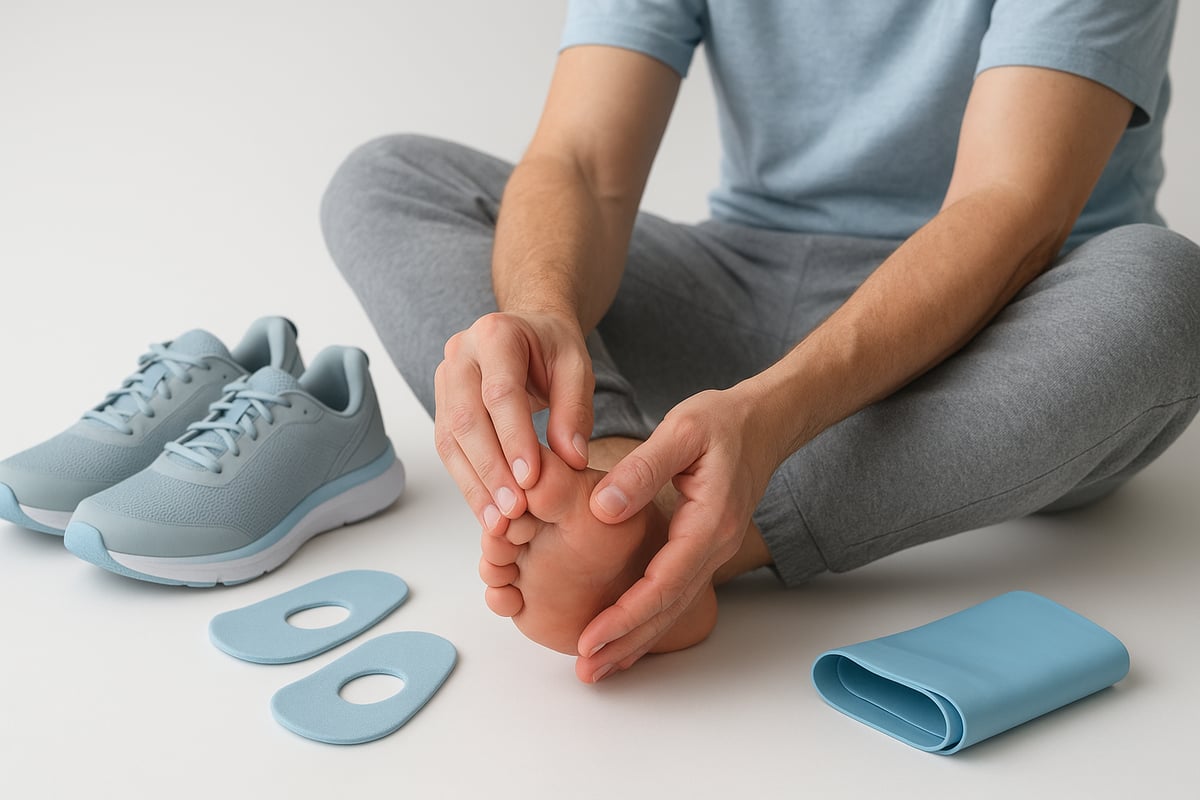
Step 1: Assess Your Footwear
The foundation of managing bunions and pain is choosing the right footwear. Shoes that are too tight, narrow, or have high heels can worsen symptoms and accelerate deformity.
Look for these features in bunion-friendly shoes:
- Wide toe boxes to reduce pressure on the big toe joint
- Soft, stretchable upper materials to accommodate foot shape
- Firm soles for stability and shock absorption
Podiatrists often recommend brands that design shoes specifically for people with bunions and pain. Rotating your footwear and avoiding pointed toes can help prevent flare-ups. Proper shoes can make walking more comfortable and slow bunion progression.
Step 2: Implement Daily Foot Care Routines
Consistent foot care routines are essential for those dealing with bunions and pain. Keeping your feet clean and moisturized helps prevent skin irritation and secondary issues like corns or calluses.
Key daily care steps include:
- Gently washing and drying feet each day
- Applying moisturizer to keep skin supple
- Inspecting feet for redness, swelling, or blisters
Protective pads and bunion cushions can be added to shield sensitive areas from friction. If you notice inflammation or soreness, apply ice for 10-15 minutes or use a warm foot soak to relax the muscles. These small habits ease bunions and pain and support overall foot health.
Step 3: Practice Targeted Exercises and Stretches
Improving foot strength and flexibility can relieve bunions and pain while enhancing mobility. Targeted exercises help realign the toes and reduce tension in the surrounding muscles.
Recommended exercises:
- Toe stretches: Gently pull the big toe into alignment and hold for 10 seconds
- Towel curls: Place a towel on the floor, grip it with your toes, and pull it toward you
- Resistance band routines: Loop a band around your big toe and gently stretch outward
Perform these exercises daily or as advised by your healthcare provider. Regular movement supports joint health and can minimize the impact of bunions and pain over time.
Step 4: Use Supportive Devices and Products
Supportive devices offer practical relief for bunions and pain throughout the day. Orthotics, bunion splints, and toe spacers help realign the foot and cushion the affected area. When selecting products, choose those designed for your activity level and foot shape.
Consider using:
- Custom orthotic insoles for extra support
- Bunion pads and cushions to reduce friction
- Splints or toe spacers for gentle alignment, especially at night
If you want to compare options, see this Guide to bunion pads for a comprehensive overview of products and their effectiveness. Monitor how your feet respond and adjust your tools as needed to keep bunions and pain under control.
Step 5: Know When to Seek Professional Help
Sometimes, managing bunions and pain at home is not enough. Recognizing when to consult a podiatrist is crucial for preventing further complications.
Warning signs include:
- Persistent or worsening pain
- Noticeable changes in foot shape or mobility
- Signs of infection, such as redness or discharge
A healthcare provider can offer advanced diagnostics and recommend interventions tailored to your needs. Prepare for appointments by noting your symptoms, treatments tried, and any changes in your daily routine. Early intervention ensures better outcomes for bunions and pain, safeguarding your long-term foot health.
Prevention Strategies: How to Avoid Bunions and Recurrence
Millions seek ways to prevent bunions and pain from affecting their daily lives. Prevention strategies are crucial because early action can stop symptoms from progressing and reduce the risk of recurrence. By combining smart habits with expert-backed advice, you can protect your feet and maintain long-term comfort.
Early Intervention and Risk Assessment
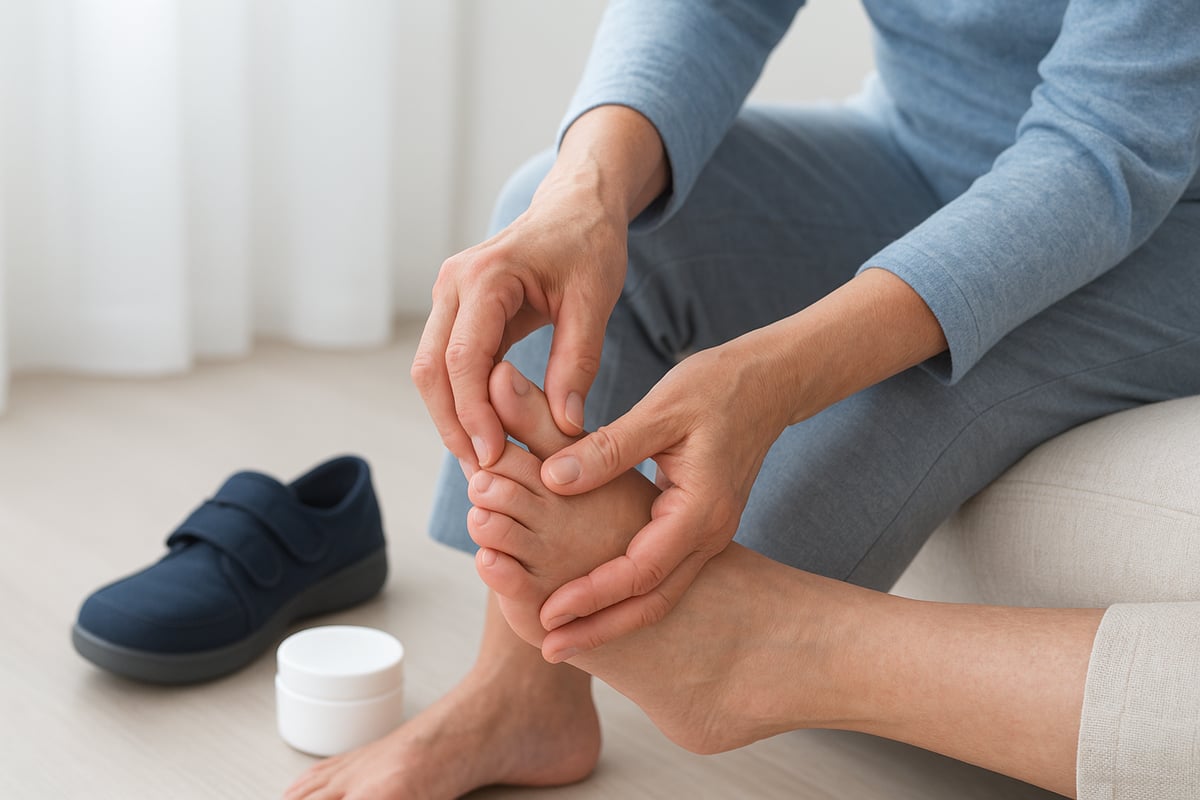
Recognizing bunions and pain early is essential for effective prevention. Start by evaluating your family history, as genetics play a major role in bunion risk. If relatives have experienced bunions and pain, schedule a foot evaluation with a podiatrist.
Be alert to the first signs of bunions and pain, such as swelling, redness, or a visible bump at the base of your big toe. Addressing these symptoms promptly can slow or even halt progression. Regular self-checks help you stay ahead of changes.
Footwear Choices and Modifications
Choosing the right shoes is one of the most important steps to prevent bunions and pain. Look for footwear with a wide toe box, good arch support, and a flexible sole. Avoid high heels and narrow, pointed shoes, as these can increase pressure and worsen bunions and pain.
Consider custom orthotics if you have flat feet or other structural issues. These inserts redistribute weight and minimize stress on the big toe joint. When shopping, prioritize brands that focus on foot health and consult your podiatrist for personalized recommendations.
Lifestyle and Activity Adjustments
Lifestyle choices can have a significant impact on bunions and pain. Maintaining a healthy weight reduces pressure on your feet and lowers your risk of developing problems. If you are active, choose low-impact exercises and wear supportive shoes for all activities.
Athletes and those on their feet all day should take extra precautions. Simple daily routines, such as stretching and using protective pads, can make a difference. For more tips, explore these bunion pain relief strategies to help manage activity-related discomfort and prevent flare-ups.
Long-Term Habits for Foot Health
Building strong habits is vital for preventing bunions and pain over time. Stretch your feet and toes daily to maintain flexibility and balance. Strengthening exercises, like towel curls or resistance band routines, can keep the muscles around your big toe joint healthy.
Schedule regular self-examinations and annual checkups with a foot specialist. Early detection of changes helps you adjust your care routine before bunions and pain worsen. Consistency is key for lasting results and ongoing comfort.
Post-Treatment and Post-Surgery Prevention
Even after treatment or surgery, you must stay vigilant to avoid bunions and pain returning. Follow your rehabilitation plan closely, including prescribed exercises and footwear guidelines. Adhering to these protocols supports healing and reduces recurrence risk.
Continue using custom orthotics or supportive devices as recommended. For step-by-step guidance, visit these bunion treatment instructions to ensure you’re caring for your feet properly. Ongoing attention and regular check-ins with your provider offer the best defense against future bunions and pain.
Frequently Asked Questions About Bunions and Pain
Millions of people have questions about bunions and pain, especially as new research and treatments emerge in 2025. Here are expert answers to the most common concerns.
Can bunions go away without treatment?
Bunions and pain typically do not resolve on their own. Once a bunion forms, it may worsen over time if left unaddressed. Conservative measures can manage symptoms and slow progression, but professional intervention is often needed for lasting relief.
Are bunions always painful?
Not all bunions cause pain. Some people notice only a visible bump or mild discomfort, while others experience significant bunions and pain during walking or standing. The degree of pain varies based on activity, footwear, and the bunion’s severity.
What are the risks of leaving bunions untreated?
Untreated bunions and pain can lead to increased deformity, chronic discomfort, and difficulty with everyday activities. Over time, complications such as joint stiffness, corns, calluses, and even arthritis may develop. According to the global prevalence of hallux valgus, these risks are especially concerning given how widespread bunions are worldwide.
How long does recovery from bunion surgery take?
Recovery varies by procedure and individual health. Most people need several weeks to months to return to full activity. With 2025’s advancements, such as those described in Treace's 2025 bunion surgery innovations, minimally invasive methods can offer faster healing and less downtime compared to traditional surgery.
Are home remedies effective for bunion pain?
Home remedies can provide temporary relief for bunions and pain. Techniques include using ice packs, wearing protective pads, and stretching. However, these methods do not correct the underlying deformity, so professional evaluation is recommended for persistent symptoms.
Can children develop bunions?
Yes, children can develop bunions and pain, especially if there is a family history or underlying foot structure issues. Early intervention is critical to prevent progression and long-term complications.
What’s the difference between a bunion and a bunionette?
| Condition | Location | Common Symptoms |
|---|---|---|
| Bunion | Base of big toe | Pain, swelling, redness |
| Bunionette | Base of little toe | Smaller bump, irritation |
Both can cause bunions and pain, but bunionettes affect the outer edge of the foot.
How do I choose the right bunion relief product?
To manage bunions and pain, look for products that:
- Offer cushioning and reduce pressure
- Fit comfortably in shoes
- Are recommended by podiatrists
- Address your activity level and lifestyle
Consult a specialist for personalized recommendations if over-the-counter options do not provide enough relief.
As you’ve learned, managing bunion pain in 2025 means taking advantage of innovative, expert-backed solutions that truly fit your lifestyle. From understanding causes to making smart footwear choices and using supportive products, every step you take matters. If you’re ready for relief that adapts to your movement and provides real comfort throughout your day, you don’t have to wait. Discover how you can address bunion discomfort while staying active and confident—Get Bunion Relief that Moves with You!