
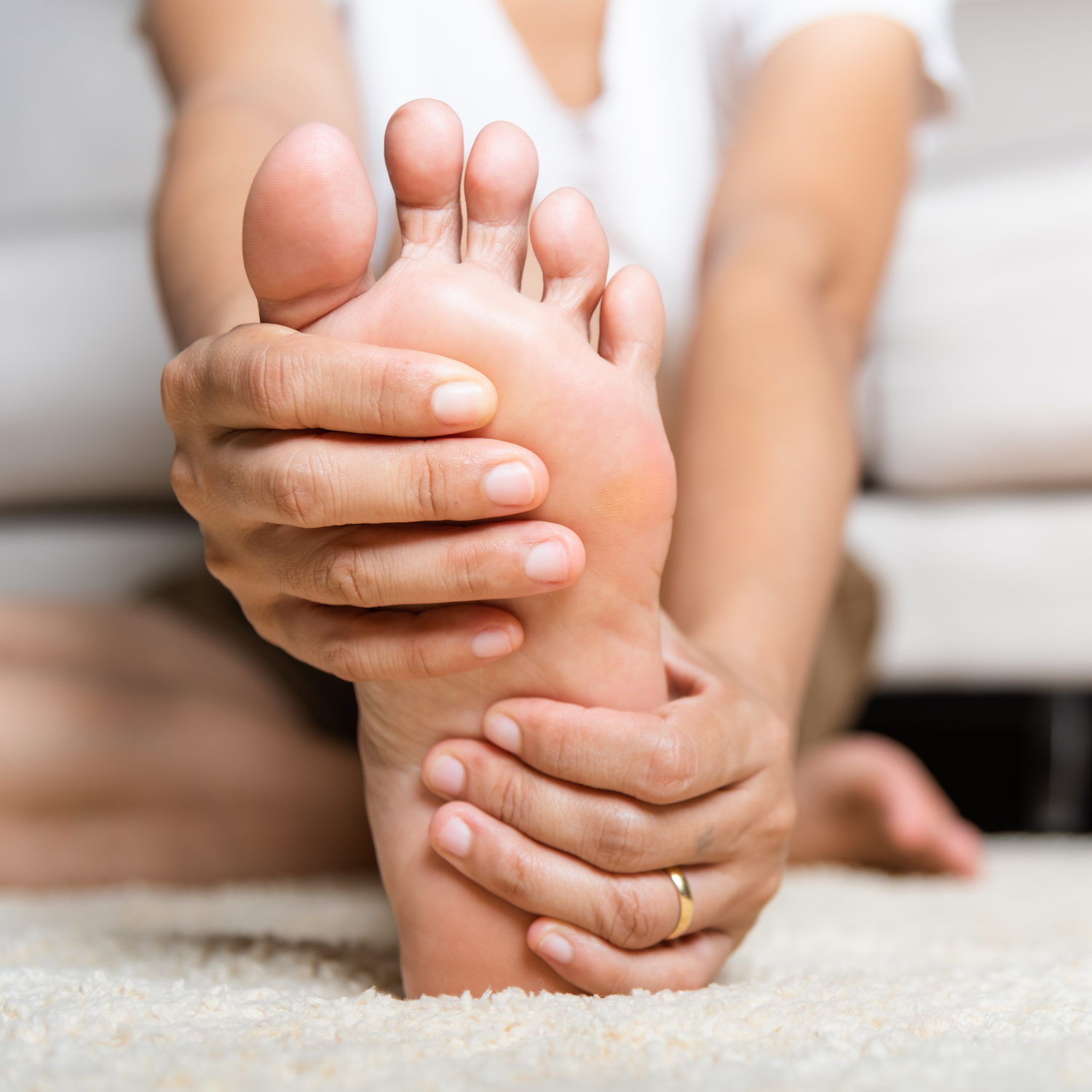










Imagine starting your morning or ending a long day only to be reminded by a familiar ache or throbbing pain in your feet. You are not alone—over 75% of Americans will experience this discomfort at some point, affecting everything from your mobility to your overall sense of well-being.
Persistent pain in my feet can disrupt daily routines, limit activities, and take a toll on both physical and mental health. Understanding the root causes and knowing how to address them is key to regaining comfort and confidence.
This essential guide will walk you through the latest insights on causes, diagnosis, proven treatments, prevention strategies, and innovative solutions. By the end, you will have the knowledge needed to find lasting relief and keep moving pain-free in 2025.
Common Causes of Foot Pain in 2025
Understanding why you experience pain in my feet starts with recognizing the leading triggers. Foot pain can stem from structural problems, medical issues, injuries, lifestyle choices, and even the shoes you wear. Each factor contributes differently, but all can impact your comfort and mobility. Let’s examine the most common causes shaping the landscape of foot pain in 2025.

Biomechanical Issues and Foot Structure
Many people discover pain in my feet is rooted in how their feet are shaped or function. Flat feet, high arches, and overpronation are leading contributors, often influenced by genetics or age-related changes. These biomechanical variations alter weight distribution, straining ligaments and tendons.
A classic example is plantar fasciitis, frequently linked to arch problems. In fact, about 10% of the population suffers from plantar fasciitis, making it a top cause of discomfort (Mayo Clinic, 2023). For more details on underlying factors and management, see Plantar fasciitis causes and relief.
Unaddressed, these issues can escalate, affecting your gait and overall well-being.
Medical Conditions and Chronic Diseases
Another major source of pain in my feet is underlying medical conditions. Diabetes, arthritis, and neuropathy can all impact foot health, leading to ongoing discomfort. Gout, with its sudden and intense pain episodes, also ranks high.
For example, diabetic neuropathy often causes numbness, tingling, and even ulcers, requiring vigilant care. Research from the CDC (2023) shows that 60% of diabetics develop some form of foot pain. Chronic illnesses can accelerate tissue damage, making early intervention critical.
If you live with a chronic disease, regular foot checks are essential to prevent complications.
Injuries and Overuse
Injuries are a frequent culprit behind pain in my feet, especially among active individuals. Stress fractures, sprains, and tendonitis often result from repetitive motion or high-impact activities. Wearing the wrong footwear increases your risk of injury.
Runners commonly experience metatarsalgia, a burning pain in the ball of the foot. Lower extremity injuries account for 80% of all sports-related injuries (AAOS, 2024). Even casual exercisers can face setbacks if their feet are not properly supported.
Taking steps to prevent overuse injuries is crucial for maintaining healthy, pain-free feet.
Lifestyle Factors
Daily habits and professional demands can lead to persistent pain in my feet. Prolonged standing, obesity, and sedentary lifestyles all play a role. Occupations like nursing, teaching, and retail require long hours on your feet, increasing the risk of discomfort.
Retail workers, for example, report high rates of heel pain due to constant standing. According to the Bureau of Labor Statistics (2023), half of all workers in standing jobs experience foot discomfort. Healthy routines and supportive environments can reduce these risks.
Adapting your lifestyle can make a significant difference in foot health.
Footwear Choices and Trends
Footwear is more than a fashion statement—it can be a major cause of pain in my feet. Shoes that are tight, unsupportive, or high-heeled often lead to problems like bunions and general soreness. Current trends, including minimalist shoes, have been linked to increased pain complaints.
In fact, there has been a 30% rise in foot pain related to fashionable footwear choices (APMA, 2024). Selecting shoes with proper support and cushioning is vital. Pay attention to how your shoes feel after a day’s wear to prevent long-term issues.
Prioritizing foot-friendly footwear is key to comfort and mobility.
Diagnosing Foot Pain: When and How to Seek Help
Identifying the cause of pain in my feet is crucial for effective relief and long-term health. With so many possible reasons for discomfort, understanding when and how to seek help can make all the difference. Early diagnosis not only improves outcomes but also prevents minor issues from becoming chronic.
Recognizing Symptoms and Severity
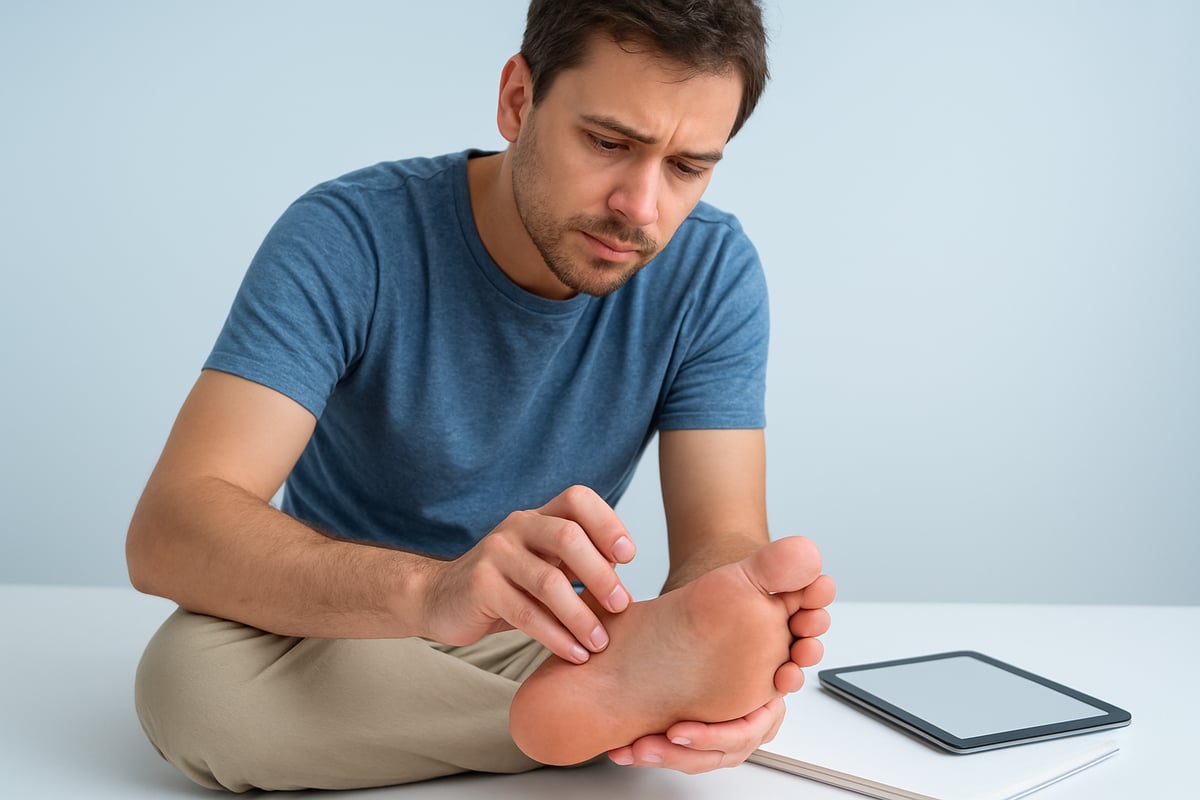
Not all foot discomfort is the same. To determine the seriousness of pain in my feet, start by noting the type and duration of pain. Is it sharp, dull, burning, or throbbing? Does it last a few hours or persist for days?
Look for associated symptoms such as swelling, redness, numbness, or visible deformities. For example, bunions often cause a noticeable bump and misaligned big toe. If you suspect a bunion, review Understanding bunions and symptoms for detailed signs. Persistent or worsening symptoms may signal an underlying health issue that needs prompt attention.
Self-Assessment and At-Home Evaluation
Performing a self-evaluation can provide valuable insight if you are experiencing pain in my feet. Begin by gently moving your toes and ankles to check for stiffness or limited range of motion. Press on different areas of your foot to identify tender spots or pressure points.
Consider tracking your discomfort in a pain diary. Note when the pain starts, its intensity, and any activities that make it better or worse. For instance, morning stiffness could point to plantar fasciitis. Simple at-home tests and documentation help you recognize patterns and prepare for a medical consultation.
Professional Diagnosis: What to Expect
If pain in my feet persists or worsens, consulting a specialist is essential. A podiatrist or orthopedic physician will start with a thorough history and physical exam. They may order diagnostic tests such as X-rays, MRI, ultrasound, or nerve conduction studies to pinpoint the cause.
Early intervention is important for chronic conditions like arthritis or neuropathy. Your provider will discuss the findings and recommend a personalized treatment plan. Professional evaluation ensures you receive accurate diagnosis and targeted care for your specific needs.
Red Flags: When to Seek Immediate Care
Some symptoms should never be ignored when dealing with pain in my feet. Seek immediate medical help if you notice:
- Sudden, severe pain or inability to bear weight
- Signs of infection: open wounds, spreading redness, or fever
- Numbness, tingling, or loss of sensation
- Rapidly increasing swelling or deformity
Delaying treatment increases the risk of complications by up to 40 percent. If you experience any of these red flags, prompt care can prevent long-term damage and support faster recovery.
Proven Strategies for Lasting Foot Pain Relief
Finding effective strategies for lasting relief can feel overwhelming when you are dealing with persistent pain in my feet. The good news is that a range of proven approaches—spanning from home remedies to advanced therapies—can help you move with greater comfort and confidence. Explore these solutions below and discover which options best fit your needs.
Home Remedies and Self-Care Techniques
For many, simple at-home strategies can significantly reduce pain in my feet and restore mobility. The RICE method—rest, ice, compression, elevation—remains a first-line approach for acute discomfort and swelling.
Other effective techniques include:
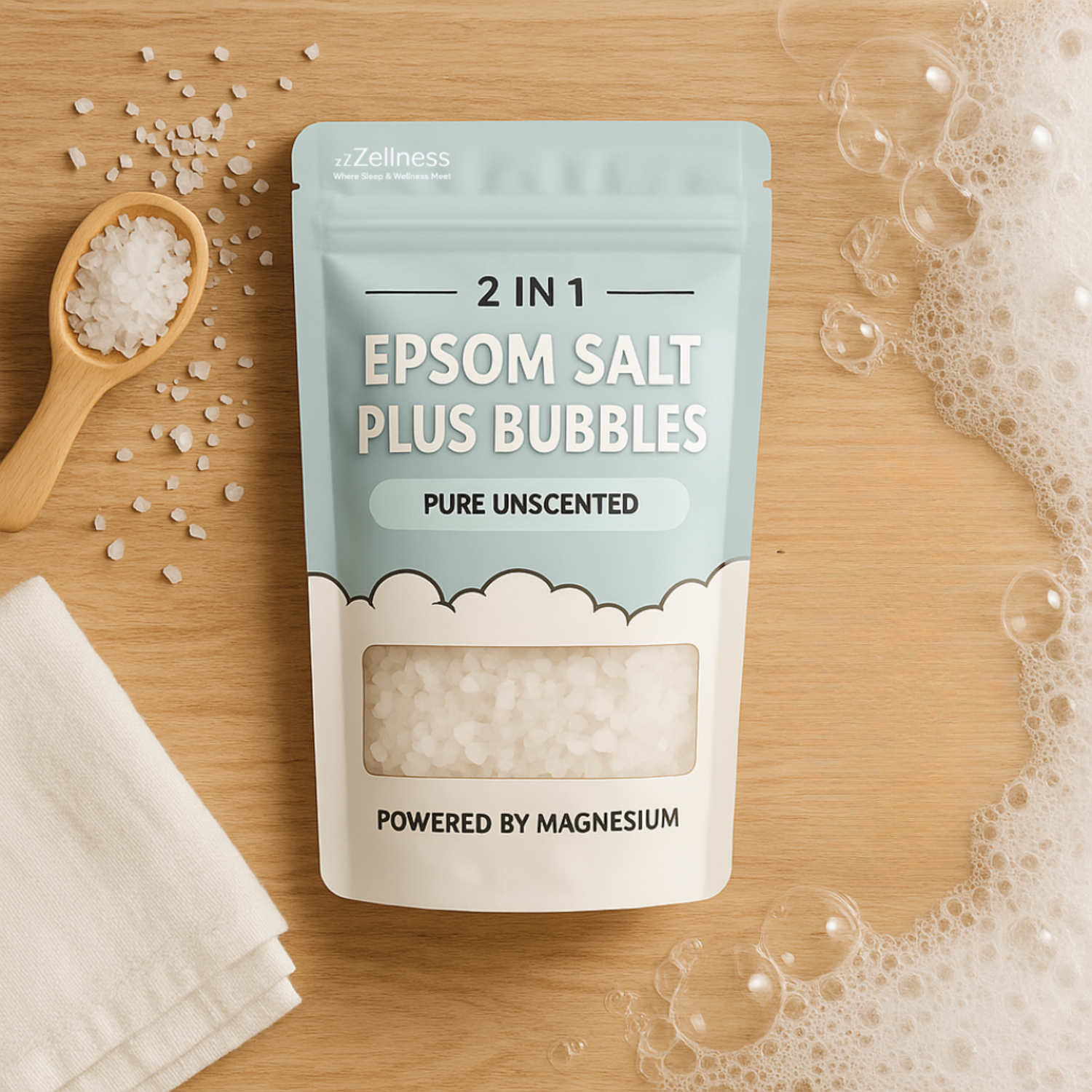
- Foot soaks with Epsom salt for soothing tired muscles
- Gentle massage using a tennis ball to target sore spots
- Regular stretching routines to maintain flexibility
Tracking symptoms in a pain diary helps identify triggers and monitor progress. For more step-by-step advice, explore these best home treatments for foot pain that many find helpful for daily relief.
Consistent self-care can make a noticeable difference in comfort and function.
Over-the-Counter Solutions and Orthotics
If you find that pain in my feet persists, consider over-the-counter (OTC) solutions. Nonsteroidal anti-inflammatory drugs (NSAIDs) such as ibuprofen help manage pain and reduce inflammation. Topical creams can also provide targeted relief for sore areas.
Orthotic devices are another valuable resource. Shoe inserts, arch supports, and heel cups can correct alignment issues and cushion pressure points. Custom orthotics, tailored to your foot shape, are especially effective for chronic conditions.
Many people experience significant improvement when combining OTC medications with supportive footwear and inserts.
Professional Treatments and Therapies
For ongoing pain in my feet that does not respond to self-care or OTC solutions, professional therapies may be necessary. Physical therapists develop individualized exercise programs that target specific weaknesses or imbalances.
Other treatments include shockwave therapy, which stimulates healing in soft tissues, and corticosteroid injections for severe inflammation. Rehabilitation programs often blend hands-on techniques with guided exercises for optimal recovery.
Consulting a healthcare professional ensures you receive a treatment plan that addresses your unique needs and maximizes long-term relief.
Surgical Interventions: When Necessary
While most cases of pain in my feet resolve with conservative care, some conditions require surgical intervention. Common indications include severe bunions, advanced arthritis, or structural deformities that limit mobility.
Surgical options range from minimally invasive procedures to reconstructive operations. Recovery timelines vary depending on the specific surgery and your overall health. Most patients experience substantial pain relief and improved function after successful procedures.
Discuss potential risks and benefits with your surgeon to make an informed decision about your care.
Foot Care Solutions from ToeTape
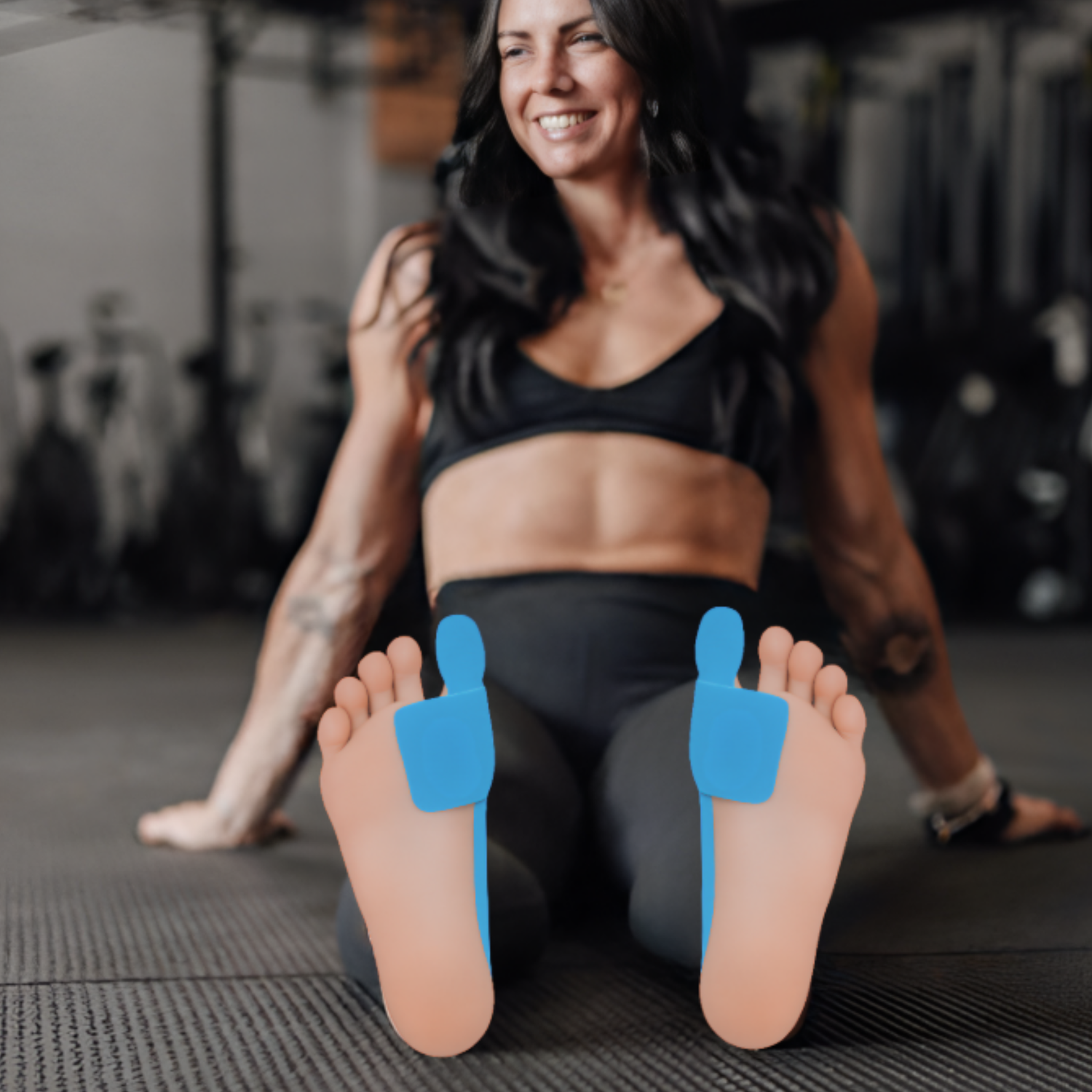
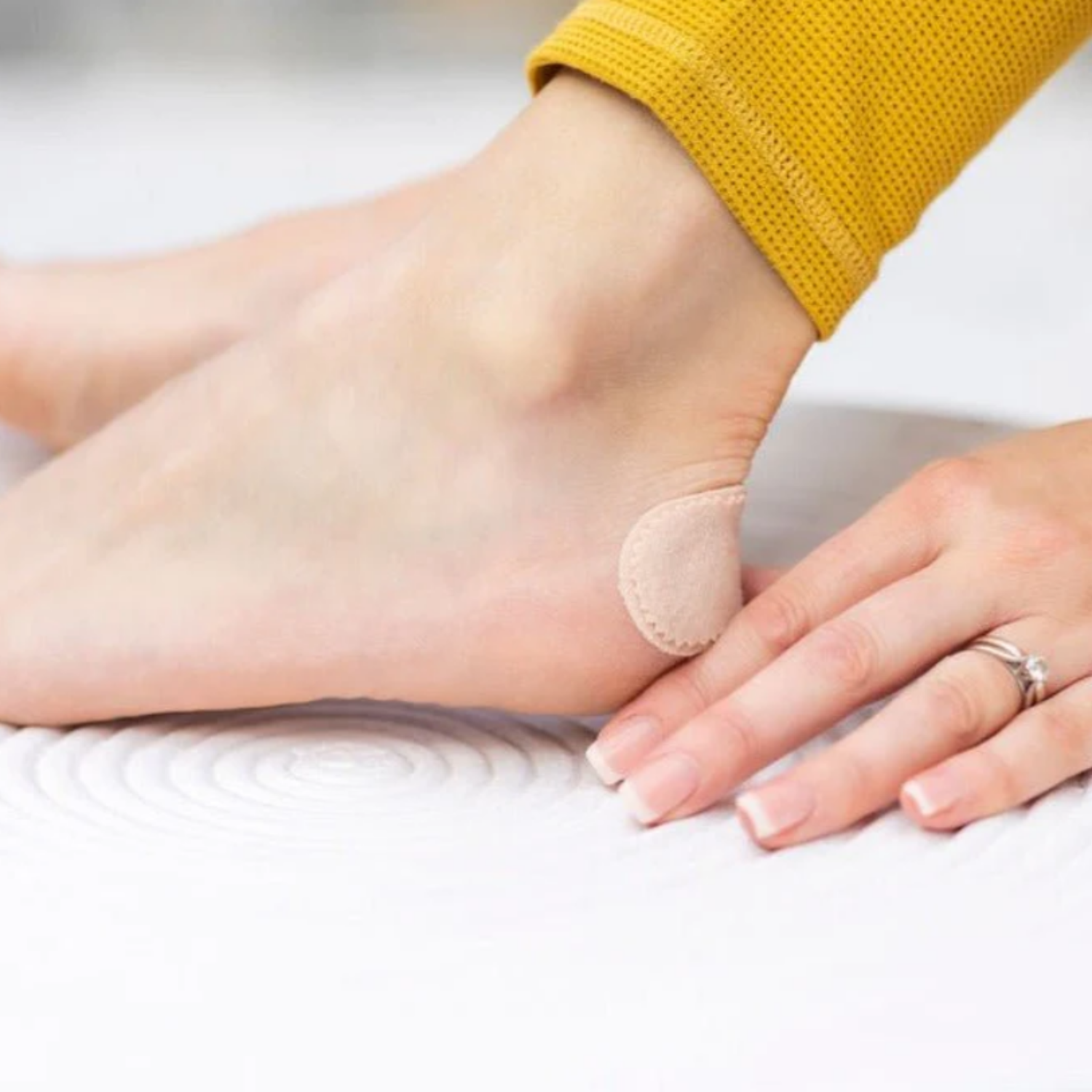
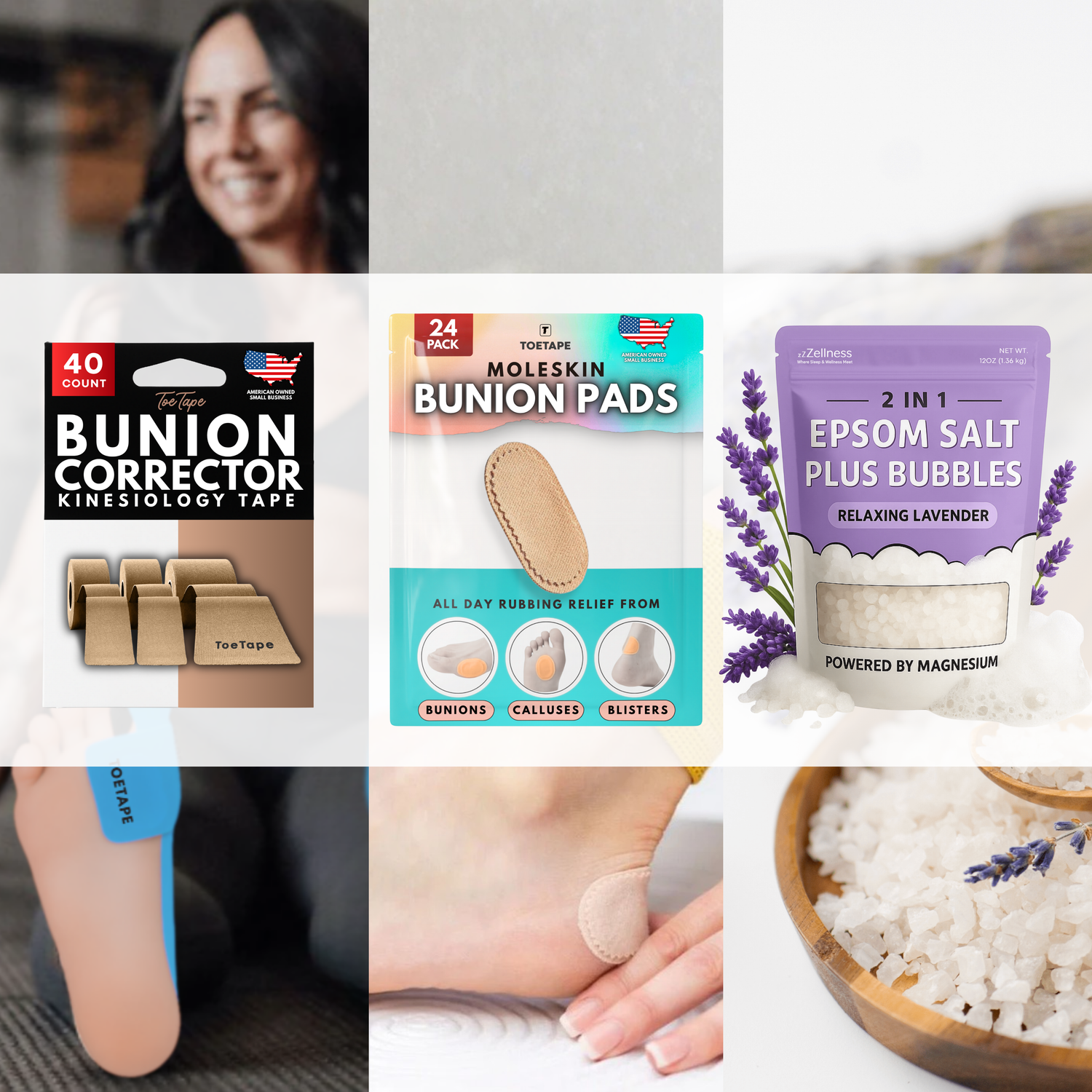
Innovative products from ToeTape offer non-invasive support for those struggling with pain in my feet. Their lineup includes:
- Bunion correction tape for realignment and comfort
- Moleskin pads to prevent rubbing and blisters
- Epsom salt foot soaks for daily relaxation
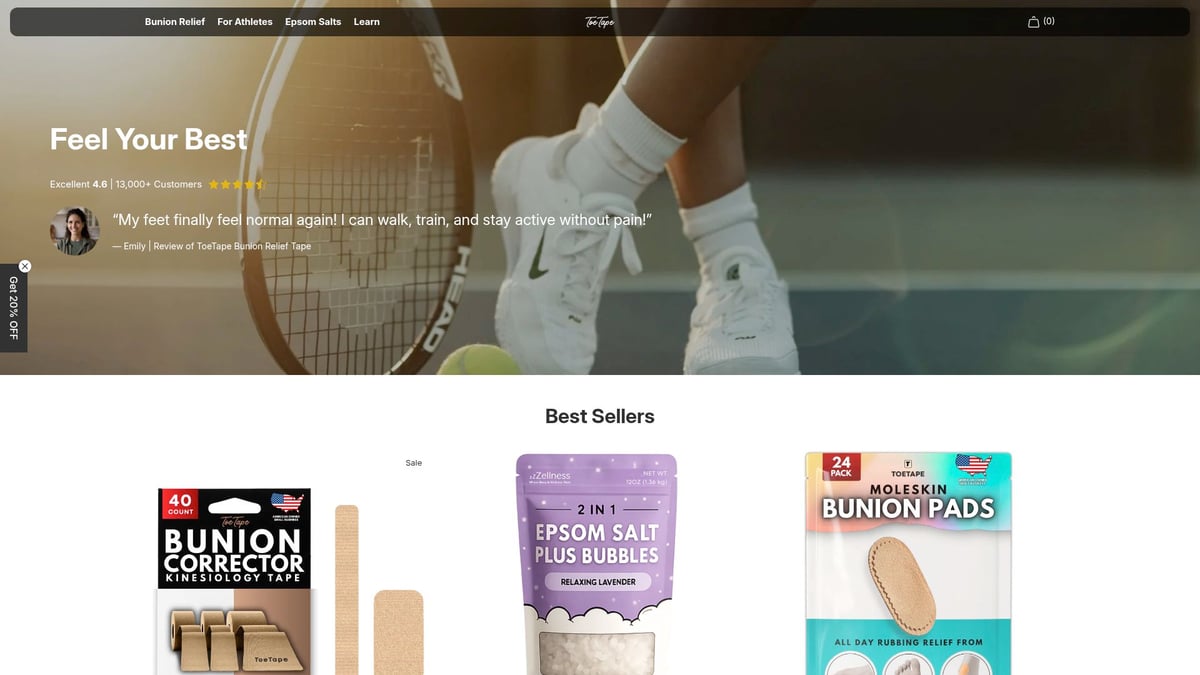
Customers appreciate the easy application and all-day wear, making these solutions ideal for active lifestyles. With over 13,000 satisfied users and a 4.6-star average rating, ToeTape’s bundles provide comprehensive care for a variety of foot pain challenges.
These products can complement other treatments and help you maintain comfort throughout your day.
Alternative and Complementary Approaches
Many individuals seek alternative therapies to address pain in my feet, especially when conventional treatments alone are insufficient. Acupuncture and chiropractic care may provide relief by improving circulation and correcting alignment.
Herbal remedies, such as arnica gel, are sometimes used for localized soreness. Mind-body techniques—including mindfulness, yoga, and meditation—can also reduce pain perception and improve flexibility.
Adding these approaches to your regimen may enhance overall well-being and help you manage chronic foot discomfort more effectively.
Lifestyle Changes for Preventing and Managing Foot Pain
Making the right lifestyle changes can significantly reduce pain in my feet and help prevent future issues. Focusing on footwear, activity, daily care, ergonomics, and healthy routines lays the foundation for long-term relief and improved mobility.

Choosing Proper Footwear
Selecting proper shoes is essential for reducing pain in my feet. Look for footwear with good arch support, ample cushioning, and a shape that matches your foot. Shoes that fit well can help distribute pressure evenly and prevent problems like bunions or plantar fasciitis.
When shopping, consider the activity. Running shoes should offer shock absorption, while work shoes need stability and comfort for long hours. Replacing worn out shoes regularly also helps minimize discomfort.
Switching to supportive options can cut foot pain in half, making every step easier and more comfortable.
Weight Management and Physical Activity
Excess weight puts extra strain on feet, increasing the risk of pain in my feet. Maintaining a healthy weight eases pressure on joints and soft tissues, reducing discomfort and injury risk.
Incorporate low-impact exercises like swimming, cycling, or gentle aerobics to stay active without overloading your feet. Even a modest weight loss can make a significant difference, as it may lower foot pressure by up to 30 percent.
Obesity is a well-known factor in foot pain prevalence, as confirmed by Prevalence of Foot Pain Across an International Consortium of Population-Based Cohorts. Staying active and managing weight protects your feet for the long term.
Daily Foot Care Routines
A consistent daily routine helps manage pain in my feet and prevent complications. Wash your feet every day and dry them thoroughly, especially between the toes. Trim toenails straight across to avoid ingrown nails.
Moisturize to keep skin supple and check for blisters, calluses, or any sores. For those with diabetes or circulation issues, daily inspection is critical to catch problems early and prevent ulcers.
Simple self-care steps can keep feet healthy, comfortable, and free from persistent pain.
Workplace and Home Ergonomics
Your environment plays a major role in pain in my feet, especially if you stand or walk for many hours. Use anti-fatigue mats in workspaces and supportive insoles in shoes for added comfort.
Adjust your workstation so your weight is distributed evenly and take short, frequent breaks to relieve pressure. At home, keep floors clutter-free to avoid accidental injuries.
These ergonomic changes can reduce foot pain in most people with standing jobs, making both work and home life more manageable.
Building Healthy Habits
Preventing pain in my feet often comes down to small, daily habits. Incorporate stretching and strengthening exercises for your feet and calves each morning and evening.
Stay hydrated and eat a balanced diet to support tissue health. Regular movement, even simple toe curls or ankle rotations, keeps feet flexible and resilient.
Making these habits part of your routine helps prevent flare-ups and supports long-term foot wellness for every lifestyle.
The Latest Innovations and Trends in Foot Pain Relief
The landscape for treating pain in my feet is rapidly evolving, with technology and research offering new hope for lasting relief. Staying informed about these innovations can empower you to make better choices for your foot health. Explore the breakthroughs shaping 2025 and see how these advances may help transform your daily comfort.
Smart Wearables and Foot Health Technology
Smart wearables are revolutionizing how we manage pain in my feet. Devices like pressure-sensing insoles and gait-tracking apps now collect real-time data on movement and foot pressure. These tools can detect abnormal walking patterns before they lead to more severe issues.
Biofeedback devices deliver instant feedback, guiding users to adjust posture or gait for optimal comfort. Many smart insoles sync with mobile apps, allowing for remote monitoring and tailored exercise recommendations. This technology is especially valuable for those with chronic conditions, as it helps track progress and prevent flare-ups.
By integrating these innovations, individuals can address pain in my feet proactively and make more informed choices about daily activities.
Advances in Non-Invasive Treatments
Non-invasive treatments are making significant strides for those struggling with pain in my feet. Laser therapy and regenerative medicine, such as platelet-rich plasma (PRP) injections, are becoming more accessible in 2025. PRP, in particular, has shown promise in accelerating tendon healing by 25 percent according to recent studies.
For those affected by plantar fasciitis or plantar fibromatosis, new clinical data is emerging on innovative therapies. Recently, Endo Presents Plantar Fibromatosis and Plantar Fasciitis Data at the American Orthopaedic Foot & Ankle Society Annual Meeting, offering hope for less invasive solutions. These advances help reduce downtime and discomfort while improving long-term outcomes.
If pain in my feet persists, discussing these modern options with a healthcare provider can open new avenues for effective relief.
Personalized Orthotics and 3D Printing
Personalized orthotics, created using 3D scanning and printing technology, are setting new standards for addressing pain in my feet. Unlike traditional inserts, these custom-fit devices are tailored precisely to the unique contours and gait of each individual.
With advanced imaging, podiatrists can capture detailed measurements and design orthotics that provide optimal support and comfort. This technology not only improves pain management but also enhances mobility and prevents further injury.
The process is quicker than ever, often allowing for same-day creation and fitting. For many, switching to personalized 3D-printed orthotics has been a game-changer in managing pain in my feet.
Telehealth and Remote Consultations
Telehealth has transformed access to care for those dealing with pain in my feet. Virtual podiatry visits and digital foot assessments are now widely available, making expert advice more convenient for everyone, especially those in rural areas or with mobility challenges.
Patients can share photos, videos, or real-time data from wearable devices with specialists. This approach streamlines diagnosis, follow-up, and personalized care plans. Since 2020, there has been a 40 percent increase in telehealth foot care appointments, reflecting growing trust in remote consultations.
For ongoing pain in my feet, telehealth offers timely support without the need for frequent in-person visits, saving both time and resources.
Ongoing Research and Future Directions
Research into pain in my feet continues to accelerate, with breakthroughs on the horizon. Scientists are exploring gene therapy, stem cell treatments, and biomechanical engineering to target the root causes of chronic foot pain.
One promising area is functional electrical stimulation (FES) for foot drop management. Recent work on Assist-as-needed Control for FES in Foot Drop Management demonstrates how closed-loop systems dynamically adjust stimulation intensity, potentially restoring movement and reducing discomfort.
Clinical trials are also underway for stem cell injections to treat persistent conditions like plantar fasciitis. These advances signal a future where pain in my feet may become far less common, thanks to personalized and innovative therapies.
Frequently Asked Questions About Foot Pain
Living with pain in my feet can be confusing, especially with so many possible causes and treatment options. Here, we answer some of the most common questions people have about foot pain, helping you make informed decisions about your health and daily comfort.
What Are the Most Common Types of Foot Pain?
When someone says "I have pain in my feet," it can refer to several different conditions. The most frequent types include plantar fasciitis, bunions, heel spurs, and metatarsalgia. Each has distinct symptoms. For example, plantar fasciitis often causes sharp heel pain first thing in the morning, while bunions create a visible bump at the base of the big toe.
Heel pain is especially common and is usually linked to plantar fasciitis. Metatarsalgia, on the other hand, causes discomfort in the ball of the foot, often after standing or walking for long periods. Recognizing the type of pain in my feet is the first step toward effective treatment and lasting relief.
How Can I Tell If My Foot Pain Is Serious?
Not all pain in my feet is cause for alarm, but some warning signs should prompt a visit to a healthcare provider. Persistent pain lasting more than a week, visible deformity, numbness, or any wound that does not heal are red flags. Severe swelling, fever, or spreading redness can signal infection or a more serious condition.
Early intervention is key. According to the CDC, chronic pain—including foot pain—affects millions of Americans and can lead to long-term complications if ignored. If you notice that pain in my feet is interfering with walking or daily activities, it is wise to seek professional advice. Timely care can improve outcomes for up to 80 percent of cases.
Are Home Remedies Effective for Chronic Foot Pain?
Many people find relief from pain in my feet using at-home methods. Common strategies include rest, ice, gentle stretching, and over-the-counter pain relievers. Foot soaks are also popular. For instance, Epsom salt foot soaks benefits include reducing swelling and soothing tired muscles.
While these remedies can help manage mild or occasional pain, chronic pain in my feet often requires a combination of approaches. If home care does not provide relief or if symptoms worsen, consulting a healthcare provider is recommended for a comprehensive plan.
Can Foot Pain Be Prevented?
Prevention plays a major role in reducing pain in my feet. The best strategies include wearing supportive footwear, maintaining a healthy weight, and practicing daily foot care. Regular stretching and strengthening exercises can also help keep feet resilient. Genetics do play a part, but most people can lower their risk by adopting these habits.
Preventive measures are effective. Studies show that consistent care can decrease the incidence of pain in my feet by up to 60 percent. Staying proactive with foot health is a smart investment in your mobility and overall well-being.
If you’ve made it this far, you know how much daily life can be affected by persistent foot pain—especially when bunions or constant rubbing make every step feel uncomfortable. We all deserve to move freely and enjoy our routines without that nagging ache slowing us down. That’s why it’s important to find solutions that truly support your feet, day in and day out. If you’re looking for a way to cushion sore spots and protect your bunions so you can stay active and comfortable, you might want to Get Relief From Painful Rubbing on Bunions.