












Are you tired of persistent aches slowing you down? Imagine if a simple strip could change your approach to relief. In 2025, innovation is reshaping how we manage pain, with tape for pain gaining remarkable popularity.
This solution is rooted in science, used by athletes, office professionals, and those dealing with chronic discomfort. As more people seek effective, drug-free options, tape for pain stands out for its non-invasive, convenient support.
This guide will help you navigate the essentials, from understanding how tape works to choosing the right type, mastering application, and learning about the newest trends. Discover how to make tape for pain a seamless part of your wellness routine.
Understanding Tape for Pain: How It Works
Modern tape for pain is rapidly changing the way people manage discomfort, from athletes to those dealing with chronic conditions. By using innovative materials and clinically tested techniques, these tapes offer targeted relief and support for a wide range of users.
The Science Behind Pain Relief Tape
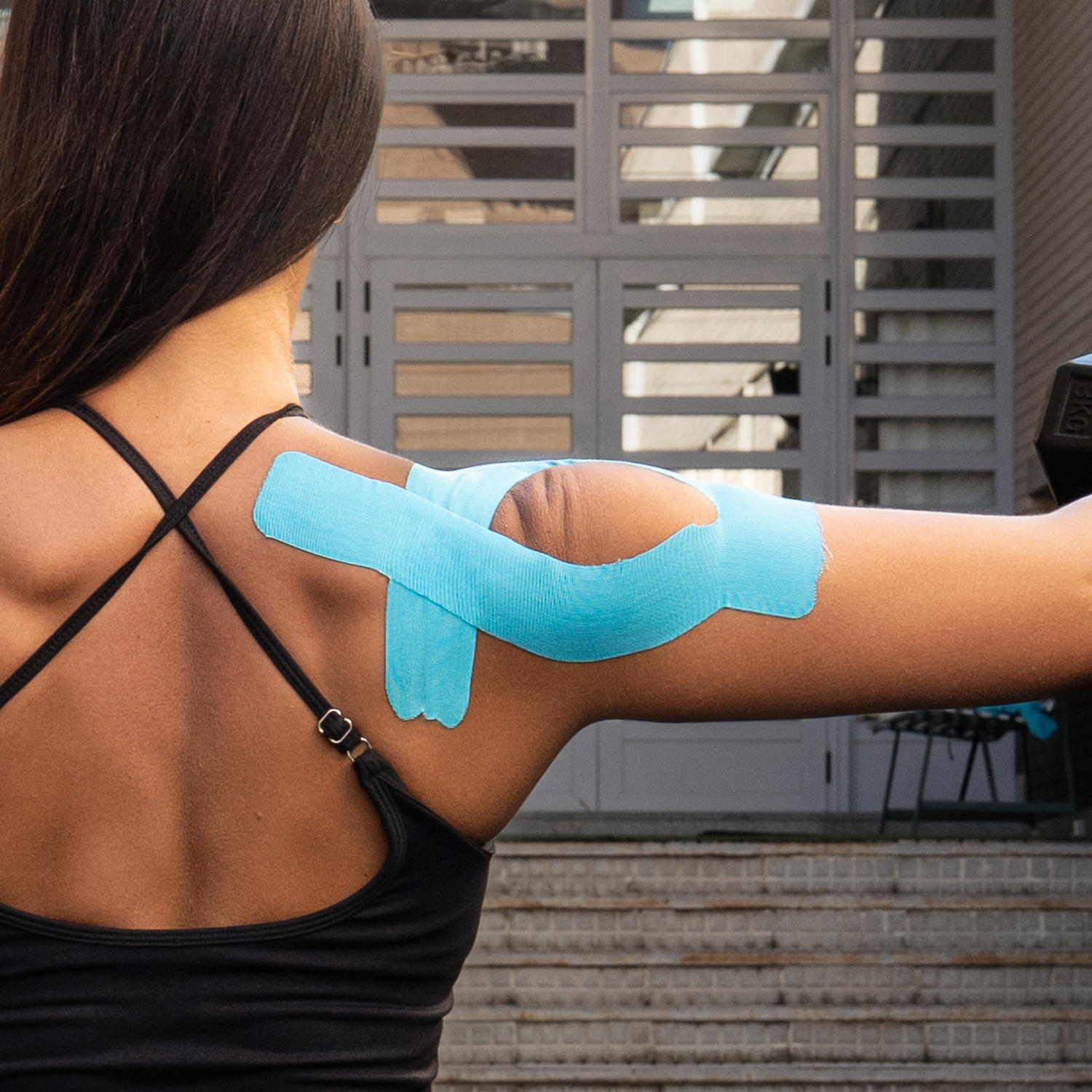
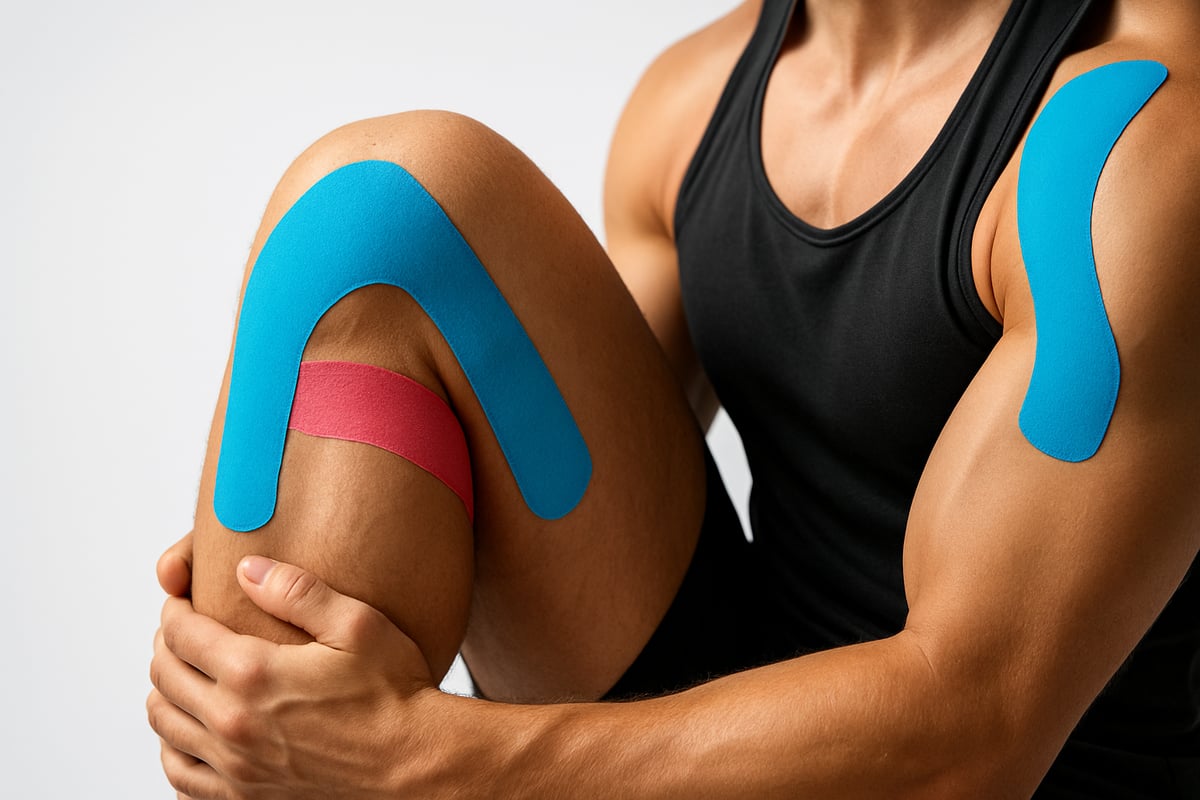
Tape for pain works through a blend of biomechanics and neurophysiology. Kinesiology and therapeutic tapes are designed to gently lift the skin. This micro-lifting effect creates space in the underlying tissues, which can help improve blood flow and lymphatic drainage.
When circulation improves, inflammation around sore muscles and joints can decrease. This leads to less swelling and faster healing. Another key mechanism is the way tape for pain modulates nerve signals. By stimulating skin receptors, tape can help interrupt pain signals sent to the brain, resulting in noticeable relief.
Multiple studies have confirmed these effects. For example, research shows that when tape for pain is properly applied, users experience measurable decreases in pain and discomfort. Elite athletes often rely on tape for pain to manage muscle and joint issues during training and competition. For a deeper dive into the mechanisms and real-world benefits, see this Comprehensive pain relief tape guide.
Types of Pain Tapes Explained
There are several main varieties of tape for pain, each with unique properties and uses. The most popular types include kinesiology tape, athletic tape, and medical tape. Kinesiology tape is elastic, making it ideal for supporting muscles and joints during movement. Athletic tape is more rigid, providing firm stabilization for injuries that require limited motion. Medical tape is often used for wound care and general support.
Here is a comparison table:
| Tape Type | Elasticity | Main Use | Example Condition |
|---|---|---|---|
| Kinesiology | High | Movement support | Sprains, strains |
| Athletic | Low | Immobilization | Severe joint injuries |
| Medical | Moderate | General medical needs | Post-surgery, wounds |
Specialized tape for pain is also available for joints, muscles, and chronic pain sites. For example, kinesiology tape is preferred for dynamic support, while rigid tape is chosen when stability is most important. Market data shows a steady rise in kinesiology tape sales, reflecting its growing use among both athletes and non-athletes.
Who Can Benefit from Pain Relief Tape?
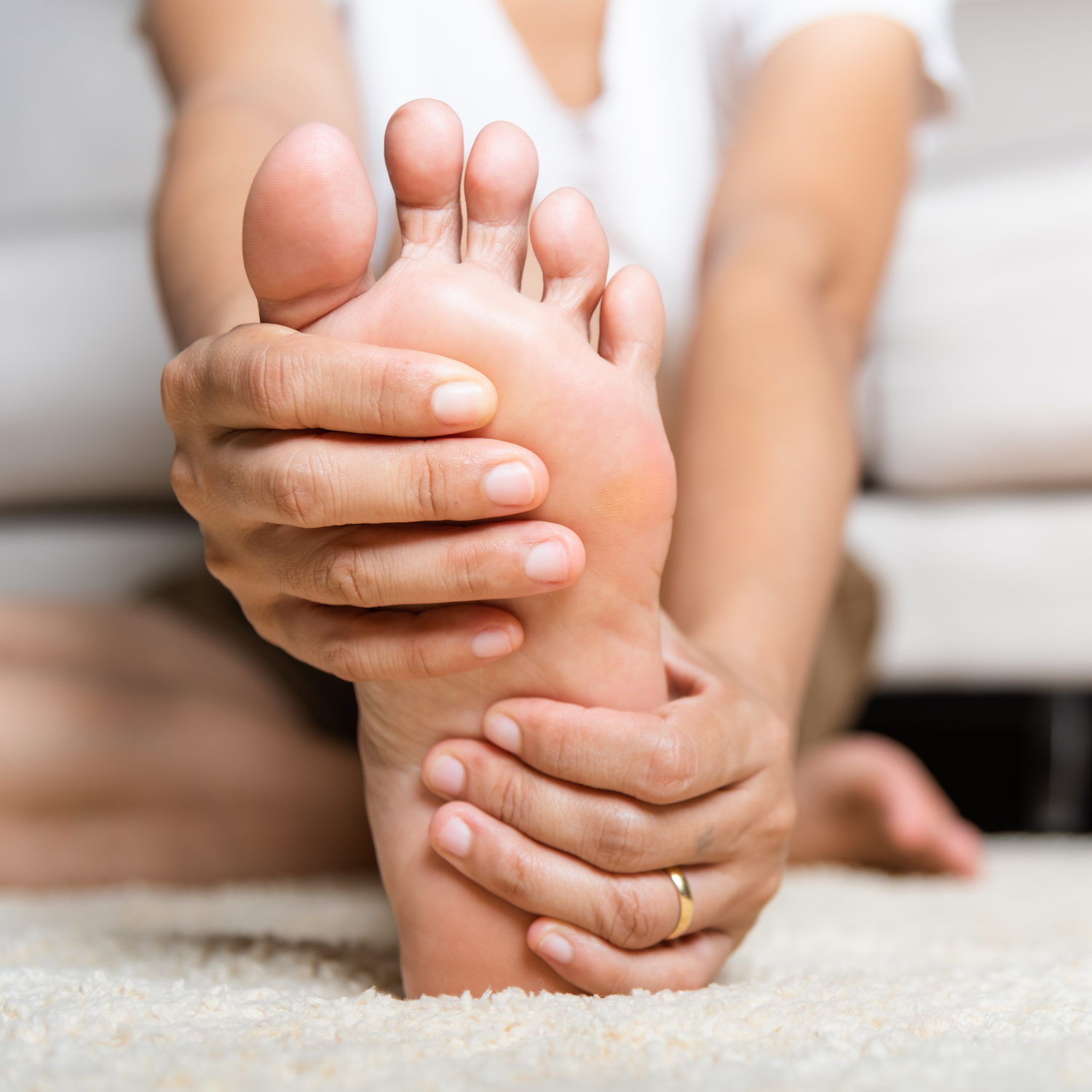
Tape for pain is not just for professional athletes. Many people find relief, including those living with chronic pain, individuals recovering from surgery, and office workers experiencing repetitive strain injuries. It is commonly applied for conditions such as sprains, muscle strains, plantar fasciitis, and arthritis.
For example, office employees use tape for pain on wrists or elbows to address discomfort from long hours at the computer. Whether you are active or sedentary, tape for pain can provide practical, on-the-go support.
Safety and Contraindications
While tape for pain is generally safe, it is not suitable for everyone. Individuals with allergies to adhesives, sensitive skin, or certain skin conditions should avoid using these products. Potential side effects include skin irritation, redness, or discomfort, especially if the tape is applied incorrectly.
Proper technique and professional guidance are essential to avoid complications. Always consult a healthcare provider before starting to use tape for pain, especially if you have underlying health conditions. Monitoring your skin and following recommended application steps are crucial for safe and effective results.
Benefits of Using Tape for Pain Relief
Discovering the benefits of tape for pain can be a game changer for anyone seeking safe and effective relief. This section reveals why more people are turning to this versatile solution in 2025, highlighting its key advantages for daily comfort and recovery.
Non-Invasive and Drug-Free Solution
Tape for pain offers a non-invasive and drug-free approach to managing discomfort. Unlike medications, it does not introduce chemicals into the body, making it suitable for individuals who wish to avoid side effects or interactions. Many chronic pain sufferers appreciate that it can be used over extended periods without risk of dependency or tolerance.
As the demand for natural pain management grows, tape for pain stands out as a practical option. Users value the simplicity of application and the freedom it provides, allowing them to stay active without relying on oral or topical drugs. This shift toward non-pharmaceutical interventions is reshaping pain relief in 2025.
Enhanced Mobility and Support
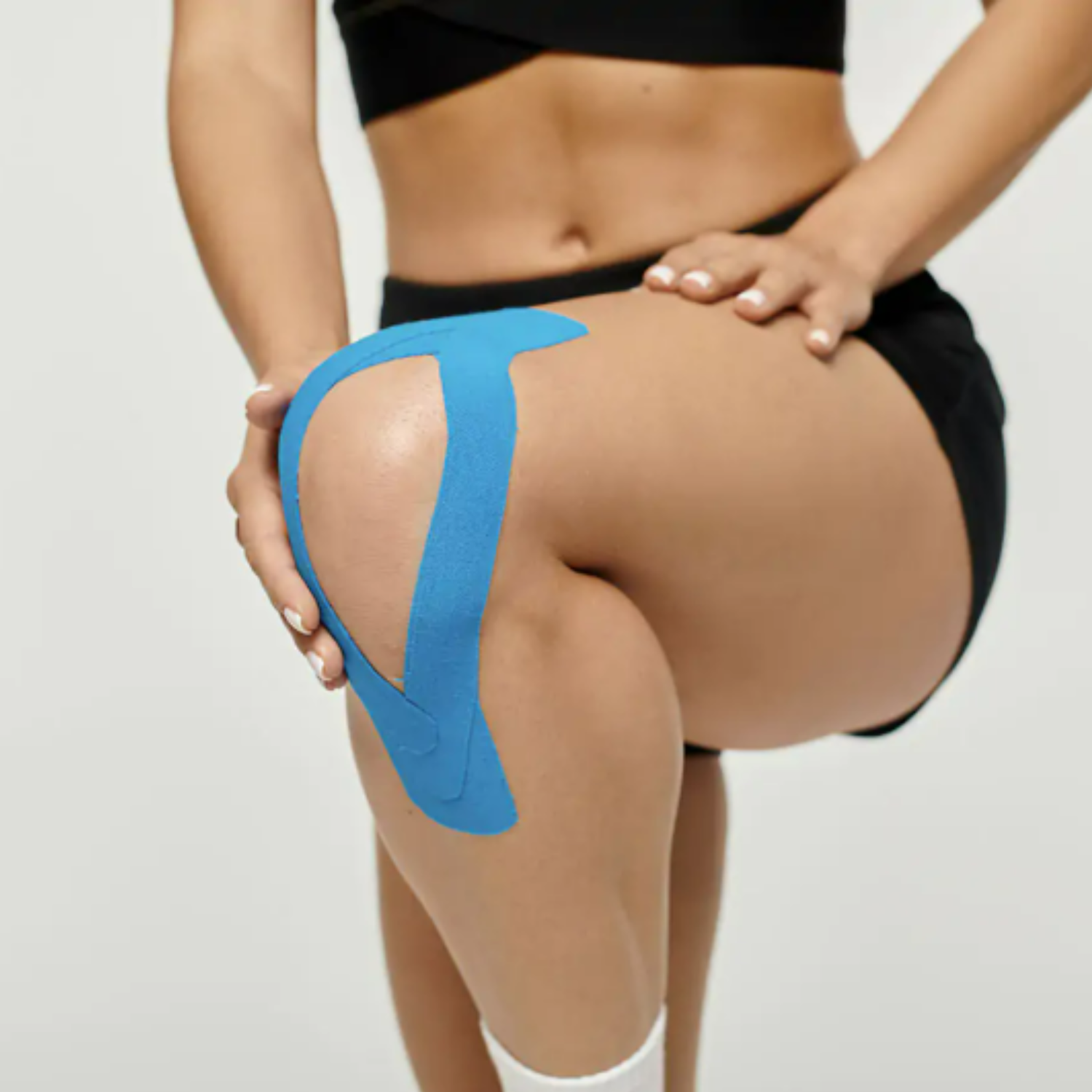
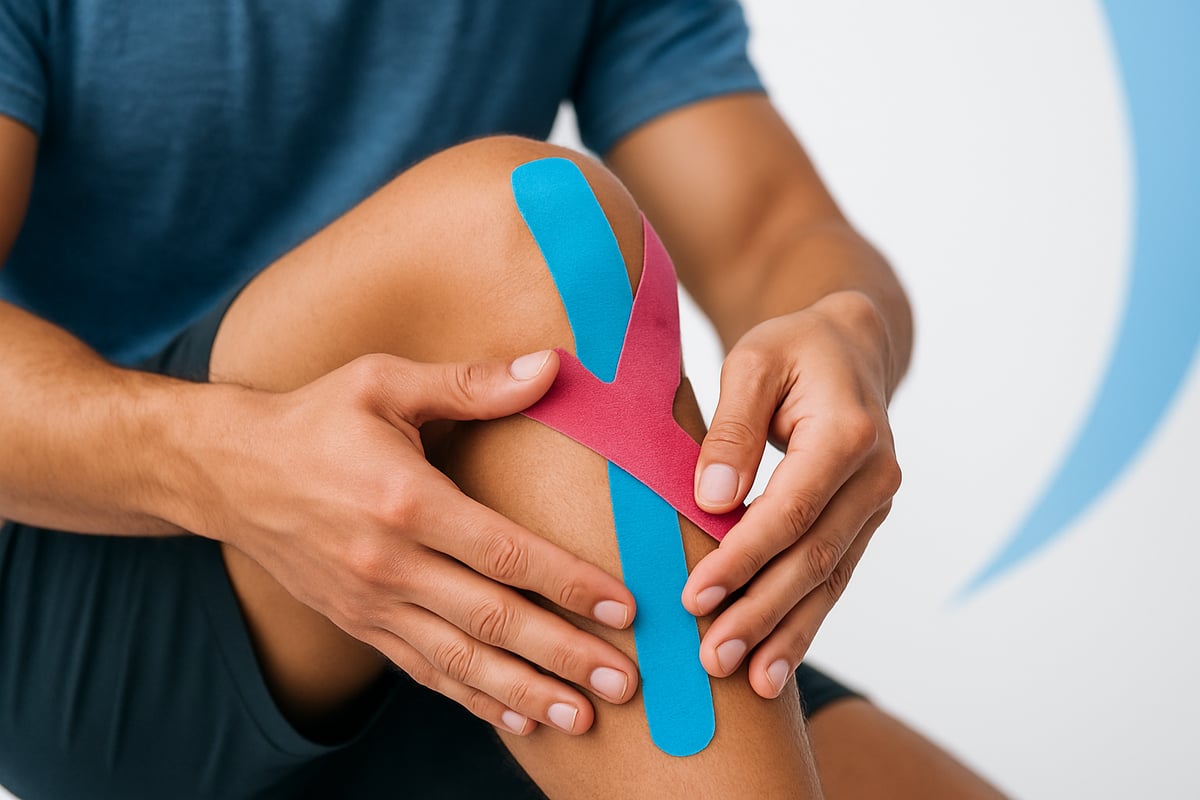
A key benefit of tape for pain is its ability to support joints and muscles while preserving natural movement. Unlike rigid braces, kinesiology and therapeutic tapes adapt to the body, offering targeted assistance where it is needed most. For example, runners often use tape for pain in the knee, allowing them to maintain performance without restriction.
Studies indicate that 65 percent of users report improved activity levels after using tape for pain. The flexibility and comfort of modern tapes make them a preferred choice for athletes and active individuals. To learn more about specific support benefits, see Targeted kinesiology taping benefits.
Accelerated Recovery and Reduced Inflammation
Tape for pain is designed to promote faster recovery by encouraging healthy circulation and reducing inflammation. When applied correctly, the tape gently lifts the skin, supporting lymphatic drainage and improved blood flow in the affected area. This process helps to decrease swelling and speed up the healing of injuries.
Physical therapists frequently recommend tape for pain to their patients, noting shorter recovery times and less discomfort. Whether used for sports injuries or chronic conditions, the tape’s ability to facilitate healing without invasive treatments is a significant advantage.
Versatility Across Conditions
One of the standout features of tape for pain is its versatility. It can be used on various body parts, including the back, knees, shoulders, and feet. This adaptability means it is effective for a wide range of issues, such as plantar fasciitis, shin splints, and tennis elbow.
Sports medicine clinics report increased use of tape for pain across diverse patient populations. Office workers, athletes, and older adults alike benefit from its ability to address both acute and chronic musculoskeletal problems. The same tape can be customized for different needs, making it an invaluable tool.
Cost-Effectiveness and Accessibility
Tape for pain is not only effective but also affordable. Compared to ongoing therapies, braces, or orthotic devices, tape represents a cost-efficient solution for many people. It is widely available in pharmacies and online stores, making it easy to obtain and replenish as needed.
Many users appreciate the convenience of tape for pain, especially with the rise of precut and easy-to-use options. The low cost, combined with reliable results, positions tape as a go-to choice for those seeking accessible pain management in 2025.
Step-by-Step Guide: How to Use Tape for Pain Relief in 2025
Applying tape for pain can be straightforward with the right approach. This step-by-step guide covers everything you need, from selecting your tape to troubleshooting common issues. Follow each stage to maximize comfort, support, and effectiveness.
Step 1: Choosing the Right Tape
Selecting the proper tape for pain is the foundation of effective relief. Begin by considering your specific needs—do you require flexibility for movement, or stability for a healing joint? Kinesiology tape is stretchy and ideal for dynamic support, while rigid athletic tape offers firm stabilization.
Check the adhesive strength and look for hypoallergenic options if you have sensitive skin. Some tapes are designed for particular body parts, such as precut strips for feet or knees, making them easier to apply. Always match the tape type to your condition, as this ensures optimal outcomes.
Step 2: Preparing the Skin and Area
Proper skin preparation is crucial before applying tape for pain. Start by cleaning the area thoroughly with soap and water, then drying it completely. This helps the adhesive stick securely and reduces the risk of irritation.
If the area is hairy, consider trimming or shaving, since excess hair can prevent the tape from adhering well. Do not use lotions or oils, as these can interfere with the tape's grip. Ensuring a clean, dry surface will enhance both comfort and effectiveness.
Step 3: Measuring and Cutting the Tape
The next step in using tape for pain is measuring and cutting the correct length. Some brands offer standard precut strips, which are convenient for common injuries. For custom applications, unroll the tape and measure against the body part you plan to support.
Cut the tape to the needed length, rounding the corners to prevent peeling. Refer to guidelines for each body region—precut strips for the foot or knee can save time and improve fit. Accurate cutting ensures the tape stays in place through movement.
Step 4: Application Techniques
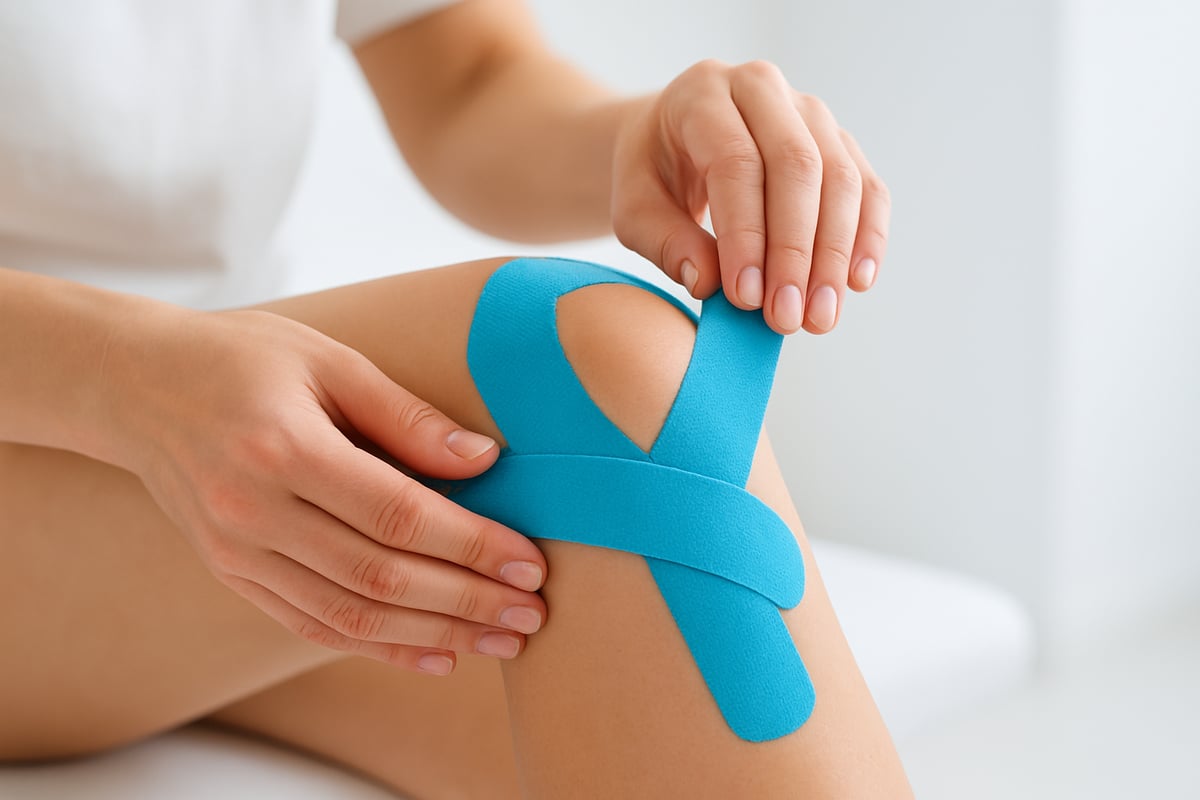
Applying tape for pain relief involves specific techniques that maximize its benefits. Most taping methods use an anchor-stretch-laydown approach. First, apply the anchor (the starting edge) with no stretch. Next, gently stretch the tape over the target area, following tension guidelines.
For muscle support, use about 10–20% stretch. For joint stabilization, you may need up to 50%. Common taping patterns include the I-strip for linear support, Y-strip for wider areas, and X-strip for multidirectional stability.
For example, plantar fasciitis sufferers benefit from targeted taping. You can find detailed plantar fasciitis taping instructions to guide your application for this specific condition. Proper taping technique can enhance pain relief, reduce swelling, and support active lifestyles.
Step 5: Wearing and Removing the Tape
After applying tape for pain, it is important to know how long to keep it on. Most tapes are designed for 3 to 5 days of continuous wear, even during showers. To prolong adhesion, pat the tape dry gently after washing and avoid rubbing.
When it is time to remove the tape, do so slowly and carefully to protect your skin. Loosen one end and peel it back along the direction of hair growth, supporting the skin with your other hand. If you notice irritation, take a break before reapplying.
Step 6: Monitoring and Adjusting
Monitoring your response to tape for pain is essential. Watch for signs of improper application, such as discomfort, redness, or skin blistering. If the tape feels too tight or causes tingling, remove it and try again with less tension.
Reapply the tape as needed, adjusting your technique for a better fit. If pain persists or worsens, consult a healthcare professional. Adapting your taping method ensures you achieve the best possible results for your unique needs.
Troubleshooting Common Issues
Even with best practices, you may encounter minor problems when using tape for pain. Peeling ends are common—round the tape corners when cutting, or use a skin prep spray to boost adhesion. If you experience itchiness, switch to a hypoallergenic tape or rotate application sites.
Poor adhesion can result from oily or damp skin, so always prepare the area thoroughly. Addressing these issues quickly will help you get the most out of your tape for pain routine.
Expert Tips and Best Practices for Maximum Relief
Unlocking the full potential of tape for pain requires more than just applying a strip. With expert strategies, you can maximize relief, support your body, and avoid common pitfalls. Let’s explore the top recommendations for safe and effective use in 2025.
Tailoring Taping to Your Needs
Personalizing tape for pain makes a significant difference in outcomes. Start by identifying your specific pain points and matching the taping pattern to your activity level or injury. Consulting with a physical therapist or trained professional can help you choose the correct technique and avoid mistakes.
- Adjust tape placement based on your sport or daily routine
- Consider custom shapes or precut strips for targeted support
- Ask for guidance if pain persists or worsens after taping
Healthcare professionals emphasize the importance of individualized approaches, as highlighted in a recent survey on healthcare professionals' perspectives on kinesiology tape. Their insights can help you achieve optimal results with tape for pain.
Combining Tape with Other Therapies
Tape for pain works best as part of a comprehensive pain management plan. Combining taping with physiotherapy, stretching, or massage can enhance your recovery and mobility. Research shows that multimodal approaches often yield better outcomes than using a single method alone.
- Use tape alongside prescribed exercises for chronic conditions
- Integrate taping before or after physical activity to support healing
- Pair taping with massage to reduce muscle tension and swelling
When you blend tape for pain with other therapies, you address multiple aspects of your discomfort, leading to faster, more sustainable relief. Always follow your healthcare provider’s guidance for the best combination.
Maintaining Skin Health
Protecting your skin is crucial when using tape for pain, especially if you apply it regularly. Rotate tape placement to give your skin time to breathe and recover, and opt for hypoallergenic or gentle adhesive tapes if you have sensitive skin.
- Clean and dry skin before each application
- Use barrier sprays for extra protection
- Remove tape slowly to minimize irritation
If you notice redness, itching, or discomfort, take a break and consult a professional. Proper care ensures you reap the benefits of tape for pain without unwanted side effects.
Mistakes to Avoid
Avoiding common errors can greatly improve your experience with tape for pain. One frequent mistake is overstretching the tape, which can lead to skin irritation or reduced effectiveness. Incorrect placement also limits support and pain relief.
Common mistakes include:
- Applying tape to broken or irritated skin
- Using too much tension during application
- Neglecting to round the tape’s corners, causing peeling
If you’re unsure about technique, refer to step-by-step guides like How to use precut kinesiology tape for practical tips. Mastering the basics will ensure your tape for pain delivers lasting support.
When to Seek Professional Guidance
While tape for pain is accessible and user-friendly, it is not a substitute for medical advice when pain is severe or ongoing. Seek help if your symptoms worsen, you experience numbness or swelling, or you’re dealing with a complex injury.
- Contact a healthcare provider for persistent or unclear pain
- Get professional assessment for sports injuries or post-surgical care
- Rely on expert input for advanced taping techniques
Timely intervention from a specialist can prevent further injury and help you use tape for pain safely and effectively. Never hesitate to reach out for support when in doubt.
Innovations and Trends in Pain Relief Tape for 2025
The world of tape for pain is evolving rapidly, bringing new possibilities for those seeking effective and convenient relief. In 2025, several innovations are redefining what users can expect from this versatile therapy. Let us explore the most exciting trends shaping the future of tape for pain.
Smart Tapes and Wearable Tech
Technology is transforming tape for pain into a smart solution. In 2025, some tapes come with embedded sensors that track muscle activity, hydration, and movement patterns in real time. These smart tapes sync with mobile apps, giving users personalized feedback on posture and recovery progress.
Athletes and patients benefit from data-driven insights, helping them adjust their routines and maximize relief. This blend of wearable tech and tape for pain opens new doors for proactive self-care and injury prevention. As innovation accelerates, expect more seamless integration between digital health and physical therapy.
Eco-Friendly and Sustainable Materials
Sustainability is a priority for many who use tape for pain. Manufacturers are now introducing eco-friendly options that use biodegradable fabrics and skin-safe adhesives. These materials reduce environmental impact without sacrificing performance or comfort.
Consumers are increasingly seeking products that align with their values. The shift toward sustainable tape for pain is supported by market data, which shows growing demand for green alternatives. Choosing tapes with these features helps users support both their health and the planet.
Personalized and Precut Solutions
Personalization is at the forefront of the tape for pain market. In 2025, more brands offer precut strips designed for specific body parts and conditions. Whether you need support for knees, shoulders, or feet, these tailored solutions make application easier and more effective.
For example, those managing plantar fasciitis can benefit from targeted taping. Recent studies, such as Kinesiology tape's impact on plantar fasciitis pain, highlight the effectiveness of condition-specific tapes in reducing discomfort and improving mobility. This trend ensures users get the right support exactly where they need it.
Increased Accessibility and Education
Access to tape for pain is expanding thanks to online education and telehealth resources. In 2025, users can find step-by-step tutorials, virtual consultations, and interactive guides to help with taping techniques. At-home taping kits are now more widely available, making it easy for anyone to get started.
This increased accessibility empowers people to manage pain independently and safely. The emphasis on education helps prevent common mistakes and maximizes the benefits of tape for pain, ensuring users feel confident in their self-care routines.
ToeTape: Specialized Foot Care Solutions
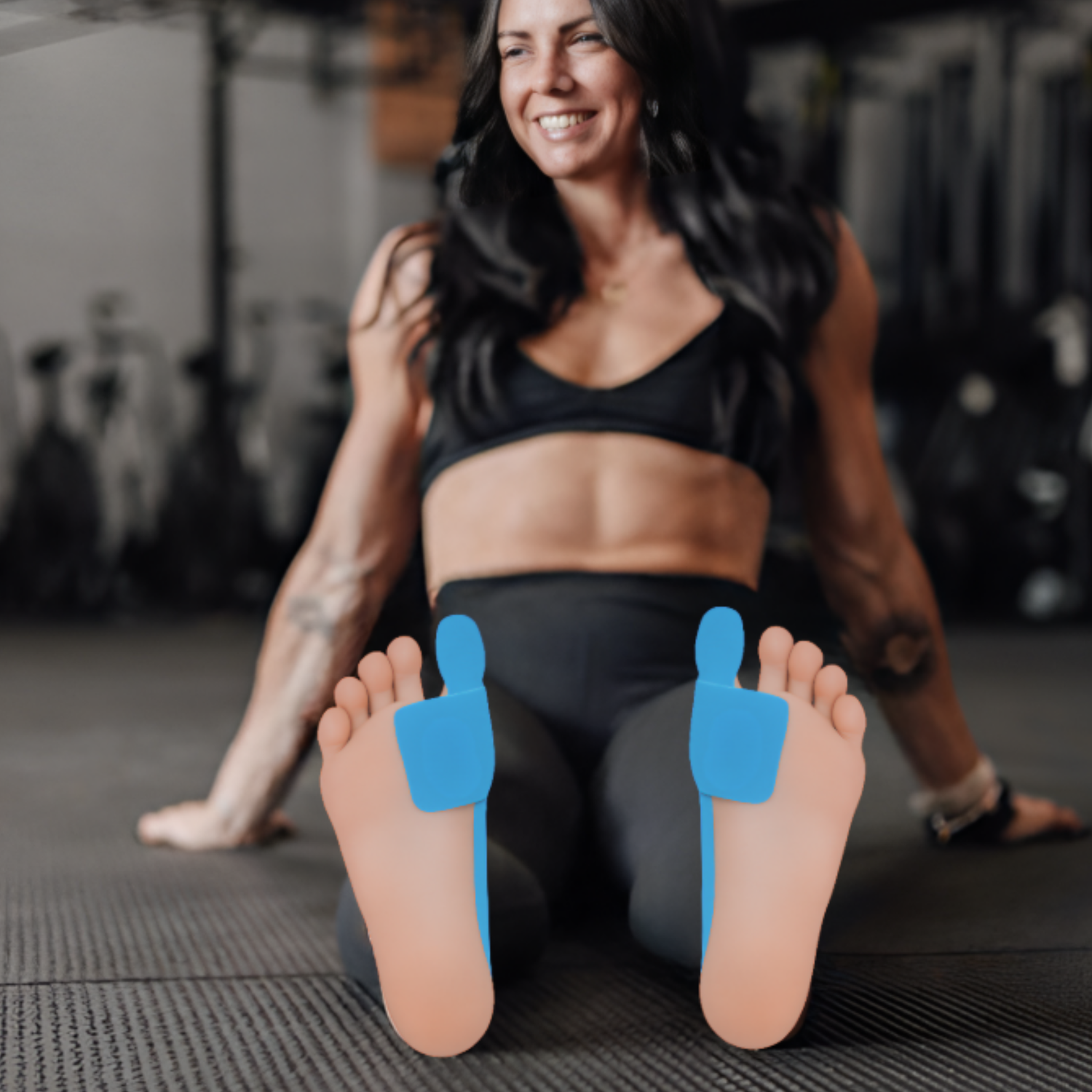
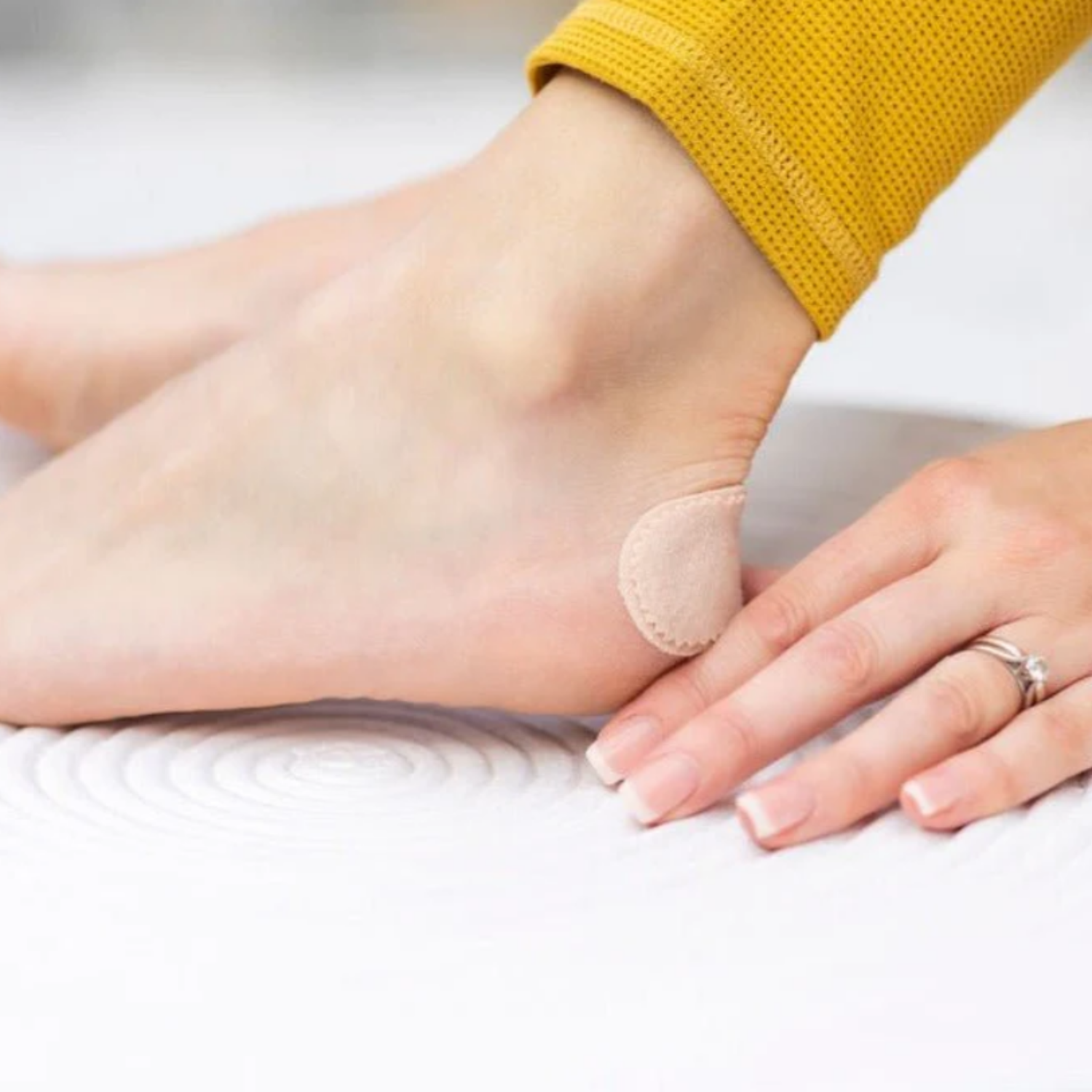
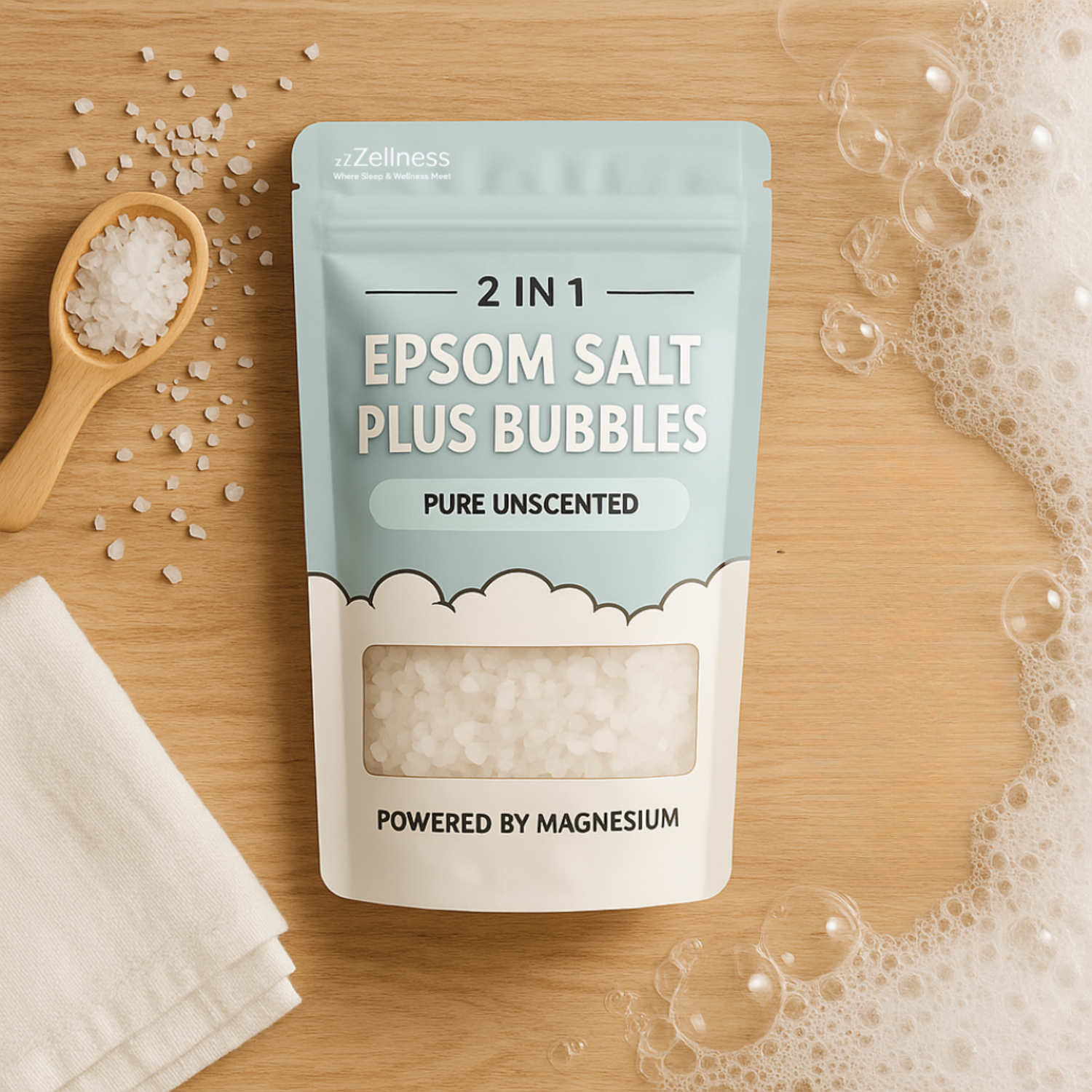
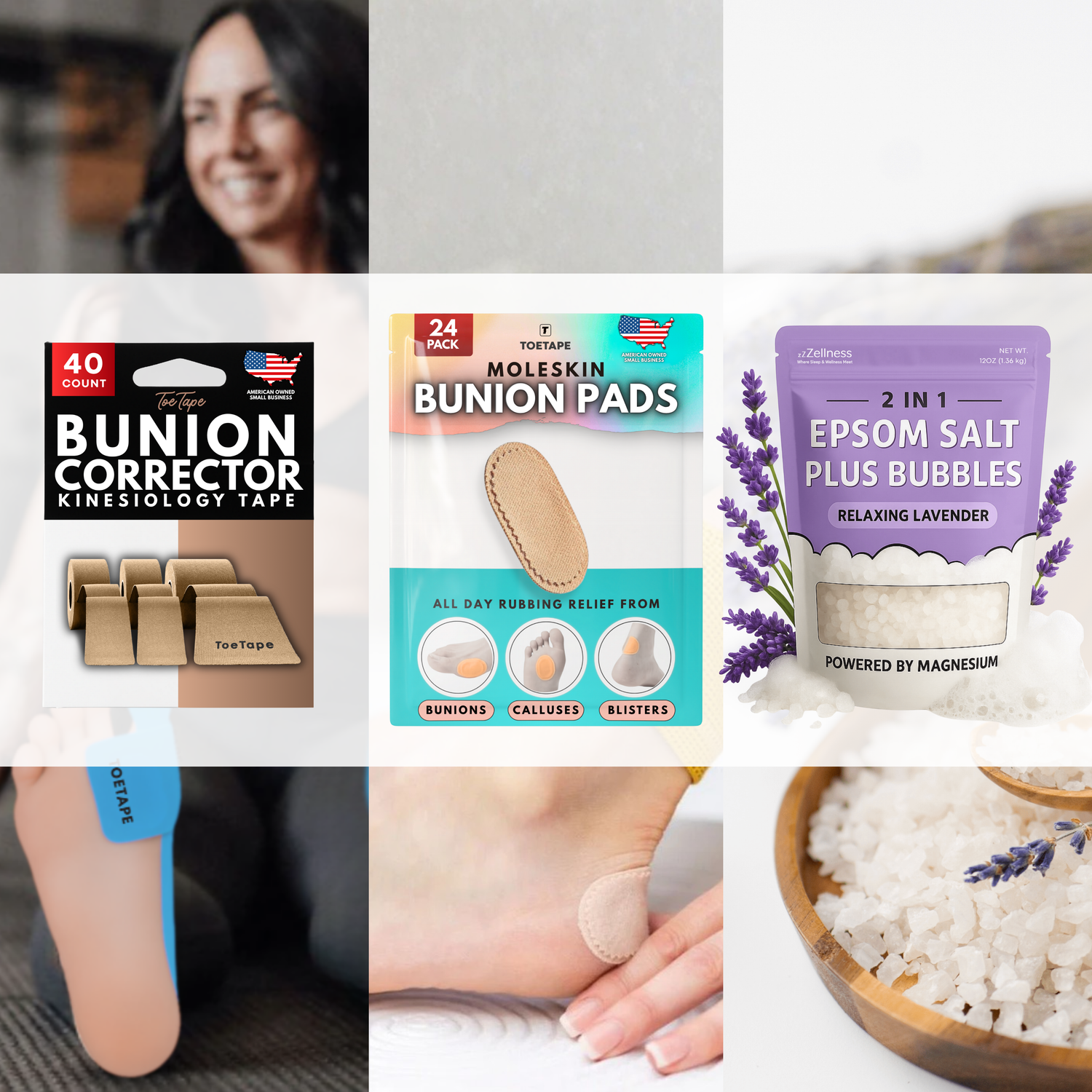
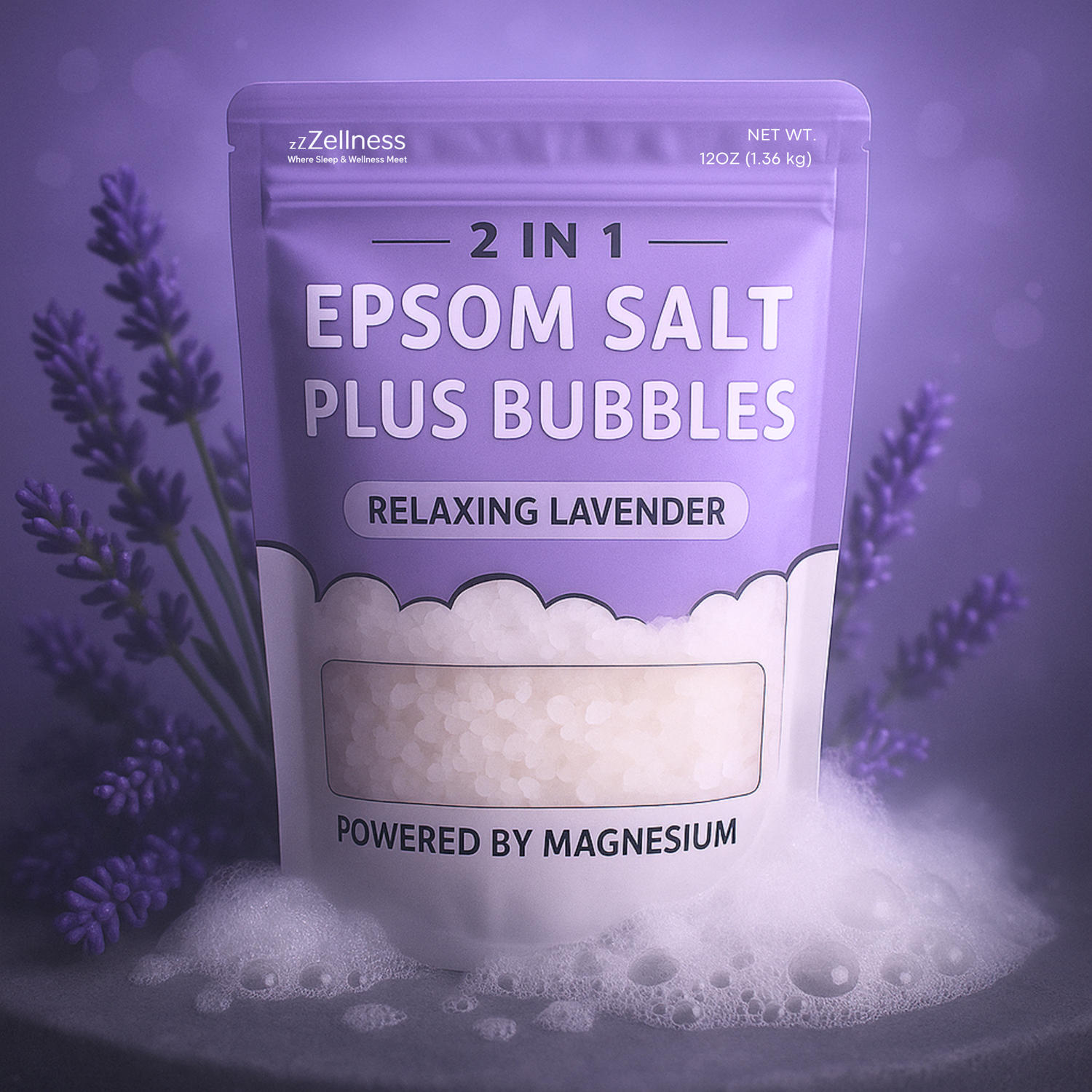
ToeTape leads the way in innovative, non-invasive foot pain relief. Their product range includes bunion correction tape, plantar fasciitis tape, moleskin pads, and Epsom salt soaks, all designed for user-friendly application. Precut and easy-to-use strips provide targeted support for feet and joints.

Trusted by athletes, professionals, and those with chronic foot pain, ToeTape is committed to quality and comfort. With over 13,000 satisfied customers and a 4.6/5 rating, ToeTape prioritizes educational resources and product durability. Their solutions empower users to maintain active lifestyles with all-day relief.
As you’ve learned, tape isn’t just for athletes—it’s a practical, science-backed solution for anyone seeking natural, drug-free relief from everyday aches, especially if you’re dealing with bunions or foot discomfort. With the right tape, you can support your feet, ease pain, and keep moving comfortably throughout your day. If you’re ready to experience real relief that adapts to your active lifestyle, I encourage you to explore options designed for movement and comfort. Take the next step toward happier, healthier feet and Get Bunion Relief that Moves with You!